Brown Background Storytelling Build Authentic Vibes for Niche Channels
Why earthy browns win on niche feeds—and exactly how to nail palettes, lighting, and product‑portrait balance with fast Pixflux.AI edits.
 Emily CremerJanuary 12, 2026
Brown Background Storytelling: Build Authentic Vibes for Niche Channels
If your audience lives in craft, wellness, or slow-fashion niches, they’re likely tired of neon and hyper-polished backdrops. In 2026, earthy palettes—especially brown—consistently outperform loud schemes across micro‑influencer feeds and niche storefronts. The vibe is warm, grounded, and human, but getting a brown background right every time is harder than it looks.
Common pain points: phone cameras oversaturate warm hues, mixed lighting turns brown into orange, and product-portrait scenes lose contrast or feel muddy. Retouching every image manually is slow, and outsourcing can dilute your brand’s tactile, lived-in character.
The good news: a repeatable workflow plus lightweight AI cleanup is enough to keep your brown background consistent across shoots, social posts, and multi‑SKU catalogs. Tools like Pixflux.AI help you remove clutter, adjust tones, and standardize the look in a few clicks—start by exploring a purpose-built brown background workflow.
(See image suggestion: side-by-side panel of brown textures—kraft paper, wood, clay—under different lighting and white balance settings.)
Why niche communities gravitate to earthy brown backgrounds
- Brown signals groundedness and authenticity. In niche channels—ceramics, natural skincare, specialty coffee—audiences reward tactile textures and honest materials.
- It pairs well with natural props: wood, linen, clay, and paper read as real rather than staged.
- In mobile-first feeds, brown is gentle on the eyes and lets products, hands, and faces lead without visual fatigue.
Trend context: micro-influencers are standardizing looks with AI background tools to stay on-brand, and batch editing keeps brown tones consistent across multiple SKUs and posts.
The psychology of brown: warmth, trust, and grounded storytelling
Brown evokes reliability, comfort, and craft. It’s the color of soil, leather, coffee, and cacao—things that feel lived-in and dependable. When paired with soft lighting, brown underscores transparency and care, which is why it works for “how it’s made” stories, unboxings, and behind-the-scenes snippets.
Avoid two pitfalls:
- Dullness: Add tactile variation (grain, fiber, clay speckle) to prevent flat patches.
- Over-warmth: Keep white balance in check so skin tones stay natural and whites don’t drift to yellow.
Building a consistent brown palette: hex codes, textures, and materials
A consistent palette removes guesswork between shoots and edits. Start with a tight set of 3–4 browns and use them across backdrop, props, and overlays.
- Core hex suggestions:
- Deep anchor: #2F1B0C or #3B2F2F
- Mid chocolate: #5C4033
- Warm tan: #D2B48C
- Neutral khaki: #8B6F47
- Textures to mix:
- Kraft paper for fiber and soft gradients
- Unfinished wood for grain lines
- Clay or unglazed ceramic for matte, specular-free surfaces
- Materials to avoid:
- Highly reflective foils (they inject uncontrollable color casts)
- Cheap vinyl that wrinkles and causes banding under soft light
Tip: name your swatches (e.g., “Brand Brown 01–04”), print a half-page swatch for on-set matching, and keep a color card in the first frame of every scene to nail post-production consistency.
(See image suggestion: side-by-side of kraft paper, wood, and clay, each illuminated under different white balance settings.)
Lighting brown backdrops: exposure, white balance, and contrast control
- White balance: Lock Kelvin between 4800–5600K for a neutral base, and avoid mixed lighting (e.g., daylight + warm bulbs). Mixed sources shift brown to orange or green.
- Exposure: Underexposure makes brown muddy; slight overexposure can wash it out. Aim for a histogram with midtone weight and protected highlights on skin and product edges.
- Contrast: Use a large soft source (softbox or indirect window) and add negative fill (black card) opposite the key light to sculpt shape without crushing shadows.
- Skin tones: Add a subtle bounce (white card) near the face to keep rosy values clean on top of brown.
- Shiny products: Use larger light sources to reduce harsh specular highlights on metal, glass, or glaze.
Product–portrait balance on a brown background: composition and depth cues
- Subject separation: Increase backdrop distance (1.5–2 m) and shoot at f/2.8–f/5.6 to gently blur texture while keeping product details crisp.
- Focus cues: Add a light edge separation on hair or product contours to avoid blending into darker browns.
- Composition: Use diagonals (fabric folds, wood grain direction) to lead the eye to the product. Keep negative space for text overlays on social posts.
- Color accents: Anchor brown with muted greens or creams. Avoid stacking multiple hot colors that fight the warm base.
Workflow for consistency: scene checklists, color charts, LUTs, and presets
- Before the shoot:
- Tape your palette swatches to the backdrop edge for quick checks.
- Fix a single white balance and shutter/ISO baseline; adjust only aperture for depth.
- Prepare a prop kit: one wood, one fabric, one matte ceramic—keep continuity across sessions.
- During the shoot:
- Capture a color chart in frame one.
- Keep a 5‑shot bracket for scenes with metal or glass to hedge against specular spikes.
- After the shoot:
- Build a preset (mobile or desktop) that protects skin tones and brings brown midtones to a repeatable target.
- Export brand LUTs for video clips so your Reels/TikTok transitions match stills.
Hands-on How-To with Pixflux.AI: upload → AI process → download
You can tighten your brown background look without deep retouch skills. Here’s the quick 3-step flow many creators use with Pixflux.AI:
- Upload your original image
- Grab a portrait or product shot with a brown backdrop (or any messy background you want to standardize).
- Let the AI process the image
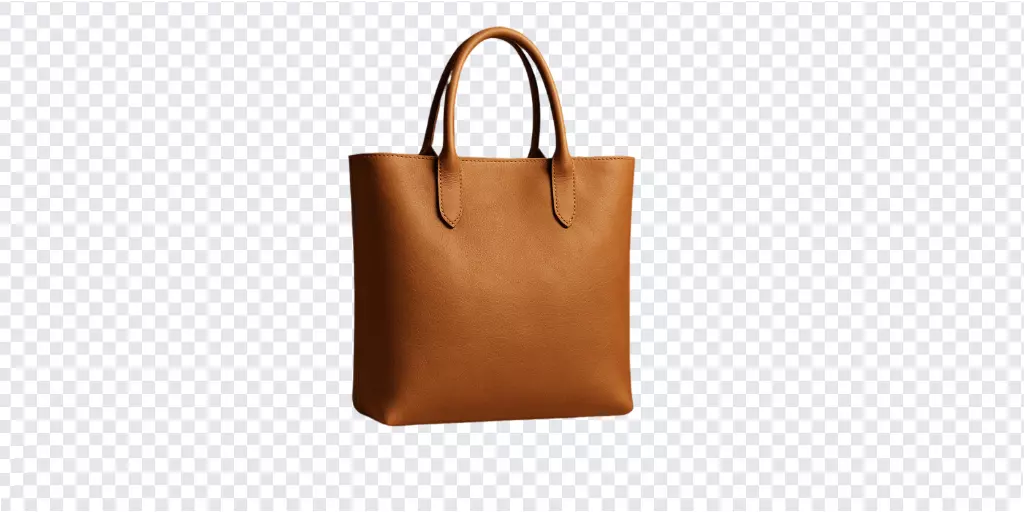
- Use background removal to cut out distractions, or generate a clean, texture-aware brown look that matches your palette.
- Download the refined image
- Save the result for your Amazon listing, Instagram carousel, or catalog.
If you’re starting from scratch, a dedicated tool can help you generate on-brand earthy brown backgrounds in seconds, then keep that look consistent across a batch of files.
(See image suggestion: Pixflux.AI interface illustrating the three-step workflow from upload → AI processing → download.)
Advanced Pixflux.AI edits: change backgrounds, remove objects and watermarks
When your scene needs more control, Pixflux.AI can help you refine the frame while preserving authenticity:
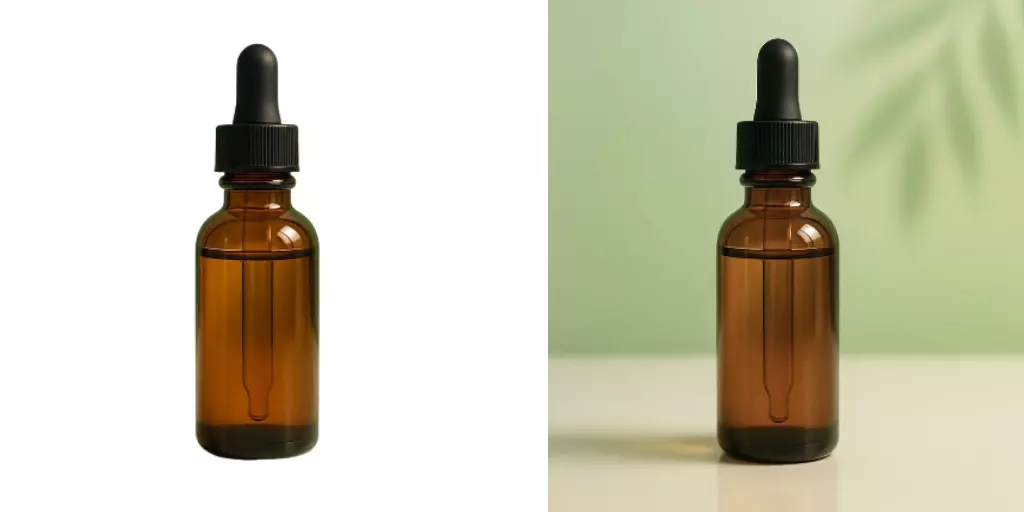
- Replace a busy scene with a cleaner brown backdrop that matches your hex swatch or texture intent.
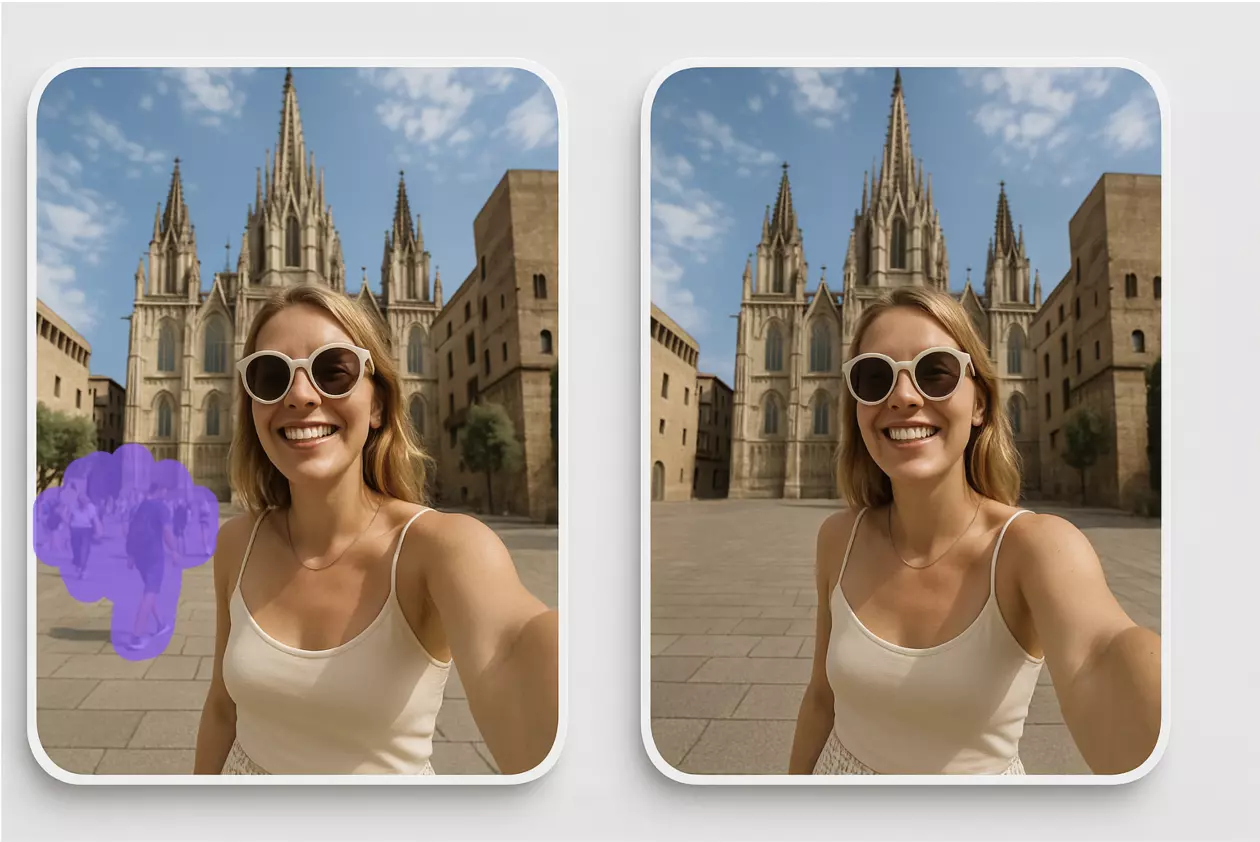
- Remove stray elements—cables, passerby, or packaging wrinkles—without reshooting.
- Clean brand-owned watermarks or outdated logos before a rebrand.
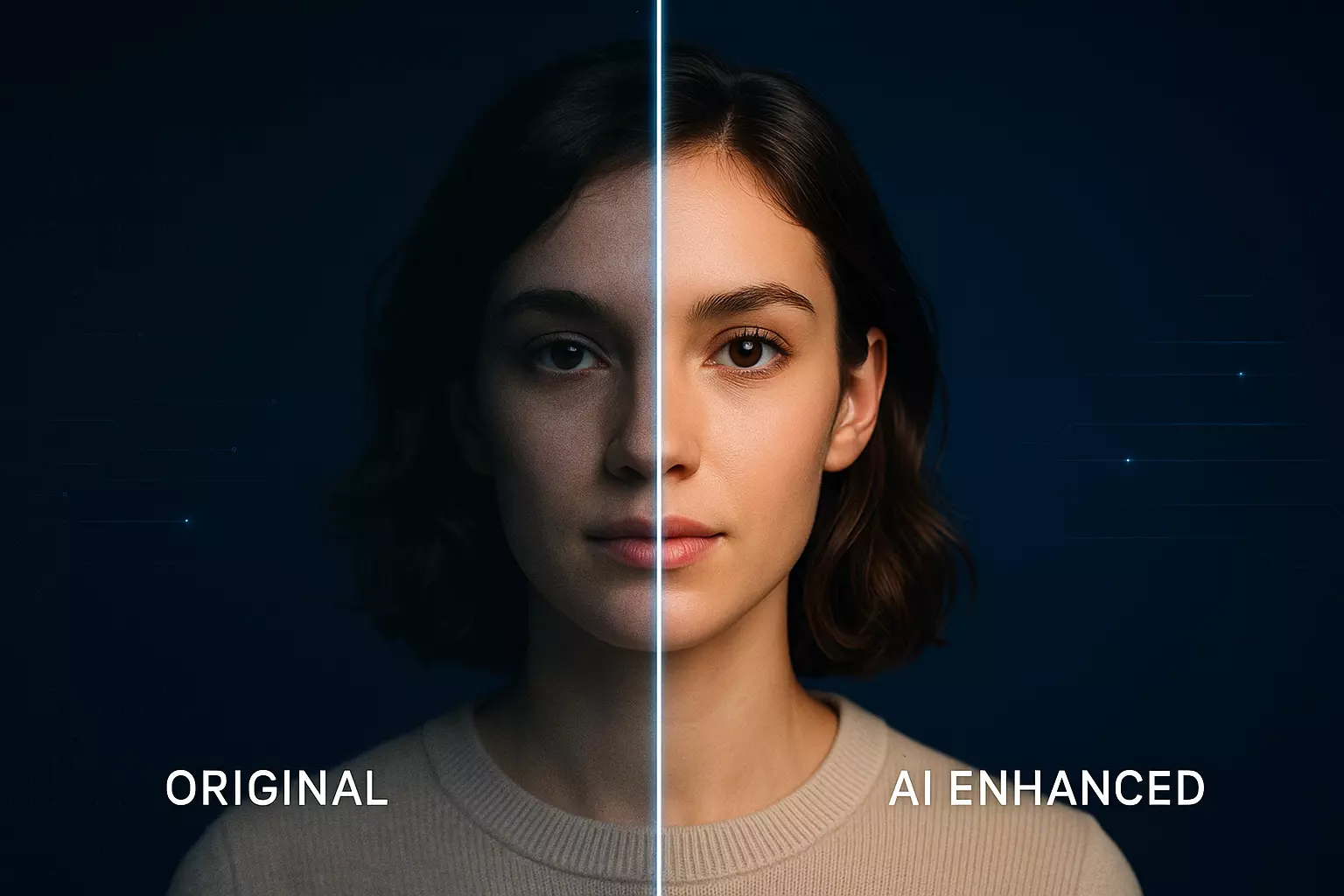
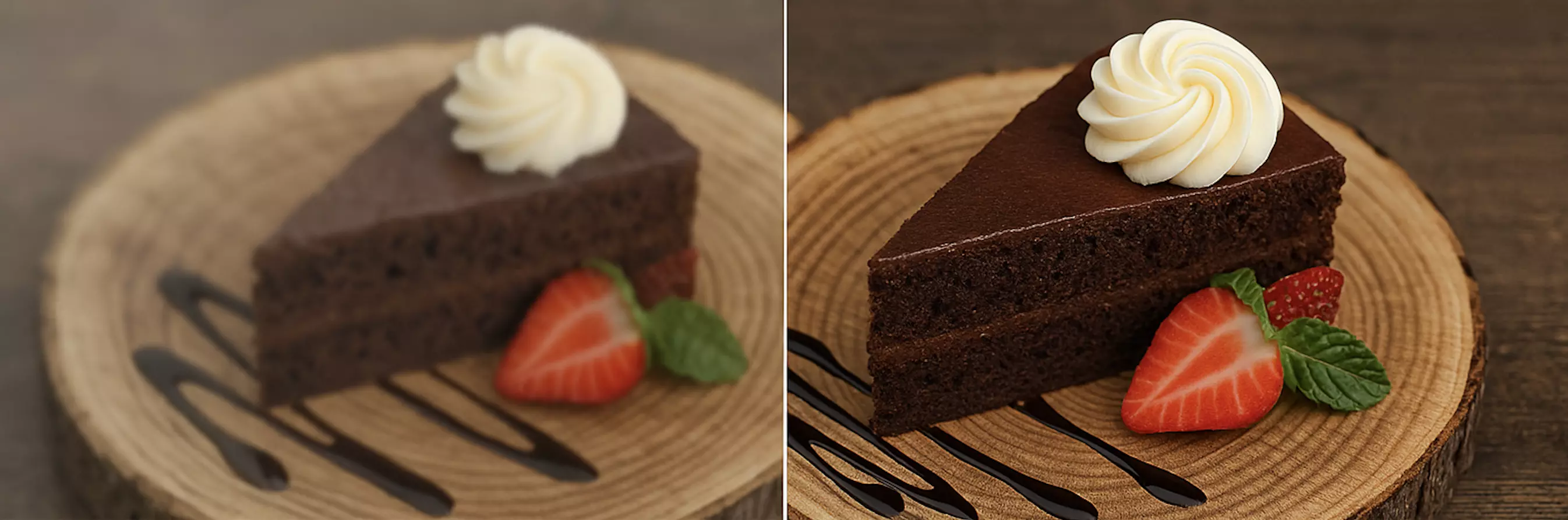
- Enhance clarity, contrast, and micro-detail so fabric weave or wood grain reads true on mobile.
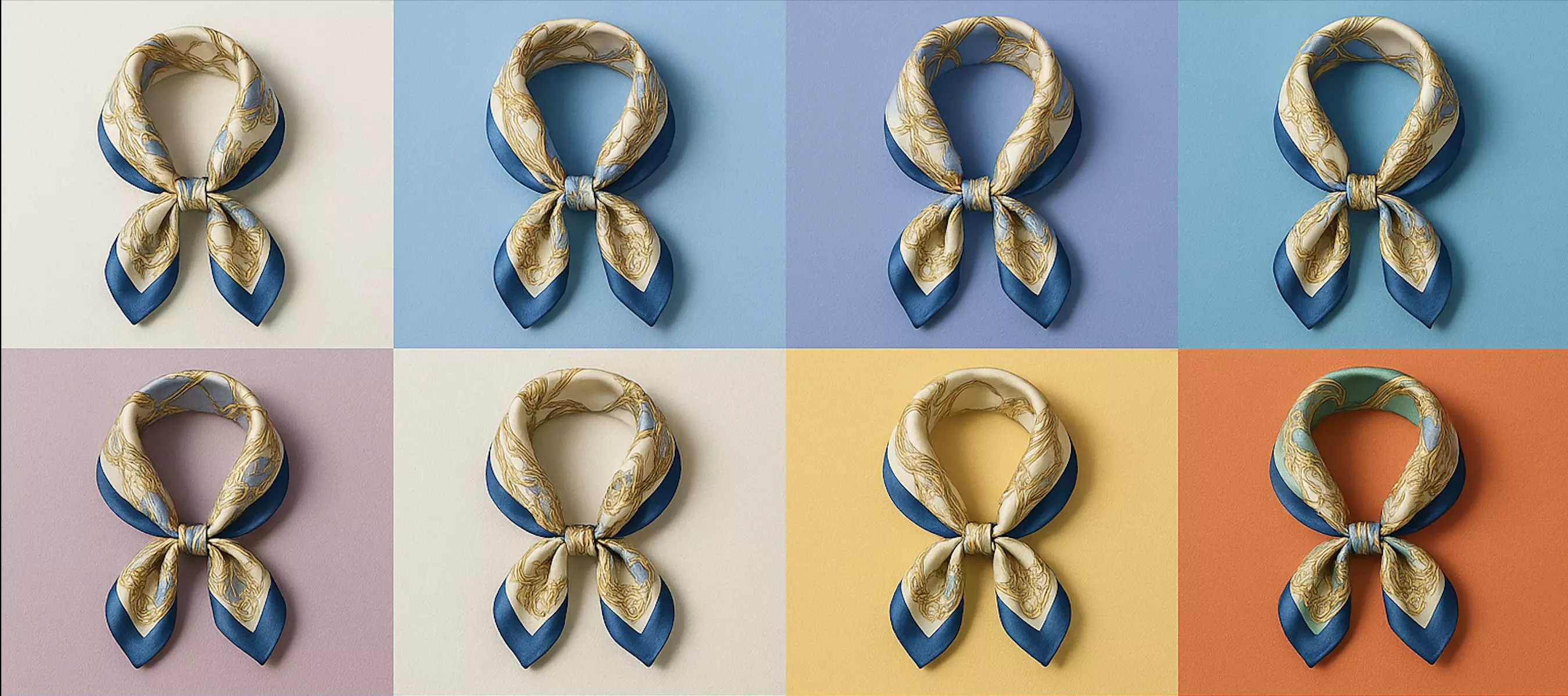
- Batch-process multiple images to keep brown tones consistent across a multi-SKU grid.
A detailed 5-step flow:
- Open the Pixflux.AI tool page
- Upload your original photo
- Choose the background change or removal tool, or select the enhancer to refine clarity and contrast
- Preview the result, then fine-tune brown hue, saturation, and texture intensity for brand alignment
- Download the final image and add it to your post or product page
Compliance reminder: only remove watermarks or logos on assets you own or are authorized to edit. Do not use watermark removal to bypass licensing or platform rules.
Quality benchmarks: before/after, color accuracy, and skin tones
- Color accuracy: Eyeball swatches against your brand brown; ensure neutrals (teeth, whites, labels) are not shifting yellow.
- Texture retention: Kraft fibers and wood grain should remain visible without looking crunchy or over-sharpened.
- Skin tones: Keep reds and oranges in check. A light luminance lift on skin can preserve warmth without oversaturation.
- Readability: Overlay sample text; confirm sufficient contrast for captions or CTAs.
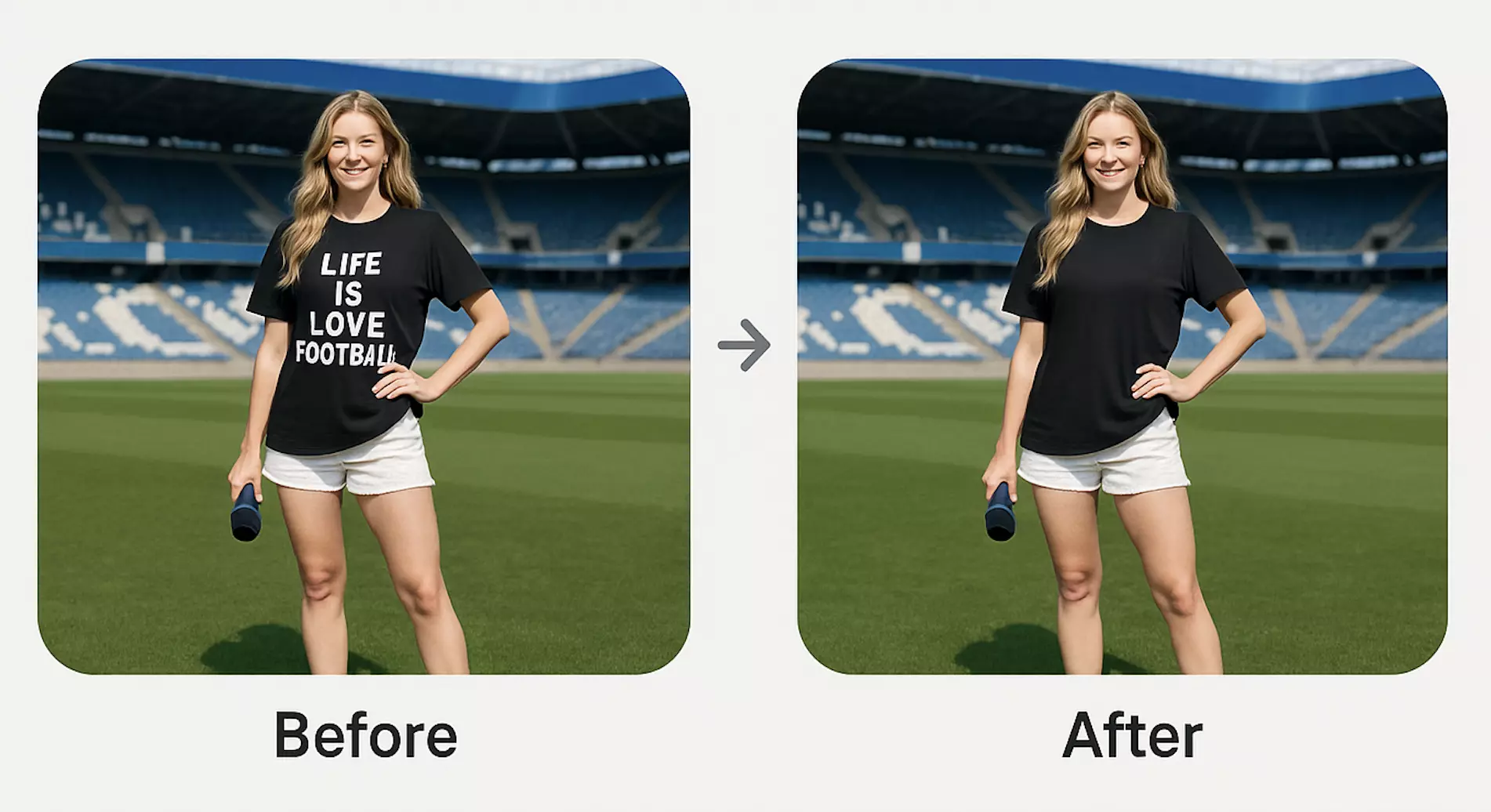
(See image suggestion: before-and-after product portrait on a brown background showing improved warmth, contrast, and texture retention.)
Compliance and ethics: rights, cultural sensitivity, and disclosure
- Rights and usage: Edit only images you own or have permission to modify. For watermark removal, ensure you’re the rights holder or have explicit authorization.
- Cultural sensitivity: Brown palettes often reference natural materials and heritage crafts; credit artisans and avoid appropriating motifs without context.
- Disclosure: When posts are sponsored, disclose per local regulations even if your images look documentary and “unscripted.”
Troubleshooting common brown background mistakes and quick fixes
- Brown looks orange: Your white balance drifted warm. Lock Kelvin at 5000–5600K and reduce orange saturation slightly in post.
- Muddy shadows: Raise exposure by 0.3–0.5 stops and add negative fill for shape rather than crushing blacks.
- Washed-out textures: Add micro-contrast; avoid high global clarity that introduces halos.
- Skin tones too red: Reduce orange/red saturation by 5–10% and lift skin luminance to keep glow.
- Banding on paper backdrops: Increase bit depth in capture (if possible), light more evenly, or add slight grain in post to mask banding.
- Glare on shiny objects: Use a larger diffuser or reposition lights to create broader, softer reflections.
AI tools vs. traditional methods
- Time cost: Manual masking and cleanup in desktop software can take 10–20 minutes per image; Pixflux.AI typically does it in seconds, then lets you tweak the result.
- Learning curve: Pro retouching demands advanced selections and color management; AI tools are approachable for non‑designers.
- Batch consistency: Maintaining identical brown tones across dozens of SKUs is tedious by hand; batch processing keeps color and contrast aligned.
- Cross-team alignment: Share a simple how-to and presets so creators, marketers, and photographers achieve the same brown look without deep training.
Traditional tools remain essential for complex composites, but for everyday background cleanup, tone standardization, and object removal, Pixflux.AI speeds up the process dramatically while preserving brand authenticity.
FAQ: Brown background styling, lighting, and brand consistency
What hex codes are good starting points for a brown background?
Start with #2F1B0C (deep), #5C4033 (mid), and #D2B48C (tan) as a flexible trio. These cover anchor, midtone, and highlight-friendly ranges and mix well with natural props. Save them as swatches and print a reference card to keep shoots consistent and edits predictable.
How do I stop brown from shifting to orange under mixed lighting?
Lock white balance (Kelvin) and avoid mixing daylight with warm bulbs. If you must mix, gel one source for alignment. In post, reduce orange saturation by 5–10% and nudge temperature cooler until neutrals and skin tones look natural.
How can I keep skin tones flattering against a brown backdrop?
Use soft key light plus a gentle white bounce near the face, and protect reds/oranges in post. Lift skin luminance slightly and avoid global clarity that exaggerates pores. A controlled edge light can separate hair and skin from darker browns without adding harshness.
Can I remove watermarks or logos when cleaning my background?
Yes, but only on assets you own or have explicit rights to modify. Watermark removal is for legitimate brand updates or creator-owned files. Do not use it to strip licensing marks or evade platform or copyright rules.
What image specs work for social posts and marketplaces on brown backgrounds?
Aim for 1080–1440 px on the short edge for social and 2000–3000 px for product listings. Keep JPEG quality high to preserve subtle paper or wood textures. Check platform guidelines for aspect ratios (e.g., 1:1, 4:5) and ensure contrast keeps text legible on brown.
How do I batch standardize brown tones across a multi-SKU catalog?
Use a preset or LUT that targets mid-brown values and batch apply, then spot-correct edge cases. An AI cleanup pass can unify backdrops first; afterward, minor global tweaks keep everything within brand tolerance. Batch processing saves time and maintains consistency.
Does brown work with bright or neon products?
Yes, but balance intensity with neutral spacing and controlled highlights. Keep the brown slightly desaturated and avoid stacking multiple neon accents. Use negative space and softer light so the product remains the focal point without color clash.
What’s the best way to handle glossy objects on brown?
Increase source size (bigger diffuser), control angles, and avoid small, harsh highlights. A larger light creates softer gradients on metal or glaze. Keep the object angled so reflections fall outside the camera’s primary view.
Conclusion and next steps
Earthy brown backgrounds are more than a color choice—they’re a trust signal for communities that value craft and care. With a tight palette, simple lighting, and a consistent post process, you can standardize your look across social, marketplaces, and catalogs. When speed matters, Pixflux.AI helps you remove messy elements, refine tones, and maintain consistency without heavy retouching.
Ready to build a repeatable look? Explore practical presets and one-click cleanup for your brown backdrop aesthetics and keep every post on-brand.