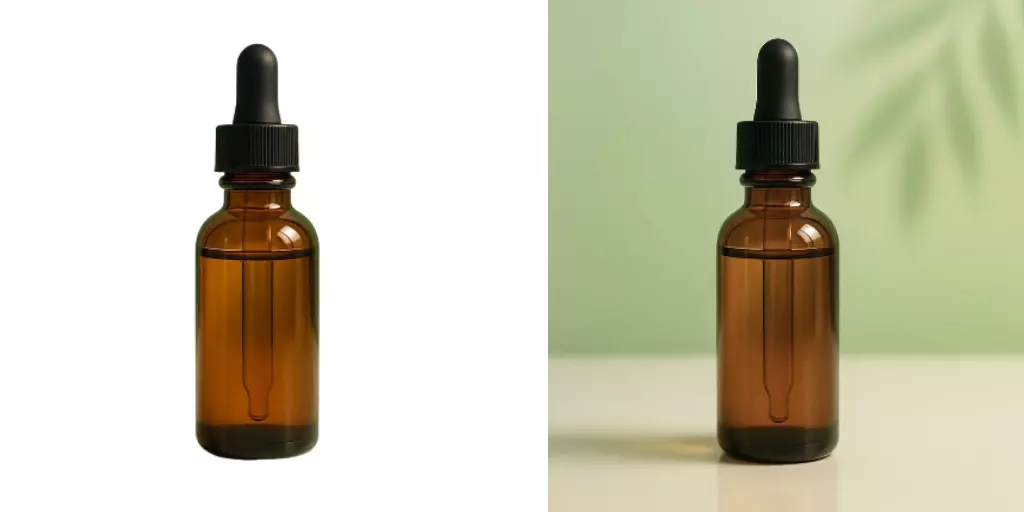
Calming Visuals for Digital Detox Create Consistent Blue Backgrounds
Connect digital detox with calmer visuals and master one consistent blue background for products, portraits, and social posts using Pixflux.AI presets.
 Emily CremerJanuary 10, 2026
Calming Visuals for Digital Detox: Create Consistent Blue Backgrounds
We’re all feeling the visual overload—busy feeds, loud layouts, and clashing colors fight for attention 24/7. If you manage product photos, portrait content, or social posts, this noise turns into real production friction: mismatched backdrops, color drift across channels, and time lost retouching “almost blue” backgrounds so they finally match.
A practical fix is to lean into digital detox aesthetics—quieter, cleaner visuals—and standardize your background to a single calming blue. With modern AI background tools, you can create consistent blue backgrounds at scale, keep the color identical across exports, and help audiences breathe when they land on your PDPs, ads, and profiles.
(See image: Before-and-after product photo comparing a dull gray backdrop versus a consistent blue background generated in Pixflux.AI.)
Digital detox meets design: why calming blue backgrounds matter
“Digital wellness” is no longer a niche. As brands reset for 2026, calmer, low-noise visuals perform better in feeds and storefronts because they reduce cognitive load. A blue background delivers that calm: it’s familiar, trustworthy, and flexible enough to complement products, faces, and text without stealing the show.
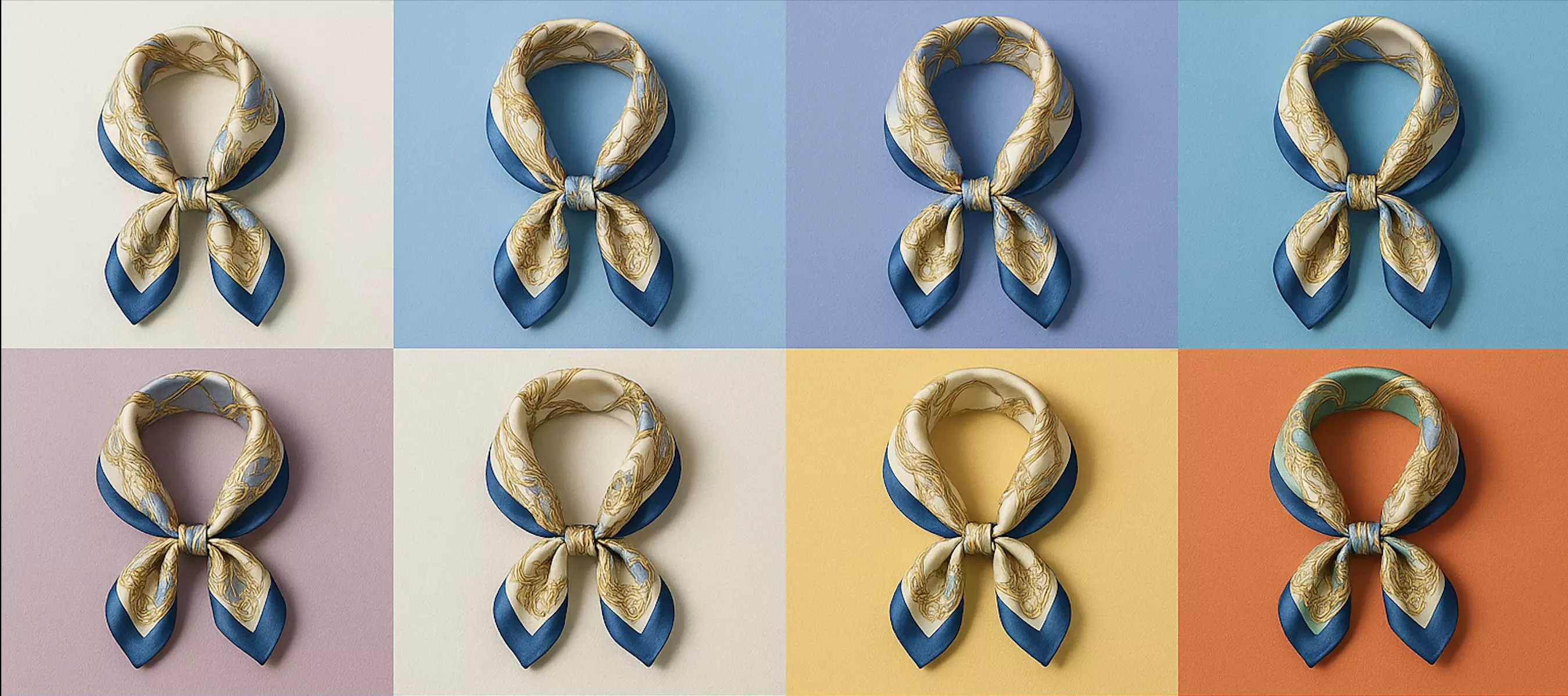
Better yet, a consistent blue background builds recognition. When your carousel, product grid, and creator collabs share the same hue, your brand looks put-together—even if different teams shot the assets on different days.
The psychology of blue: focus, trust, and reduced visual noise
- Focus: Soft to mid-tone blues lower perceived clutter, guiding attention to the subject.
- Trust: Blue is strongly linked to reliability, which is why many finance and tech brands use it.
- Reduced visual noise: Uniform blues minimize background distractions, letting copy and subject breathe.
For ads and thumbnails, that calm can translate to better comprehension and fewer quick swipes past your content.
Picking the right blue: hex values, luminance, and accessibility contrast
Choosing one repeatable blue is your foundation. Stick to a single hex per channel (e.g., one for ecommerce, one for social, if needed) and keep it consistent.
Practical starting points:
- Soft neutral blue (balanced, versatile): #3B82F6 or #4C84D9
- Muted wellness blue (calmer, less saturated): #6C9BD2 or #678FCB
- Deeper calm (for high-contrast overlays): #2C57A5 or #284A8C
Tips:
- Luminance: For text on blue, aim for strong contrast. White on deeper blue often works; black on lighter blue can perform well too. Test your headline/subhead against the background to ensure comfortable readability.
- Saturation: Over-saturated blues can glow on mobile. Slightly desaturate to reduce eye strain.
- Gradients: If banding appears, use a subtle two-stop gradient or add 1–2% noise to smooth the transition.
Approaches to consistent blue backgrounds: studio lighting versus software workflows
Studio route:
- Pros: Physical consistency when you lock lighting, backdrop, and camera settings.
- Cons: Expensive setup, requires controlled environment, not agile for mixed sources or last-minute shots.
Software route:
- Pros: Flexible, fast, and works with legacy images. AI can remove, modify, or generate blue backgrounds on demand, with consistent color values.
- Cons: Quality depends on input quality and subject edges; a quick quality check is still recommended.
For most teams juggling ecommerce, creator content, and social, AI workflows are faster to standardize at scale.
How to create a consistent blue background in Pixflux.AI (upload → AI process → download)
Pixflux.AI makes it straightforward to get a pixel-clean blue background without complex selections.
1) Upload your image Choose the product, portrait, or post asset you want to standardize. Higher resolution inputs tend to produce cleaner edges.
2) Let AI process the background Use Pixflux.AI to remove the original backdrop, then change or generate a uniform blue background. Set your target hex (e.g., #3B82F6) to keep the hue consistent across all assets.
3) Download your result Preview the subject edges, micro-adjust if needed, then export. Save your choice of format (PNG for transparency needs, JPEG/WebP for lighter files), and keep everything in sRGB for predictable display on web and mobile.
(See image: Pixflux.AI interface showing the three-step flow: upload image → AI processing → download result for a blue background change.)
Pro tip: Save your chosen hex and export settings for reuse so every team member can deliver the same look, on repeat.
Use-case workflows: products, portraits, and social posts with repeatable color
Products (Ecommerce, D2C):
- Workflow: Remove the old background → apply your brand’s blue → ensure your subject has a slight shadow or grounding if it looks “floating.”
- Where to use: Secondary PDP images, category banners, email hero products, and editorial sections. Note: Some marketplaces (e.g., main Amazon product images) require pure white; reserve blue backgrounds for secondary or brand-owned channels.
- Target look: Subtle vignettes or soft shadows maintain depth while keeping the background calm.
Portraits (Team pages, LinkedIn, founder features):
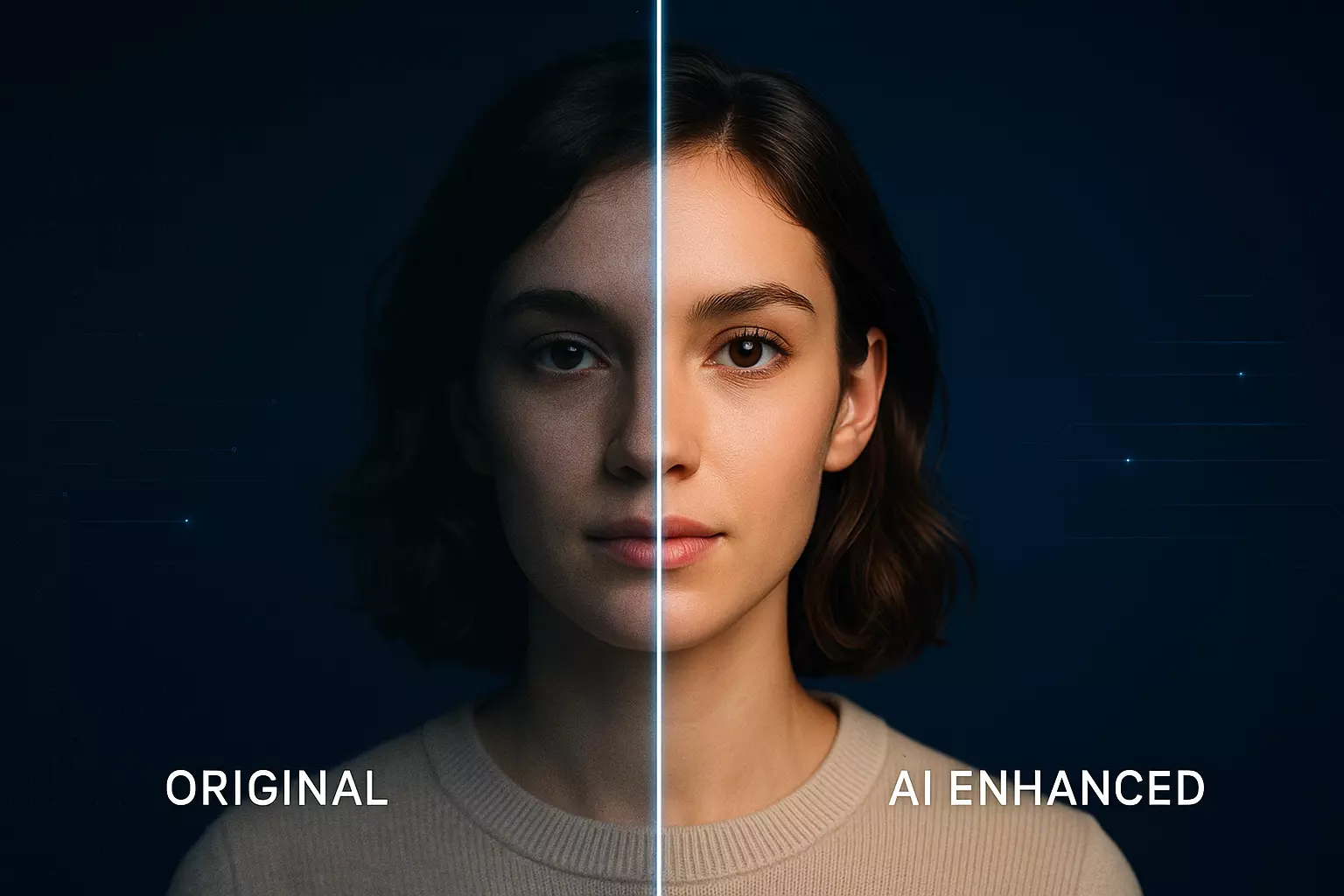
- Workflow: Remove distractions → apply consistent blue → lightly enhance clarity to preserve hair details and edges.
- Target look: A slightly desaturated mid-blue keeps skin tones natural and avoids color cast.
- Framing: Keep headroom and similar crop ratios to make the team grid feel unified.
Social posts (Instagram, TikTok, YouTube thumbnails):
- Workflow: Use the same hex blue across formats → place subject centrally → ensure text overlays meet contrast guidelines.
- Tip: Prepare vertical (1080×1920), square (1080×1080), and portrait (1080×1350) variations so you can post across platforms without stretching.
(See image: Grid of portrait and social post examples demonstrating consistent blue hues across exports with labeled hex codes.)
Export presets: sizes, formats, color profiles, and platform requirements
Create export presets you can hand to anyone on the team:
- Color profile: sRGB for web and mobile. This minimizes “why does my blue look different?” messages.
- Formats:
- PNG: Transparent overlays, crisp UI, or when compressing heavily causes banding.
- JPEG: Balanced quality vs. size. Use high quality (85–92) for solid blues.
- WebP: Modern compression with better quality at smaller sizes (good for web banners).
- Dimensions:
- Ecommerce grids: 1500–2000 px on the short edge for crisp zooms.
- Instagram: 1080×1350 (portrait), 1080×1080 (square).
- TikTok/Reels/Shorts: 1080×1920 vertical.
- LinkedIn banners/thumbnails: Keep the same blue but adapt crops to avoid text cut-offs.
- File hygiene:
- Name files with the hex code and size (e.g., brand-blue-3B82F6-1080x1350.jpg).
- Avoid re-compressing assets multiple times—export from the source when possible.
Scaling up with Pixflux.AI: batch background change and background generation
When the campaign clock is ticking, consistency can’t depend on manual retouching. Pixflux.AI supports batch processing so you can upload multiple images and standardize them in one go—removing and changing backgrounds, generating new blue backgrounds from scratch, and keeping your chosen hex fixed. This is especially useful for:
- New product drops that need 10–50 images aligned in a single afternoon
- Creator partnerships where content comes from mixed cameras and lighting setups
- Seasonal refreshes that swap last quarter’s backdrop with this quarter’s blue
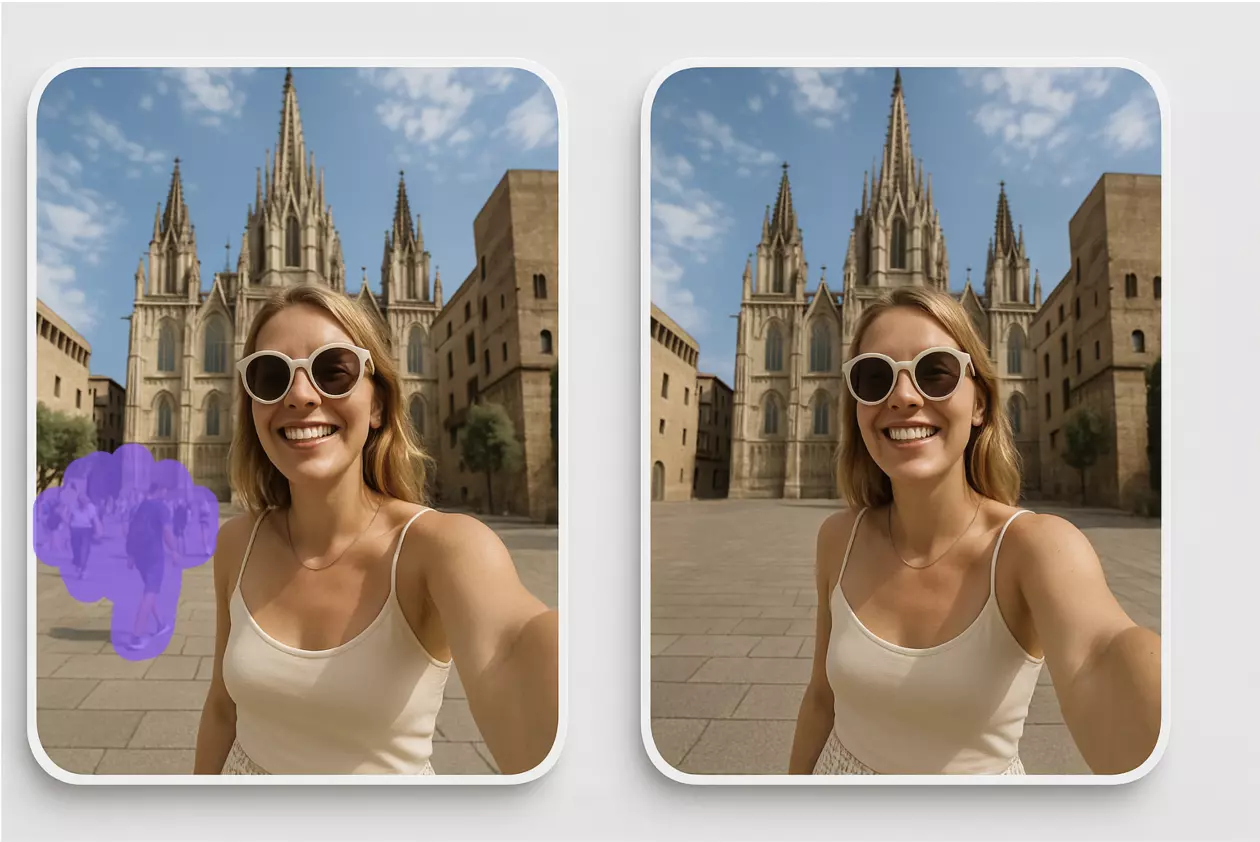
You can also remove watermarks or stray logos from owned assets, clean distracting objects (wires, passersby, background clutter), and lightly enhance the image to keep detail crisp after the change.
Quality checks and enhancement: edges, banding, artifacts, and sharpening
Run a quick QA pass before publishing:
- Edges: Zoom to 200% and check hair, glass, and fine product details. If halos appear, re-run with slightly different subject focus or soften edges subtly.
- Banding: Flat blue areas may show steps on gradients. Use a very gentle texture or subtle noise to smooth the blue, and prefer PNG or a higher JPEG quality.
- Artifacts: Watch for over-sharpening on text or logos printed on packaging. If needed, reduce sharpening or apply it selectively to the subject, not the background.
- Color consistency: Verify hex values across export sets. Don’t eyeball it—use the same hex every time.
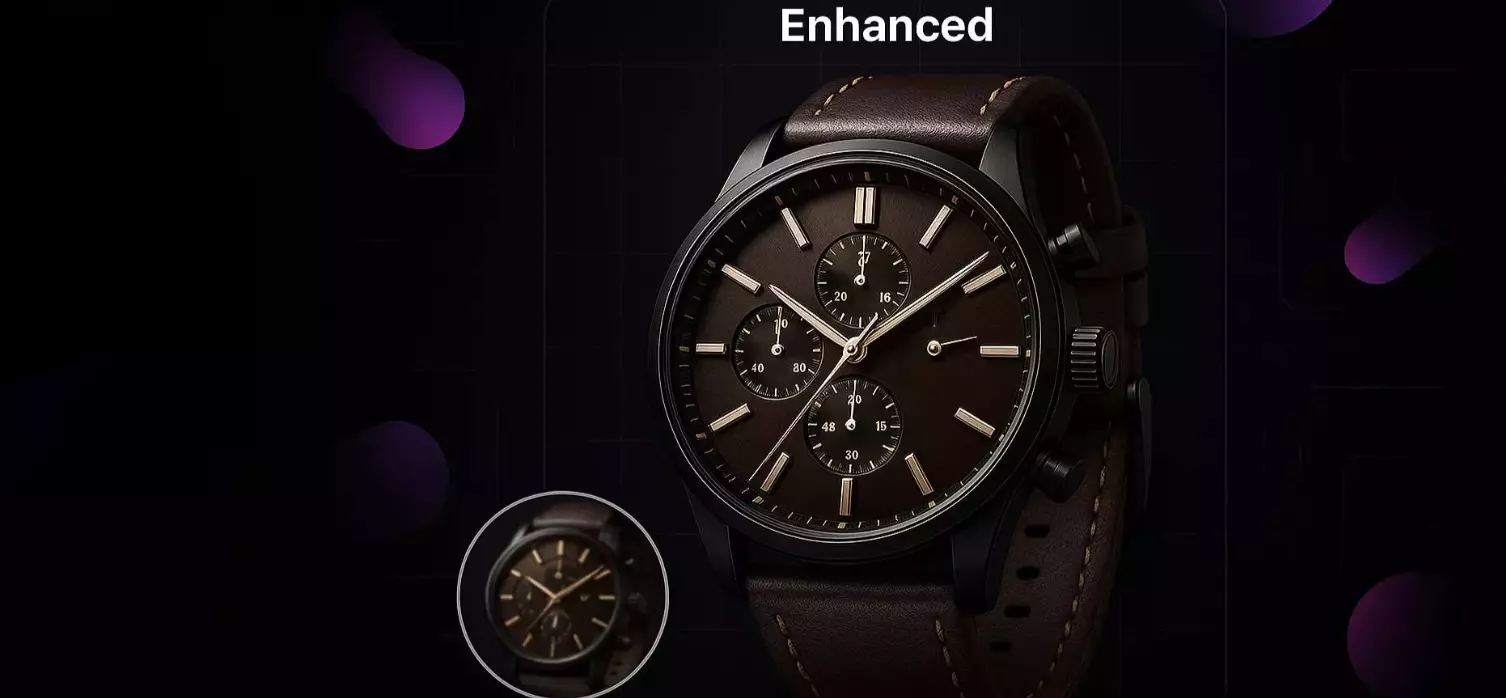
Pixflux.AI’s enhancement helps recover clarity and contrast after background edits, keeping products readable and faces natural.
Compliance and ethics: watermark removal, rights, and disclosure boundaries
- Rights first: Only edit images you own or are licensed to use. Removing watermarks or logos from someone else’s content may violate copyright and platform rules.
- Platform policies: If a marketplace requires white backgrounds for main images, follow the rule and use blue for secondary slots, ads, and brand marketing.
- Disclosure: Keep edits truthful; do not misrepresent product color or scale after background changes.
AI online tools vs traditional methods
Time to outcome
- AI tools like Pixflux.AI: Minutes from upload to download, even for batches.
- Traditional software: Manual selections, masks, and color matching can take 10–30 minutes per image.
Learning curve
- AI tools: Minimal; no complex masking or lighting setups.
- Traditional software: Requires advanced selection, blending, and color management skills.
Batch efficiency
- AI tools: Handle many images in one session, with the same blue applied.
- Traditional methods: Repeating steps per file increases the chance of drift and errors.
Cross-team alignment
- AI tools: Share a hex and preset notes; anyone can reproduce the look.
- Traditional methods: Different operators may interpret settings differently, leading to inconsistencies.
Cost predictability
- AI tools: Pay for processing when you need it, no studio overhead.
- Traditional methods: Studio time, equipment, and retouching hours add up quickly.
FAQ: Blue background consistency, color management, and troubleshooting
What hex blue should I choose for a calm, versatile background?
Pick a single mid-tone blue (e.g., #3B82F6 or #4C84D9) and stick to it. A mid-tone reads well across devices and plays nicely with both light and dark text overlays. If your brand palette is muted, consider slightly desaturated blues to avoid glowing on mobile screens.
Why do my blues look different on my phone versus my laptop?
Device color differences and profiles cause visual shifts. Export in sRGB, then preview on at least one phone and one desktop before finalizing. Avoid editing in wide-gamut spaces for web delivery unless you fully control the color pipeline. Keep one hex per channel to minimize confusion.
How can I keep blue backgrounds consistent across product, portrait, and social assets?
Use the same hex blue and reuse export presets for every format. Name presets with the hex code and aspect ratio so they’re discoverable by teammates. In Pixflux.AI, apply the same blue background and export settings so assets match, even when they come from different sources.
Can I batch change backgrounds to blue with Pixflux.AI?
Yes, you can upload multiple images and standardize them in a single pass. Batch processing is ideal for launches and seasonal refreshes. Keep your hex fixed, preview a few samples for edge quality, and then export the full set to save time.
How do I avoid banding in flat blue backgrounds?
Use a high-quality export and add subtle texture or gentle gradient if needed. Blue gradients are prone to banding at lower bit depths or high compression. Prefer PNG or higher-quality JPEG/WebP, and add 1–2% noise or a micro-texture to smooth the transition.
Is watermark removal allowed on images I download from the web?
Only if you own the rights or have permission to edit and remove marks. Use watermark removal responsibly and in compliance with copyright and platform terms. When in doubt, obtain proper licensing or use your own assets.
What sizes and formats should I export for social and ecommerce?
Use sRGB, then export per channel: 1080×1350 (Instagram portrait), 1080×1920 (TikTok/Reels), and 1500–2000 px on the short edge for ecommerce grids. Choose PNG for crisp edges or transparency and high-quality JPEG/WebP for lighter file sizes. Avoid recompressing the same image repeatedly.
Final checklist and reusable templates for 2026 campaigns
- Pick one calming hex blue per channel (e.g., #3B82F6 for social, #6C9BD2 for ecommerce lifestyle).
- Document your hex, saturation tweaks, and contrast rules for overlays.
- Create export presets (format, size, profile, naming) and share them with the team.
- Standardize with AI: remove background → apply blue → enhance → export in sRGB.
- QA at 200%: edges, artifacts, banding, and accurate color.
- Keep compliance in mind: rights, platform policies, and honest representation.
- Save a ready-to-use folder with PSD/working files plus final PNG/JPEG/WebP for faster campaign turnarounds.
Conclusion and next steps
Consistent blue backgrounds are a simple, high-leverage way to align your brand with the digital detox trend: calmer visuals, less noise, and assets that feel designed to be together. Whether you’re shipping product updates, refreshing portraits, or scaling short-form content, a single hex and a reliable workflow will save hours and strengthen your brand system.
Start now with Pixflux.AI to remove, change, or generate a unified blue—then lock in your presets for the rest of the year. Try calm blue background design and ship cleaner visuals today.