Sustainable Aesthetics Using Eco Friendly Backgrounds in Product Shots
Want greener product photos? Explore green backgrounds, natural textures, and a low-waste, 3-step Pixflux.AI workflow for consistent, catalog-ready shots.
 Emily CremerJanuary 10, 2026
Sustainable Aesthetics Using Eco‑Friendly Green Backgrounds in Product Shots
Eco‑conscious brands are rethinking product photography. You want visuals that feel natural and responsible—without building elaborate sets, buying disposable surfaces, or spending days correcting color issues in post. Yet achieving a consistent, believable green background that supports your product (instead of stealing attention) can be surprisingly hard. Fabric wrinkles, recycled paper creases, and uneven paint cause reflections and color shifts that are difficult to fix later.
A practical way forward is to blend physical texture with a digital, low‑waste workflow. By testing and refining a green background digitally before you shoot—or by replacing a busy scene after the shoot—you can reduce reshoots, minimize material waste, and hit a consistent brand tone faster. If you want a quick starting point, try building your look with eco-friendly backgrounds that you can preview and iterate on in minutes.
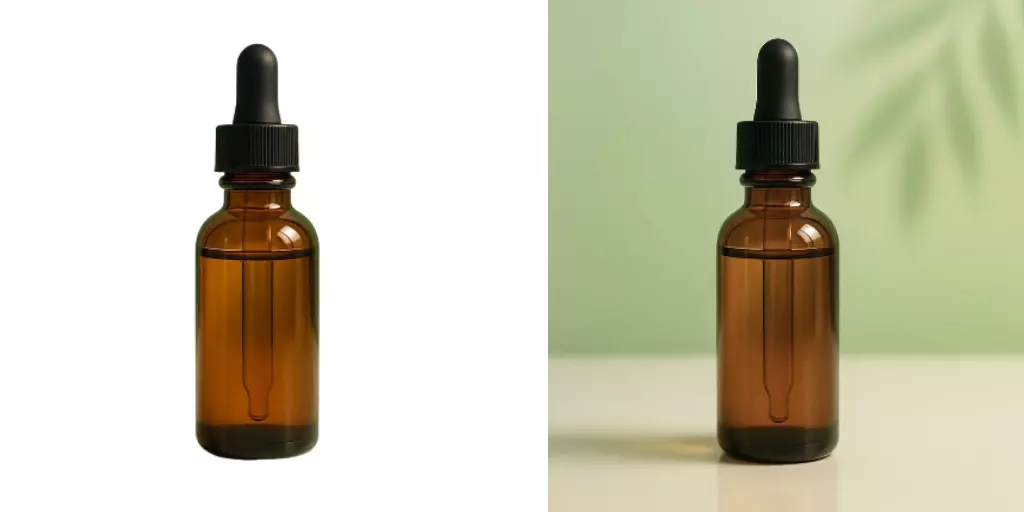
(See image idea: Before-and-after product photo replacing a busy scene with a soft green, natural-texture backdrop.)
Why green backgrounds elevate sustainable aesthetics
The “green” in green background is more than on‑brand color. It signals calm, balance, and eco‑conscious intent. Used well, green acts as a neutral that still feels alive—especially when paired with natural textures (think matte paper, linen, or wood grain).
- Natural alignment: Green and earth tones reflect the palettes customers associate with wellness, slow living, and sustainability—dominant themes in 2026 lifestyle visuals.
- Product‑first framing: Soft green recedes behind your subject, keeping attention on shape and detail without the clinical feel of white.
- Range of moods: From pale sage to deep olive, green adapts to categories from skincare and wellness to outdoor gear and home goods.
Principles of eco‑friendly backgrounds: color psychology, harmony, and brand fit
- Choose the right shade of green: Pale sage suggests purity and calm; olive communicates grounding and craft; emerald leans premium. Pick a range that matches your brand voice and audience mood.
- Control saturation and contrast: Highly saturated greens can overpower smaller products; muted tones keep the background supportive, not dominant.
- Align with materials: If your packaging uses kraft paper, pair with textured, warm greens; if your product is glossy, choose matte textures to avoid reflective hotspots.
Materials and textures that work: recycled paper, linen, wood grain, stone, and natural fibers
Physical textures matter—even when you finish the background digitally. Gentle textures add credibility and prevent flat, poster‑like results.
- Recycled paper or card: Matte, slightly toothy surfaces that reduce glare and accept soft shadows beautifully.
- Linen and cotton: Organic weave adds tactile warmth, especially for wellness and home goods.
- Wood grain and stone: Subtle grain or honed stone reads authentic; avoid high‑gloss finishes that cause specular highlights.
Tip: Capture a clean base photo on a neutral, low‑contrast surface. You can then blend or replace with a green background digitally while preserving natural shadows and product edges.
Digital alternatives: creating a green background with minimal editing waste
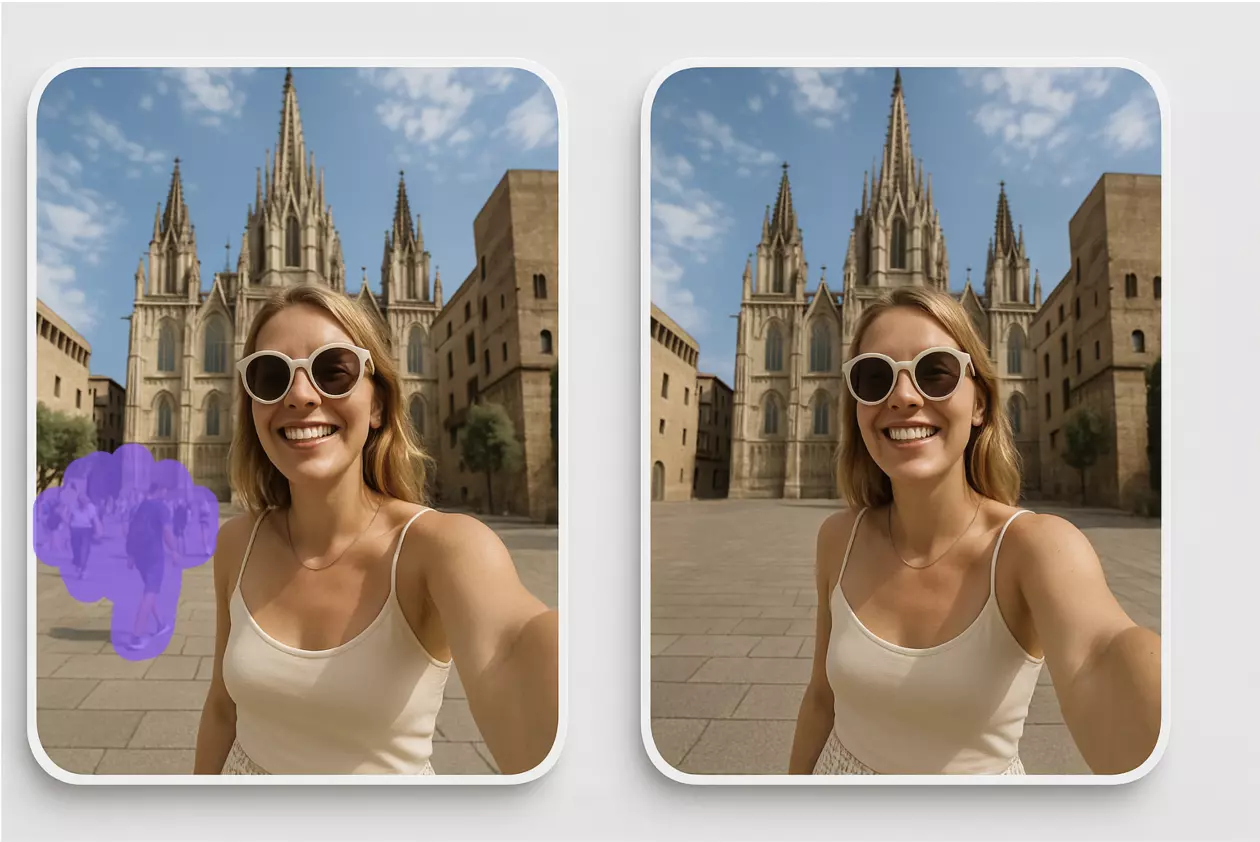
Instead of ordering new backdrops, repainting boards, or re‑shooting, use AI‑assisted editing to test and deliver your green background. This cuts material use and energy costs tied to extra lighting, transport, and reshoots.
With Pixflux.AI, you can:
- Remove a distracting backdrop and replace it with a soft, brand‑matched green.
- Generate a new background from scratch with natural‑looking texture and controlled grain.
- Clean up stray elements (like a cable or price tag) without reshooting.
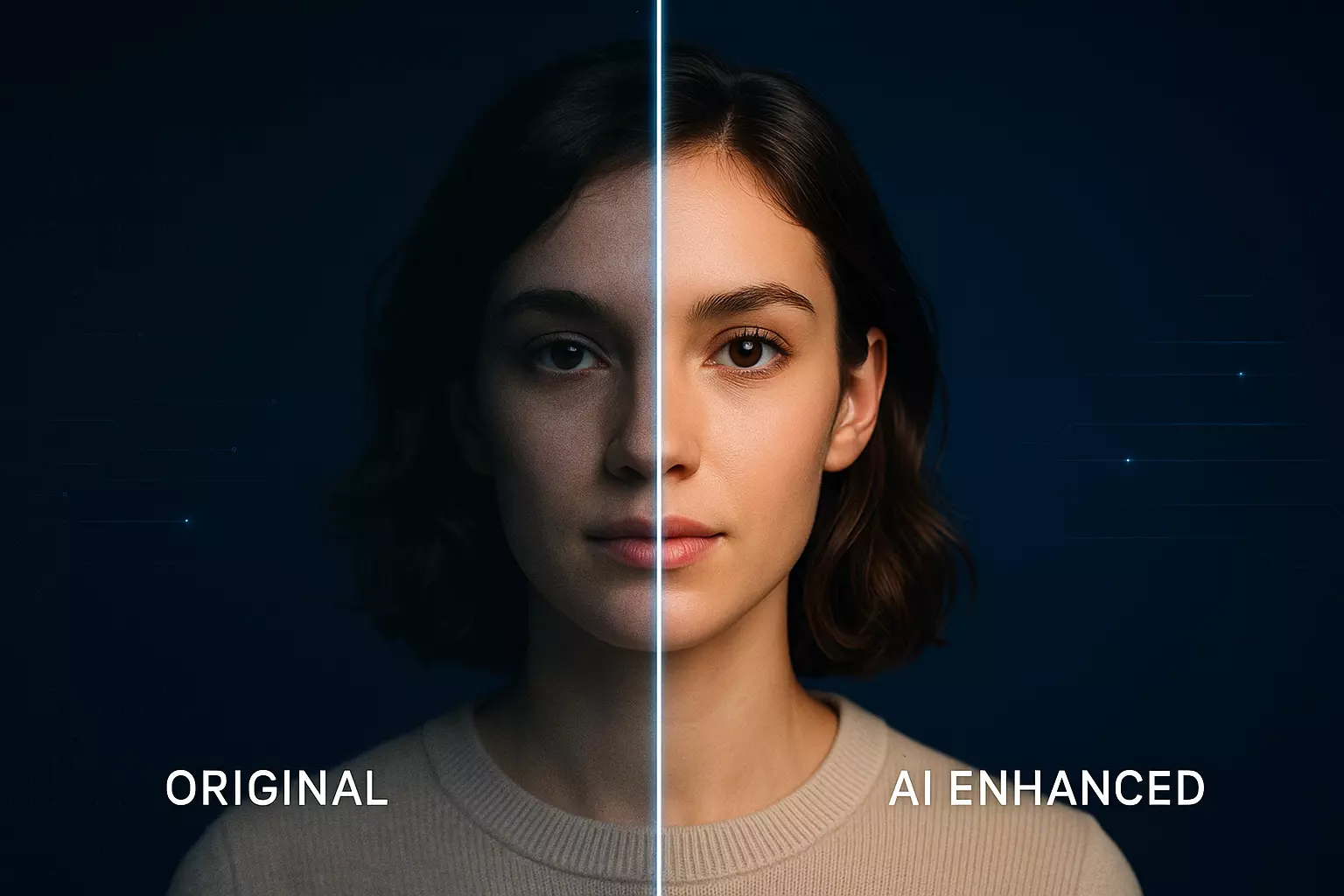
- Enhance clarity and contrast so product labels stay legible on muted greens.
- Remove pre‑existing watermarks on your own or licensed images when you have the rights.
Compliance note: Only remove watermarks or logos if you own the image or have explicit permission. Don’t use watermark removal to bypass licensing or platform rules.
How to create a green background in product photos using Pixflux.AI (3‑step workflow)
- Upload your original image Start with a well‑lit shot on a neutral background. Avoid strong color casts; a daylight‑balanced source helps.
- Let the AI process the background Use background removal to isolate the product, then swap in a subtle texture with your target hue. You can also generate a new green background and softly reinstate shadows for realism.
- Download the optimized result Export at your platform’s required size and format, then review on both mobile and desktop for color consistency.
To get hands‑on right away, open the tool and create a green background that matches your brand palette before you commit to a physical set.
(See image idea: Pixflux.AI interface sequence showing upload, AI processing, and download for a green background workflow.)
Pro tip: If you need more control, a five‑step refinement flow helps: 1) open the tool, 2) upload, 3) choose background replace or generate, 4) preview and fine‑tune hue/texture/shadow intensity, 5) download. Keep a reference swatch or hex value on hand for consistent hue across shoots.
Tool comparison: online editors vs desktop suites for sustainable workflows
- Time cost: Online tools like Pixflux.AI deliver clean cutouts and background swaps in minutes, saving hours of masking and retouching in desktop suites.
- Learning curve: Non‑specialists can achieve high‑quality results without complex layer workflows or plug‑ins.
- Batch efficiency: Batch uploads and one‑click processing accelerate catalog refreshes and seasonal updates far beyond manual methods.
- Collaboration: It’s easier to share previews, agree on hues, and standardize outputs across marketing and merchandising without sending heavy project files back and forth.
Note: Desktop suites still shine for deep compositing and advanced color management. But for a repeatable green background look, online AI cuts both editing time and production waste.
Case study: from cluttered tabletop to calm green backdrop
Scenario: A US skincare brand needs 60 product shots for Amazon and Instagram. The initial shoot used a textured stone slab; shadows looked beautiful, but the background felt busy next to small labels.
- Before: Stone texture competes with typography; slight warm cast from tungsten light.
- After: Background replaced with a soft, matte sage green featuring a barely‑visible paper texture. Natural shadows preserved, labels sharpened, warm cast neutralized.
What changed:
- Texture dialed down to keep focus on the logo and claims.
- Hue selected to match the brand’s packaging accent color.
- Shadow intensity balanced to avoid a “sticker on a wall” look.
(See image idea: Before-and-after product photo replacing a busy scene with a soft green, natural-texture backdrop.)
Quality metrics that matter: color, contrast, compression, consistency
- Color accuracy: Calibrate your hue (e.g., a sage in the 120–140° hue range) so it prints and displays consistently. Compare on a neutral monitor and a recent smartphone.
- Contrast and legibility: Ensure text and product edges read cleanly against the green. If your product is green, adjust the background toward warmer or cooler tones for separation.
- Compression: For marketplaces, use JPEG with balanced compression (65–80 quality) to keep file sizes reasonable without banding. For social, WebP or high‑quality JPEG works well.
- Consistency: Lock a reference hue and brightness (e.g., a hex and a lightness target). Save presets so every item in a category shares the same background values.
Batch consistency for catalogs: low‑waste editing with Pixflux.AI
Refreshing hundreds of SKUs is where sustainable workflows show their value. Instead of re‑painting sets or trucking materials between studios, run your product images through a consistent green background preset and export in one session. With Pixflux.AI, you can batch upload, apply the same background choice, clean up stray objects, and enhance clarity across a full collection—ideal for Amazon, Etsy, and DTC storefronts where uniformity lifts trust and CTR.
Tip: Keep a checklist—target hue (hex), shadow percentage, output sizes (e.g., 2000 px shortest side), and naming rules—to avoid mismatches across campaigns.
Risk and compliance: avoid greenwashing, license textures, disclose edits
- Avoid greenwashing: A green background can imply sustainability—be sure your claims and imagery reflect real practices. Don’t let color alone shoulder ethical messaging.
- License textures: If you use captured or generated textures resembling a specific material, ensure you hold the rights or use permissive sources.
- Disclose edits when needed: Some marketplaces and publishers require disclosure if the background is digitally altered. Check their guidelines.
- Respect IP: Remove watermarks only from assets you own or have documented rights to use.
Troubleshooting guide: common issues with green backgrounds
- Banding in smooth areas Slight gradients can produce visible steps after compression. Add subtle texture or noise (1–2%) and export at a higher quality setting to smooth transitions.
- Green color cast on the product If your original lighting bounced off a green surface, neutralize midtones using a temperature/tint adjustment before replacing the background. Prioritize skin tones and whites.
- Noisy edges and halos Sharpen selectively on the product, not the entire frame. If halos persist, feather the mask by 0.5–1 px and re‑render the shadow at a lower opacity.
- Inconsistent greens across a shoot Lock your hue and lightness values in a preset. When using AI‑generated textures, keep grain density and scale consistent; avoid mixing matte and glossy looks within one series.
- Shadows look fake Rebuild a soft shadow by sampling the product base shape, adding a gentle Gaussian blur, and lowering opacity to 10–20%. Ensure the shadow color is slightly warm or cool to match the scene.
FAQ: green background, natural textures, and sustainable editing workflows
What shade of green works best for eco-friendly product photos?
Muted sage or olive is the most versatile choice. These hues read calm and natural while keeping the product in focus. Highly saturated greens can overpower small items and cause color conflicts with packaging—start muted, then nudge saturation up only if the product lacks separation.
How do I avoid a green color cast on metallic or white products?
Neutralize the cast before you change the background. Use a white balance correction to bring neutrals back to true, then swap in your green backdrop. Position reflectors or flags during the shoot to minimize green bounce, and if needed, slightly warm the product highlights so they feel natural against a cool green.
Can I keep realistic shadows when I replace the background?
Yes—preserve or rebuild soft shadows for credibility. When you remove the original background, keep a shadow layer or regenerate one with a soft blur and low opacity. Match the shadow direction and softness to your lighting; overly crisp shadows on a matte green paper look artificial.
Is it okay to remove watermarks when preparing green backgrounds?
Only if you own the rights or have explicit permission. Watermark removal should never be used to bypass licensing or platform rules. For your own legacy assets or licensed supplier images, you can legally clear marks and then apply the new green backdrop.
What file settings prevent banding on smooth green backgrounds?
Use high-quality JPEG or WebP with subtle texture. Export at a higher quality (around 75–85 for JPEG), avoid heavy compression, and add a faint noise or paper texture layer to smooth gradients. Always test on mobile where banding is easiest to spot.
How can I standardize a green background across hundreds of SKUs?
Create a preset and use batch processing to apply it consistently. Define a target hue, brightness, and shadow intensity, then apply them across your catalog with batch tools. This low‑waste approach eliminates reshoots and keeps your grid pages looking coherent on marketplaces and your DTC site.
Are AI‑generated textures acceptable for major marketplaces?
Yes, if the result meets each platform’s content and background rules. Marketplaces like Amazon emphasize clarity, legibility, and clean backgrounds; subtle, realistic textures are typically fine for secondary images. Always check specific category requirements and whether a pure white is mandatory for the main image.
Visual reference ideas to include in your layout
- Before/after replacement: cluttered tabletop transformed into a calm sage green with preserved shadows.
- Pixflux.AI steps: upload, AI processing, and download for a green background flow.
- Texture swatches: linen, recycled paper, and wood, each tinted subtly green to compare grain and mood.
(See image idea: Detail swatches of eco textures—linen, recycled paper, wood—tinted in subtle green for backgrounds.)
AI tools vs traditional methods: speed, skills, and scale
- Speed: AI tools achieve high‑quality cutouts, object removal, and background generation in minutes; manual masking and set rebuilds can take hours per image.
- Skills: Non‑designers in merchandising or growth teams can produce campaign‑ready images without deep software training.
- Scale: Batch handling lets you refresh entire collections, standardize seasonal greens, or localize color palettes for regional campaigns quickly.
- Flexibility: If you discover a better hue after a brand review, you can update hundreds of images without re‑shooting or purchasing new materials.
Conclusion and next steps
Green backgrounds are more than a trend—they’re a practical, sustainable way to express your brand values while keeping the product front and center. With natural textures, careful color choices, and a low‑waste editing workflow, you can reduce reshoots, minimize materials, and deliver a consistent look across e‑commerce and social.
Ready to try it on a real image? Generate a consistent green backdrop for product photos in minutes, refine the texture and shadows, and export your final files. Pixflux.AI makes it easy to remove or replace backgrounds, clean up stray elements, enhance clarity, and batch‑process full catalogs—so your visuals stay compelling, on‑brand, and responsibly produced.