JPG to SVG for E-Commerce Logos and Icons A Practical Upgrade for Crisp Branding
Turn fuzzy JPG logos into razor-sharp SVGs. Follow a fast workflow, then run our QA checklist to catch jagged edges, broken fills, and color drift.
 Sierra CappelenMarch 4, 2026
JPG to SVG for E‑Commerce Logos and Icons: A Practical Upgrade for Crisp Branding
Your logo looks fine on your laptop, but on a 4K phone screen or a retail media placement, it suddenly appears soft, with halos around edges and fuzzy corners. Printers ask for “vector format,” your theme requires multiple sizes, and your team keeps exporting new JPGs that never look quite right across dark and light modes.
Switching to vector instantly fixes that. Converting your raster logo with a reliable jpg to svg converter gives you a single, scalable file that stays sharp on any DPI and adapts cleanly to any storefront or ad slot. The key to a clean trace? Prep your raster first—remove the messy background and enhance the edges—then run the conversion.
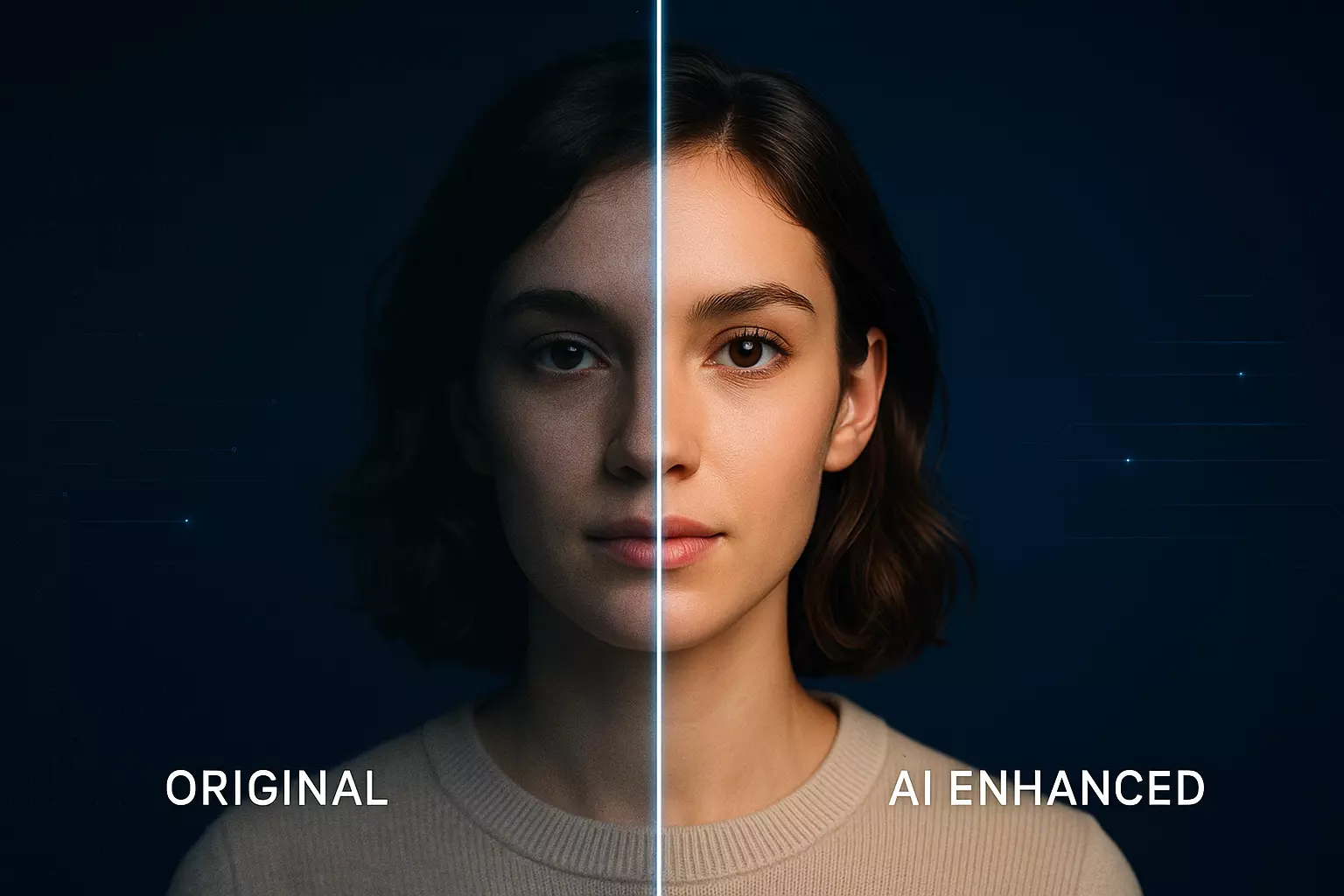
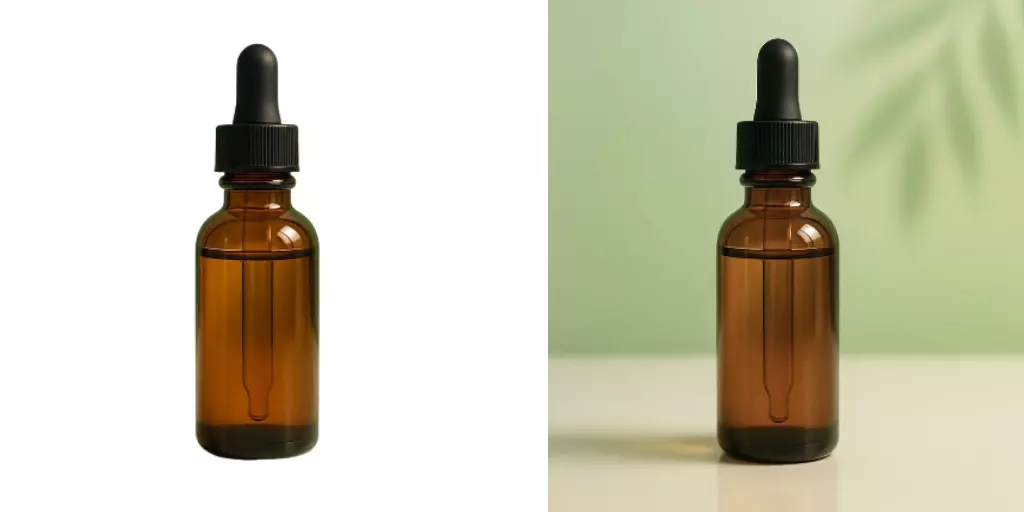
(Reference: Side-by-side comparison of original JPG logo vs cleaned raster after AI background removal and enhancement, with smoother edges and solid fills.)
Why e‑commerce brands should move from JPG to SVG
- Consistent sharpness everywhere: SVG scales without pixelation for storefront headers, PDP badges, and app icons.
- Lighter, faster pages: Inline or minified SVG often weighs less than multiple PNG breakpoints, matching privacy-first, performance-focused sites.
- Brand-safe in any theme: One vector master adapts to dark mode and responsive layouts without muddy edges or compression artifacts.
- Easy color control: SVG fills and strokes can be updated via CSS, enabling one asset for white/black/brand variants.
- Printer-ready: Packaging vendors expect vector logos for plate setup; SVG and PDF workflow translates cleanly to print.
2026 storefronts increasingly use responsive headers and dynamic dark modes, and retail media platforms standardize vector-safe placements. A crisp SVG logo aligns with these trends and lowers asset maintenance.
How vectorization works (in plain English)
A JPG stores colored squares (pixels). Vectorization reinterprets those pixels as shapes:
- Paths: Curves defined by anchor points and handles
- Fills and strokes: Colors applied to closed shapes or outlines
- Tolerances: Thresholds that decide where one shape ends and another begins
- Smoothing: Reduces excess nodes to keep curves clean and maintainable
The better your input (solid colors, high contrast, clean edges), the simpler the output paths and the smaller the SVG.
Choosing a JPG to SVG converter: desktop, online, or design tool
- Desktop/vector suites (e.g., Illustrator, Inkscape): Deep control with advanced tracing panels; steeper learning curve.
- Online converters: Fast, no-install, ideal for quick logo and icon work with preset profiles.
- Inside design tools: Some prototyping apps offer basic tracing; useful for quick iterations, less configurable than dedicated tools.
For most e‑commerce logos (flat colors, simple shapes), an online converter with a few tuning options is plenty. Reserve desktop tools for complex crests, gradients, or when you need surgical node editing.
Pre-clean your raster logo for better traces (Pixflux.AI workflow)
Before you vectorize, remove the messy background and tighten edges so the converter can find clean shapes. This is where Pixflux.AI helps:
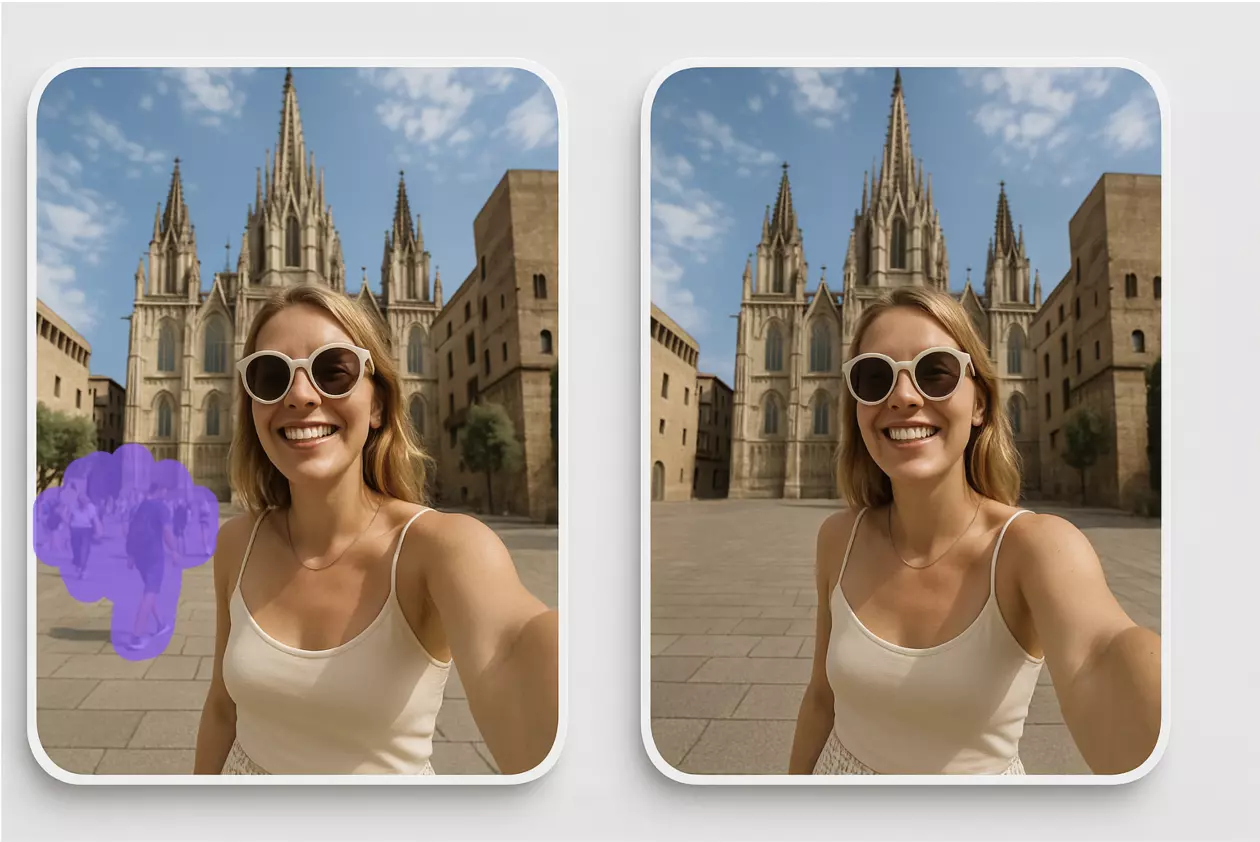
- Remove busy or off-white backgrounds so fills trace as solid shapes
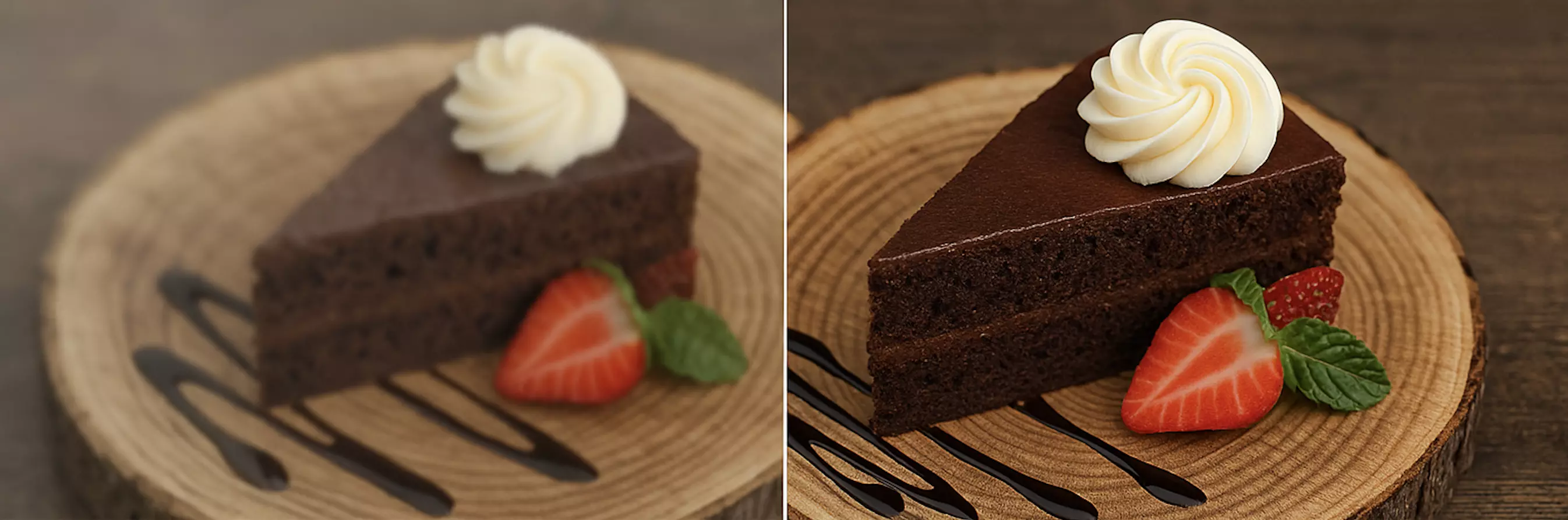
- Enhance edges and contrast to avoid jagged, stair-stepped curves
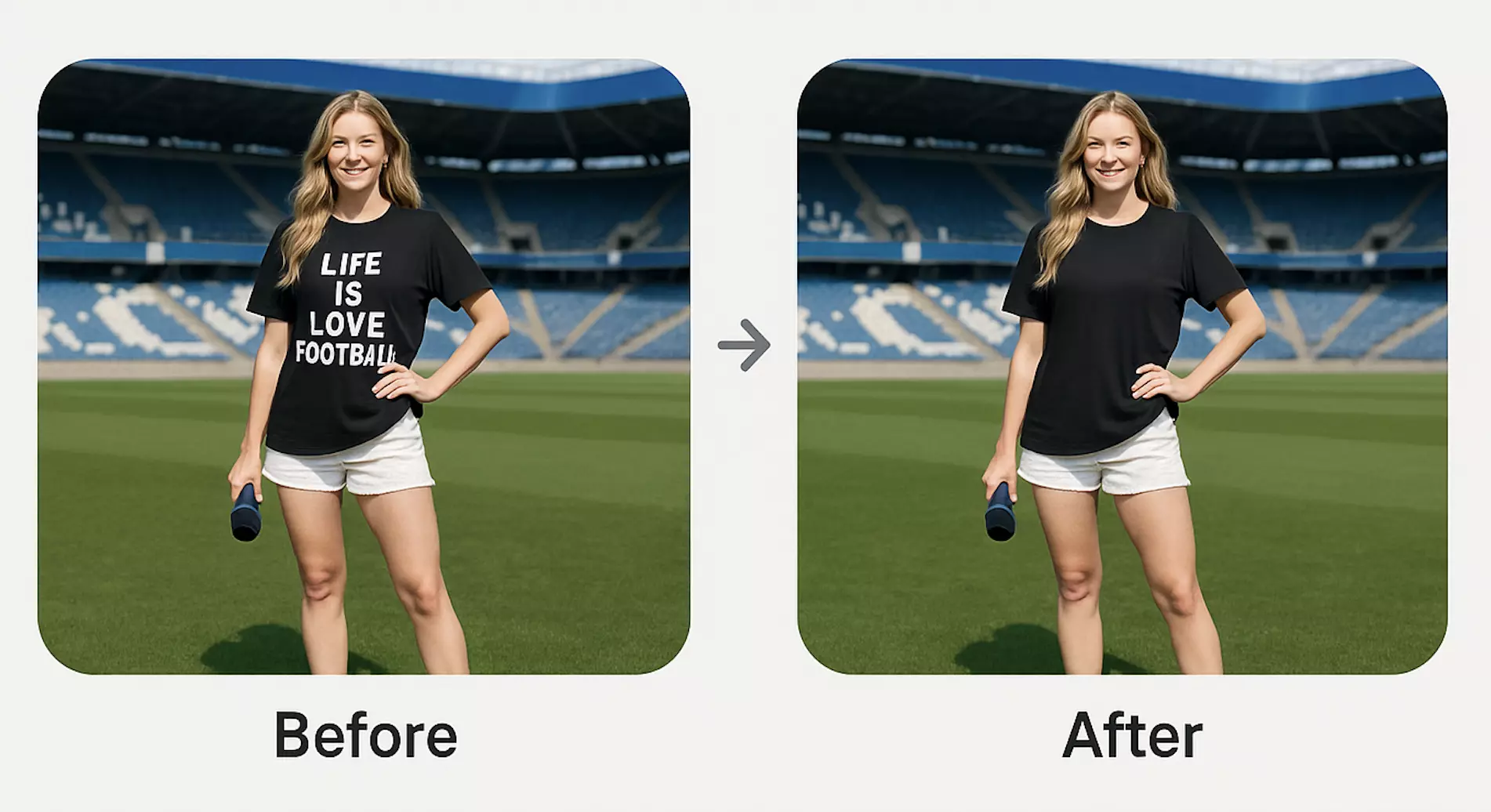
- Optionally remove small unwanted marks or old watermarks on authorized assets
- Process a batch of SKU badges or icon families in one go
Quick 5-step flow with Pixflux.AI: 1) Open the Pixflux.AI workspace 2) Upload your JPG or PNG logo 3) Choose background removal and photo enhancement, then let the AI process 4) Preview, tweak edge strength or cleanup as needed 5) Download the cleaned image for tracing
Compliance note: Only remove watermarks or logos when you own the rights or have explicit permission. Don’t use cleanup to bypass copyright or platform rules.
(Reference: Pixflux.AI interface showing the 3-step experience—upload, AI preview, download—before vectorization.)
Step-by-step: convert JPG to SVG for headers, packaging, and ads
- Prep your input
- Use the cleaned logo from Pixflux.AI, ideally on transparent or solid white background.
- Save as a high-resolution PNG if the original JPG is small or heavily compressed.
- Open a trusted converter
- Use a reliable tool to convert JPG to SVG online. You want controls for threshold, corner smoothing, color count, and noise cleanup.
- Set color mode and threshold
- Flat, single-color logos: Choose “Monochrome” or “Black & White,” adjust threshold until the mark is solid with no holes.
- Multi-color marks: Pick “Limited Colors” and set a small number (2–6) to avoid color drift.
- Smooth corners and reduce noise
- Increase corner smoothing to eliminate staircase edges.
- Set a minimum area to ignore tiny specks; they become stray nodes in SVG.
- Trace and preview at multiple zooms
- Check 100%, 200%, and 800% zoom for smooth curves and connected fills.
- Toggle background colors (light/dark) to see fringing.
- Export SVG with sane defaults
- Embed fills, remove raster remnants, and avoid preserving background images.
- Keep decimal precision moderate (2–3) for web; higher for complex logos if needed.
- Drop into your storefront theme
- Test the SVG in your header, PDP modules, app nav, and ad templates.
- Adjust CSS fills for dark mode variants; confirm legibility on mobile.
- Validate in print comps
- For packaging, check curves at 200% zoom and export to PDF if required by your vendor.
(Reference: Screen capture of a vectorization panel showing threshold, corner smoothing, minimum area, and color quantization during conversion.)
QA checklist to prevent jagged edges and broken fills
- Edge smoothness: Curves look continuous at 200% and 800% zoom, without stairs.
- Closed shapes: Inner holes (e.g., A, O, P) are properly cut out, no bridges.
- No doubled paths: Outlines are single, not stacked duplicates increasing weight.
- Color accuracy: Brand colors match sRGB values; avoid muddy gradients for flat marks.
- Tiny artifacts removed: No stray nodes around the logo; minimum area filter applied.
- CSS-friendly: Key parts use fills (not strokes) when you plan to recolor via CSS.
- Responsive check: Scales from 24 px icons to 320 px header without detail loss.
- Dark mode: Logo stays legible against dark backgrounds; add a light variant if needed.
Export settings and file hygiene
- viewBox and size: Ensure a proper viewBox; remove hard-coded width/height if you want responsive scaling.
- Decimal precision: 2–3 decimals for web; 4–5 only when curves require it.
- Minification: Strip metadata, comments, and editor cruft to shrink payloads.
- Merge paths: Combine shapes with identical fills to reduce node count.
- Fonts to outlines: Convert any live text to shapes to avoid fallback quirks.
- Color profiles: Standardize on sRGB for web consistency and print handoff predictability.
Troubleshooting JPG to SVG: gaps, doubled paths, and stray nodes
- Hairline gaps between colors
- Increase color tolerance or slightly expand one color area. Pre-clean with stronger edge enhancement in Pixflux.AI to tighten transitions.
- Doubled outlines inflating file size
- Re-run with lower stroke detection or merge overlapping shapes. Inspect for duplicate paths in the exported SVG.
- Stray specks around the logo
- Raise minimum area or apply noise removal. If artifacts persist, remove them in the raster stage using Pixflux.AI object cleanup.
- Stiff corners on curves
- Increase corner smoothing or allow more curve fitting. Over-smoothing can warp letterforms—review at high zoom.
- Color drift on gradients
- Prefer flat fills or limited stops. Consider a simplified brand mark variant for tiny placements.
Compliance and brand governance
- Accessibility: Maintain contrast ratios for logos and icons on dark mode. Provide an accessible text alternative in markup where appropriate.
- Color profiles: Use sRGB for web; coordinate Pantone/CMYK conversions with your packaging vendor.
- Rights and watermarks: Only process assets you own or are licensed to use. Watermark removal is for legitimate restoration and cleanup—not to evade ownership or platform rules.
- Brand kits: Keep a canonical vector master and generate derivatives (white, black, mono) from it, not from exported PNGs.
AI tools vs traditional methods: time, skills, and scale
- Time cost
- AI cleanup plus an online converter gets you a production-ready SVG in minutes. Desktop tracing and manual node editing can take hours for non-experts, and outsourcing adds turnaround delays.
- Learning curve
- Pixflux.AI’s background removal and photo enhancement are point-and-click, suitable for marketers and content ops. Full vector suites reward power users but require training.
- Batch efficiency
- Need to refresh 50 PDP badges or a library of category icons? Pixflux.AI can batch-clean backgrounds and enhance edges, then you can run a converter through a preset flow. Manual cleanup doesn’t scale.
- Cross-team adaptability
- A clean SVG master drops into dev, design, and performance marketing workflows without re-exporting for each channel. Traditional raster exports splinter into multiple sizes and variants, increasing maintenance.
Visual references to include
- Side-by-side: Original JPG vs cleaned raster after Pixflux.AI background removal and enhancement; callouts on smoother edges and solid fills.
- Vectorization settings panel: Threshold, corner smoothing, minimum area, color quantization in action.
- Pixflux.AI 3-step interface: Upload image, AI processing preview, download of the cleaned asset.
FAQ: JPG to SVG converter, vector logos, and e‑commerce use cases
Why should I convert my JPG logo to SVG for e‑commerce?
SVG keeps your logo crisp at any size with a smaller, more flexible file. Raster JPGs blur on high DPI screens and require multiple exports, while a single SVG scales cleanly for headers, PDP icons, and app nav without pixelation. It also supports dark mode and CSS-driven color changes.
Will a jpg to svg converter perfectly vectorize photo-style or textured logos?
No—photo-like logos do not vectorize cleanly without simplification. Vectorization is ideal for flat shapes and limited colors. Photographic textures create complex paths and heavy files, so consider a simplified flat variant for web and keep the full-detail version for print or high-res imagery.
Do I need to remove the background before converting?
Yes—cleaning or removing the background significantly improves trace quality. A solid or transparent background helps converters detect closed shapes and avoids halos. Use Pixflux.AI to remove busy or off-white backgrounds and enhance edges before you run the vectorization.
Is SVG safe and lightweight for modern storefronts?
Yes—SVG is widely supported and can reduce payload when minified. Use sRGB colors, sanitize your SVG (remove scripts and metadata), and inline small icons where appropriate. Many 2026 storefront themes favor responsive SVG logos for sharper rendering and leaner pages.
Can I batch process icons and badges for a catalog refresh?
Yes—batch pre-clean your set, then convert in grouped runs. Pixflux.AI can batch-remove backgrounds and enhance a library of icons so you enter conversion with uniform inputs. Then apply consistent converter settings across the batch to keep styling predictable.
Why do my SVG colors look different after conversion?
Color drift usually comes from JPG compression and quantization choices. Work from a clean, high-contrast input and limit the number of colors during tracing. Standardize on sRGB in your SVG and confirm brand hex values post-export.
Is removing a watermark allowed when preparing a logo?
Only if you own the rights or have explicit permission. Watermark removal is intended for legitimate restoration of your brand assets. Do not use it to bypass third-party ownership, licensing, or platform rules.
How do I make my SVG logo work in dark mode?
Provide a light variant or switch fills via CSS. Keep your SVG structured with fills (not image embeds), then toggle color tokens for dark backgrounds. Test at multiple sizes to maintain contrast and legibility.
Wrap-up and next steps
Crisp branding today means vectors: a single, tidy SVG that scales from tiny nav icons to giant headers, adapts across dark mode, and renders flawlessly in retail media placements. The fastest path is pragmatic: pre-clean with Pixflux.AI so edges and fills are clear, then run a focused conversion and QA the result with a short checklist.
Ready to streamline your workflow? Start with a clean input and use a reliable tool to JPG to SVG for logos. In minutes, you’ll have a future-proof asset for your storefront, packaging, and ads—without juggling endless raster exports.