Lifestyle Product Photos for Ads: A/B Test 10 Scene Variations Without a Reshoot
Turn one cutout into a scene pack. Make 5–10 on-brand lifestyle variations with AI, then A/B test on Meta, TikTok, and your storefront—no reshoot.
 Sierra CappelenDecember 23, 2025
Lifestyle Product Photos for Ads: A/B Test 10 Scene Variations Without a Reshoot
Your media budget is ready, but your ad creative isn’t. The team needs UGC-style lifestyle product photos that feel native to Meta and TikTok. The studio is booked for two weeks, the set design is pricey, and “one hero shot” won’t carry you through the next month of creative refreshes. Meanwhile, platform delivery favors advertisers who test often and iterate fast.
The fix is not another reshoot—it’s a smarter workflow. With AI product photography, you can turn a clean product cutout into 5–10 on-brand scene variations in a single session, then push those into lightweight A/B tests within hours. Tools like Pixflux.AI make this a practical reality: you can generate lifestyle product photos that match your brand’s look and feel without heavy design cycles.
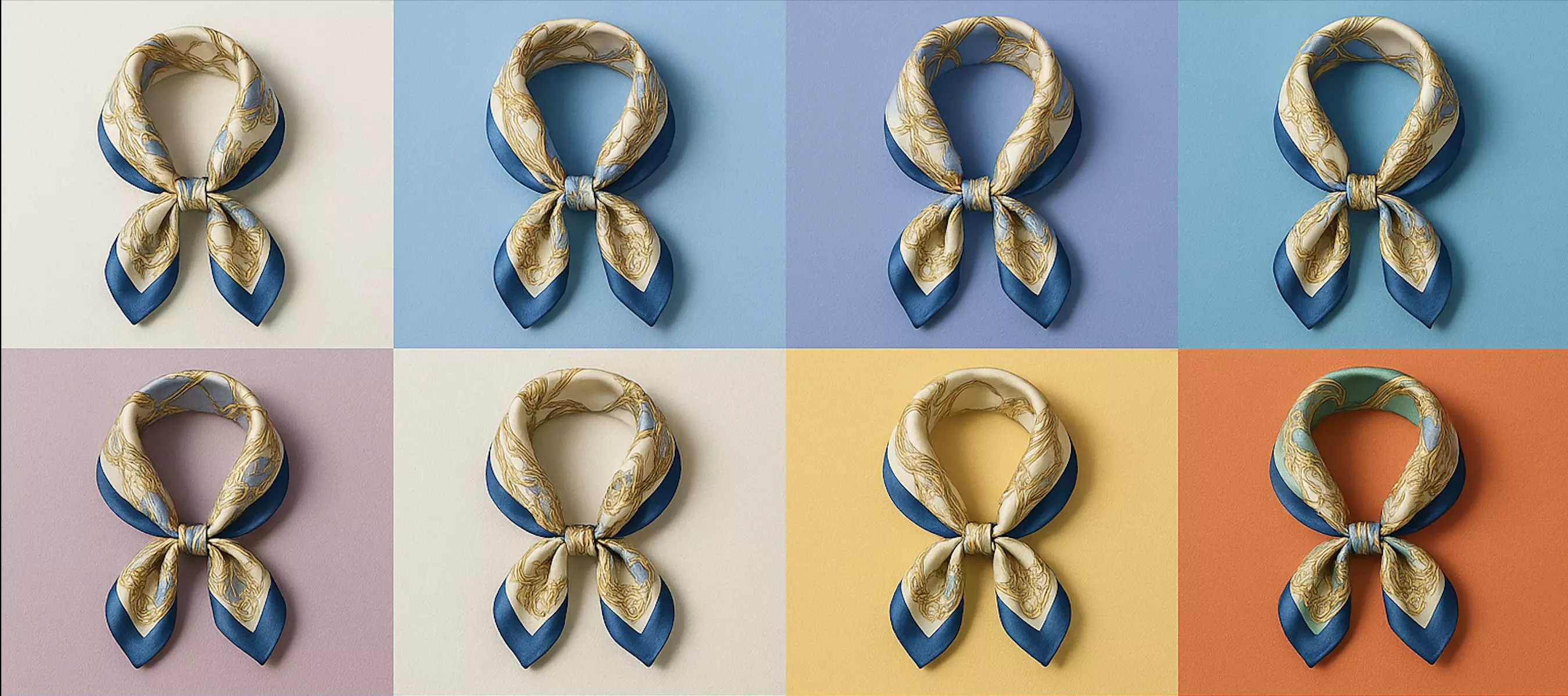
(Reference image: A 3x4 grid showing 10 lifestyle product photo variations for the same item, UGC-style and on-brand.)
Why lifestyle product photos drive performance in 2025
- UGC-style ads blend into social feeds. They look like content, not ads, which helps lift CTR and keep CPCs in check.
- Platforms reward frequent creative refreshes. New scenes extend delivery efficiency and reduce fatigue.
- Context sells. Lifestyle scenes show your product being used, solving a problem, or fitting a vibe—key for conversion rates on Meta, TikTok, and your storefront.
- Speed matters. Generative background tools compress time-to-test from weeks to hours, letting you run more experiments per budget cycle.
In short: lifestyle product photos + rapid iteration = a steady stream of learnings you can reinvest into your ad creative pack.
From reshoots to virtual scenes: how AI product photography works
Modern AI product photography mimics the studio pipeline without rebuilding sets:
- Isolate the product: remove or clean the background.
- Generate a lifestyle scene that fits your brand aesthetic.
- Add natural shadows and reflections to ground the object.
- Adjust lighting, color balance, and scale for consistency across variants.
- Export in the exact sizes your channels require.
With Pixflux.AI, these steps are fast: background removal, scene generation, object removal, watermark cleanup, and enhancement are all handled in one place, so you can move from one variation to the next quickly.
Plan your ad creative pack
Before you generate scenes, define your angles. Use this checklist to keep your ad creative pack on brief:
- Messaging angles: problem-solution, social proof, seasonal/occasion, value/price, benefits-first.
- Props and context: surfaces, hands-in-frame, lifestyle objects (mugs, books, gym gear), subtle brand colors.
- Backdrops: home (kitchen, bathroom, desk), outdoor (patio, trail), studio-style color blocks.
- Composition: tight crop hero, mid-shot with environment, negative space for copy.
- Variations: create 5–10 per product to support A/B testing across Meta placements, TikTok feed/Spark Ads, and home-page hero or collection banners.
Generate 5–10 lifestyle variations fast with Pixflux.AI (Upload → AI → Download)
Use the simple three-step flow to spin up your first batch:
- Upload your product photo (a clean cutout or a simple background works best).
- Let the AI remove the background, generate an on-brand lifestyle scene, and add natural shadows. Remove stray objects or marks as needed.
- Download each variant in the sizes you need. Repeat to build a test-ready set in one sitting.
If you’re starting new, jump in with lifestyle product photography and create a mini pack in minutes.
(Reference image: Pixflux.AI interface illustrating Upload → AI processing → Download, with background generation and object removal options highlighted.)
Step-by-step: turn a plain cutout into lifestyle product photos without a reshoot
Follow this five-step method for consistent, on-brand scenes:
- Open Pixflux.AI and upload your base image.
- Use the highest-resolution cutout available; keep the product centered and well-lit.
- Choose the background tool to generate a lifestyle scene.
- Prompt for the environment and brand cues: “sunlit kitchen counter with pale oak surface, soft morning light, pastel accents.”
- Remove distractions and clean details.
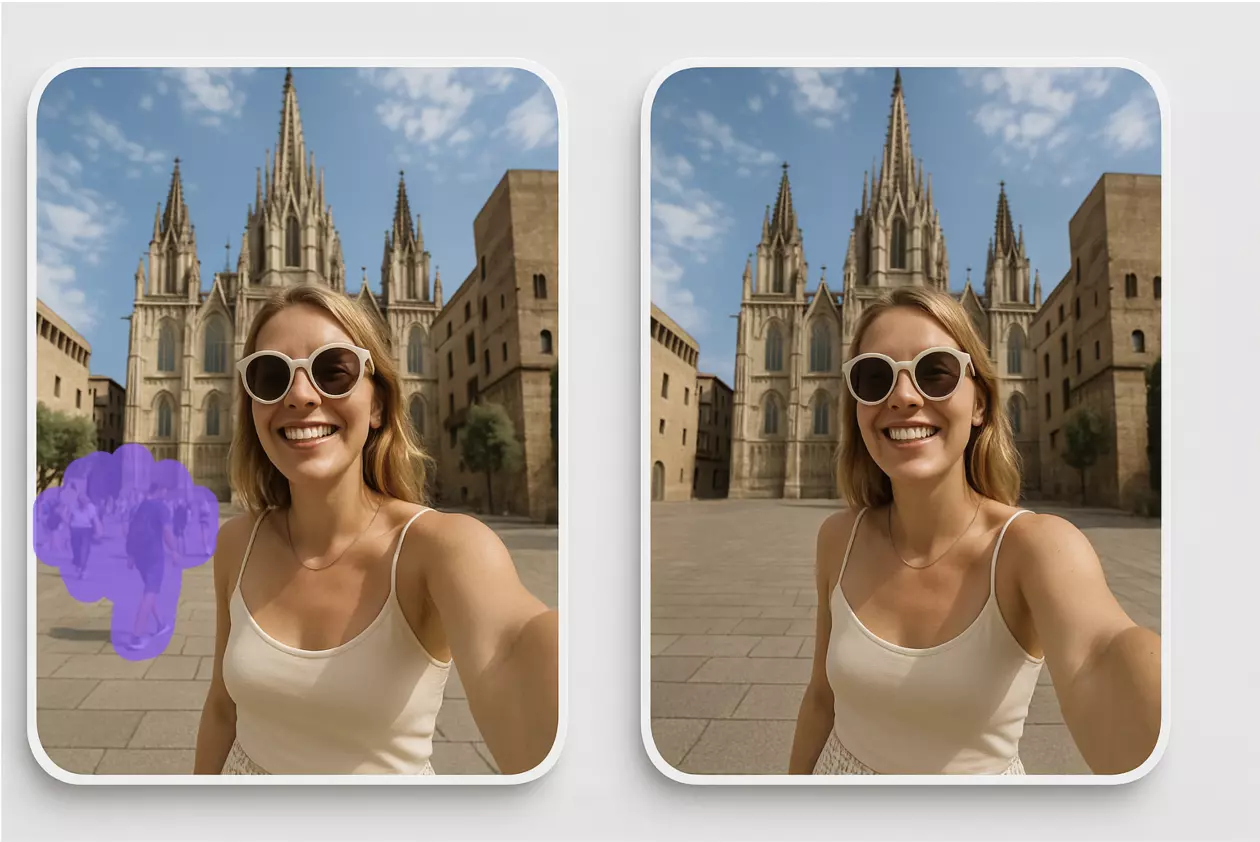
- Use object removal to clear clutter (e.g., stray cords), and watermark cleanup if your source image has overlays.
- Compliance note: only remove watermarks or marks on images you own or are licensed to edit.
- Match lighting and scale.
- Nudge shadows to sit naturally under the product; adjust perspective so the product feels grounded, not floating.
- Enhance and export.
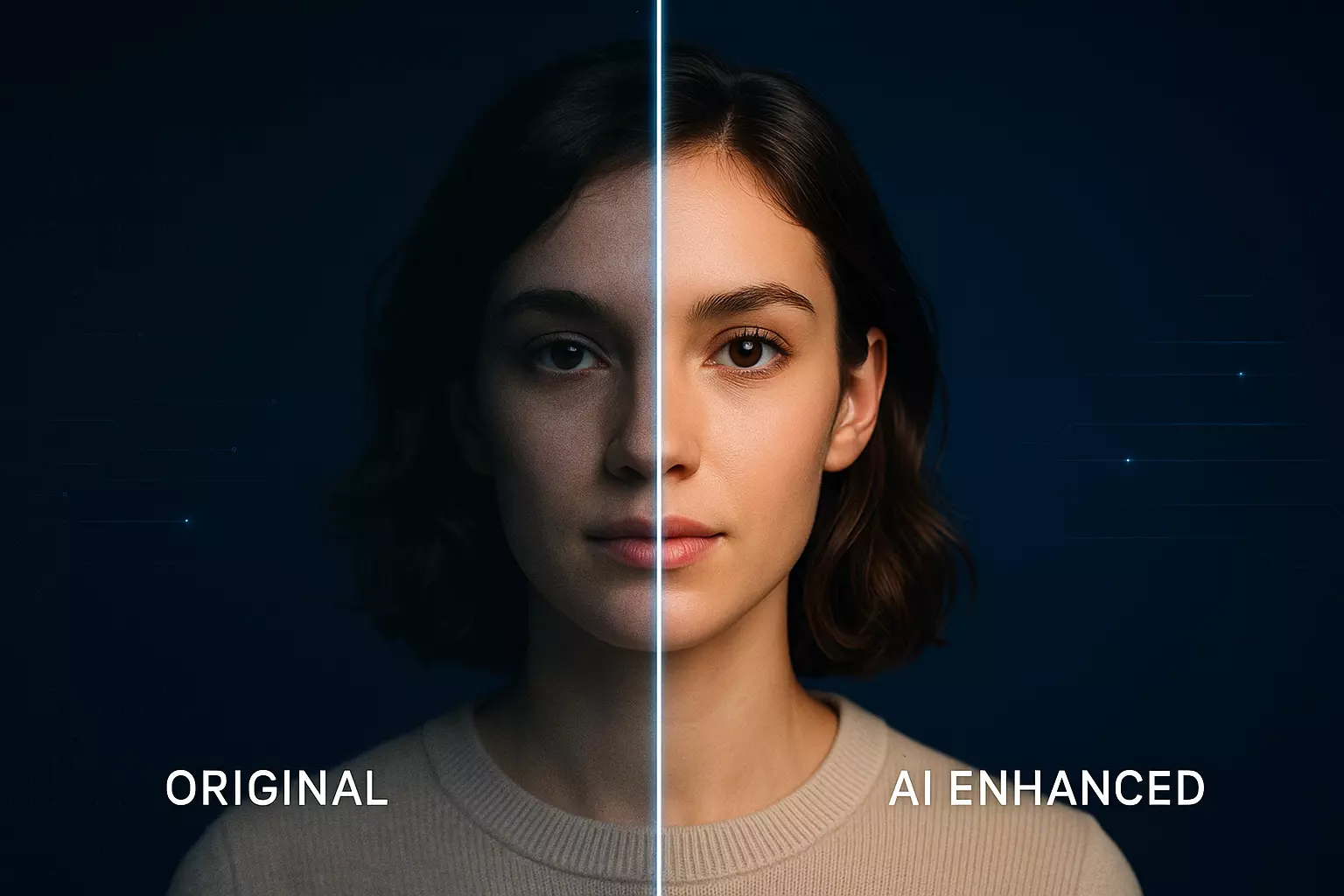
- Apply subtle clarity and contrast so texture reads well in mobile feeds.
- Export multiple aspect ratios: 1:1 for feed, 4:5 for Meta placements, 9:16 for TikTok, and a 16:9 or 3:2 for site banners.
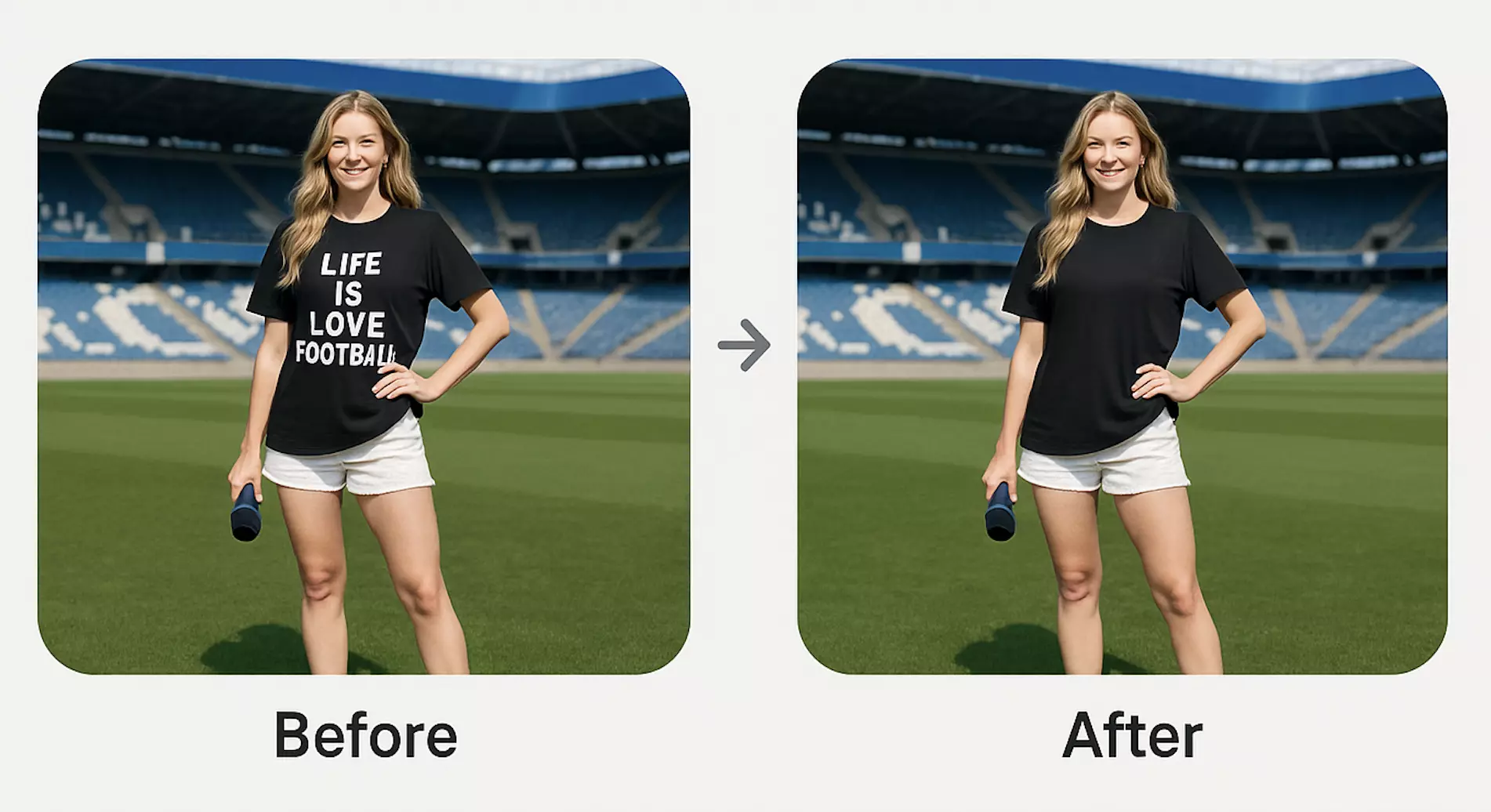
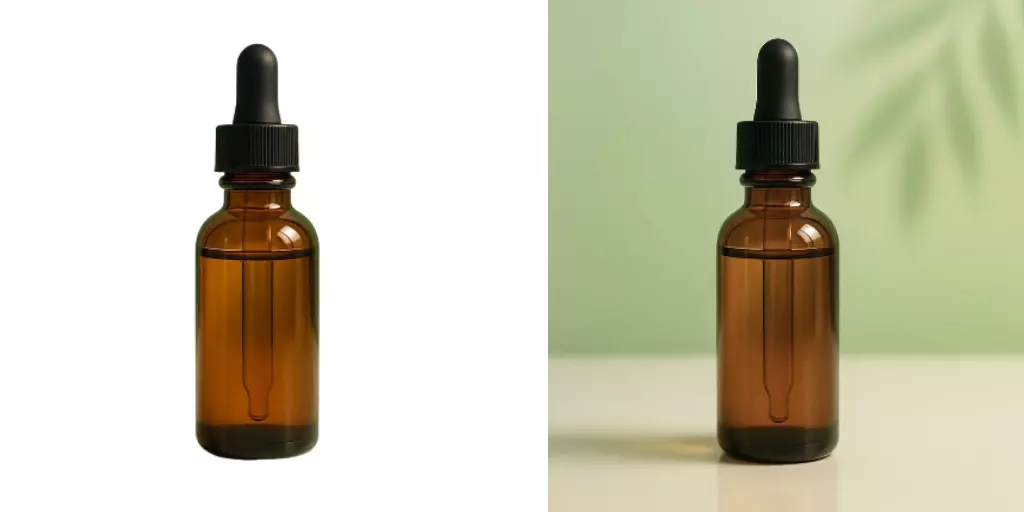
(Reference image: Before-and-after composite—original product cutout vs. a lifestyle scene with generated background, natural shadow, and watermark removed.)
A/B testing across Meta, TikTok, and storefront: experiment design
- Hypotheses worth testing:
- Environment: kitchen vs. bathroom vs. desk.
- Human presence: hands-in-frame vs. product-only.
- Color mood: warm sunlit vs. cool studio.
- Social proof: with a rating badge vs. clean image.
- Naming convention for sanity:
- product_scene-angle_mood_version (e.g., “bottle_kitchen-warm_hands_v3”).
- Test scope:
- Meta: run 2–3 image variants per ad set to isolate scene variables.
- TikTok: prioritize vertical 9:16 and UGC-style crops with clear product-in-use shots.
- Storefront: test hero banners and collection thumbnails to align ad click promise with landing visuals.
Metrics that matter (and budgets that learn)
- CTR: Are your scenes thumb-stopping?
- CPC: Are you maintaining cost efficiency?
- CVR: Do site visitors from each scene convert?
- ROAS: Which scenes support profitable scaling?
- Learning budget: Allocate enough spend per variant to reach statistically directional results (e.g., 500–1,000 impressions per variant minimum; more for close calls). Retire the bottom third weekly and replace with fresh lifestyle variations.
Quality control checklist
Before launching, run through this list:
- Lighting consistency across variants (no jarring mismatches).
- Natural shadows under objects; avoid floating looks.
- Scale realism—product should not appear oversized or toy-like.
- Brand cues visible but not overpowering (color accents, textures).
- Copy-safe space for overlays if needed; avoid busy corners.
- Final pass for artifacts, halos, or watermark ghosts.
- Accessibility: adequate contrast if text overlays are used.
Advanced edits that keep scenes on brief
- Background changes: swap a countertop for a café table in seconds to refresh an ad without reworking the product.
- Object removal: delete stray props or background distractions.
- Watermark cleanup: remove legacy marks from your own media or licensed assets. Always respect IP rights and platform policies.
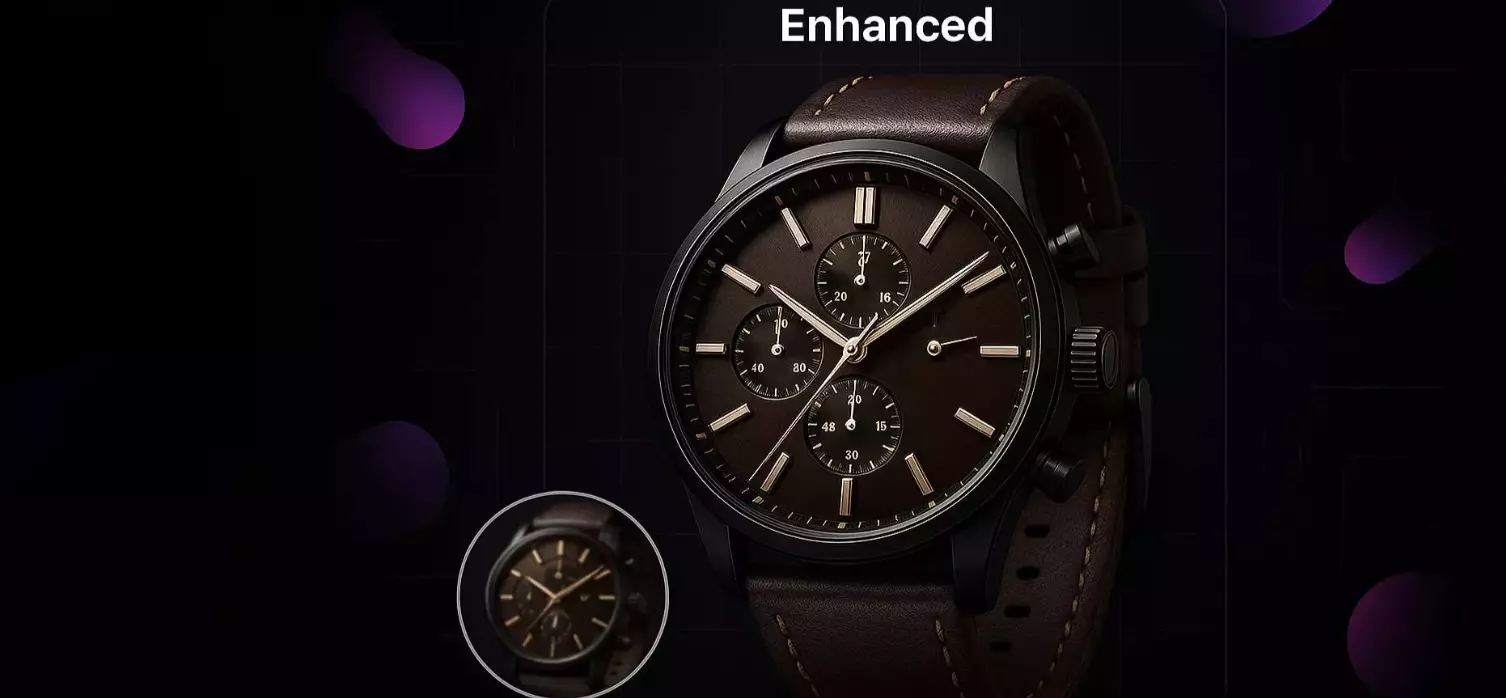
- Enhancement: subtle sharpening and color balance so fabric, metal, or matte finishes look true-to-life.
Pixflux.AI streamlines these edits so you can iterate quickly, stay on-brand, and preserve visual quality as you expand your ad creative pack.
Batch processing and file handoff
When you’re producing for multiple channels, speed and consistency matter:
- Batch upload similar products to generate coordinated scenes at once.
- Export presets:
- Meta: 1080×1080 (1:1), 1080×1350 (4:5).
- TikTok: 1080×1920 (9:16).
- Storefront banners: 1920×1080 (16:9) or 2400×1600 (3:2), depending on your theme.
- File naming: keep your test naming convention in exports for simple collaboration across paid, social, and site teams.
Risk and compliance
- Claims: Avoid superlatives embedded in imagery unless substantiated (e.g., “clinically proven”).
- Trademarks: Don’t imply endorsements with third-party logos in backgrounds.
- UGC disclosure: Follow platform rules when ads use creator-style visuals.
- Copyright and watermarks: Only edit images you own or are licensed to use; never use watermark removal to infringe rights or bypass platform policies.
Case study snapshot (illustrative)
A DTC skincare brand started with one clean bottle cutout. In under two hours, the team produced ten lifestyle product photos across three environments: bathroom vanity (sunlit), desk (work-from-home), and shower shelf (tiles). A Meta test showed:
- Vanity scenes: +22% CTR vs. control; CPC down 13%.
- Desk scenes: Neutral CTR but +9% CVR on site (better intent alignment).
- Shower scenes: Underperformed; replaced in week two with warm vanity scenes featuring hands-in-frame, which lifted CTR a further 7%.
Iterating weekly with fresh scenes sustained delivery and improved ROAS over the month.
AI online tools vs. traditional methods
- Time to market:
- AI tool: hours to new scenes and tests.
- Reshoot or heavy design: days to weeks.
- Learning curve:
- AI tool: minimal—guided steps, instant previews.
- Pro software: advanced masking, compositing, and lighting skills required.
- Batch efficiency:
- AI tool: generate multiple on-brand variants quickly; easy to standardize across SKUs.
- Outsourcing: longer feedback loops; change requests add delays and cost.
- Cross-team adaptability:
- AI tool: share clear naming, export presets, and visual standards so paid, social, and site teams can ship consistently.
For hands-on teams running frequent creative refreshes, Pixflux.AI is a practical accelerator.
Quick start: build a testable set today
Use this 30-minute game plan:
- Pick one hero product and define three environments.
- Generate 5–10 scenes in Pixflux.AI.
- Export Meta and TikTok formats; load two variants per ad set.
- Review metrics after 48–72 hours; retire the bottom performers and backfill with one new environment.
If you’re ready to move fast, create your first pack of lifestyle ad images and launch tests this week.
Conclusion and next step
Performance in 2025 favors fast, frequent creative iteration. Instead of waiting on reshoots, build an agile workflow that turns one product cutout into a learning engine—across Meta, TikTok, and your storefront. Pixflux.AI helps you do it without heavy production or complex editing, so you can focus on the tests that move the numbers.
Try it now: generate on-brand lifestyle product photography scenes, A/B test 5–10 variations, and ship what wins.