Product Shot Generator for Creative Ops: Build a Consistent Asset Library Across Channels
See how creative ops turn one master shot into a consistent, channel-ready asset library—standardized lighting, smart staging, faster exports, less rework.
 Sierra CappelenDecember 23, 2025
Product Shot Generator for Creative Ops: Build a Consistent Asset Library Across Channels
Creative ops teams are under pressure to deliver more product images for more channels—without sacrificing brand consistency. One week it’s 500 PDP updates for Amazon; the next it’s seasonal ads and a dozen social crops. Rework piles up when lighting, crops, and backgrounds aren’t standardized, and a single master shot has to be rebuilt for each platform.
This is where an AI-driven product shot generator can make the difference. Instead of starting from scratch, you can lock scene standards once, then scale a clean, consistent asset set with minimal manual effort. If you’re evaluating options, try a modern product shot generator that helps you standardize lighting, backgrounds, and composition—and turn one master shot into channel-ready variants fast.
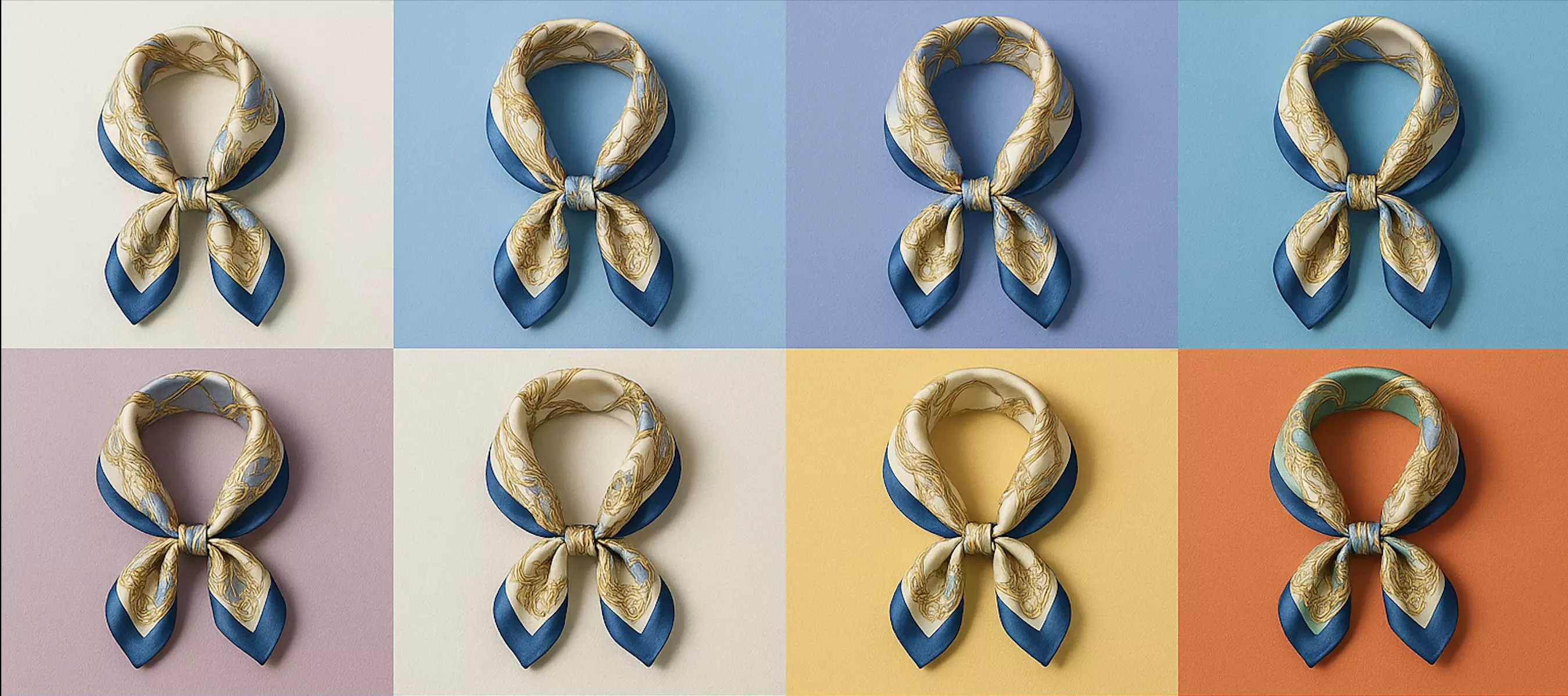
(See image: a side-by-side layout showing one master product shot and its derived crops for PDP, ads, and social posts with consistent lighting and margins.)
Why creative ops need a product shot generator in 2025
In 2025, marketplaces increasingly mandate clean, uniform backgrounds. Brand governance is also tightening, with stricter rules for crops, padding, and safe areas across digital touchpoints. Meanwhile, AI background generation and batch processing have matured, letting teams compress turnaround time for PDPs and campaign assets.
A product shot generator operationalizes this shift:
- Your team sets lighting, angle, and crop standards once (scene packs).
- One master product shot feeds multi-platform product images.
- Background removal or generation is handled by AI, reducing tedious masking.
- Batch processing turns multi-SKU workloads into repeatable runs.
The payoff: consistent visuals, fewer retakes, and rework cut from days to hours.
Establish lighting, angle, and crop standards with reusable scene packs
Treat “scene packs” as your visual starter kits:
- Lighting: Define a primary key light direction, fill ratio, and highlight intent (matte vs glossy). Keep a neutral white balance target (e.g., 5500K daylight look) to stabilize color.
- Angles: Select 2–3 angles per category—front, 45°, and detail macro. Bake these into your pack so shooters and editors can replicate without guesswork.
- Crops and padding: Set default canvas sizes (e.g., 2000×2000 for PDP) with margin rules (10–12% white space around edges). Include safe areas for text overlays in ads.
- Shadows and reflections: Decide between soft drop shadows, hard-edged shadows, or mirror reflections; add them as optional layers in the pack.
Keep one scene pack per SKU (or per family if finishes/materials match) so you can repeat results without re-staging.
From master product shot to multi-platform product images: a repeatable flow
Start with the best capture you have:
- Pick a master shot with sharp focus, correct exposure, and least distortion.
- Neutralize color: include a color checker during capture or calibrate in post to avoid surprises when compositing onto clean backgrounds.
- Use AI to remove or refine the background, then apply the scene pack.
- Generate crops and ratios per channel, maintaining margins and safe areas.
- Export variants with consistent file naming, ready for PDPs, ads, and social.
This flow helps you scale from one quality input to many consistent outputs.
Choosing backgrounds: sweep, transparent, or context—and when to stage vs. composite
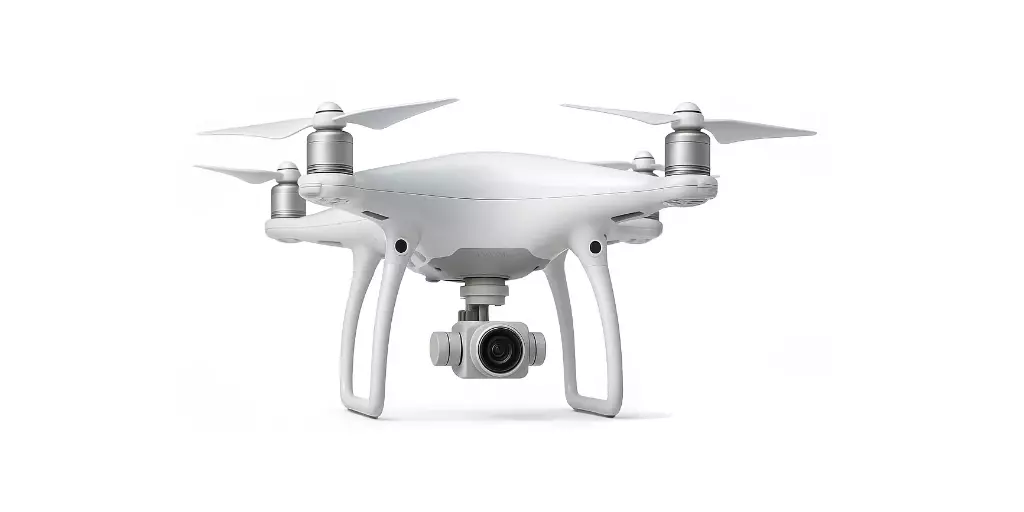
- Clean sweep (white or light gray): Ideal for marketplaces and PDPs where the product must “float” without distractions. Uniform, rule-compliant, and fast to QA.
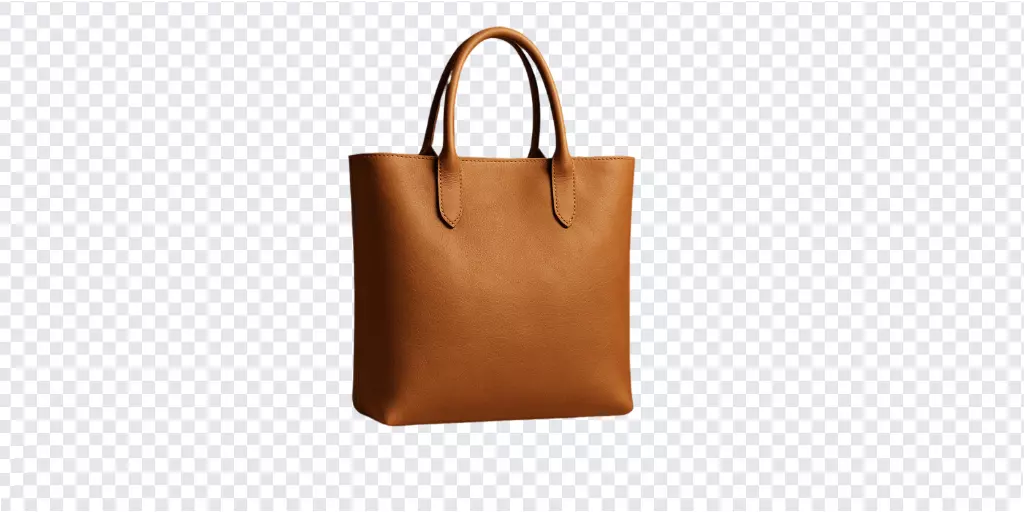
- Transparent PNG/TIFF: Useful when the same cutout is placed into multiple layouts (ads, emails, hero banners).
- Contextual scenes: Lifestyle or brand story shots that need subtle texture (e.g., wood, marble, fabric) or on-location feel.
Staging in-camera is great for hero shots and reflective surfaces, but compositing is more efficient for large catalogs. Tools like Pixflux.AI can remove busy studio backgrounds, generate brand-appropriate backdrops, or clean up distracting elements so your product stands out.
Compliance tip: Only remove watermarks or logos if you own the rights or have explicit permission. Do not use watermark removal to bypass licensing rules or marketplace policies.
Build a product staging template that scales
A simple template keeps teams aligned:
- Scene definitions: Lighting role, angles, background options, and shadow style per category.
- Crops and ratios: PDP 1:1, marketplace hero, ad 1200×628 or 1080×1350, social 1:1 or 4:5, stories/reels 9:16.
- Filenames: sku_channel_ratio_color_version.ext (e.g., sku123_pdp_1x1_black_v2.jpg).
- Color notes: Material references, approved hex values for accents, and where color-critical QC is required.
- Review checklist: Focus/sharpness, color accuracy, background cleanliness, margins, and brand-safe composition.
Quick start with Pixflux.AI (3 steps)
Pixflux.AI streamlines background edits and cleanup for staging:
- Upload your master product image.
- Let the AI process it—remove the background, clean stray objects, or generate a suitable backdrop.
- Download the result and apply your scene pack crops and exports.
(See image: Pixflux.AI interface screenshots illustrating the three-step flow: upload → AI processing → download.)
If you’re starting fresh, an AI product photo generator can handle background removal and generation, then you apply your brand’s scene standards for consistent output.
HowTo: Turn one master shot into a consistent asset library (step-by-step)
Use this repeatable 5-step flow to produce multi-platform product images:
- Open Pixflux.AI tool
- Navigate to the tool page and prepare your master shot. Confirm exposure and color look correct to avoid cascading fixes later.
- Upload the master image
- Choose the cleanest angle for your “base” asset. If you have several, start with the front or three-quarter angle you’ll reuse most.
- Choose the right tool and let AI process
- Background removal: Get a clean, uniform background for PDP or marketplaces.
- Background generation or modification: Swap to white, light gray, or a subtle brand texture; produce lifestyle variants without reshoots.
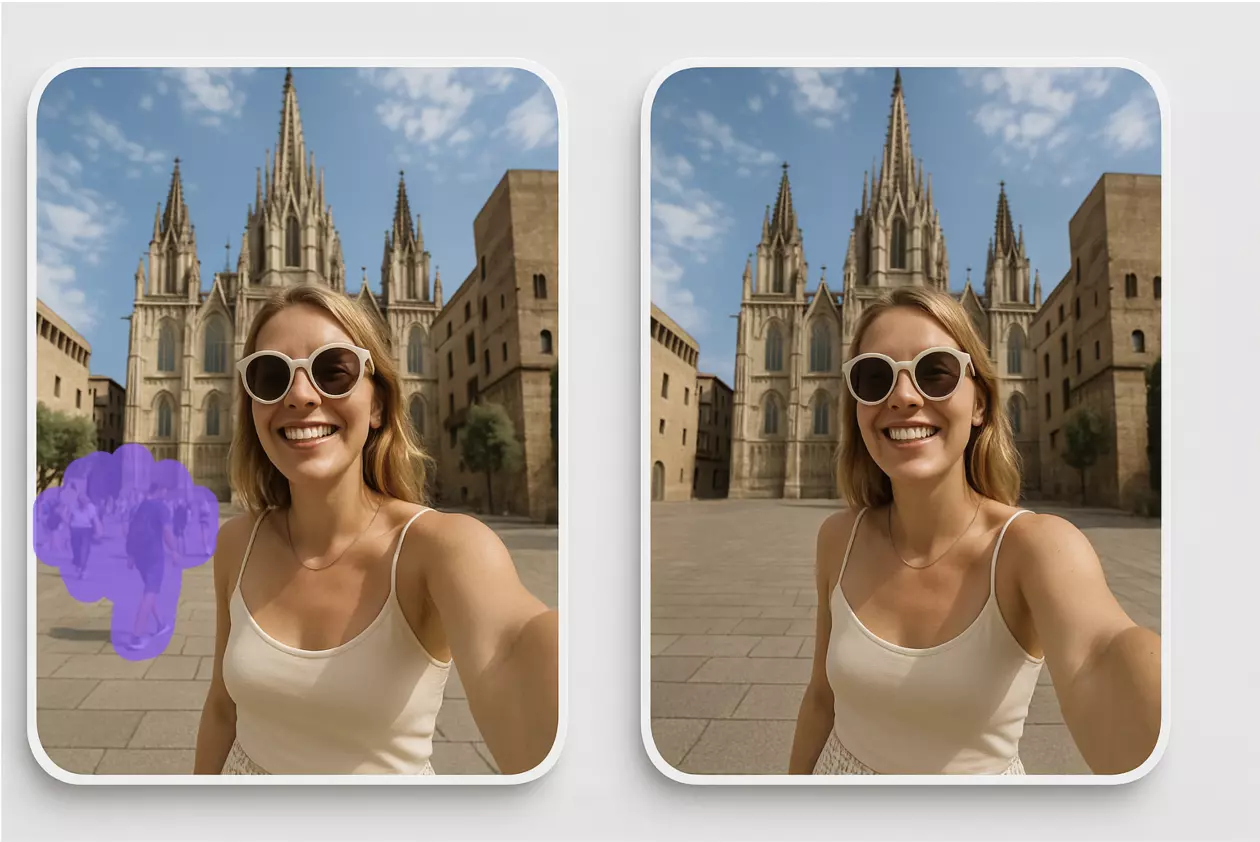
- Object cleanup: Remove dust, stray strings, reflections, or power cords; eliminate passersby in on-location shots.
- Watermark removal: Only use on images you own or are authorized to edit.
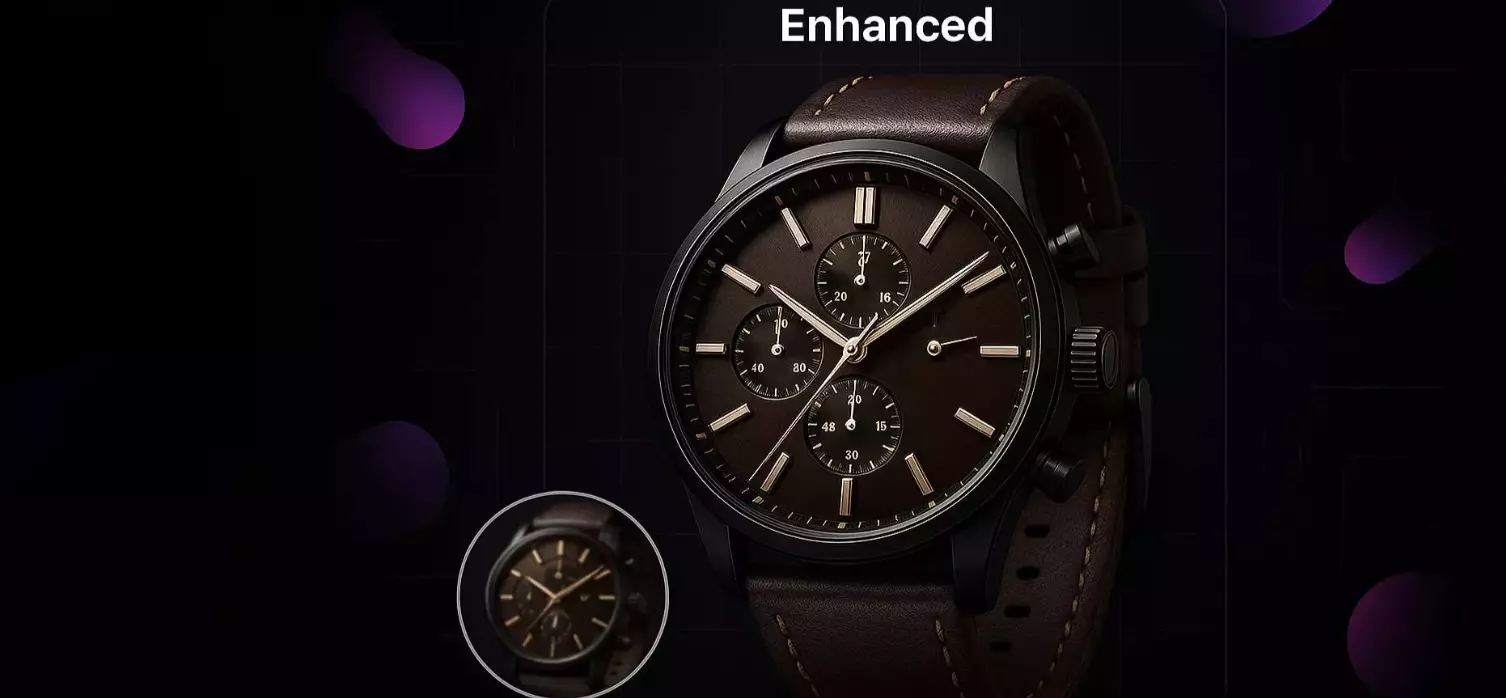
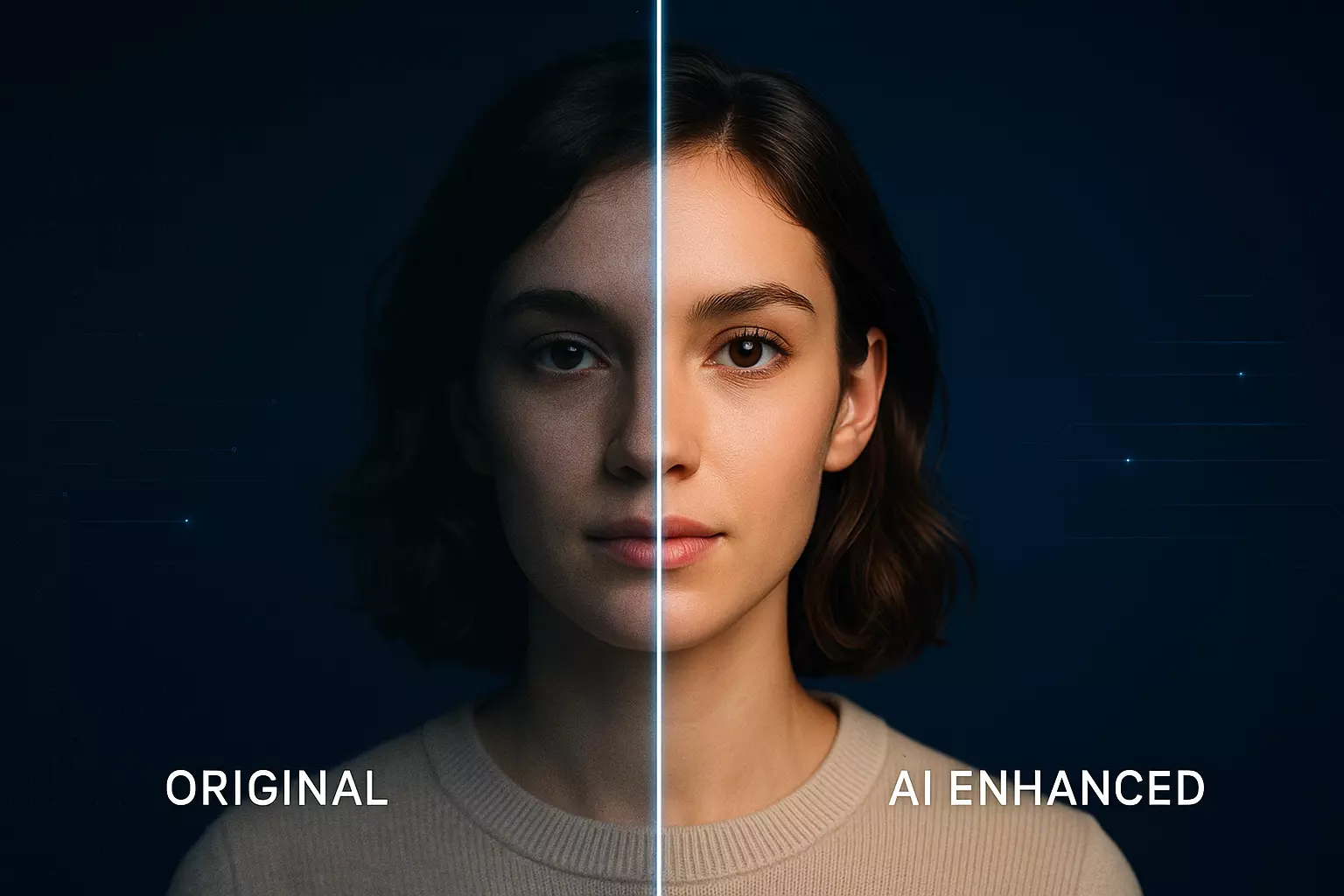
- Image enhancement: Boost clarity and contrast to ensure crisp crops at various sizes.
- Preview and fine-tune
- Check edges around complex shapes (hair, transparent packaging, chrome). Adjust shadow strength if needed to maintain realism.
- Validate margins by testing a 1:1 crop and a 4:5 crop to see if your product stays centered and brand-safe.
- Download and build your asset set
- Export a clean “transparent” version (PNG/TIFF) plus a white-background version (JPG) as your masters.
- Generate channel-specific crops (1:1 PDP, 16:9 ads, 4:5 social, 9:16 stories) and name files consistently.
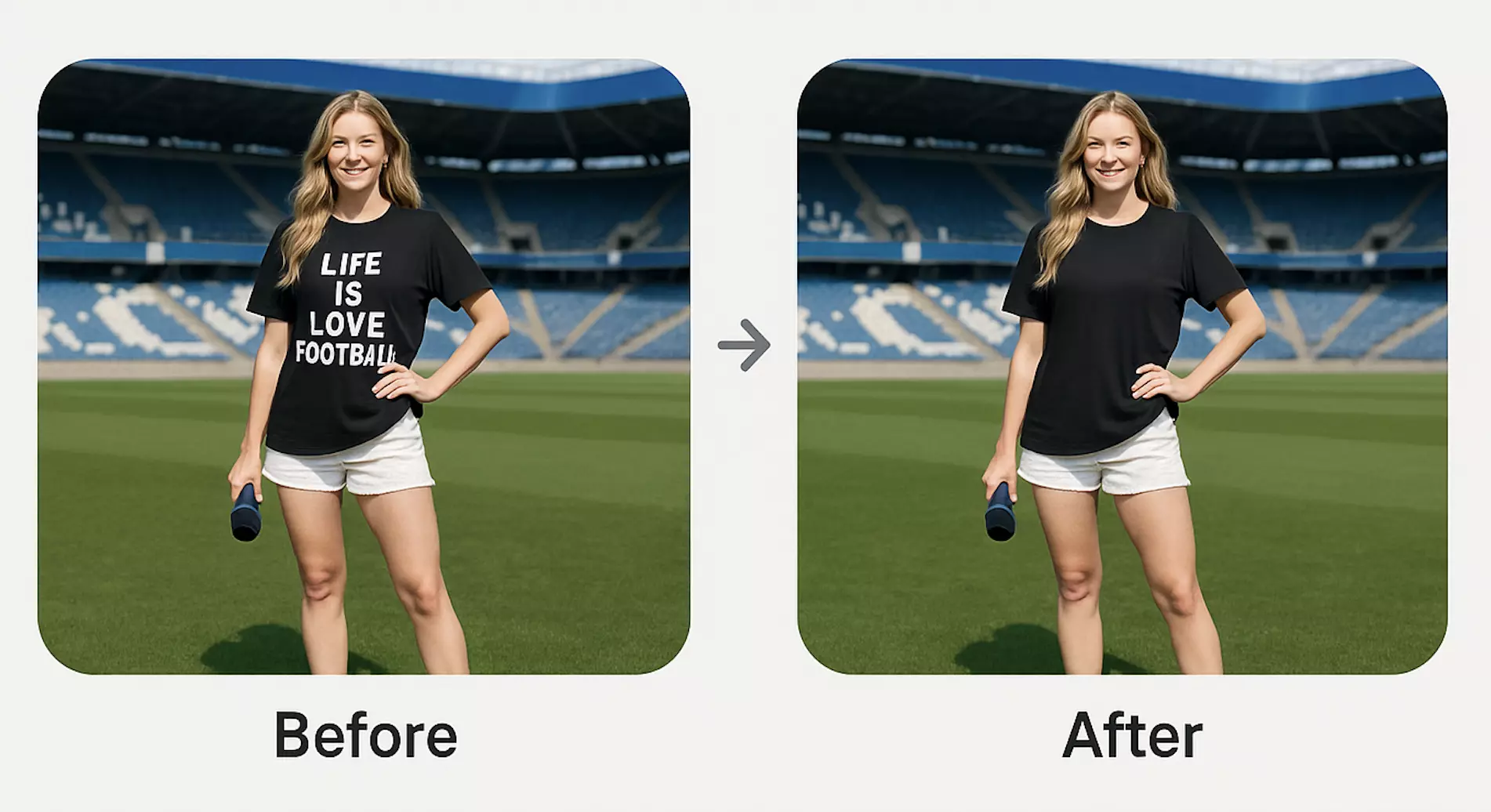
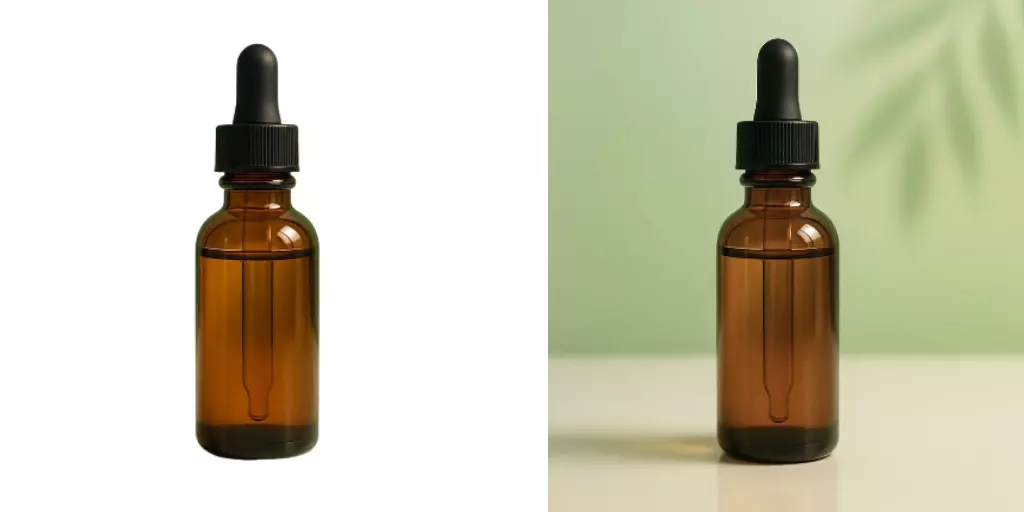
(See image: before-and-after comparison of the same product with background removal and watermark cleanup applied for clean PDP use.)
Using Pixflux.AI for the tasks creative ops do every day
Here’s how teams commonly apply Pixflux.AI within their product staging pipeline:
- Background removal for PDPs and marketplaces: Produce uniform white or light-gray backdrops that pass listing checks on Amazon, Walmart, or Target.
- Background generation for campaign variants: Build seasonal or lifestyle backdrops that align with your brand palette without scheduling new shoots.
- Object cleanup for on-location shoots: Remove unwanted cables, scuffs, or reflections that slip into your best shot.
- Watermark and logo cleanup: For owned assets or authorized edits, remove marks that interfere with clean layouts; always respect rights and platform rules.
- Image enhancement for sharpness and clarity: Ensure thumbnails stay crisp and hero images look premium.
- Batch processing across SKUs: Upload multiple images and apply the same background and cleanup settings so your entire set looks cohesive.
To keep your team moving, connect this step with your scene packs and cropping rules. The result is a reliable “input → transform → export” loop you can run every week without reinventing the process.
If you’re ready to try this flow end to end, start with an AI product photo generator to clean and stage the master, then assemble your multi-platform variants.
Quality control: color accuracy, sharpness, and brand-safe composition
QC is where consistency becomes visible:
- Color accuracy: Compare to a physical sample or calibrated reference. Watch reds and neons, which tend to clip. Keep whites neutral (no blue or magenta cast).
- Sharpness: Evaluate at 100% zoom; look for edge clarity and detail retention in textures. For glass or metal, confirm highlight roll-off remains natural.
- Edge integrity: Fine hairlines or transparent packaging need careful masking; re-run edge refinement if halos appear.
- Brand-safe composition: Respect padding rules, safe areas for text overlays, and center-of-mass alignment so crops feel balanced.
- Background cleanliness: No banding, blotches, or mismatched gradients between images.
Document your QC checklist with pass/fail examples so reviewers make consistent calls.
Channel-ready exports: PDP, ads, marketplaces, and social
Make outputs predictable by channel:
- PDP and marketplaces: 1:1 at 1500–3000 px. White or light gray background; subtle shadow; 10–12% margin. Secondary images can include context or features.
- Ads: 1200×628 (landscape) or 1080×1350 (vertical). Reserve space for headline and CTA; keep the product within safe areas.
- Social grid: 1080×1080 preferred; maintain consistent padding so the feed looks uniform.
- Stories/Reels/Shorts: 1080×1920 (9:16). Use a larger product crop and consider subtle depth shadows to stand out on mobile.
Automate file naming with a simple schema and keep a “channel map” that lists what each platform requires. This trims review cycles and reduces re-exports.
Governance, rights, and watermark policies to reduce rework
Set ground rules that prevent back-and-forth:
- Use only images you own or are licensed to edit. Watermark removal is for owned or authorized assets—never to circumvent creator rights or marketplace rules.
- Keep a short brand guide for backgrounds, shadows, and margins; link it in every brief.
- Track who approved which asset and when; if a product changes, expire outdated images and re-run the master shot through your scene pack.
Good governance saves time, protects your brand, and keeps your catalog compliant across regions.
AI online tools vs. traditional methods
- Time cost: AI background removal and generation take seconds per image, with batch options for entire folders. Traditional masking or reshoots can take hours per SKU.
- Learning curve: Online tools are point-and-click; deep-retouching in desktop software demands advanced skills and training.
- Batch efficiency: Trigger the same cleanup and background rules across many SKUs; manual workflows rarely scale this cleanly.
- Cross-team fit: Creative ops, merchandising, and performance teams can apply the same scene pack rules and naming conventions without complex handoffs or custom scripts.
Pixflux.AI offers a practical middle ground—polished results without heavy retouching overhead—so your team can hit deadlines and maintain brand consistency.
Conclusion and next steps
A disciplined product shot generator workflow gives creative ops a repeatable way to produce multi-platform product images with less rework. Define your scene packs once, convert a single master into channel-ready assets, and rely on AI for background removal, generation, object cleanup, and batching. Your PDPs load faster, ads look on-brand, and your social grid finally feels cohesive.
Ready to scale your catalog with consistency? Start with automated product shot staging to clean, stage, and export your next wave of assets using Pixflux.AI—and ship more on-brand images in less time.