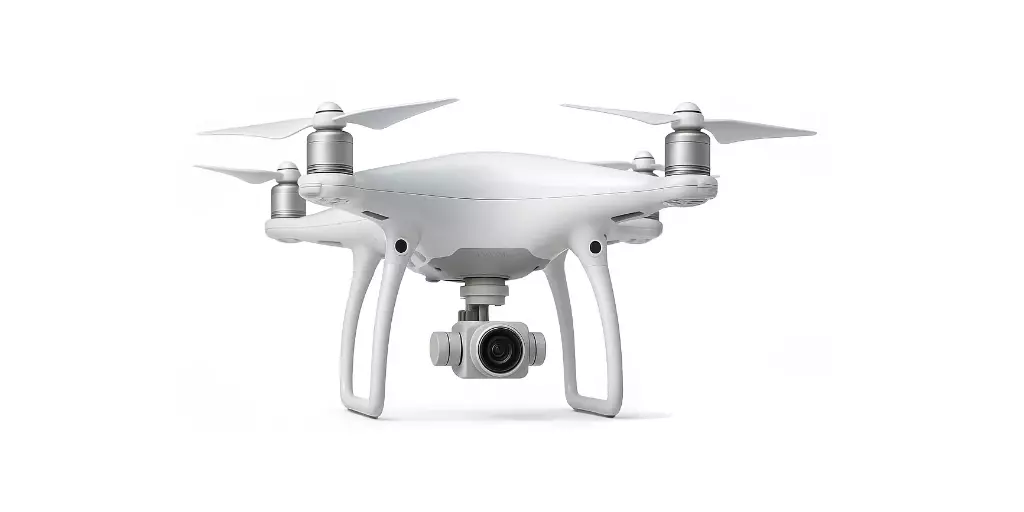
Remove Background of Photo Online for Cleaner Product Pages and Social Posts
Cut clean edges, keep natural shadows, and export the right format for every channel—then speed it all up with Pixflux.AI’s fast online background remover.
 Emily CremerApril 7, 2026
Remove Background of Photo Online for Cleaner Product Pages and Social Posts
A cluttered backdrop can turn a good photo into a passable one—and passable doesn’t convert. Whether you’re listing products on Amazon, launching a Shopify collection, or designing TikTok ads, busy environments, mismatched colors, and harsh shadows pull attention away from what matters: the subject. Creators and small brands often know this but get stuck between time-consuming manual edits, steep desktop-learning curves, and inconsistent outsourced results.
The good news is that “remove background of photo online” workflows have matured. Modern AI can isolate hair, preserve soft shadows, and standardize looks in minutes. If you’re ready to move fast without compromising quality, try an online tool built for this exact job—start to remove background of photo online and ship cleaner product pages and scroll-stopping posts today.
Social commerce now favors high-contrast cutouts and transparent PNGs because they render crisp on mobile and load fast. AI segmentation has also improved dramatically, especially for fine details like fur and glass edges. That means you can get market-ready images with a simple upload → process → download loop, often in under a minute.
Why distraction-free backgrounds boost engagement and conversion
Clean backgrounds are not just a style choice. They measurably improve:
- Clarity and comprehension: Shoppers instantly understand the product’s silhouette, size cues, and finish.
- Visual hierarchy: The subject becomes the hero without fighting with props or textures.
- Trust and professionalism: Consistent backgrounds signal a well-run brand and reduce return-inducing confusion.
- Performance across channels: White, light gray, or on-brand solids typically test better in ads and marketplace search.
- Speed: Lightweight, transparent or WebP exports load faster on mobile storefronts, reducing bounce.
For product galleries, reserve lifestyle scenes for a few context shots and keep main images distraction-free. On social, alternate clean cutouts with brand-colored canvases to maintain visual rhythm without losing focus.
How online background removal works (and why edges and shadows matter)
Most online background removers use semantic segmentation to detect foreground vs. background, then generate a mask. The mask defines which pixels to keep, feather, or drop. You’ll see terms like:
- Mask or matte: The grayscale map that controls transparency (white = keep, black = remove).
- Edge refinement: Algorithms that decide how to keep wispy edges like hair or plant fronds.
- Shadow preservation: Keeping soft, natural shadows that help the subject feel grounded.
Good results come from clean edges and believable shadows. Haloing (a light fringe) or aggressive clipping (flat, cut-paper look) can make products look fake. Aim for crisp yet natural contours with subtle feathering where the subject actually blends with light.
Online tools vs. desktop suites (and external retouching)
- Speed: Online tools like Pixflux.AI deliver a processed preview in seconds. Desktop masking can take 10–30 minutes per image; external retouching often means a 24–72 hour turnaround.
- Learning curve: Desktop selections, channels, and refine-edge brushes require training; AI tools are purpose-built and intuitive.
- Consistency: For large catalogs, standardized AI passes reduce variance vs. multiple editors or freelancers.
- Batch processing: Handling dozens or hundreds of images in one go is faster with a web uploader and one-click actions.
- Cost structure: Subscriptions for heavyweight suites are justified for complex compositing; for routine background cleanup, online credits or light plans are cheaper—and you pay for precisely what you use.
If you’re producing complex composites or detailed CGI merges, desktop software still shines. But for 80% of ecommerce and social visuals—clean cutouts, simple swaps, quick enhancements—online is faster to ship and easier to scale.
Step-by-step: remove background of photo online for transparent PNG or white
Follow this practical flow to get marketplace-ready or ad-ready assets:
- Choose the right source photo
- Shoot in soft, even light. Avoid color spill on edges.
- Aim for subject–background contrast; avoid low-contrast scenes when possible.
- Frame with some margin around the subject to avoid accidental cropping.
- Upload your image to an online tool
- JPEGs are fine for uploads; RAW is not required.
- Higher-resolution images yield better edge detection.
- Let the AI generate the mask
- Wait a moment for processing; review the preview at 100% zoom.
- Decide on your output background
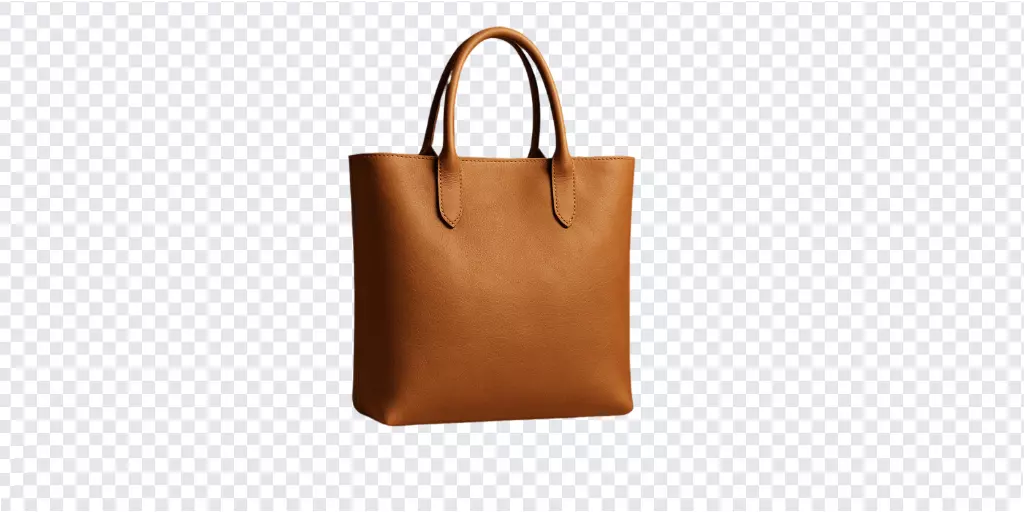
- Transparent PNG for compositing, overlays, and ads.
- Solid white (#FFFFFF) or light gray for marketplaces and catalogs.
- On-brand color or subtle gradient for social creatives.
- Check edge quality
- Inspect hairlines, product curves, and inside cutouts (e.g., handles).
- Look for halos or missing parts; if needed, re-upload with slightly increased contrast or sharper focus.
- Handle shadows intelligently
- If the tool preserves a soft base shadow, keep it; it grounds the subject.
- For pure-white requirements, add a clean drop shadow later (low opacity, soft blur) on your canvas.
- Optimize file size
- Use PNG for transparency; JPEG for solid backgrounds; WebP for lightweight web delivery when supported.
- Resize to your platform’s minimums but avoid oversizing; it slows pages without adding visible detail.
- Export and apply
- Save as transparent PNG for flexible reuse.
- For marketplace mains, export a white-background JPEG in the required dimensions.
(See image suggestion: a comparison grid showing transparent PNG, solid white, and a simple lifestyle backdrop variant.)
Hands-on with Pixflux.AI: upload → AI process → download
If you want the shortest path to a clean cutout, here’s the three-step flow with Pixflux.AI:
- Upload your original image
- Drag and drop a single file or a small batch to start.
- Let the AI process the background
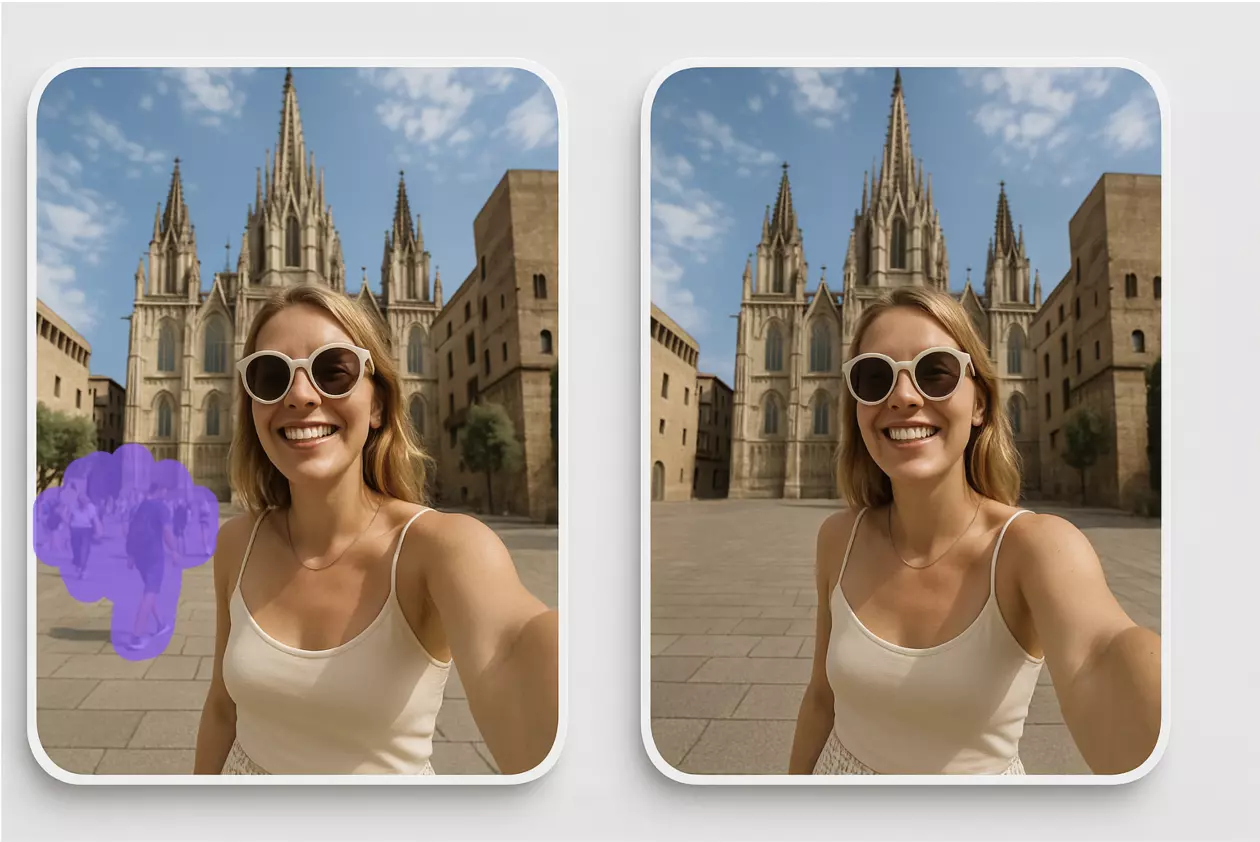
- Pixflux.AI isolates the subject, removes distractions, and can retain natural soft shadows when present.
- Download your finished image
- Export as transparent PNG, white-background JPEG, or a format that fits your workflow.
Open the online background remover for photos and repeat this loop for a full gallery in minutes. For advanced control, use a slightly more detailed pass:
- Open Pixflux.AI’s tool page.
- Upload your image(s).
- Choose background removal; optionally try background modification to swap in a neutral or on-brand backdrop.
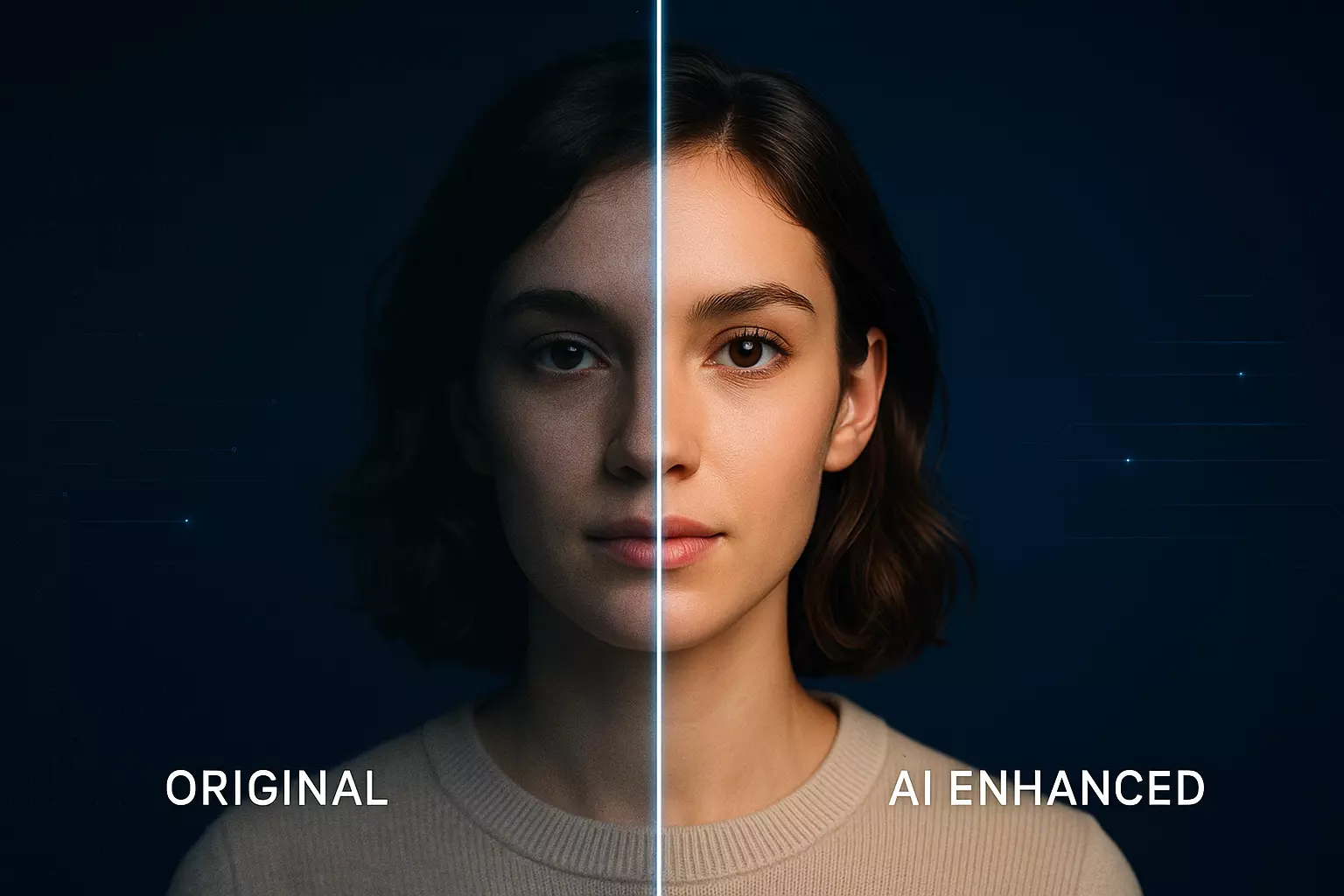
- Preview the result at 100% and nudge options if needed; consider a quick AI image enhancement pass for extra clarity.
- Download and name files consistently for faster publishing.
(See image suggestion: the Pixflux.AI interface illustrating the three-step flow: upload → AI processing → download.)
Edge cleanup techniques: hair, fur, glass, and low-contrast subjects
When quality stakes are high, a few micro-optimizations pay off:
- Hair and fur
- Start with a photo that has subject–background contrast.
- Avoid backlighting that flares edges; soft side light helps strand detection.
- If edges look crunchy, export as PNG and add a 0.5–1 px feather in your design app to smooth transitions.
- Transparent or reflective materials (glass, glossy plastic)
- Keep a hint of interior reflections if they define shape.
- Preserve a soft base shadow; it prevents a “floating” look.
- Slightly deepen contrast pre- or post-cutout using AI image enhancement to reveal edge definition.
- Low-contrast products (white on off-white, black on dark gray)
- Re-shoot with a contrasting background when possible.
- If not feasible, increase exposure and micro-contrast before background removal, then revert to normal after the cutout.
- Tiny holes and negative spaces
- Zoom in to check areas like handles, lace, or spokes.
- If any cavities remain filled, re-run with a sharper source or slightly boosted clarity.
Shadow handling: preserve or add for realism
Shadows are your depth cue. Keep them whenever you can—especially soft, diffused ones under shoes, bottles, and bags. If the original scene is messy but the shadow reads well, you can preserve the shadow while cleaning the rest. When platform rules demand pure white with minimal grounding:
- Add a drop shadow on your canvas, not on the product layer.
- Use a low-opacity (10–25%) shadow, high blur, and a slight offset to mimic natural light.
- Avoid hard-edged, high-contrast shadows that look artificial at thumbnail sizes.
(See image suggestion: a before-and-after product photo with background removed while retaining a soft shadow.)
Export settings by channel: marketplaces, web stores, social
- Amazon main image
- Pure white background (#FFFFFF), no props.
- Longest side at least 1,600 px for zoom; square crops common.
- JPEG usually preferred.
- eBay
- White or light neutral background recommended.
- Minimum 1,600 px on the longest side for quality zoom.
- JPEG with moderate compression to balance size and clarity.
- Etsy
- At least 2,000 px on the shortest side recommended.
- Clean backgrounds test well in search; consider light neutrals for a softer brand feel.
- Shopify and other web stores
- 2,048 px square or similar standard for consistent grids.
- Use WebP for fast loads where supported; PNG for transparency needs.
- Instagram and TikTok
- 1,080 px minimum; bigger is fine if file size stays efficient.
- Transparent PNGs allow overlays and dynamic backgrounds in editors without fringing.
Keep a master transparent PNG and export channel-specific derivatives so you’re not re-cutting backgrounds each time.
Batch processing for catalogs and UGC using Pixflux.AI
Catalog and UGC standardization is where time melts away. Instead of fixing images one by one, batch-upload a set, apply the same background cleanup, and download consistent outputs. Pixflux.AI supports batch handling so you can process dozens of product shots or creator submissions in a single workflow—ideal for drops, seasonal refreshes, or influencer collab pages.
For large batches:
- Normalize aspect ratios before upload to keep grids uniform.
- Decide upfront: transparent vs. solid background, and whether to preserve soft shadows.
- Name files with SKU or campaign codes on download to streamline publishing.
Quality checks: measurable criteria for before–after reviews
Don’t just eyeball it—make quality observable:
- Edge integrity: No halos, no staircase artifacts, and preserved micro-details.
- Shadow realism: Soft, low-opacity grounding; no harsh fake shadows unless stylistically intentional.
- Color fidelity: No unintended color shift; whites remain neutral.
- File weight: Under your target kb without banding or visible compression.
- Channel compliance: Meets marketplace rules and crops well to thumbnail and hero sizes.
- Performance lift: Track CTR on ads and conversion rate on PDPs pre- and post-cleanup.
A quick A/B using identical creative except for background cleanliness often reveals a meaningful uplift.
Legal and ethical boundaries: watermarks, trademarks, and rights
Only edit images you own or are licensed to use. Removing a watermark or logo from an image you don’t have rights to is likely a violation of copyright or platform policy. Use watermark removal strictly to clean your own branded elements, outdated logos, or artifacts you’re authorized to change. When using third-party trademarks (e.g., on compatible accessories), follow the platform’s naming and visual rules.
FAQ: remove background of photo online—troubleshooting, formats, and limits
What’s the fastest way to remove the background of a photo online?
Use an AI-powered online remover, upload your image, let it process, and export a transparent PNG or white-background JPEG in minutes. Most tools—including Pixflux.AI—handle the masking for you, so there’s no need for manual selections. Check edges at 100% zoom and pick the export that matches your channel requirements.
Can AI handle hair, fur, and other fine edges reliably?
Yes, modern segmentation models handle fine edges far better than older methods. For best results, start with a photo that has subject–background contrast and soft, even lighting. If edges look brittle, try a slightly sharper source or apply a gentle feather post-export to smooth the transition without losing detail.
How do I preserve or add realistic shadows after background removal?
Keep subtle natural shadows when possible or add a soft, low-opacity drop shadow on your canvas. Shadows ground the product and add depth. If a platform requires pure white and the natural shadow is lost, reintroduce a faint, blurred shadow beneath the subject. Avoid hard-edged, dark shadows that look artificial at small sizes.
Which formats should I export—PNG, JPEG, or WebP?
Export PNG for transparency, JPEG for solid white or colored backgrounds, and WebP for lighter web delivery when supported. Keep a master transparent PNG so you can quickly produce platform-specific derivatives. Balance file size with quality; avoid over-compression that introduces banding or halos.
Is online background removal safe for my brand assets?
It can be, but use reputable tools and avoid uploading confidential or restricted images. Review each tool’s privacy and storage practices before use. If you’re handling embargoed products or sensitive assets, consider internal guidelines on what can be uploaded to third-party services.
Can I process many images at once for a catalog or UGC campaign?
Yes, many online removers support batch uploads to standardize large sets quickly. Batch runs help keep angles, crops, and backgrounds consistent across a collection. Pixflux.AI allows you to batch-handle images so your product grid looks unified with less manual effort.
What marketplace rules should I know before exporting?
Ensure compliant backgrounds (often pure white for main images), minimum dimensions, and no extra props blocking the product. For example, Amazon main images typically require pure white (#FFFFFF) with a long side of at least 1,600 px for zoom. Check current platform guidelines, as standards can evolve.
Conclusion and next steps
Clean backgrounds are one of the highest-leverage upgrades you can make to product pages and social creatives. With today’s AI, you don’t need complex software or slow vendor cycles to deliver crisp cutouts, preserved shadows, and channel-ready exports. Pixflux.AI gives you the essentials—background removal and modification, watermark and object cleanup where appropriate, enhancement for extra clarity, and time-saving batch handling—so you can move from shoot to shelf faster.
If you’re ready to streamline your workflow, jump in with an remove image background online pass and publish cleaner, faster-loading visuals today.
(See image suggestion: a simple before/after grid—original, clean cutout on white, and transparent PNG overlay—to illustrate the improvement.)