Performance Marketing for Social Commerce Make Product Photos Convert with Clean Backgrounds
Clean, clutter-free product photos can lift CTR and cut CPC. See workflows, tools, and A/B testing tips to scale social commerce wins.
 Richard SullivanJanuary 12, 2026
Performance Marketing for Social Commerce: Make Product Photos Convert with Clean Backgrounds
Your ad is sharp, the offer is strong, but your CTR still flatlines. In social commerce, the fastest way to lift performance often isn’t a new headline or a bigger discount—it’s removing visual clutter. Busy tabletops, patterned floors, and messy shelves steal attention from the product. On TikTok Shop and Instagram Shops, where users scroll at speed, clean product backgrounds help the eye lock onto the SKU and the thumb stop on your creative.
As platforms reward clarity with better delivery and cheaper clicks, brands are adopting AI-assisted creative production to shorten test cycles. With an AI workflow, you can remove product background in seconds, generate clean variants at scale, and refresh ads before creative fatigue impacts performance.
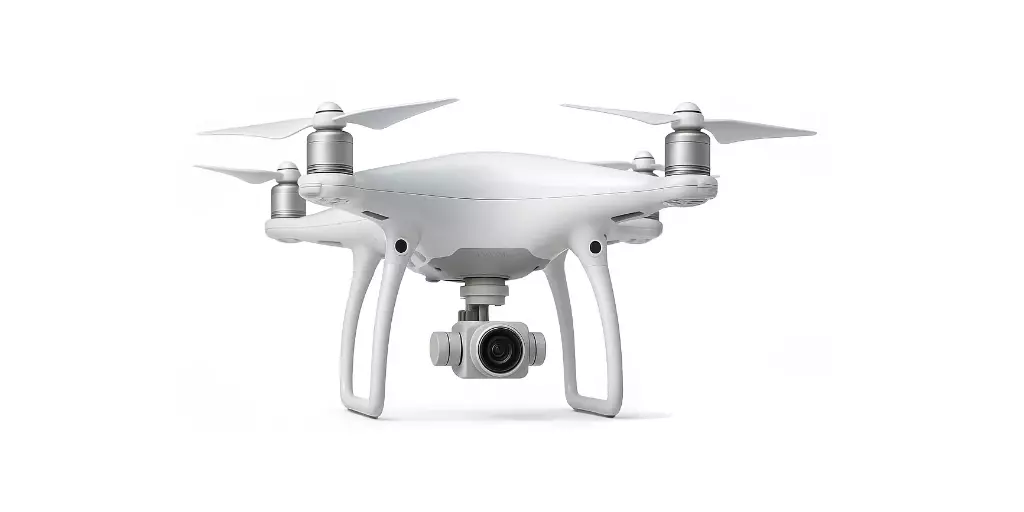
(See image: Before-and-after comparison of a product photo—cluttered tabletop vs a clean, on-brand background after background removal.)
Why clean product backgrounds power performance in social commerce
- They sharpen visual hierarchy. A neutral or brand-consistent background makes the product the focal point. This supports faster recognition in feeds and stories where attention windows are measured in milliseconds.
- They improve cross-platform fit. Clean backgrounds adapt to square, vertical, or 4:5 crops without introducing distracting cutoffs or odd objects at the edges.
- They scale easily. Once your product is isolated, you can quickly swap in themed backgrounds, colorways, or shadows to create fresh variants for new audiences and offers.
AI tooling such as Pixflux.AI makes this production loop faster, cheaper, and more consistent than manual retouching—especially when you’re running social commerce ads across multiple markets and placements.
The conversion impact: CTR, CPC, and CVR gains from clutter-free images
Clean product imagery tends to lift:
- CTR, by making the product pop against the feed.
- CVR, by reducing friction between ad click and onsite product recognition (the item looks identical across touchpoints).
- Media efficiency, as lower CPCs follow higher engagement on most auction-based platforms.
While the exact lift varies by category, A/B tests commonly show that removing busy backgrounds reduces “scroll past” behavior, especially for mid- and low-consideration products where the image bears most of the decision-making.
Visual principles of high-converting product photos
- Contrast and edge clarity: Ensure the subject has a crisp contour against a neutral or brand-aligned background. Slight drop shadows add realism without clutter.
- Color harmony: Use brand colors subtly—e.g., a soft gradient or an off-white tone—so the product remains the hero, not the backdrop.
- Breathing room: Leave safe margins for platform UI overlays and captions. Avoid crops that cut off key features.
- Consistency: Keep the same lighting and background style across SKUs to support recognition and trust in carousels, shops, and PDPs.
(See image: A grid of A/B test variants of the same product with different clean backgrounds, shadows, and crops.)
How to remove product background for social ads: workflow and settings
Set up a production flow that fits your paid social velocity:
- Start with quality source images
- Shoot in diffused light with minimal glare.
- Use angles consistent with your PDP to reduce cognitive friction.
- Capture extra negative space for flexible crops (1:1, 4:5, 9:16).
- Isolate the product and clean the scene
- Use an AI background remover to cut the subject with clean edges.
- Tidy stray elements: cords, reflections, or dust that distracts.
- Choose background styles by goal
- Pure white or light gray for maximum clarity.
- Branded gradient or soft texture for recognition.
- Seasonal themes for promos—keep them subtle.
- Add depth without noise
- Apply a soft drop shadow or reflection to avoid the “floating sticker” look.
- Keep shadow opacity modest so it doesn’t compete with the product.
- Export for platform specs
- PNG when you need transparency; JPEG for lighter file sizes.
- Maintain high resolution, then downscale for each placement: square (1080×1080), vertical (1080×1920), and 4:5 (1080×1350) are safe baselines.
- Name and version your creatives
- Use a test-friendly convention: brand_sku_bgcolor_shadow_crop_version.
- Keep a sheet mapping variants to campaigns and performance metrics.
Step-by-step with Pixflux.AI: upload → AI process → download for scale
The quickest way to operationalize the above is with an AI tool built for speed and consistency. Here’s a simple five-step flow you can repeat daily:
- Open the Pixflux.AI tool page
- Keep your product shots ready in a folder organized by SKU or collection.
- Upload your original image
- Drag and drop single shots or a batch if you’re prepping a full drop.
- Choose the appropriate tool and let the AI process
- Select background removal to isolate the subject.
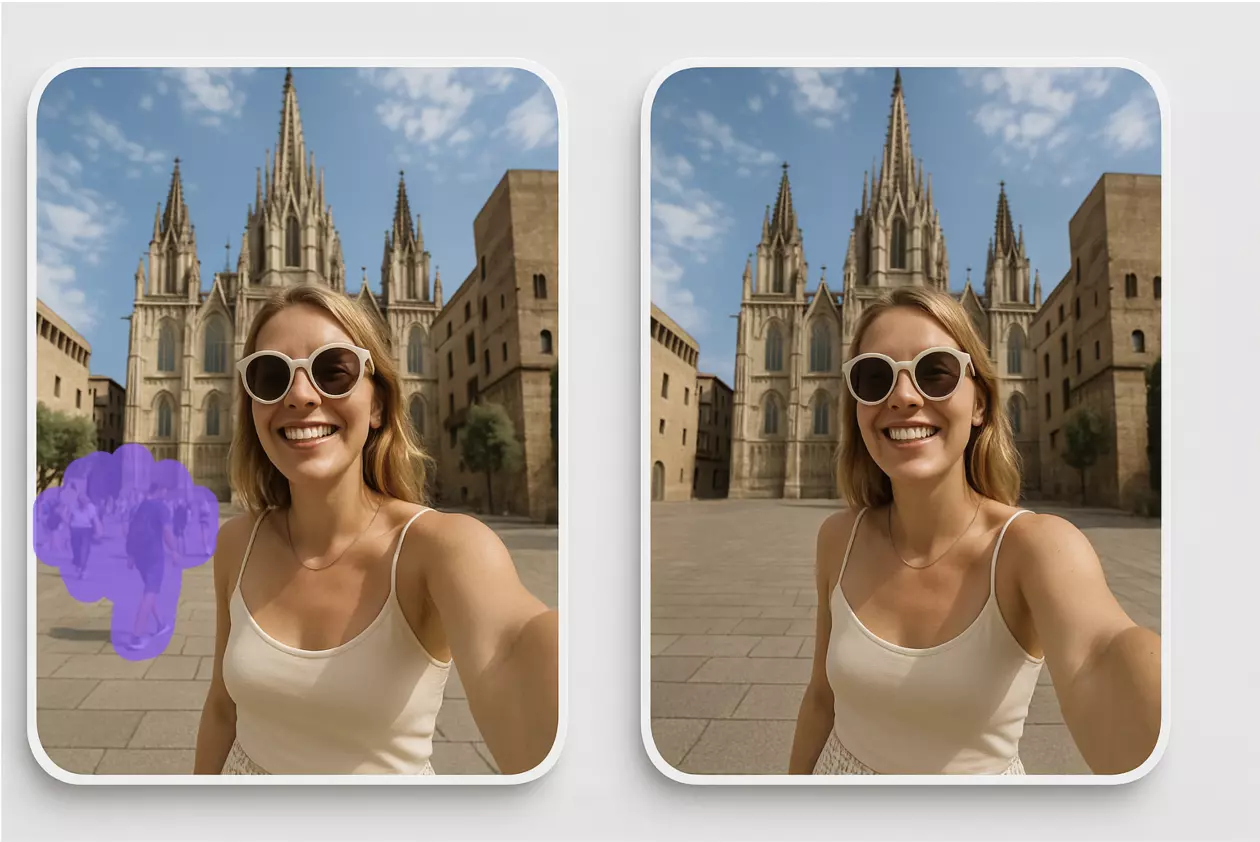
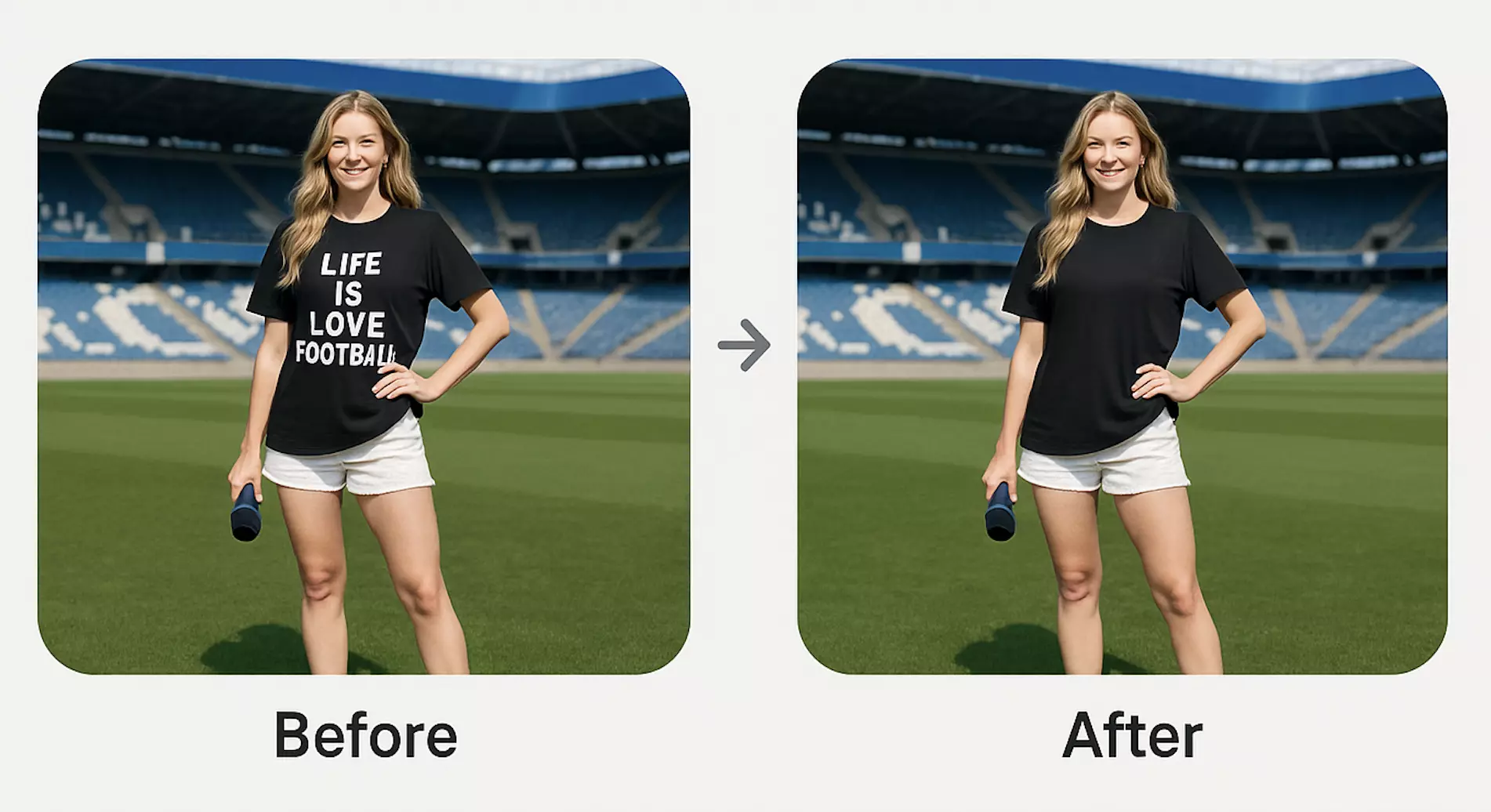
- Use background swap or generation to fit your brand look, and remove extra objects or watermarks where needed.
- Enhance sharpness and contrast if the photo looks soft.
- Preview and fine-tune
- Adjust edges, tweak shadow strength, and verify colors against your brand palette.
- Download the processed images
- Export in PNG for transparent variants or JPEG for ad-ready weight.
- Save versioned files for A/B testing.
If you prefer to jump straight in with a ready-to-use interface, try this product background remover and run a quick before/after on your best-selling SKU.
(See image: Pixflux.AI interface showing the three-step flow: upload image, AI processing preview, and download result.)
Preventing creative fatigue with rapid variants
Creative fatigue happens when frequency climbs and performance drops as audiences tire of repetitive visuals. Refresh cadence matters, but so does production agility.
- Color variants: Keep the product constant and rotate background tones—off-white, light beige, slate gray—to suit audience segments and seasonal messaging.
- Shadow variations: Subtle changes in direction or intensity can freshen realism without noise.
- Background swaps: For promos, use gentle gradients or brand textures; for bundles, choose a slightly darker background so multiple SKUs separate clearly.
- Object removal: Clean up stray props or reflections so each variant looks intentional, not accidental.
With Pixflux.AI, it’s practical to generate multiple clean background versions in a single session, then queue the next batch of products without reinventing your workflow.
A/B testing at scale: naming, sampling, and success metrics
Operational discipline turns a creative idea into a performance gain:
- Hypothesis first: “Removing background to a soft off-white will lift CTR by 10% vs. lifestyle scene.”
- Independent variables: Change one thing at a time—background color, shadow, or crop—not all three.
- Sampling and budget: Split delivery evenly across variants for at least 3–5k impressions per cell to stabilize CTR and CPC directional signals.
- Time windows: Run tests through weekdays and a weekend to address behavioral variation.
- Success metrics: Prioritize CTR for attention capture, then CPC and CVR for efficiency and conversion impact. ROAS follows as a composite.
- Winner rollouts: Keep the control in rotation while gradually scaling the winner to minimize volatility.
Document your learnings and reuse what works in PDPs, email, and marketplaces to reinforce consistency.
Compliance and rights: watermark policies, permissions, platform rules
Use background- and watermark-related features responsibly:
- Only edit images you own or are licensed to use, including removing watermarks or brand marks.
- Some platforms prohibit altering official logos or certain product marks; always check the latest ad and commerce policies.
- Secure model releases and brand permissions when people or trademarks are visible, especially in paid placements.
When in doubt, retain unedited originals and maintain a clear audit trail of edits and approvals.
AI online tools vs. traditional methods
- Time cost
- Traditional: Manual clipping in desktop software can take 10–20 minutes per image, longer for complex edges (hair, fur, transparent materials).
- AI tool: Seconds per image, minutes for batches, with consistent edges and smart handling of transparency.
- Learning curve
- Traditional: Requires advanced masking skills and retouching workflows to look natural.
- AI tool: Minimal setup. Upload, review, download—great for marketers and creators without a design background.
- Batch processing
- Traditional: Scripting or actions help but still require setup and manual QA.
- AI tool: Batch-upload and process multiple images in one go, ideal for large SKU catalogs and social ads that need frequent refreshes.
- Cross-team fit
- Traditional: Designers become a bottleneck for routine cutouts and resizing.
- AI tool: Marketers, merchants, and content teams can self-serve standard variants while designers focus on high-impact brand work.
An online tool like Pixflux.AI keeps the workflow simple and repeatable, reducing turnaround from days to hours without compromising look and feel.
FAQ: remove product background for social commerce creatives
Does removing the background really improve CTR?
Yes, clean backgrounds typically improve CTR in social feeds. By eliminating distractions, the product becomes the focal point, which helps users recognize value faster. While results vary by category, A/B tests often show higher engagement for clutter-free images compared to busy scenes.
Should I use PNG or JPEG for social ads?
Use PNG when you need transparency; use JPEG for lighter file sizes and faster delivery. If you’re placing the product on a solid background with no transparency needed, JPEG is usually more efficient. For carousels or layered designs where transparency matters, PNG is the safer choice. Always test for quality vs. load time.
How do I keep shadows natural after background removal?
Add a soft, low-opacity drop shadow and match its direction to implied light. Avoid harsh, dark shadows that compete with the product. Slight blur and 10–30% opacity often look realistic, but adjust by product type—glossy items may need a lighter touch to prevent visual heaviness.
Can I process hundreds of product photos quickly?
Yes, batch processing lets you handle large volumes in one go. Use an AI tool that supports bulk uploads to create consistent, on-brand outputs across SKUs. This is especially effective for seasonal refreshes or when prepping multiple placements (square, 4:5, vertical) in a single production wave.
Is removing watermarks or logos allowed?
Only if you own the rights or have explicit permission to edit the image. Watermark removal is for authorized use cases—such as your brand’s own imagery or licensed assets—not to circumvent copyrights or platform rules. When working with marketplaces or resellers, confirm usage rights before editing brand marks.
What image dimensions work best for TikTok and Instagram?
Use 1080×1920 for vertical, 1080×1350 for 4:5, and 1080×1080 for square as reliable baselines. These sizes preserve quality while aligning with common placements across TikTok and Instagram. Always check the latest platform specs for ads and shops and keep safe margins for UI overlays and captions.
How should I structure A/B tests for background changes?
Test one visual variable at a time and allocate even delivery until results stabilize. Start with a clear hypothesis (e.g., “light gray background outperforms pure white”), keep budgets and audiences balanced, and let each variant gather sufficient impressions. Track CTR, CPC, CVR, and ROAS, then scale the winner while retaining a control.
Conclusion and next steps
In social commerce, performance is visual first. Clean, consistent product backgrounds remove friction, improve recognition, and open the door to faster A/B testing—all of which lift CTR, lower CPC, and support conversion downstream. With Pixflux.AI, marketers and creators can remove clutter, swap or generate on-brand backgrounds, enhance clarity, and batch produce variants without heavy design overhead.
Ready to put this into your workflow? Start by running a single SKU through a fast remove background from product photos flow, compare results head-to-head, and roll the winners into your next campaign. Then, scale the process across your catalog to keep creatives fresh and performance moving in the right direction.