Unblur Product Photos for Micro Influencers Keep Listings Crisp and Trustworthy
Crisp photos win clicks. Use this checklist and Pixflux.AI workflow to unblur product photos, preserve texture, and avoid plastic, AI-smoothed artifacts.
 Michael WalshJanuary 12, 2026
Unblur Product Photos for Micro Influencers: Keep Listings Crisp and Trustworthy
Your audience makes snap judgments from tiny thumbnails and one swipe in the carousel. When a product photo looks soft, smudged, or slightly out of focus, it signals low quality—even if your product is great. For micro and nano influencers competing on Amazon, Shopify, Instagram, and TikTok Shop in 2026, crisp visuals are no longer a “nice to have.” Platforms increasingly rank listings by thumbnail clarity and tap‑to‑zoom legibility, and creators who pair authenticity with detail-rich images drive better conversion.
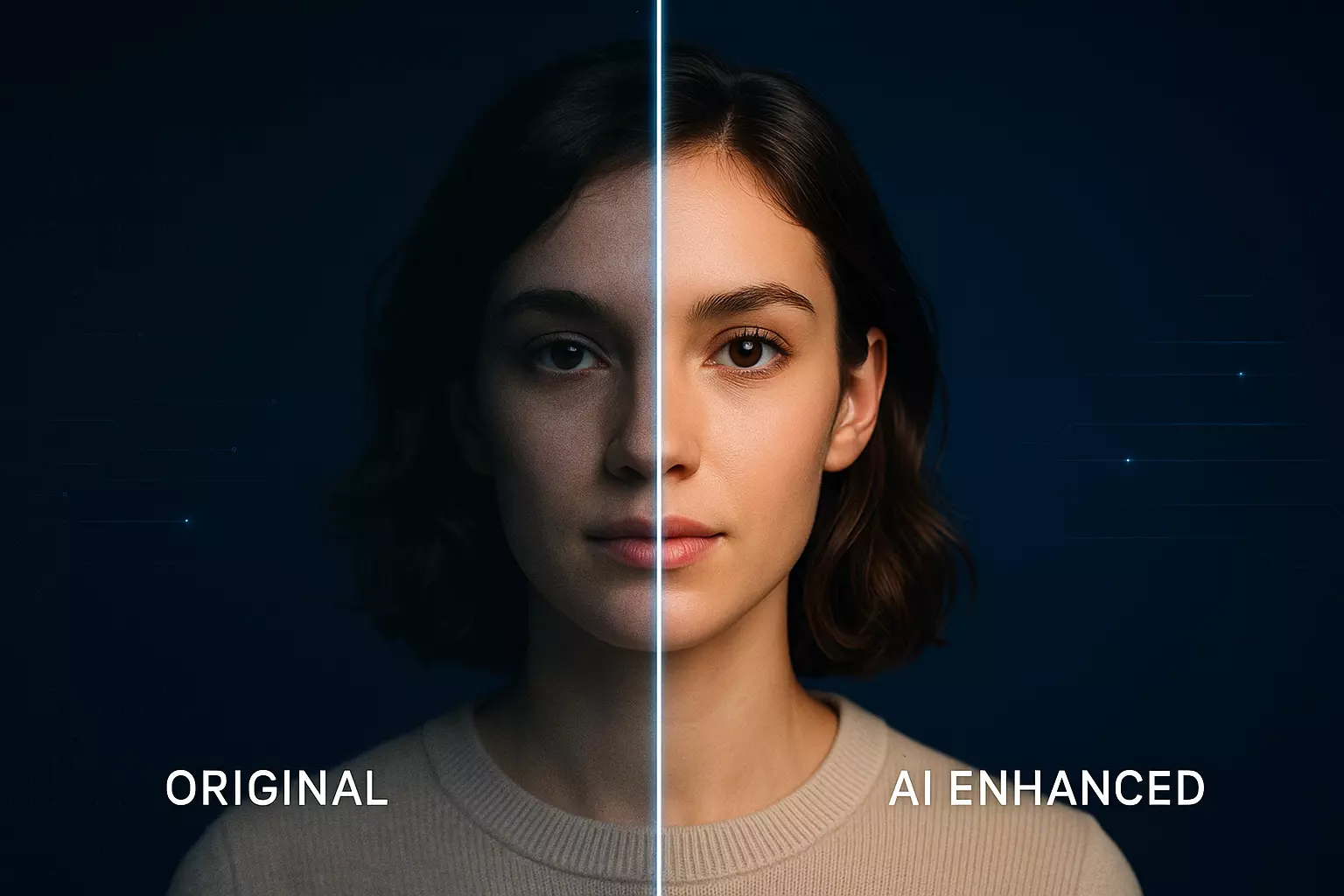
The challenge: smartphones apply aggressive noise reduction and multi-frame processing that can smear texture, and handheld shooting often introduces motion blur. The fix doesn’t have to be complex. Modern AI photo enhancers can restore acutance and fine detail without turning your product “plastic.” Tools like Pixflux.AI let you quickly unblur product photo sets while preserving real texture—and clean up distractions in the same pass.
(See image: Side-by-side of a sneaker product photo—motion-blurred original vs. unblurred version with preserved knit texture and clean edges.)
Why Crisp Product Photos Matter to Micro and Nano Creators
- Trust is visual. When customers zoom, they expect to read micro-text on packaging, inspect knit patterns on apparel, and see edge definition on devices. Crisp photos signal care and reliability, especially for emerging creators building their reputation.
- Thumbnail clarity drives discovery. Feed algorithms privilege clear covers and product thumbnails; soft images underperform in CTR and reach.
- Short-form video is still cover-first. Even if your strongest channel is video, the cover and carousel frames must be sharp to win taps and watch time.
Common Reasons Product Images Look Blurry
- Missed focus. AF locked on background elements, or face/eye tracking pulled focus away from the product.
- Motion blur. Handheld shooting at slow shutter speeds or subject movement during capture.
- Noise and denoising. High ISO introduces noise; denoising can smear real texture, especially on fabrics or hairlines in packaging.
- Compression. Exporting at low quality or repeated uploads can compound compression blur and artifacts.
The Principles of Unblurring Without the “Plastic” Look
- Acutance vs. resolution. Perceived sharpness (acutance) can improve even when actual resolving power doesn’t; edge contrast is the key.
- MTF intuition. Think in terms of how much contrast survives at different detail scales (frequency). Aim to lift mid-to-high frequencies without letting halos dominate.
- Deconvolution carefully applied. Deblur methods estimate the blur pattern and reverse it; when overdone, you’ll see ringing around edges.
- Artifact control. Keep an eye on halos, zippering, and waxy surfaces. Combine targeted sharpening with modest noise reduction and avoid over-smoothing.
Capture Checklist: Prevent Blur at the Source
- Shutter speed. For handheld photos, start at 1/125s for static objects; 1/250–1/500s for small handheld products; faster for any motion.
- ISO. Keep ISO as low as possible; add light instead of cranking ISO where you can.
- Stabilization. Use a tripod, phone clamp, or place the phone on a stable surface; engage optical or electronic stabilization.
- Light. Add continuous light or shoot near a window; more light allows faster shutter speeds and lower ISO for cleaner detail.
- Focus discipline. Tap to focus on the product logo or critical detail; use burst mode and pick the sharpest frame.
- File quality. Capture in RAW or highest-quality JPEG/HEIF. Avoid in-camera “over-enhanced” modes that can smear texture.
A Real-World Workflow to Unblur Without Plastic Artifacts
- Start with the best source. Choose the sharpest frame and the highest-quality file.
- Neutral base edits. Correct exposure and white balance. Apply gentle global noise reduction if ISO is high.
- Unblur with restraint. Use AI deblurring to restore edge contrast and lift detail; preview at 100–200% to avoid halos.
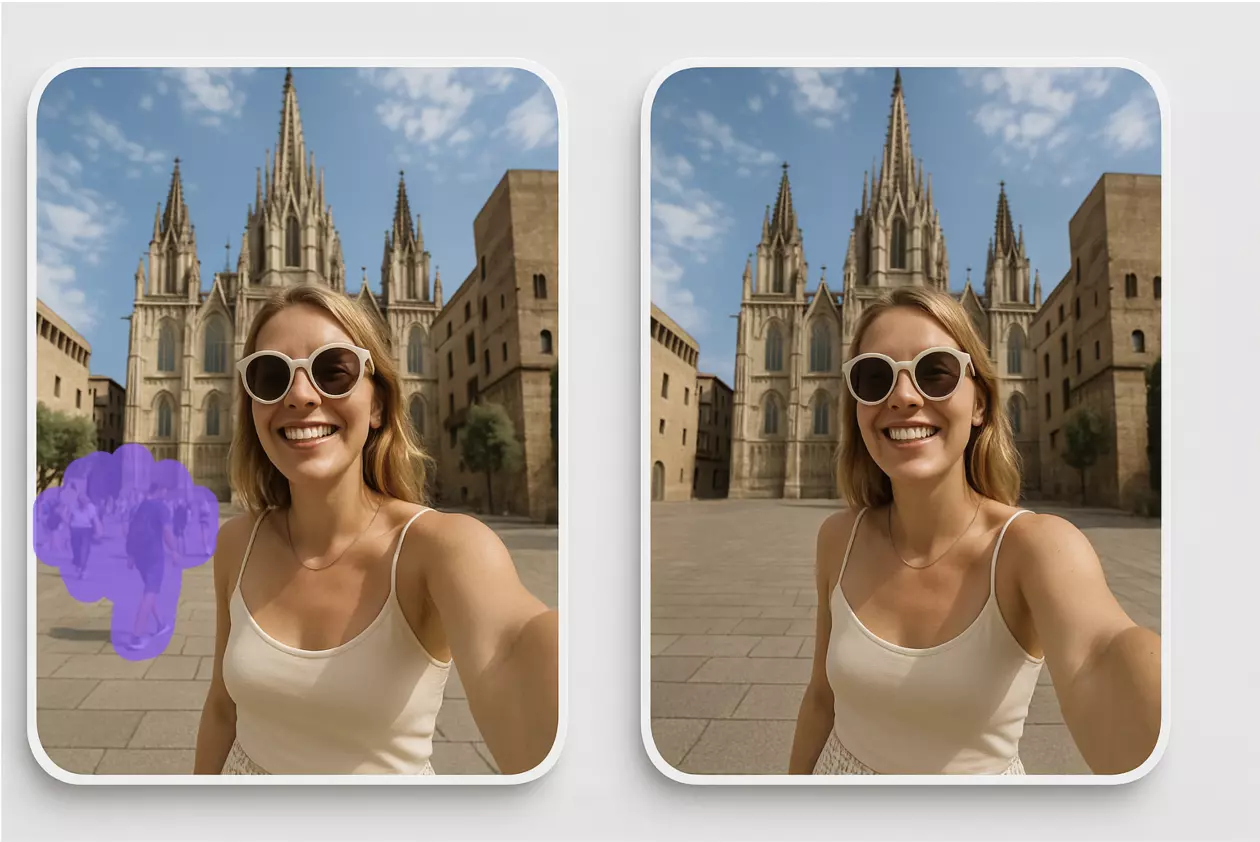
- Clean distractions. If the scene has messy backgrounds or stray objects, remove them so sharpness remains the focus.
- Export for platform. Use sRGB color, recommended aspect ratios, and an export quality that balances file size and detail (see Batch section).
HowTo: Unblur a Product Photo with Pixflux.AI in Three Steps
You can go from soft to crisp in under a minute with a lightweight, repeatable process. If you prefer to test on a single hero image before doing a set, start here and iterate.
- Upload your original image
- Open Pixflux.AI and upload your product shot at the highest available quality.
- Let the AI process the image
- Run the unblur/enhance step to restore edge clarity and fine texture. Review the preview at 100–200% zoom for natural detail and controlled noise.
- Download the enhanced result
- Export the refined file for your marketplace or social post; you can now sharpen product images consistently across your feed.
(See image: Pixflux.AI interface sequence showing Upload → AI processing → Download for an unblur enhancement.)
Background and Distraction Cleanup with Pixflux.AI
Sharp detail works best against clean, intentional backgrounds. If you’re shooting on a kitchen table or in a studio corner, you can elevate the look in minutes:
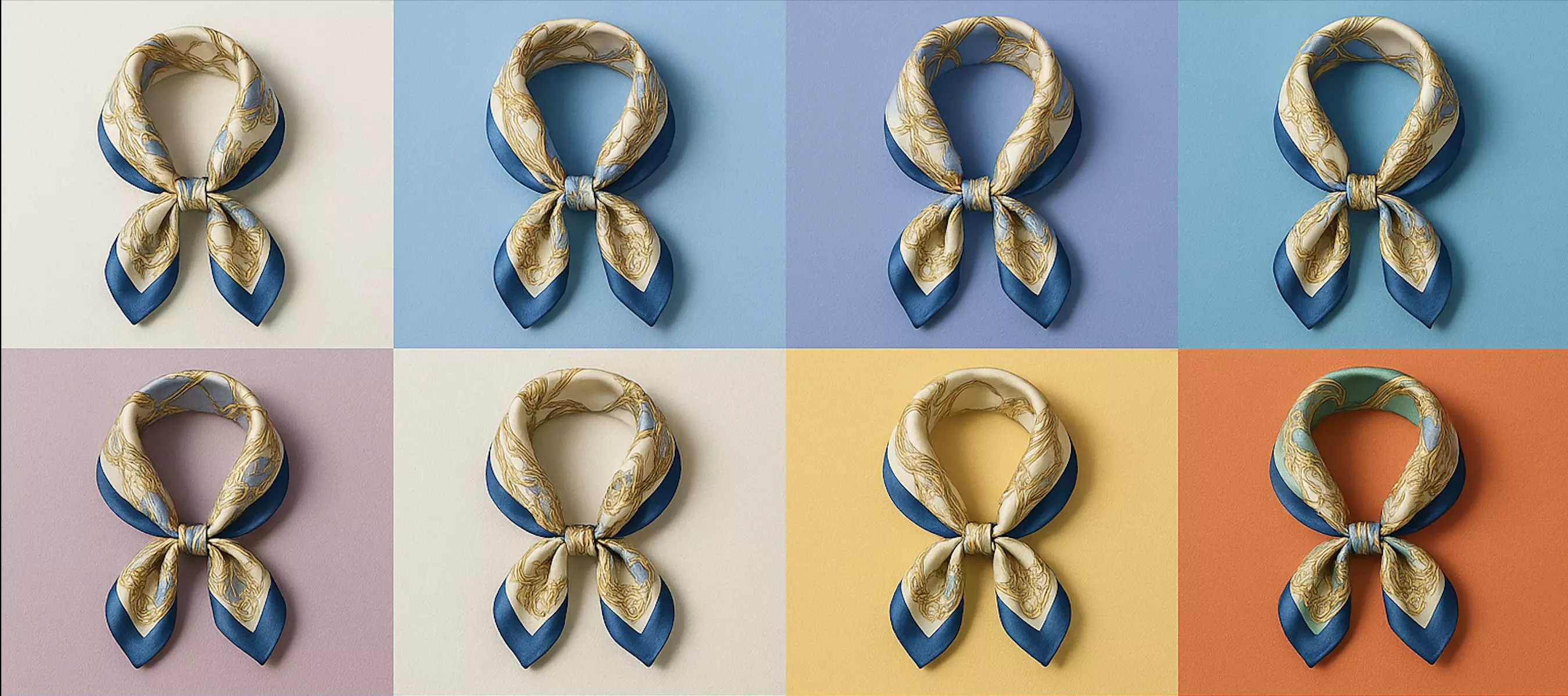
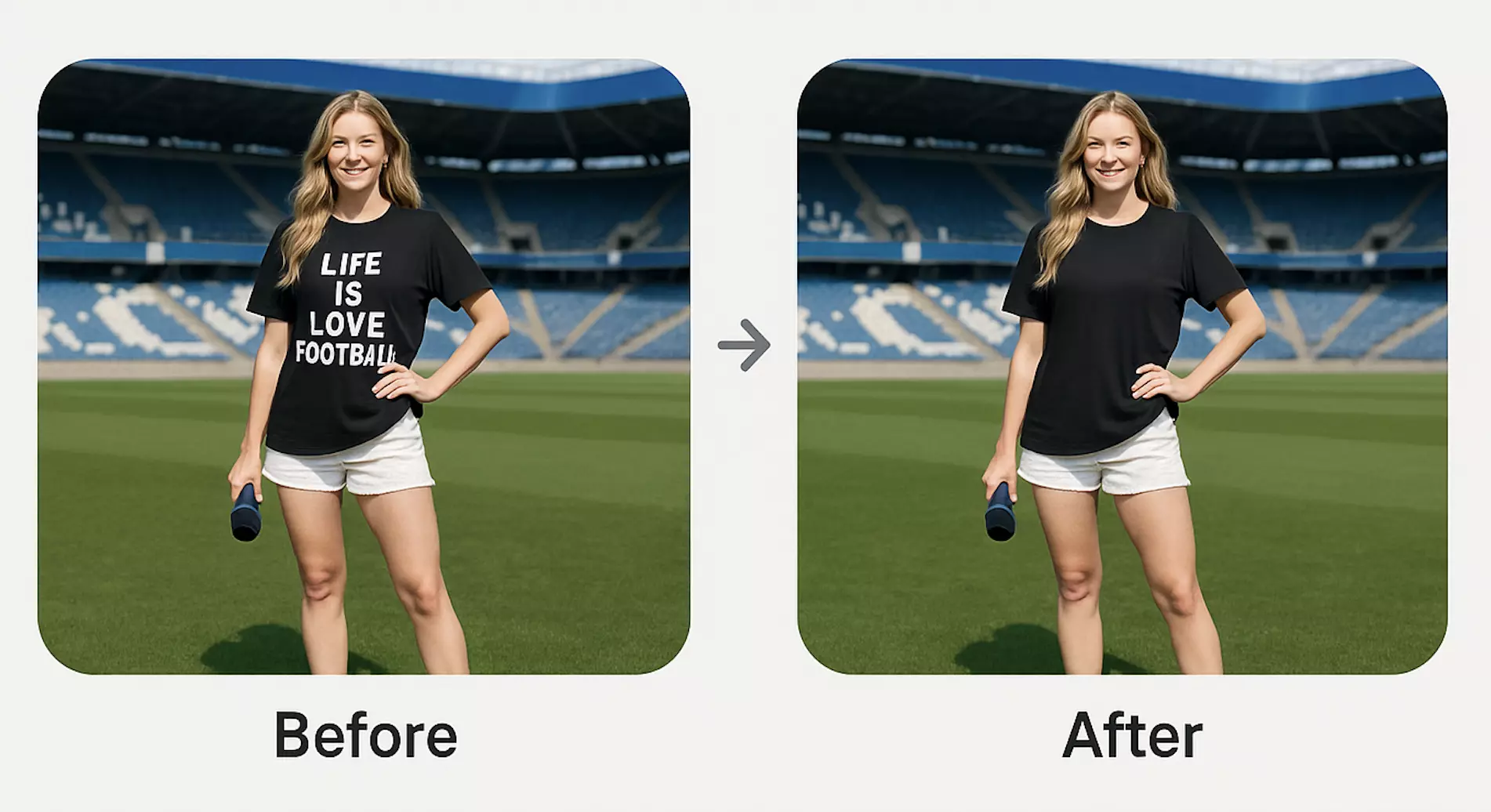
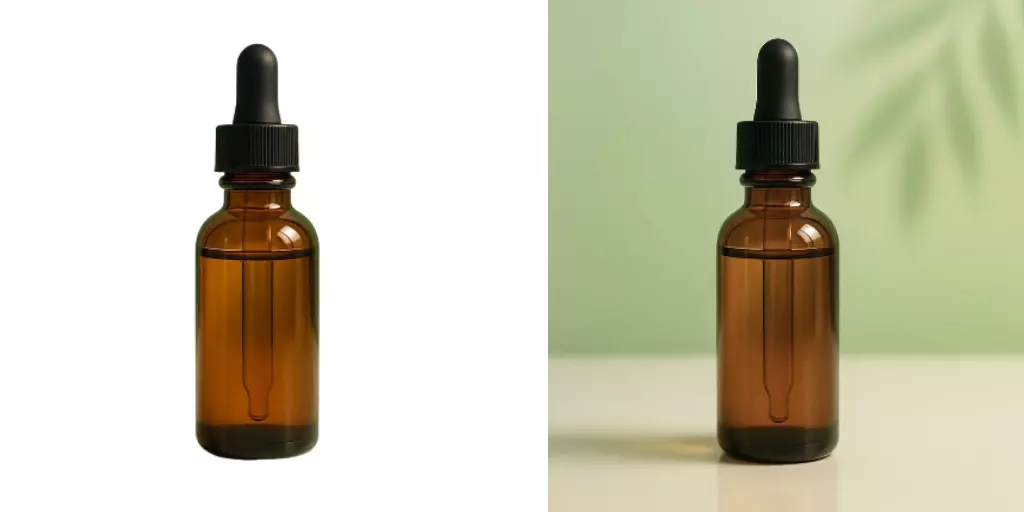
- Remove busy or inconsistent backgrounds and replace them with a clean, brand-aligned backdrop that keeps product edges crisp.
- Erase stray items (wires, price tags, reflections) that pull attention from the product.
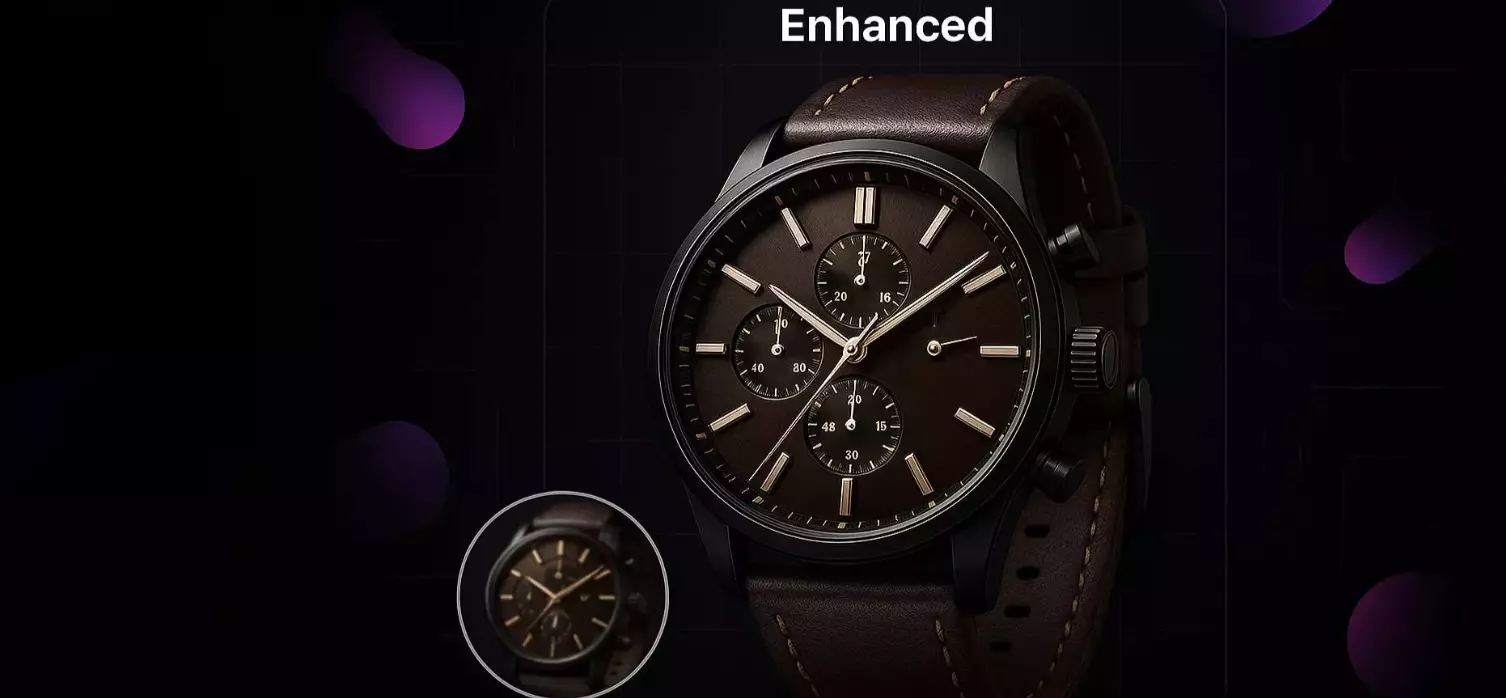
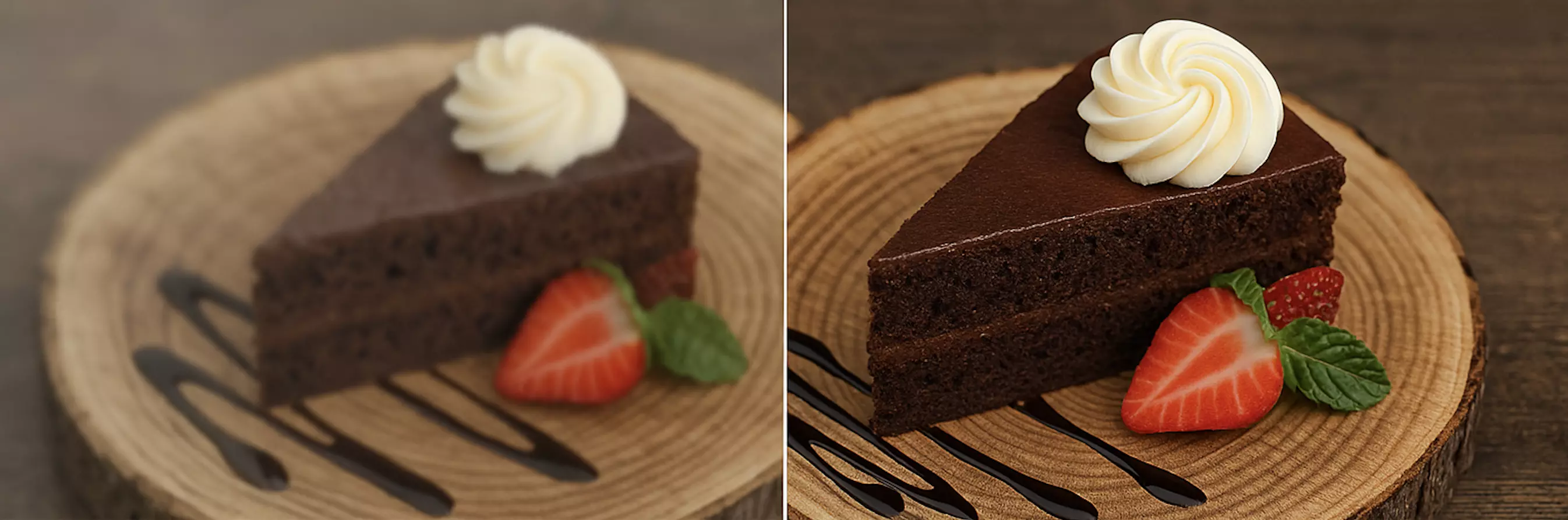
- Enhance contrast and microtexture so materials—leather grain, knit, brushed metal—read clearly in thumbnails and on zoom.
Note on watermark removal and rights: only remove watermarks, logos, or marks from images you own or are authorized to edit. Do not use watermark removal to bypass copyrights or platform rules.
(See image: Before/after composite in Pixflux.AI with background removal and watermark cleanup—clean cutouts with intact, non-waxy details.)
Batch Processing for Consistent Feeds
Consistency multiplies trust. When you process a set, lock in repeatable decisions:
- File naming. Use a structured pattern: brand_product-color_angle_version.ext to keep variants organized.
- Versions. Save A/B edits when testing different sharpness levels; choose the most natural on zoom.
- Aspect ratios. Prepare platform-ready crops per channel (e.g., 1:1 for Instagram grid, 4:5 for IG feed, 16:9 for YouTube covers, marketplace-specific main image specs).
- Color profiles. Export sRGB to ensure consistent color across devices and browsers.
- Quality setting. For JPEG, use high-quality compression (85–92) to retain texture without bloating file size; avoid re-saving compressed files repeatedly.
When your set is ready, you can run multiple images in one go to keep sharpness and styling consistent across a product launch or weekly drops.
Quality Benchmarks and Texture Preservation
To evaluate results, use measurable cues rather than gut feel:
- Edge contrast. Check logos, UPC text, and stitching for defined edges without glowing halos.
- Texture fidelity. Fabric weave, leather pores, and brushed metal should look detailed—not waxy or “AI-painted.”
- Micro-typography. Packaging microprint should remain legible on zoom without shimmering artifacts.
- Thumbnail check. Shrink the image to typical feed sizes and confirm it still reads clearly.
Case-reference: a motion-blurred sneaker becomes merch-ready when the knit pattern returns and lace holes remain circular without halos. You should see crisp edges at the sole and logo, with natural shadow transitions.
(See image: Side-by-side sneaker—original motion blur vs. unblurred with preserved knit texture and clean edges.)
Troubleshooting Unblur Artifacts
- Halos around edges
- Reduce sharpening strength or deblur intensity. If noise is high, add a touch of denoise before unblurring to avoid lifting noise into halos.
- Ringing or zippering on fine lines
- Back off deconvolution strength and re-run with moderate settings. View at 200% on high-contrast edges to confirm fixes.
- Oversharpened “crunchy” look
- Ease off micro-contrast; prioritize mid-frequency detail and preserve smooth gradients on plastic or glass.
- Waxy plastics or skin
- Avoid heavy noise reduction and smoothing. Rebalance with lower denoise and modest unblur to keep natural texture.
AI Tools vs. Traditional Methods
- Time cost
- AI unblurring takes seconds per image, versus manual sharpening layers, masks, and selective detail work in pro editors that can take 10–20 minutes each.
- Learning curve
- Creators can get pro-level improvements without deep retouching knowledge; no need to master multi-layer workflows or specialized plugins.
- Batch efficiency
- Online AI tools handle multiple images in one pass with consistent parameters, reducing human error across a set.
- Cross-team adaptability
- Shared, repeatable steps allow brand managers and creators to align on standards without passing heavy files or complex project files back and forth.
Ethics and Rights: Watermarks, Permissions, and Truth-in-Editing
- Permissions first. Only edit and publish photos you own or have permission to use.
- Watermarks and logos. Removing a watermark is acceptable only when you own the content or have explicit rights; do not remove brand marks from third-party images you don’t control.
- Truth-in-editing. Enhancements should clarify reality, not fabricate it. Fix blur and distractions, but avoid altering product features in ways that mislead buyers.
FAQ: Unblurring, Compression, Watermarks, and Best Settings
How can I unblur a product photo without making it look fake?
Start with moderate deblur and avoid heavy smoothing. Preview at 100–200% zoom, lift mid-frequency detail, and keep noise reduction subtle so textures like fabric and wood grain remain natural. If halos appear, reduce sharpening strength and re-run the enhancement with gentler settings.
Will platforms compress my images and make them look soft again?
Yes, most platforms apply compression that can soften detail. Export at recommended dimensions, use sRGB, and choose a high-quality JPEG setting to minimize recompression damage. Uploading images close to the platform’s target size reduces additional downscaling blur.
Can I remove a watermark from a product photo?
Yes, but only if you own the image or have explicit permission. Watermark removal is a restoration tool for authorized assets—for example, clearing legacy marks from your brand’s catalog. Do not use it to strip ownership marks from images you don’t control; that violates copyrights and platform rules.
What settings work best to remove motion blur?
Use deblurring that targets edge clarity and moderate noise reduction. If the blur is strong, run a conservative pass to restore acutance, then fine-tune with a second light pass if needed. At capture, use faster shutter speeds and stabilization to reduce the need for heavy post-processing.
Can I batch unblur an entire product set?
Yes, process multiple images together with consistent parameters. This keeps sharpness, color, and compression aligned across a campaign. Organize files with clear names and versioning so you can quickly roll back if a batch is too aggressive.
Should I shoot in RAW to get better unblurring results?
RAW helps, but it’s not mandatory. RAW files retain more tonal and detail information, giving deblurring more to work with and reducing compression artifacts. If you only have JPEGs, you can still improve sharpness—just be careful with artifacts that compressed files can introduce.
How do I avoid halos and ringing in high-contrast edges?
Dial back deconvolution intensity and re-check at 200% zoom. Halos are often a sign of pushing sharpening too far, especially on text and logo edges. Aim for a natural lift in edge contrast rather than dramatic outlines.
Conclusion and Next Steps
Crisp product photos are a performance multiplier: they boost trust, improve clicks from thumbnails, and make short-form covers readable at a glance. For micro and nano influencers competing on marketplaces and social platforms, restoring detail while keeping texture natural is the difference between “looks okay” and “adds to cart.”
You don’t need a heavy retouching workflow to get there. Start with the capture checklist to minimize blur at the source, then run a fast, repeatable enhancement pass to restore acutance, clean the scene, and export platform-ready files. Try it now—use Pixflux.AI to fix blurry product photos and ship a sharper, more trustworthy feed today.