Watermark Removal for Teams When It Is Appropriate and How to Keep an Audit Trail
When is watermark removal okay? A practical framework for teams—permissions, workflows, Pixflux.AI steps, and audit-ready versioning.
 Emily CremerMarch 4, 2026
Watermark Removal for Teams: When It’s Appropriate and How to Keep an Audit Trail
Marketing teams handle thousands of visuals under real deadlines: comps from agencies, creator submissions, stock previews, and quick in‑house mockups. Somewhere between “draft” and “go live,” someone is asked to strip a watermark so the image can be approved or launched—which is exactly where legal risk and governance breakdowns happen.
In 2026, creative operations emphasize consent-based editing and traceability. That means watermark removal is not just a visual edit—it’s a rights and records decision. The fix is twofold: establish a responsible framework and use tools that make compliance and documentation easy. When you have proper permission, a purpose-built watermark remover can help teams work quickly while retaining a clear audit trail.
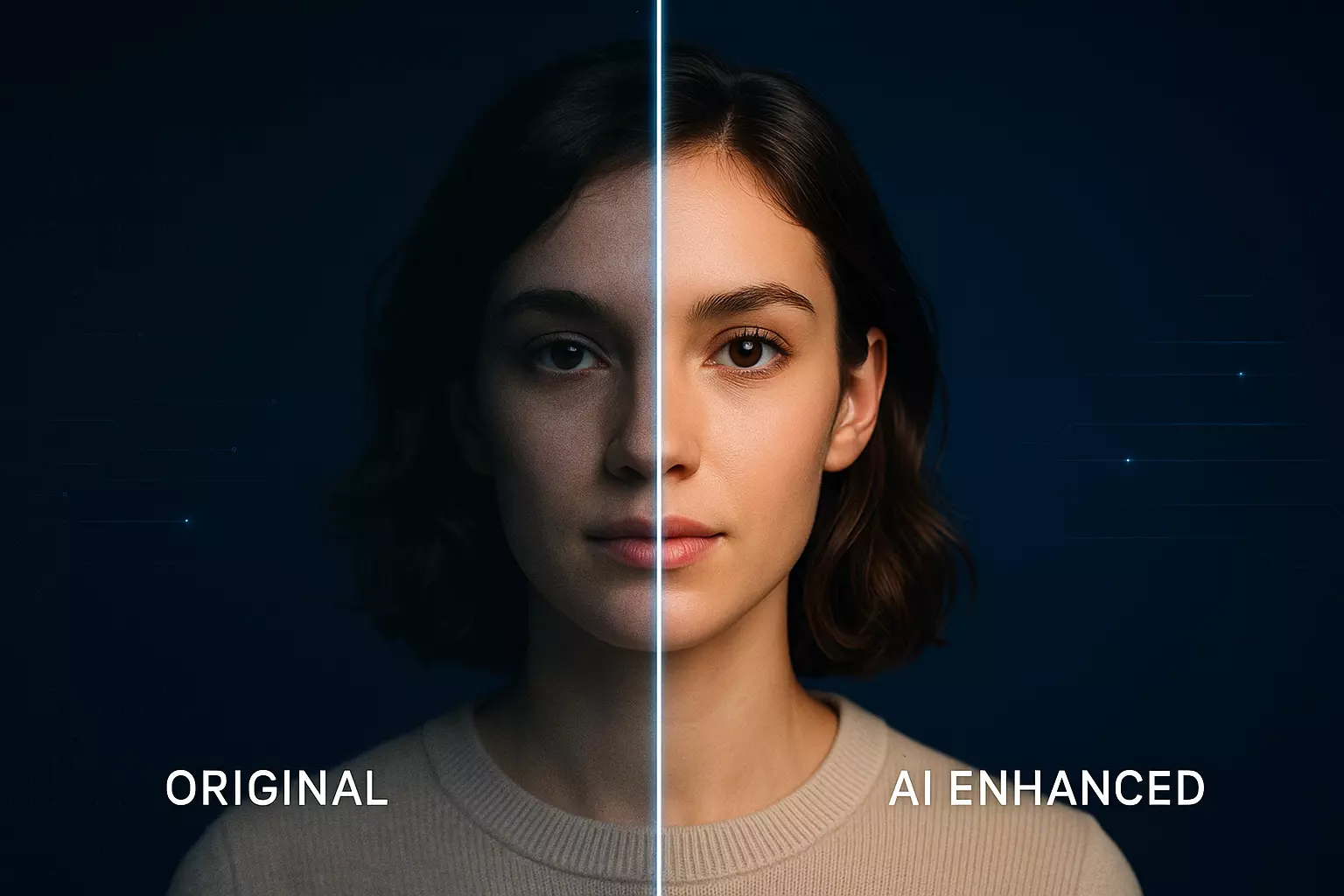
(See visual cue: Side-by-side before/after showing a licensed image with a watermark removed, paired with a visible approval note and edit timestamp overlay.)
When removal is appropriate—and how to assess legitimacy
Watermark removal is justified when you have explicit rights to use and modify the image, and the watermark is not a required attribution or license condition. Typical legitimate cases:
- You licensed the image (or received written permission) and the file you received was a watermarked preview
- A partner or creator provided a watermarked draft and then granted commercial use rights
- You own the image and watermark (e.g., internal comps) and are preparing a clean deliverable
- A rights holder asked you to remove their watermark for approved usage
Situations where removal is not appropriate:
- You have no license or consent for the image
- The license prohibits derivative works, editing, or removal of marks
- Watermarks are required by the rights holder for editorial or attribution reasons
- The image was scraped or sourced without a traceable license
Quick legitimacy check:
- Can you produce a license, contract, or email that grants commercial use and modification?
- Does the license cover your territory, media, duration, and audience?
- Is attribution still required post-edit?
If any answer is “no” or “not sure,” pause and obtain clarity before you touch the file.
Legal and ethical criteria: licenses, permissions, and usage rights
Treat watermark removal as a rights-controlled action. Before editing:
- Verify license scope: commercial vs. editorial, channels (web, paid social, OOH), geographies, and time limits
- Confirm modification rights and whether removing marks is allowed
- Capture proof-of-rights: license PDFs, order confirmations, email approvals, and purchase IDs
- Note attribution requirements and platform rules (e.g., specific marketplace image policies)
- Respect creator and brand guidelines
Compliance tip: Keep the original watermarked file on record. It proves source and intent, supports audits, and reduces disputes. Responsible watermark removal aligns with image rights compliance and protects your brand.
Design a watermark removal policy and approval workflow
Codify “how we do this” so the process is fast and review-ready.
- Roles and approvals: define who can request, who can edit, and who signs off
- Intake checklist: add a short form for asset ID, source, license link/ID, intended use, and deadline
- Versioning rules: name files consistently (Original, Redacted, Cleaned v1, v2…) and store together
- Metadata: add IPTC/XMP fields for editor, date, license reference, and usage notes
- Retention: decide how long to retain versions and approvals
- Safe sharing: limit access to draft edits; release only the approved “clean” file
(See visual cue: Version history panel mockup listing Original, Redacted, and Cleaned images with editor notes and time-stamped entries.)
Choosing a responsible watermark remover: capabilities, controls, and limits
A suitable tool should help with quality and governance:
- High-quality AI fill to remove text/logos while preserving texture and detail
- Non-destructive previews and easy re-runs
- Batch processing for campaign volumes with consistent settings
- Fine controls for edge cases (e.g., when a watermark overlaps a subject)
- Supportive features like object cleanup, background changes, or image enhancement for final polish
- Clear download options for both intermediate and final versions
Pixflux.AI is a practical example: teams use it to remove watermarks responsibly, clean stray objects, adjust or generate backgrounds when needed, and enhance final clarity—individually or in batches. Note: Always process only images you own or are authorized to edit; watermark removal must never be used to bypass licensing.
Maintain an audit trail: versioning, metadata, and change logs that stand up to review
Your audit trail should let a reviewer answer “who changed what, when, and why” in minutes.
- Keep the original source, the edited drafts, and the approved final side-by-side
- Store approvals (license, email consent, or PO) with the files
- Embed metadata: editor name, timestamp, job ID/campaign, and rights reference
- Document exceptions (e.g., partial removal where a mark intersects a product label)
- Use consistent file naming: 2026-03_CampaignA_12345_Original.jpg → _Redacted_v1.jpg → _Cleaned_v2.jpg
- Mark the approved release as read-only in your repository
This simple layer of documentation protects teams across compliance reviews and vendor audits.
How-To: Use Pixflux.AI’s watermark remover with an audit-ready 5-step process
Below is a practical flow your team can standardize. It bakes documentation into the edit itself.
- Open the Pixflux.AI tool
- Navigate to the Pixflux.AI AI watermark remover tool.
- Confirm you have the license or written permission at hand.
- Upload the original image
- Drag-and-drop the watermarked preview or draft.
- Capture source and license details in your job ticket or filename.
- Choose the right operation and let AI process
- Select watermark removal; run the AI.
- If the mark overlaps key content, consider a two-pass approach: remove the mark, then use object cleanup or background generation to restore edges naturally.
- Preview and micro-adjust
- Inspect edges, textures, and brand-critical details (logos, product labels, skin tones).
- If needed, rerun with slight adjustments or enhance the image for clarity and contrast.
- Download and document
- Export the cleaned result and save alongside the Original and Redacted versions.
- Add an editor note with date/time and the license reference. Mark the approved final.
(See visual cue: Pixflux.AI interface mockup illustrating the 3-step flow: upload image, AI process watermark removal, download result.)
Compliance reminder: Only edit images you own or for which you have explicit permission. Do not use watermark removal to circumvent licensing or platform rules.
Batch processing and consistency checks with Pixflux.AI
Campaigns often require dozens or hundreds of assets cleaned and aligned. Pixflux.AI supports batch handling so you can:
- Upload multiple images and apply consistent removal settings
- Run quick visual sampling (e.g., 10–20% QC) for texture fidelity and artifact checks
- Apply finishing steps across the set, like background adjustments for marketplace requirements or social-specific crops
- Enhance clarity across all outputs for uniform sharpness
For US marketplaces (e.g., Amazon) and social platforms (e.g., Instagram, TikTok), confirm final specs: minimum pixel sizes, aspect ratios, background guidelines, and compression levels. Build a short preflight checklist so every batch is on-brand and approved.
Alternatives to removal: re-licensing, object cleanup, or background changes
Sometimes the safest approach is not to remove the watermark at all:
- Re-license or upgrade the license to obtain a clean master file
- Request an unwatermarked export from the creator or agency
- Crop strategically if it does not misrepresent the content or violate platform rules
- Use object cleanup to rebuild areas without fully removing a rights-required mark
- Consider background replacement or generation when the watermark heavily intersects complex regions
These options can reduce legal risk and deliver a better visual, especially when the preview watermark is dense or the license terms are unclear.
AI tools vs. traditional methods
- Time cost: AI tools like Pixflux.AI deliver clean results in seconds, while manual retouching in traditional software can take 10–30 minutes per image—longer for complex textures.
- Learning curve: Non-destructive AI flows require minimal training versus advanced layer and clone workflows in pro software.
- Batch efficiency: One-to-many processing is straightforward with AI; manual tools scale poorly without heavy scripting.
- Cross-team fit: A shared, browser-based workflow supports quick reviews and approvals without sending large source files back and forth to specialists or vendors.
Traditional tools still have a place—especially for art-directed composites—but for routine, rights-cleared watermark removal at scale, AI is the faster, more repeatable option.
Risk management and safe sharing guidelines
- Keep watermarked previews private and do not distribute them broadly
- Share only the approved, rights-cleared “Cleaned” version with internal stakeholders and partners
- Attach license references wherever possible and embed rights metadata
- For embargoed launches, restrict access and track who downloads finals
- If a dispute arises, produce your original watermarked file, license documents, and version history to close the loop quickly
FAQ: Watermark remover policies, consent, records, and quality control
When is it legal to remove a watermark?
Only when you have a valid license or written permission that allows modification. Confirm that your rights cover commercial use and derivative edits, and that watermark removal does not violate attribution or editorial restrictions. Keep proof-of-rights with your files.
Should we retain the original watermarked file?
Yes—always keep the original as part of your audit trail. The original shows your source and intent, supports compliance reviews, and helps resolve disputes. Store it with edited versions and approvals under consistent naming.
How do we prove consent later if asked by a platform or partner?
Maintain license documents, purchase records, and approval emails alongside your asset versions. Embed key references (license IDs, dates, editor name) in metadata or file notes. A simple folder with Original/Redacted/Cleaned plus a PDF of the license is usually sufficient.
Will an AI watermark remover reduce image quality?
A good AI remover preserves texture and detail, but a quick QC pass is still essential. Inspect edges, patterns (fabric, hair, gradients), and brand marks. If needed, rerun the removal, use object cleanup, or apply image enhancement for clarity and contrast.
Can we batch-remove watermarks for a campaign?
Yes, provided all images are rights-cleared for modification. Process in batches, sample for quality, and record a batch note with the campaign ID, date, and license references. Consistency checks help catch artifacts before publish.
Is it ever OK to remove a stock agency watermark?
Only after you’ve purchased a license that grants modification or received written consent. Never remove watermarks to bypass payment or license terms. If uncertain, obtain the clean file from the agency or upgrade your license.
How do we prepare outputs for different platforms like Amazon, Instagram, or TikTok?
Export in the required aspect ratios, dimensions, and backgrounds, then run a visual QA. Where needed, use background changes for marketplace rules and ensure compression doesn’t introduce artifacts. Keep a small style guide so every asset looks consistent.
Conclusion and next steps
Watermark removal can be both responsible and efficient when it’s grounded in permission and documented with care. By pairing a simple policy (rights checks, versioning, metadata, safe sharing) with a practical AI workflow, teams get audit-ready speed without cutting corners.
If your team has legitimate rights and needs a fast, consistent way to deliver clean visuals, try Pixflux.AI to remove watermarks from images and standardize your audit trail from day one.