Leveraging AI for Social Media Content Enhancing Images and Captions
See how AI image enhancement and caption templates speed up your social posts while keeping brand voice consistent—with Pixflux.AI tips and testing ideas.
 Michael WalshJanuary 6, 2026
Leveraging AI for Social Media: Photo Enhancers for Images and Caption Quality
Social teams today are under a “publish faster” mandate while keeping every post on-brand and high quality. UGC arrives uneven, product shots vary by vendor, and internal deadlines leave little time for retouching or caption drafting. Meanwhile, in 2025 most social algorithms quietly reward crisp visuals, clarity, and fast-loading assets—penalizing noise, low contrast, or muddy thumbnails.
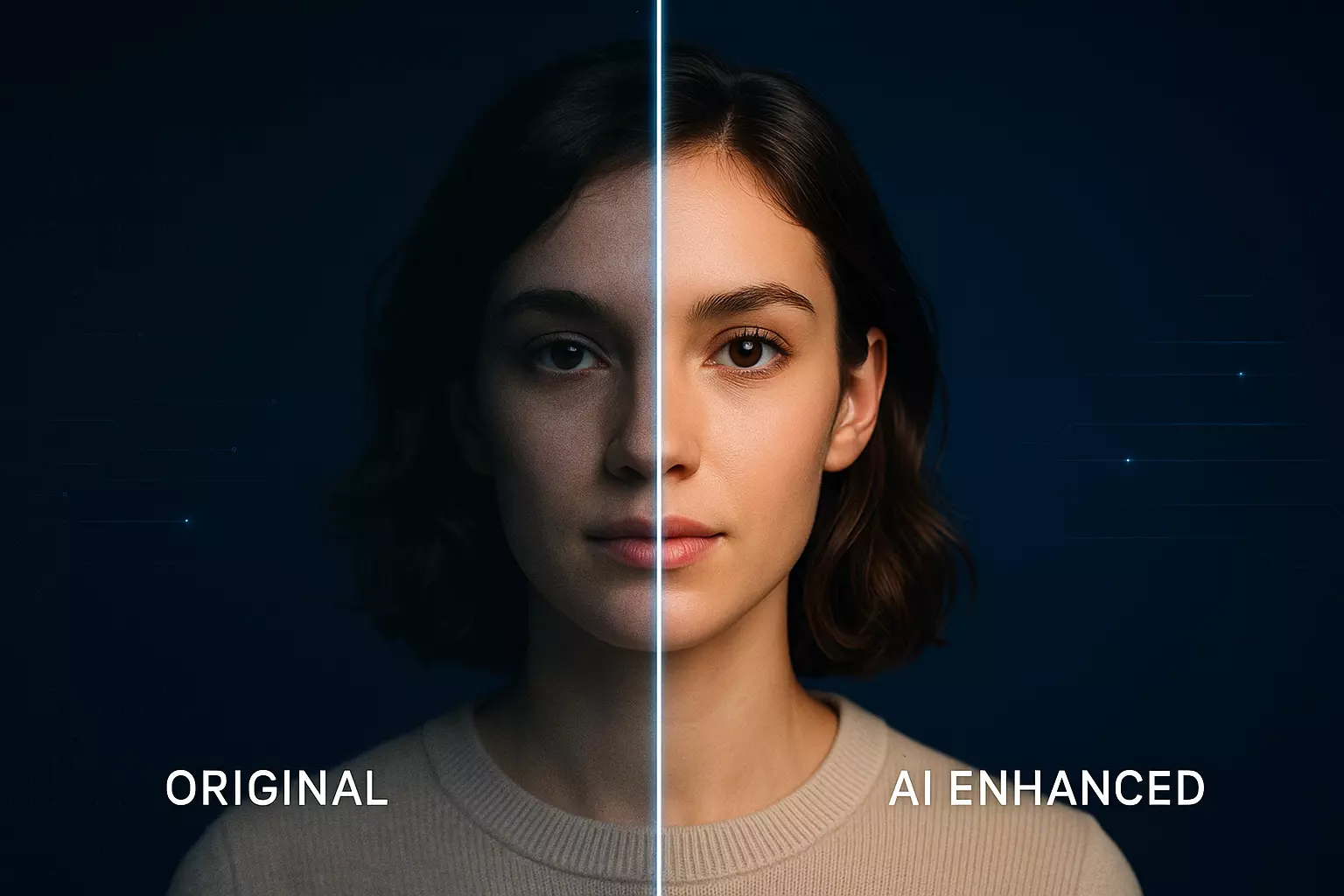
The answer isn’t adding more manual steps; it’s cutting the steps that don’t add brand value. That’s where AI-driven workflows come in. With an online photo enhancer like Pixflux.AI, you can clean, sharpen, and restyle visuals in minutes, then move straight to caption drafting and approvals. If you need a quick place to start, try a fast, online photo enhancer to standardize looks across your next batch of posts.
Why AI-powered visuals and captions matter now
- Speed meets consistency: AI raises the “good baseline” for every photo—especially UGC and hurried mobile shots—so your team spends time on creative messaging, not fixing exposure or distracting backgrounds.
- Algorithm alignment: Most platforms boost content with crisp edges, high perceptual quality, and quick-loading assets. Well-enhanced images and right-sized files earn more impressions.
- Message clarity: Strong visuals plus scannable captions and clear CTAs help users act—tap, save, click—without decoding what they’re seeing.
Key terms (without the jargon)
- Photo enhancer: A tool that automatically improves clarity, color, contrast, and structure so images look sharp and professional.
- Denoise: Reduces grain and sensor noise from low-light or mobile photos while trying to keep detail.
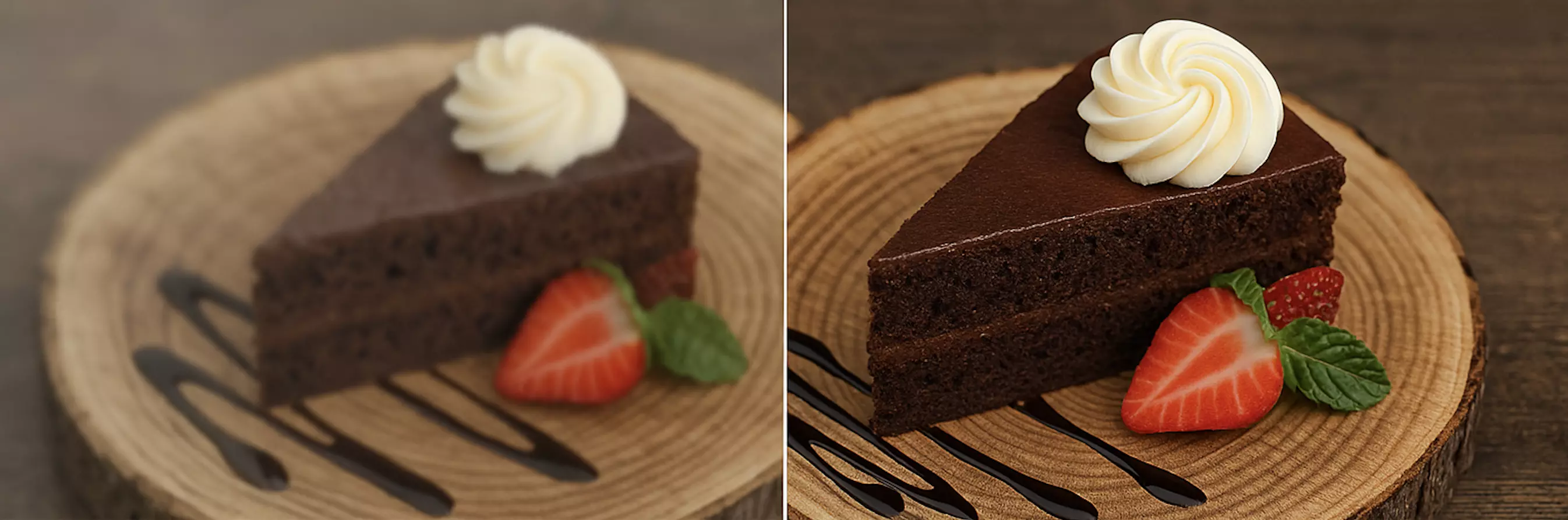
- Upscaling: Increases resolution intelligently to keep edges clean for Stories, Reels covers, and Pinterest pins.
- Tone: The visual character of an image—warm vs cool, natural vs bold contrast—often tied to brand style.
- Prompt tokens (for caption drafting): The pieces of text you feed into an AI writer—topic, audience, brand voice, CTA—to steer tone and word choice.
Choosing tools: online vs desktop software for photos and captions
- Online photo enhancers: Quick setup, minimal learning curve, accessible anywhere. Great for batch processing, background cleanup, and brand-ready outputs without complex layer work.
- Desktop suites: Deep control and edge-case editing, but heavy on training, licensing, and time per image.
- Caption writing: Keep your brand voice templates handy. Whether you draft captions yourself or with AI support, plug in the same voice, CTA patterns, and hashtag sets.
If your goal is faster cycles and on-brand consistency, an online approach anchored by Pixflux.AI for visuals plus your caption templates is typically the best trade-off.
A social content workflow that scales
Here’s a practical blueprint from asset intake to scheduled posts:
- Intake: Gather UGC, product shots, and campaign assets. Tag by channel and theme.
- Enhancement: Use a photo enhancer to normalize sharpness, color, and contrast. Remove or replace distracting backgrounds to match brand.
- Caption draft: Draft first-pass captions using your brand voice guidelines and CTA templates; add platform-specific hashtags.
- Approvals: Run a quick review for visual consistency, voice, and compliance.
- Scheduling: Export right-sized images and alt text; queue posts in your scheduling tool.
Pro tip: Track cycle time per post, cost per asset, and engagement lift per enhancement pass. Even a 10–15% uplift in saves or link clicks compounds across the calendar.
Hands-on with Pixflux.AI: enhance, restyle backgrounds, and batch in 3 steps
When you need clean posts fast, Pixflux.AI keeps the workflow simple:
- Upload your image
- Drag and drop product shots, portraits, or UGC.
- Let the AI process
- Enhance sharpness and color in one go.
- Remove or modify backgrounds to fit product pages or social templates.
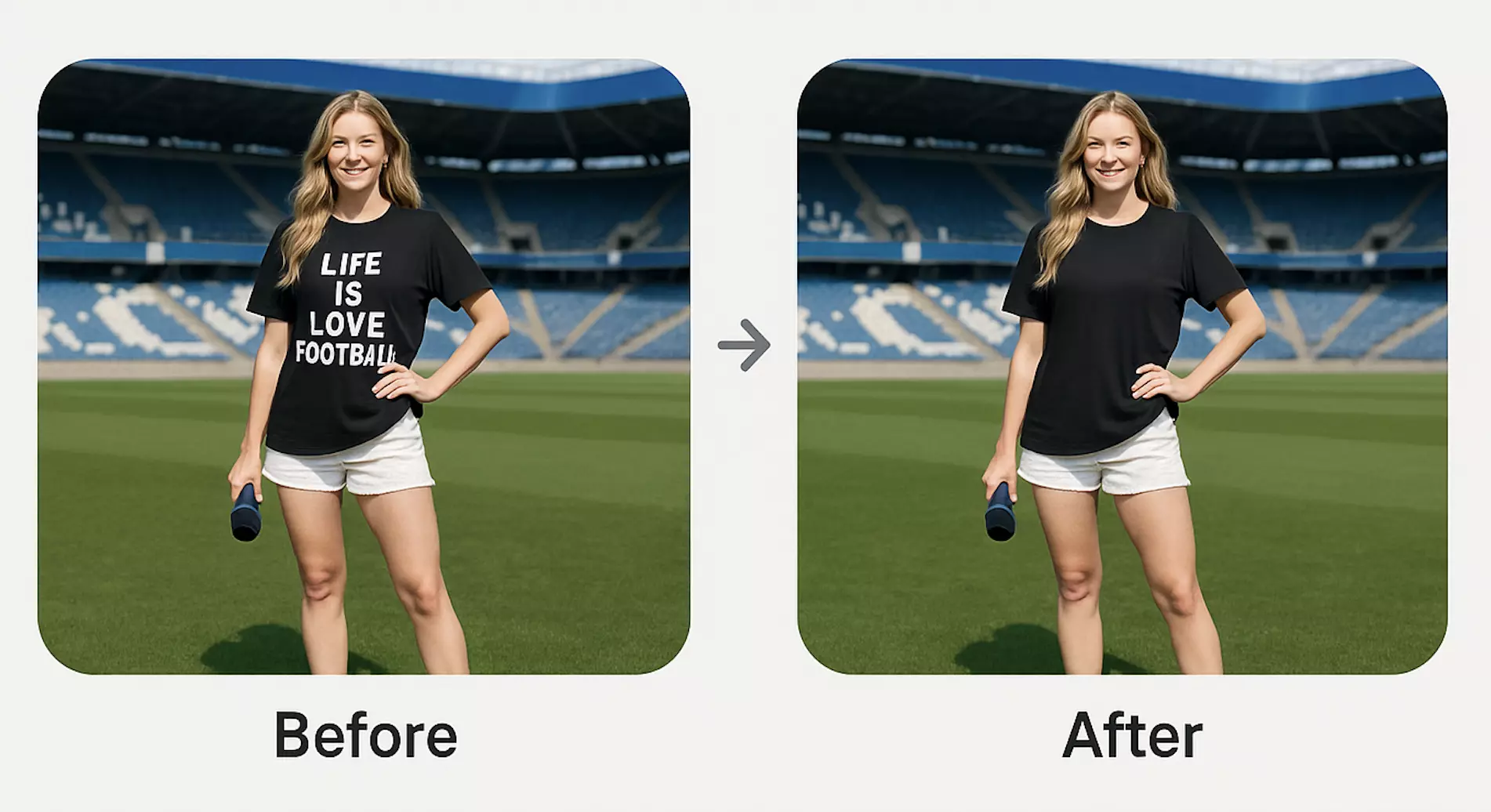
- Clean watermarks or stray elements when you hold the rights.
- Batch multiple images to standardize a campaign look.
- Download the results
- Export ready-to-post visuals sized for your platform.
(See image: Pixflux.AI interface with the three-step flow—Upload → AI process → Download—applied to a social post image)
Try an AI photo enhancer for social teams to handle a week’s visuals in minutes instead of days.
Compliance note: Only remove watermarks or logos from images you own or are licensed to edit. Respect platform policies and local laws.
Presets that work: practical settings for common social scenarios
- Portraits and creator shots
- Keep skin natural: Apply enhancement with moderate strength to avoid over-smoothing.
- Lift eyes and edges: Slight clarity/sharpness boosts help thumbnails pop.
- Background polish: Remove busy backgrounds, then generate a soft, on-brand gradient backdrop; maintain brand color codes.
- Products and flat lays
- Backgrounds for marketplaces and feeds: Use clean white or branded color backdrops. Replace harsh shadows with subtle, consistent ones for a premium feel.
- Micro-contrast: Slightly increase contrast to define edges and improve mobile readability.
- Batch consistency: Process the entire SKU set together to maintain identical lighting and tone.
- UGC improvements
- Denoise and correct color casts: Mobile night shots often skew yellow/green; neutralize to match your grid.
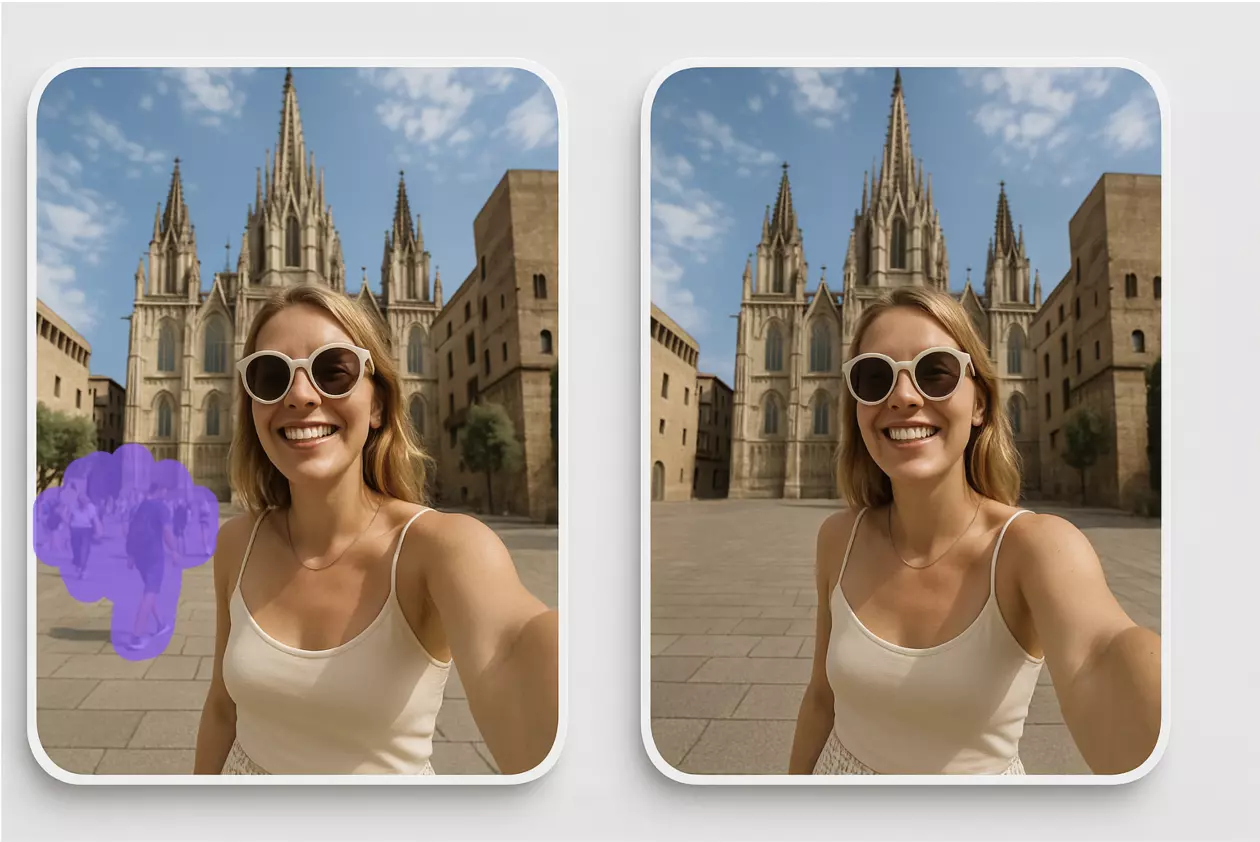
- Remove distractions: Use object removal to clean up stray cables, reflections, or passersby.
- Contextual backgrounds: Generate subtle, on-theme patterns (e.g., textured neutrals for home goods, soft gradients for beauty) to align with campaign visuals.
(See image: Before-and-after comparison of a UGC photo improved via enhancement, background removal, and color balancing)
Caption drafting playbook: templates that speed approvals
- Brand voice starter
- Voice: Energetic, helpful, minimal hype.
- Structure: Hook → Benefit → CTA → Hashtags.
- Example hook patterns:
- “New week, new workflow—”
- “Small switch, big difference—”
- “See the detail that your feed missed.”
- CTA patterns
- “Tap to shop”
- “Save for later”
- “Comment ‘guide’ for the checklist”
- Hashtag frameworks
- 3–5 brand/industry core tags
- 2–3 campaign tags
- 1–2 community tags for discovery
- Variant drafts
- Generate 2–3 caption variants per hero image; keep the winning post as a template for next week.
(See image: Carousel mockup showing an original caption vs an AI-drafted caption with brand voice and hashtags)
Quality gates before you schedule
- Sharpness and exposure: Zoom to 100% for edges and text on packaging.
- Color consistency: Match brand HEX for backgrounds and avoid shifts between carousel frames.
- Accessibility: Write descriptive alt text; keep contrast ADA-friendly where applicable.
- Crops and file size: Use platform-specific aspect ratios; compress responsibly to speed load without visible artifacts.
Proving the impact: simple A/B tests that tie visuals and captions to engagement
- Test design
- A: Unedited or lightly edited image + baseline caption.
- B: Enhanced image (sharper, cleaner background) + brand-voice caption template.
- Metrics to track
- Click-through rate, saves, profile visits, and view time on carousels.
- Secondary: Hide/report rates to ensure edits are not perceived as misleading.
- Expected outcomes
- Clearer images typically boost saves and per-frame dwell.
- CTA-optimized captions increase outbound clicks and replies.
- Cadence
- Run each test for at least one posting cycle per channel (e.g., Mon–Fri).
- Roll forward the winner as your new baseline.
Risk and ethics: rights, watermarks, and disclosures
- Rights first: Enhance, remove watermarks, or restyle only when you own or are licensed to modify the asset.
- Platform policies: Some platforms require disclosing material edits or sponsored content—follow the rules to avoid takedowns.
- Authenticity: Don’t misrepresent product attributes; realistic backgrounds and accurate colors build trust long-term.
Troubleshooting: fast fixes to common issues
- Artifacts on edges
- Lower enhancement strength or rerun with a cleaner source image.
- If you replaced the background, soften the edge or add a subtle shadow for realism.
- Over-smoothing on skin or fabric
- Dial back smoothing; restore fine detail via micro-contrast.
- Color drift across a carousel
- Batch-process the set together in Pixflux.AI so all frames share tone and white balance.
- Off-brand caption tone
- Lock the voice using your brand voice template. Keep a style checklist: forbidden words, emoji rules, CTA verb list.
- File bloat and slow loads
- Export at platform-native sizes; balance compression and clarity to preserve edges.
AI online tools vs traditional methods
- Time to value
- Online AI tools like Pixflux.AI deliver production-quality edits in minutes; desktop workflows often require layered edits per image.
- Learning curve
- Minimal training to remove backgrounds, enhance detail, or batch-process vs mastering advanced masking and retouching techniques.
- Batch throughput
- Upload a folder and apply consistent changes at once vs repeating steps across images.
- Cross-team readiness
- Easy for marketers, designers, and content coordinators to collaborate on the same outputs without passing heavy project files back and forth.
Visual references to include in your article or deck
- Pixflux.AI three-step interface: “Upload → AI process → Download” on a social image.
- UGC before-and-after: enhanced clarity, cleaned background, balanced colors.
- Caption carousel: original vs brand-voice draft, with hashtags and CTA placement.
Putting it together with Pixflux.AI
Across the steps above, Pixflux.AI acts as the visual backbone: it enhances clarity, removes or regenerates backgrounds to fit your brand, tidies watermarks and objects when you have rights, and processes batches for consistent campaigns. That foundation makes caption drafting and approvals smoother—and helps you publish faster with confidence.
If you’re ready to upgrade your visual baseline, try an AI photo enhancer for social teams and run your first A/B test this week.
Conclusion and next steps
The playbook is simple: standardize visuals with an AI-driven photo enhancer, draft captions from voice templates, enforce quality gates, and test for impact. In 2025, speed and clarity are rewarded—teams that combine both see compounding gains in engagement and content velocity.
Start by enhancing your next batch of social images with Pixflux.AI. Use this image enhancement tool to clean up backgrounds, sharpen details, and export ready-to-post files—then ship your campaign on schedule.