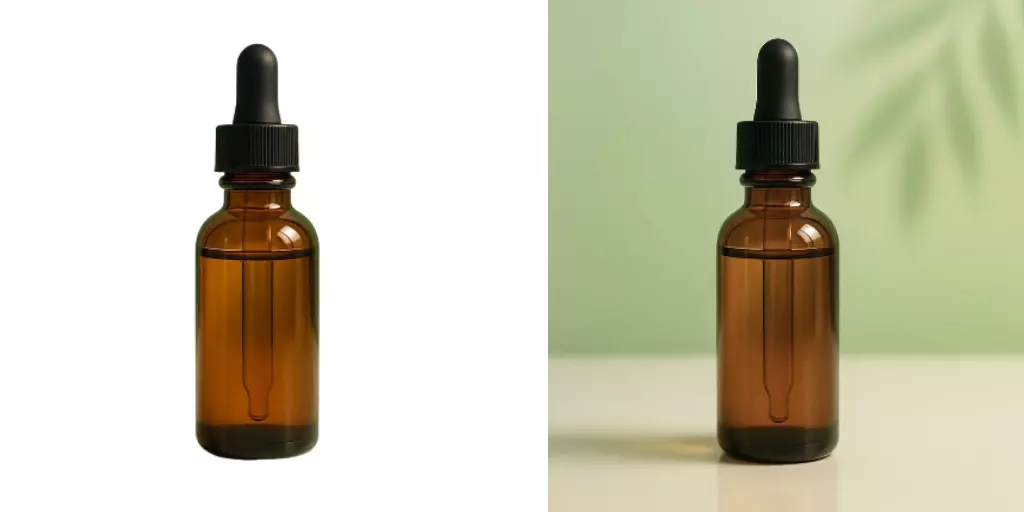
AI Product Photo Generator: Turn One Product Shot into a Full Scene Pack in 30 Seconds
One product shot in, a polished scene pack out—hero, detail, and lifestyle images you can ship to Amazon, Shopify, and TikTok Shop in under a minute.
 Sierra CappelenDecember 23, 2025
AI Product Photo Generator: Turn One Product Shot into a Full Scene Pack in 30 Seconds
You’ve got a single, clean product photo—but Amazon wants a main image, secondary angles, a lifestyle carousel, and a detail shot with scale. Shopify needs a cohesive hero for the homepage. TikTok Shop rewards context-rich thumbnails that feel native. Doing all of this with a studio setup, props, and retouching can take days and run up costs before you even list.
The faster path is to reuse that one product shot and build a full “scene pack” around it. With an ai product photo generator, you can strip the background, place your product in on-brand environments, produce consistent hero and detail images, and export a ready-to-publish set—often in minutes, not days.
In this guide, we’ll show the one photo → brief → scene pack workflow, why scene packs lift CTR and conversions, and how teams use Pixflux.AI to produce consistent images for Amazon, Shopify, and TikTok Shop without a studio.
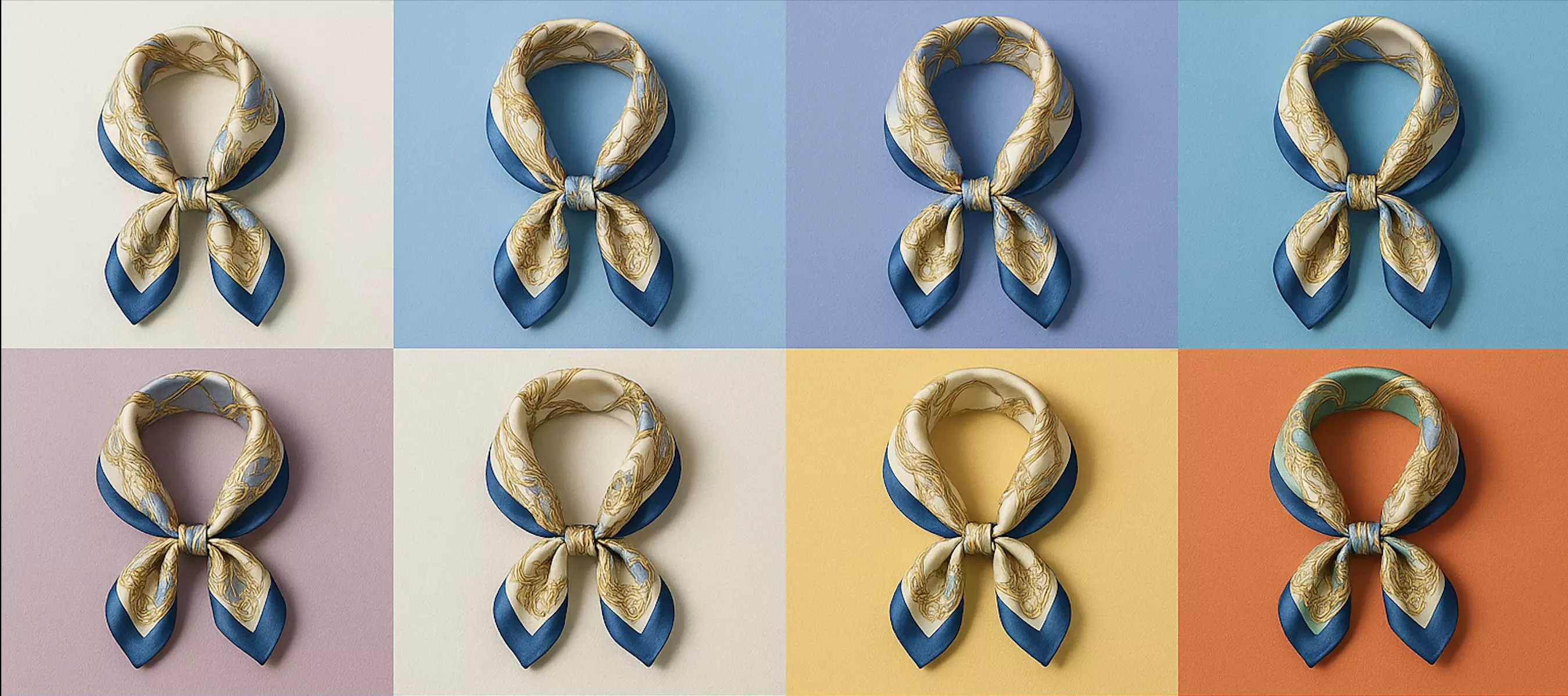
(Reference image suggestion: A 3x3 grid showing hero, close-up detail, and lifestyle scenes generated from a single product shot.)
What an AI product photo generator does—and why it matters
An AI product photo generator starts with a single product image and helps you:
- Remove or replace backgrounds to meet marketplace standards and boost clarity.
- Generate lifestyle scenes that align with brand colors, surfaces, and settings.
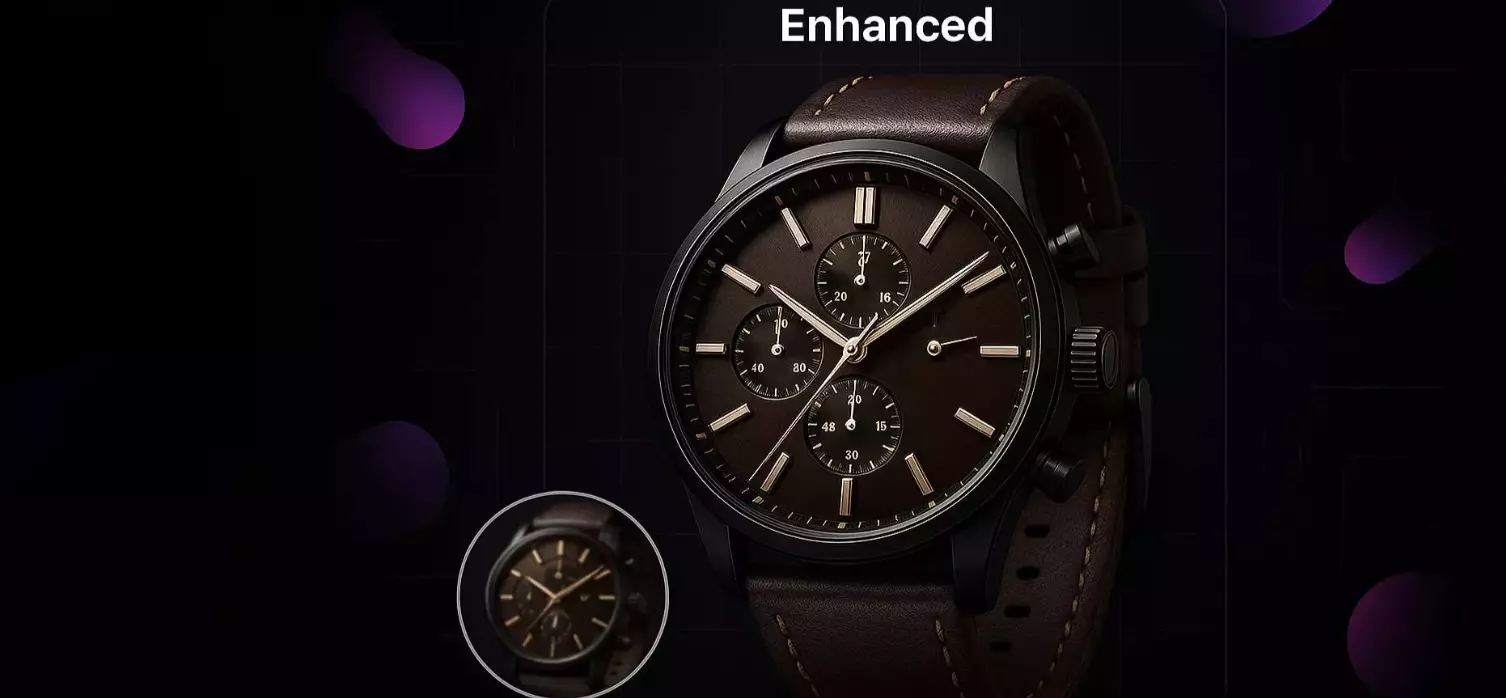
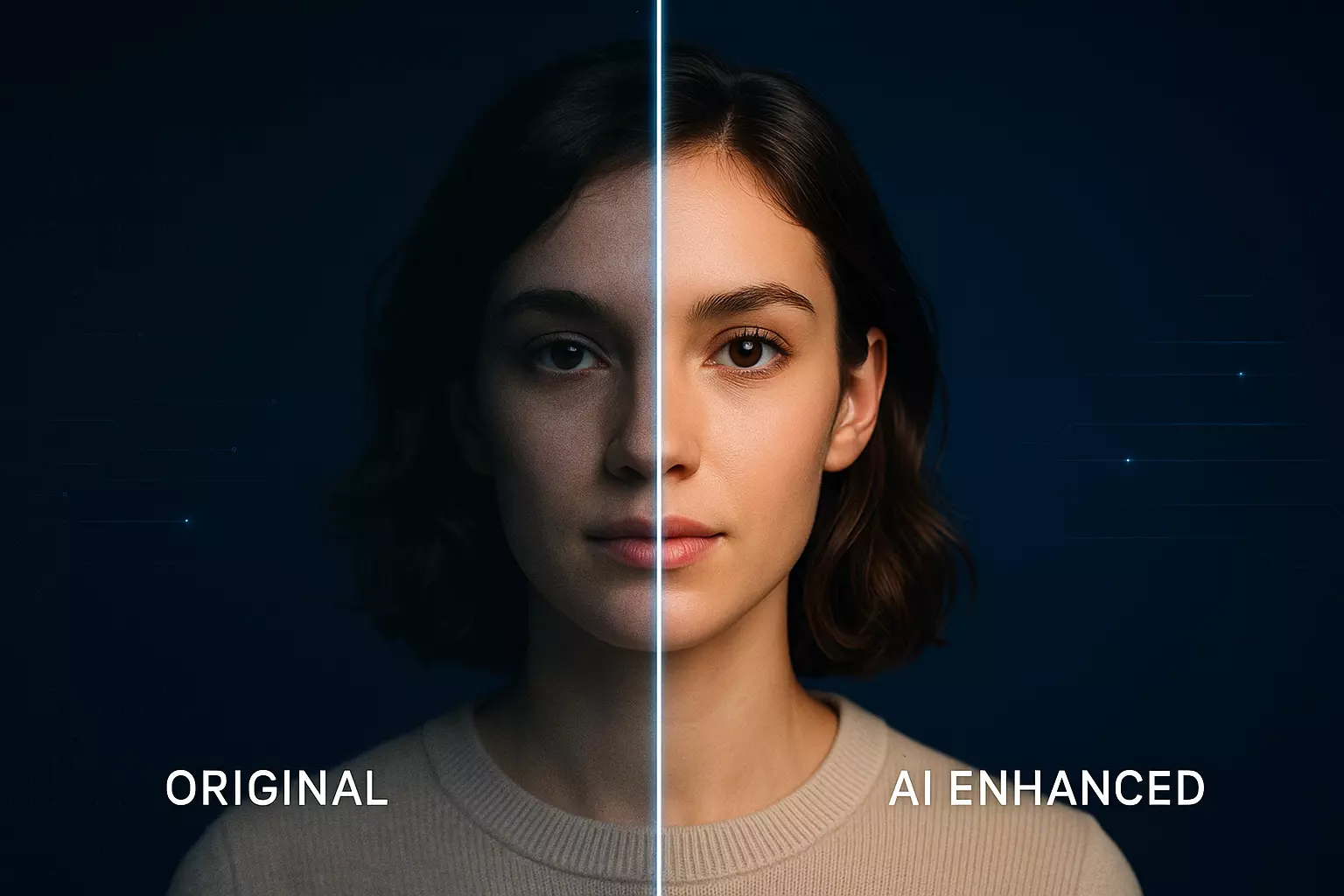
- Enhance images (sharpness, contrast, micro-details) for pixel-level polish.
- Remove watermarks or unwanted objects that distract or violate listing rules.
- Produce multiple variants fast for A/B testing and channel-specific crops.
- Batch-process entire catalogs to compress time-to-listing.
In 2025, marketplaces increasingly reward multi-image carousels that combine clear main images, believable context, and tactile detail shots. Brands that standardize prompts and style kits now enjoy consistent cross-channel imagery at scale—and they iterate faster on creative that improves CTR.
Why scene packs lift CTR and conversion
A scene pack is a cohesive set of images built around the same product, lighting logic, and brand style. It typically includes:
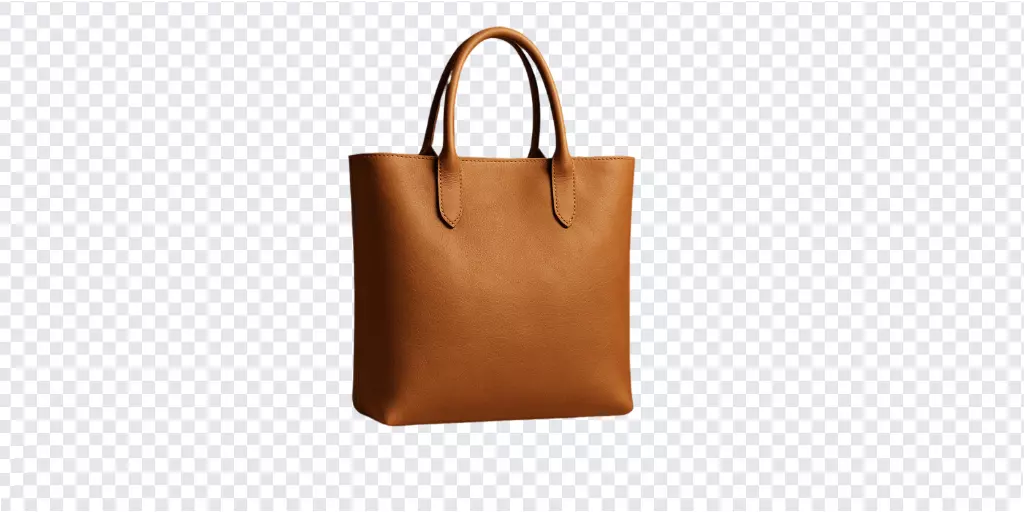
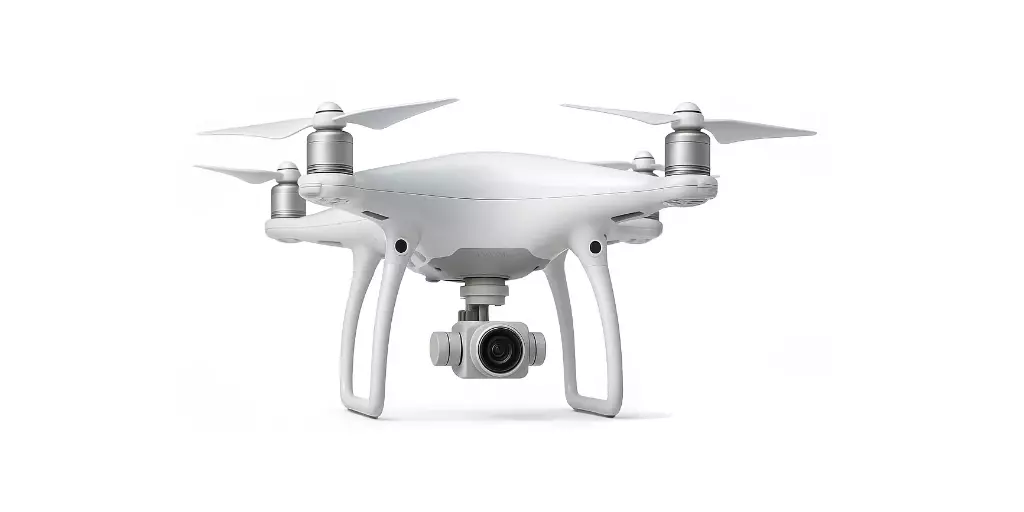
- A compliant hero (white or light background, centered, crisp edges)
- Multiple angles and scale references
- Texture-rich detail crops
- Lifestyle settings that convey use and audience fit
This format lifts performance because:
- Relevance: Customers see where/how the product fits in real life.
- Clarity: Dedicated detail shots reduce uncertainty and returns.
- Consistency: Matching shadows, color, and composition feel more premium.
- Speed to insight: Rapid scene variants accelerate A/B tests for main and secondary images.
The one photo → brief → scene pack workflow
Here’s the simple pattern that keeps teams fast and on-brand:
1) Start with one clean product image Choose the sharpest shot with good edge definition. If there’s clutter, remove it first.
2) Build a short creative brief Document brand colors, the surface and background mood (e.g., concrete, marble, kitchen wood), hero vs. lifestyle needs, and any compliance rules (Amazon’s main image requirements, for example).
3) Generate your scene pack Feed the product image and brief into an AI product scene generator. Create hero, lifestyle, and detail variants in a single session. Maintain color and lighting consistency across all outputs.
4) Review and refine Check edges, shadows, reflections, and relative scale. Make small tweaks to prompts or reprocess a few frames if needed.
5) Export for each channel Output marketplace-ready sizes and organize by use-case: Amazon main, Amazon alt, Shopify hero, TikTok thumbnail, social ads, and PDP details.
Prompting and planning: brand kit, angles, surfaces, composition
Before you generate, write a tight creative brief:
- Brand kit essentials: hex colors, saturation, contrast preference, and lighting style (soft daylight vs. punchy studio).
- Surfaces and materials: oak table, matte concrete, white tile—these add tactile cues that affect perceived quality.
- Angles and framing: eye-level for hero, slight top-down for flat-lay, macro for texture.
- Composition rules: 60/40 negative space, centered hero, rule-of-thirds for lifestyle.
- Realism cues: soft shadows, subtle reflections, accurate scale compared to props.
Tip: Keep prompts short and consistent. Save a “house style” that you can reuse for future launches.
Hands-on with Pixflux.AI: upload → AI process → download a full scene pack
Pixflux.AI is a practical way to go from one product shot to a cohesive pack. It combines background removal, scene generation, cleanup, and enhancement in an easy flow.
Follow this five-step approach:
1) Open Pixflux.AI Navigate to the tool page. (Reference image suggestion: The Pixflux.AI interface with the three-step flow: upload → AI processing preview → download result.)
2) Upload your original photo Use the sharpest cut of your product. If it has logos or watermarks you own and need to remove, you can clear them in the next step.
3) Choose the right tool and let AI process
- Remove the background for a clean hero base.
- Replace or generate a background that matches your brief (e.g., “warm kitchen countertop at 10 a.m., soft window light”).
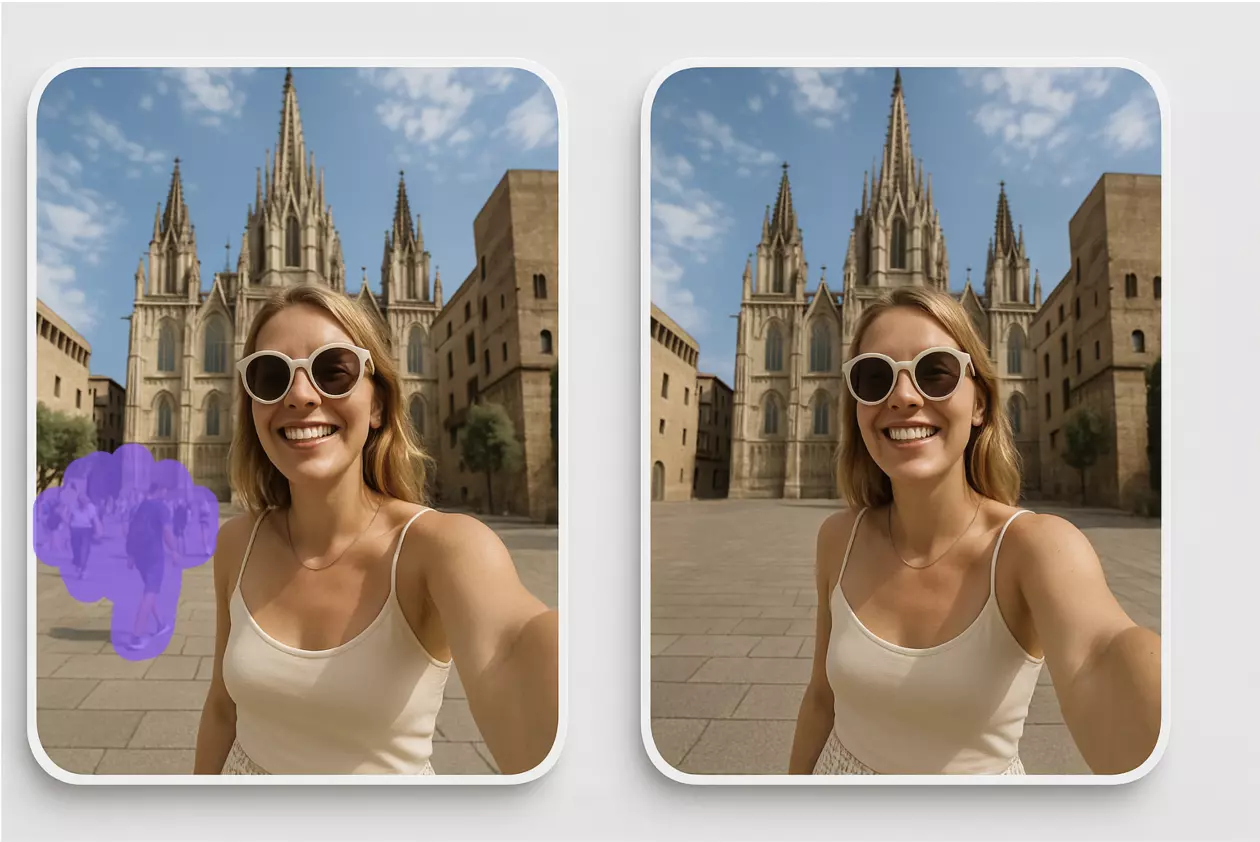
- Remove unwanted objects (stray props, reflections) that distract.
- Enhance clarity and contrast to keep textures crisp.
4) Preview and fine-tune Check edges, shadows, and scale against your brief. Slightly adjust the scene or regenerate variants until the set feels cohesive.
5) Download your scene pack Export hero, angled, lifestyle, and detail images. Name files by channel and variant to keep testing organized.
To start quickly, open the AI product scene generator and run your first product through the 5-step flow above.
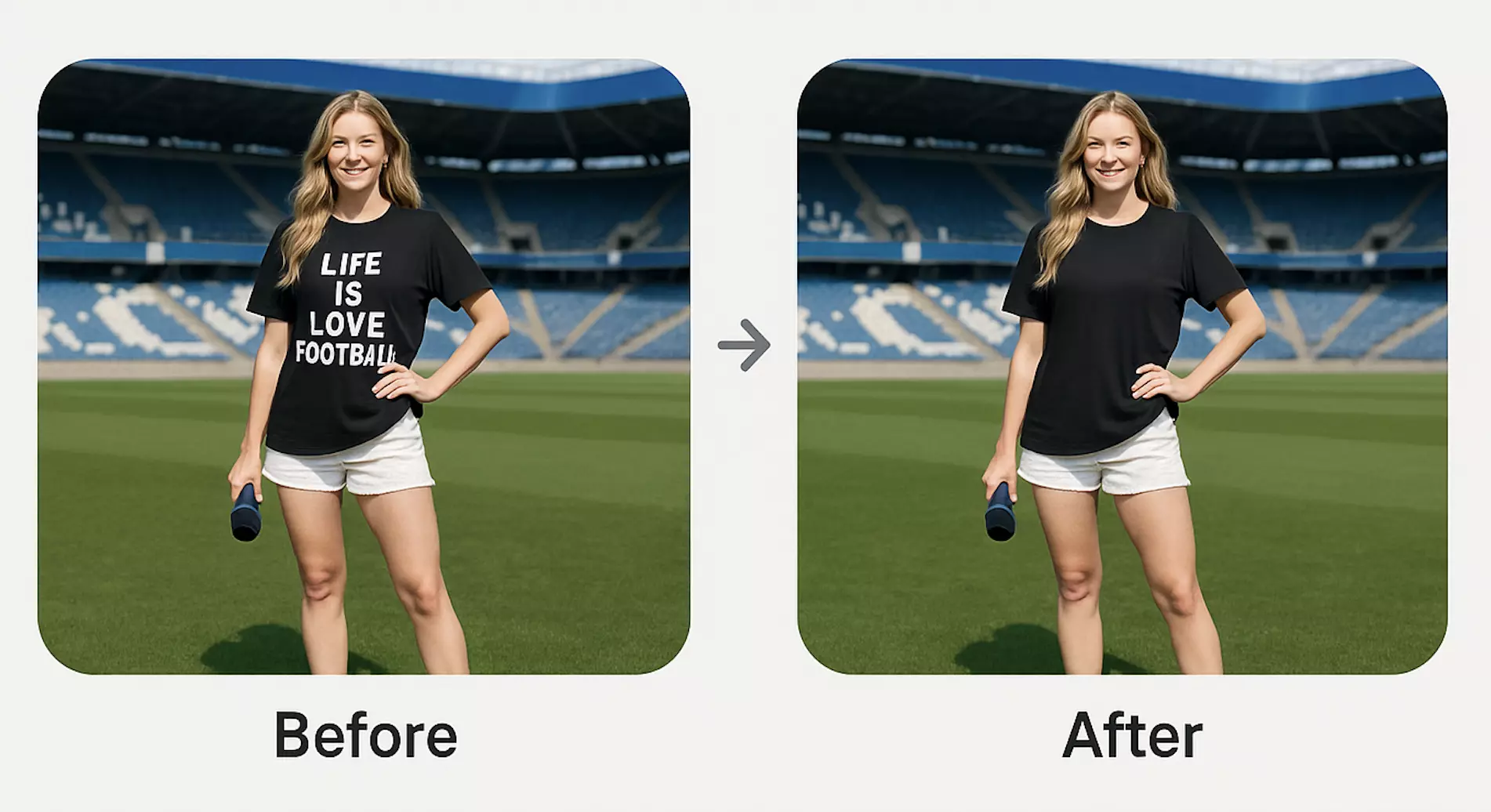
(Reference image suggestion: Before-and-after comparison where Pixflux.AI removes the background and an unwanted object from a product image.)
30-second How-To: from one hero shot to lifestyle product photos
When speed matters, use this quick three-step method in Pixflux.AI:
1) Upload your clean product image Prefer edges with good contrast; crop loosely to keep flexibility.
2) Let AI process
- Auto-remove the background for your hero.
- Generate 2–3 lifestyle scenes based on your brand brief.
- Apply enhancement for a crisp finish.
3) Download and publish Export your hero plus lifestyle variants, then upload to Amazon/Shopify/TikTok Shop.
If you need multiple SKUs fast, repeat with batch upload so each product gets a matching set in minutes.
Quality checklist: keep scenes consistent and believable
Use this checklist before exporting:
- Lighting: Direction and softness match across every image.
- Shadows: Realistic length and blur; no double shadows or floating edges.
- Textures: Surfaces look natural (no repeating patterns or melted details).
- Color fidelity: Product color is accurate across hero and lifestyle scenes.
- Scale: Props and hands feel proportionate to your product dimensions.
- Clean edges: No halos, stair-stepping, or leftover background pixels.
- Brand cohesion: Typography and color accents (if any) follow your kit.
Tip: Keep your brand kit handy and apply the same style to new SKUs so carousels feel unified.
Batch-generate for Amazon, Shopify, and TikTok Shop
For sellers managing many SKUs, batch generation is the shortcut to a consistent catalog:
- Create a reusable prompt pack per category (skincare, kitchen, electronics).
- Batch upload product images and apply the same scene set per SKU.
- Produce hero, lifestyle, and detail shots in one pass for each marketplace.
- Run A/B tests: two hero variants with different angles, plus three lifestyle scenes per audience.
Pixflux.AI’s batch workflow helps teams shorten time-to-listing while keeping lighting, color, and composition aligned across the entire line.
Troubleshooting common artifacts in product scene generators
Keep an eye out for:
- Warped edges or soft halos Re-run background removal or slightly increase edge refinement; ensure contrast around the product.
- Inconsistent shadows Confirm a single light direction in prompts; regenerate if you see double shadows.
- Plastic-like textures on surfaces Switch to materials with natural grain (wood, linen, matte ceramic) and lower gloss in prompts.
- Incorrect scale vs. props Include real-world measurements in the brief (“12 oz bottle beside a 13-inch laptop”).
- Color drift Lock brand hex codes and ask for “accurate product color; do not alter base hue.”
- Unwanted reflections or stray objects Use the remove-object tool to clean wires, fingerprints, or errant props.
Legal and policy notes: rights, logos, and disclosure
- Only process images you own or have permission to edit. If you remove watermarks or logos, ensure you have the rights to do so.
- Generated lifestyle scenes should not misrepresent features or certifications. Follow marketplace guidelines for main images and disclosures.
AI online tools vs. traditional methods
- Time to publish Online AI tools like Pixflux.AI generate a multi-image set in minutes. A studio shoot can take days to book, shoot, and retouch.
- Learning curve You don’t need to master complex layer workflows. The interface handles background removal, scene generation, enhancement, and object cleanup with guided steps.
- Cost and flexibility No prop sourcing or location fees. You can explore multiple concepts per product without reshoots.
- Batch efficiency Process entire catalogs with consistent prompts. Traditional retouching rarely scales cleanly across dozens of SKUs in a day.
- Cross-team alignment A saved brief and style kit help everyone—from founder to content coordinator—produce on-brand assets without handoffs.
Where Pixflux.AI fits in your stack
Use Pixflux.AI at the point of image creation and iteration:
- Clean the base product image with background removal and enhancement.
- Generate on-brand lifestyle backgrounds or realistic environments.
- Remove distracting elements and refine shadows for believability.
- Export channel-ready packs, then upload to your storefronts and ads.
Realistic scenarios
- Amazon launch Create a white-background hero plus three lifestyle scenes that match the product’s audience. Add a detail shot highlighting texture or controls.
- Shopify PDP refresh Swap seasonal backgrounds without reshooting, and keep colors consistent across the hero banner and product carousel.
- TikTok Shop thumbnail tests Generate multiple lifestyle variants with different surfaces and light setups. Use batch output to feed your A/B testing cadence.
Get started in one session
Practical tip: Block 60 minutes to define your brand kit, write a 2–3 line prompt template, and run your top 10 SKUs through a scene pack pass. You’ll leave with a publishable set and a repeatable method for future products.
If you’re ready to try it now, open the AI product scene generator, upload one hero shot, and build your first scene pack.
Conclusion and next steps
AI scene packs are becoming the default for fast, consistent product imagery. They compress time-to-listing, make carousels more persuasive, and give you enough variants to test your way into higher CTR and conversion—all from a single clean product photo.
Create your first pack today: upload, generate, and export a cohesive set of hero, detail, and lifestyle shots. Pixflux.AI makes the process simple, from background removal and object cleanup to believable, on-brand environments. Ready to move faster? Try it now and generate lifestyle product photos that look studio-grade—without the studio.