AI Enhancers for Portraits Unblurring Faces in the Age of Micro Influencers
When to use AI to unblur portraits, how to keep skin real, and a 5‑minute checklist for profile-ready headshots that still look like you.
 Richard SullivanJanuary 10, 2026
AI Enhancers for Portraits: Unblurring Faces in the Age of Micro Influencers
If you’re building an audience in 2026, your headshot is your handshake. Yet even good smartphone portraits can look a little soft: slight motion blur from low light, a touch of missed focus, and heavy-handed denoising that washes away skin texture. Then social platforms compress images, crop tighter on faces, and amplify every flaw.
When a re-shoot isn’t practical, modern AI photo enhancers make it possible to gently recover facial detail without turning your skin into plastic. If you need to unblur a portrait fast and keep it natural, try a focused workflow built for creators—start with unblur a portrait photo using Pixflux.AI and measure quality by how real the final texture looks at 100% zoom.
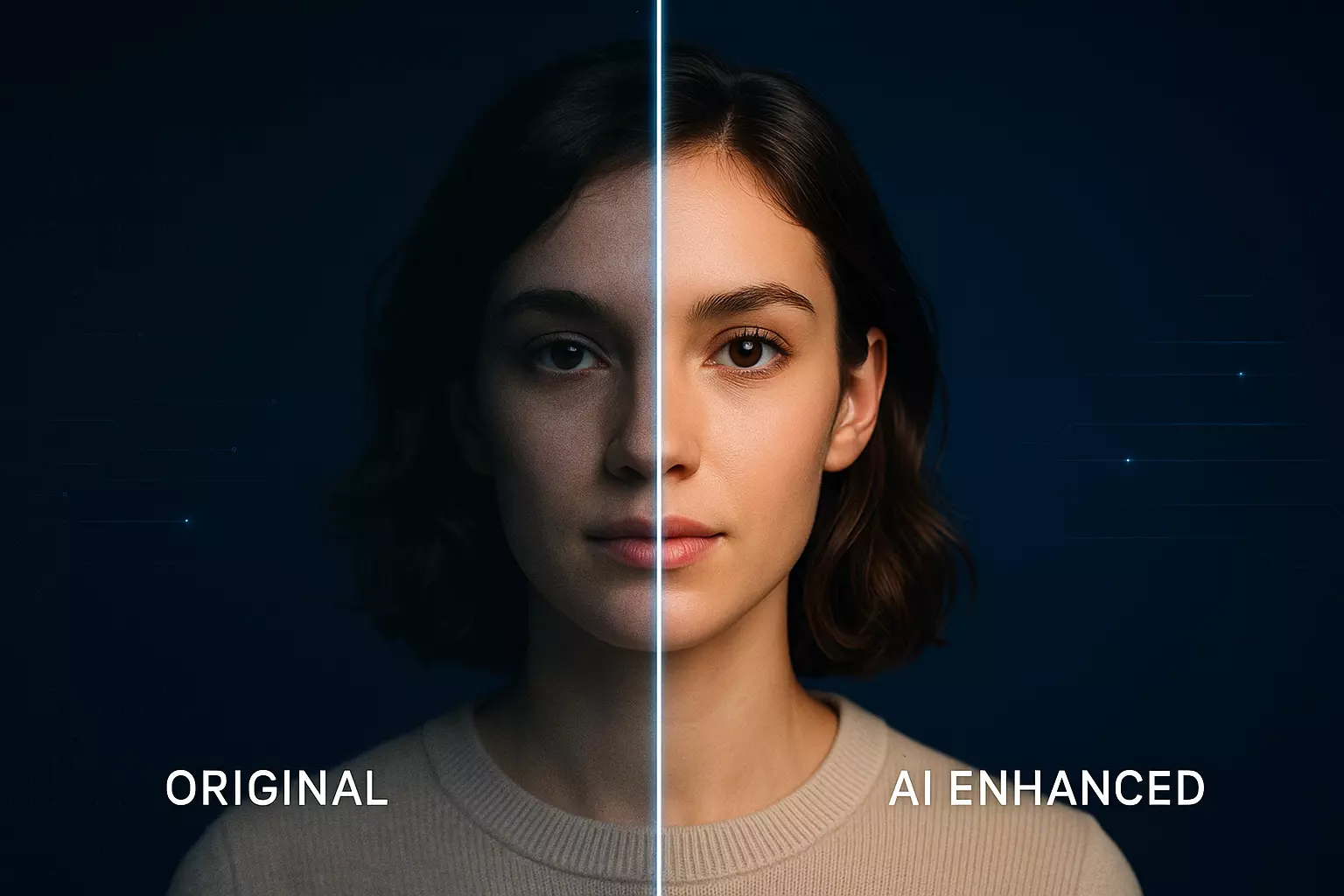
(See image: Before-and-after portrait headshot showing soft face vs naturally unblurred detail with intact skin texture.)
Why smartphone portraits look soft now
Today’s phones are computational cameras. They stack frames, denoise aggressively, and apply sharpening and tone mapping—usually great for everyday shots, but not always kind to faces.
- Motion blur: Small hand movements at night or indoor lighting lead to micro-blur that softens eyes and eyelashes.
- Focus miss: Portrait mode sometimes prioritizes the nose or cheek instead of the iris, trimming perceived sharpness.
- Denoise smoothing: Noise reduction merges fine skin pores and hair strands, especially in dim scenes.
- Platform compression: Instagram, TikTok, and LinkedIn recompress uploads, which reduces micro-contrast and clarity.
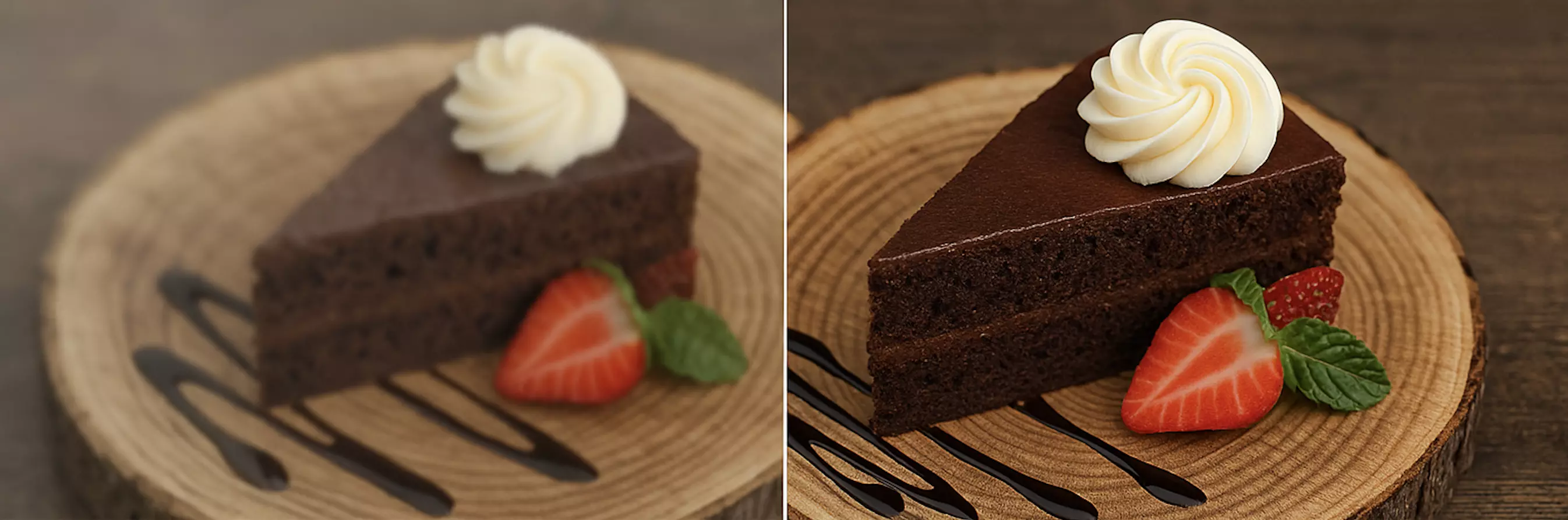
The result: portraits that feel “soft” despite being technically acceptable. AI unblurring can restore readable edges and texture without making the subject look over-processed.
When to use AI to unblur a portrait photo vs re-shoot
Use AI when:
- Blur is light to moderate, and the original exposure is clean (no extreme noise or banding).
- The eyes are mostly in focus but need crisping.
- You need a quick fix for a live campaign or profile update.
Re-shoot when:
- Faces are severely motion-blurred (clear double edges across features).
- The subject is out of focus entirely (focus on background).
- Lighting is so underexposed that noise dominates the face.
Rule of thumb: if catchlights are visible and the iris edges are discernible, AI can usually rescue clarity. If not, your best brand move is a new capture with steadier light.
Natural results standards for social-profile-ready headshots
A “natural” unblur isn’t just sharp; it looks honest. For micro influencer headshots, use these standards:
- Eyes first: Lashes, iris rings, and brows should read clean at 100%—no halos.
- Skin realism: Pores and micro-contrast remain; avoid plastic sheen.
- Color integrity: No odd hue shifts in shadows or skin tones.
- Background calm: Clean, subtle backgrounds make faces pop without distraction.
- Platform-ready crops: Clarity holds at the sizes used by Instagram, TikTok, YouTube, and LinkedIn.
How to unblur a portrait photo with Pixflux.AI
Pixflux.AI focuses on face detail enhancement while keeping skin texture credible. The basic flow takes under a minute:
- Upload your portrait.
- Let the AI enhance and unblur facial detail.
- Download the refined image.
(See image: Pixflux.AI interface sequence: upload portrait → AI processing preview → download final image.)
If you prefer a guided start, open AI portrait unblurring and follow the on-screen prompts.
Fine-tuning sharpness: balance sharpening, denoise, and detail recovery
Even subtle blur can mask micro-contrast around eyes and lips. To dial in realism:
- Start small: Increase sharpness incrementally to avoid halos at high-contrast edges (eyelashes, hairline).
- Control denoise: Over-denoise erases pores; push just enough to calm chroma noise without flattening texture.
- Recover detail selectively: Prioritize the face zone; leave the background less crisp for a natural depth cue.
- Re-check at posting size: Export a copy at the target dimensions and inspect the eyes and mouth at 100%.
Advanced 5-step flow with Pixflux.AI:
- Open the Pixflux.AI tool page.
- Upload your portrait.
- Select the image enhancement option and run AI unblurring.
- Preview and gently adjust strength to avoid halos and plastic skin.
- Download your final image for platform-specific crops.
Skin realism: preserve pores, avoid plastic sheen, and tame halos
Good face detail enhancement makes texture visible without creating false texture. Watch for:
- Plastic sheen: Reduce smoothing or add a little grain to reintroduce natural feel.
- Halos and fringing: Back off edge sharpening around the nose bridge and lashes.
- Over-contrast: Midtone contrast on skin should rise gently; keep dynamic range balanced.
Tip: Zoom into cheeks and temples. If pores look like dots pasted on top or if light transitions look harsh, you went too far. Dial it back.
Background choices: remove, change, or generate clean backdrops that fit your brand
Your headshot’s background should support the message, not compete with it. Three quick upgrades:
- Remove clutter: Use a background remover to isolate the subject and reduce visual noise.
- Replace with a brand-friendly color or subtle texture: Off-whites, muted gradients, or soft studio backdrops work across platforms.
- Generate a new background: Create clean, on-brand environments that keep attention on the face.
With Pixflux.AI, you can remove a busy café or street scene and generate a clean, professional backdrop in one pass—handy for creators who shoot in mixed locations and need consistency at scale.
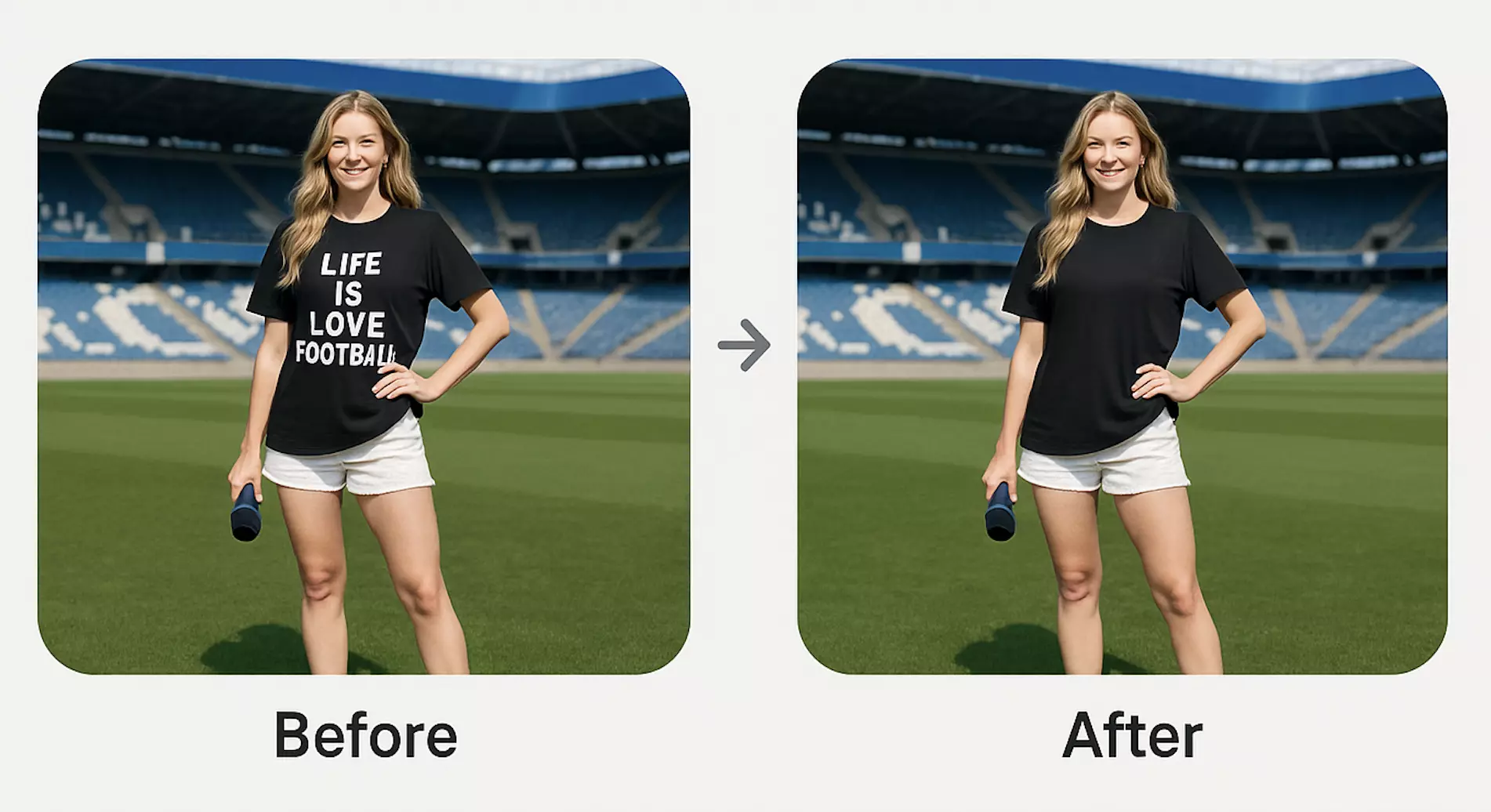
(See image: Portrait with cluttered background vs Pixflux.AI background removed and subtle AI-generated backdrop for a clean profile look.)
Batch workflows for micro influencers managing multiple looks and platforms
Most creators juggle several headshots: one for Instagram, a different crop for TikTok, a polished version for LinkedIn, and a banner-adapted shot for YouTube. A batch processing workflow keeps style cohesive:
- Group similar lighting setups and process in bulk for consistent face detail enhancement.
- Apply one background style across multiple portraits to build brand recall.
- Prepare platform-specific crops together and spot-check eyes at final output sizes.
Pixflux.AI supports multi-image, one-click processing so you can unblur, clean backgrounds, and enhance detail across a set without toggling through complex desktop layers.
Ethics and boundaries: watermark removal, consent, and truthful representation
Be intentional and compliant:
- Only remove watermarks or logos from images you own or are licensed to edit. Watermark removal must not be used to infringe on others’ rights or bypass platform rules.
- Get consent when enhancing portraits of other people, especially for commercial use.
- Keep edits truthful: Unblurring is restorative; avoid altering identity-defining features in ways that misrepresent the person.
Pixflux.AI includes tools for cleaning marks and refining images, but the ethical line is yours to hold.
Case study: before–after headshots with clarity and skin texture metrics
A practical evaluation method:
- Clarity metric: At 100% zoom, check whether individual upper eyelashes resolve as separate lines and whether the iris has a distinct ring. If both improve after AI, clarity gained.
- Texture metric: In mid-cheek areas, ensure pore patterns are visible without dot artifacts or waxy smoothing.
Creators report faster acceptance on brand partnerships and higher CTR on profile link clicks when the eyes read clearly in thumbnails. The goal isn’t “sharpest ever,” it’s “recognizably you, crisp at feed size.”
Troubleshooting artifacts: over-sharpening, ghost edges, color shifts, banding
- Over-sharpening: If hairlines shimmer, lower the sharpness slider and slightly raise midtone contrast instead.
- Ghost edges: Typical with strong motion blur; try a second pass at lower strength or re-crop tighter to the eyes.
- Color shifts: Reapply white balance after enhancement; keep skin hue stable in the 20–35° range on an HSL wheel.
- Banding in backgrounds: Add a touch of grain or swap the background with a gentle gradient to hide compression steps.
Tool comparison: online unblur tools vs desktop editors for 2026 creators
- Time cost: Online AI tools like Pixflux.AI deliver one-and-done enhancement in seconds; desktop editors can match results but usually require layered workflows and manual masking.
- Learning curve: Web tools have guided controls; pro suites need deeper retouching skills to avoid plastic skin or halos.
- Batch efficiency: Bulk uploads and consistent settings across sets are easier online, ideal for micro influencers publishing multiple looks weekly.
- Cross-team adaptability: Share repeatable, linkable workflows and presets easily, without teaching teammates layer stacks or plug-ins.
- Control vs speed: Desktop still wins on surgical retouching; online wins on speed, consistency, and “good enough” realism for social.
Quick checklist: social-profile-ready headshots in under 5 minutes
- Crop for eyes-on-third and keep catchlights visible.
- Run AI unblurring with conservative strength; prioritize the eyes.
- Preserve skin texture; avoid plastic smoothing; tame halos.
- Clean the background or generate a subtle, on-brand backdrop.
- Export to platform sizes, double-check at 100%, and verify color accuracy.
- Save a master file plus platform-specific versions for reuse.
FAQ: unblur portrait photo—common questions and concise answers
What’s the fastest way to unblur a portrait photo without making skin look plastic?
Use a light-strength AI unblur and keep denoise conservative. Start with a minimal enhancement pass focused on the eyes, then check skin texture at 100% zoom. If pores look smeared or halos appear, reduce strength and re-export at target platform size.
Can AI fix severe motion blur in faces?
Only to a point; extreme blur usually needs a re-shoot. If you see double edges across facial features, AI may recover some clarity but won’t reconstruct crisp eyes authentically. Try a lower-strength pass or choose a different frame; stabilize lighting for the next shoot.
How do I keep colors and skin tones accurate after unblurring?
Rebalance white balance and midtones after enhancement. AI sharpening can slightly shift perceived saturation and contrast. Do a quick skin tone check and, if needed, nudge temperature/tint so cheeks and forehead retain natural warmth without oversaturation.
What background works best for profile photos across platforms?
Simple, low-noise backgrounds that contrast gently with skin. Neutral gradients, soft studio grays, or brand-aligned colors keep the focus on eyes and expressions. If the original is cluttered, remove or replace it so thumbnails read cleanly.
Can I batch unblur multiple portraits for a campaign?
Yes, batch processing is efficient for matched looks. Group images with similar lighting and apply the same unblur strength for consistency. Always spot-check a few exports at 100% to confirm eyes are crisp and skin remains natural.
Is watermark removal allowed when preparing headshots?
Only if you own the image or have explicit permission. Removing watermarks from unlicensed images is prohibited and may violate copyright or platform rules. Keep edits compliant and documented for brand safety.
Will online AI tools work for LinkedIn, Instagram, and TikTok image specs?
Yes, export sizes are compatible; verify clarity at each platform’s crop. After enhancement, create platform-specific exports and check eyes and brows at display size. Minor re-crops can prevent compression artifacts from affecting perceived sharpness.
How can I avoid halos and crunchy edges on hair and eyelashes?
Lower sharpening intensity and boost micro-contrast gently. Halos often come from aggressive edge enhancement. Dial back sharpness, apply a touch of midtone contrast, and re-check transitions around the nose, lips, and hairline for smooth, realistic edges.
Online AI tools vs traditional methods
- Speed: Web-based unblurring gets you a post-ready headshot in a minute; desktop retouching can take 15–30 minutes per image if you’re crafting masks and frequency separation.
- Skill: Online tools are designed for creators, not just retouchers; they guide you toward natural skin and crisp eyes with fewer controls to master.
- Scale: If you maintain multiple profiles and refresh looks often, batch processing with consistent settings keeps your visual identity coherent.
- Flexibility: For more complex projects—heavy composites, stylized retouch—desktop editors still shine; for daily creator work, lightweight online is the pragmatic choice.
Conclusion and next steps
In the era of micro influencers, the bar is “naturally sharp” rather than “hyper-retouched.” Focus on eyes, protect skin texture, use calm backgrounds, and keep your workflow fast enough to match publishing cadence. Pixflux.AI helps you unblur portraits, clean or generate on-brand backdrops, remove stray distractions, and enhance clarity at scale—without losing authenticity.
Ready to refresh your headshot today? Start with unblur portrait photo and keep your profile images sharp, consistent, and true to you.