Digital Minimalism in Lifestyle Photography Simplifying Visual Noise
Calm, premium lifestyle photos start with less noise. See when white vs black backgrounds win, and how to nail the look fast with Pixflux.AI.
 Sierra CappelenJanuary 10, 2026
Digital Minimalism in Lifestyle Photography: Simplifying Visual Noise with White or Black Backgrounds
In a world of infinite scroll and overstimulation, lifestyle photos often try to do too much at once—busy rooms, mixed lighting, overlapping props. The result is visual noise: your subject gets lost, your brand voice fades, and engagement drops. In 2026, the digital detox aesthetic has become a competitive advantage. Clean, calm frames give viewers space to breathe and make it easier to scan and remember what matters.
One of the fastest ways to achieve that calm, premium feel is to simplify the backdrop. Minimal, high-contrast environments—especially a clean white background or a deep black one—remove distractions, direct attention, and reinforce brand cues. If you don’t have a studio or time to reshoot, a modern AI editor like Pixflux.AI can help you produce a clean white background in minutes while keeping edges crisp and textures intact.
(Note: see image suggestion — Side-by-side comparison showing an original lifestyle photo and the Pixflux.AI background remover result with a clean white background.)
Why digital minimalism matters in lifestyle photography
Minimalism isn’t about emptiness; it’s about intentional emphasis. When your images are clearer and simpler:
- Messages land faster in social feeds that reward scannability
- Premium perception increases, especially for beauty, wellness, and tech brands
- Consistency improves across omnichannel placements (homepage hero, Amazon A+ content, Instagram, and email)
In 2026, brands that adopt minimalist backdrops report stronger engagement signals and more consistent creative output. Clean frames reduce production complexity and increase content velocity for lean teams.
Visual noise: what it is and how it hurts storytelling
Visual noise is any element that doesn’t add meaning: cluttered shelves, mixed color casts, complicated textures, even overlapping shadows. Symptoms include:
- Diluted focus: The eye can’t find the subject quickly
- Lower perceived quality: Busy backgrounds can look amateurish
- Color conflicts: Background tones fight with product or skin tones
Reducing visual noise puts hierarchy back in your images. Backgrounds become a tool, not a distraction.
White background vs black background: mood, contrast, and brand cues
- White background: Clean, calm, premium. Ideal for wellness, skincare, tech accessories, and editorial looks. It signals clarity and openness.
- Black background: Dramatic, intimate, high-contrast. Great for luxury goods, beverages, gourmet, and portraits needing depth.
Both options support minimalist lifestyle photography; your choice depends on the emotion you want to evoke and the surrounding brand palette.
(Note: see image suggestion — Mood board grid displaying the same product shot on a white background versus a black background under consistent lighting.)
When to choose a white background for calm, premium focus
Use a white background when:
- You want a fresh, modern, “elevated basics” mood
- The product has rich color that needs space to pop
- You plan to overlay typography or UI elements (ads, landing pages)
- You want frictionless omnichannel consistency, especially on marketplaces that favor white backdrops
White backgrounds also aid retouching and compositing. Skin tones and product edges are easier to manage, and your content remains on-brand even as you scale.
When a black background delivers drama and depth
Choose a black background when:
- You want contrast to sculpt the subject (e.g., glass bottles, metallic watches)
- The brand voice leans luxurious, moody, or cinematic
- You’re highlighting texture and form, not environment
Black backdrops can intensify color saturation and create a sense of intimacy. Use controlled rim lighting or side lighting to keep edges clean without losing detail.
Capture minimal backdrops in-camera: lighting, exposure, color control
Even if you’ll refine later, start clean:
- Lighting: Use a large soft source to avoid harsh shadows. For white, flood the backdrop slightly brighter than the subject (+1 stop). For black, flag spill and light the subject without hitting the background.
- Exposure: Expose for the subject’s midtones; watch clipping on white and crushed shadows on black.
- Color: Set custom white balance and keep color temperatures consistent to avoid mixed casts.
These habits cut editing time and preserve texture.
Edit workflow: edge cleanup, object removal, texture and clarity enhancement
Post-production is where minimalism snaps into focus:
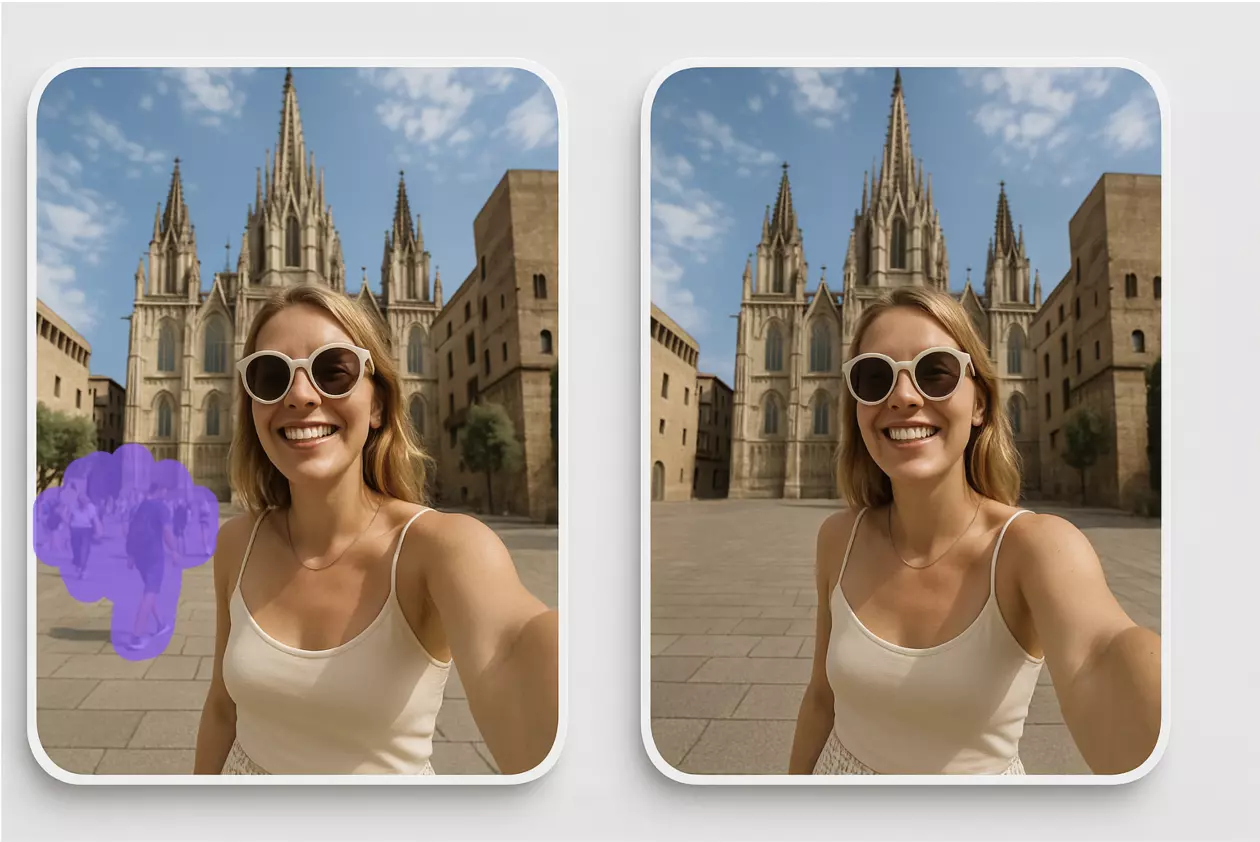
- Remove distractions: Cords, labels, stray props, or people crossing in the background
- Tidy edges: Clean halos around hair, fabric, or glass
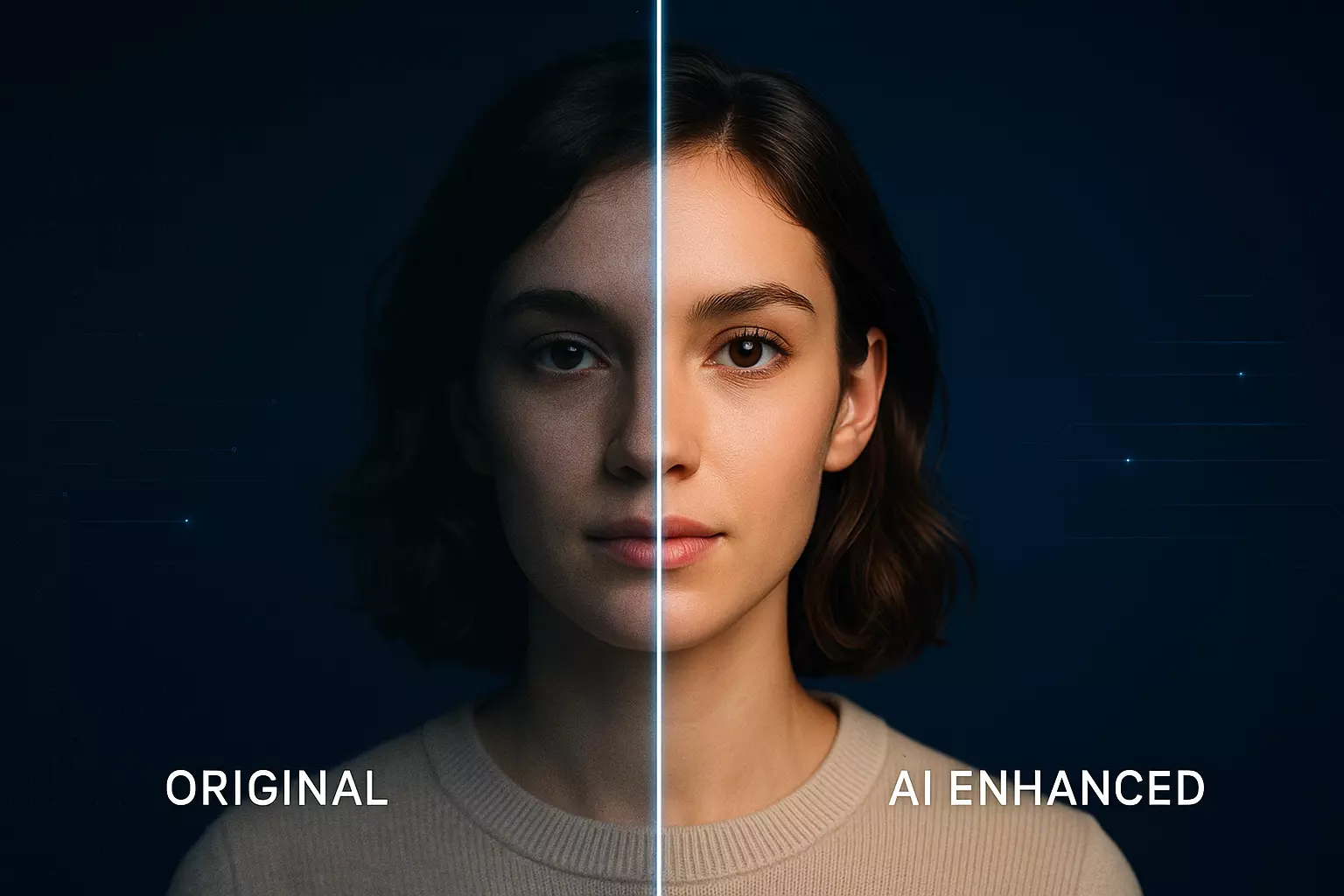
- Enhance clarity: Subtle sharpening and contrast to keep the subject tactile, not plastic
Pixflux.AI helps here by removing or replacing busy scenery with a minimal backdrop, enhancing sharpness, and even clearing small artifacts like dust or smudges. Use it to:
- Swap a cluttered scene for a neutral studio-style white background
- Generate a matched black background to suit a darker campaign
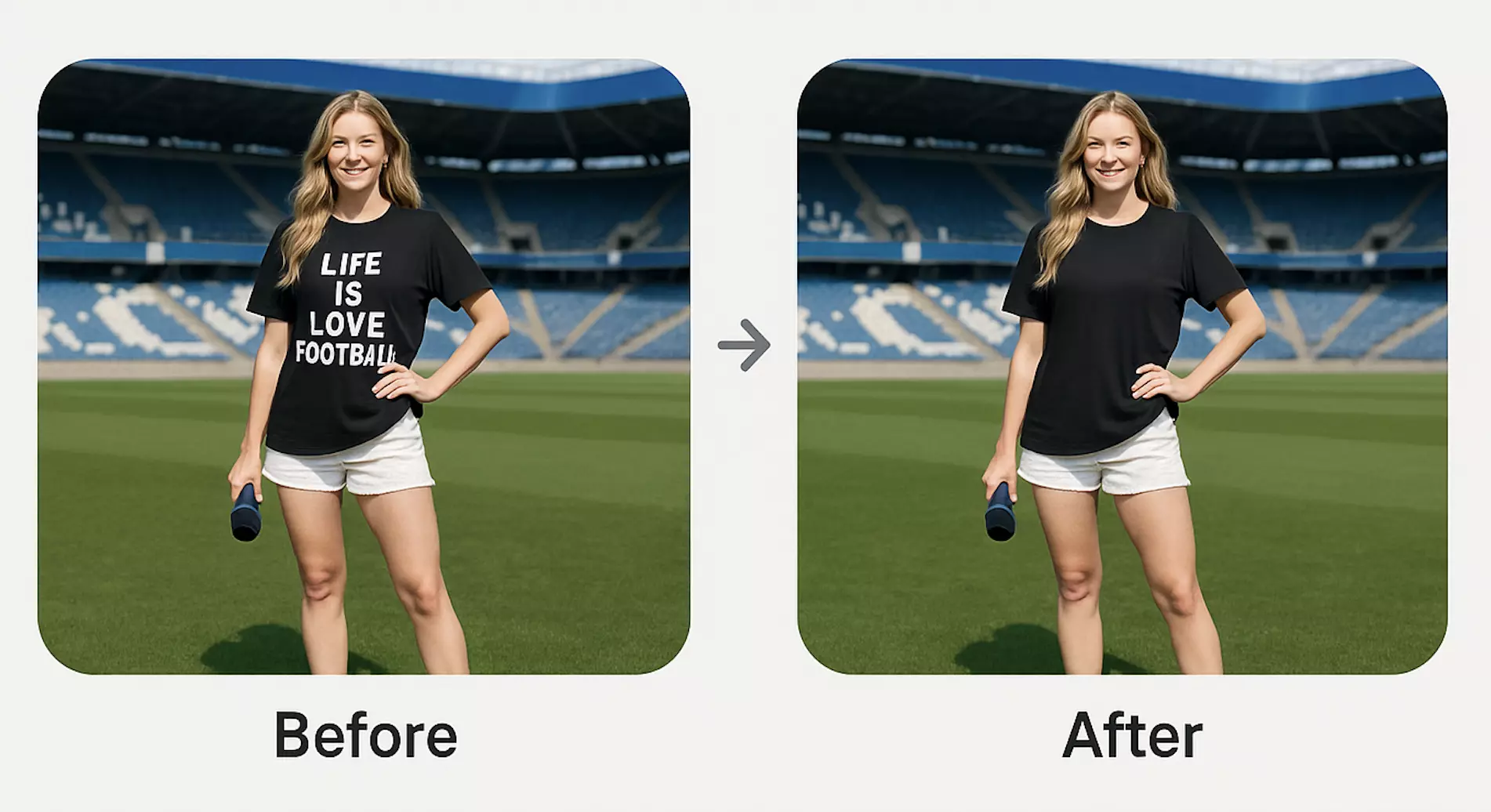
- Remove unwanted logos or text marks when you hold the rights to do so, and polish the final image
Compliance reminder: Only remove watermarks and logos on images you own or have permission to edit. Don’t use background or watermark removal to infringe on others’ rights or bypass platform rules.
Pixflux.AI in 3 steps: remove background, create white or black, download
If you need a gallery of minimalist lifestyle shots fast, the process is simple:
- Upload your original image
- Drag and drop the photo with the subject you want to keep.
- Let the AI process the background
- Use background removal and choose a white or black backdrop. Preview edges, hair, and soft materials.
- Download the refined image
- Export at the size you need for web, marketplace, or print.
You can start with a single image or process a set when you need a consistent white backdrop for photos across a campaign.
(Note: see image suggestion — Pixflux.AI interface screenshot illustrating the three steps: upload, AI processing, and download.)
Advanced 5-step workflow for perfectionists:
- Open the Pixflux.AI tool page
- Upload your original photo
- Choose background removal, then switch to white or black generation
- Preview the cutout, fine-tune edge softness, remove small objects, and apply subtle enhancement
- Download the final image in the formats you need
Case studies and before–after comparisons; ethics of watermark removal and attribution
- DTC skincare brand: The team replaced inconsistent bathroom scenes with a uniform white background. Result: a cleaner editorial grid on Instagram, a more premium-looking PDP, and faster production—no reshoots. Before–after showed tighter focus on texture (froth, serum droplets) with neutral color casting.
- Creator headshot series: A portrait set was reimagined on a black background for a podcast cover. The deep backdrop added drama and separated the subject’s hair without flattening the image.
(Note: see image suggestion — Side-by-side comparison of original versus Pixflux.AI background remover result.)
Ethics note: Only remove watermarks and branded marks on content you own or have licensed for such edits. When edits materially alter editorial context, consider crediting the photographer and noting the modification in your captions or alt text where appropriate.
Scaling consistency: batch processing for content calendars using Pixflux.AI
Content teams need repeatable output: dozens of assets, same look, tight deadlines. With Pixflux.AI, you can:
- Batch upload photos from a shoot and remove backgrounds in one pass
- Apply consistent white or black backdrops to maintain color and contrast standards
- Clean small distractions (cords, tape, dust) across a set so everything feels cohesive
This accelerates content calendars for US and global audiences alike—whether you’re preparing Amazon-ready imagery with a white background or moodier social teasers. It also keeps designers and marketers aligned: fewer rounds of revision, more final assets that “just fit.”
Troubleshooting white background issues: banding, color cast, halos, compression
- Banding on gradients
- Quick fix: Add a touch of noise (0.5–1%) or very subtle texture to the background. Export in higher bit-depth or a less aggressive compression format for hero placements.
- Warm or green color cast
- Quick fix: Neutralize with white balance tools before background removal. Keep the background pure white (RGB 255/255/255) and correct subject tones via temperature and tint adjustments.
- Halos around hair or glass
- Quick fix: Soften edge transitions slightly and refine mask edges. A small shadow or contact reflection also helps anchor the subject realistically on white.
- Overcompressed edges
- Quick fix: Export higher quality for master delivery; derive smaller versions as needed for web. Avoid double compression when platforms re-encode uploads.
AI tools vs traditional workflows
- Time cost
- AI editors like Pixflux.AI produce clean cutouts and backdrops in minutes. Manual masking in pro software can take 10–30 minutes per image, more for hair or translucent objects.
- Learning curve
- Intuitive online tools reduce training. Traditional retouching requires deep knowledge of selections, channels, blend modes, and color management.
- Batch efficiency
- AI handles multiple images with near-identical settings. Outsourcing or manual methods struggle to stay consistent across large sets without heavy QA.
- Cross-team alignment
- A standardized background (white or black) is easy for marketers, merchandisers, and editors to use across channels, reducing back-and-forth on crops and placements.
FAQ: White background minimalism in lifestyle photos
When should I use a white background versus a black background?
Use white for calm, premium clarity and black for dramatic, high-contrast depth. A white background supports scannability, clean ecommerce standards, and editorial overlays. Black backgrounds emphasize form and texture, adding luxury cues and mood. Consider your brand palette, the subject’s color, and the platform context.
How do I keep edges natural when removing the background?
Refine the mask and add subtle edge softness to avoid cutout artifacts. Hair, fabric, and glass benefit from gentle feathering and micro-contrast enhancement. Preview at 100% zoom and add a soft shadow or reflection when compositing on pure white to anchor the subject realistically.
What file format and size work best for a white background on social and ecommerce?
Use high-quality JPEG or PNG at platform-recommended dimensions, then export derivatives. Maintain a master at larger dimensions (e.g., 3000–4000 px on the long edge) to preserve detail. For Amazon-style images, ensure a pure white background and follow the marketplace’s pixel and aspect ratio standards.
Can I remove watermarks or logos with AI tools?
Only if you own the rights or have explicit permission to edit them. Background and watermark removal is powerful, but it must be used ethically. Don’t remove marks to obscure attribution or violate platform policies. Always check licensing before editing third-party images.
How do I avoid banding or color cast on a white background?
Add subtle texture or noise and neutralize white balance before export. Keep the backdrop at true white (255/255/255) and minimize compression. If skin tones look off, balance temperature and tint on the subject rather than tinting the background.
Will batch processing make my images look identical and flat?
No, if you standardize backdrops but preserve subject-specific lighting and texture. Batch background removal creates consistency, while careful enhancements keep details lively. Treat each hero subject with slight adjustments in contrast, clarity, and shadow to retain dimensionality.
Is a white background better for accessibility and readability?
Often yes, especially when adding text overlays or UI elements. High-contrast white backgrounds can improve legibility in thumbnails and cards. Always check color contrast against brand colors and test on mobile to ensure readable captions and buttons.
Conclusion and next steps
Minimalism in lifestyle photography is less about stripping things away and more about sharpening the message. A white background offers calm, premium focus, while a black background delivers cinematic impact. With Pixflux.AI, you can remove clutter, generate clean backdrops, enhance clarity, and keep a consistent look across campaigns—without reshoots or complex software.
Ready to simplify your visuals and speed up production? Create a studio-quality white background for your next set in minutes with Pixflux.AI, or build a consistent clean white background library for your content calendar today.