How E-Commerce Brands Use Red Background Images to Create Stronger Seasonal and Promotional Visuals
Make your products pop: use red background images that meet contrast, channel, and brand rules—plus a 3-step Pixflux.AI flow to scale production.
 Sierra CappelenMarch 9, 2026
How E-Commerce Brands Use Red Background Images to Create Stronger Seasonal and Promotional Visuals
Holiday pushes, flash sales, and high-energy social drops all compete for the same attention span. If your promo creative looks like everything else in the feed, your discounts and product benefits never get a fair chance. That’s why many e‑commerce teams turn to strong chromatic backdrops—especially a red background—to cue urgency, seasonality, and action.
Still, nailing red is trickier than it looks. Pick the wrong hue and your product loses contrast. Overlay copy without checking accessibility and your promo becomes unreadable on mobile. Build everything manually in design tools and production time balloons. An AI-first workflow solves these pain points by standardizing color, contrast, and composition across channels—fast. Tools like Pixflux.AI let you remove busy scenes, clean artifacts, and drop products onto consistent brand-red canvases in minutes. If you’re ready to try a hands-on workflow, start by exploring how to create on-brand red background images that fit your seasonal campaigns.
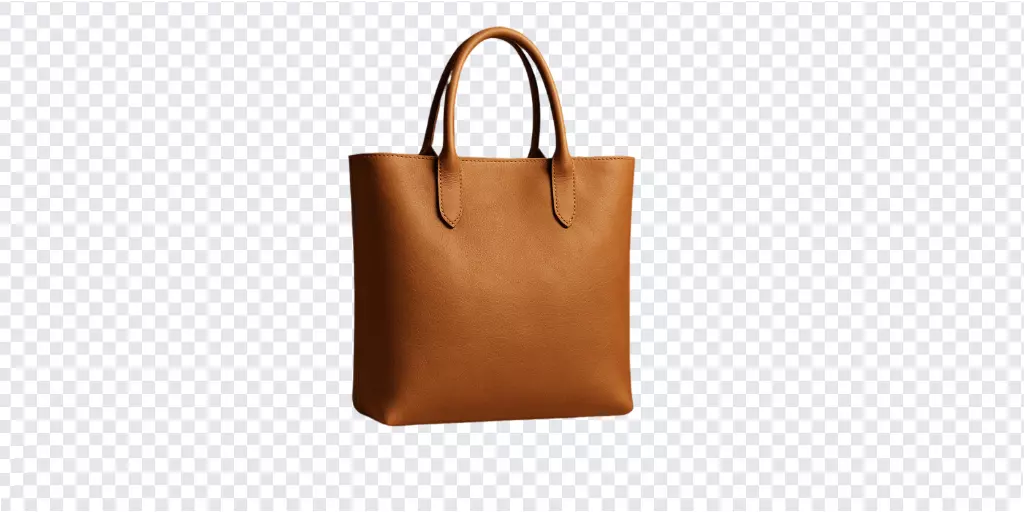
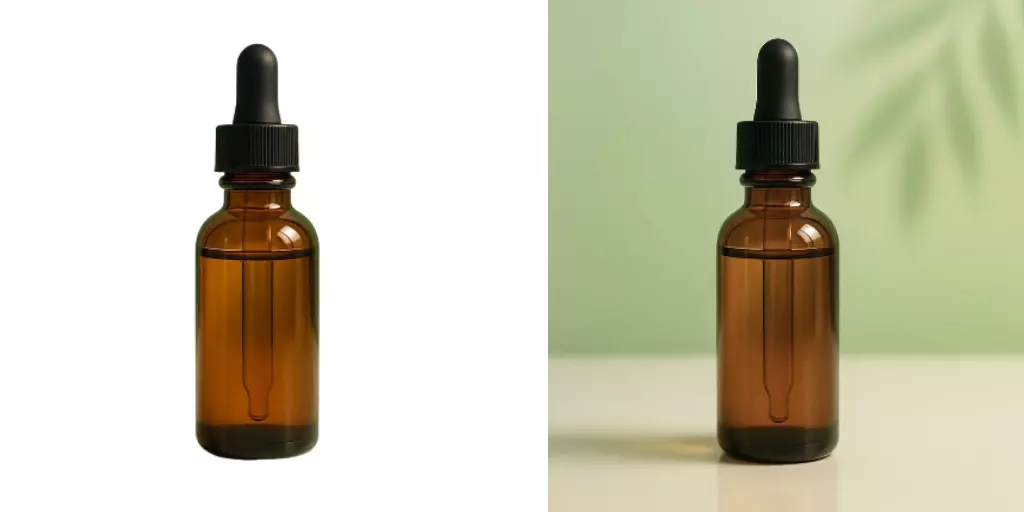
(See image: Side-by-side product photo showing a neutral background versus a vivid red background used for a holiday sale banner.)
Why red backgrounds convert in seasonal and promotional visuals
- Attention and urgency: Red is pre-associated with alerts, clearance, and limited-time offers. In crowded feeds, a saturated red field can stop the scroll long enough for your offer to land.
- Seasonal fit: In Q4, red instantly signals holiday gifting. In Q1–Q2, deeper reds can frame Valentine’s, Lunar New Year, or “New Season” drops.
- Price framing: Red pairs well with sale badges and strike-through pricing, activating deal-seeking behavior without extra copy.
In 2026, bold chromatic backdrops dominate retail promos and social ads, particularly as shoppable video and reels reward high-contrast thumbnails. A refined red background is a reliable building block for these formats.
Color psychology and contrast: when a red background helps—or hurts
- Works best with: neutral, white, black, metallic, or cool-toned products (blue/teal/gray). These maintain crisp separation against red.
- Use caution with: red or pink products (risk of blending), warm wood tones, and detailed skin tones. Introduce separation via a light rim, drop shadow, or cool-tinted gradient.
- Don’t sacrifice readability: Treat text and badge elements as first-class citizens. If you can’t achieve AA contrast (WCAG 2.1) for overlay text on your red, change the tint, add a solid/blur panel behind text, or switch to white background for copy-dense assets.
Tip: When in doubt, prototype two micro-variations—pure red backdrop vs. red with a subtle top-to-bottom gradient—then A/B test on a limited audience. Gradients often improve legibility without muting the overall “promo energy.”
Choosing the right red: hex codes, tints, gradients, and brand-safe ranges
- Pick a brand-safe range: Many brands define a primary red (e.g., #D32F2F to #E53935) plus one darker accent (e.g., #B71C1C to #C1121F) for shadows or gradient bases. Even if you don’t have formal brand colors, choose a tight set—one “promo red” and one “dark red”—and document them.
- Calibrate saturation: Highly saturated reds pop on RGB screens but may clip on some displays. Keep your promo red’s luminance high enough to hold detail around edges; test on both iOS and Android.
- Try restrained gradients: A linear gradient from #E53935 (top) to #C1121F (bottom) at ~120° can add dimension behind white products. Keep stops subtle to avoid banding.
- Reserve a neutral safety net: For PDPs and marketplaces that require white, keep #FFFFFF ready. Use red for banners, hero tiles, or alt gallery shots where policies allow.
Channel-by-channel specs for red background images
- PDP/PLP (your site): Use red sparingly on product detail pages—hero modules, price cut banners, or seasonal carousels. Main product shots often perform best on white or light neutral with red used for supplemental shots or badges.
- Marketplaces:
- Amazon main image: Requires pure white background (RGB 255, 255, 255). Use red backgrounds for gallery alternates, brand stores, or A+ content where permitted.
- Walmart/eBay/Etsy: Tend to favor white/neutral for product clarity; reserve red for promotional tiles, store headers, or lifestyle images where guidelines allow.
- Paid ads (Meta, TikTok, YouTube): High-contrast reds can lift thumb-stop rate. Keep safe zones for text (Meta/IG tops and bottoms) and maintain AA contrast for overlays.
- Google Shopping: Prefers clean backgrounds; reserve bold red mostly for Performance Max creative assets rather than primary product feed images.
- Organic social: Red thumbnails read well in grid views. For Reels/Shorts covers, design with center-safe zones to avoid UI interference.
Composition rules for red background promos
- Prioritize product focus: Center or rule-of-thirds placement works; avoid shrinking the product to make room for copy. Let the product occupy 60–75% of the canvas for mobile-first scannability.
- Ground the object: A soft, realistic shadow or subtle reflection prevents “floating” objects on red. Ensure shadow color is neutral/gray, not magenta.
- Badge and banner clarity: Put promo text on a solid chip or blurred panel to ensure AA contrast. Limit line length and stack short, bold phrases.
- Edge quality matters: Watch for red fringing on fine details (hair, fabric threads). Use a feathered edge or refine mask for realism.
How to create a red background image with Pixflux.AI in three steps
You can go from busy studio shot to clean promo visual in minutes without deep design skills. Here’s the fastest route using Pixflux.AI:
1) Upload your original image Open Pixflux.AI and add your photo—product on a cluttered table, lifestyle scene, or a model shot. If you plan to use a bold red backdrop for product photos, this is where you start.
2) Let AI process the image Choose background removal or generation. Optionally remove unwanted objects (stray cables, reflective rigs) and clean watermarks you own the rights to remove. Then apply a pure red or gradient red background that matches your brand hex.
3) Download the final asset Preview, adjust shadows or margins, and export. Save web-focused versions (JPEG/WEBP) for ads and PNG for assets requiring transparency layers or crisp badges.
(See image: Pixflux.AI interface screenshot illustrating the three-step flow: upload → AI process → download.)
Advanced tip: If you need granular control, use this five-step workflow—open, upload, pick the right tool (background remover/generator, object remover, enhancement), preview and fine-tune edges or shadows, then export in multiple sizes for PDP, ads, and social.
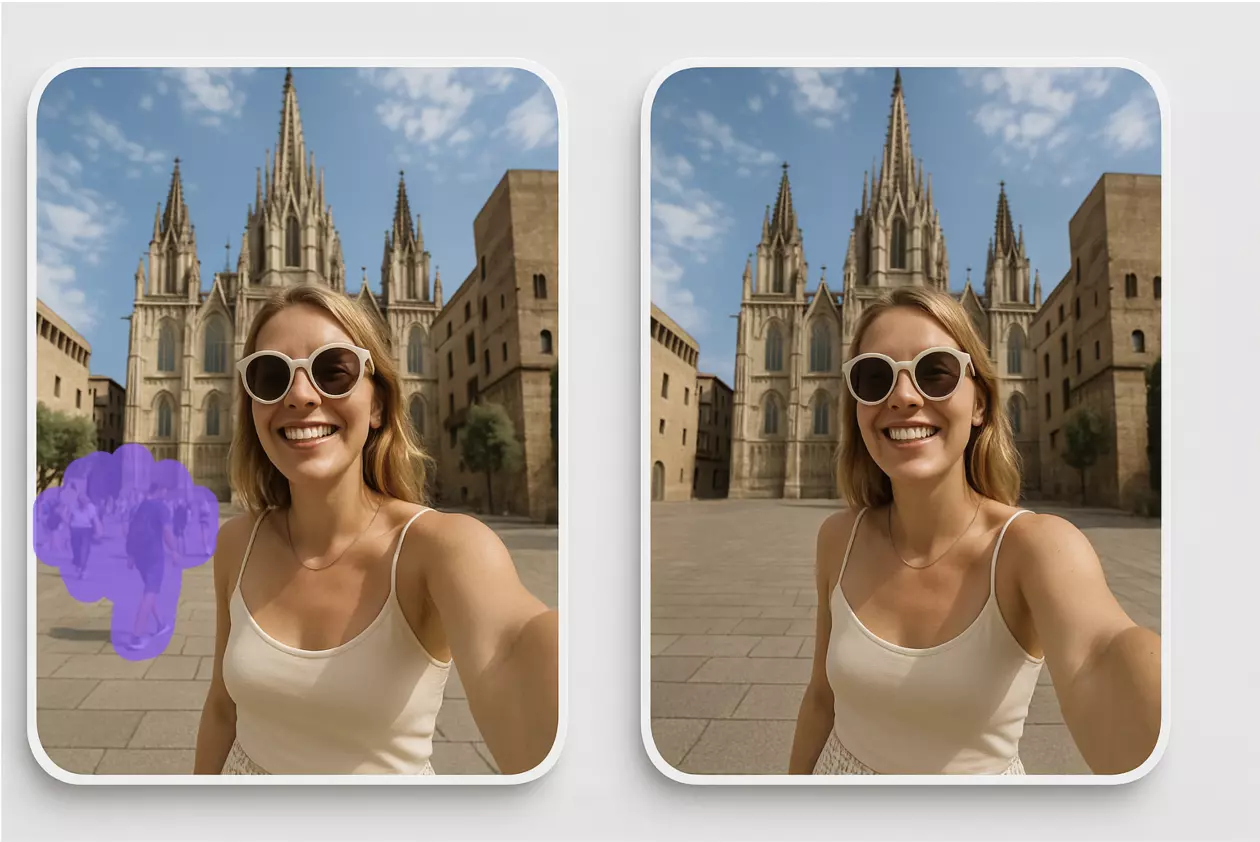
(See image: Before-and-after comparison of a product shot where Pixflux.AI removes a watermark and stray cables, then applies a clean red background.)
Workflow options: physical backdrops vs. digital generators
- Studio backdrops: Great for bulk shooting with consistent lighting; however, swapping colors later is limited and reshoots are costly. Shadows and wrinkles can introduce cleanup work.
- Digital background removal/generation: Ideal for rapid iteration across campaigns. With Pixflux.AI you can strip complex scenes, apply a standardized red background, and enhance clarity—all in a few minutes—without re-lighting or reshooting.
Hybrid approach: Shoot on neutral gray or white to capture natural shadows, then use AI to remove/replace the background and fine-tune shadows for depth.
Scaling production: templates, batch processing, and file hygiene
- Templates: Define fixed safe zones for hero, headline, price chip, and CTA sticker. Save versions by channel and aspect ratio to reduce guesswork for designers and marketers.
- Batch image processing: For weekly drops or large catalogs, upload multiple shots and apply the same red background treatment to all in one pass, then spot-check a subset for QA.
- Naming/version control: Use a clear pattern like brand_sku_campaign-red_v01_channel-size.ext. Keep a changelog for color tweaks, shadows, and export settings so wins are reproducible.
Quality control: accessibility and artifact checks
- Contrast: Validate all text and badges against the red background using AA contrast standards. If text fails, nudge your red’s luminance or add a panel.
- Edge fidelity: Zoom to 200% and inspect hairlines, transparent surfaces, and reflective edges for red fringing or halos. Refine masks where needed.
- Compression: Export WEBP or high-quality JPEG for social; avoid over-compression that introduces color banding in red gradients. Keep sRGB color profile.
- File sizes and variants: Create multiple sizes per channel to prevent in-app compression surprises. Test on iOS/Android and dark mode backgrounds.
Case studies: planning A/B tests and before–after comparisons
- Test design variables: Pure red vs. gradient, badge placement, product scale, and copy weight. Hold the product and price static to isolate the impact of the background.
- Segment by product color: Red backgrounds may outperform for white/black products but underperform for red/pink SKUs; split your test cohorts accordingly.
- Document learnings: Capture side-by-side comps and outcomes, then standardize what wins into your templates.
(See image: Side-by-side product photo showing a neutral background versus a vivid red background used for a holiday sale banner.)
Compliance and brand guidelines: legibility, trademarks, and watermark policies
- Respect marketplace and ad rules: If a platform requires white or neutral main images, keep red for banners, headers, or alt images where permitted.
- Trademark and watermark ethics: Only remove watermarks, logos, or marks from assets you own or are explicitly licensed to edit. Do not use watermark removal to bypass copyright or platform restrictions.
- Brand consistency: Lock hex codes, gradients, and shadow angles in a mini-style guide so red stays cohesive across teams and campaigns.
AI tool vs. traditional methods
- Time cost: Manual masking, color fills, and edge refinement in legacy software can take 20–40 minutes per image; an online AI tool typically handles this in minutes, at scale.
- Learning curve: You don’t need pro-level retouching skills to create polished promo visuals with Pixflux.AI; the tool streamlines removal, generation, and enhancement into a guided flow.
- Batch efficiency: AI excels at consistent, bulk output—especially when you need to roll out a red theme across hundreds of SKUs for a weekend sale.
- Cross-team readiness: Templates and standardized color variables make it easier for growth, brand, and merch teams to align quickly without back-and-forth on file prep.
FAQ: red background usage in e-commerce campaigns
When should I use a red background instead of white?
Use red for seasonal, promotional, or attention-grabbing placements and keep white for core PDP images. Red excels in hero banners, ad creatives, social covers, and limited-time offers where urgency matters. For product feeds and marketplace main images, white or light neutrals typically perform better and align with platform policies. Split your creative between “sell the click” (red) and “sell the product details” (white).
Which hex codes are safe starting points for a promo red?
Start with a saturated but brand-safe range like #E53935 for the base and #C1121F for depth. These values strike a balance between vibrancy and readability. If overlays fail AA contrast, shift the base slightly darker or add a panel behind text. Always document your chosen red(s) and test on iOS and Android to catch display shifts.
How do I keep text legible on a red background?
Use AA-compliant contrast, short lines, and a solid or blurred panel if needed. White or near-white text often works, but it must meet contrast requirements. If your red is too bright, darken it slightly or add a translucent chip behind the headline and price. Validate with contrast checkers, especially for small copy and legal lines.
Will a red background cause ad or marketplace disapprovals?
It can if you use it on restricted placements like marketplace main images; otherwise it’s usually fine. Platforms such as Amazon require pure white for primary product images; use red for store banners, A+ content, or ads where colors are allowed. Ad networks generally accept red backgrounds, but avoid misleading overlays and ensure text is readable to meet creative policies.
Can I batch-convert many product photos to a red background?
Yes—batch processing makes seasonal rollouts much faster. With Pixflux.AI, you can upload multiple images, remove their backgrounds, clean distractions, and apply a consistent red style in one run. Always spot-check a sample for edges, shadows, and compression before publishing at scale.
Is watermark removal acceptable for promo assets?
Only if you own the rights or have explicit permission. Use watermark or logo removal strictly for your licensed content (e.g., supplier-provided shots you’re authorized to edit). Do not remove marks from third-party images you don’t control; follow copyright and platform guidelines at all times.
How do I avoid color banding or artifacting in red gradients?
Use subtle gradients, export with sufficient quality, and stick to sRGB. Heavy compression creates visible bands in red fields. Keep gradient stops close, export to high-quality JPEG or WEBP, and test on different devices. If banding persists, introduce a light texture overlay at very low opacity to mask steps.
Conclusion and next steps
Red backgrounds are a proven lever for seasonal spikes, clearance moments, and social-first promos. When you standardize your reds, respect contrast, and lock composition rules, you get fast, repeatable creative that scales across PDPs, ads, and short-form video covers. An AI workflow removes the heavy lifting—masking, cleanup, background generation—so marketers can focus on messaging and offers.
Ready to build your first set? Open Pixflux.AI to apply a clean red background to a product shot, export channel-ready sizes, and ship a cohesive promo kit today.