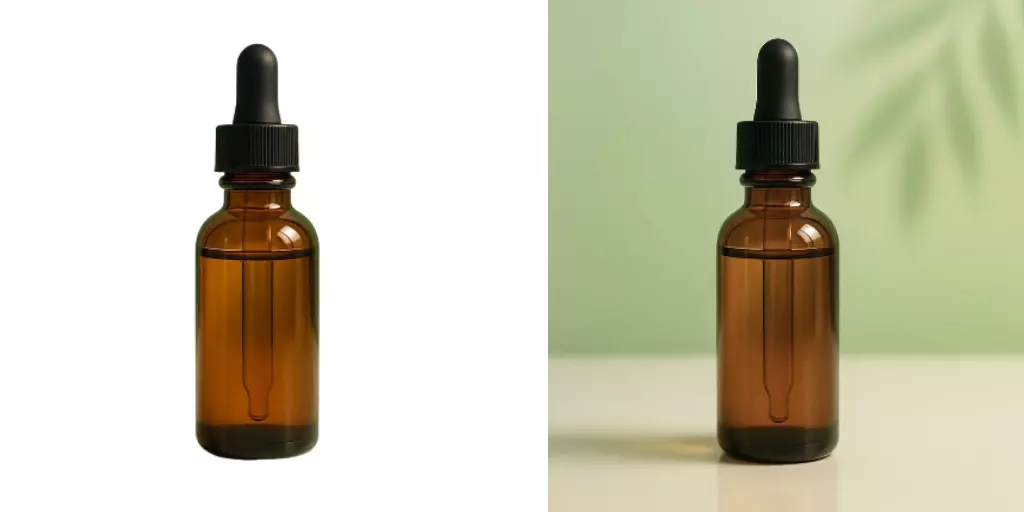
Increase the Quality of a Picture for Social, Ads and Print in One Workflow
Boost one master photo with AI, then auto-export perfect sizes for Instagram, ads, and print—fewer artifacts, sharper details, and a consistent look everywhere.
 Sierra CappelenDecember 2, 2025
Increase the Quality of a Picture for Social, Ads, and Print in One Workflow
Your marketing calendar won’t wait for perfect source files. One image needs to look crisp in an Instagram carousel, a display ad, and a printed flyer—all with different sizes, compression, and viewing distances. Meanwhile, social and ad platforms crush files with heavy compression, and print still demands clean detail. The result: inconsistent quality, extra rework, and missed launch windows.
A practical fix is to upgrade quality once at the master stage—then export channel‑specific versions from that same enhanced file. In 2025, AI super‑resolution is good enough to retain edges and textures with fewer artifacts. With an online enhancer like Pixflux.AI, you can increase quality of picture files in minutes and keep details intact as you repurpose that asset for social, ads, and print.
Below is a streamlined, repeatable workflow your team can run every week without a steep learning curve.
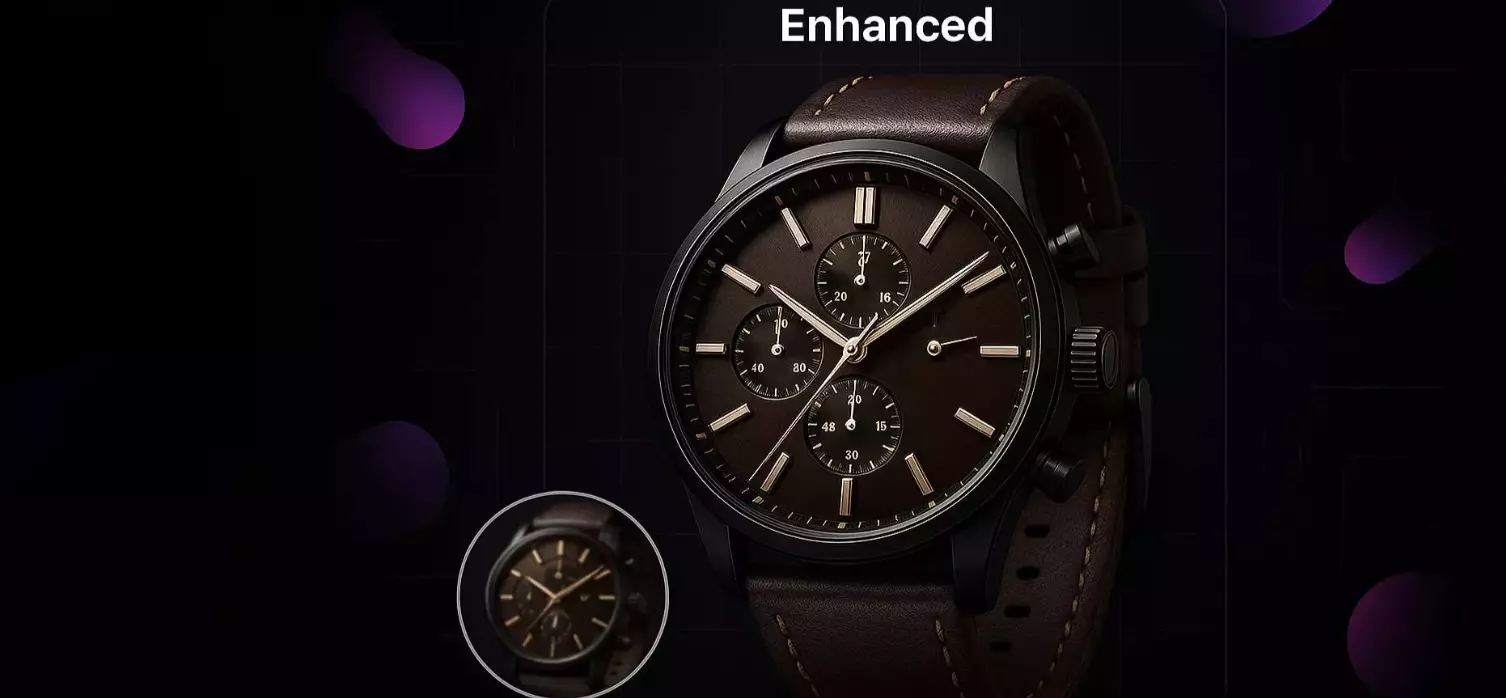
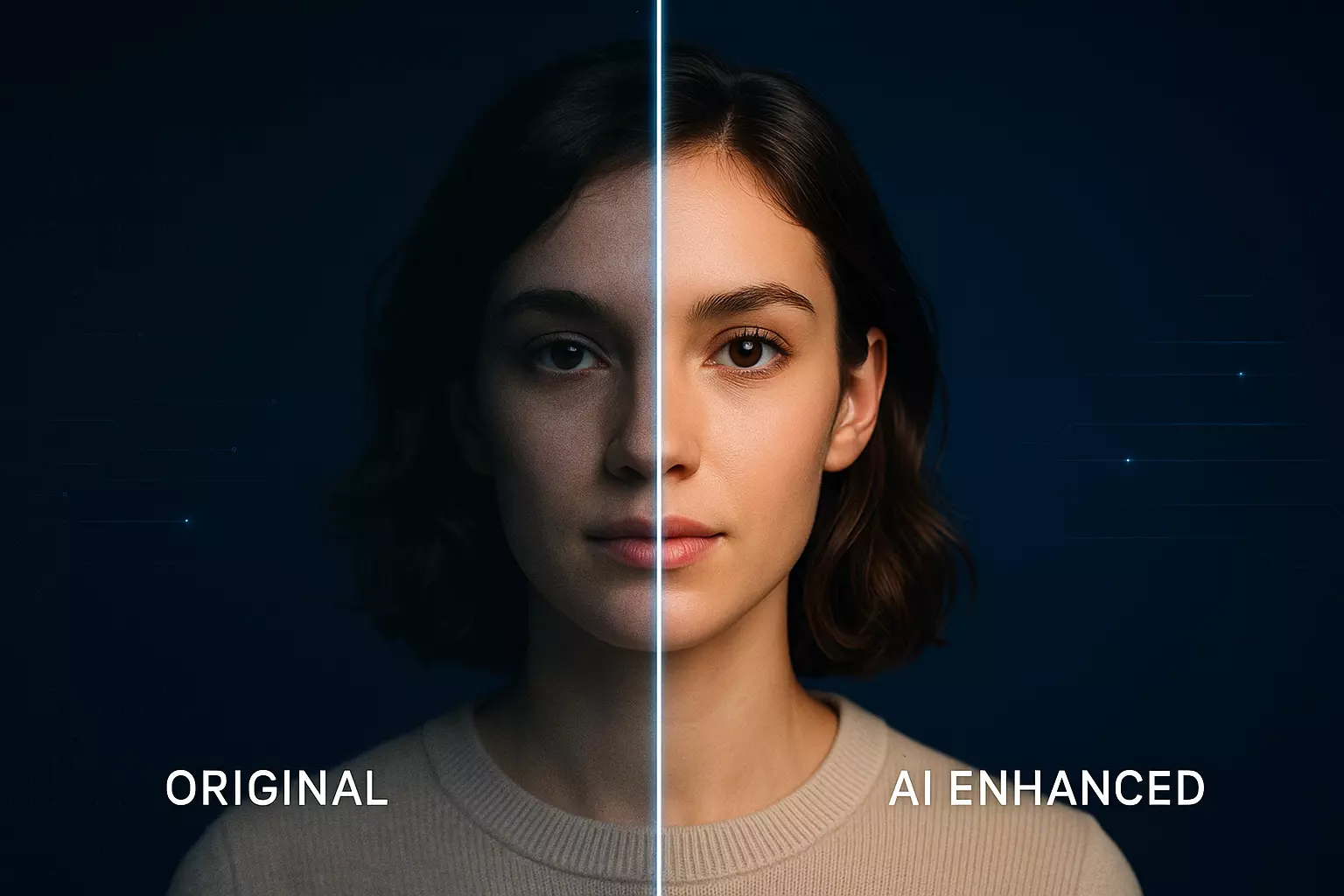
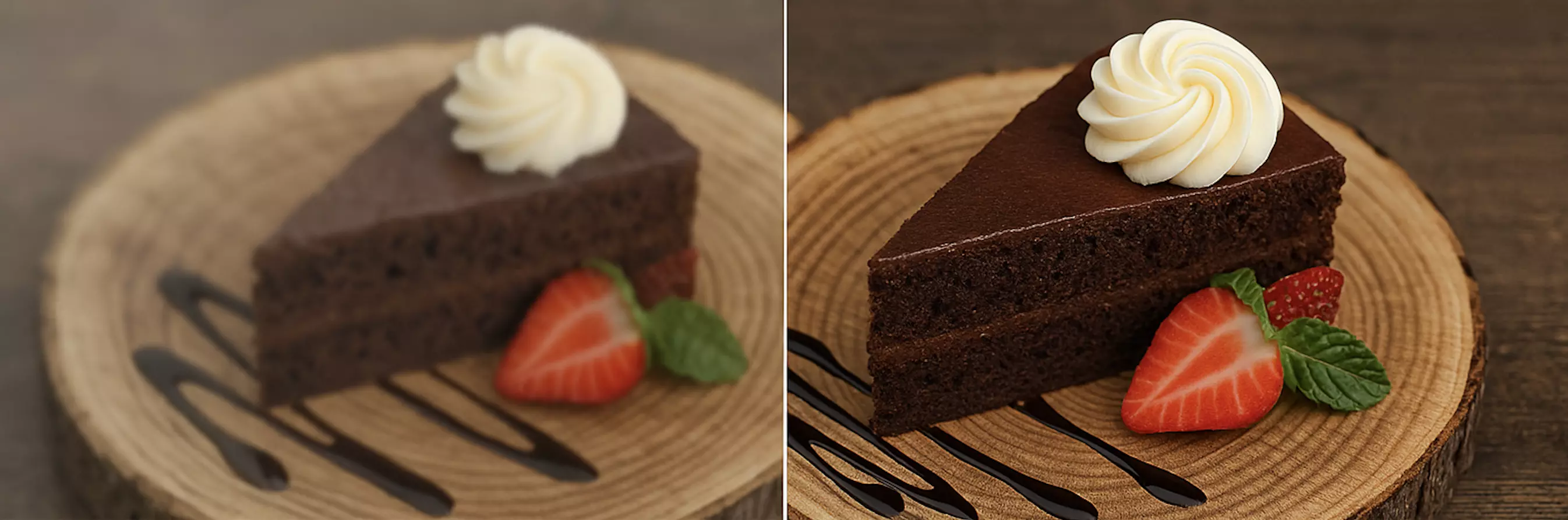
(See figure: side‑by‑side of an original vs. enhanced master, and three outputs—Instagram portrait, a 1200×628 ad, and a 300 DPI print.)
One workflow to increase image quality across channels
The goal is to do quality work once, not three times. Here’s the high‑level map:
1) Start from the best available source (RAW > TIFF > high‑res JPEG). 2) Use AI enhancement plus upscaling to restore detail and clean noise. 3) Create channel‑specific versions (sizes, aspect ratios, color spaces, and DPI for print) from the master. 4) Batch this process for similar assets to keep brand consistency across campaigns.
Pixflux.AI helps with the master step: enhancement, upscaling, and optional cleanup (like removing stray objects or busy backgrounds that distract in ads). Then export your social/ad/print versions from that improved file using your design tool or ad platform specs.
What “image quality” really means
When teams talk about “better quality,” they’re often bundling multiple attributes:
- Resolution: Pixel dimensions. Bigger isn’t always better—but undersized images fall apart after platform compression.
- Sharpness and micro‑contrast: Edge clarity without halos or crunchy artifacts.
- Noise: Random grain, especially visible in shadows or low light.
- Color accuracy: True‑to‑life hues and stable skin tones across displays and print.
- Compression artifacts: Blockiness and color banding from repeated JPEG saves or aggressive platform compression.
AI enhancement should improve these without introducing side effects. The key is balancing denoise and sharpening so textures feel natural.
Pick a solid master file: RAW vs JPEG, color space, and the “300 DPI myth”
- RAW or TIFF as master is ideal. If you only have a JPEG, choose the highest resolution and least compressed version.
- Color space: sRGB is standard for web and ad platforms; it reduces surprises on consumer screens. For print, your printer may request CMYK with a specific ICC profile—convert at the export stage in your design software.
- The 300 DPI myth: DPI doesn’t add detail by itself. It’s a print‑specific setting tied to pixel dimensions and print size. If your file is 1200×1800 px and you print at 300 DPI, the max print size is 4×6 inches. If you need larger print sizes, upscale your pixel dimensions first—then set DPI for output.
AI enhancement and upscaling: retain detail, avoid halos and noise
AI super‑resolution in 2025 is much better at preserving edges, hair, fur, fabric weave, and gradients without waxy smoothing. For best results:
- Denoise before sharpening. Clean noise so sharpening doesn’t accentuate grain.
- Modest sharpening wins. Over‑sharpening creates halos (bright rims along edges) and crunchy textures.
- Upscale with a purpose. 2× or 4× upscales are common. Don’t upscale more than you need for your largest output.
- Keep skin tones natural. Watch for color shifts in reds and yellows.
Pixflux.AI’s enhancement can recover clarity and lift overall contrast while keeping textures believable—your master will survive platform compression more gracefully than a soft or noisy original.
Hands‑on in Pixflux.AI: from upload to enhanced master
Use this simple five‑step routine whenever you need to improve a batch of campaign images.
1) Open Pixflux.AI Go to the photo enhancer to improve image quality from the best source file you have.
2) Upload your image Drop in the RAW/TIFF/JPEG. For multiple assets, upload them together to prepare for batch processing.
3) Choose the enhancement tool and let AI process Apply AI enhancement and, if needed, upscale (e.g., 2×) to reach your largest target output. Optional refinements: remove a distracting background, clean a stray object, or remove a watermark from assets you own or are licensed to edit.
Compliance note: Only remove watermarks or marks on images you own or have permission to modify. Do not use watermark removal to bypass copyright or platform policies.
4) Preview and fine‑tune Zoom to 100–200% to check edges, skin tones, fabric, and gradients. If it looks over‑sharpened, reduce intensity or try a smaller upscale factor.
5) Download the enhanced master Save your upgraded file. This becomes your “single source of truth” for all channel exports.
(See figure: Pixflux.AI interface showing Upload → AI processing → Download with a zoomed preview.)
Export the right sizes for Instagram, ad platforms, and print
From the enhanced master, export channel‑specific versions using your design tool or media manager. Recommended starting points:
- Instagram (2025)
- Portrait feed: 1080×1350 px (4:5)
- Square feed: 1080×1080 px (1:1)
- Stories/Reels: 1080×1920 px (9:16)
- Use sRGB JPEG at high quality (85–92). Keep text within safe margins; IG compression is aggressive.
- Display and social ads
- Facebook/LinkedIn link image: 1200×628 px (1.91:1)
- Google Display common sizes: 1200×1200 (square), 1200×628 (landscape), maintaining platform guidelines.
- Export sRGB JPEG or PNG (PNG for flat graphics/transparent backgrounds).
- Decide the physical size first, then set DPI. Example: An A4 poster at 300 DPI needs ~2480×3508 px.
- Use TIFF or high‑quality JPEG. Convert to CMYK with the ICC profile provided by your print vendor.
- Soft proof in your design app to preview color shifts.
(See figure: grid preview—1080×1350 Instagram, 1200×628 ad, and A4 at 300 DPI, all derived from one master.)
Batch your look across campaigns
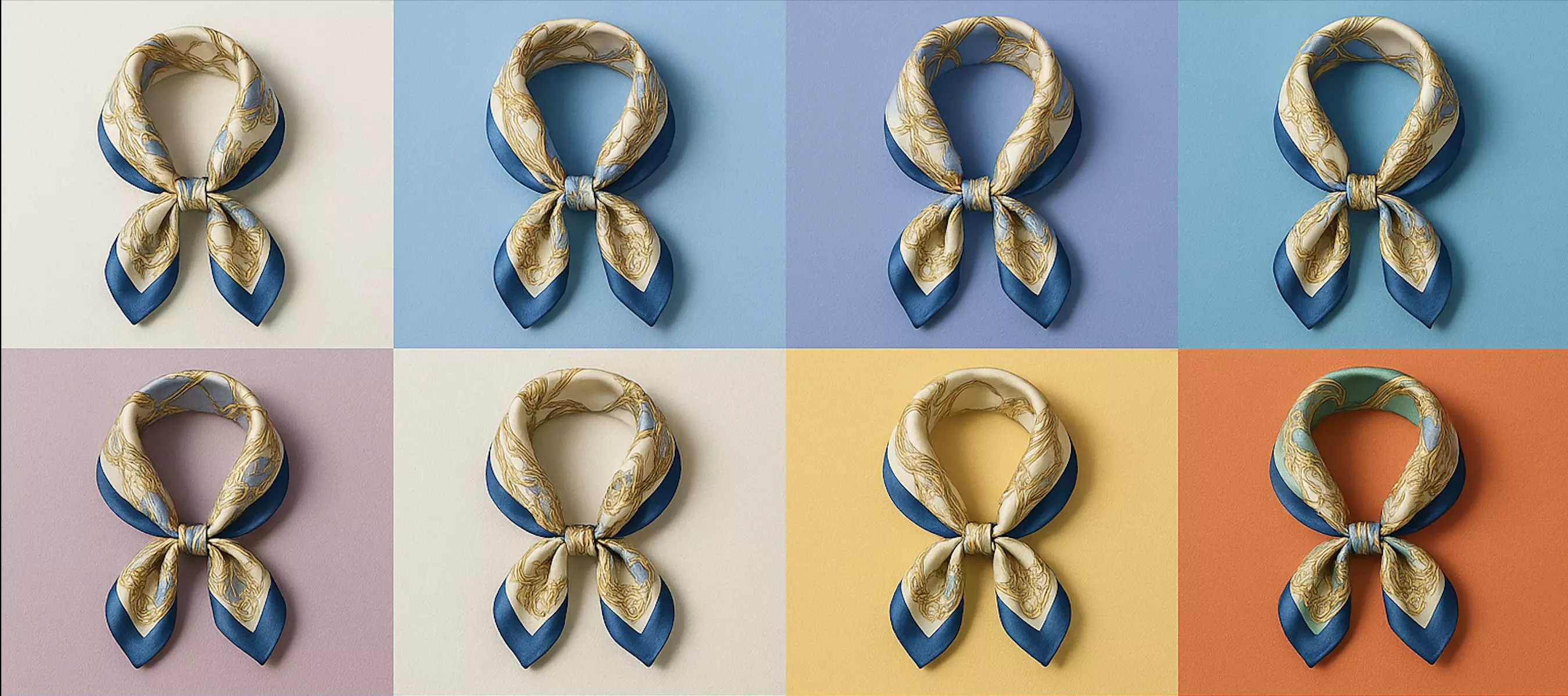
Scaling content for multi‑asset campaigns is where time savings compound. In Pixflux.AI, you can upload multiple images and run AI enhancement, background cleanup, or unwanted‑object removal in one pass. This keeps the micro‑contrast and clarity consistent across a product set—useful for ecommerce catalog refreshes, UGC‑heavy social calendars, or seasonal ad variations.
After downloading your enhanced masters, apply your export presets in your design tool to produce the final channel sizes quickly.
Quality verification: quick checks that catch 90% of issues
- 100–200% zoom test: Inspect eyes, hair, logos, and fine patterns. Look for halos, ringing, or smudged detail.
- Gradient and sky check: If you see banding, export at higher quality or add subtle dithering.
- Histogram sanity: Clipped highlights or crushed blacks may signal over‑contrast; re‑tune and re‑export.
- Color consistency: View on a calibrated display. For print, soft proof with the vendor ICC profile and run a small test print when color is critical.
- Before/after metrics: Compare file size and pixel dimensions. An enhanced master should remain clean after one additional round of compression from the platform.
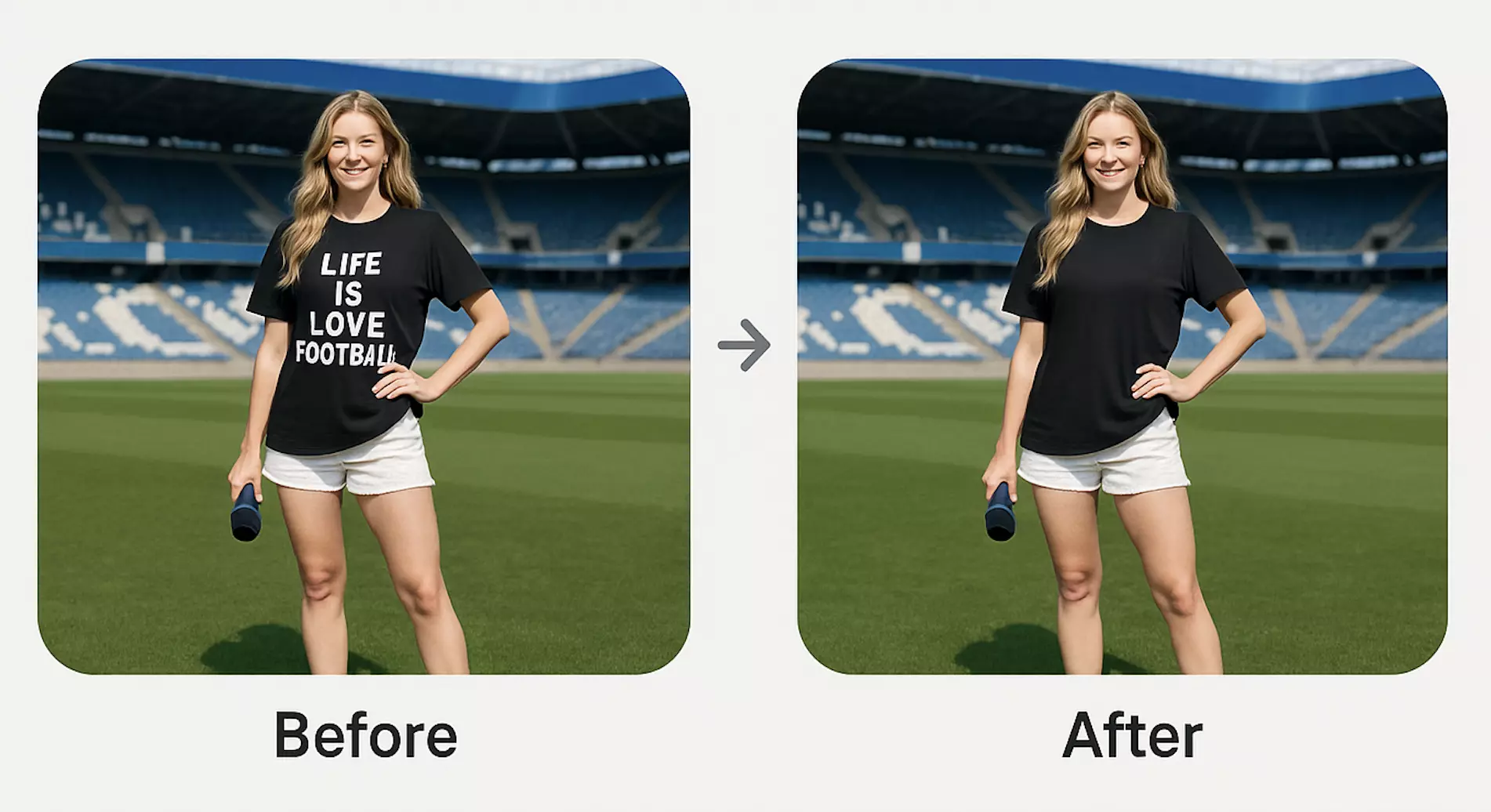
(See figure: before/after zoom crops highlighting edges, text clarity, and gradient smoothness.)
Ethical editing and rights
- Only enhance, retouch, or remove watermarks from images you own or are licensed to modify.
- For recognizable people or private properties, ensure you have the required releases, and follow platform disclosure rules.
- Credit contributors where contracts or norms require attribution.
Troubleshooting when you “increase quality of picture” assets
- Banding in skies or gradients: Export at higher JPEG quality, or switch to PNG. Add mild noise/dither to smooth transitions.
- Oversharpening halos: Reduce sharpening strength or try a smaller upscale factor (e.g., 2× instead of 4×).
- Plastic skin or waxy textures: Lower denoise, or reprocess with a detail‑preserving setting.
- Color shifts between web and print: Confirm sRGB for web exports; convert to your printer’s CMYK profile for print and soft proof.
- Compression artifacts after upload: Start from the enhanced master and export at slightly higher quality; avoid multiple re‑saves of JPEG.
- Mismatched aspect ratios: Crop thoughtfully before export; don’t stretch. Maintain subject framing for each platform’s safe area.
AI online tools vs. traditional software or outsourcing
- Time cost
- AI online tool (e.g., Pixflux.AI): Minutes from upload to enhanced master; easy handoff to export sizes.
- Traditional pro software: Deep control but slower setup; manual denoise/sharpen curves; heavier retouching time.
- Outsourcing: Good for complex compositing, but you lose hours to briefings, revisions, and delivery cycles.
- Learning curve
- Online AI: Low. Intuitive steps and fast previews.
- Pro desktop tools: High. Powerful but require expertise to avoid artifacts.
- Outsourcing: Low for the operator, but quality depends on communication and vendor skill.
- Batch and scale
- Online AI: Batch‑friendly for multiple product shots, UGC sets, or ad variations—consistent look from one pass.
- Pro tools: Batch possible with actions, but requires setup and maintenance.
- Outsourcing: Scales with budget and vendor capacity; slower iteration.
- Cross‑team fit
- Online AI: Lightweight and accessible across marketing, design, and content teams without complex onboarding.
- Pro tools: Best for specialist designers and retouchers.
- Outsourcing: Useful for peaks, but slower when you need rapid experiments.
Pixflux.AI sits in the “fast, reliable default” category: enhance, upscale, clean, and move on to creative layout without adding a full retouching sprint.
Bonus: background and object cleanup for higher ad clarity
Even a sharp image can underperform if the scene is cluttered. Consider:
- Background removal or replacement: Swap busy scenes for clean, brand‑consistent backdrops that read well at small sizes.
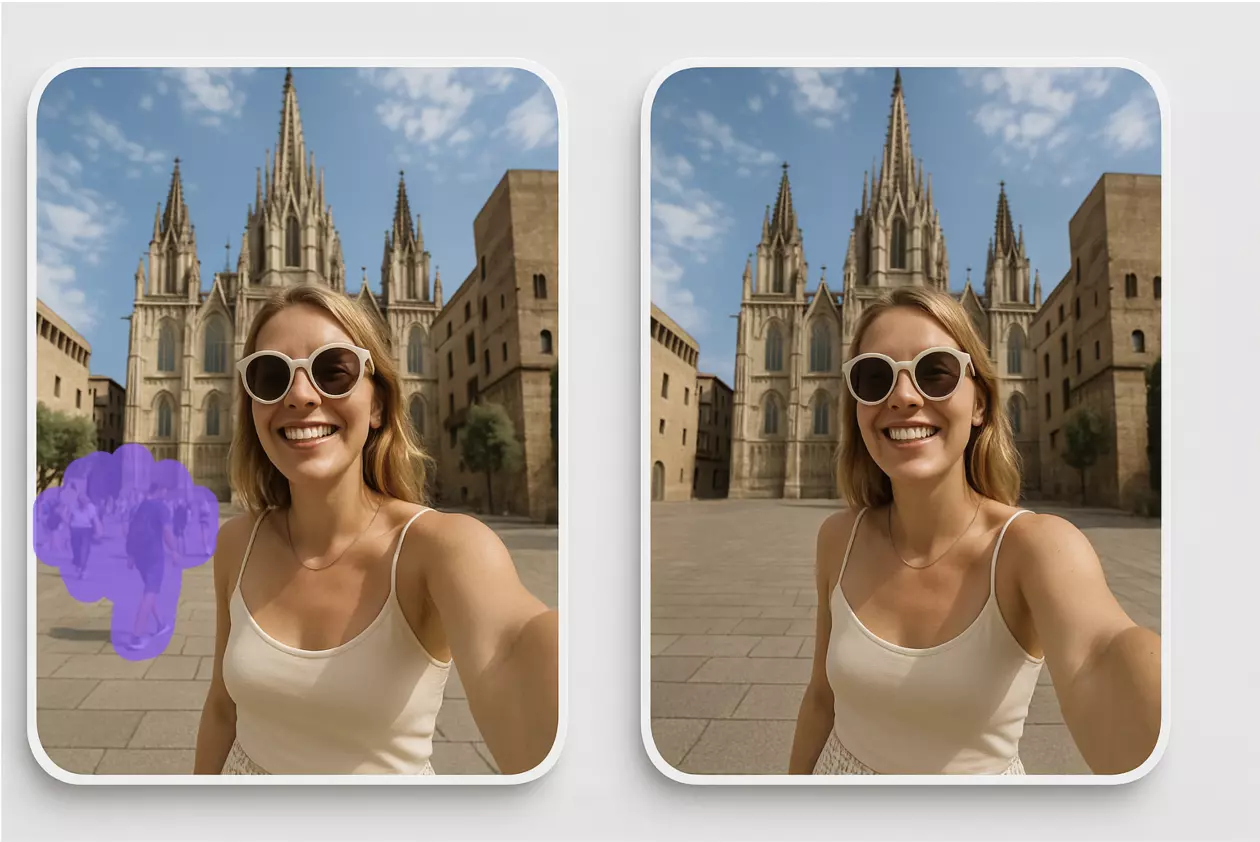
- Remove distractions: Stray cables, reflections, or passers‑by can be eliminated to focus attention on the product.
- Safe watermark removal: Only for content you own or have rights to edit; never to bypass attribution or licensing.
These adjustments, available in Pixflux.AI, often lift click‑through and conversion because the subject “scans” faster in crowded feeds.
Quick How‑To recap: the 3‑step version
- Upload your original image.
- Let Pixflux.AI enhance and optionally upscale.
- Download the upgraded master and export channel sizes.
Conclusion and next step
A single, enhanced master simplifies your entire creative workflow: better resilience to social and ad compression, cleaner prints at realistic sizes, and faster multi‑asset production each week. AI super‑resolution has matured, and brands increasingly prefer unified workflows that repurpose one asset everywhere with confidence.
If you’re ready to ship sharper campaigns with less rework, try Pixflux.AI’s photo enhancer to enhance photo quality and build your “one master → many outputs” system today.