Pixflux.AI Update: Faster Background Removal + Cleaner Edges on Hair, Fur, and Transparent Items
New in Pixflux.AI: background removal gets faster with cleaner hair, fur, and glass edges—plus simple tests to prove it. Try the update and compare.
 Sierra CappelenDecember 12, 2025
Pixflux.AI Update: Faster Background Removal + Cleaner Edges on Hair, Fur, and Transparent Items
Product photos live and die on edges. Whispy fur, flyaway hair, and translucent glass are where most background removers struggle—leaving halos, chopped strands, or muddy mattes that cost you clicks on marketplaces and ads. As platforms tighten image standards in 2025 and small teams lean on browser-based tools to move faster, clean, believable cutouts are no longer “nice to have”—they’re the baseline.
This release brings a major background removal update designed to shorten your retouching cycle and improve edge fidelity on difficult subjects. If you’re moving multi-SKU catalogs or cutting social assets daily, an AI workflow that is both faster and more precise can save hours per week. You can try the new models in our background removal update and compare before/after on your own shots.
(Reference image suggestion: Pixflux.AI interface showing the Upload → AI processing → Download three-step flow for background removal.)
What’s new in the AI background remover update
We focused on three things that matter most for ecommerce and creative teams:
- Faster processing: Noticeably shorter wait times per image, so you can cycle through selects quicker and hit listing deadlines.
- Cleaner edges where it’s hardest: Hair, fur, lace, feathers, and semi-transparent items (glass, gloss plastics, gemstones) cut more naturally.
- Better alpha quality: Smoother, more stable mattes with reduced halos and fewer “crunchy” artifacts along high-contrast boundaries.
Under the hood, edge-aware matting has advanced, particularly around fine strands and translucent materials. Practically, you’ll see fewer manual fixes and more images that are ready to place on brand backgrounds right away.
(Reference image suggestion: Before-and-after comparison of a pet product image highlighting improved fur edge detail after the update.)
Speed improvements: faster turnaround, why it matters
Speed compounds across a photo workflow:
- Listings go live sooner: Upload, process, and publish in one sitting instead of bouncing between tasks waiting on renders.
- More experiments per hour: Swap backgrounds, test crops, and iterate on creative variations without the time penalty.
- Batch momentum: Bulk runs finish faster, so you can quality check and correct outliers the same day.
When your team isn’t bottlenecked by slow cutouts, the calendar opens for higher-impact tasks—brand styling, paid media tests, and richer PDP content.
Cleaner edges on hair, fur, and transparent items
The update targets the fringe cases that used to break:
- Hair and fur: Retains more individual strands and natural volume, reducing the “helmet hair” effect. Expect fewer jagged edges on backlit strands.
- Lace and mesh: Better separation of micro-gaps without over-eroding delicate patterns.
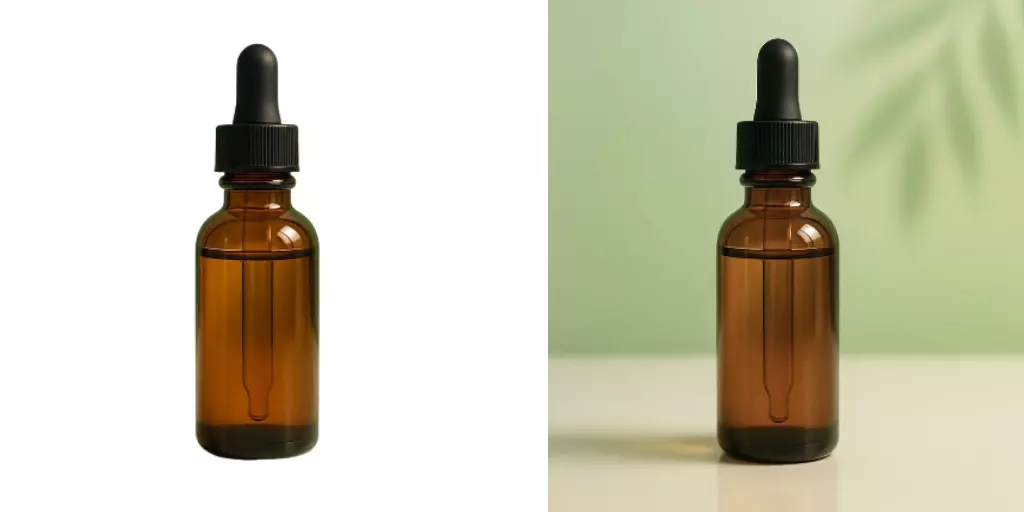
- Glass and translucency: Improved alpha smoothness avoids hard “cardboard” edges. Bottle shoulders and rims look more believable against both light and dark backgrounds.
- High-contrast scenes: Halo suppression reduces bright or dark outlines where subject and background differ sharply.
(Reference image suggestion: Transparent glass bottle product with a swapped white-to-colored background to reveal cleaner alpha edges.)
Who benefits: pet products, apparel, glassware, and jewelry
- Pet products: Fur around edges can now pass closer inspection on marketplaces. Beds, toys, and collars look cleaner without manual brushing.
- Apparel and fashion: Hairlines, lace trims, and sheer fabrics retain realism—especially helpful for banners and lookbook composites.
- Glassware and beverages: Bottles, jars, and stemware show consistent edges when placed on light or rich brand colors.
- Jewelry and small goods: Polished metal and gemstones separate cleanly from textured or colored sets.
Remove a background in Pixflux.AI: Upload → AI process → Download
The fastest way to validate the update is to run a few of your hardest images.
- Upload your image
- Drag a product or lifestyle shot with tricky edges (fur, hair, glass).
- Let the AI process the background
- The new model applies edge-aware matting automatically; no masks to draw.
- Download your result
- Save the transparent PNG or a version with a clean background.
Tip: For more control, open Pixflux.AI and use the five-step flow—open the tool, upload, choose background removal, preview and fine-tune, then download. Ready to test now? Head to the AI background remover update and run a quick before/after.
After removal, you can also:
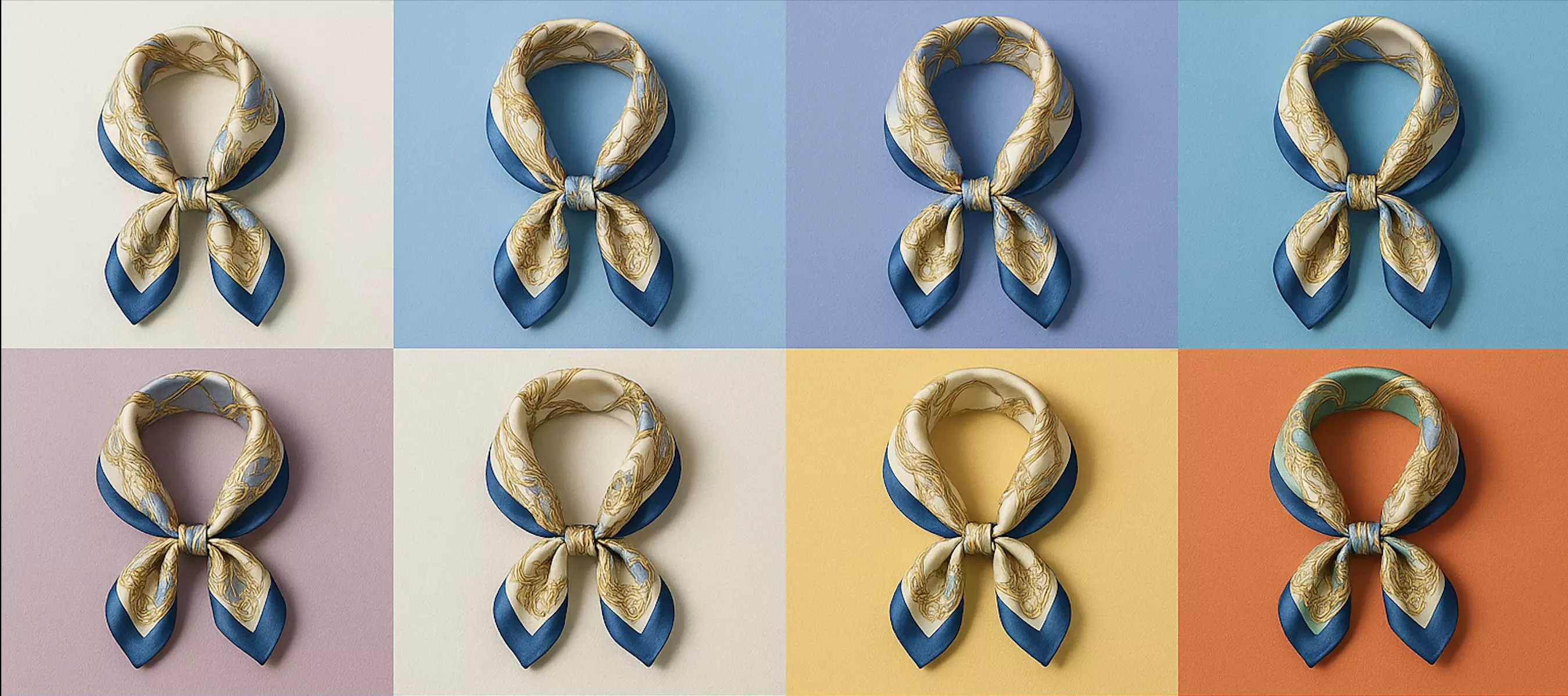
- Swap to an ecommerce-compliant background (pure white, light gray, or brand color).
- Generate on-brand backgrounds for ads and social.
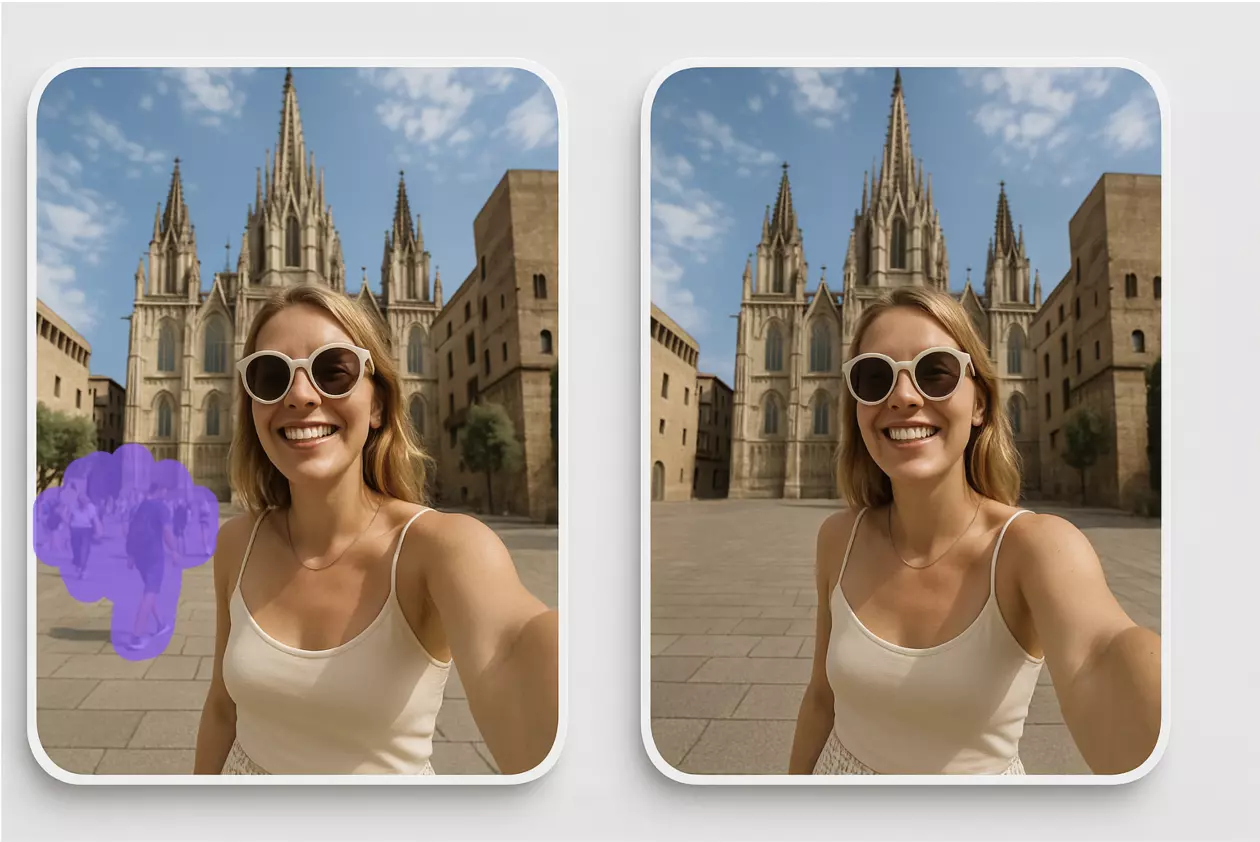
- Remove unwanted objects or stray props that distract from the hero.
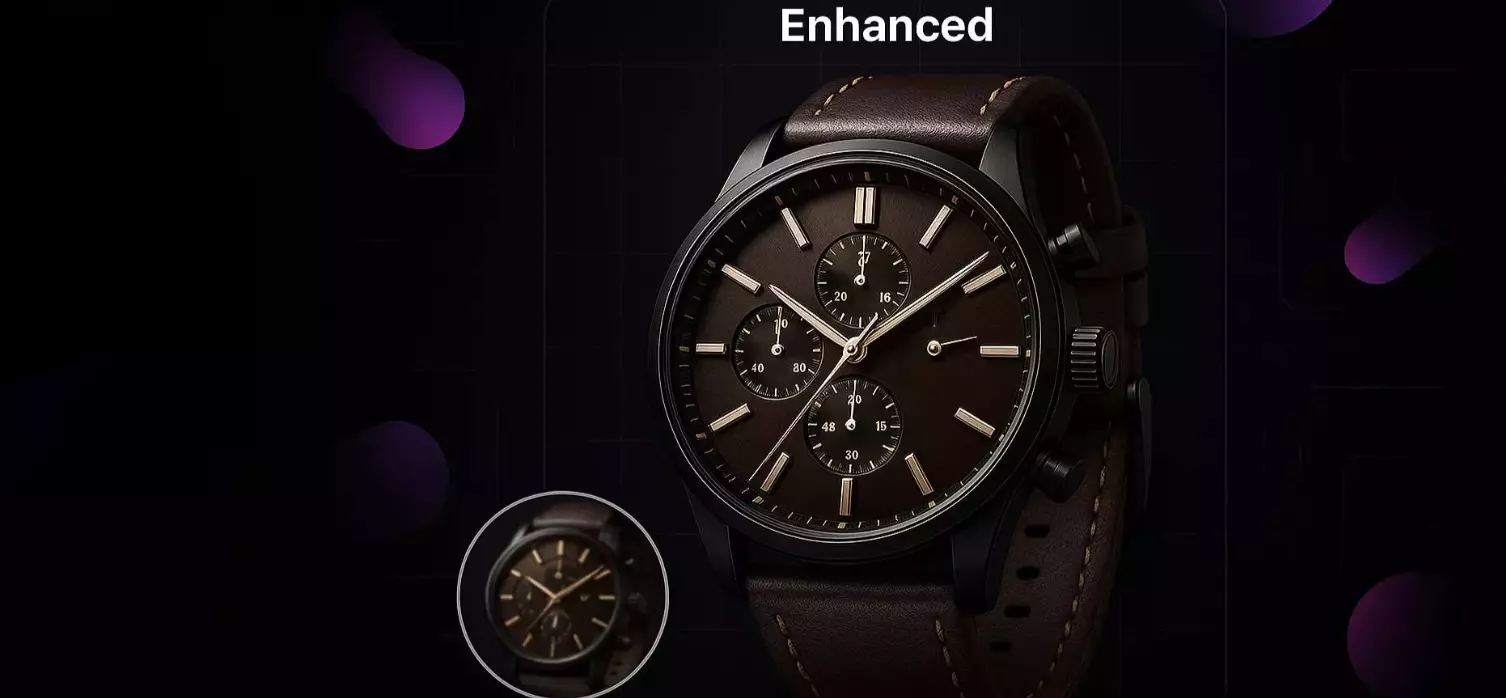
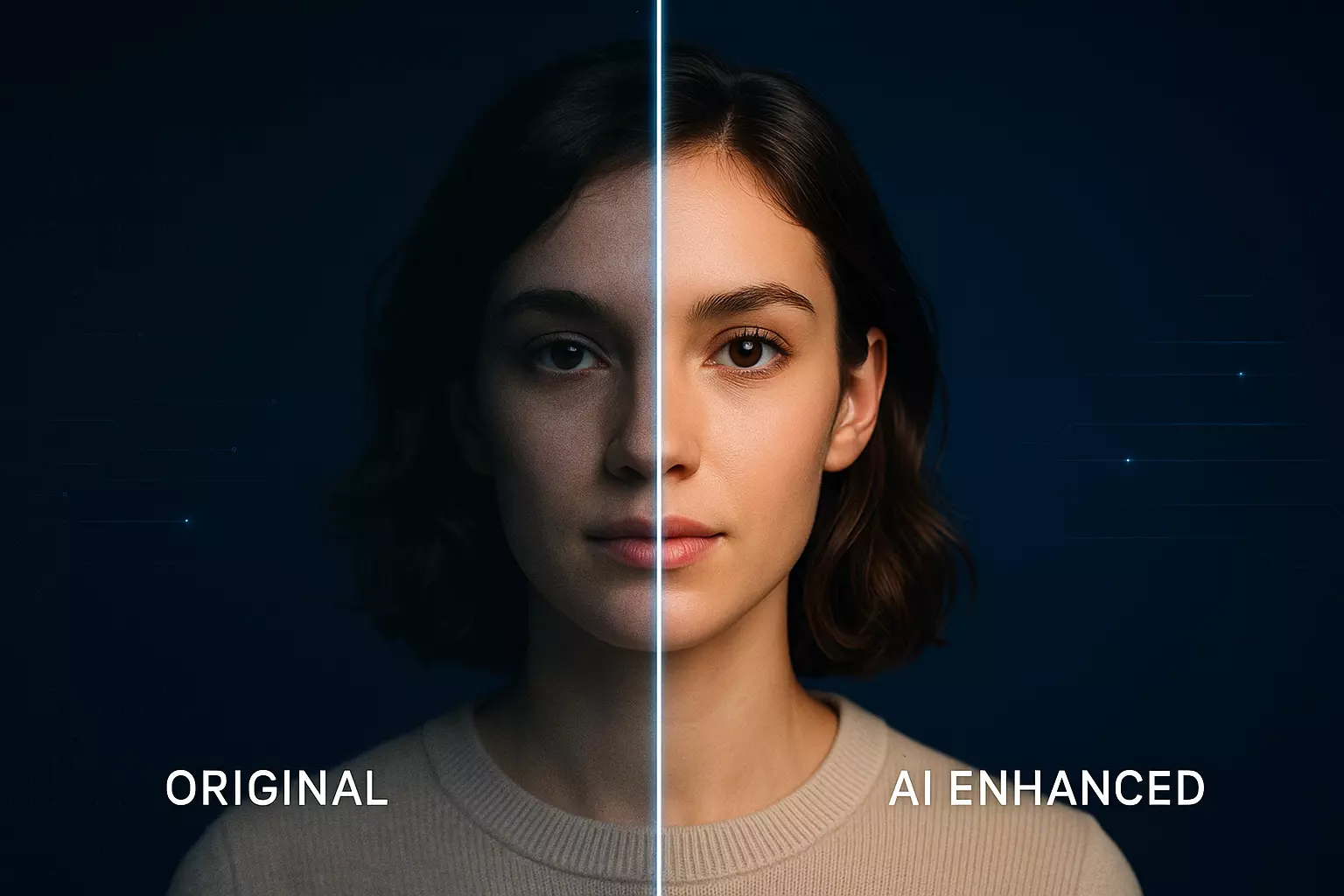
- Enhance clarity and contrast for crisper PDP thumbnails.
Validate your results: edge tests and a background swap test
A quick quality check helps you catch subtle issues before publishing:
- Zoom-in edge test (200–300%):
- Inspect hairlines, fur tips, and edges along high-contrast boundaries.
- Look for halos (bright or dark rings) and broken strands.
- Colored background swap:
- Place your cutout over a mid-tone color (e.g., #E0E0E0 or a brand swatch).
- If halos exist, they’ll show up immediately. Adjust or re-run if needed.
- Light vs. dark background flip:
- Preview on pure white and deep charcoal. Transparent edges should look equally natural on both.
- Drop shadow sanity check:
- Add a subtle shadow under the subject. If the edge feels “sticker-like,” review alpha smoothness.
- Transparency check for glass and liquids:
- Rims and shoulders should feather softly. Look for preserved highlights without hard steps.
Quality metrics explained: edge fidelity, alpha smoothness, halo control
- Edge fidelity:
- How closely the extracted edge matches the real subject boundary. High fidelity preserves flyaways and micro-details without blockiness.
- Alpha smoothness:
- The gradual blend from subject to background around translucent or fine edges. Smooth alpha avoids “posterized” steps.
- Halo control:
- The absence of bright/dark outlines after removal. Good halo control makes cutouts work on both light and dark canvases.
If you’re scoring results for a team benchmark, log 10–20 images and rate each on these three dimensions. Use the same zoom level and background colors for reliable comparisons.
Practical capture and editing tips for cleaner edges
- Shoot with separation:
- Give the subject a bit of contrast from the background—soft light against neutral backdrops reduces edge confusion.
- Avoid motion blur:
- Blurred fur or hair is harder to segment. Use faster shutter speeds where possible.
- Mind compression:
- Heavy JPEG artifacts near edges reduce fidelity. Keep higher quality exports for background removal, then compress for web afterward.
- Keep reflections consistent:
- For glass and glossy items, even lighting and flagging reduce chaotic reflections that look “cut” after removal.
- Start with enough pixels:
- 2000–3000 px on the long side is a good target for product cutouts; tiny images amplify artifact risk.
Batch workflows and file prep for consistent outputs
When processing many SKUs:
- Group by material:
- Run fur/hair items together; run glass and glossy items in another pass. It’s easier to spot pattern-specific issues.
- Standardize input:
- Similar angles, lighting, and exposure produce more consistent cutouts, which helps your brand grid match.
- Use bulk upload:
- Upload multiple images and let the tool process them in one go. Review the batch, fix strays, and export in a single session.
- Name and version:
- Keep original filenames and append suffixes like _bg-removed, _white-bg, _brand-color for clean handoffs.
- Export formats:
- Use transparent PNG for design workflows and marketplace-ready JPEGs for white-background listings.
AI online tools vs traditional methods
- Time cost:
- AI: Seconds to minutes per image, with batch capability for catalogs.
- Traditional (PS/manual): 5–30 minutes per image for complex edges, longer for glass and lace.
- Learning curve:
- AI: Upload, preview, download—minimal training.
- Traditional: Pen tool, refine edge, channels, and manual masking require specialized skills.
- Batch efficiency:
- AI: Bulk upload and consistent outputs across similar SKUs.
- Traditional: Repetitive, labor-intensive; easy to drift in style across a set.
- Team adaptability:
- AI: Anyone on the team can achieve consistent results quickly; designers can then focus on higher-value compositing.
- Traditional: Bottlenecks form around a few specialists.
Pixflux.AI gives you the speed and consistency modern teams need, while leaving room for creative control when you want to fine-tune.
Known limits and ethical use
- Tricky edge cases:
- Extremely noisy, low-resolution images or heavy motion blur may still require a second pass or minor manual touch-ups.
- Watermarks and logos:
- Remove watermarks or branded marks only if you own the content or have explicit permission. Use background removal and watermark removal features responsibly and in accordance with platform policies. Do not use them to infringe copyrights or mislead customers.
- Disclosure and realism:
- When changing backgrounds for regulated categories (e.g., some marketplaces or ads), follow disclosure rules and image guidelines for your region.
Quick checklist: try it now and compare before/after
- Pick 3–5 tough images: fur, hair, lace, glass.
- Run them through the latest Pixflux.AI model.
- Do the edge zoom and background swap tests.
- Export a transparent PNG and a white-background JPEG.
- Compare to your previous method on speed and edge quality.
- Batch a small SKU set to validate consistency across materials.
If you’re ready to see the difference in your own workflow, head to the clean edges for background remover and run a quick test. Pixflux.AI helps you remove backgrounds faster, cut cleaner edges on hair, fur, and transparent items, and ship more consistent images across your catalog—without the heavy lift.