Pixflux.AI Scene Burst Turn One Product Photo into Multiple Campaign Scenes
Turn a single product photo into a full set of on-brand scenes for ads, PDPs, and social. See how Scene Burst keeps composition, focus, and consistency.
 Emily CremerMarch 6, 2026
Pixflux.AI Scene Burst: Turn One Product Photo into Multiple Campaign Scenes
You know the drill: you have one solid product shot, but you need a dozen visuals by Friday—one for a TikTok ad, three for paid social, a hero for the Amazon PDP, and a seasonal variant for email. Studio reshoots are slow and expensive. Meanwhile, your brand team expects pixel-perfect consistency across every channel.
Enter AI background generation and batch image processing. With the right workflow, you can turn a single, clean cutout into multiple on-brand scenes without compromising composition or product focus. That’s exactly where pixflux.ai scene burst shines: it transforms one input into a complete multi-scene set built for ads, product pages, and social posts—quickly and consistently.
Brands everywhere are speeding up creative versioning and standardizing prompts and palettes to keep outputs on-brand. If you’re under pressure to deliver more assets in less time, Scene Burst gives you a practical, repeatable path.
(See image: Pixflux.AI interface showing Upload, AI process, and Download steps for Scene Burst.)
Why one product photo can power many campaigns
A well-shot product image (ideally a front-facing angle with even lighting) can carry an entire campaign if you control three things:
- Composition is locked: The subject stays centered or aligned per your layout, so cropping for 1:1, 4:5, 9:16, and 16:9 frames still looks intentional.
- Product focus is preserved: The item remains crisp and correctly lit; generated elements never overshadow it.
- Brand consistency holds: Backgrounds, props, and colors adhere to your guidelines, so every placement feels part of the same campaign family.
With AI background generation, you don’t need a dozen physical sets. One good product photo becomes your “source of truth,” and every scene variation—lifestyle, studio-inspired, seasonal—builds from there.
What is Pixflux.AI Scene Burst and when to use it
Pixflux.AI Scene Burst is a focused way to multiply marketing visuals from a single source image. It combines clean cutouts, AI background generation, and consistent rendering to produce a range of scenes:
- Lifestyle contexts (e.g., kitchen counter, outdoor patio, home office)
- Channel-specific looks (e.g., bold for paid social, minimal for PDP)
- Seasonal or promotional variants (e.g., fall palette, holiday accents)
- Localization rollouts (e.g., background cues and colorways that match regional tastes)
Use it when you need quick creative versioning for A/B tests, a campaign refresh without a reshoot, or multi-size assets while keeping the same hero product front and center. It’s especially effective when paired with clean backgrounds, watermark removal, and subtle image enhancement—so every output starts from a polished base.
How Scene Burst preserves composition, product focus, and brand consistency
Pixflux.AI’s approach anchors the product as the hero while the AI generates or refines the background around it. Here’s what that means in practice:
- Composition and scale are maintained: Your subject stays in the same relative position across variants, so layout consistency is built-in.
- Backgrounds match the brief: You can nudge style with simple prompts (e.g., “soft morning light, natural wood surface, minimal clutter”) and color references to align with your brand palette.
- No visual competition: Distractions are minimized via AI object removal and prompt constraints, keeping eyes on the product.
- Lighting continuity: Subtle shadows and reflections help the product “sit” naturally in the scene, reducing that cut-and-paste feel.
The result: a multi-scene set that feels cohesive across channels while giving you the variety needed to test and adapt.
Quick start: the 3-step Pixflux.AI Scene Burst workflow
If you want the fastest path from one photo to many:
- Upload your source image Start with a high-resolution product shot. Clean white or neutral backgrounds work best, but more complex images can be prepped too.
- Let the AI process and generate scenes Provide a short style direction (e.g., “cozy living room, neutral tones”) and select variations suitable for your channel mix.
- Download your results Save your generated scenes and organize them by channel (ads, PDP, social, email). You can always iterate with new prompts or color tweaks.
Want a bit more guidance? Follow this expanded Pixflux Scene Burst workflow for fine-grained control and quality checks.
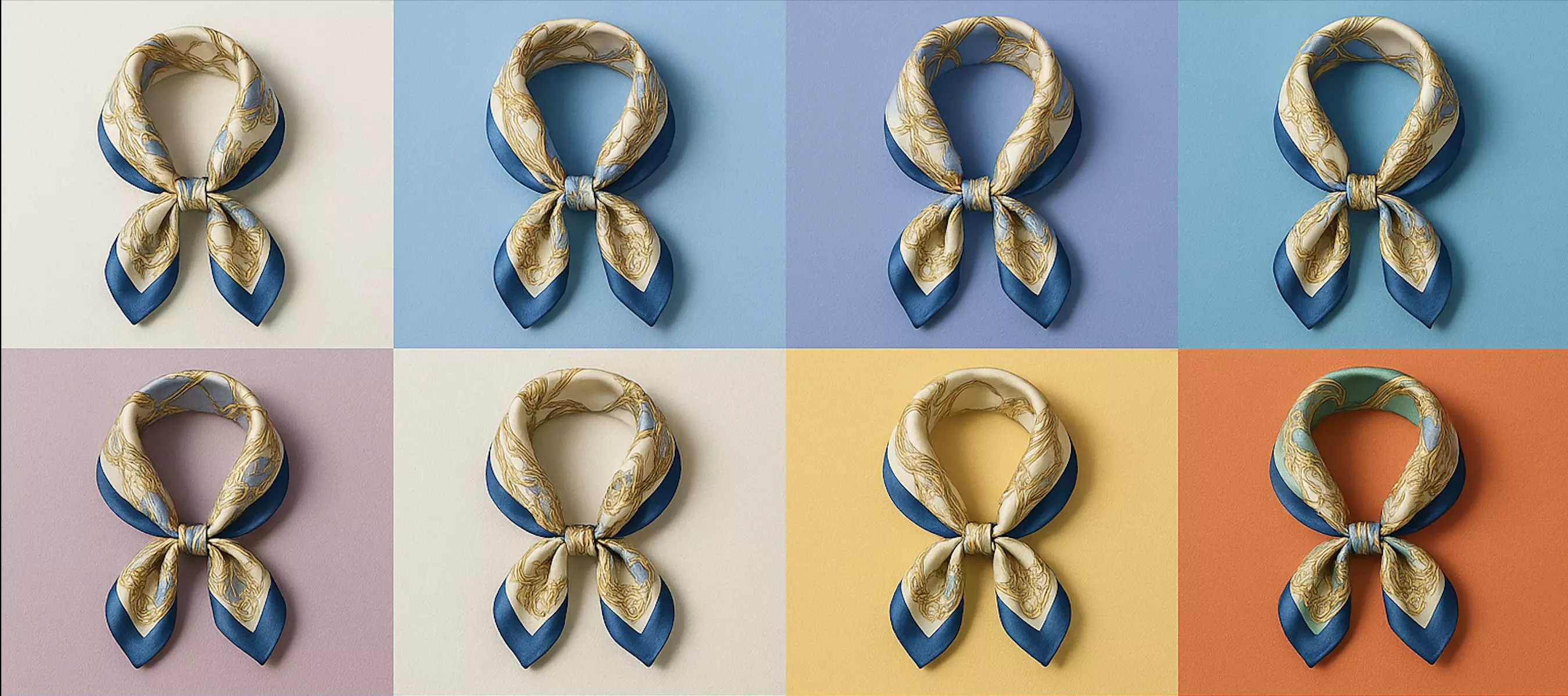
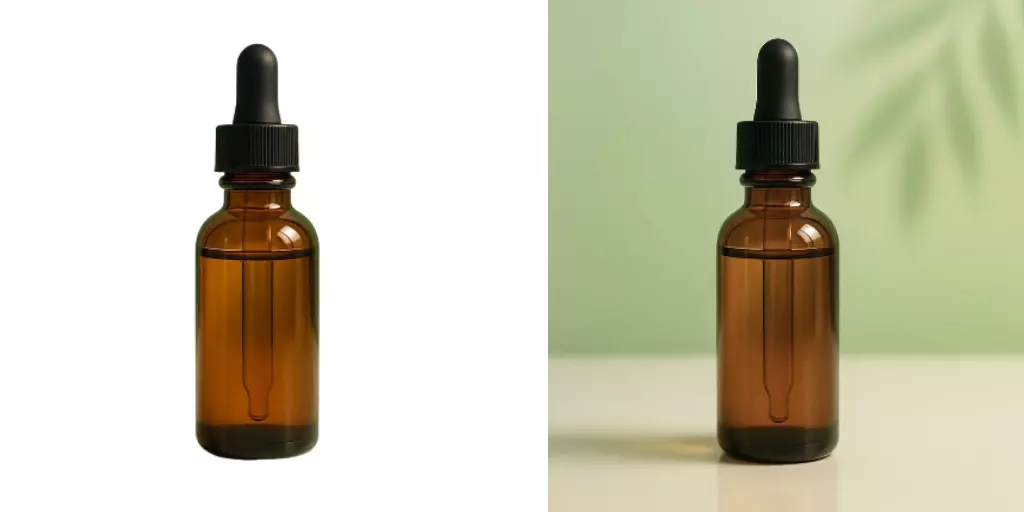
(See image: Before-and-after grid—one product cutout versus multiple generated lifestyle backdrops.)
Prepare the source image: cutouts, watermark removal, lighting checks
Getting great outputs starts with a clean input. Before you run Scene Burst:
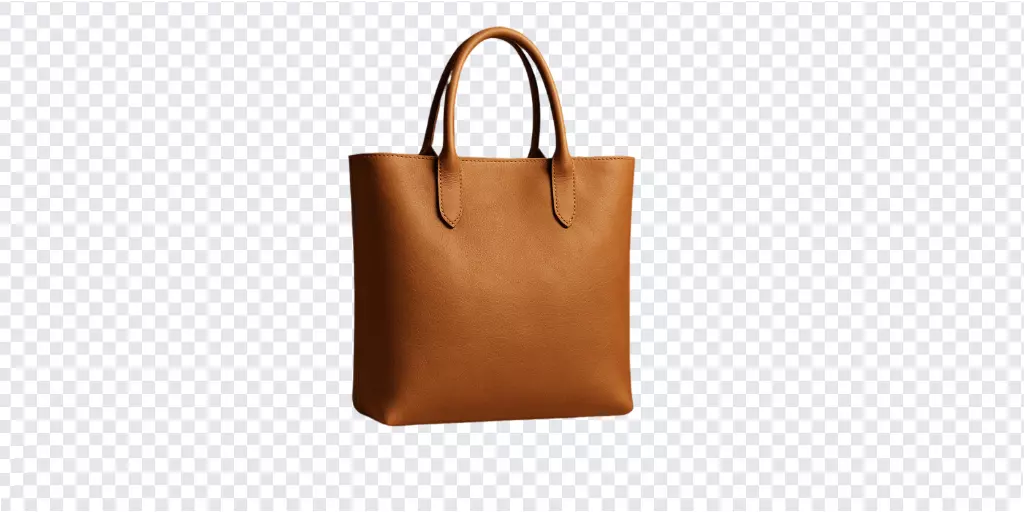
- Remove the background Isolate your product on a transparent or clean background to give the AI a clear subject. This boosts compositing quality and keeps edges crisp.
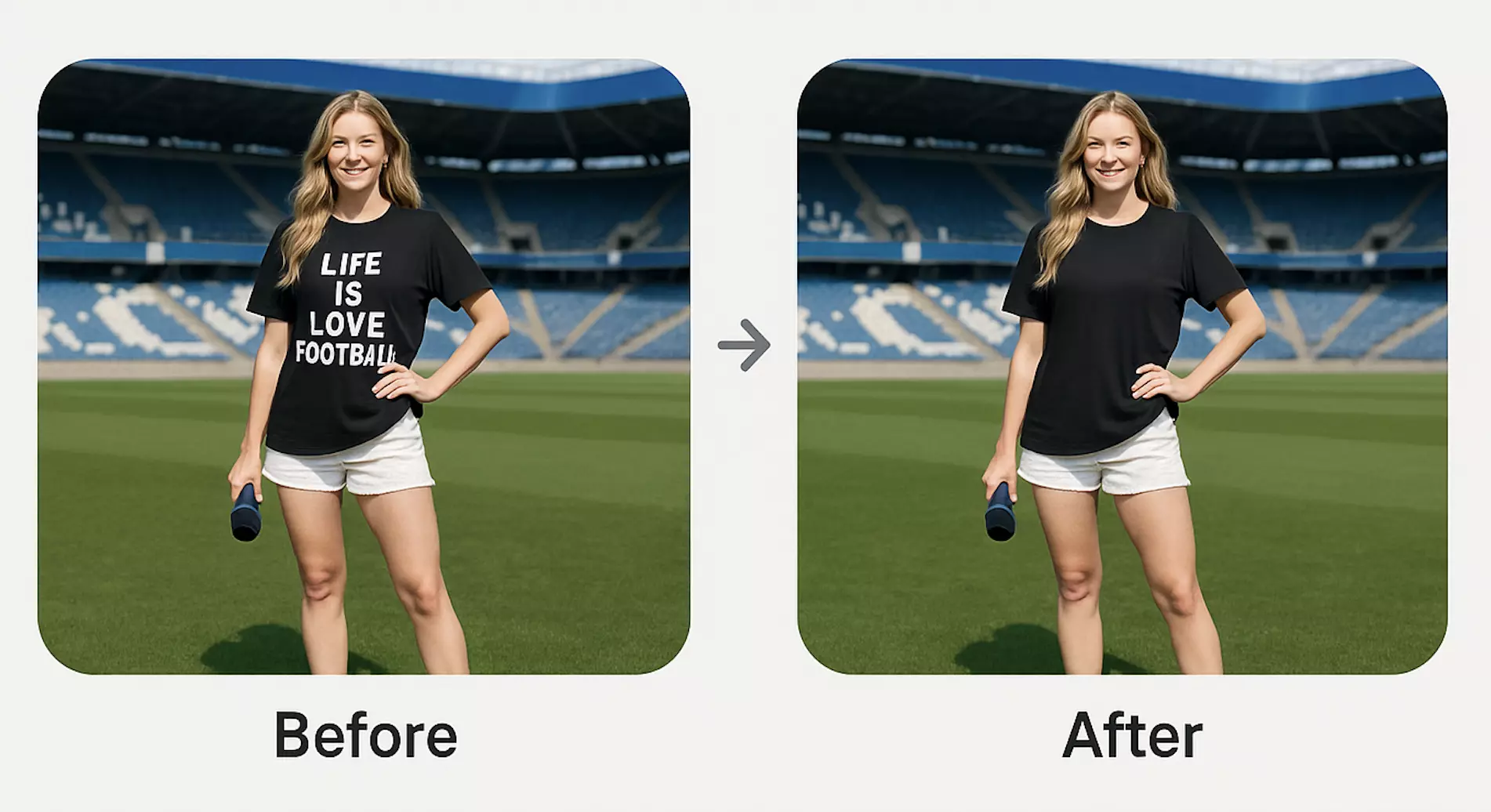
- Remove watermarks or logos you don’t want in production If your source includes unwanted marks from sample imagery or vendor shots, use AI watermark removal to clean them. Compliance note: only remove watermarks on assets you own or are licensed to modify; do not use this feature to bypass copyright or platform rules.
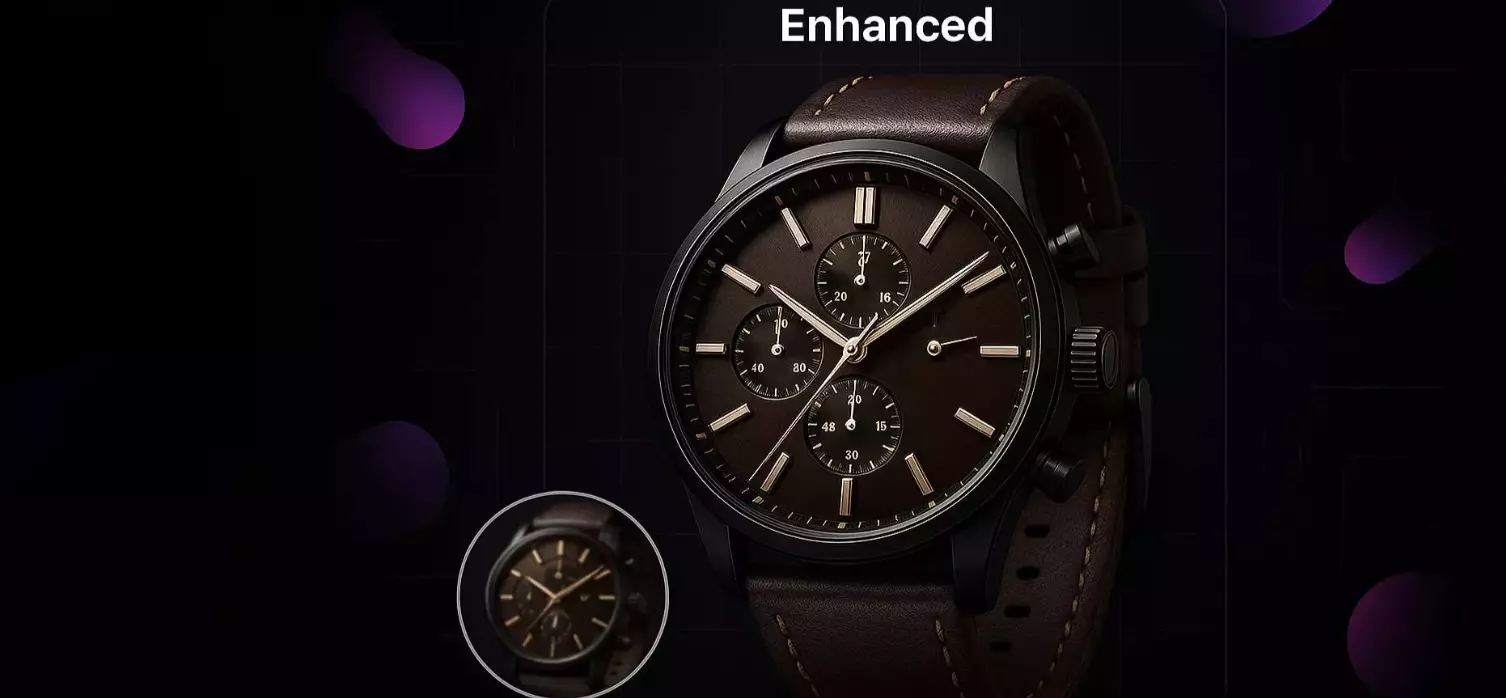
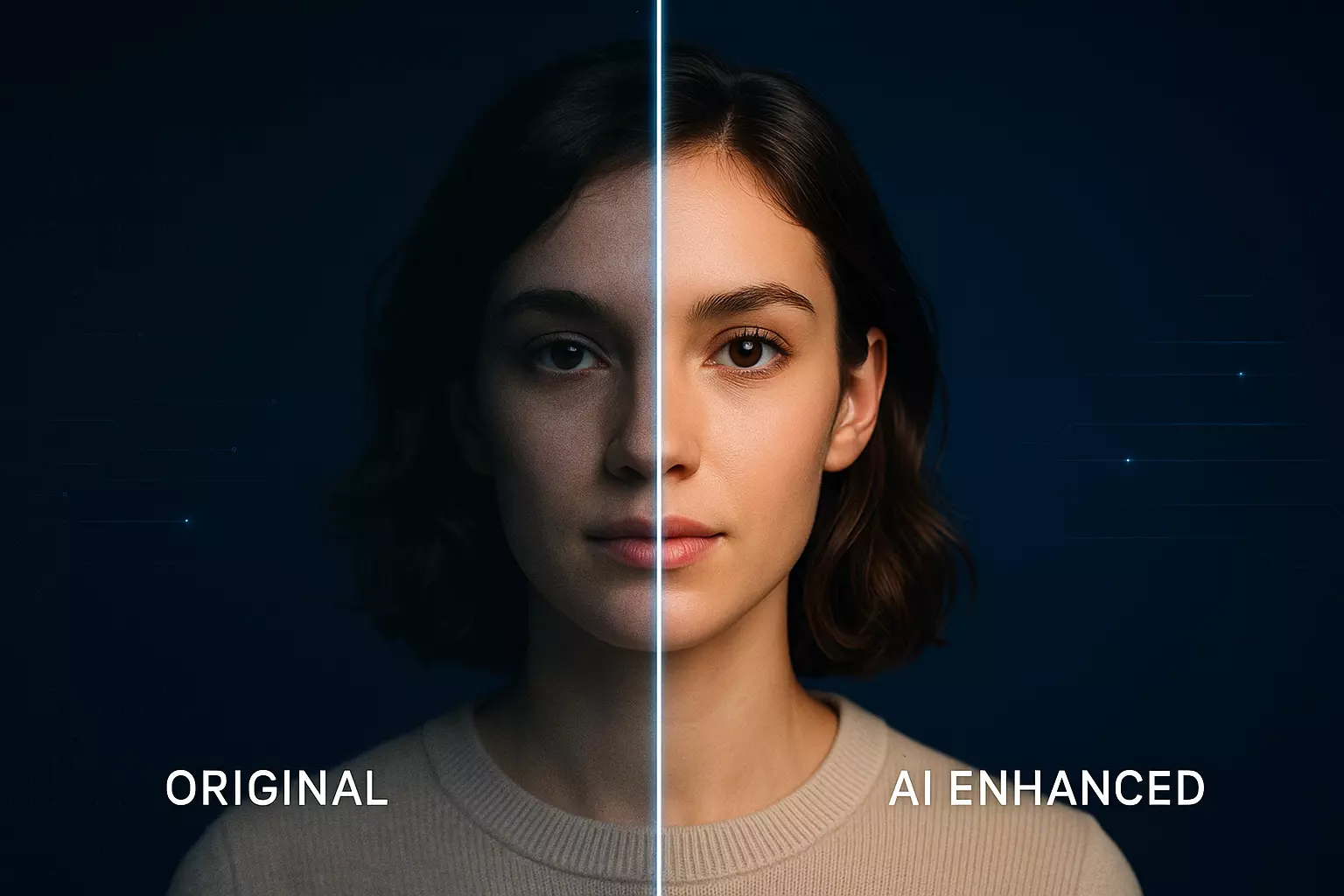
- Enhance sharpness and balance lighting AI image enhancement can clean mild noise and improve clarity. Aim for natural contrast; avoid over-sharpening that can cause haloing.
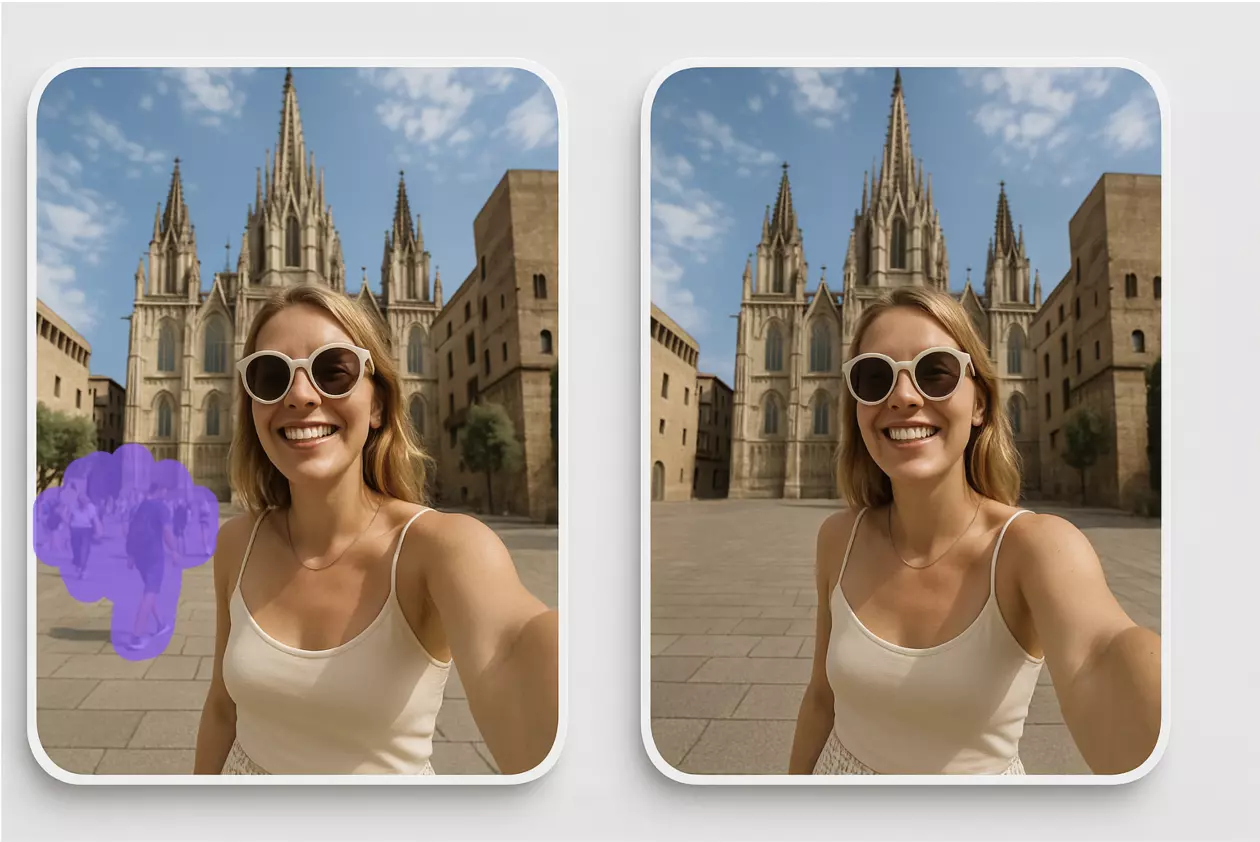
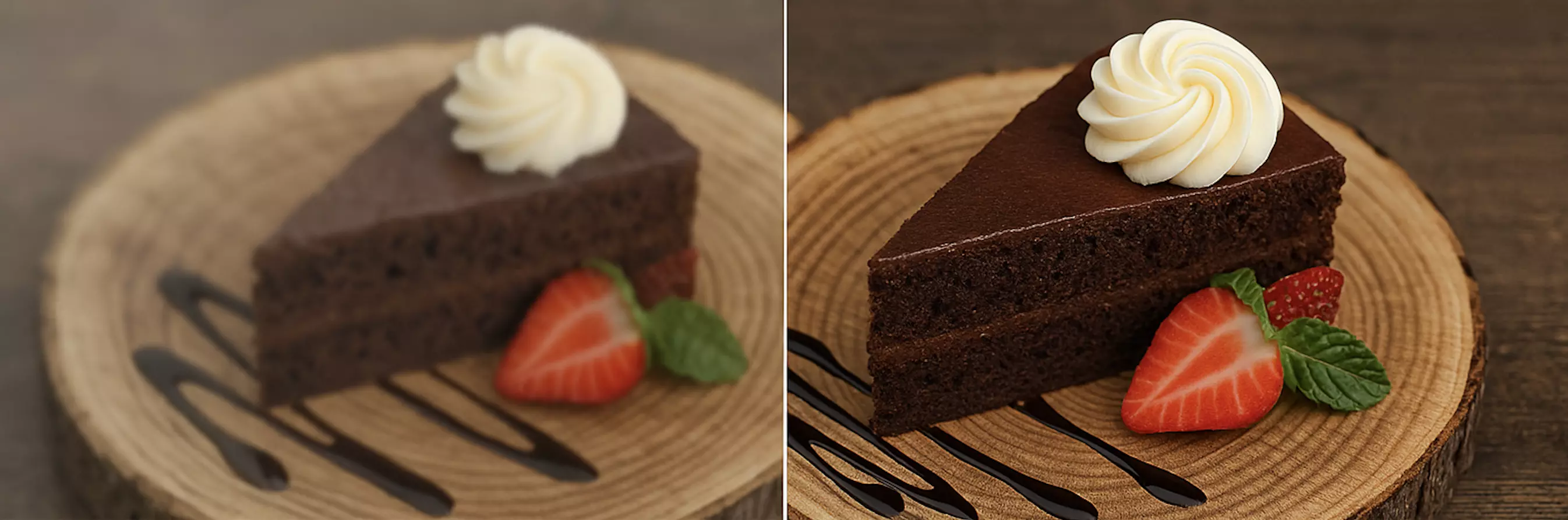
- Clean up distractions Remove stray props, cables, or background clutter with the AI object removal tool. The fewer ambiguous elements the model sees, the more precise your scenes will be.
(See image: Side-by-side—background removal and watermark removal applied to the same product.)
On-brand scene creation: prompts, background generation, and color matching
Treat prompts as creative direction, not poetry. Short, descriptive guidance often beats long, convoluted text. Try:
- Subject context: “on a light oak table,” “on a marble vanity,” “on a gym bench”
- Mood and light: “soft morning light,” “studio light with gentle shadow,” “golden hour glow”
- Brand color cues: reference your primary palette (“muted teal accents,” “warm beige backdrop”)
- Cleanliness constraints: “minimal props,” “no competing logos,” “no human faces,” “no animals,” “no text in background”
Tips:
- Keep prompts under 30 words to stay focused.
- Group scenes by use case (e.g., lifestyles for social, minimal for PDP).
- If colors drift, adjust with a quick color-correction pass to maintain palette fidelity.
Batch variants for ads, product pages, and social posts
Once you’ve dialed in a winning style direction, batch it:
- Ads: Generate multiple backdrops with small variations in texture, angle, or light for A/B testing (e.g., concrete vs. wood surface).
- PDP: Produce ultra-clean backgrounds with soft shadows and brand-appropriate color tints. Avoid visual noise; prioritize clarity and scale.
- Social: Lean into seasonal or lifestyle vibes with complementary props that don’t compete—subtle foliage, a mug on a desk, folded textiles in the background.
Batch processing helps you roll out consistent multi-asset sets quickly—ideal for weekly campaigns or fast-moving promos.
Quality control checklist: sharpness, shadows, reflections, and text legibility
Before shipping assets:
- Sharpness: Zoom to 100% and confirm edges are clean. Check small details (labels, seams, caps, stitching).
- Shadows/reflections: Ensure drop shadows align with the implied light source; reflective products shouldn’t appear to float.
- Color and exposure: Match brand palette; verify the product’s true color is retained.
- Text legibility: If you overlay copy, check contrast against the background and safe margins for platform crops.
- Artifacts and oddities: Look for repeating patterns, warped surfaces, or unintended objects; regenerate or refine prompts as needed.
Five-step advanced flow for more control
If you want more tuning points across the process:
- Open Pixflux.AI Scene Burst Navigate to the Scene Burst tool to start from a focused canvas.
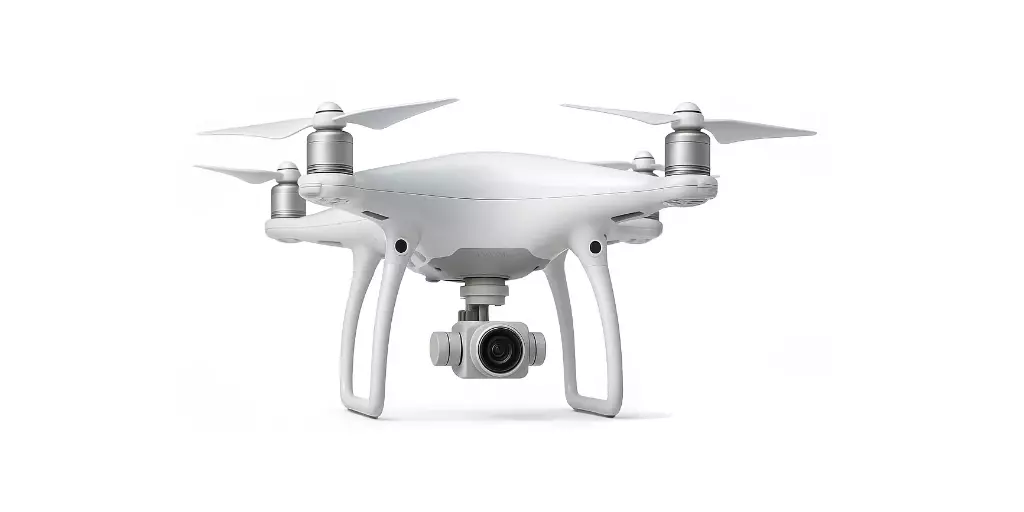
- Upload your product image Preferably use a high-resolution cutout with even lighting. Clean edges reduce haloing.
- Choose the right tools and let AI process
- Use background removal (if needed) to isolate the subject
- Apply watermark or object removal to clean the source
- Add a concise prompt to guide background generation
- Optionally run image enhancement for clarity
- Preview and refine Review multiple variations, adjust prompts or color hints, and nudge light intensity or shadow strength to keep the product grounded.
- Download your scenes Export the approved variants and label by channel and intent (e.g., “ad-test-A,” “PDP-minimal,” “IG-lifestyle”).
Legal and brand safety: trademarks, licenses, and disclosure
- Respect IP and licenses: Only process images you own or are licensed to modify. Avoid adding third-party logos, trademarks, or branded packaging that could imply endorsement.
- Watermark ethics: Removing watermarks is appropriate only when you have rights to the asset. Never use watermark removal to infringe copyrights or bypass platform policies.
- People and places: If you include people or recognizable private locations in composite scenes, ensure you have necessary permissions or choose generic, non-identifiable backdrops.
Case study snapshot: one source, many scenes
A mid-market DTC skincare team started with a single bottle cutout. In minutes, they generated a toolkit of scenes:
- Minimal PDP backgrounds with soft shadows and neutral tones
- Lifestyle bathroom scenes with marble and matte tile textures
- Seasonal social variants with warm, cozy colorways
Because the product scale, angle, and lighting stayed consistent, the entire set felt cohesive, while each asset matched its channel’s job to be done. The team iterated on prompts twice to dial in shadows and color neutrality, then shipped the set the same day.
(See image: Before-and-after grid showing one product cutout feeding multiple generated lifestyle backdrops.)
AI online tools vs. traditional methods
- Time to output
- Online AI tools: Minutes from upload to a complete multi-scene set
- Traditional: Hours to days for manual masking, set comping, or reshoots
- Learning curve
- Online AI tools: Prompt-level guidance and visual previews
- Traditional: Deep Photoshop expertise, complex masking, and manual lighting/compositing skills
- Batch and consistency
- Online AI tools: One brief can generate consistent variants at scale
- Traditional: Consistency depends on manual replication and rigid file management
- Cross-team adaptability
- Online AI tools: Easy for marketers, designers, and content ops to align around shared prompts, swatches, and checklists
- Traditional: Bottlenecks form around specialized retouchers and studio availability
If your goal is production speed with guardrails for brand quality, a Scene Burst workflow complements (and often replaces) heavy manual compositing.
FAQ: Pixflux.AI Scene Burst, backgrounds, and multi-scene workflows
What is pixflux.ai scene burst and how is it different from simple background removal?
It turns one product image into multiple on-brand scenes, not just a transparent cutout. Background removal isolates your subject; Scene Burst goes further by generating cohesive backgrounds and variations while preserving composition and product focus. You get channel-ready scenes that look consistent across ads, PDPs, and social.
Will my product’s composition or scale change across scenes?
No, the subject remains the hero with consistent placement and scale. Scene Burst builds backgrounds around your product, so the item’s relative position and prominence carry across variants. This helps maintain visual continuity across platforms and formats.
Can I process images in bulk for different channels?
Yes, you can generate multiple variants from a single source and batch your scene outputs. Define your style directions (e.g., lifestyle for social, minimal for PDP) and iterate in sets. Label outputs by channel and intent to simplify deployment across your ad manager, storefront, and content calendar.
How do I keep outputs on-brand with colors and style?
Use concise prompts, reference brand colors, and refine until the palette matches. Mention color families or hex values in your direction, keep props minimal, and review against your brand guidelines. If hues drift, adjust and regenerate; small prompt changes often make a big difference.
Is it okay to remove watermarks or logos from images?
Only if you own the rights or have explicit permission. Watermark removal is meant for cleaning internal or licensed assets, not for bypassing copyright. Always follow your platform rules and your company’s legal guidance when modifying third-party images.
Does Scene Burst work with reflective or transparent products?
Yes, but give extra attention to shadows, reflections, and edges. Reflective or glass items may need an additional pass to ensure natural-looking reflections and grounded shadows. Start from a high-quality cutout and evaluate at 100% zoom before shipping.
What export formats and sizes should I use for platforms like Amazon, Meta, or TikTok?
Export high-resolution images and then resize or crop to each platform’s current specs. Keep a master file at full resolution for future edits. For PDPs, prioritize clarity and minimal backgrounds; for ads and social, test multiple crops and ensure text overlays remain legible.
Summary and next steps
One strong product photo can power an entire campaign—if you lock composition, protect product focus, and guide backgrounds with on-brand cues. With Pixflux.AI, you can prep clean cutouts, remove watermarks when you have rights, generate scenes that match your brand palette, and batch outputs across ads, PDP, and social.
If you’re ready to ship more assets with fewer reshoots, use Scene Burst to turn one product photo into multiple scenes today.