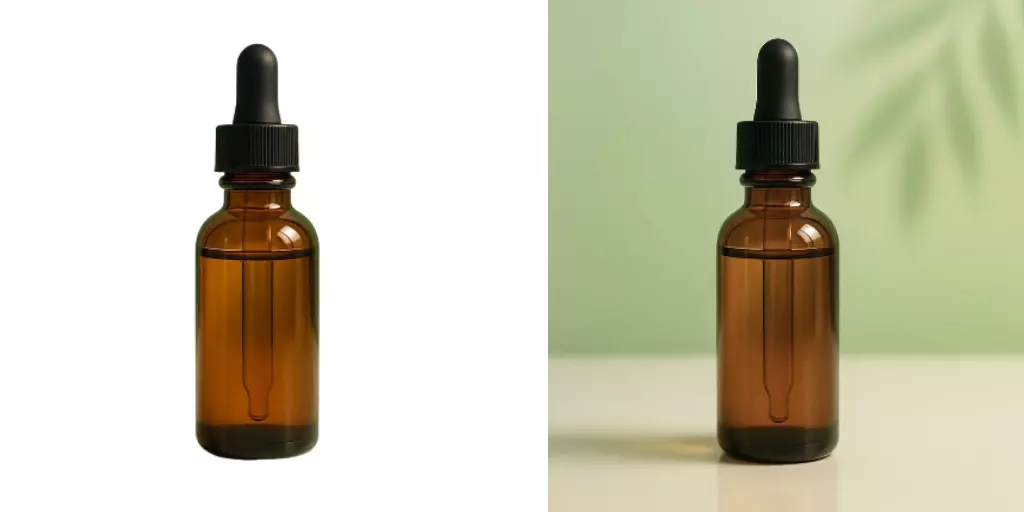
Pixflux.AI Scene Burst for Seasonal Merchandising Refresh Visuals Without a Reshoot
Spin one hero image into seasonal, regional, and audience‑specific scenes—no reshoot needed. Fast batch processing, brand‑safe results.
 Emily CremerMarch 7, 2026
Pixflux.AI Scene Burst for Seasonal Merchandising Refresh—Create New Visuals Without a Reshoot
Seasonal drops, regional promos, and limited‑time offers move faster than photo teams can book a studio. Yet the demand keeps growing: category pages need fresh hero art, Amazon and Walmart listings want localized visuals, and social teams ask for TikTok-first scenes to match every micro‑trend. The result is an impossible choice—either reshoot everything or ship visuals that feel out of season.
You don’t have to pick. With AI background generation now brand‑safe and widely adopted, you can build seasonal, regional, and audience‑specific scenes from one well‑lit product shot—no reshoot. If you’re looking for a simple, upload‑to‑download workflow, try the pixflux.ai scene burst approach to generate multiple on‑brand variants in minutes.
(See illustration: a three‑frame UI showing upload, AI processing preview, and final download for a single product image.)
Why seasonal merchandising needs fast, localized visuals—without reshoots
- Retailers increasingly localize creative by region and audience, but full reshoots are slow and expensive.
- Launch cycles are shorter; visual refreshes must be quick, consistent, and ready for every channel size.
- Creative teams need batch processing to scale SKUs while staying inside brand guardrails.
Scene-based background generation solves these pressures. You maintain one set of hero product images—clean, consistent lighting—then spin up scenes tailored to summer, winter, Diwali, or BTS festival moments. The result: campaign flexibility without the cost and downtime of studio reshoots.
What “Scene Burst” is—and how it builds on AI background generation
Scene Burst is a focused way to create multiple, fully rendered backgrounds from a single product photo. It builds on three core AI capabilities:
- Background generation: produce entirely new scenes (beach boardwalk, snowy street, lantern market) that fit your brief.
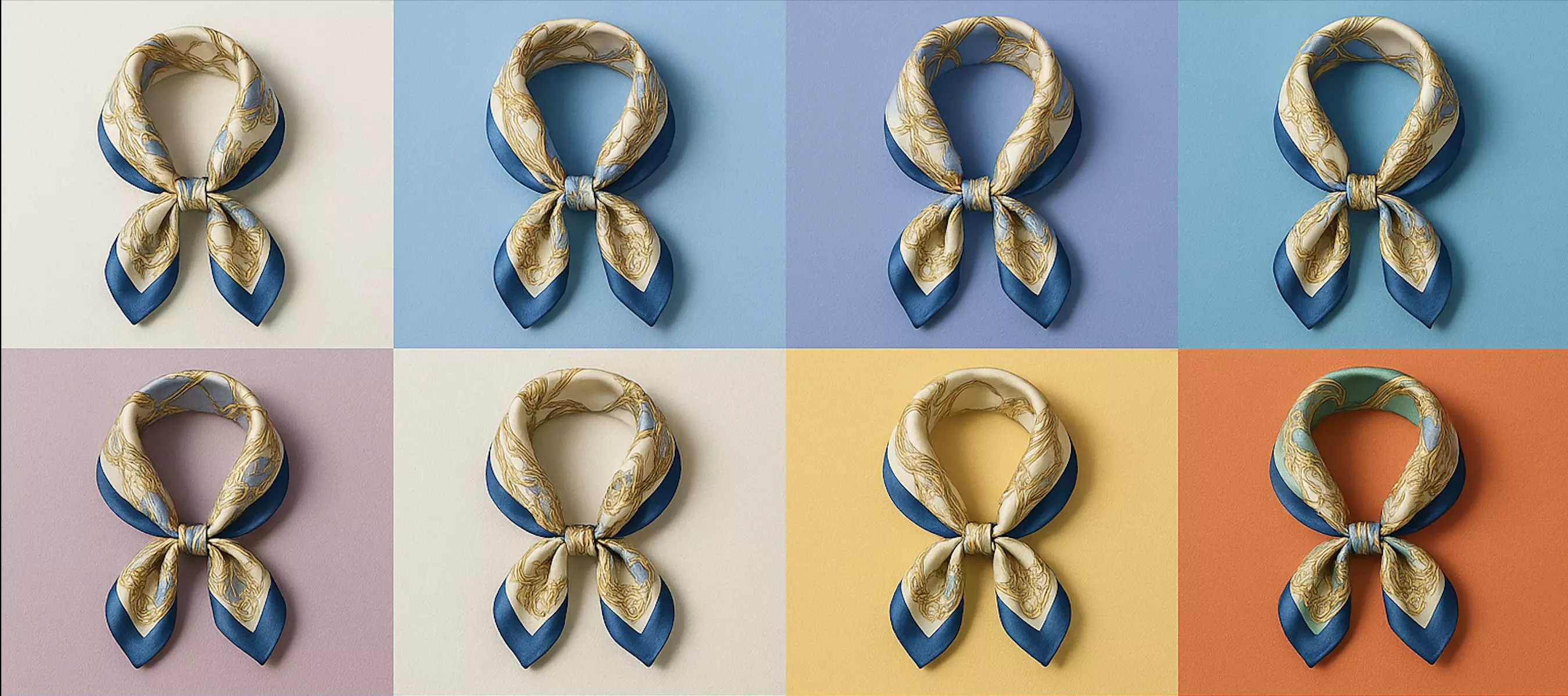
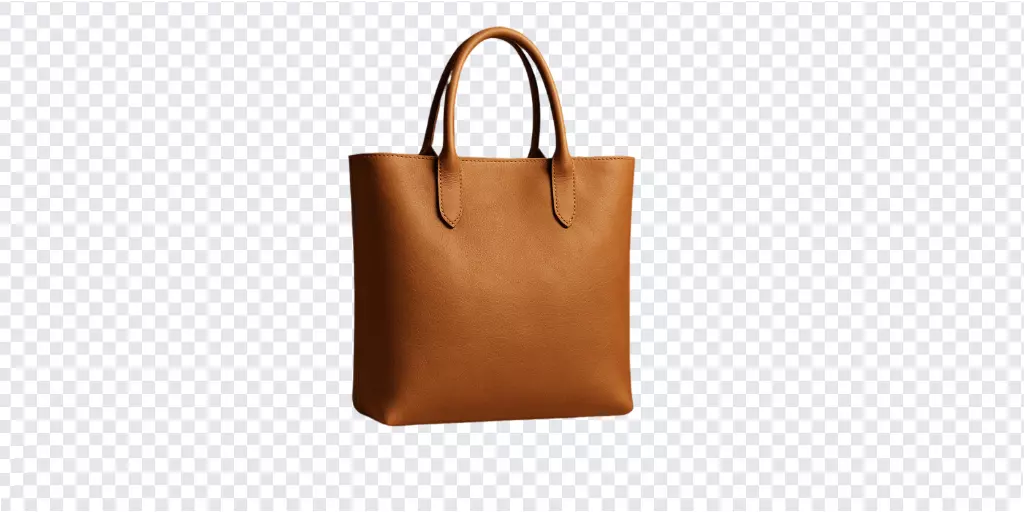
- Background change: swap in a simpler or branded backdrop (solid white for marketplace compliance, brand gradient for PDPs).
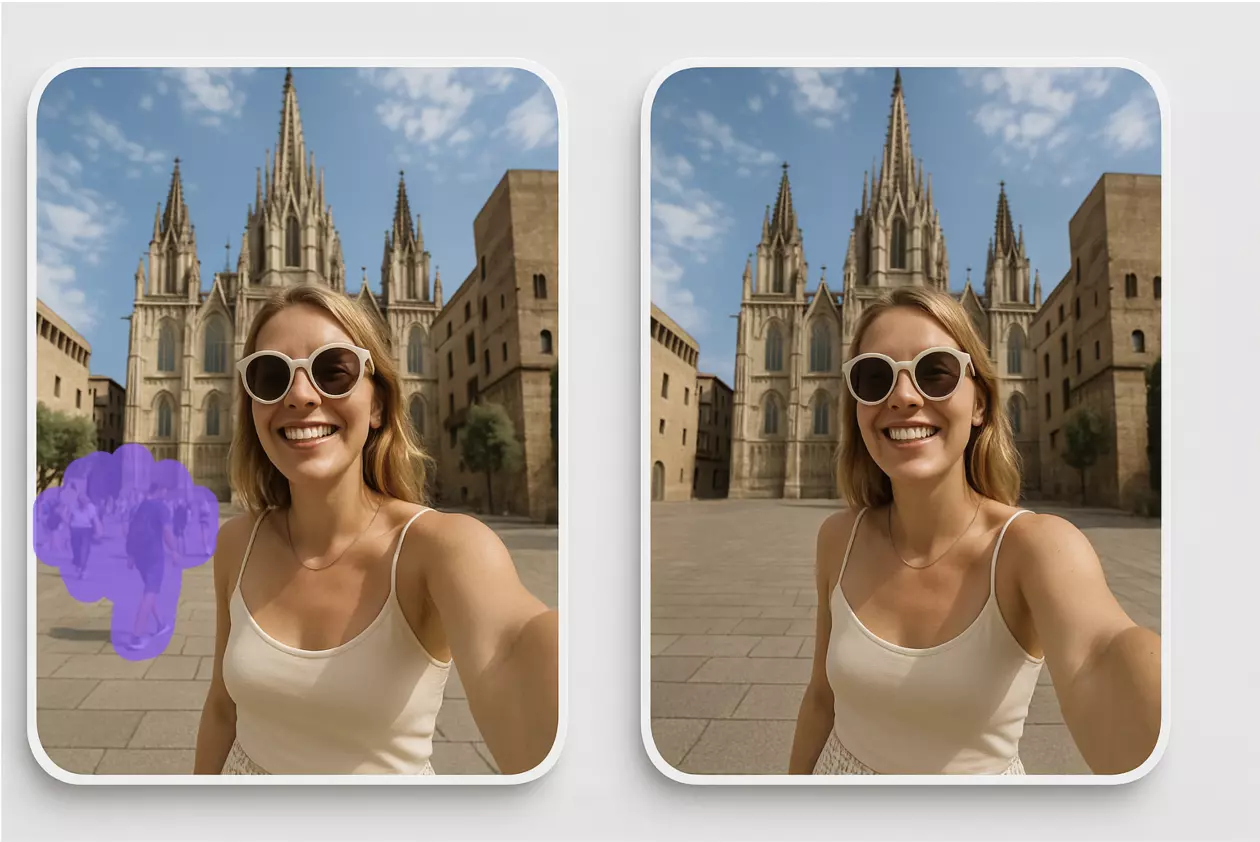
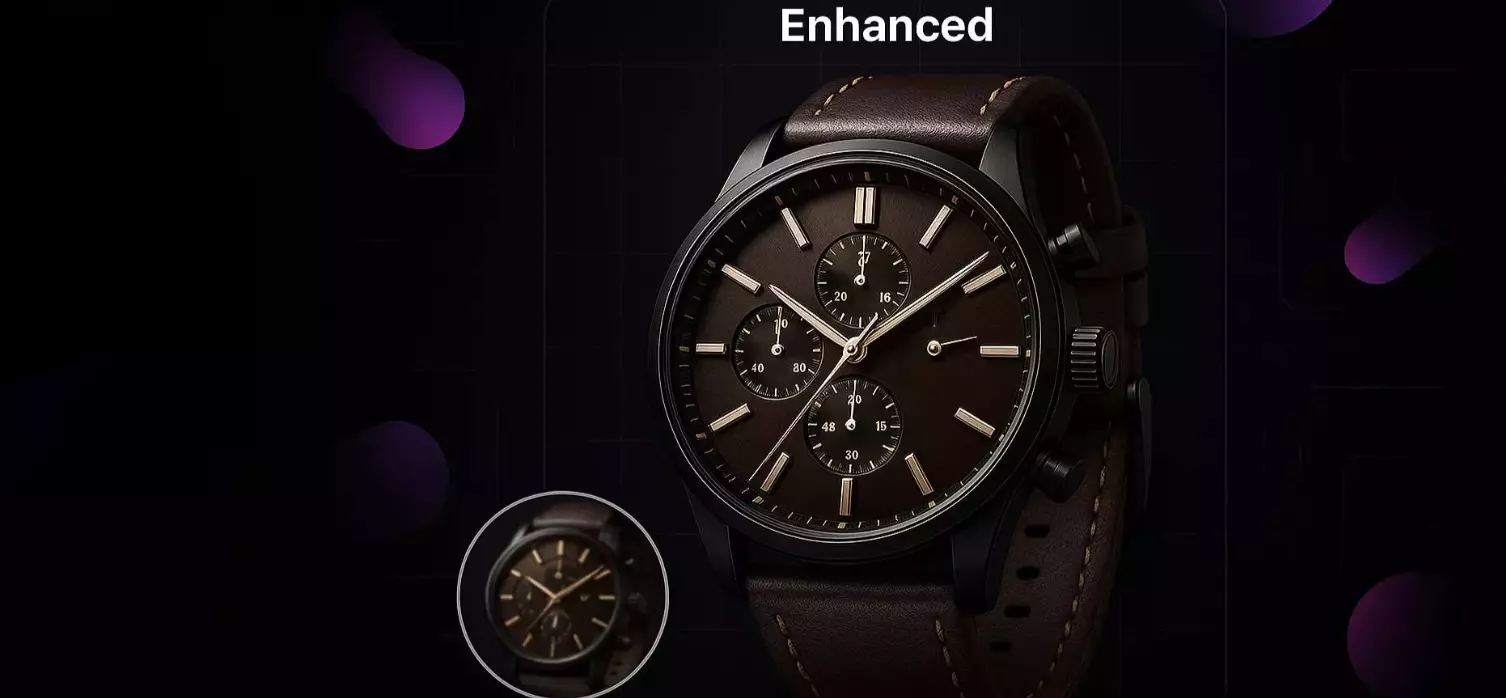
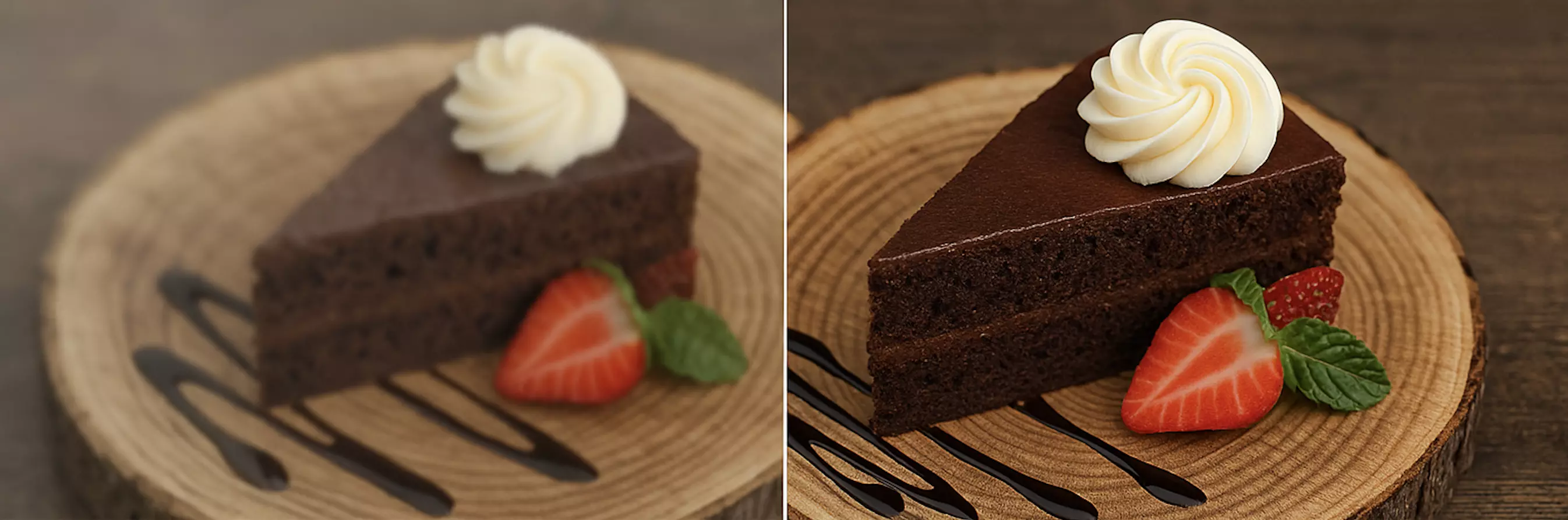
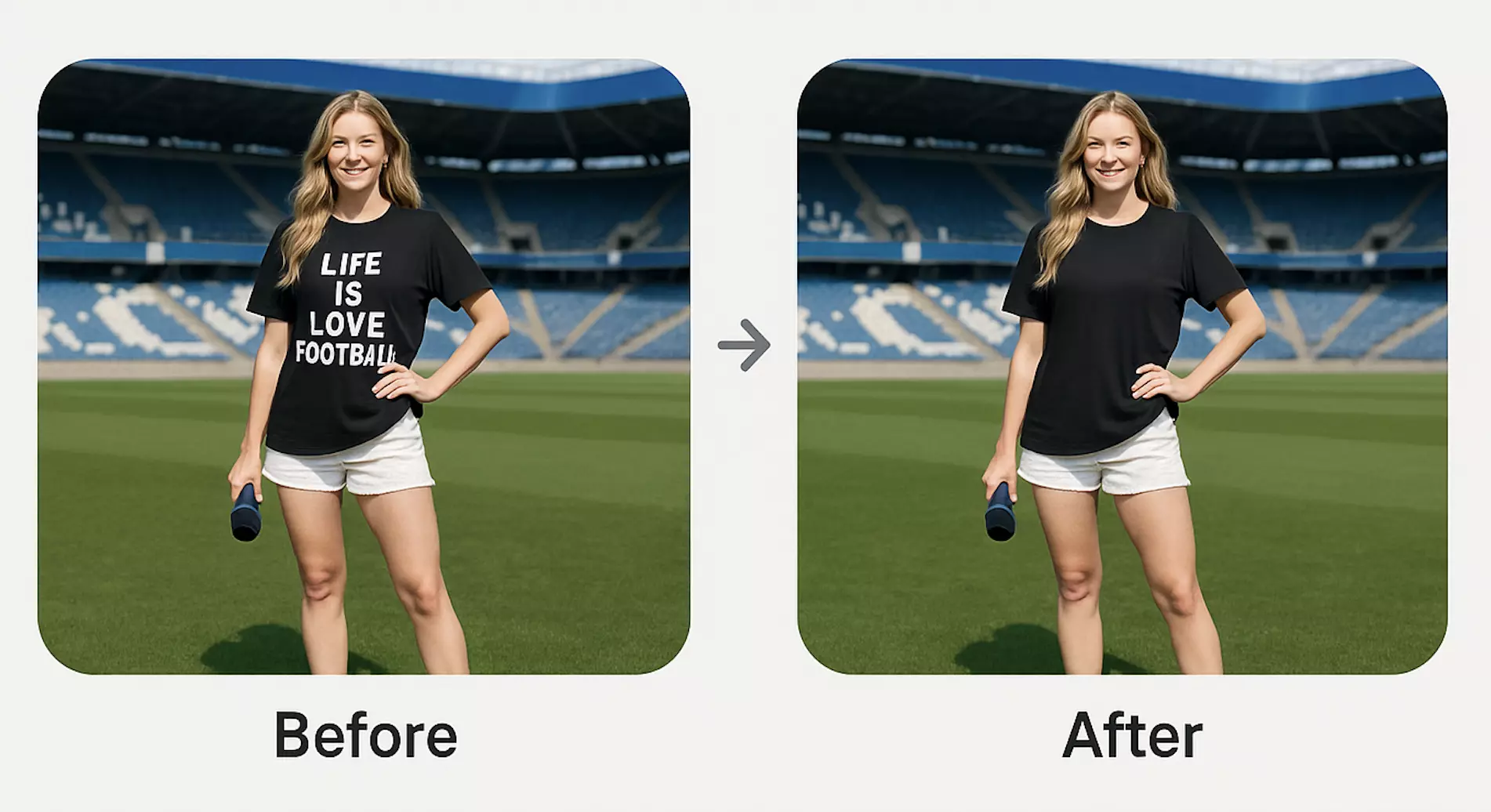
- Removal and enhancement: clean watermarks or stray objects, fix edges, boost clarity so the product pops.
The “burst” concept means you don’t stop at one output. Instead, you brief the season, region, and audience, then generate 3–10 options per SKU to cover your campaign matrix.
Background generation vs. background change: how to choose for seasonal variants
Use background generation when:
- You need storytelling environments (e.g., “summer beach at golden hour,” “Lunar New Year night market with warm lantern glow”).
- Organic and paid social need variety and contextual cues.
- You’re building upper‑funnel creative or themed landing pages.
Use background change when:
- Marketplaces require clean or neutral backgrounds (e.g., solid white for product listing compliance).
- You only need color‑matched brand backdrops or stylized textures, not full scenes.
- A/B tests call for consistent product framing with minimal visual noise.
A practical pattern: run a burst of narrative scenes for social/ads, then export a clean background change variant for marketplaces—all from the same master product shot.
Quickstart: Upload → AI process → Download
If you’re new to this, start with a simple three‑step workflow.
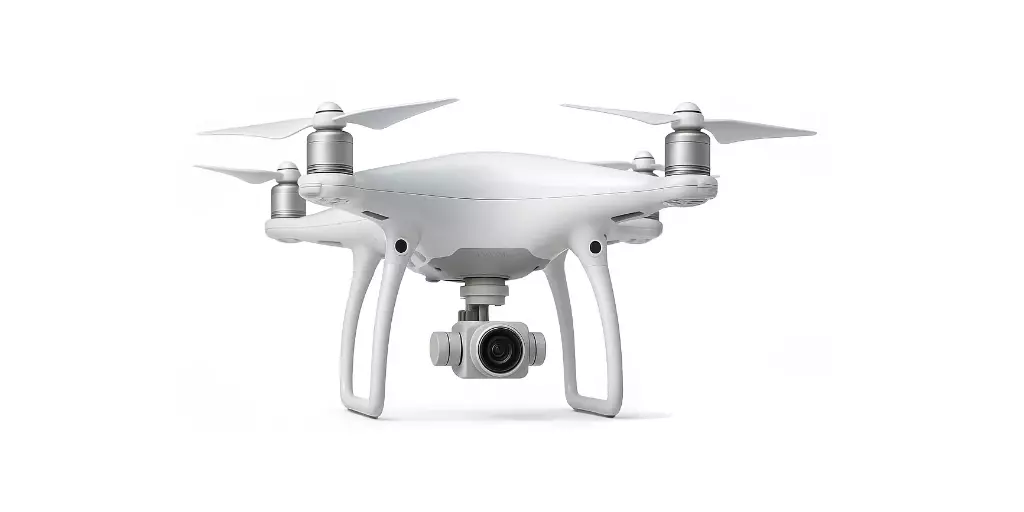
- Upload a high‑quality product image Use a shot with clear edges and even lighting. A front three‑quarter angle often works best.
- Let the AI generate seasonal scenes Add a short brief: “summer boardwalk,” “snowy urban street,” “Lunar New Year lantern market—warm reds, festive lights.” Review generated options.
- Download the best‑fit images Export the resolutions you need for PDPs, social, and ad placements.
To try this in minutes, open Pixflux AI Scene Burst and apply the prompts below.
(See illustration: a sneaker photo automatically placed on three backdrops—summer beach, snowy street, and a lantern market—before/after grid.)
How to use pixflux.ai scene burst: a 5‑step pro workflow
- Open the Scene Burst page Go to the tool page in your browser.
- Upload your hero product image Use a clean background image with neutral light. If needed, remove clutter first using background removal or object cleanup, then re‑upload.
- Choose a generation mode and enter your seasonal brief
- Example prompts:
- “Summer coastal boardwalk, soft sunset, teal/orange palette, subtle motion blur in background, product center‑frame.”
- “Winter urban street, cool blue cast, soft snow flurries, reflective wet asphalt, keep shadow under sole.”
- “Lunar New Year night market, warm red lanterns, gold accents, shallow depth of field, festive bokeh—no text or logos.”
- Add brand guardrails: color palette, styling words, and banned elements (no competitor logos, no explicit trademarks, no text overlays unless approved).
- Preview and fine‑tune
- Check edges, lighting direction, and reflections.
- Adjust background intensity (subtle vs. bold), camera angle simulation, and depth of field.
- If needed, regenerate a tighter crop or a cleaner background change for marketplace images.
- Download in required formats Export optimized sizes for PDP, social square/vertical, and ad placements. Save named variants (e.g., SKU1234_summer_hero.jpg).
Tip: Keep a shared doc of approved prompts, palettes, and negative phrases for faster team reuse.
Prompting playbook and brand guardrails for regional and audience‑specific scenes
A solid prompting framework prevents drift and protects brand equity.
- Product first Always specify product as the subject, centered or rule‑of‑thirds, with crisp focus. Example: “Product front three‑quarter, edge‑sharp, realistic shadow intact.”
- Scene intent
- Season: “summer,” “winter,” “spring cherry blossoms,” “fall foliage.”
- Region: “US coastal boardwalk,” “Tokyo alley,” “Nordic snowy street,” “Middle East night souq.”
- Audience cues: “streetwear vibe,” “outdoor enthusiast,” “festival‑goer.”
- Brand palette and materials Mention exact colors, finishes, or mood: “soft warm reds (#D64B3A), muted gold highlights, matte textures.”
- Negative prompts (guardrails) Block what you don’t want: “no text, no logos, no brand names, no people, no hands, no reflections on product label.”
- Lighting and camera language “Golden hour, soft rim light, shallow depth of field, 50mm equivalent, subtle film grain.”
- Marketplace compliance variant Add a companion prompt for a clean background change: “solid white, subtle natural shadow, product centered, high key.”
Store these prompt blocks as building bricks you can recombine per campaign.
Batch processing multiple SKUs for consistent seasonal sets
For collections and bundles, batch generation keeps everything consistent—same lighting, angles, and mood across SKUs. In Pixflux.AI, queue multiple product shots and apply the same seasonal prompt set so each SKU gets a coordinated summer/winter/festival output. Then, review one SKU thoroughly, lock the winning look, and reapply to the rest to standardize.
- Maintain a naming convention: SKU_season_region_audience_version.
- Approve one “hero” per season for campaign anchors, with 1–2 alternates for social rotation.
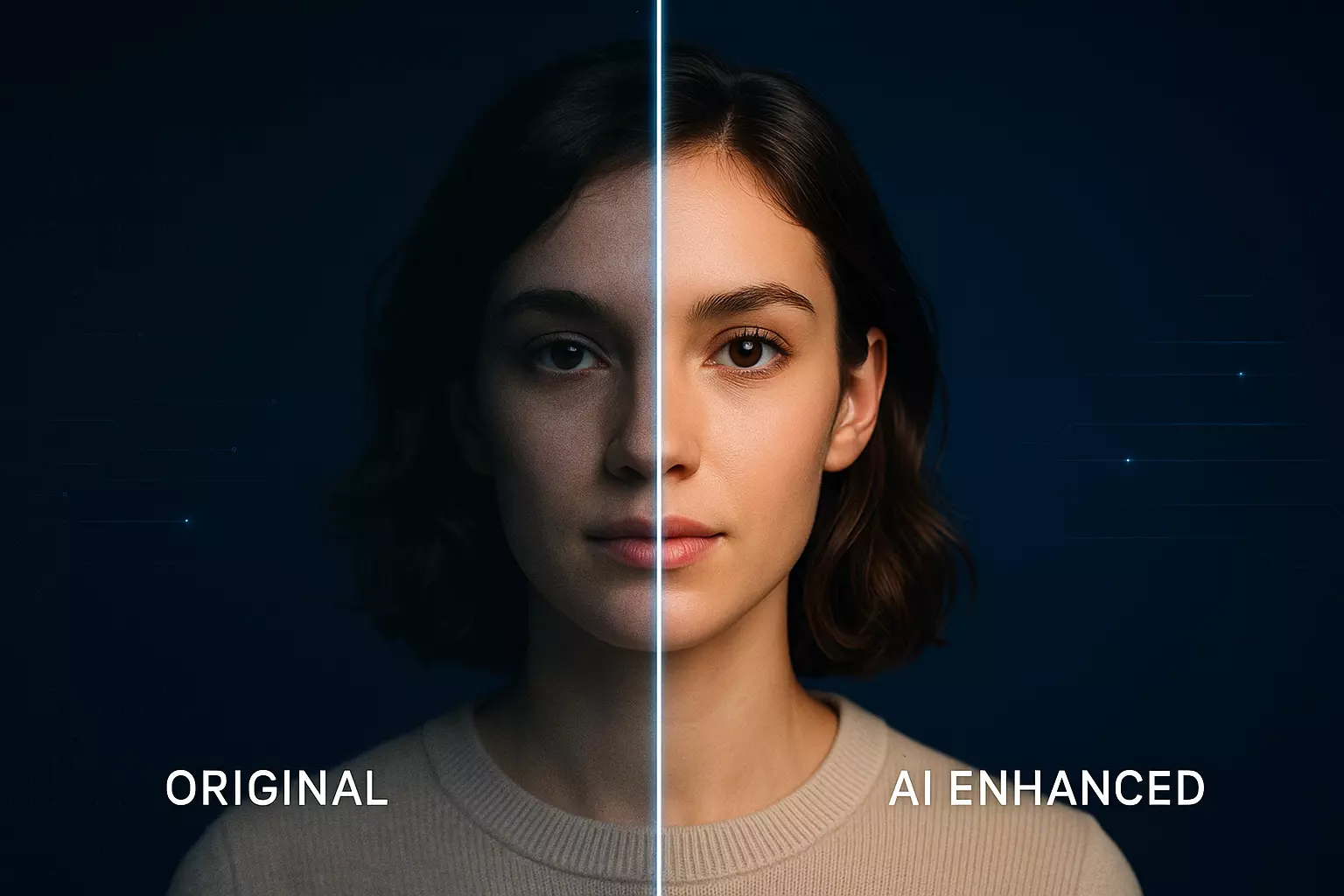
- Use image enhancement and object cleanup sparingly to raise clarity without changing product truth.
(See illustration: a batch dashboard with many product thumbnails, each generating multiple seasonal variants.)
Case study: one hero image into summer, winter, and festival
Imagine a lifestyle sneaker brand with one studio‑lit hero image per SKU.
- Summer campaign Brief: “Sunlit boardwalk, warm golden hour, sea in the distance, teal/orange grade, keep natural sole shadow.” Outputs: PDP hero (subtle scene), social carousel (bolder horizon), ad creative (motion‑blurred background to suggest movement).
- Winter refresh Brief: “Cool blue cast, overcast sky, light snowfall, reflective wet street, soft side light.” Outputs: PDP hero (cleaner scene), Instagram Story (vertical crop), TikTok Shop thumbnail (tight crop, crisp edges).
- Festival moment (Lunar New Year) Brief: “Warm red lantern market at night, gold accents, festive bokeh, high contrast, no text/logos.” Outputs: Homepage banner (wide), email hero (2:1), paid social (1:1 + 4:5).
From one master file, the team ships a quarter’s worth of visuals—on time and on brand.
Quality checks before go‑live: lighting, shadows, reflections, edges
Run these checks across all variants:
- Light direction and intensity Make sure shadows fall consistently with the original product lighting. Avoid multi‑directional light or mismatched color casts.
- Shadow and ground contact Keep subtle, realistic contact shadows. Check there’s no “floating” effect.
- Reflections and materials Metallic, glossy, or glass surfaces should not mirror background elements unrealistically. Dial down reflections if needed.
- Edge fidelity and halos Zoom to 200% on laces, hairline edges, or transparent areas. Clean any halos or jaggies.
- Color accuracy The product’s brand colors must remain true; adjust saturation/contrast in moderation.
- Text and graphics Avoid any background text or logos that could imply endorsements or infringe trademarks.
Rights and compliance: trademarks, watermarks, disclosures
- Only process images you own or are licensed to use.
- Watermark removal is for your own assets (e.g., legacy studio marks) or with explicit permission—do not use it to strip third‑party copyrights.
- Avoid generating scenes that include recognizable trademarks, logos, or proprietary designs.
- Some platforms and regions encourage or require disclosures when AI‑assisted visuals are used—follow your legal and marketplace guidelines.
AI tools vs. traditional methods: time, cost, and scale
- Time to market
- AI background generation: minutes per SKU, batchable across catalogs.
- Traditional retouching or reshoots: days to weeks, with scheduling overhead.
- Learning curve
- Online tools: short ramp, prompt templates, visual previews.
- Pro software: advanced masking and compositing skills required; heavy manual effort.
- Batch consistency
- AI: repeat the same prompt and parameters across SKUs for cohesive seasonal sets.
- Manual: prone to stylistic drift between editors or vendors.
- Cross‑team adaptability
- AI: brand guardrails and prompt libraries help merch, creative, and performance teams use the same visual system.
- Manual: harder to distribute and maintain consistent instructions across teams.
FAQ: Pixflux.AI Scene Burst for seasonal merchandising and rapid creative refreshes
What types of images work best with Scene Burst?
Well‑lit product shots on clean or simple backgrounds deliver the best results. Uniform lighting, clear edges, and a neutral color cast help the AI preserve product truth while generating scenes. If your source image has clutter, remove it first and enhance clarity to improve edge fidelity.
How many seasonal variations should I generate per SKU?
Start with three core variants (e.g., summer, winter, festival) and add platform‑specific crops. Most teams find a 3–5 variant set covers PDP, ads, and social. Use campaign performance data to decide whether to expand into regionalized versions or new cultural moments.
Can I use Scene Burst outputs on marketplaces that require white backgrounds?
Yes—use background change prompts to produce clean, compliant images. Keep a dual output strategy: narrative scenes for ads and social, plus solid white or brand‑neutral backdrops for marketplaces. Maintain consistent product framing and a subtle natural shadow for professional results.
How do I keep outputs on brand across regions and audiences?
Create a prompt library with approved palettes, lighting styles, and negative prompts. Include brand color codes, mood words, and the “no list” (no text, no logos, no people, no competitor marks). Share these building blocks so merch, creative, and performance teams stay aligned.
Will AI background generation affect product color accuracy?
It shouldn’t, but you should verify and adjust if needed. Check that the product’s brand colors remain true after generation. If the scene’s color cast shifts the product, lightly correct saturation or white balance before export.
Can I process multiple SKUs at once for faster delivery?
Yes—batch processing lets you apply the same seasonal brief across many products. Batching ensures consistent lighting and mood. Review one SKU thoroughly, finalize the look, then extend the approved settings to the rest for speed and cohesion.
Is it okay to remove watermarks or logos from images?
Only if you own the content or have explicit permission. Watermark and logo removal must not be used to infringe copyrights or bypass platform rules. When in doubt, consult your legal team and follow marketplace policies.
Conclusion and next steps
Seasonal merchandising no longer depends on studio availability. With a single master product image, you can generate localized, audience‑aware scenes in minutes, keep campaigns fresh, and meet shorter launch cycles—all while enforcing brand guardrails and quality checks.
Ready to turn one hero image into a seasonal set? Start with Scene Burst by Pixflux.AI, build your prompt library, and ship a quarter’s worth of creative—without booking a reshoot.