How Social Media Marketers Use Transparent Background Assets to Build Faster Creative Variations
Speed up social creative with transparent background PNG cutouts. See how to batch, swap seasons, and test variations fast with Pixflux.AI.
 Emily CremerMarch 9, 2026
How Social Media Marketers Use Transparent Background Assets to Build Faster Creative Variations
If your social calendar moves faster than your production queue, you’re not alone. Stories and Reels refresh daily, seasonal promos overlap, and ad tests demand constant iterations—yet each new creative often starts from scratch. The result is a bottleneck: too much manual editing, not enough output.
A practical fix is to decouple visuals from their backgrounds. When your product, model, or logo exists as a transparent background asset (a clean PNG cutout), you can drop it into any layout—post, Story, Reel cover, carousel frame, or ad—without re-masking or re-shooting. AI now makes this step as quick as drag-and-drop, which is why teams increasingly rely on tools like Pixflux.AI to generate a transparent background for rapid creative swaps.
Short-form, vertical-first formats have also raised the bar. You need the same subject to adapt to 9:16, 1:1, 4:5, and 16:9—plus on-brand textures and seasonal looks. Transparent PNG cutouts turn one good photo into dozens of polished variants without heavy design lifts.
(See image suggestion: A grid mockup showing one transparent PNG asset reused across a Story, a Reel cover, a carousel frame, and a seasonal ad colorway.)
The production bottleneck—and how transparent backgrounds fix it
- The problem: Masking subjects in Photoshop, rebuilding shadows, and relighting composites for every new concept eats hours per variation. Multiply by platforms and experiments, and your backlog grows.
- The fix: Create a single “master” subject cutout with a transparent background. Reuse it across formats with lightweight changes—background swap, color tweak, copy overlay—so you iterate, not re-edit.
- The impact: Faster creative testing cycles, consistent brand presence, and efficient handoffs between social, design, and performance teams.
Core concepts: transparent PNGs, alpha channels, and cutouts explained
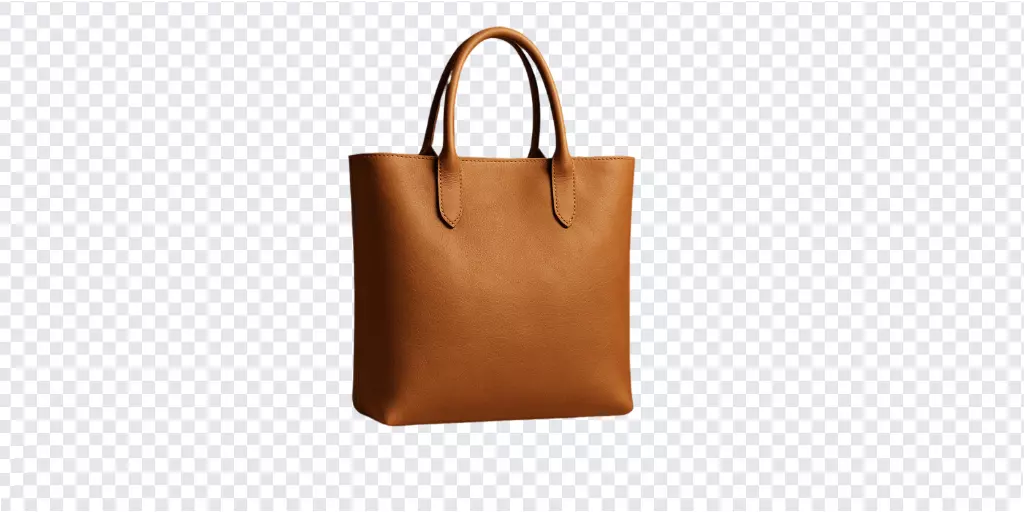
- Transparent PNG: A PNG file with an alpha channel (transparency). Your subject is visible; everything else is transparent, so it layers cleanly over any background.
- Alpha channel: The portion of the image that defines visibility, enabling smooth edges around hair, fabric, and complex silhouettes.
- Cutout overlays: Your PNG cutout acts like a sticker you can place on photos, gradients, or brand textures, ideal for social media creatives and ads.
Why PNG? It’s widely supported across social platforms, preserves edge quality, and handles semi-transparent pixels (e.g., hair, glass) better than JPEG.
Where transparent backgrounds shine across formats
- Instagram posts and carousels: Drop your cutout on branded color blocks or subtle textures; rotate seasonal accents without reshooting.
- Stories and Reels: Add motion backgrounds or gradient animations behind a static cutout; keep subject clarity in vertical video covers.
- TikTok and YouTube Shorts: Layer PNG overlays over clips for quick “packshot + UGC” combos.
- Paid ads (Meta, Pinterest, X, LinkedIn): Use the same subject cutout across multiple layouts; test background colors and pattern density while maintaining visual consistency.
Tip: Keep a reusable “brand kit” of backgrounds—brand colors, gradients, light textures, and platform-safe title areas—so your PNG cutouts slot in instantly.
Format choices: PNG vs WebP vs SVG overlays
- PNG: Best for photo-based subjects that require soft edges and transparency. Ideal default for social cutouts.
- WebP: Smaller file sizes and decent transparency support; good for web landing pages and some ad units, but verify platform compatibility.
- SVG: Vector-only, perfect for logos and icons where infinite scaling matters; not for photo subjects.
Color profile and size:
- Use sRGB for consistent rendering across social apps.
- Export at or above platform resolution: e.g., 1080×1920 for vertical Stories/Reels, 1080×1080 for square, 1200×1500 for 4:5. Upscale lightly when needed to maintain crisp edges.
Create a transparent PNG cutout with Pixflux.AI in 3 steps
You can turn any product shot or portrait into a transparent PNG background in minutes—no steep learning curve.
1) Upload your image
- Choose a sharp photo with good subject contrast. Natural light is fine; studio shots are even better.
- (See image suggestion: Pixflux.AI interface with the three steps—upload → AI processing → download.)
2) Let the AI remove the background
- Pixflux.AI analyzes edges, hair, and semi-transparent areas to produce a clean cutout.
- Preview to ensure details like frizz, jewelry, or glass are preserved.
3) Download the result
- Export as PNG with transparency.
- Save the master cutout to your brand’s shared asset library for reuse across posts, Stories, Reels, and ads.
If you prefer a quick link to start, you can create a transparent PNG background in a couple of clicks and immediately reuse it across campaigns.
(See image suggestion: Before-and-after comparison—a cluttered product background vs a clean transparent PNG cutout created in Pixflux.AI.)
Advanced AI moves that speed up social production
Once you have a strong subject cutout, consider these time-savers:
- Change or generate backgrounds: Swap to seasonal colors, subtle gradients, or on-brand textures; generate context scenes for thematic campaigns without reshoots.
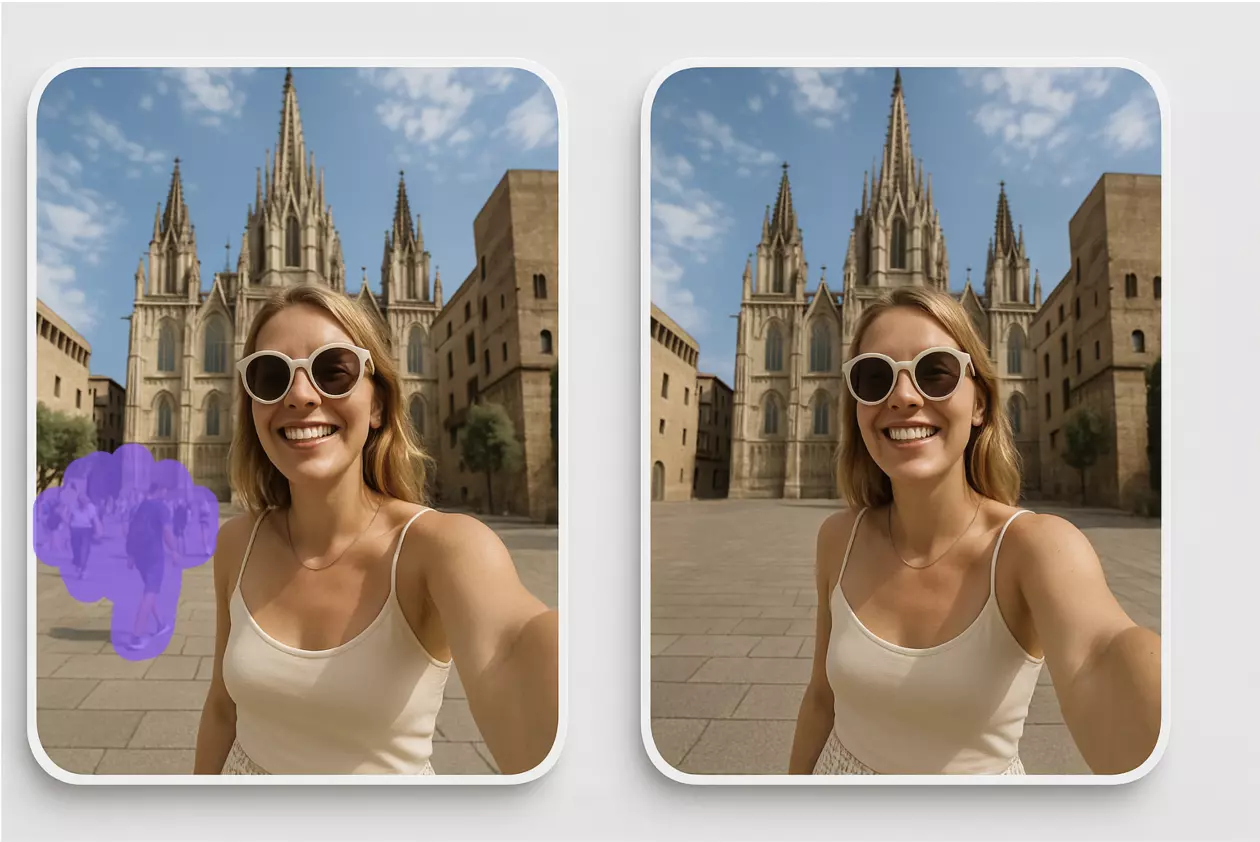
- Remove unwanted objects: Clear stray props, reflections, or passerby to keep the focus on your subject.
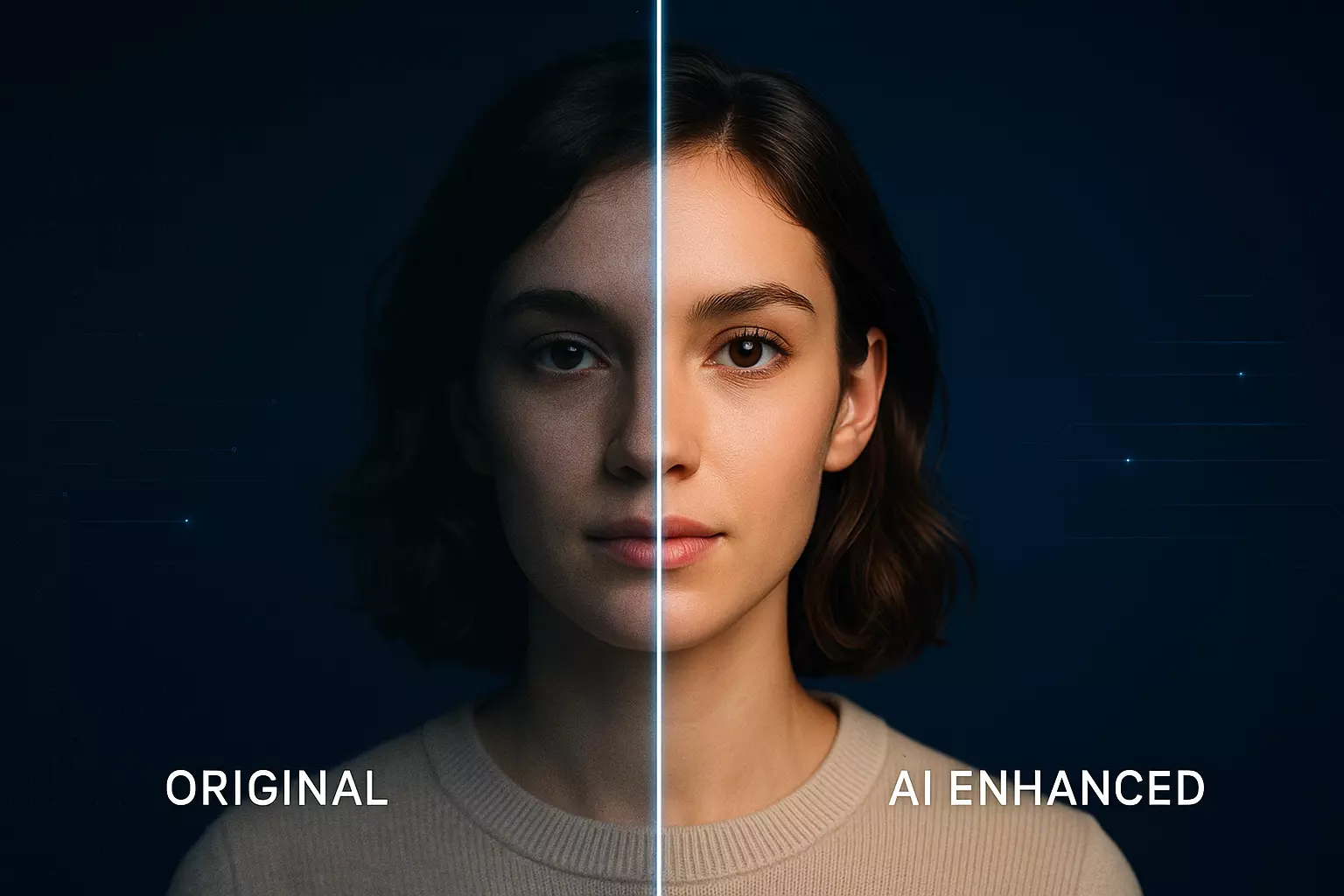
- Enhance photos: Boost clarity, contrast, and micro-details so your PNG overlays read well on small screens and vertical video covers.
- Batch image processing: Upload multiple SKUs or UGC shots and remove backgrounds in one run, then unify looks across a campaign.
These techniques are especially useful for modular systems—where a single product appears in dozens of placements with different messages and backgrounds.
Build a modular creative system: reusable layers at scale
Think in layers, not final files:
- Subject layer: Transparent PNG cutouts for products, models, and logos.
- Background layer: Brand colors, gradients, textures, or generated scenes aligned to your campaign.
- Utility overlays: Shadows, glows, drop-in copy blocks, captions, and CTAs—designed to respect safe areas for each platform.
With this setup:
- Seasonal swaps take minutes (e.g., summer sand tones → fall earth tones).
- Performance testing becomes systematic (background color density, texture style, or shadow intensity).
- Collaboration improves: social managers pick combos; designers refine master layers; performance teams test variations.
Workflow playbook and batch processing
A simple weekly flow to keep output high and consistent:
- Monday: Batch-create subject cutouts (products, talent) with consistent lighting and angles.
- Tuesday: Prepare 3–5 reusable background sets per campaign (brand, seasonal, promo-themed).
- Wednesday: Combine layers into posts, Stories, Reels covers, and ad templates; export platform-specific sizes.
- Thursday: Run creative tests across audiences; log winners and hypotheses (e.g., “warm textures + diagonal shadow outperforms flat color”).
- Friday: Iterate on top performers and archive ready-to-deploy variants.
When you need precise control or quick polish, use a focused 5-step pass: 1) Open Pixflux.AI 2) Upload your image(s) 3) Pick the right tool: background remover, object remover, or enhancer 4) Preview and adjust edges or shadows as needed 5) Download and add to your asset library
Quality control checklist for transparent assets
- Edges: Zoom to 200–400% to confirm clean hair/fabric details; fix stray pixels.
- Halo removal: Watch for light halos from original backgrounds; lightly contract or feather the mask if visible.
- Shadows: Add a subtle realistic shadow or contact shadow so composites don’t “float.”
- Color consistency: Ensure subject white balance matches the new background.
- Safe areas: Keep logos and headlines clear of platform UI (e.g., Reels buttons, Story reply bar).
- Compression: Export at platform-appropriate resolution to avoid softness, especially on Stories and Reels.
Case-style examples: before/after impact on engagement and CPA
- Product drops on Instagram: A beauty brand converted studio shots into cutouts, layered them over branded gradients, and produced 20 Story variants in a morning. Cleaner compositions and consistent shadows improved swipe-through rate and gave clear winners to scale.
- UGC + packshot on Reels: A DTC snack brand combined UGC clips with a crisp PNG packshot in the cover frame; bold seasonal backgrounds made the pack instantly recognizable. The result: faster iteration loops and more reliable reads in the first second of playback—critical for vertical feeds.
(See image suggestion: A grid of a single PNG cutout reused across multiple placements with color variations and platform annotations.)
Legal and brand safety: use assets responsibly
- Licensing and rights: Only remove backgrounds or watermarks from imagery you own or are licensed to use. Don’t edit protected content in ways that violate creator rights or platform policies.
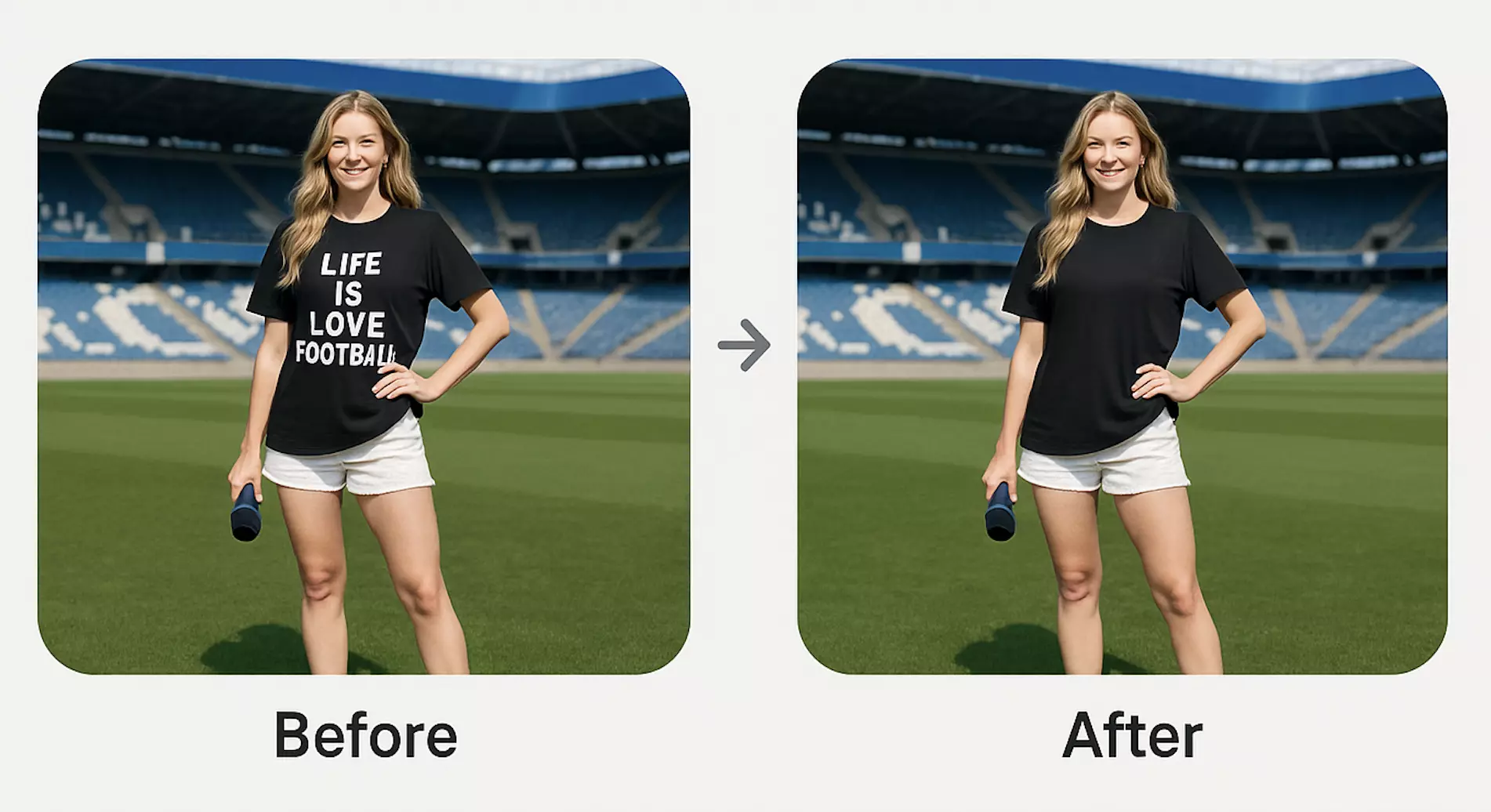
- Watermark removal ethics: Use watermark removal solely to clean your own branded or authorized material; never to strip ownership marks from third-party photos or stock.
- Brand approvals: Keep a quick internal checklist (logo safe area, color usage, copy tone) before publishing variations.
AI online tools vs traditional methods
- Time cost: Online AI tools like Pixflux.AI handle background removal and object cleanup in seconds; manual masking in desktop software can take 10–30 minutes per image, longer for hair and glass.
- Learning curve: No complex layer masks or channels required; non-designers can produce ready-to-use PNG cutouts, freeing designers to focus on concept quality.
- Batch efficiency: Bulk uploads enable consistent treatment across SKUs and UGC; manual workflows struggle to keep pace.
- Cross-team fit: Ready-to-layer assets standardize handoffs from creative to paid media without rigid templates.
Traditional desktop suites remain great for high-end compositing and art direction. But for daily social media creatives—where speed and volume matter—Pixflux.AI’s streamlined steps get you to publish-ready assets faster.
FAQ: Transparent background assets for social media marketers
What exactly is a transparent PNG, and why should I use it for social media?
A transparent PNG is a cutout image with no background, ideal for layering over any design. Because the background is removed, you can reuse the same subject across Stories, Reels, carousels, and ads without re-editing, which speeds up production and keeps visual consistency. PNG preserves soft edges (like hair) better than JPEG and is widely supported by social platforms.
Is PNG always better than WebP or SVG for overlays?
PNG is the safest choice for photo subjects; WebP and SVG suit specific cases. Use PNG for people and products where soft edges and transparency matter. WebP can reduce file size if your platform supports it. SVG is perfect for logos and icons but isn’t made for photographic subjects.
How do I avoid rough edges or “halo” artifacts around my cutouts?
Refine edges and watch for leftover color spill from the original background. After AI background removal, zoom in to verify hair, fabric, and semi-transparent areas. Slightly contract the mask or feather the edge to eliminate halos. Add a realistic shadow to ground the subject against new backgrounds.
Can I batch process multiple images for a campaign?
Yes—batch image processing lets you remove backgrounds from many files in one go. Prepare a folder of consistent angles or product shots, run them through your tool, then sort your PNG cutouts into collections (by SKU, season, or platform) for quick assembly in carousels, Stories, and ads.
Will transparent PNGs hold up in Stories and Reels?
Yes—export at or above native resolution and use sRGB for consistent color. Aim for 1080×1920 or higher for vertical placements. If you notice compression artifacts, re-export from your master cutout and minimize additional resaves to keep edges crisp.
Is watermark removal allowed for social media creatives?
Only if you own or are authorized to edit the image; never remove someone else’s watermark. Use watermark removal to clean your own branded assets or licensed images according to the license terms. Avoid using it to strip ownership marks from third-party or unlicensed content.
Can I generate or change backgrounds without reshooting?
Yes—AI tools can change or generate new backgrounds that match your brand or campaign theme. Start with a clean cutout, then test color blocks, gradients, textures, or subtle scenes. Keep lighting and shadows consistent for realism, and document the best-performing combinations.
Conclusion and next steps
Transparent background assets turn one strong photo into a modular system you can remix everywhere—without re-editing from scratch. For teams navigating short-form and vertical-first demands, this is the simplest way to speed up testing, preserve brand consistency, and produce more winners.
Try it on your next drop: upload a product or portrait, cut it out cleanly, and layer it across Stories, Reels covers, and carousels. Pixflux.AI makes it fast to handle background removal for social media so you can focus on concepts, not masking.
Tools mentioned: Pixflux.AI (for background removal, object cleanup, photo enhancement, and batch processing).