Transparent Background Images for E-Commerce Sellers Who Need Faster Product Listing Workflows
Get cleaner, consistent product photos with transparent backgrounds, plus presets, batch workflows, and QA tips to speed marketplace and ad uploads.
 Emily CremerMarch 9, 2026
Transparent Background Images for E‑Commerce Sellers Who Need Faster Product Listing Workflows
If your product listing queue feels endless, there’s a good chance your images are the bottleneck. Mixed backgrounds, inconsistent canvas sizes, and slow retouch cycles make it hard to publish to Amazon, Walmart, Etsy, or your own Shopify storefront at pace. Meanwhile, ad platforms push for clean, high‑contrast visuals that ship fast and scale across placements.
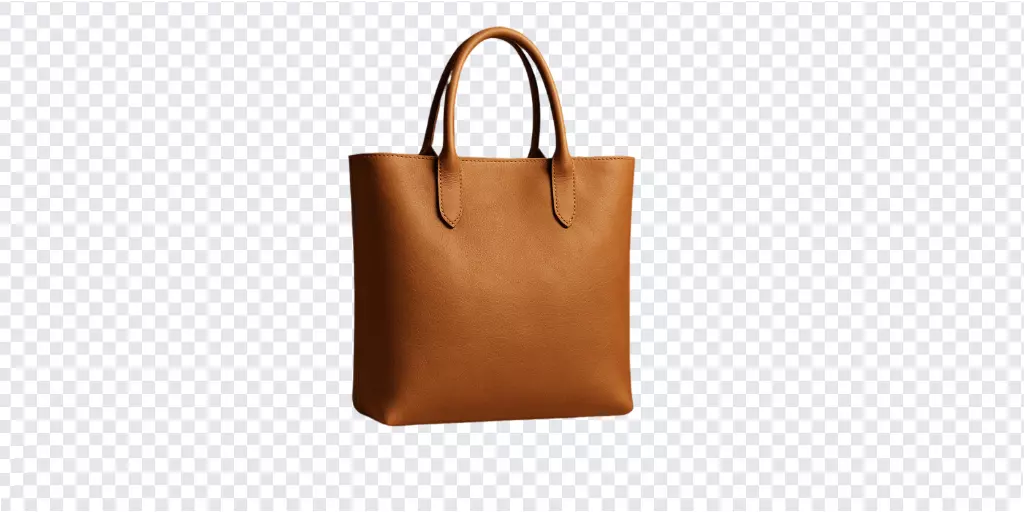
The fix is simple and repeatable: start with a transparent background product image, then drop it onto any channel template without re‑cutting or re‑exporting. With current AI background removers, you can create transparent background images in minutes, standardize SKUs, and maintain clean merchandising across marketplaces, PDPs, and ads. By 2026, many marketplaces and ad networks explicitly favor clean or transparent backgrounds for faster moderation and higher CTR—so building this into your workflow now pays off immediately.
(See image: Before-and-after of a sneaker photo showing the original background and a clean transparent PNG with crisp edges on a checkerboard preview)
Why transparent backgrounds speed up listings and ads
- Single master asset for all channels: One cutout product PNG or WebP feeds marketplaces, PDP hero images, email modules, and Meta/Google ads without re‑masking.
- Faster approvals: Transparent or clean backgrounds reduce moderation flags and mismatched style rejections on Amazon, eBay, Walmart, and Google Shopping.
- Flexible merchandising: Layer the same cutout over seasonal backdrops for promotions, or keep it on white for catalog consistency.
- Leaner creative ops: Designers don’t re‑trace edges or recreate shadows for each variant; marketers can self-serve on templates.
Tools like Pixflux.AI streamline this even further by handling background removal and cleanup in a single pass, so your team can make background transparent at scale instead of sending files back and forth.
File formats, color profiles, and export settings that just work
Good output settings prevent surprises like dull colors, jagged edges, or weird halos on dark themes.
- Formats for transparency
- PNG: The go‑to for marketplace uploads and PDP images; supports alpha transparency and crisp edges.
- WebP (with alpha): Use for modern web delivery to reduce file sizes while preserving transparency, especially when your CDN supports WebP negotiation.
- Color profile
- sRGB: Export all e‑commerce assets in sRGB to match browser and marketplace expectations. Avoid Display P3 unless you control the entire rendering environment.
- Bit depth
- 8‑bit is sufficient for most product imagery and keeps file sizes small.
- Canvas and margin
- Square canvases (e.g., 2000×2000 px) fit most marketplaces. Maintain consistent margins (5–10% on all sides) so grids look uniform.
- Shadows and reflections
- Add a subtle, soft shadow in a separate layer if your brand allows it; test it on light and dark surfaces to avoid halos.
- Compression and size
- Target 150–400 KB for web; up to 2–3 MB for marketplace zoom requirements (check vendor specs).
Manual cutouts vs AI background removers for e‑commerce
- Time and learning curve
- Manual: Pen tool and masks in pro software can deliver pixel‑perfect edges, but it’s slow and takes expertise.
- AI remover: Modern AI (2026‑quality segmentation) handles hair, glass, and soft edges impressively—good enough for 90–95% of SKUs in minutes.
- Batch processing
- Manual: Difficult and inconsistent across hundreds of SKUs.
- AI remover: Upload multiple images, apply the same settings, and output consistent files at once.
- Edge quality
- Manual: Best for ultra‑complex products with intricate lace or mesh and special art direction.
- AI remover: Excellent for most apparel, footwear, electronics, beauty, and packaged goods.
- Cost and throughput
- Manual: High labor cost, limited throughput under deadlines.
- AI remover: Predictable cost per image with rapid throughput—ideal for catalog refreshes and seasonal updates.
How to create a transparent background in minutes: step‑by‑step
You can produce marketplace‑ready cutouts with Pixflux.AI in a clean, repeatable workflow.
1) Open Pixflux.AI 2) Upload your product shot 3) Choose Background Removal and let the AI process 4) Preview the cutout; fine‑tune edges or add a soft shadow if needed 5) Download the result as PNG (alpha) or WebP (with transparency)
Tip: If you also need to clean stray scuffs or stickers, run a quick pass with object removal before you export. When you’re ready to act, use Pixflux.AI to make background transparent and keep your SKU pipeline moving.
(See images: Pixflux.AI interface screenshots illustrating the three‑step flow: upload → AI process → download)
Using Pixflux.AI for clean cutouts, background changes, and batch SKUs
Most catalog teams need more than a single cutout. Common tasks include removing busy studio backdrops, switching to seasonal scenes, cleaning watermarks from vendor-provided files, and enhancing clarity before ads go live.
Here’s how Pixflux.AI fits those jobs:
- Remove or change backgrounds: Start with a transparent background for your master asset. For promos, swap in a subtle gradient or brand color without re‑shooting.
- Generate on‑brand scenes: For social or homepage features, create new, simple backdrops that keep the product dominant while matching your palette.
- Clean watermarks and marks: If vendor samples arrive with logos or text overlays and you have rights to the images, use watermark removal to clear them for retail use. Only edit assets you own or are licensed to modify.
- Enhance clarity: Improve contrast and detail for small or textured SKUs (jewelry, knits, brushed aluminum) to maintain crispness on thumbnails and zoom.
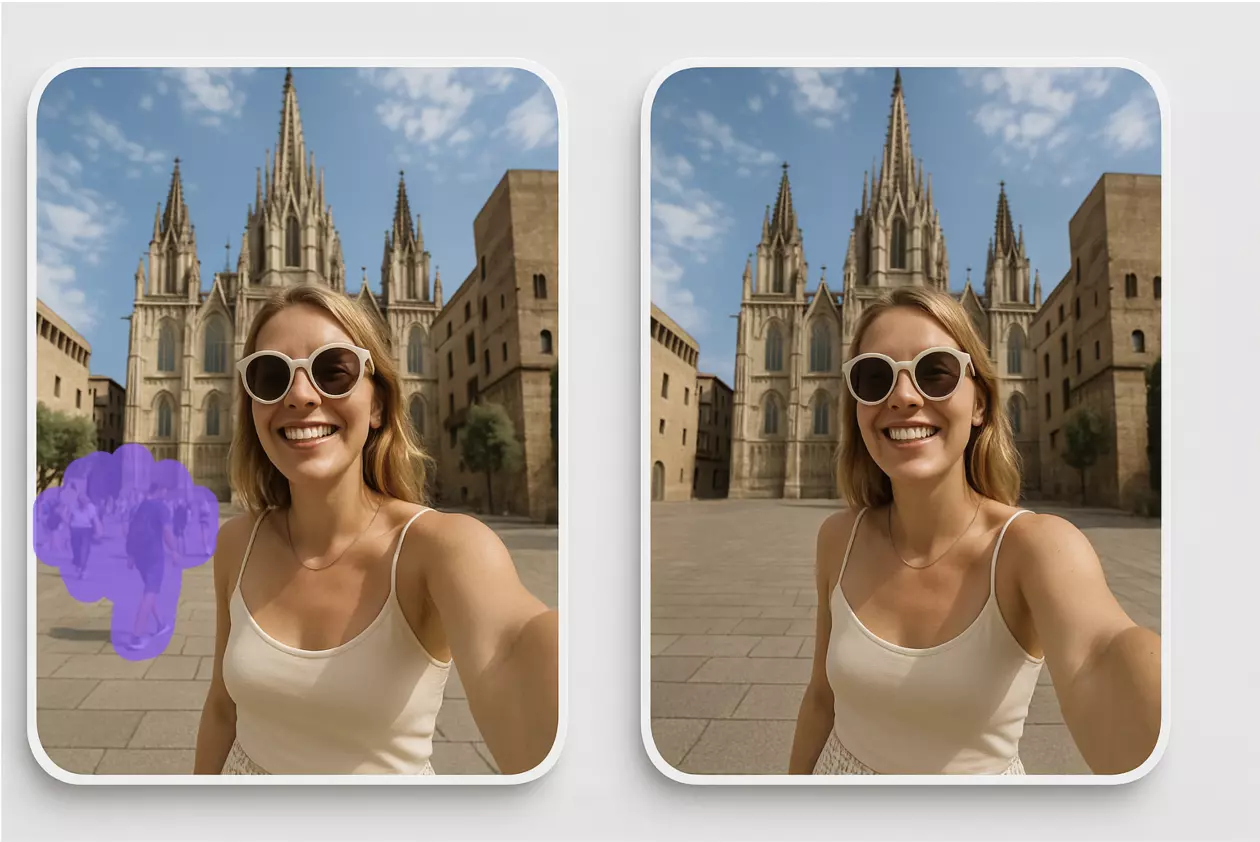
- Remove distractions: Erase cables, support rigs, or passersby from quick location shoots so the product reads clean.
- Batch processing: Upload multiple product shots from the same set and apply consistent margins, shadows, and export settings for faster standardization.
(See image: Side‑by‑side comparison in Pixflux.AI of the same product image with background removed and watermark removed)
Consistency rules that keep your grid tight
- Canvas size: Standardize to a square (e.g., 2000×2000 px) for marketplaces; keep a second preset (e.g., 1080×1350) for paid social.
- Margins: Lock 5–10% padding so rows align in category grids. Taller items may need custom top/bottom padding to center visually.
- Fallback backgrounds: Even with a transparent background, define safe fallbacks for platforms that render on white (#FFFFFF) or light gray (#F6F6F6).
- Shadow policy: Decide when to include a soft shadow or reflection. Apply it consistently (opacity, blur, offset).
- Orientation logic: For long products (boards, tripods), rotate or crop with a consistent rule so they don’t appear shrunk.
- File naming: SKU_style_color_view (e.g., 12345_red_front.png) is easier to find, QA, and republish without guesswork.
Speed tactics for teams: templates, presets, and naming
- Presets for exports: Save PNG (alpha, sRGB, 2000×2000) and WebP (alpha, quality 80–90) presets so your team doesn’t reinvent settings.
- Marketplace templates: Keep reusable canvases with safe margins and compliant backgrounds for Amazon, eBay, Etsy, and Google Shopping hero images.
- Variant bundles: When you photograph a full color run, batch process the set so margins and shadows match automatically.
- File naming + versioning: Append _cutout, _white, _hero where needed. Keep a single transparent master per angle; derive all platform variants from it.
Quality checks: edges, hair, glass, and reflective packaging
- Edge halos: Zoom to 200–300% on dark and light backgrounds to catch faint halos. Tighten the edge or add a soft 1–2 px inner shadow to blend.
- Hair and fur: AI is strong here in 2026, but flyaways may need a quick refine. Compare on white and charcoal to surface artifacts.
- Glass and liquids: Preserve internal highlights. If the bottle looks “cut out” unnaturally, reduce contrast or add a faint floor shadow.
- Chrome and reflective labels: Watch for background color bleeding. A minor curves adjustment or fringe cleanup fixes it.
- Text and small patterns: Ensure micro‑details in woven labels or fine grills don’t get over‑smoothed by noise reduction.
Compliance and ethics: watermark removal, rights, and platform rules
- Rights and attribution: Only remove watermarks or logos from images you own or have clear permission to edit. Don’t use watermark removal to bypass licensing or vendor branding requirements.
- Marketplace policies: Follow each platform’s image rules (e.g., Amazon: pure white or transparent backgrounds, no additional graphics). Violations can lead to suppression.
- Claims and authenticity: Don’t edit out product features (like safety labels) that are required for accurate representation.
Note: When using AI watermark removal or background edits, document your source files and permissions so audits are straightforward.
AI tools vs traditional software and outsourcing
- Time cost
- Traditional: 10–20 minutes per image for careful pen‑tool work; longer for hair, mesh, or glass.
- AI online tool: 10–30 seconds per image for strong cutouts; a few minutes for quick refinements.
- Learning barrier
- Traditional: Requires pro‑level software skills and retoucher time.
- AI online tool: Click‑and‑check workflow that non‑designers can run.
- Batch efficiency
- Traditional: Batch actions are limited and fragile; consistency drifts across operators.
- AI online tool: Batch upload with uniform settings keeps SKUs visually aligned.
- Cross‑team fit
- Traditional: Files bounce between teams; queues form around specialists.
- AI online tool: Marketers, merchandisers, and designers can each produce compliant outputs without waiting in line.
Pixflux.AI shines here for day‑to‑day catalog operations: you upload, process, preview, and download—no steep training curve, no heavy installs, and no dependency on a specialist every time a new SKU drops.
FAQ: Transparent background product images for marketplaces and storefronts
What’s the best format for transparent background images?
PNG or WebP with alpha is best for transparency. PNG is widely accepted by marketplaces and preserves crisp edges; WebP with alpha is excellent for web delivery due to smaller file sizes, especially when your site or CDN supports it. Keep everything in sRGB to avoid color shifts.
Should I export in sRGB or another color profile?
Use sRGB for all e‑commerce assets. Marketplaces and browsers assume sRGB; exporting in Display P3 or Adobe RGB can lead to muted or oversaturated colors when auto‑converted. Lock your workflow to sRGB and soft proof if you design on wide‑gamut monitors.
How big should my transparent background product images be?
Aim for 2000×2000 px for marketplaces and 1200–1600 px on the long edge for web. Amazon and similar platforms recommend large, square images to enable zoom and consistent grids. Keep web versions lighter (e.g., 150–400 KB) while maintaining detail for thumbnails and PDPs.
Can I batch process a full color run or collection?
Yes, batch processing is ideal for consistency and speed. Upload multiple images from the same set, apply the same margins, shadows, and output format, then export together. This keeps variants aligned and cuts production time dramatically.
How do I handle difficult edges like hair, fur, or glass?
Let AI do the first pass, then inspect at 200–300% and refine. Modern AI segmentation handles soft edges well, but watch for halos on dark themes and highlight clipping on glass. Minor edge smoothing, shadow tweaks, or fringe cleanup usually solves artifacts quickly.
Is watermark removal allowed for vendor images?
Only if you own the rights or have explicit permission to edit. Use watermark removal to clean assets you’re licensed to modify (e.g., vendor samples where branding must be cleared for retail). Don’t remove watermarks to bypass licensing, attribution, or platform rules.
Will transparent background images work on all marketplaces and ad platforms?
They work on most, but always check platform specs. Some channels prefer pure white backgrounds while others accept transparency that renders over white or gray. Keep a compliant white‑background variant ready, and use transparent masters for flexible placement.
Conclusion and next steps
Transparent background product images compress your entire listing workflow—from faster moderation to plug‑and‑play merchandising across PDPs, ads, and email. With sRGB builds, PNG or WebP with alpha, and a few consistency rules, your team can ship more SKUs with fewer revisions.
When you’re ready to speed up, try Pixflux.AI to create a clean transparent background for your next product drop. In three simple steps—upload, process, download—you’ll move from “waiting on images” to “publishing now,” and keep your catalog sharp as you scale.