Transparent Background for Creators A Sticker Pack Workflow for TikTok and Reels
Turn portraits and product shots into crisp PNG stickers with anti-aliased edges—then batch export perfect sizes for TikTok, Reels, and Shorts.
 Sierra CappelenMarch 5, 2026
Transparent Background for Creators: A Sticker Pack Workflow for TikTok and Reels
Short‑form video is a sticker playground. Layered cutouts, playful callouts, and product “pops” keep viewers’ eyes moving and boost watch time on TikTok, Reels, and Shorts. But if your stickers have jagged edges or murky halos, they’ll look cheap—especially on high‑contrast footage. Creators need a fast way to turn portraits, objects, and logos into clean PNGs with true transparency and anti‑aliased edges.
In 2026, AI cutout quality rivals manual masking, while platforms increasingly reward lightweight, clean overlays. The simplest way to get there is an online tool that does the heavy lifting. If you’re ready to go from camera roll to export‑ready stickers in minutes, try an AI transparent background generator to create smooth, rights‑safe PNGs without fighting selection tools.
(See image: Pixflux.AI interface showing the three‑step flow: upload → AI processing → download for a portrait cutout)
Why transparent PNG stickers lift engagement on TikTok, Reels, and Shorts
- Layered storytelling: Overlay faces, product highlights, and reactions so viewers can grasp context at a glance.
- Visual rhythm: Cutouts create movement and micro‑surprises that boost retention metrics in short‑form feeds.
- Brand recall: Reusable sticker packs (logo marks, key product angles, catchphrases) build a consistent look.
- Lightweight assets: Transparent PNGs are smaller than video layers or 3D comps and render well in mobile editors.
Core concepts: transparency, alpha channels, anti‑aliasing, and color
- Transparency and alpha channel: A PNG’s alpha channel stores per‑pixel opacity, which is how you get “holes” that let video show through. For stickers, export PNGs with a full alpha channel (no fake white/black backgrounds).
- Anti‑aliased edges: Smooth, sub‑pixel blending at the cutout boundary prevents stair‑stepped “jaggies.” Look for tools that preserve hair, fur, and semi‑transparent edges.
- Color profiles: Export in sRGB to match mobile screens and social editors. Wrong profiles can shift skin tones or brand colors.
- File format: PNG with transparency is the industry baseline for sticker overlays. Keep file weights lean to avoid stutters in mobile editors.
Choosing a transparent background generator: online vs desktop vs mobile
- Online tools: Fast, no install, and great for batch work. Edge quality has caught up to pro masking in many cases. Pixflux.AI is a solid pick for creators who want crisp anti‑aliased edges and quick downloads across devices.
- Desktop apps: Maximum control (channels, paths, per‑pixel edits) but a steep learning curve and longer per‑asset time.
- Mobile apps: Handy for on‑the‑go edits and quick drops into stories, but limited when you need consistent packs or halo cleanup.
Prioritize: cutout quality on hair and semi‑transparent objects, consistent color, the ability to fix halos, batch processing, and options to remove distracting objects or watermarks from assets you own the rights to.
Capture and prep: shoot portraits and products for clean cutouts
- Light evenly: Soft, diffused light reduces noisy edges and makes anti‑aliasing cleaner.
- Separate subject from background: Add contrast in color or brightness so AI can find edges (e.g., darker hair on a mid‑tone wall).
- Control motion blur: Shoot at higher shutter speeds to avoid fuzzy edges.
- Frame for stickers: Leave margin; don’t crop too tight. Stickers need some “breathing room.”
- Prep file: Use the original resolution when possible; avoid heavy pre‑compression that can create artifacts.
Create transparent sticker PNGs in minutes (Pixflux.AI three‑step flow)
Open Pixflux.AI’s transparent background generator to turn portraits and products into clean sticker cutouts. Then:
1) Upload your image Drag and drop your portrait or product shot. Use the highest‑quality version you have.
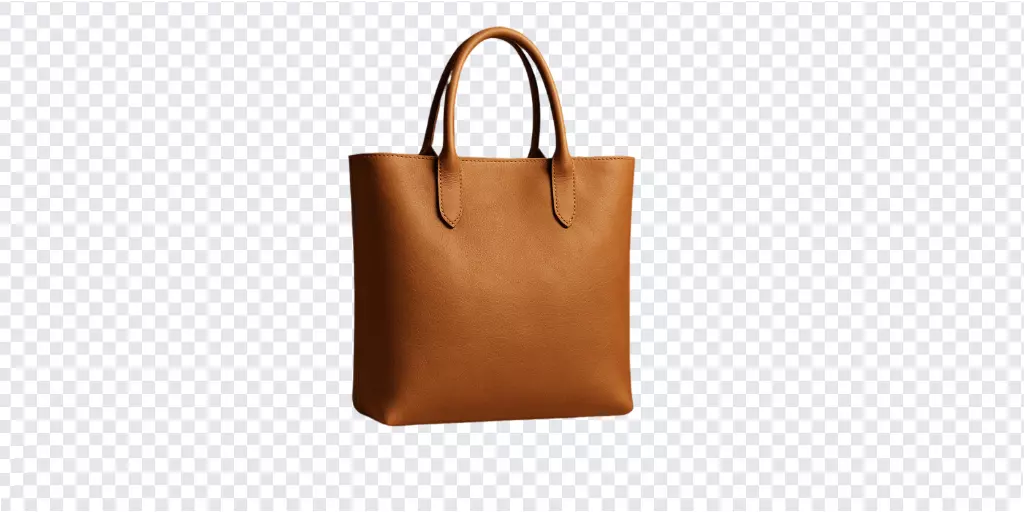
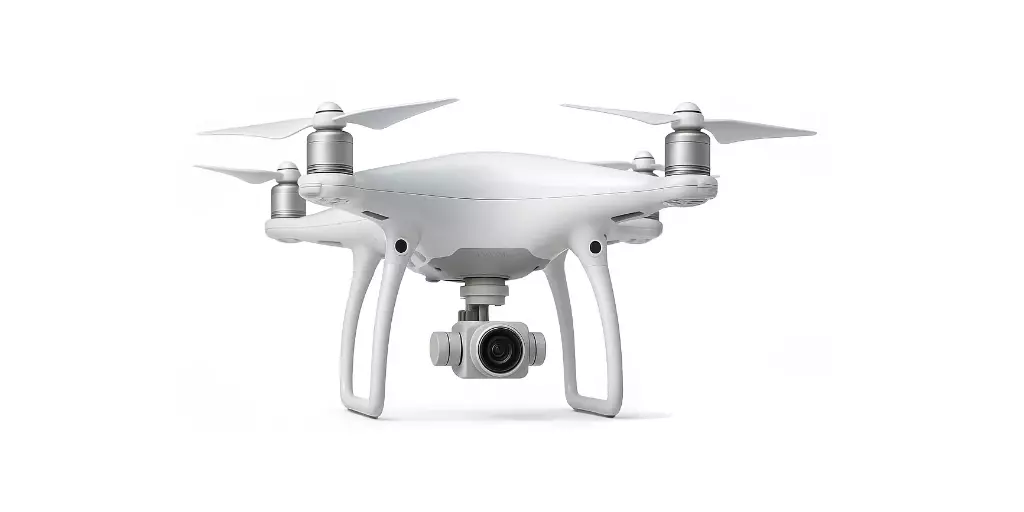
2) Let the AI process the background The tool isolates the subject, removes the background, and preserves semi‑transparent edges like hair or glass. Preview on both dark and light checkerboards to spot halos.
3) Download the transparent PNG Export a PNG with a full alpha channel (sRGB). Save a master at 1024–2048 px for reuse, then create smaller variants as needed.
(Tip: If you see faint halos, try a tiny edge refinement. In Pixflux.AI, use preview and micro‑adjustments before final download to smooth anti‑aliased edges and keep detail.)
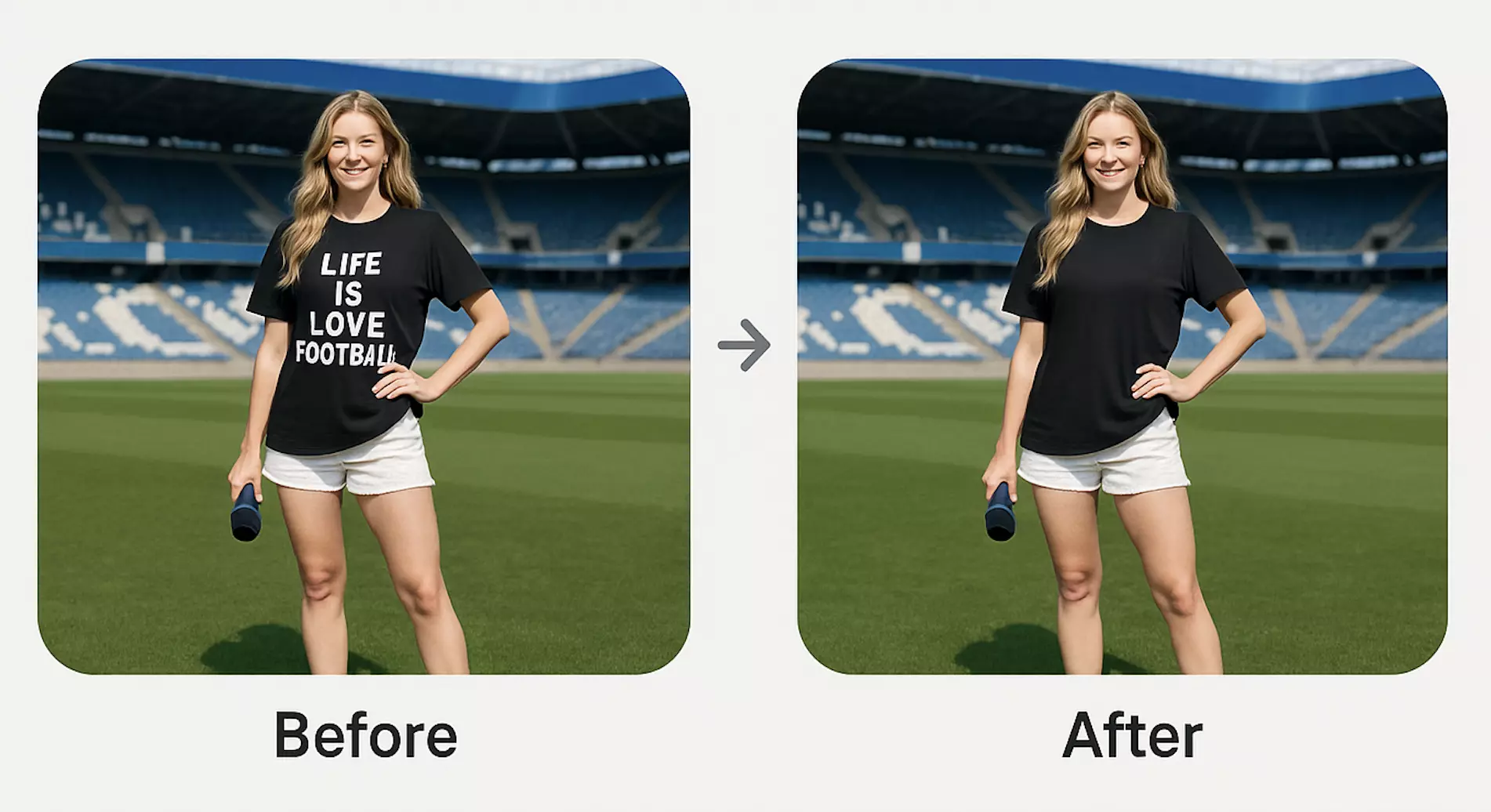
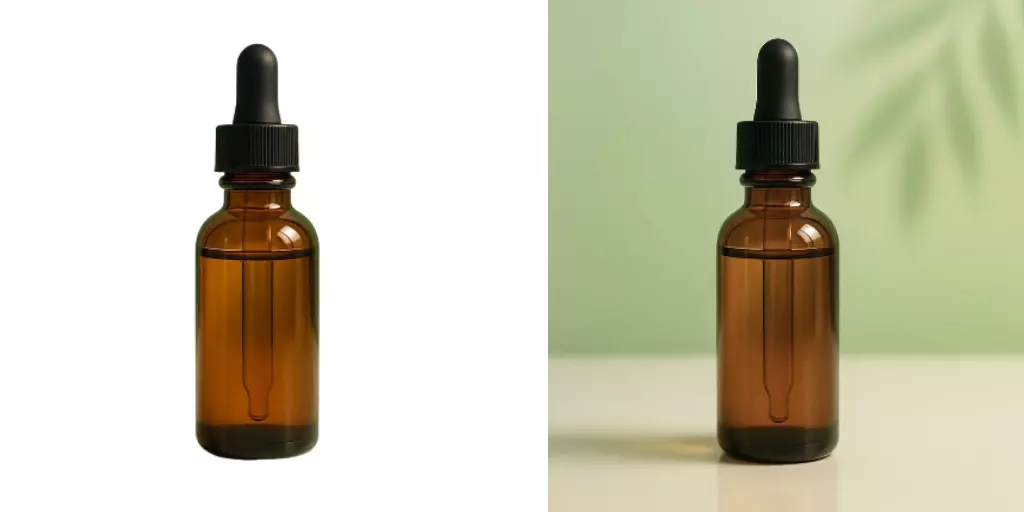
(See image: Before‑and‑after on the same product—background removal and watermark cleanup performed in Pixflux.AI)
Refine edges: defringe, feather, halo cleanup, and soft shadows
- Feather (1–2 px max): A subtle feather reduces jaggies without blurring the subject. Over‑feathering causes a soft, “cut‑paper” look.
- Defringe/matte: If you shot on a colored background, remove that color fringe at the boundary to avoid halos on dark footage.
- Hair and semi‑transparent areas: Preserve transparency; don’t force fully opaque masks. Check both light and dark previews.
- Soft shadow layer: Create a separate, low‑opacity shadow to ground floating objects when compositing on video. Keep it subtle so it doesn’t look pasted on.
Build a reusable sticker pack
Consistency saves time when you’re editing multiple Shorts a week.
- Naming: Use a scheme like brand_subject_pose_variant_scale (e.g., flux_sneaker_side_v2_1k).
- Variants: Colorways (day/night), expressions (neutral/surprised), angles (front/three‑quarter).
- Safe margins: Keep key pixels away from the edge so pinch‑zooming in apps doesn’t crop details.
- Organization: Group assets by theme (reactions, product hero, callouts). Store masters and exports separately.
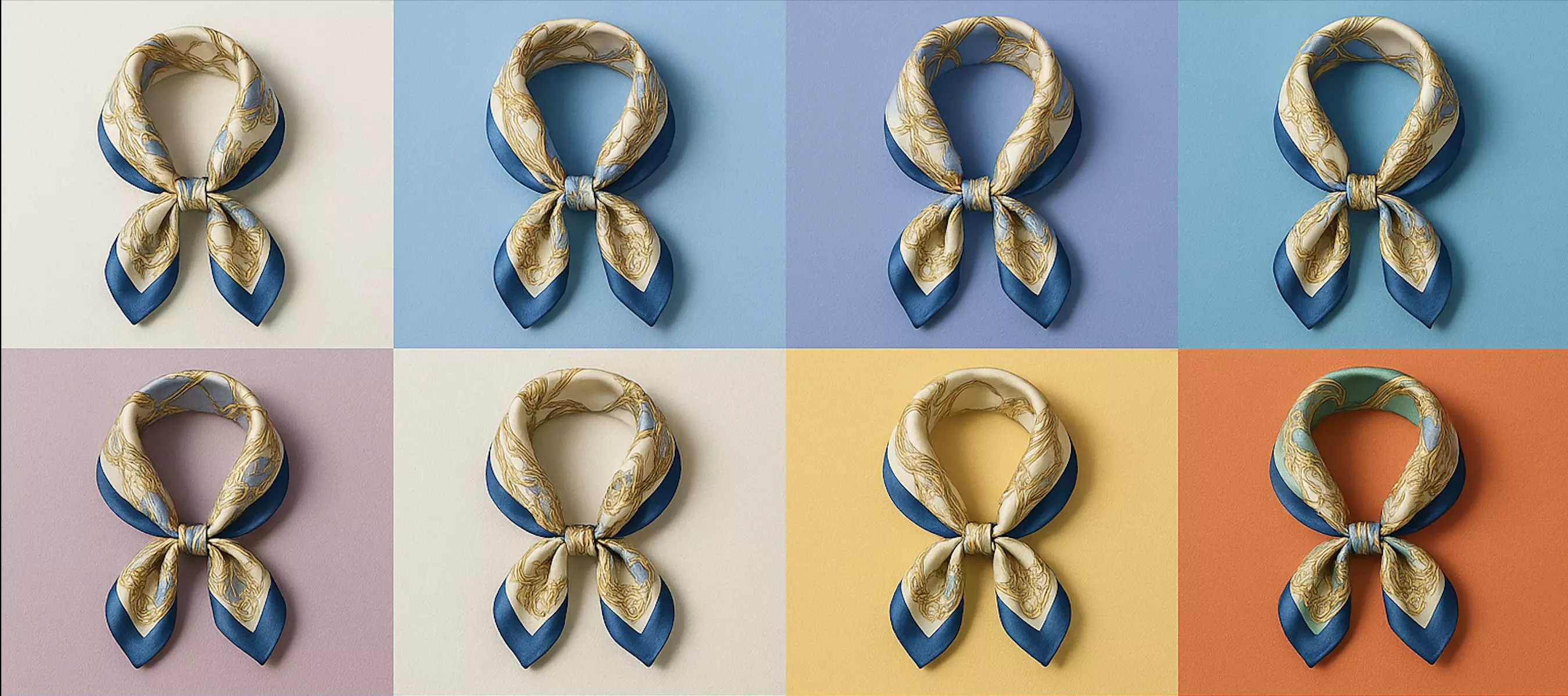
- Preview grid: Arrange your pack in a square tile layout to spot duplicates and gaps.
(See image: A sticker pack grid with safe margins, color variants, and export size labels for TikTok and Reels)
Export sizes for TikTok, Reels, and Shorts
- Target canvas: Most short‑form editors use 1080 × 1920 px (9:16). Your stickers can be smaller and scaled in‑app.
- Recommended sticker masters: 1024 × 1024 px or 2048 × 2048 px PNG (sRGB). Create lighter exports at 512–1024 px for speed.
- DPI: 72–144 DPI is fine for digital; pixel dimensions matter more than DPI.
- File weight: Aim under 1 MB per sticker when possible. Reduce complexity or size if you see lag in editors.
- Edge testing: Composite your PNGs on both near‑white and near‑black clips to catch hidden halos.
Batch production with Pixflux.AI background remover, enhancer, and object remover
Sticker packs become viable at scale when you can process many photos quickly:
- Batch background removal: Upload a set of portraits or product angles to strip backgrounds consistently.
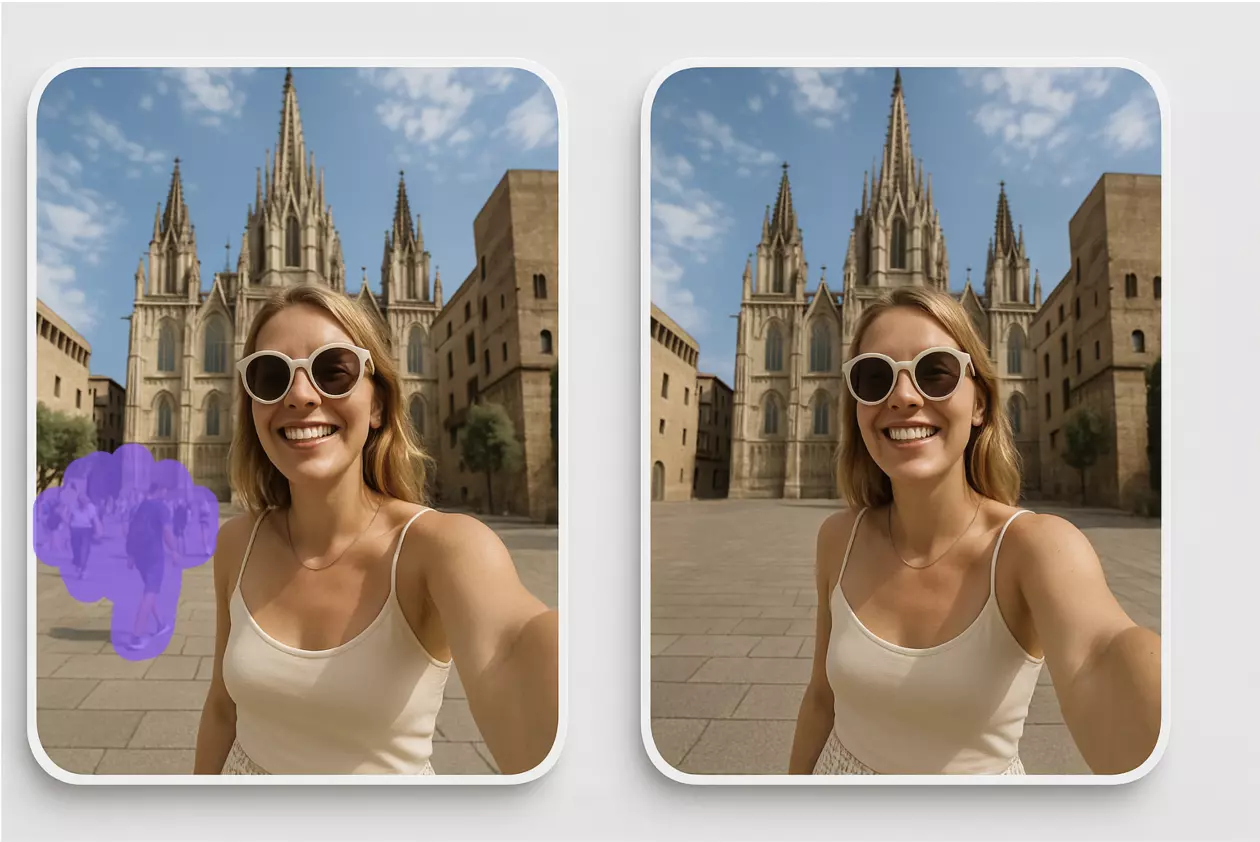
- Object cleanup: Remove stray cables, price tags, or passerby from shots so your cutouts look polished.
- Watermark removal: Clean authorized images where you own the rights or have permission. Never use watermark removal to bypass licensing.
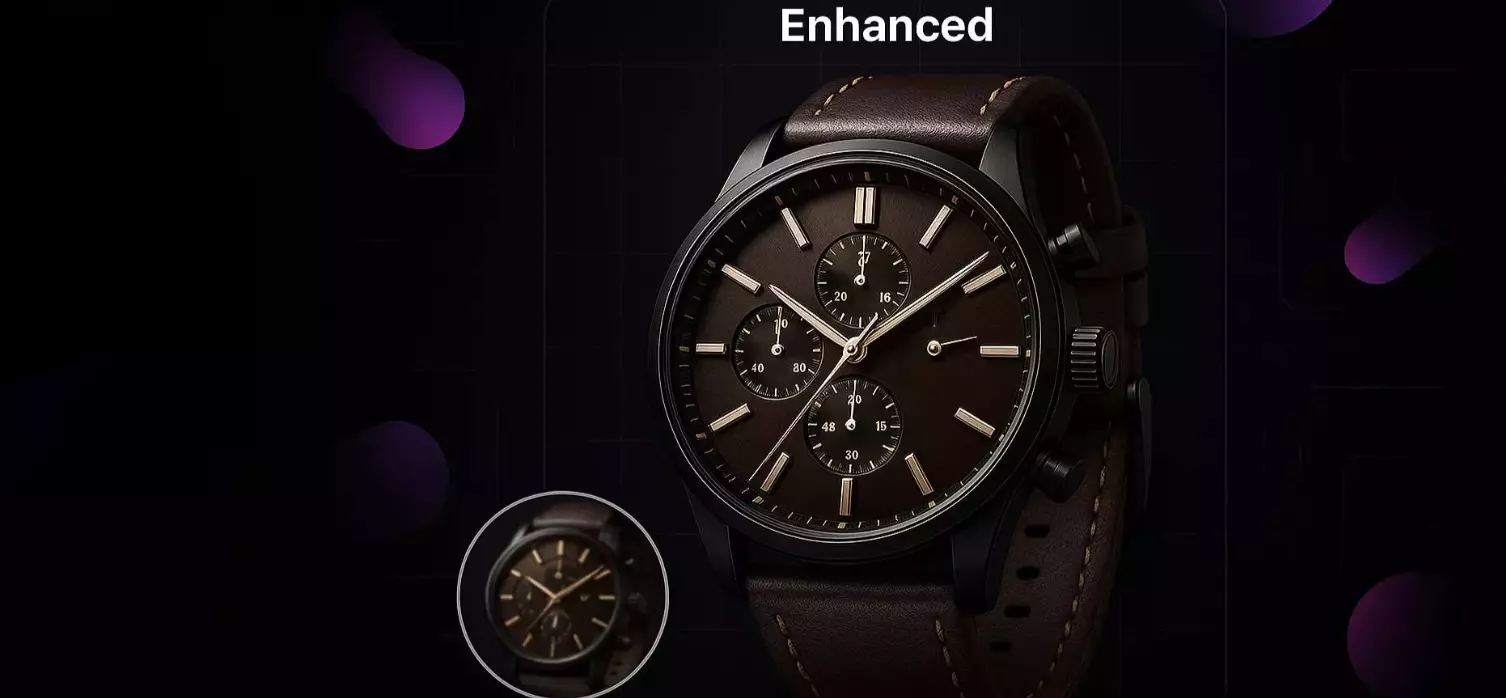
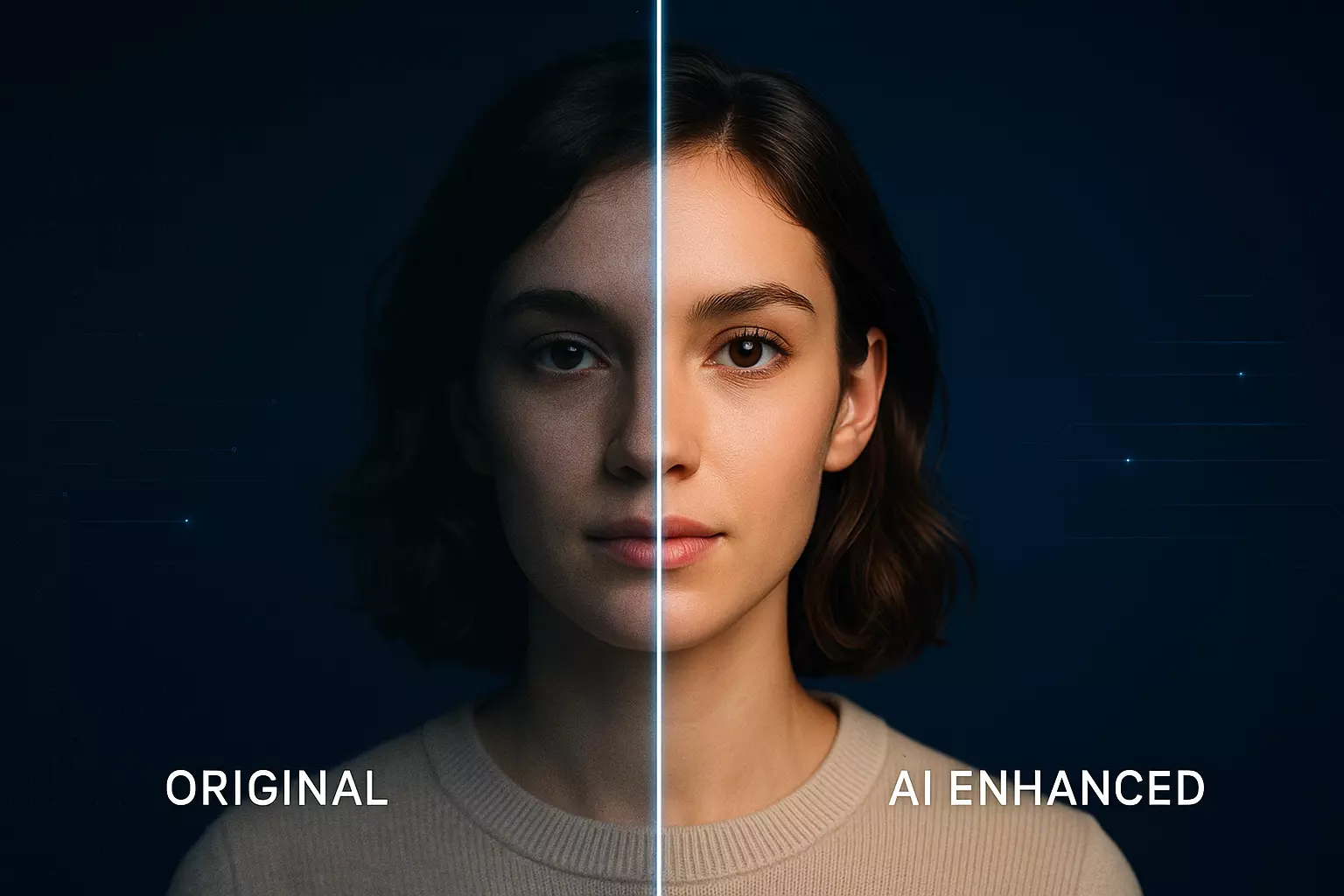
- Enhancement: Improve clarity, contrast, and fine detail so small stickers remain legible.
With Pixflux.AI, you can run these steps across multiple images to build a polished sticker library in a single session, instead of days of manual masking.
Ethics and rights: watermarks, logos, and rights‑safe usage
Use watermark and logo removal responsibly. Only process images you created or have explicit rights to modify. Removing watermarks or brand marks from unlicensed images can violate copyright and platform rules. When in doubt, get permission or select royalty‑free sources with clear licenses.
Troubleshooting jagged edges, color fringing, and compression artifacts
- Jagged edges on diagonals: Export a larger PNG (e.g., 2× your target size), then scale down in the editor to improve perceived smoothness.
- White/colored halo: Apply a defringe or set the matte/edge color to match your target background. Preview on black and white to confirm.
- Washed‑out color: Ensure sRGB on export; avoid double‑converting color profiles between tools.
- Blurry small stickers: Start from a high‑res master and sharpen slightly before downscaling. Over‑compressed sources won’t recover detail.
- Blocky compression: Avoid exporting intermediate JPEGs at low quality; keep a PNG workflow until final delivery.
AI online tools vs traditional methods
- Time cost: Manual pen‑tool masking or channel extractions can take 10–30 minutes per image; AI cutouts are typically seconds, with minutes for QC and micro‑tweaks.
- Learning curve: Desktop masking techniques are powerful but take weeks to learn well. AI tools are point‑and‑go—ideal when you’re producing daily content.
- Batch efficiency: Processing dozens of images manually is exhausting. AI background removal, enhancement, and object cleanup scale your output with consistent quality.
- Cross‑team fit: Creators, editors, and social managers can share the same PNG pack without specialist software, keeping everyone moving fast.
Advanced five‑step polish (optional)
When you need extra control, use a refined pass:
1) Open Pixflux.AI 2) Upload the highest‑quality portrait or product image 3) Choose background removal; optionally adjust edge smoothness and transparency for hair, glass, or fabric 4) Preview on light and dark backdrops; defringe or feather lightly to remove halos while keeping detail 5) Download the final PNG (sRGB), then export smaller variants for mobile editors
FAQ: transparent background generator and sticker pack best practices
What file format should I use for stickers?
Use PNG with a full alpha channel. PNG preserves transparency and anti‑aliased edges reliably across TikTok, Reels, and Shorts editors. Stick with sRGB color to maintain consistent skin tones and brand colors.
How do I avoid jagged edges on my cutouts?
Export larger and downscale slightly, and ensure anti‑aliased edges are enabled. Upsizing your master (e.g., 1024–2048 px) and then scaling down in the video editor improves edge smoothness. If you still see stair‑steps, apply a subtle 1–2 px feather or defringe to remove harsh transitions.
Can I process multiple images at once to build a sticker pack?
Yes, batch processing speeds up pack creation dramatically. Pixflux.AI supports batch uploads so you can remove backgrounds, enhance detail, and clean distractions across many images in one pass. This ensures consistency across your sticker set.
Will transparent PNGs work correctly on TikTok and Reels?
Yes, mobile editors properly render PNG alpha channels. Import your PNGs as overlays and test on contrasting clips to confirm no halos appear. Keep file sizes light to avoid lag in mobile editing apps.
Is removing watermarks or logos legal?
Only if you own the rights or have explicit permission. Use watermark removal to clean your own assets or licensed images. Don’t strip marks from third‑party images to bypass licensing or platform rules—this can violate copyright policies.
What color space and DPI should I export?
Export sRGB PNGs at 72–144 DPI. sRGB matches most phone displays and social editors. DPI is less important than pixel dimensions; prioritize clean 512–2048 px assets with smooth anti‑aliased edges.
How do I fix a colored fringe from my original background?
Use defringe/matte cleanup and preview on light and dark backdrops. If you shot on a colored wall, set the matte to that color and remove it at the edge. A tiny feather often finishes the job without blurring details.
Conclusion and next steps
Clean, anti‑aliased PNG stickers turn ordinary clips into scroll‑stoppers—and they’re fast to produce when you let AI handle the tedious parts. Whether you’re building a reaction pack for your face cam, a product sticker set for TikTok Shop, or branded overlays for Reels, a streamlined approach keeps you shipping daily.
Start by turning a few portraits and product angles into transparent PNGs, organize them into a reusable pack, and test on high‑contrast footage. When you’re ready to scale, open Pixflux.AI and generate transparent PNG backgrounds in minutes. Your future self—and your watch time—will thank you.