Photo Enhancer for Influencers A 10 Minute Workflow for Scroll Stopping Posts
A fast, repeatable 10-minute workflow to polish photos: fix exposure, control noise, keep skin texture real, and export crisp, platform-ready posts.
 Michael WalshMarch 5, 2026
Photo Enhancer for Influencers: A 10‑Minute Workflow for Scroll‑Stopping Posts
You shoot fast, often in mixed lighting, and you don’t have time to retouch for hours. Still, you need crisp, natural images that stop the scroll without looking plastic. In 2026, audiences reward authenticity over heavy edits, while algorithms favor clean, fast‑loading visuals. That means subtle corrections, distraction cleanup, and platform‑ready exports—done reliably in minutes.
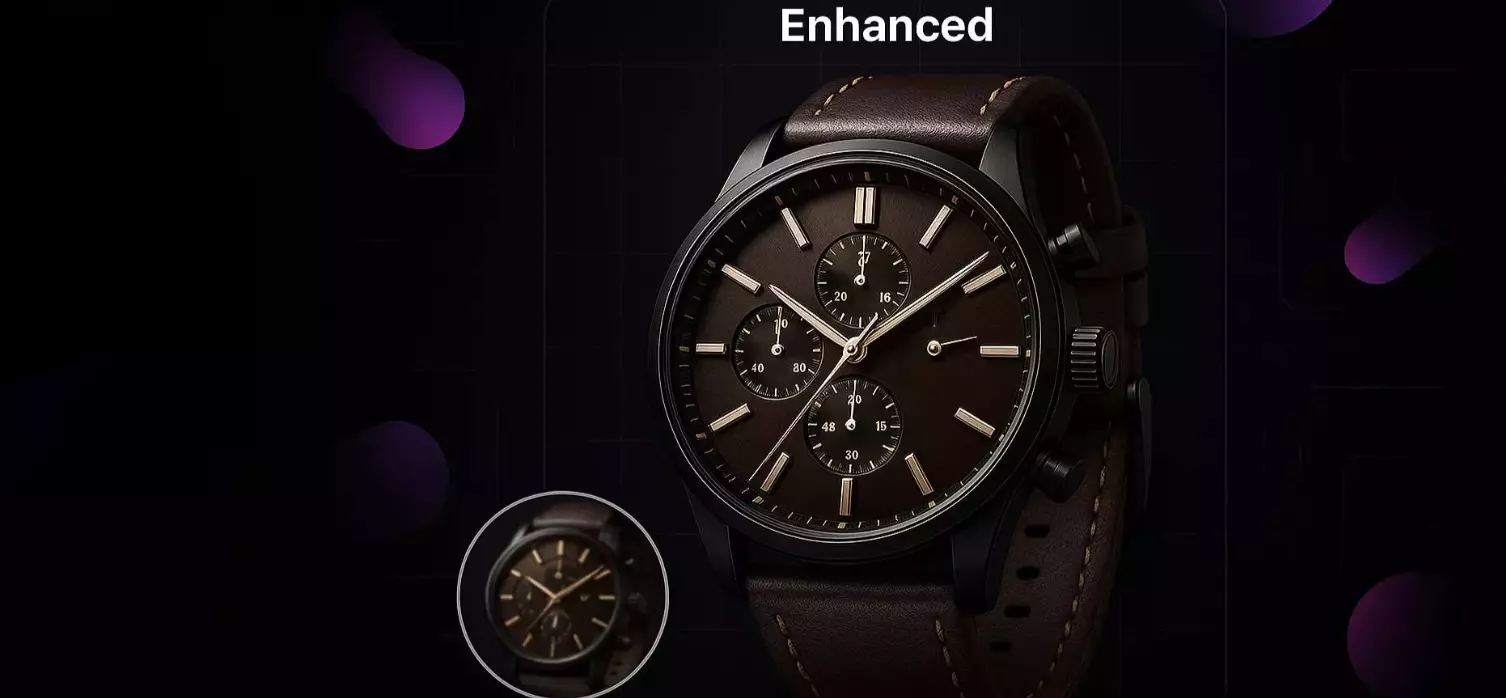
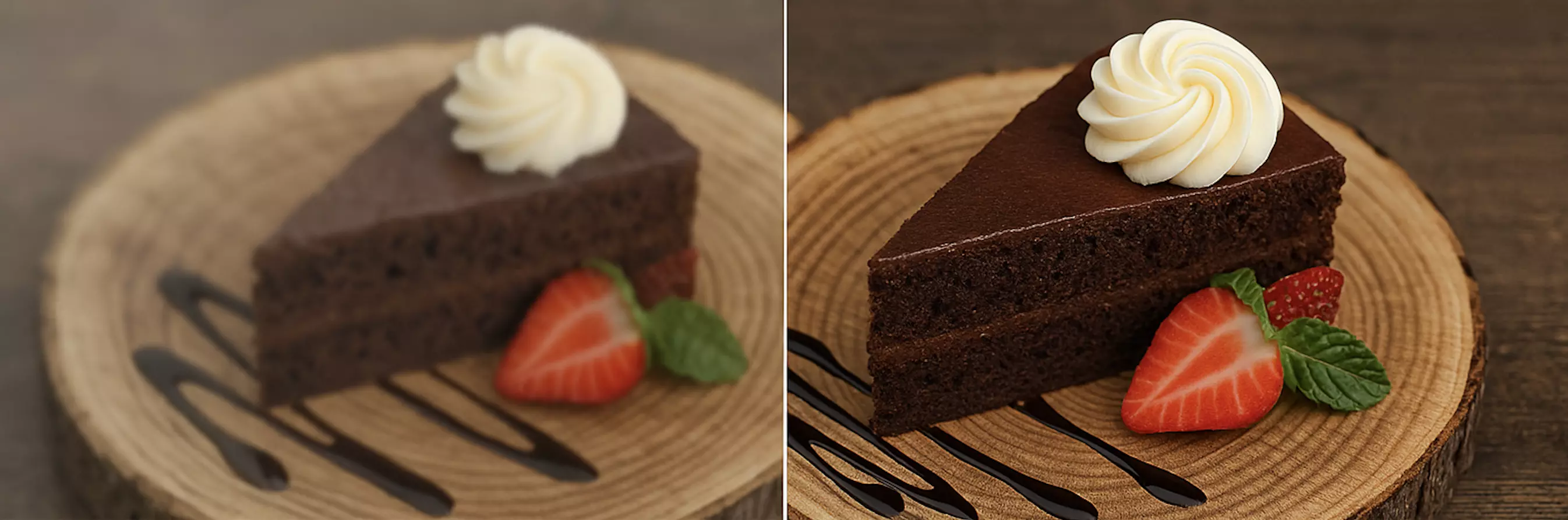
You can shortcut most of this with a lightweight, AI‑assisted photo enhancer that fixes exposure, reduces noise, preserves skin texture, and preps files for social. Tools like Pixflux.AI help you keep your content authentic while lifting technical quality so your posts earn more saves and shares.
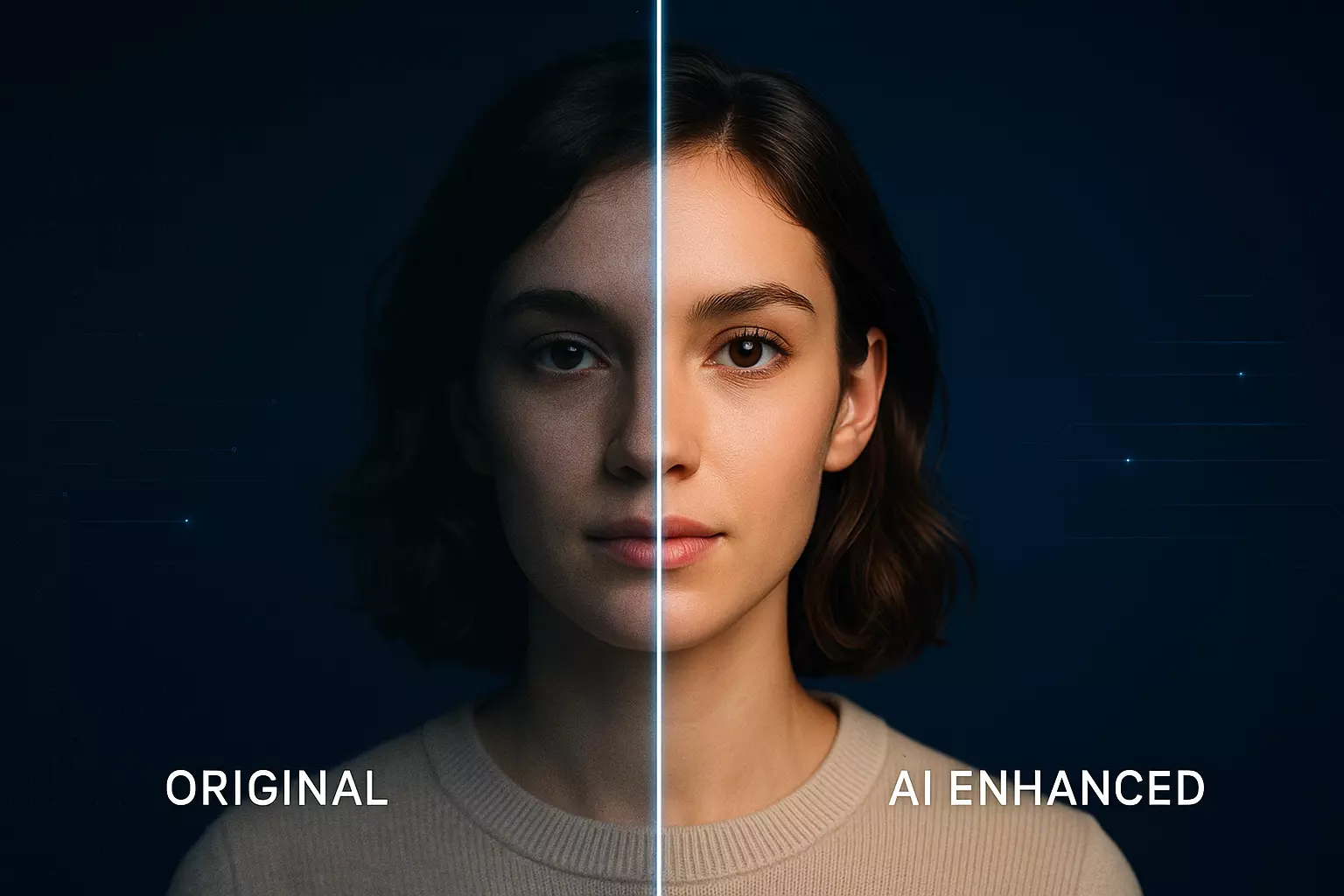
(See image suggestion: Split‑screen before/after portrait showing exposure fix, noise reduction, and selective sharpening with skin texture preserved for an Instagram post.)
What “scroll‑stopping” really means (and why subtle edits win)
Scroll‑stopping is not about extreme retouching. It’s about fast visual clarity and focus:
- Skin tones look true to life (no orange casts or gray highlights).
- Detail is crisp around eyes, hair, and edges, while skin texture stays natural.
- Background distractions are removed or softened so the subject pops.
- Files load fast on mobile feeds.
Over‑editing hurts trust and watch time. A modern, influencer‑first photo enhancer workflow embraces restraint: fix only what draws attention away from the story.
The 10‑minute photo enhancer workflow overview
Use this checklist end‑to‑end, or pick the steps that matter most for your shot:
- Evaluate in 10 seconds: Is the image under/overexposed? Any color cast? Biggest distraction?
- Correct exposure and white balance for natural skin.
- Add gentle global contrast (watch the histogram; avoid crushed shadows).
- Apply noise reduction: balance luminance vs. color noise without smearing detail.
- Sharpen selectively: boost eyes, hair, and edges; avoid skin.
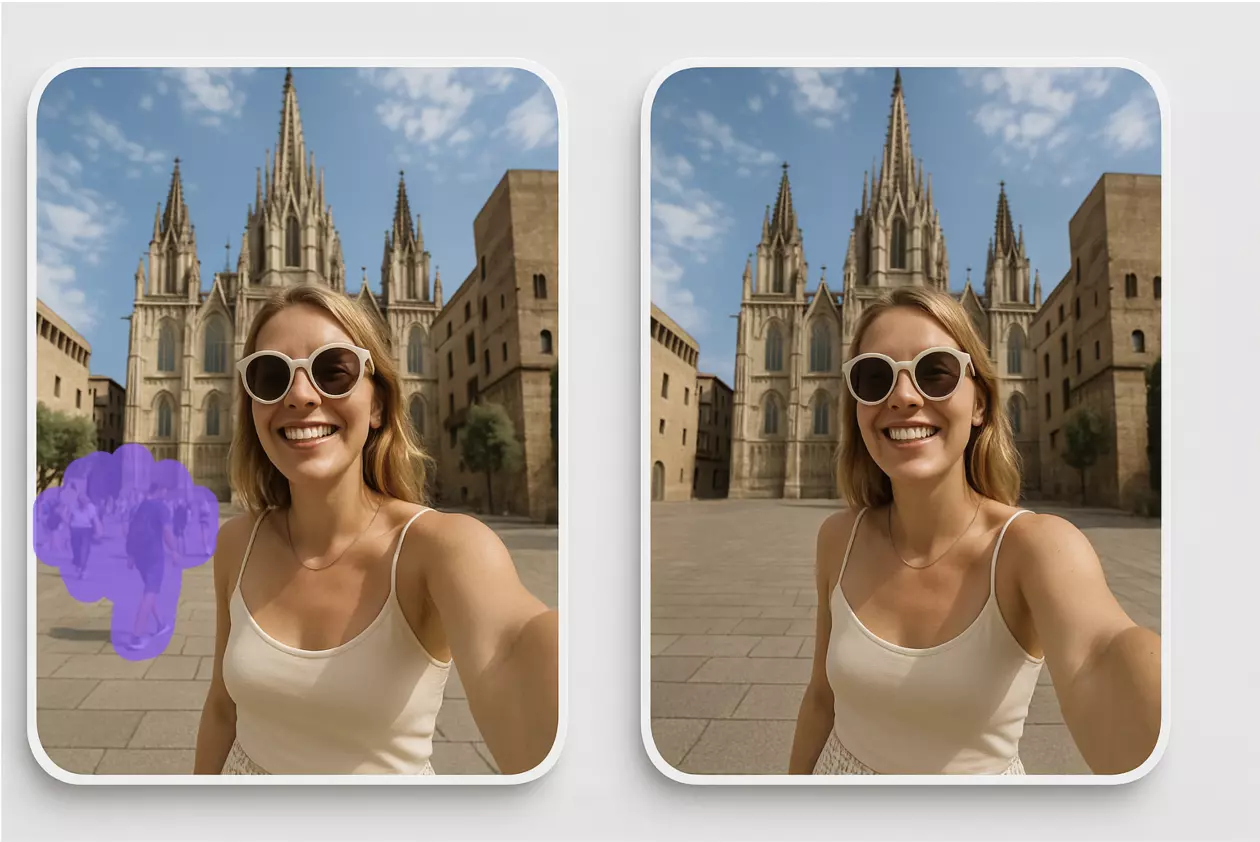
- Quick local fixes: remove small objects, clean the background, micro dodge & burn.
- Export to platform specs: right aspect ratio, resolution, and compression for speed.
- Save a preset and batch the look across similar shots.
AI tools accelerate steps 2, 4, 6, and 8, which is where most creators lose time.
Exposure and white balance: the fastest win for natural skin
- Nudge exposure until mid‑tones feel lifelike; keep highlights under control so foreheads and cheeks don’t blow out.
- Fix white balance first: warm indoor lighting often pushes skin orange; outdoor shade can turn skin cool/green. Aim for neutral whites and credible reds in lips and cheeks.
- Work in sRGB for social, and confirm your monitor brightness isn’t tricking your eye.
Tip: If the image is very contrasty, lift shadows slightly and cap overall contrast. You’ll add back crispness later via selective sharpening and micro‑contrast.
Noise reduction: balance luminance and color without smearing detail
Phone cameras at high ISO create grain (luminance noise) and speckled colors (chroma noise). The trick:
- Reduce color noise a bit more aggressively; it looks more distracting.
- Be gentler with luminance noise to preserve texture, especially on skin.
- Always zoom to 100% when judging noise. If skin starts to look plastic, back off.
This avoids the “wax effect” and sets you up for clean, subtle sharpening.
Selective sharpening that keeps skin texture believable
Global sharpening amplifies pores and can halo edges. Go selective:
- Sharpen only high‑detail zones: eyes, eyelashes, brows, hair strands, jewelry, and clothing seams.
- Add a touch of clarity or micro‑contrast to edges and textures, avoiding cheeks and forehead.
- Leave skin mostly untouched; let natural texture breathe.
Result: the subject feels vivid without fake “HDR face.”
Quick local fixes: remove distractions and tidy the frame
- Remove tiny objects: stray cables, random reflections, litter, or a logo in the background.
- Clean backgrounds: simplify busy patterns so the subject stands out.
- Micro dodge & burn: lift shadows under eyes slightly and darken bright highlights that steal attention.
- Watermark caution: Only remove watermarks or logos if you own the content or have explicit permission. Removing third‑party watermarks to reuse content can violate rights and platform policies.
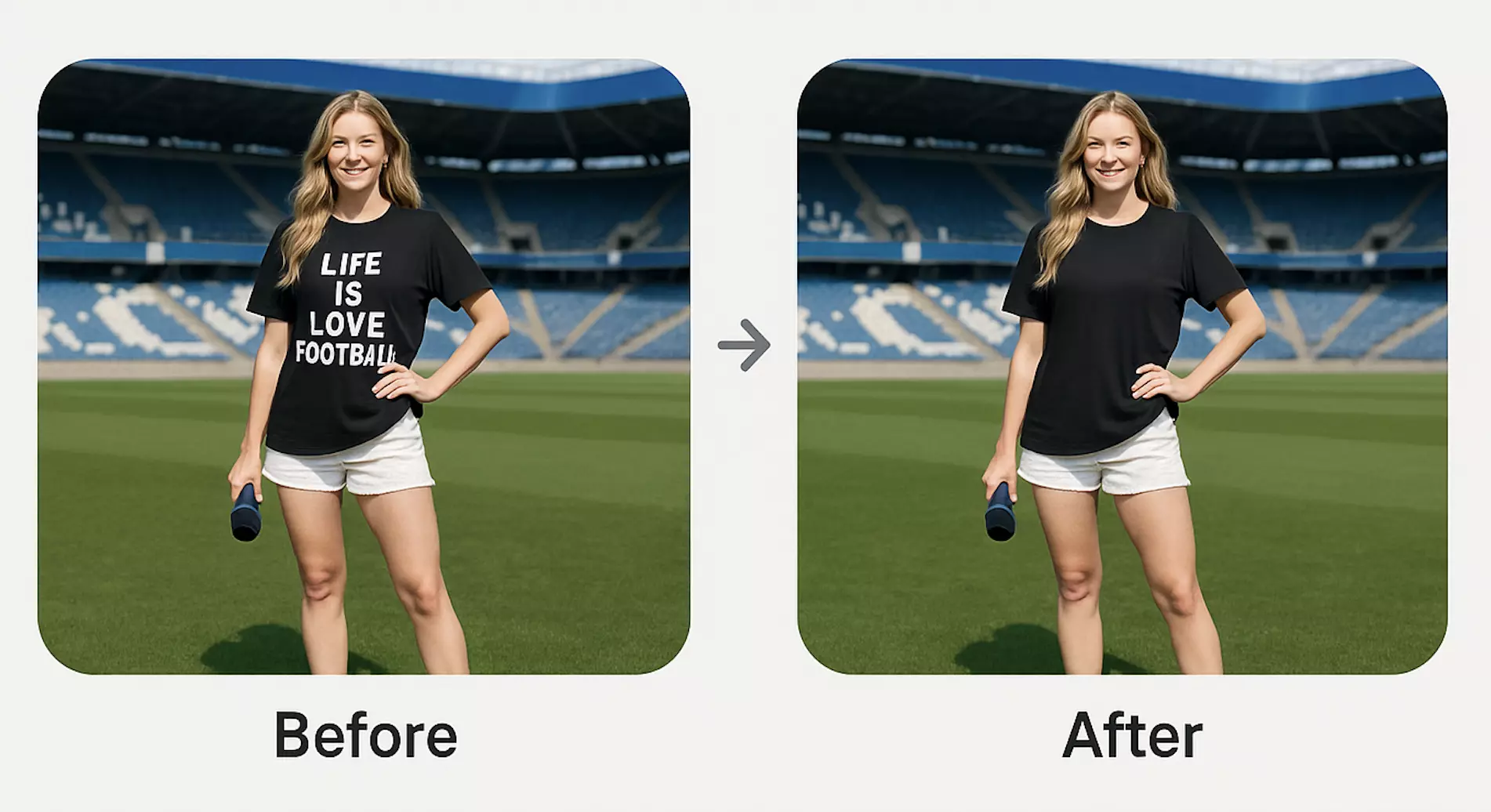
(See image suggestion: Lifestyle shot cleanup—before/after removing small distractions with an object remover and subtly cleaning the background.)
Export settings by platform (fast, crisp, and accurate color)
Speed matters. Algorithms prefer images that load instantly on mobile. Use these baselines:
- Instagram Feed
- Portrait: 1080 × 1350 (4:5)
- Square: 1080 × 1080 (1:1)
- Landscape: 1080 × 566 (1.91:1)
- Instagram Reels, TikTok, YouTube Shorts
- Vertical: 1080 × 1920 (9:16)
- Standard pin: 1000 × 1500 (2:3)
Format and compression:
- JPEG (quality 80–90) or WebP for smaller files with similar quality.
- Keep files under ~1.5 MB when possible for quicker loads.
- Embed sRGB and avoid over‑sharpening to sidestep compression artifacts.
Build reusable presets and batch steps for a consistent look
Influencers thrive on consistency. Create one “Base Look” per location or lighting type:
- Exposure/warmth baseline for that café, gym, or studio.
- Subtle noise reduction tuned for your camera/phone model.
- A light, selective sharpening recipe for eyes and hair.
- Optional: a gentle color grade that matches your brand.
When you process a new set, batch‑apply the base and tweak only the outliers. If you’re polishing a carousel or a week of Reels covers, batch tools can apply background cleanup, object removal, and enhancement in a single pass. Pixflux.AI supports multi‑image uploads so you can clean a full drop in minutes, then spot‑fix the hero shots.
Case study approach: from flat to feed‑ready
Scenario: A low‑light café portrait shot on a phone at high ISO.
- Starting issues: orange cast from tungsten bulbs, visible noise, and a bright menu board behind the subject.
- Steps taken: correct white balance, lift exposure by ~0.3–0.5 stops, apply moderate color noise reduction and light luminance reduction, sharpen eyes/hair selectively, remove the menu board reflection, gently darken background highlights, export 1080 × 1350 JPEG at 85 quality.
- What to measure next post: saves and shares per impression, average file size, and visible compression artifacts on the feed. Many creators see improvements when skin looks true and distractions are gone while keeping a small file footprint.
(See image suggestion: Split‑screen before/after as a portrait with exposure fix, noise reduction, and selective sharpening.)
Enhance with Pixflux.AI in 3 simple steps
Use Pixflux.AI as your fast lane for cleanup and enhancement. It’s designed for creators who want natural results without a steep learning curve.
- Upload your image
- Drag and drop a single photo or a batch to start a session.
- Let the AI process
- Apply photo enhancement to fix exposure and contrast, run noise reduction, and preserve texture.
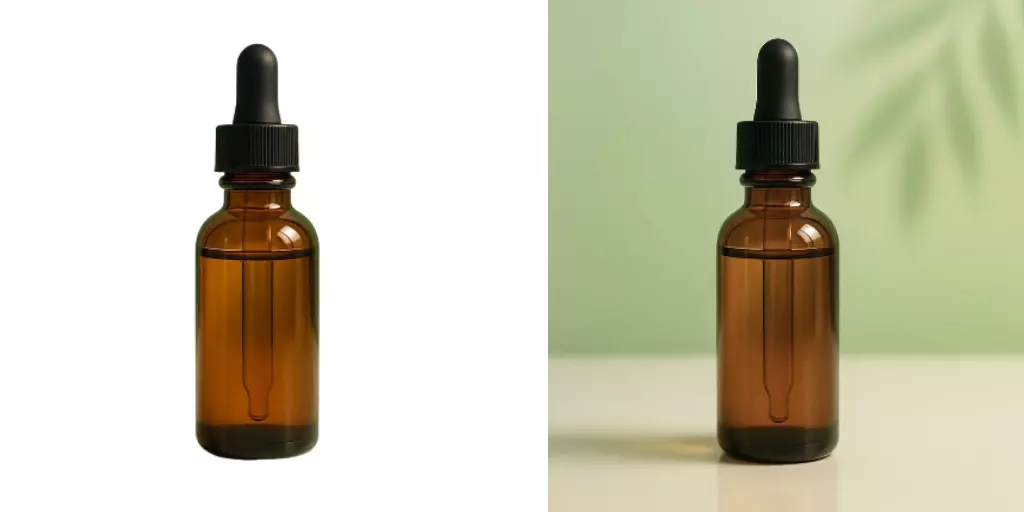
- Use background removal or object cleanup to eliminate distractions, or replace the background with something cleaner if needed.
- Download the result
- Preview, make light tweaks, then export platform‑ready sizes.
Prefer a direct starting point? Open the AI photo enhancer and follow the upload → process → download flow for a polished file in minutes.
(See image suggestion: Pixflux.AI interface sequence—upload the image, AI processes with photo enhancer, then download the refined result.)
Advanced 5‑step tip: 1) Open Pixflux.AI, 2) Upload originals, 3) Choose enhancement, background remover, or object removal as needed, 4) Preview and fine‑tune, 5) Download in social‑ready sizes and repeat for batches.
AI online tools vs. traditional methods
- Time cost
- AI online tools like Pixflux.AI handle exposure fixes, noise reduction, background cleanup, and small object removal in minutes. Traditional desktop retouching can take 15–30 minutes per image for the same tasks.
- Learning curve
- Minimal with AI; you focus on taste, not sliders. Pro suites require deep knowledge of masks, frequency separation, and export pipelines.
- Batch efficiency
- Upload multiple files and process them in one go. Manual retouching is inherently one‑by‑one.
- Cross‑team fit
- Creators, managers, and assistants can agree on a style and reproduce it quickly without sharing heavy project files or custom plugins.
When precision grading is needed (editorials, paid campaigns), advanced tools have their place. For daily posts and covers, a focused AI workflow is faster and more consistent.
Troubleshooting: common photo enhancer mistakes
- Skin looks plastic after noise reduction
- Dial back luminance noise reduction and re‑add subtle edge sharpening away from skin.
- Colors shift after export
- Ensure sRGB is embedded and avoid extreme saturation; check the feed preview before publishing.
- Sharpening halos
- Reduce radius or apply sharpening selectively to hair and eyes only.
- Muddy blacks after compression
- Lift shadows slightly and export at a slightly higher quality (e.g., 85–90) or try WebP.
FAQ: Photo enhancer for influencers
How do I keep edits natural while still standing out?
Aim for subtle global fixes and selective local enhancements. Correct exposure and white balance first, then add gentle noise reduction and sharpen only high‑detail areas like eyes and hair. Keep skin texture intact, remove small distractions, and export at the right size so clarity comes from focus—not from heavy effects.
What noise reduction settings work best for phone photos?
Use stronger color noise reduction and lighter luminance reduction. Phone sensors at high ISO often show chroma speckling; clean that first. Be conservative with luminance smoothing to avoid waxy skin, and always judge at 100% zoom. Reintroduce crispness by sharpening edges selectively, not the entire face.
Can AI background removal and object cleanup really save time?
Yes, AI cleanup is often the biggest time saver in a 10‑minute workflow. Use background removal to isolate your subject or switch to a simpler backdrop, and remove tiny distractions in seconds. This instantly improves focus and brand consistency across carousels and covers without manual masking.
Is it okay to remove watermarks or logos from images?
Only if you own the content or have explicit permission. Watermark or logo removal should never be used to bypass copyright, brand usage terms, or platform policies. When in doubt, use your own assets, licensed images, or request permission before editing.
What export settings are best for Instagram, TikTok, and Shorts?
Use 1080 × 1350 for IG portrait, and 1080 × 1920 for Reels, TikTok, and Shorts. Save in sRGB, export JPEG at 80–90 quality (or WebP for smaller files), and keep file sizes modest for fast loads. Avoid over‑sharpening to reduce compression artifacts in feeds.
Can I batch process a week’s worth of photos?
Yes—batch processing is ideal for consistent posts. Upload a set, apply a shared enhancement look, and perform background/object cleanup across the group. Then spot‑tune hero images. This keeps your brand look aligned while cutting turnaround time dramatically.
How do I avoid haloing and crunchy edges after sharpening?
Sharpen with a small radius and target edges only. Use selective sharpening on eyes, hair, and accessories, and skip skin. If halos appear, lower the amount or radius, and add a tiny bit of micro‑contrast to textures instead of cranking global sharpening.
How do I maintain consistent color across different shoots?
Create a “Base Look” preset per common location or lighting type. Lock in your usual exposure, white balance, and subtle grade, and apply it in batches. Fine‑tune for outliers only. Consistency beats perfection for influencer feeds.
Conclusion and next steps
A modern influencer photo enhancer workflow is simple: correct exposure and color, reduce noise without erasing texture, sharpen only where it matters, remove distractions fast, and export to platform specs. Subtle, fast, consistent—that’s how you win saves and shares in 2026’s authenticity‑first feeds.
If you want a quick start, try the streamlined online photo enhancer workflow and see how Pixflux.AI handles exposure fixes, noise reduction, background cleanup, object removal, and batch processing in minutes. Upload a few images today and publish test posts to compare results. Your audience—and the algorithm—will notice.