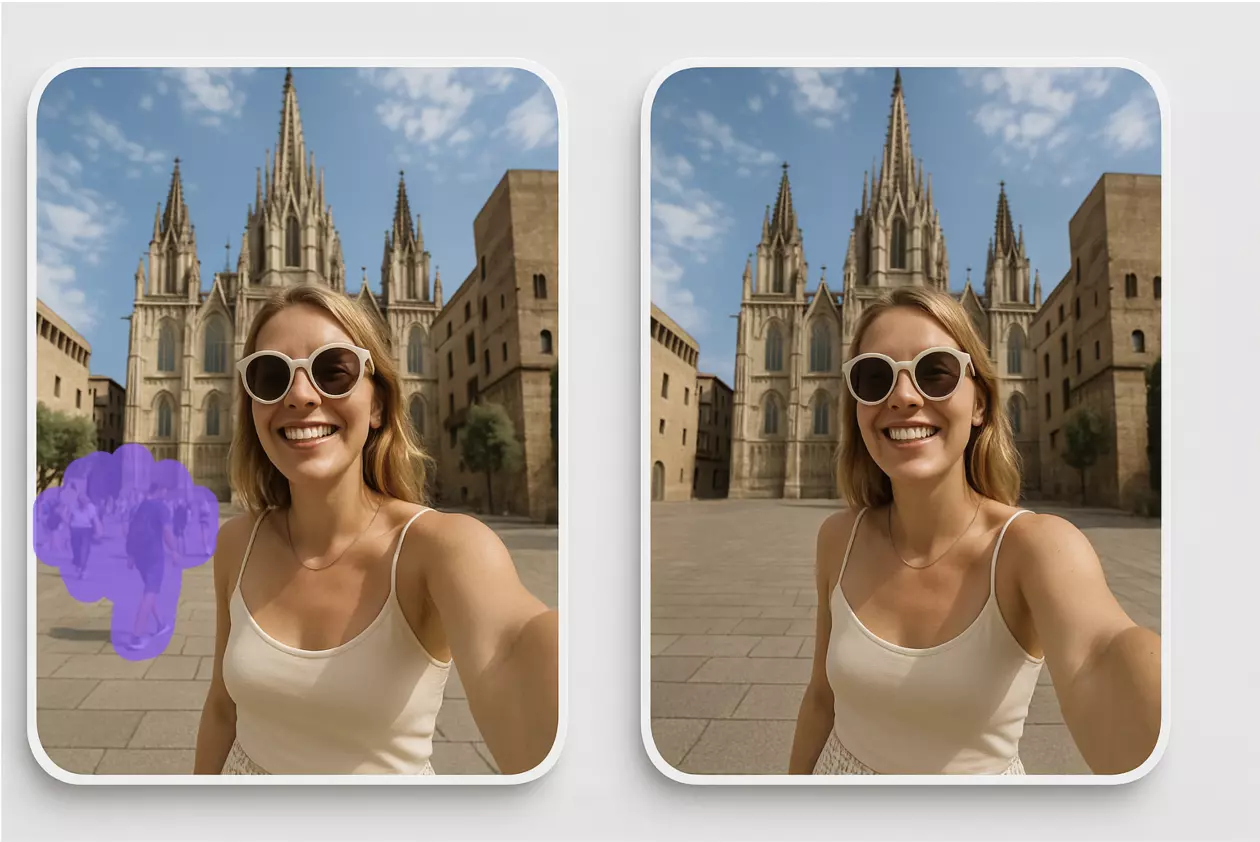
Authenticity in 2025 Editing Photos to Embrace Natural Aesthetics
Candid looks, minimal edits. See how to remove portrait background the natural way—with subtle shadows, true color, and a quick Pixflux.AI 3-step flow.
 Emily CremerJanuary 6, 2026
Authenticity in 2025: Editing Photos to Embrace Natural Aesthetics and Remove Portrait Backgrounds Naturally
Candid, minimally retouched visuals aren’t just a trend—they’re the trust signal audiences look for in 2025. Whether you’re preparing LinkedIn headshots, marketplace listings, or creator portraits, the question isn’t “How much can we polish?” but “What’s the least we can adjust and still look professional?” That shift changes how we light, color-correct, and especially how we remove portrait background elements without harming realism.
The challenge: clean up a distracting scene while keeping true-to-life skin tone, natural edge detail (especially hair), and a believable relationship between subject and backdrop. This is where lightweight online tools are replacing heavy desktop workflows for simple tasks. If you need to quickly remove portrait background while preserving natural light and texture, a focused, single-task editor helps you get there fast without over-editing.
Why authenticity defines 2025 photo editing
- Trust over polish: Brands and creators report higher engagement with candid, minimally retouched portraits. Viewers notice when skin looks plastic or shadows vanish.
- Production speed with restraint: Teams need to deliver more visuals with fewer resources, but smart restraint beats complex manipulation.
- Lightweight over heavyweight: Online tools handle repeated, simple actions—like background cleanup—faster than full desktop suites for most users.
Authenticity isn’t anti-editing. It’s about subtlety, reversibility, and documenting changes so collaborators can understand what’s been adjusted and why.
Natural aesthetics, explained: light, texture, and color you can feel
- Light: Aim for continuity. If the original has soft side light, the new background should respect that direction and softness.
- Texture and micro-contrast: Keep skin texture intact. Avoid aggressive smoothing; a touch of local contrast often reads more “real” than blur.
- True-to-life color: Skin tone accuracy matters. Keep hue shifts minimal and watch for background tints that bleed into the face.
Tip: Work nondestructively where possible and keep versions. Being able to revert is part of an authentic, transparent workflow.
When to remove portrait background without breaking realism
Consider removing the background when:
- The environment pulls focus (busy signage, clashing colors).
- You need a consistent series (e.g., a team page with matching neutral backdrops).
- Marketplaces require plain or lightly textured backgrounds.
Hold back when:
- The environment tells the story (a craftsperson in their studio, a chef in their kitchen).
- Shadows and reflections are essential to believability and would be difficult to recreate.
If you do replace, choose a backdrop that matches lens depth-of-field, grain, and lighting direction.
Tool choices for subtle background edits
- Online editors: Fast, accessible, and designed for common actions like clean background removal, gentle enhancement, and batch processing. Ideal for non-specialists and time-sensitive teams.
- Desktop suites: Powerful, granular control for complex composites and advanced retouching—but heavier setup, steeper learning curve, and slower for standardized tasks.
- External retouching: Useful for complex briefs, but slower turnaround and less control over consistency or ethics guidelines.
For a natural look, a single-purpose online portrait background remover often strikes the best balance of speed and restraint.
Use Pixflux.AI to remove portrait background without over-editing: a 3-step workflow
Pixflux.AI focuses on clean, natural-looking results that preserve hair detail and soft edges, making it a solid choice when you want polish without plasticity.
1) Upload your portrait
- Open the tool and drop in your image. Start with the highest-resolution file you have for better edge fidelity.
2) Let the AI process the background
- Run background removal. Preview hair strands, flyaways, and semi-transparent areas like veils or curls. You can keep a plain neutral tone, replace the backdrop with a soft gradient, or generate a subtle setting that fits your brand look—all while maintaining natural shadows.
3) Download the refined result
- Export in the format you need (PNG for transparency, JPEG for quick sharing). If you plan to iterate, keep a version with transparency plus your layered edits.
(See image: Pixflux.AI interface showing the three-step flow—upload → AI process → download.)
Get started with a focused portrait background remover to keep the edit simple and the output authentic.
How to refine edges, shadows, and grain after background removal
- Hair and micro-edges: Zoom to 200–300%. Ensure individual strands fade naturally into the backdrop. Slight feathering (not blur) preserves realism.
- Natural shadow: Add or adjust a soft, low-opacity shadow to anchor the subject. Match the original light direction and softness. Avoid sharp, dark drop shadows unless the original lighting calls for them.
- Matching grain/texture: If the new background is too clean, add a light, consistent grain to the backdrop so it sits in the same “film space” as the subject. Keep it subtle.
- Color cast balancing: Use a low-intensity color balance or selective color to ensure the background hue doesn’t contaminate skin tone.
- Local contrast: A touch of clarity or micro-contrast on clothing details helps the subject sit naturally, but keep skin texture lifelike.
(See image: Close-up edge comparison of hair strands against background, illustrating natural shadows.)
Case study: candid headshot with a clean, neutral backdrop
- Before: A great expression but a busy café scene with clashing signage, mixed color temperatures, and reflective fixtures.
- Edit: Background removed, replaced with a soft, warm gray that matches the original side light. A faint shadow grounds the subject. Minor color balance ensures the gray backdrop doesn’t cool the skin.
- After: The portrait feels candid and approachable, with attention on the eyes and expression rather than the environment.
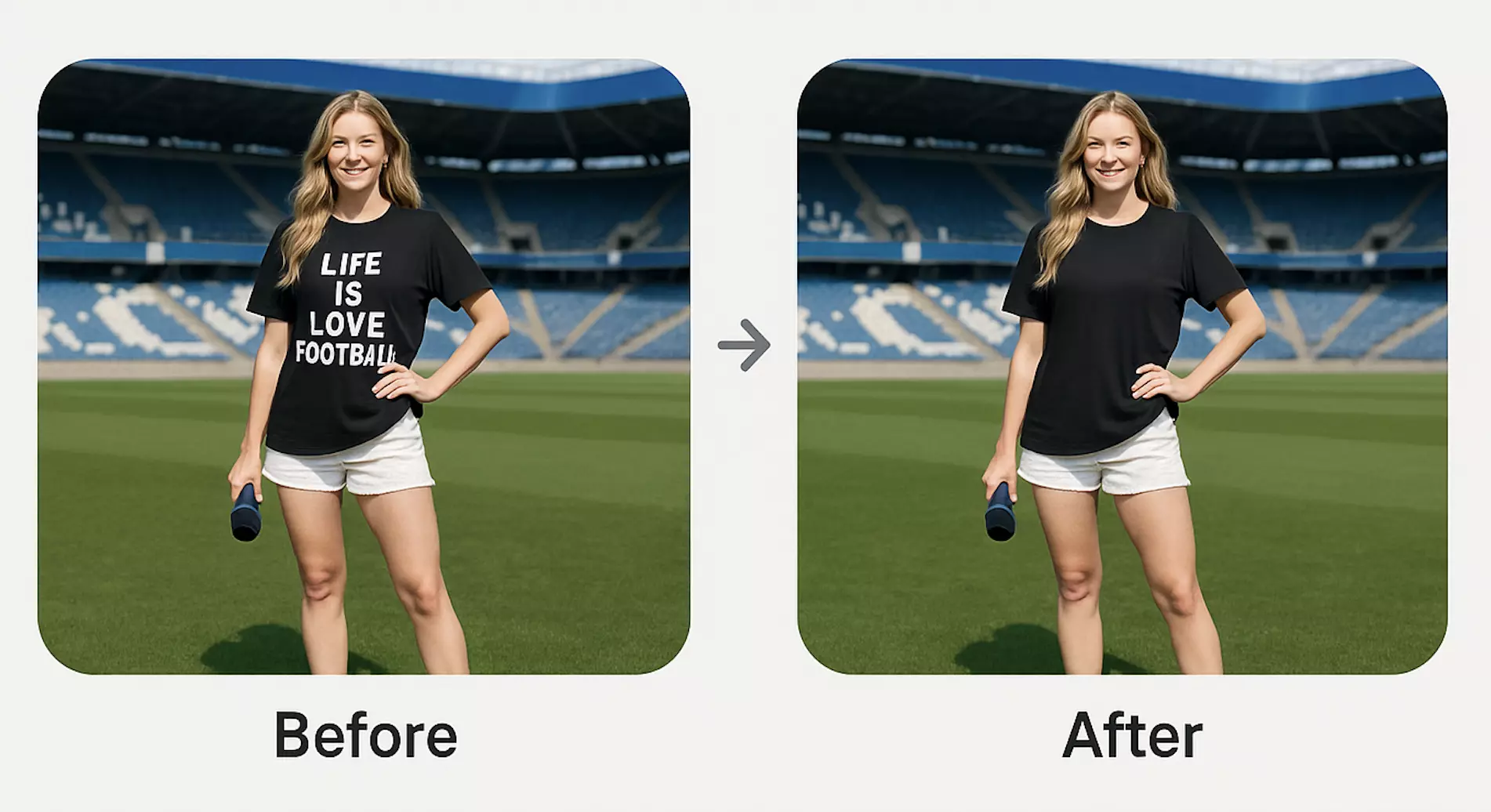
(See image: Before-and-after portrait where the background is removed and replaced with a soft, neutral tone.)
Quality metrics for authentic edits
- Skin tone ΔE (perceptual color difference): Aim for minimal shift from the original capture. As a rule of thumb, a ΔE under ~3 is often imperceptible to most viewers.
- Noise/grain consistency: Keep subject and background in the same noise “family.” A perfectly clean background behind a naturally noisy ISO 1600 portrait can look fake.
- Sharpness and acutance: Maintain natural micro-contrast in hair, eyebrows, and fabric edges. Over-sharpening halos give away the cutout.
Practical tip: Review at 100% for edges and 50% for overall feel. Toggle the background on/off to check skin tone stability and edge realism.
Batch processing portraits responsibly for teams and marketplaces
If you’re producing headshots at scale—employee directories, marketplace sellers, or creator thumbnails—consistency is key:
- Align parameters: Background tone, intensity of shadow, and grain level should be standardized.
- Speed matters: Online tools like Pixflux.AI can process multiple portraits in one go, keeping outputs uniform and timelines short.
- Marketplace fit: For US marketplaces like Amazon, a white or near-white backdrop is common. For professional profiles like LinkedIn, soft gray or off-white reads less clinical and more premium.
- Documentation: Record your “recipe” (background tone, shadow opacity, color tweaks) so others in the team can reproduce the look.
- Rights and consent: Ensure subjects have agreed to edits and usage contexts, especially when swapping environments.
Legal and ethical boundaries: consent, watermarks, and contextual truth
- Consent and context: Don’t imply a subject was photographed in a location they never visited if it could mislead viewers. For editorial or news-adjacent work, background changes require clear disclosure.
- Copyright and watermarks: Only remove watermarks or logos from images you own or are licensed to edit. Watermark removal must not be used to infringe on others’ rights or bypass platform policies.
- Platform compliance: Many marketplaces and social platforms have rules on background edits. Always align with their latest guidelines.
Note: Keep edits minimal and reversible when you can. Document changes for transparency across your team or with clients.
Troubleshooting common issues in portrait background removal
- Flyaway hair looks clipped: Increase edge softness slightly, or re-run hair refinement. Ensure the background tone doesn’t starkly contrast hair color.
- Haloing around the subject: Reduce over-sharpening. Add a subtle, matching background grain and ensure color contrast isn’t extreme.
- Skin tone shifts after replacement: Neutralize the background color cast or introduce a slight warm tint. Re-check white balance against a gray reference point.
- Subject looks “stickered” onto the background: Add a very soft contact shadow and match background blur to the original aperture feel.
- Texture mismatch: If the subject is grainy but the background is too smooth, add gentle noise to the background only.
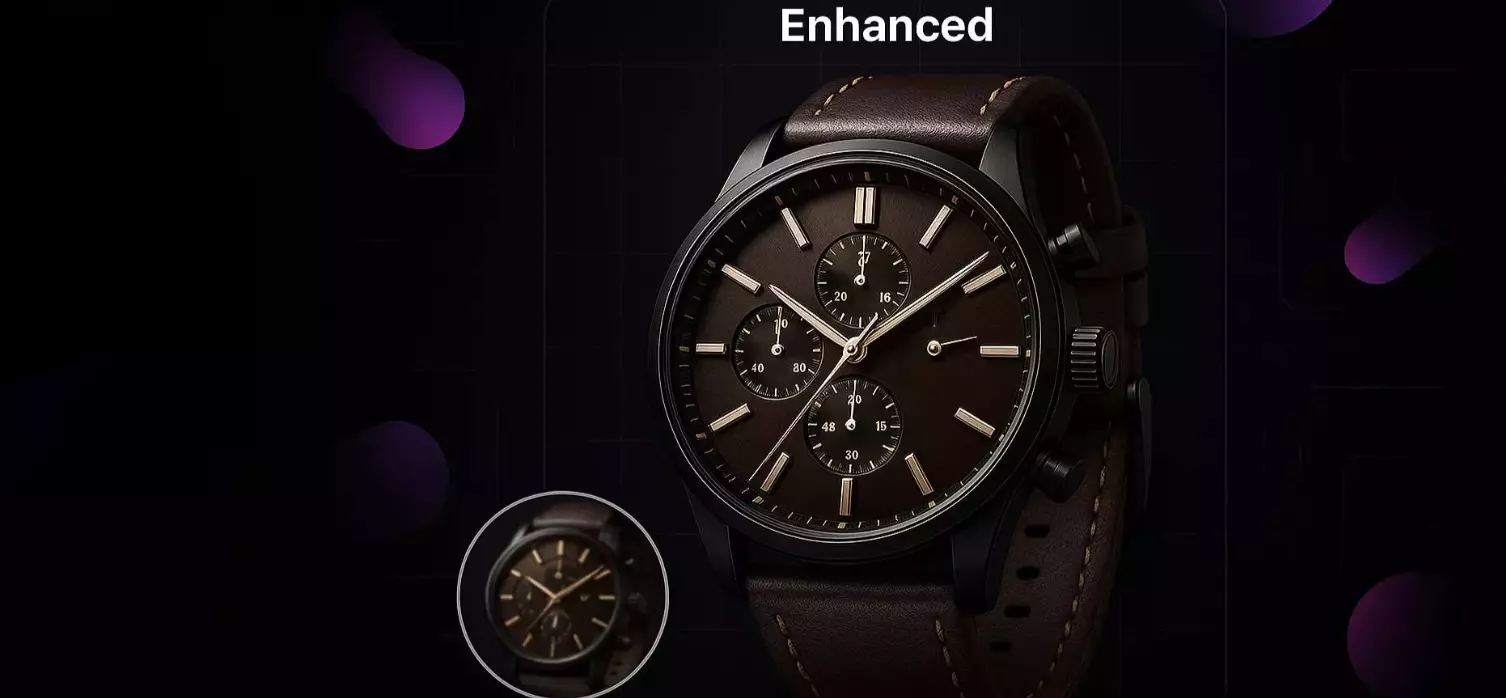
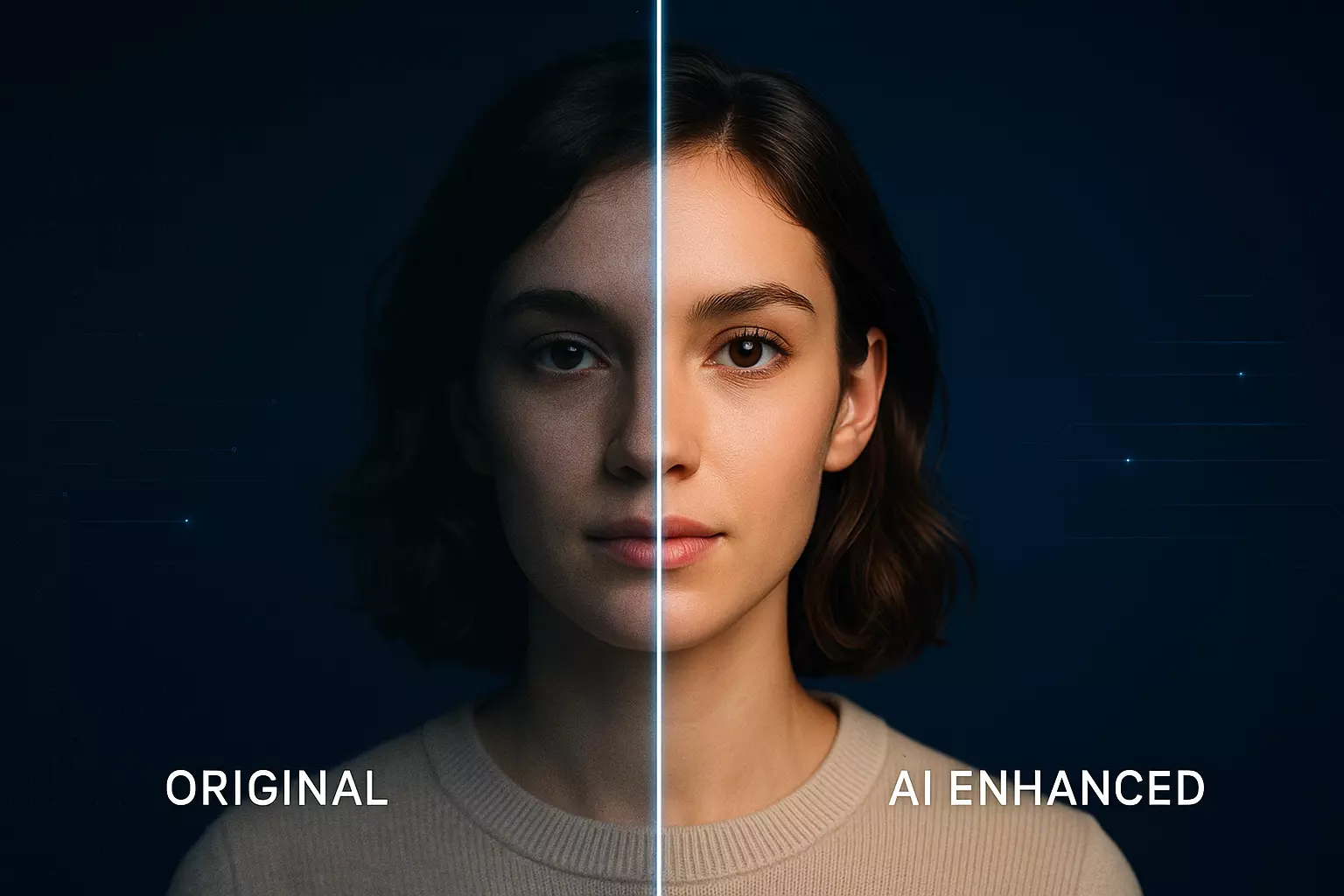
- Low-resolution input: Use AI enhancement sparingly to improve clarity, but avoid plastic smoothing. Pixflux.AI includes gentle enhancement options designed to recover detail without over-processing.
AI online tools vs traditional methods
- Time cost
- Online: Seconds per portrait for clean removals, even in batches.
- Traditional software: Manual selections, masks, and cleanup can take 10–30 minutes each.
- Outsourcing: Adds days of back-and-forth and version control overhead.
- Learning curve
- Online: Minimal; focused features reduce decision fatigue.
- Traditional: Powerful but complex; mastering masking, compositing, and color workflows takes time.
- Batch efficiency
- Online: Easy to apply consistent settings and finish a set in one session.
- Traditional/outsourcing: Consistency depends on templates and clear instructions, with more room for drift.
- Cross-team adaptability
- Online: Browser-based access suits mixed-skill teams and quick approvals.
- Traditional/outsourcing: Heavier project setup and slower iteration.
For rapid, natural results on portraits, Pixflux.AI hits the sweet spot—precise enough for hair and edges, simple enough for non-specialists.
Final checklist for authentic, natural-looking portraits
- Does the new background respect the original light direction and softness?
- Are hair edges natural, with no hard cutouts or haloing?
- Is skin tone stable (minimal ΔE) and free from unwanted color casts?
- Does the subject feel grounded with a soft, believable shadow?
- Is background grain matched to the subject’s noise level?
- Are edits documented and easy to reverse?
- Do the changes align with consent, licensing, and platform rules?
Try Pixflux.AI: clean results, minimal effort
Authenticity thrives on restraint. When you need a distraction-free portrait that still looks real, keep your workflow simple: remove only what hurts the story, preserve what makes the person feel present, and document your choices. Start with a targeted tool to clean portrait background and keep your edits natural.
Ready to move from cluttered scenes to focused, trustworthy portraits? Use Pixflux.AI to streamline your workflow and maintain a true-to-life look. For quick, consistent results across a set, head to the portrait background remover and make your next batch feel candid, consistent, and real.