Batch Image Editing for Sellers: How to Standardize 50+ Product Photos Without Hiring a Studio
A repeatable pipeline for batch image editing: consistent crops, bulk background removal, QC sampling, and a time-saved mini framework you can share.
 Sierra CappelenDecember 12, 2025
Batch Image Editing for Sellers: How to Standardize 50+ Product Photos Without Hiring a Studio
If you sell on Amazon, Walmart, or your own storefront, you already know the pain: every new drop comes with a folder of 50–200 product shots taken in slightly different light, on mixed backgrounds, and at inconsistent angles. You need clean, consistent images—fast—without booking a studio or spending days in Photoshop.
In 2025, marketplaces are stricter about background consistency and aspect ratios, and teams increasingly favor online tools that handle bulk background removal and edge refinements reliably. Instead of manual retouching or expensive outsourcing, AI-driven batch image editing lets you build a repeatable pipeline you can run every week. If that sounds like the missing piece in your workflow, consider starting with batch image editing to standardize backgrounds and crops for your next upload.
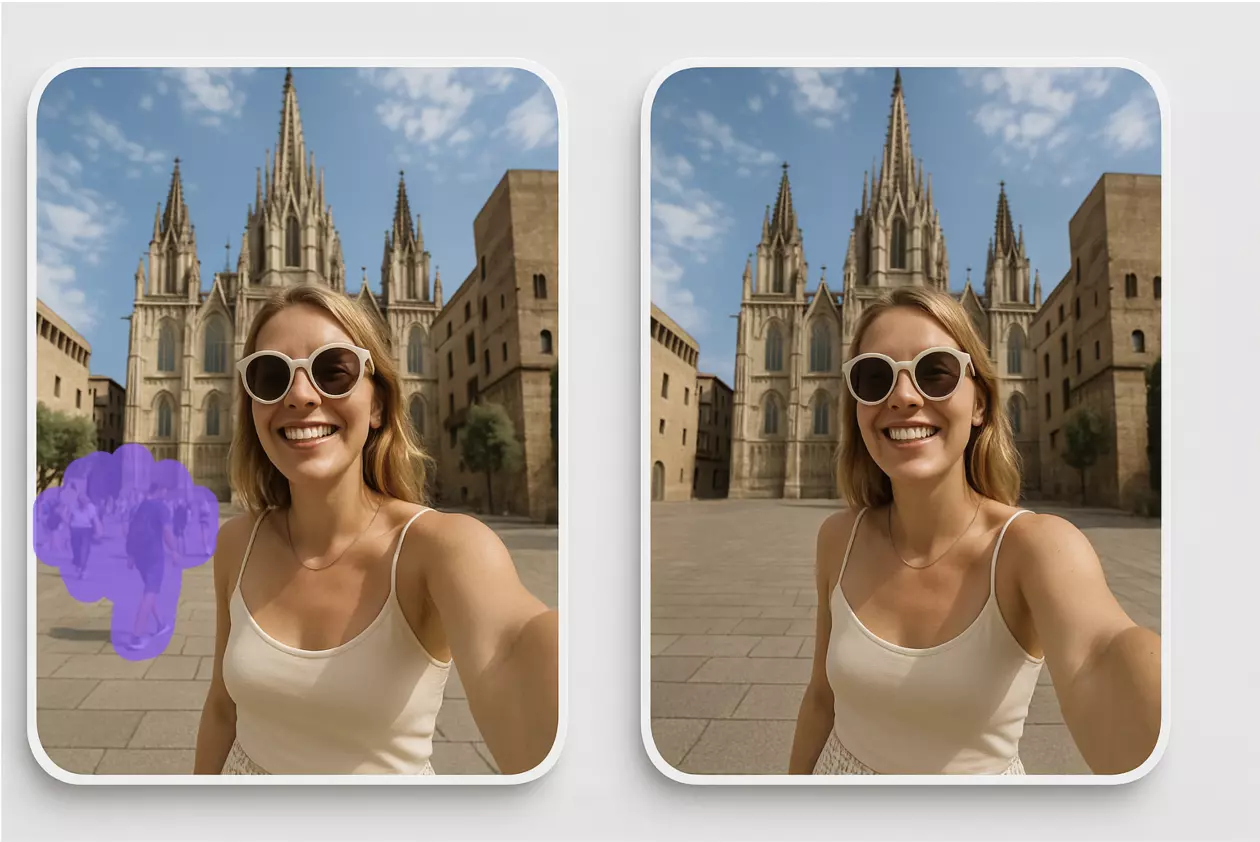
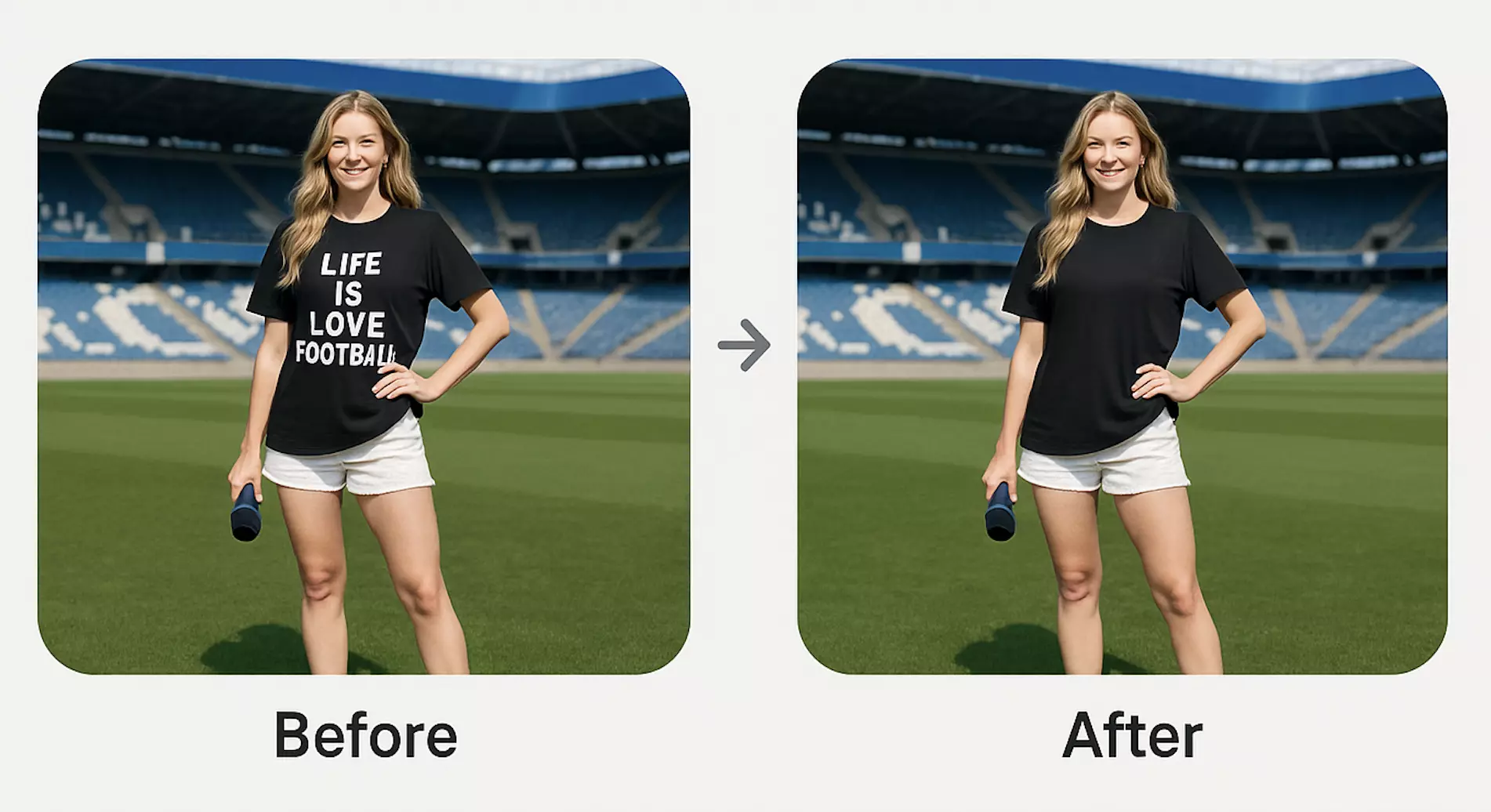
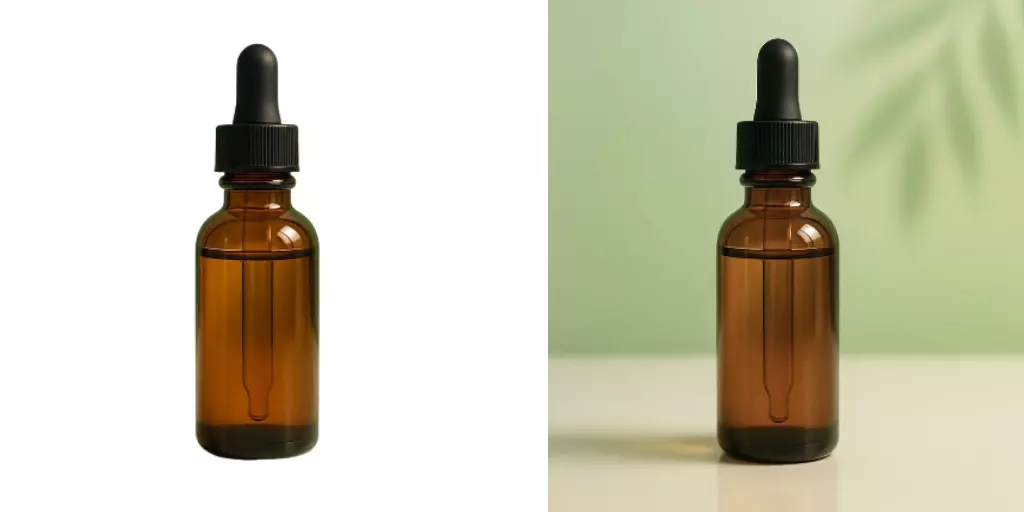
(See image: side-by-side before/after of the same product with AI background removal and watermark removal done in Pixflux.AI)
Why batch image editing matters at scale
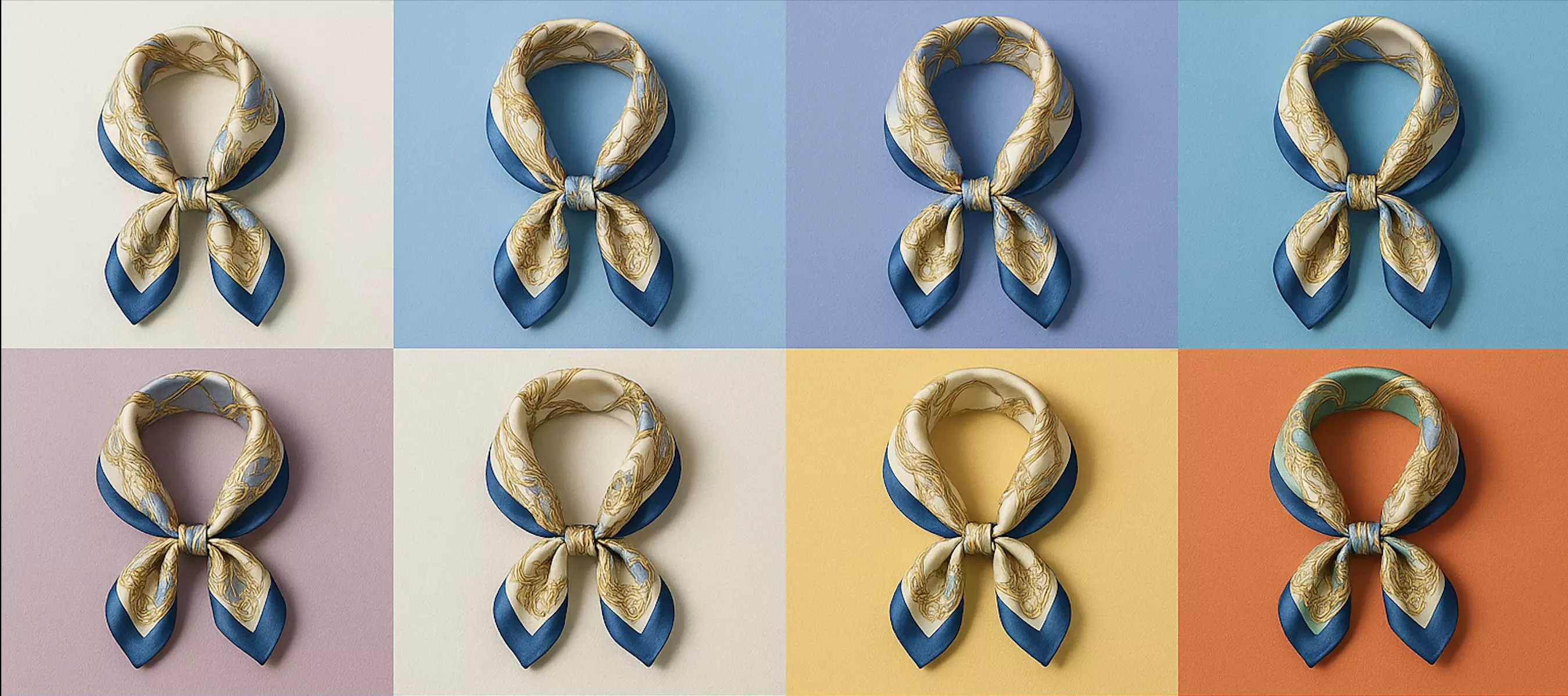
- Consistent visuals drive trust. Uniform backgrounds, crops, and shadows reduce visual noise and increase perceived product quality.
- Compliance prevents delistings. Marketplaces often require white or light-gray backgrounds, specific aspect ratios, and minimal distractions.
- Faster launches. When you can edit product photos faster, you ship pages, ads, and social creative on schedule.
- Lower returns and fewer questions. Clear, enhanced images with consistent angles reduce ambiguity and post-purchase disappointment.
Core goals for sellers:
- Batch image editing that enforces a shared look across SKUs
- Bulk background removal to meet marketplace white-background requirements
- A pipeline that your team can run, check, and ship—without a specialist
Consistency rules that actually move the needle
Agree these rules before you edit a single file:
- Background tone: White (RGB 255/255/255) or branded light gray (e.g., #F7F7F7). Document the hex code.
- Crop and margins: Keep the product between 80–90% of the canvas height. Apply even margins (5–10% per side) so every image feels balanced.
- Aspect ratio: Standardize by use case (e.g., 1:1 for marketplace galleries, 4:5 for ads, 16:9 for banners).
- Shadows: Use a subtle drop shadow (soft, low opacity) or reflected shadow. Be consistent—never mix strong dramatized shadows with flat cutouts in the same set.
- Angle set: Decide on hero angle, left/right 45°, back, detail macro. Name and export each angle consistently.
- Color consistency: Apply a light-touch enhancement so whites stay white, blacks hold detail, and textures remain natural.
Tip: Include 3–4 visual references in your brand kit showing the “correct” background, crop, and shadow for internal alignment.
Build a repeatable pipeline from upload to export
Your pipeline is a series of simple handoffs:
- Intake
- Create a dated project folder: 2025-01_SpringDrop/
- Move all RAWs into 01_RAW/.
- Standard naming
- Rename with a pattern: SKU_Angle_Background_Version (e.g., 8421-RED_Hero_White_v1.jpg).
- AI batch processing
- Run bulk background removal, object cleanup (stray wires, dust), and gentle enhancement to normalize clarity.
- QC sampling
- Spot-check 10–20% of images for edges, crop, shadows, and color consistency.
- Edits pass
- Re-run the few that need tweaks. Leave comments for “why” to prevent repeats.
- Export
- Final sizes by channel with compression presets. Move to 05_EXPORT/.
- Final QA and handoff
- Verify counts, naming, and aspect ratios. Share final set with stakeholders.
Define clear owners for each step and enforce the same checklist every time.
(See image: diagram of folder tree and naming conventions for 50+ images with QC sampling highlights)
HowTo: Pixflux.AI three-step flow for bulk background removal
Pixflux.AI lets you process many images in one go and keep results on-brand without opening heavy desktop software.
- Upload your original photos
- Drop your 50+ images into the workspace. Keep your RAWs intact in your 01_RAW/ folder.
- Let the AI process the batch
- Remove backgrounds, preserve clean edges, and apply subtle enhancement to improve clarity and contrast. Use the same background tone across the set.
- Download your processed images
- Save into 03_EDITS/. Keep original filenames and add a version suffix to track iterations.
Optional advanced flow (when you want more control): 1) Open Pixflux.AI, 2) Upload, 3) Choose the background removal and enhancement tools, 4) Preview and micro-adjust margins/shadows, 5) Download the final set.
Ready to run your next set? Launch a session and batch edit product photos to standardize backgrounds, margins, and crops in minutes.
(See image: Pixflux.AI interface screenshots showing Upload → AI processing → Download for batch photos)
Folder structure and naming conventions for 50+ photos
- Project root
- 01_RAW/
- 02_WORKING/
- 03_EDITS/
- 04_QC/
- 05_EXPORT/
- 99_REFERENCE/ (brand kit, background color chips, shadow examples)
- Naming pattern: SKU_Color_Angle_Background_Ver.jpg
- Example: 8421-RED_Hero_White_v2.jpg
- Angle codes: Hero, L45, R45, Back, Detail1, Detail2
- Background codes: White, GrayF7, Lifestyle1
- Status tags: v1 (initial AI pass), v2 (post-QC), FINAL (approved)
Consistency in naming makes QC and rework painless, especially when multiple people touch the files.
QC sampling and a spot-check checklist that prevents rework
Sample 10–20% or at least 10 images from each batch:
- Edges: No halos, jaggies, or background fringes around the product.
- Background tone: Matches spec (White or #F7F7F7). No banding in gradients.
- Crop & margins: Product fills 80–90% of the frame with even margins.
- Shadows: Consistent direction and softness; no clipped shadow edges.
- Color: Whites are neutral, blacks retain detail, brand colors look accurate.
- Artifacts: No leftover watermarks, logos, or stray objects.
- Readiness: Thumbnails look cohesive in grid view.
If 2+ defects recur, pause and adjust settings, then re-run affected images. It’s cheaper to fix the root cause than to keep patching one-offs.
Speed wins: a time-saved mini framework to edit product photos faster
Estimate your gains and decide whether to run in-house or outsource:
- Define baseline manual time per image
- Background removal: 4–6 minutes
- Cleanup: 2–3 minutes
- Crop/export: 1–2 minutes
- Typical manual total: 7–11 minutes per image
- Define AI batch time per image
- Setup: 5 minutes per batch (one-time)
- Processing: ~0.2–0.5 minutes per image
- Quick QC: 10–20% sampling at ~0.5 minute each
- Typical AI total: ~1–2.5 minutes per image (including QC)
- Quick math
- Time saved per image ≈ Manual time − AI time
- Total time saved ≈ N × (Manual − AI) − Setup
- Example with 50 images: 50 × (8 − 2) − 5 = 295 minutes saved (~5 hours)
Share this framework with your team to set realistic SLAs and plan weekly photo updates.
Advanced at scale: backgrounds, watermarks, objects, and clarity
Beyond bulk background removal, you can:
- Swap backgrounds to a brand color or neutral lifestyle backdrop for social posts while keeping marketplace versions white.
- Remove unwanted objects (cables, tags, dust) to keep the frame distraction-free.
- Remove watermarks and text marks from images you own or are authorized to use.
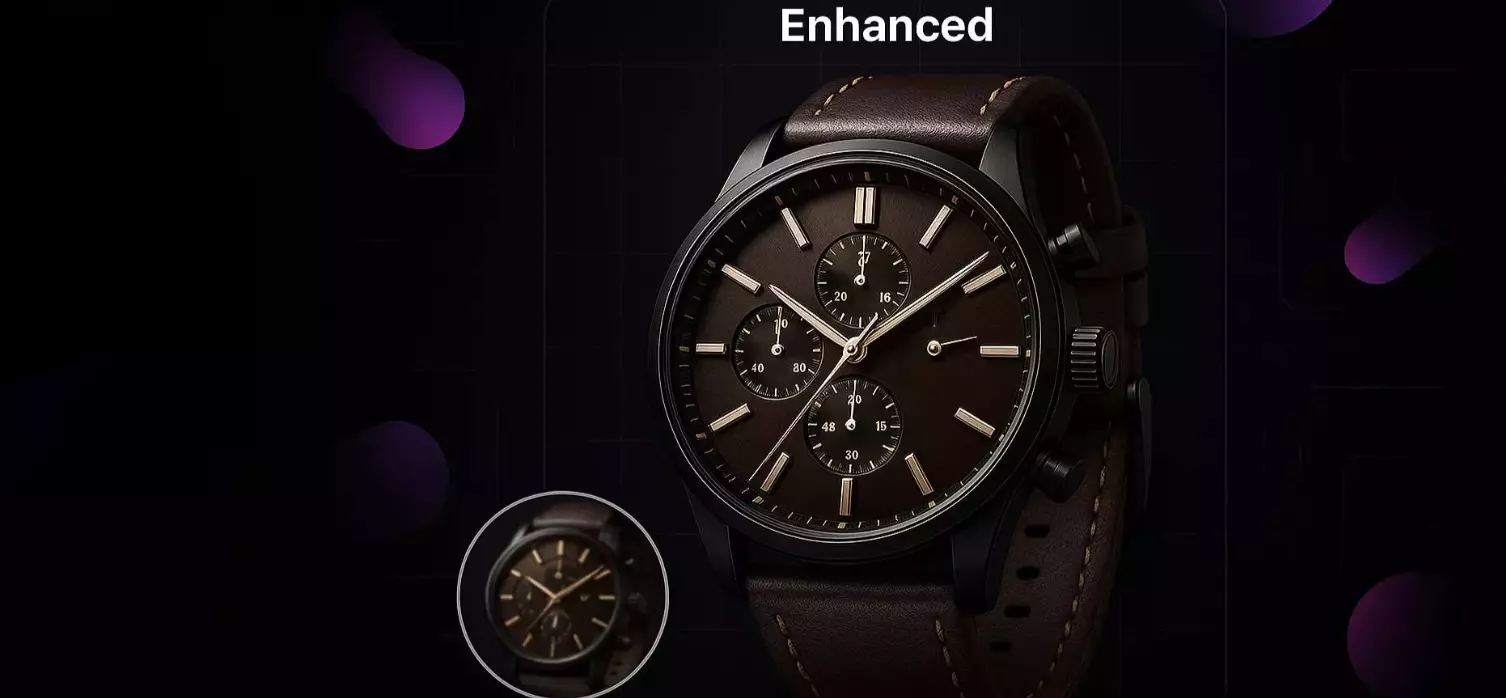
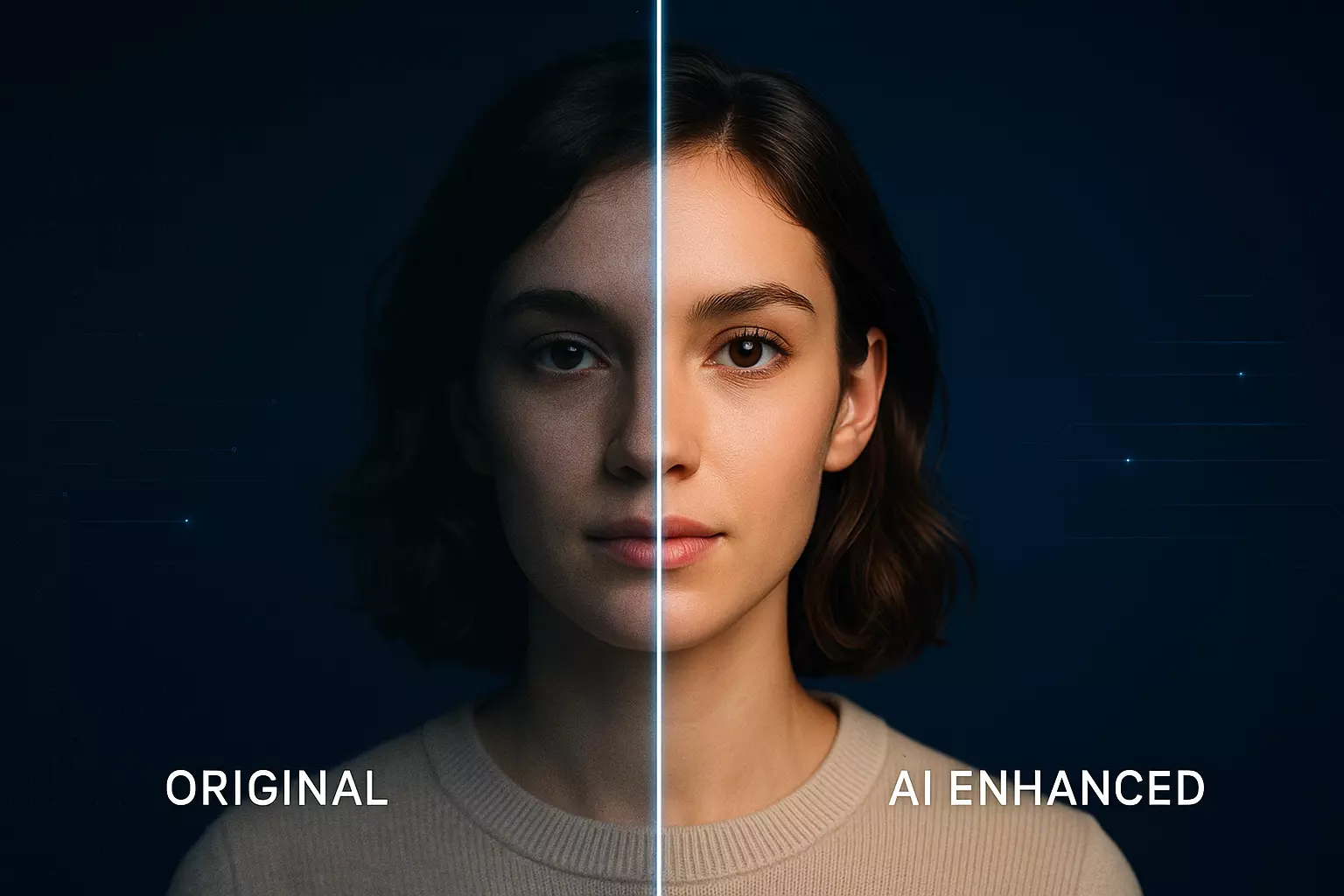
- Enhance photos to lift sharpness and texture, reducing reshoots for slightly soft captures.
Compliance tip: Only remove watermarks or logos from images you own or are licensed to edit. Do not use these features to bypass copyrights or platform rules.
Pixflux.AI can handle these spot fixes alongside batch work so your final gallery looks consistent across all SKUs and angles.
AI online tools vs traditional methods
- Time cost
- AI online tools: Minutes of setup, automated bulk processing, quick spot checks.
- Desktop software: Powerful but time-intensive per image; heavy manual steps.
- Outsourcing: Offloads labor but adds coordination delays and revision loops.
- Learning curve
- AI tools: Click-through workflows with intuitive previews.
- Desktop: Requires advanced masking and retouching skills for clean edges.
- Batch efficiency
- AI tools: Designed for batch image editing with repeatable settings.
- Desktop: Batching is possible but limited by manual prep and script maintenance.
- Team workflows
- AI tools: Browser-based access helps cross-functional teams review and approve without installing heavy software.
- Outsourcing: Good for overflow, but back-and-forth can create inconsistency across sets.
In practice, most sellers use AI tools like Pixflux.AI for 80–90% of the work and reserve desktop touch-ups for specialty shots.
Troubleshooting batch runs
- Color drift
- Cause: Mixed lighting or aggressive auto-corrections across a set.
- Fix: Normalize exposure and white balance; apply gentle enhancements; avoid heavy saturation boosts.
- Banding in backgrounds
- Cause: Gradients on compressed JPEGs.
- Fix: Use solid backgrounds or export with slightly higher quality; consider a subtle noise layer look if using gradients.
- Inconsistent crops
- Cause: Mixed subject sizes/angles.
- Fix: Enforce a product-to-canvas ratio and consistent margins; re-run with unified crop settings.
- Shadow artifacts
- Cause: Cutouts without shadow logic.
- Fix: Apply a consistent soft shadow; ensure it doesn’t clip at the edges of the canvas.
- Ghost watermarks
- Cause: Partial removal leaves faint outlines.
- Fix: Re-run targeted watermark removal and review at 100% zoom during QC sampling.
Compliance and ethics: watermarks, trademarks, and marketplace policies
- Only process images you own or have explicit permission to edit.
- Removing watermarks or logos from third-party images without rights can violate copyright and marketplace rules.
- Confirm each marketplace’s background, aspect ratio, and content guidelines to avoid delistings or suppressed listings.
Export presets and delivery
Set export rules per channel before you begin editing:
- Formats
- Marketplace galleries: JPEG (quality 80–90) for balance of size and clarity
- Transparent needs: PNG (logos, overlays)
- Web performance: WebP for your storefront when supported
- Sizes and ratios
- Marketplace minimums: e.g., 1000 px on the longest side for zoom
- Storefront: 1500–2000 px for hero images; thumbnails at 400–600 px
- Ads: 1080×1350 (4:5) for social; 1200×628 (1.91:1) for landscape
- Compression and naming
- Consistent quality levels per channel
- Keep your SKU-based filenames with angle codes for tracking
- Final QA
- Verify counts, ratios, file sizes, and naming
- Grid preview to confirm visual consistency across the entire set
Conclusion and next steps
At scale, consistency beats perfection. A simple pipeline, clear rules, QC sampling, and an AI-driven batch pass are enough to ship retail-ready images week after week. With marketplaces raising the bar and teams favoring lightweight workflows, this approach helps you edit product photos faster and with fewer handoffs.
Spin up your next batch now with Pixflux.AI and run bulk photo editing for sellers to keep every product page on-brand, compliant, and ready to convert.