Digital Minimalism in Lifestyle Photography Simplifying Visual Noise
Cut visual noise: use white background or deep black to make lifestyle shots feel calm and premium—plus quick edits with Pixflux.AI and batch consistency.
 Sierra CappelenJanuary 10, 2026
Digital Minimalism in Lifestyle Photography: Simplifying Visual Noise with White or Black Backgrounds
Lifestyle photography is crowded right now—busy props, patterned surfaces, and colorful signage compete with your subject. The result is visual noise that dilutes your message, lowers conversion for product-lifestyle shots, and makes social posts feel chaotic rather than premium.
In 2026, digital detox aesthetics are leading social feeds: calmer frames, fewer elements, and backgrounds that don’t fight for attention. If you’re aiming for clarity and a premium look, minimal backdrops—especially a clean white background or a rich black backdrop—are a fast, repeatable way to get there. Practical AI tools like Pixflux.AI make it easy to create a minimal white background without heavy manual retouching or complex masking.
(See image: A side-by-side before/after of a lifestyle product shot where clutter is removed and a pure white background is created using a background remover and object remover.)
Why digital minimalism matters in lifestyle photography
Minimalism is not about removing character; it’s about removing friction. Clean compositions guide the viewer to the subject’s expression, the product’s material, or the story you want to tell. Platforms also reward this: marketplaces and ad networks often perform better with simplified visuals, and brand feeds benefit from cohesive, minimal grids that feel intentional and calm.
Dark-mode culture has also pushed high-contrast black backdrops to the front—especially in tech, beauty, and luxury niches—where a black field delivers depth and exclusivity.
The psychology of white and black backgrounds
- White background: Reads as clean, honest, and modern. It suggests daylight, space, and hygiene—great for wellness, food, skincare, and home goods. White pushes color accuracy and gives a “true product” feel.
- Black background: Signals premium, intimate, and dramatic. It compresses space and enhances highlights, perfect for metal, glass, satin, and tech products. It also photographs well for dark-mode environments.
- Both reduce cognitive load: You remove irrelevant context so attention lands on form, color, and texture, improving perceived quality and recall.
When to choose a white background vs a black background
Choose white when:
- You want a bright, “fresh” feel (skincare, ceramics, linens).
- You need maximum versatility for marketplaces and ads.
- You want color fidelity and easy compositing with UI elements.
Choose black when:
- You want drama and contrast (fragrances, watches, electronics).
- You work with reflective materials that glow against a dark field.
- Your brand identity or channel (e.g., dark-mode-first sites) favors deep tones.
Tip: Test both on the same setup. Many brands keep white for product clarity and black for hero ads or editorial stories.
(See image: A grid comparing minimalist black vs white backgrounds for the same lifestyle setup, with notes on mood, contrast, and perceived premium quality.)
Camera-side choices for clean backdrops
A minimal finish starts in-camera. Keep your set simple and controllable:
- Lighting: Use large, soft sources. For white, push exposure so the background approaches pure white (but preserve subject detail). For black, flag spillage and light the subject selectively to preserve a deep background.
- Lensing: Longer focal lengths (70–135mm) compress clutter and simplify edges. Avoid wide-angle distortion that expands background noise.
- Exposure: For white, expose to the right (ETTR) without clipping subject highlights. For black, underexpose the background by 2–3 stops and protect subject highlights.
- Background materials: Seamless paper, foam boards, scrims, and flags are your allies. Aim for smooth tonal transitions to reduce post cleanup.
How to create a white background look in post without over-editing
Even with careful lighting, you’ll often need subtle post work:
- Lift the background, not the subject: Use selective highlights/whites to push the backdrop toward pure white while keeping skin tones and product edges intact.
- Preserve contact shadows: A little ground shadow anchors reality. Avoid flattening everything to sterile white.
- Watch edges: Zoom to 200% to catch halos, color bleed, or jagged masks. Feather and refine, don’t obliterate.
Using Pixflux.AI to remove, change, or generate clean backgrounds
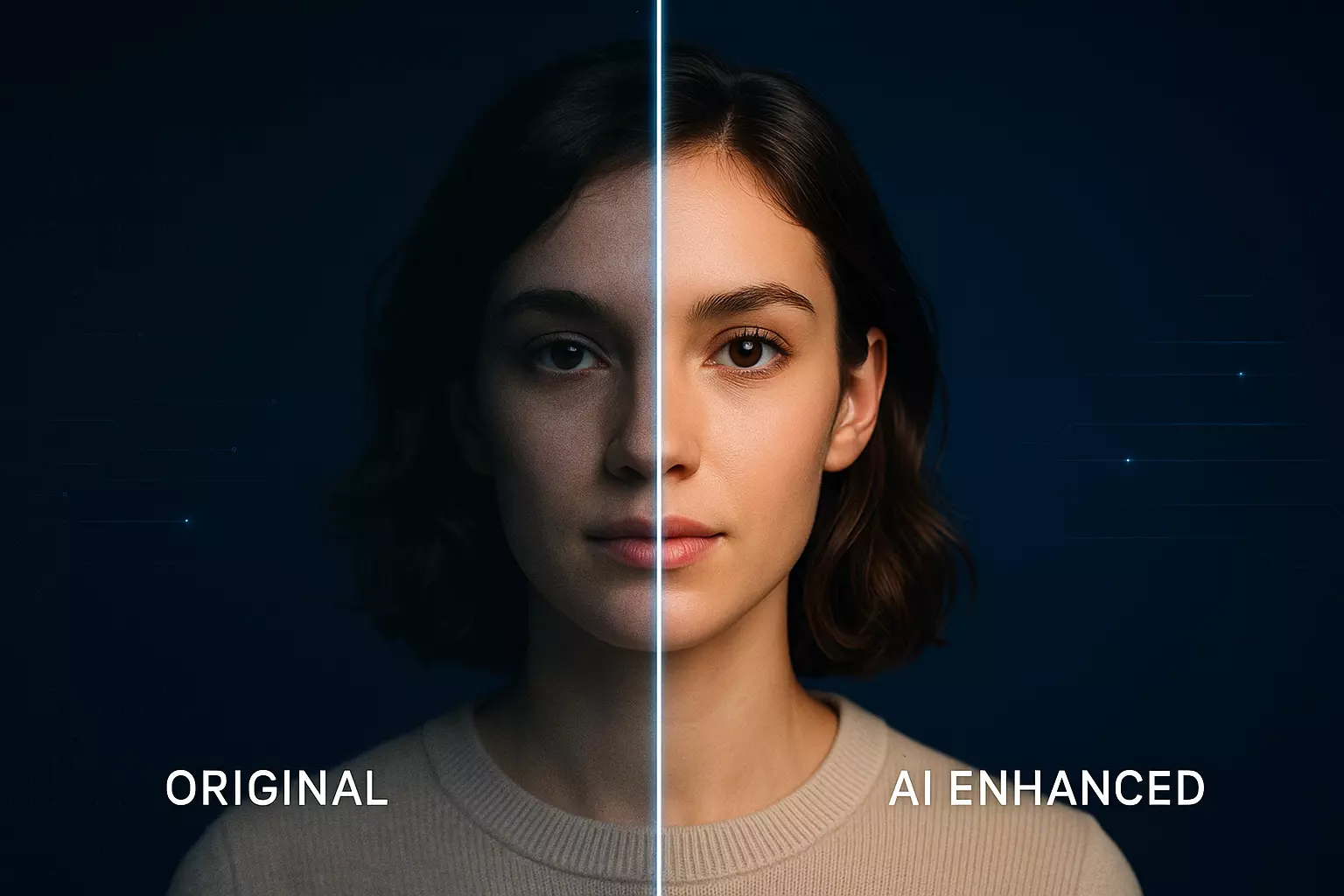
You don’t need a full retouch session every time. Pixflux.AI can remove cluttered backdrops, switch to a white or black field, or generate a branded minimal scene in minutes.
Quick 3-step workflow:
- Upload your original lifestyle photo.
- Let the AI remove or change the background to white or black, or generate a new minimal backdrop that matches your brand mood.
- Download the processed image and drop it into your layout or marketplace listing.
Advanced 5-step for finer control:
- Open the Pixflux.AI tool page.
- Upload the photo (RAW exports or high-res JPEGs work best).
- Choose background removal or background generation, then pick white, black, or a subtle gradient.
- Preview edges; use micro-adjustments to refine cutouts, add a soft ground shadow, or tweak contrast.
- Download the final image for production use.
If you want to try it right away, generate a clean white backdrop for your next product-lifestyle set and compare performance side by side.
(See image: Triptych showing the Pixflux.AI interface—upload the original photo, AI processes the background, and the final download screen.)
Removing distractions: object remover and watermark cleanup
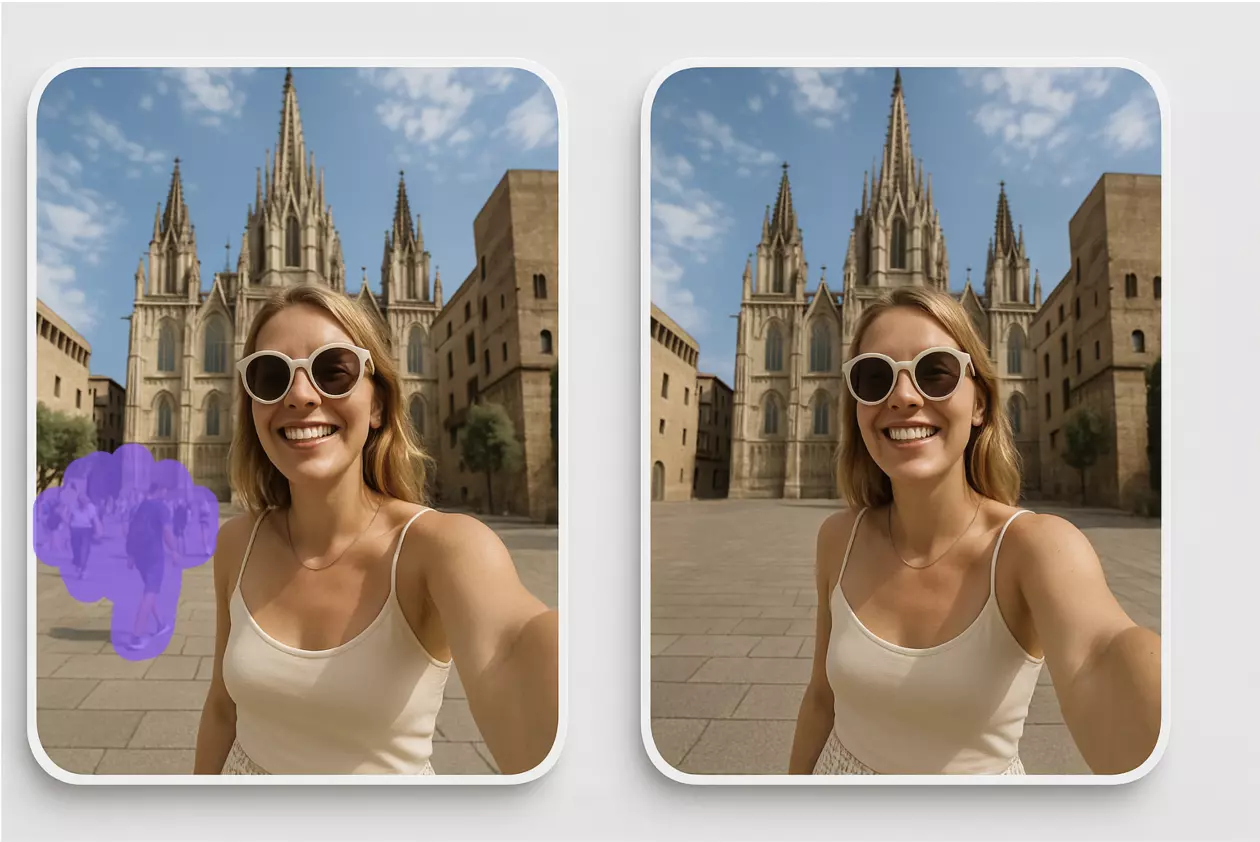
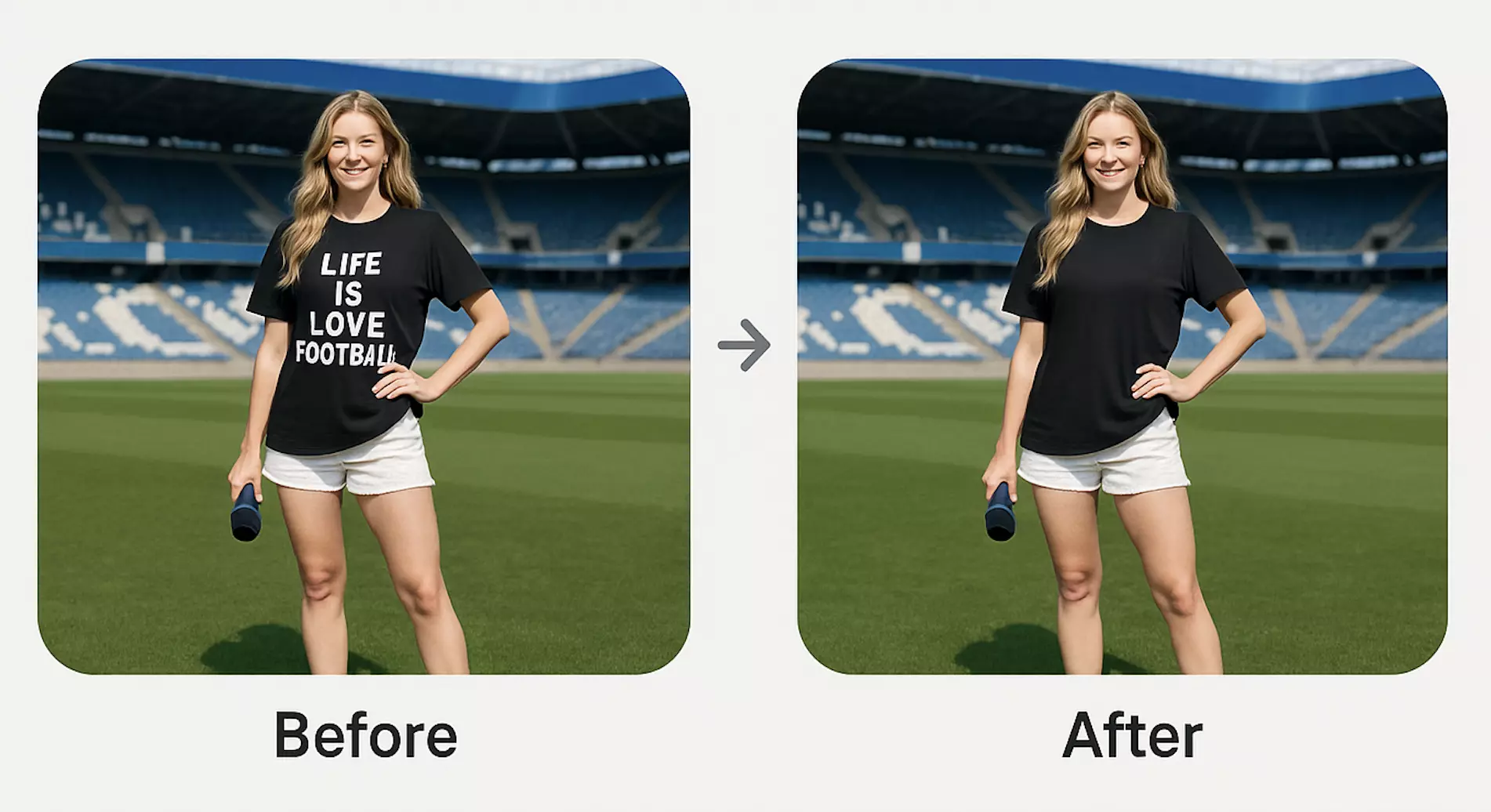
Minimalism is also about subtraction. Remove wires, tourists in the background, stray wrinkles, or price stickers that break your aesthetic. Pixflux.AI can remove extra objects and gently clean brand marks or watermarks when you have rights to the asset.
Compliance note: Only remove watermarks or logos from images you own or are licensed to edit. Avoid using these tools to misrepresent sponsorship or to violate marketplace and platform rules.
Batch processing for consistency across product-lifestyle images
Consistency converts. When your entire collection shares a uniform white background or a set of black hero frames, your catalog feels cohesive and premium. Batch processing lets you:
- Upload a set of angles for a single SKU, apply the same white background settings, and process them together.
- Standardize framing and shadows across a campaign to cut rework time.
- Align lifestyle shots with packshots or marketplace thumbnails quickly.
Pixflux.AI supports processing multiple images in one go so teams can keep pace with social calendars and launch deadlines without opening a retouch backlog.
Quality checks: edge halos, color casts, and compression artifacts
Minimal doesn’t mean sterile. Run a quick QA pass:
- Edges: Look for halos or color fringing around hair, fabric fringes, or transparent materials. Apply fine edge refinement if needed.
- Color casts: White backgrounds can pick up blue/green casts; neutralize with WB or selective HSL. Black backgrounds can band—use gentle gradients and adequate bit depth.
- Compression: Export high-quality JPEGs for web and PNGs where transparency or crisp edges matter. Avoid over-compression that produces blocky gradients.
AI online tools vs traditional methods
- Time cost: AI tools deliver usable results in minutes. Traditional masking, brushing, and pathing in desktop software can take 10–30 minutes per photo, more for hair or glass.
- Learning curve: Online tools are approachable for non-retouchers. Advanced desktop workflows remain powerful, but come with steeper learning and plugin management.
- Batch efficiency: Web-based AI can handle sets consistently without building actions or scripts. For large volumes, this is often faster than manual batching.
- Cross-team fit: Stakeholders, creators, and marketers can preview and iterate quickly on shared assets without passing heavy files or project files back and forth.
Use AI for speed and consistency; keep traditional software for edge cases that need meticulous hand work or composite builds.
Legal and ethics: truthful representation matters
Minimalism shouldn’t mislead. If you remove context, keep the product truthful—color, scale, and features should remain accurate. For sponsored content, don’t remove required disclosures or compliance markings.
Copyright reminder: Only process images you own or are authorized to edit. Watermark removal is for rightful owners or licensees; using it to bypass rights or platform policies is not acceptable.
FAQ: White background, minimalist editing, and lifestyle shots
What’s the fastest way to get a clean white background for lifestyle photos?
Use an AI background remover and finish with a quick edge check. Start with a well-lit capture, then process the photo to remove or replace the background with white. After AI cleanup, zoom in to refine edges, preserve natural shadows, and export at a quality suitable for your platform.
When should I pick a black background instead of white?
Choose black for drama, contrast, and a premium feel. Black backgrounds amplify reflections and highlights, making glass, metal, and satin pop. They also align well with dark-mode interfaces. White is better when you want brightness, color accuracy, and compatibility with marketplace standards.
How do I avoid over-editing when creating a minimalist look?
Keep contact shadows and micro-contrast around edges. Total flattening makes images look fake. Maintain a subtle ground shadow, protect texture in fabrics and skin, and avoid pushing whites or blacks to absolute extremes unless the brand style demands it.
Can I batch process a whole set so every image shares the same backdrop?
Yes, batch processing keeps a consistent look across a series. Group your product-lifestyle angles, apply the same background settings, and process together. This reduces visual drift between images and saves time compared to one-by-one edits.
Is it okay to remove watermarks or logos from an image?
Only if you own the content or have explicit permission. Watermark or logo removal should never be used to infringe copyright or mislead audiences. Check your license agreement and platform policies before editing any brand marks.
How do I prevent edge halos on hair or translucent objects?
Zoom to 200% and refine the mask with feathering and color decontamination. Work on tricky edges last, keep a soft feather for hairlines, and correct color spill from the original background. Export at sufficient resolution to preserve clean transitions.
Will a white background always perform better on marketplaces?
Often, but it depends on the category and platform rules. Many marketplaces prefer or require white background images for search listings and thumbnails. Test white against subtle off-white or gray variations and monitor CTR and conversion.
What’s the best export format for minimalist images?
Use high-quality JPEG for web listings and PNG for transparency needs. Avoid heavy compression that causes banding on gradients or blocks around fine edges. Keep resolution aligned with platform specs to maintain sharpness without oversized files.
Conclusion and next steps
Minimalism is a lever, not a limit. With white and black backgrounds, you reduce friction, make details shine, and align with 2026’s digital detox aesthetic. Start by simplifying in-camera, then finish with fast post work that respects texture and truth. Tools like Pixflux.AI let creators, marketers, and ecommerce teams deliver uniform, premium visuals at speed.
Ready to try it on your next set? Create a polished white background in minutes and measure the lift in clarity, brand feel, and conversion.