How to Remove Background of Photo Online Without Making It Look Over Edited
Want clean cutouts without the fake look? Learn pro tricks for natural edges, hair detail, and soft shadows—plus a quick Pixflux.AI workflow.
 Emily CremerApril 7, 2026
How to Remove the Background of a Photo Online Without Making It Look Over-Edited
You only needed a clean product cutout for Amazon, a lifestyle-ready post for Instagram, or a quick headshot with a neutral backdrop—and now your image looks like a cardboard sticker. Harsh halos, jagged edges around hair, and flat, unrealistic shadows can turn a good photo into something that feels fake.
The good news: you don’t need complicated software to get natural results. In 2026, marketplaces and social feeds reward clean images with soft, believable shadows and faithful edges, and modern browser-based tools can deliver just that. If you want to remove background of photo online with realistic edges and shadow depth, an AI-first approach like Pixflux.AI keeps quality high without slowing you down. Try an online photo background remover that prioritizes hair detail, smooth anti-aliased edges, and export-ready files.
(See image suggestion: a three-step interface sequence—Upload original photo, AI processing preview, and Download for the final cutout.)
Why natural-looking background removal matters
- Trust and conversion: Natural edges and grounded shadows make products look photographed “there,” not pasted on top. This clarity builds trust and often boosts click-through and conversion.
- Marketplace compliance: Amazon, Walmart, and other marketplaces increasingly favor clean backgrounds and subtle, realistic shadows over hard-edged cutouts.
- Brand consistency: Consistent lighting, edge softness, and shadow angles across a catalog create a premium look—especially important for DTC brands and multi-channel sellers.
Core concepts for clean results: alpha edges, hair wisps, anti-aliasing, and shadows
- Alpha edges and semi-transparency: Great cutouts preserve fine transparency at the boundary of hair, lace, smoke, or glass. Your goal is a matte that keeps delicate detail without gray halos.
- Hair wisps: Strands shouldn’t clump into plastic shapes or disappear. Good AI keeps micro-strand variation while suppressing background noise.
- Anti-aliasing and edge softness: Crisp subjects still need softly anti-aliased edges to blend with any new background. Hard, pixelated rims scream “over-edited.”
- Realistic shadows: A soft ground shadow or reflection prevents a floating look. Keep it subtle, feathered, and consistent with the original light direction.
Choosing your output: white, transparent PNG, or lifestyle-ready
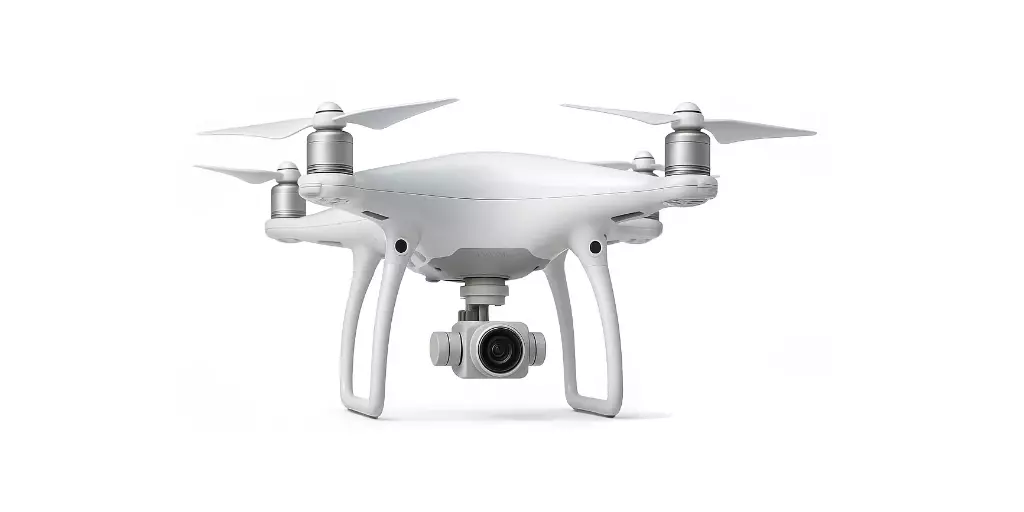
- White background: Best for marketplace product thumbnails and comparison grids. It’s clean, fast, and universally accepted.
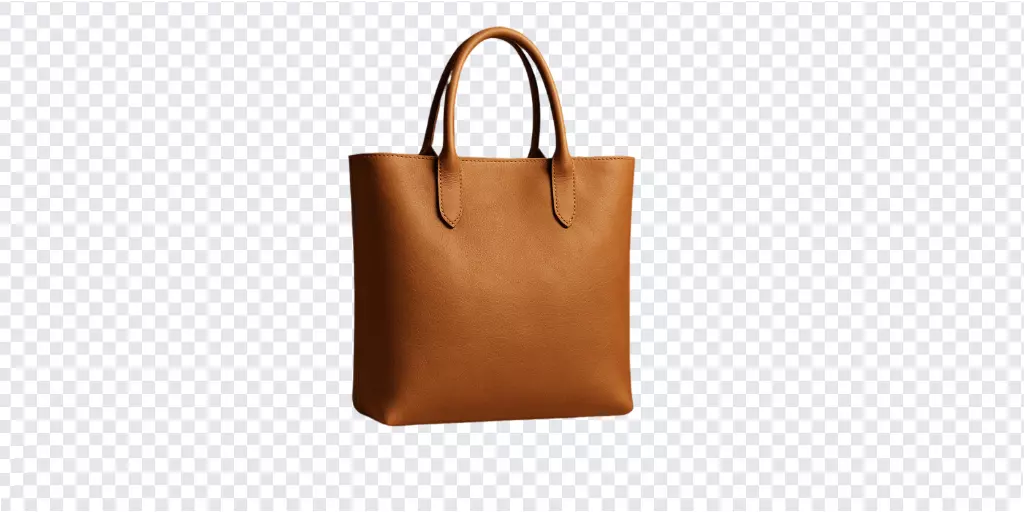
- Transparent PNG (or WebP with alpha): Perfect for layered compositions, multipurpose use, and brand templates across web and social. Transparent PNG and WebP pipelines dominate for fast, consistent publishing today.
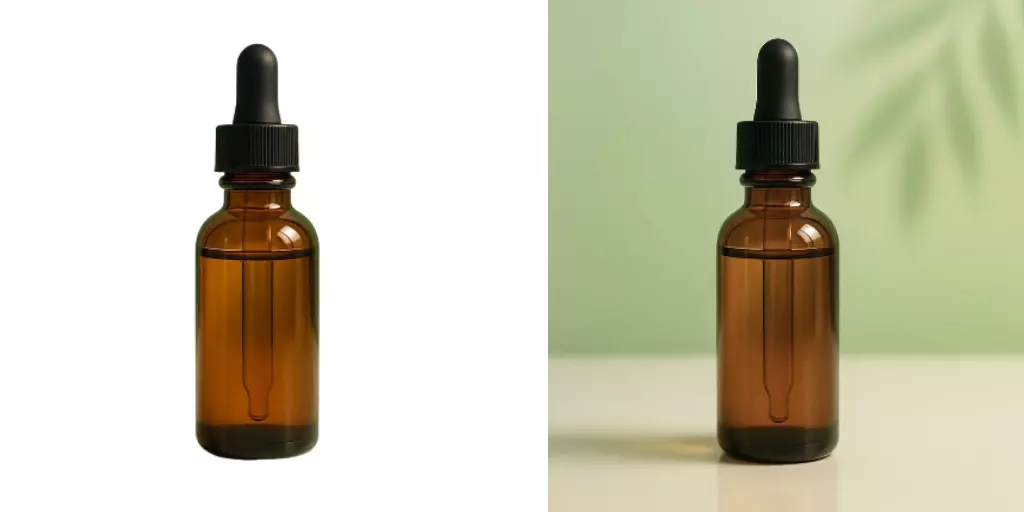
- Lifestyle-ready background: For ads, PDP banners, and social posts, place your cutout into a brand-fit scene. Keep the perspective, lighting, and scale realistic so it doesn’t look pasted.
Tools overview: online removers vs desktop editors vs outsourcing
- Online removers: Fast, no-install, and built for non-designers. They’re ideal for small teams, social managers, and ecommerce ops who need quality without a heavy learning curve. Pixflux.AI, for example, pairs background removal with realistic shadows and quick fine-tuning.
- Desktop editors: Great for intricate composites or advanced retouching when you need total control. They require more time and skill, and they’re slower for batch work.
- Outsourcing: Works for complex campaigns or when you lack internal bandwidth. However, it’s slower to iterate, can be costly per image, and makes last-minute changes harder.
Step-by-step: remove background of photo online without over-editing
Follow these practical steps for natural-looking results:
- Start with the best source you have
- Use a high-resolution image with even lighting. Avoid heavy noise, blur, or overexposure that muddies edges.
- Choose an AI remover designed for hair and transparent edges
- Not all removers handle hair, fur, or glass equally. Look for tools that preserve fine strands and semi-transparent materials without chalky halos.
- Upload and preview at 100% zoom
- Inspect edges around hair, textured fabric, and glass. If you see jaggies or color fringing, re-run or adjust the edge softness during preview.
- Keep edges soft, not mushy
- Aim for anti-aliased, feathered edges that look natural when placed on white and colored backgrounds. Over-sharpening makes cutouts feel fake.
- Add a subtle ground shadow
- A soft, low-opacity shadow matching the subject’s perspective instantly prevents a “sticker” look. Keep intensity and blur consistent across your catalog.
- Pick the right output format
- Use white or transparent PNG for marketplaces and layering. Consider WebP with alpha for lighter file sizes on web, while maintaining transparency.
- Export with sRGB and reasonable compression
- sRGB ensures color consistency across browsers and marketplaces. Don’t over-compress; watch for banding in gradients or shadow areas.
Pixflux.AI walkthrough: natural edges and soft shadows in minutes
Here’s a quick 5-step flow to remove background of photo online while keeping it natural with Pixflux.AI:
- Open the Pixflux.AI background remover
- Go to the tool page and get ready to drop your image in. If you prefer a streamlined entry point, you can directly remove background of photo online and land on the right workspace.
- Upload your original image
- Use the highest-resolution version you have so the AI can read hair, fur, and semi-transparent edges accurately.
- Choose the background action and let the AI process
- Run background removal. If you need a product-ready white, a fully transparent cutout, or a brand-fit lifestyle scene, select the appropriate option before or after the initial pass.
- Preview and refine
- Zoom to 100%. Soften or tighten edges slightly if needed to avoid halos or plastic-looking rims. Add a subtle, realistic shadow or reflection to anchor the subject.
- Download your final image
- Export as transparent PNG or WebP with alpha for flexible use—perfect for ecommerce, social posts, and email banners.
(See image suggestion: a side-by-side before/after—original on a cluttered desk versus a transparent PNG cutout with a subtle, realistic shadow generated in Pixflux.AI.)
For quick jobs, the simple version is: 1) Upload; 2) Let AI process; 3) Download. (See image suggestion: close-up crop comparing refined hair strands and clean glass edges versus a haloed, over-edited version.)
Fine-tuning tricky edges: hair, fur, glass, and semi-transparent materials
- Hair and fur: Focus on the rim where strands meet the background. Slightly soft edges look more natural than brittle, over-sharpened lines. Keep micro-strands visible but avoid amplifying noise.
- Glass and liquids: Preserve internal transparency and soft refraction. Avoid solidifying glass edges; look for a delicate alpha transition. Check reflections remain believable after background changes.
- Lace, mesh, and feathers: Ensure the AI respects tiny holes and frayed edges without creating checkerboard artifacts. If you see moiré or false texture, nudge edge softness and re-export.
Add realistic shadows and reflections to avoid a cutout look
- Match the light: Observe original direction and intensity. Your shadow should fall the same way and be blurrier the farther it is from the subject.
- Keep it subtle: Overly dark or crisp shadows look fake on white backgrounds. Aim for 10–25% opacity with a broad feather, adjusting to the product’s weight and surface.
- Consider reflections for glossy surfaces: A faint reflection can add polish for tech, beauty, or footwear—but keep it gentle and short to avoid a mirror effect.
Pixflux.AI helps you ground subjects with soft, believable shadows and, when needed, place them into a lifestyle-ready background that aligns with your brand palette and lighting.
Case study-style benchmarks: how to judge quality
Use a scorecard to standardize reviews across teammates and images:
- Edge fidelity: 0–10 score for smooth, anti-aliased boundaries without halos
- Hair recall: 0–10 score for preserved strands without clumping or plasticization
- Transparency accuracy: 0–10 score for glass, smoke, lace, and semi-transparency realism
- Shadow realism: 0–10 score for direction, softness, and intensity
- Color consistency: 0–10 score for sRGB accuracy and absence of color fringing
- File readiness: 0–10 score for correct resolution, aspect ratio, and size for your channels
Run a quick before–after sanity check on a white background and a mid-gray background. If it looks great on both, it will likely integrate well anywhere.
Batch processing tips for consistent catalogs
- Standardize inputs: Shoot or collect images with similar lighting and perspective to help AI deliver consistent mattes and shadows.
- Use common presets: Decide on white vs transparent outputs, typical shadow intensity, and export sizes upfront for a consistent “shop window” look.
- Group by material: Hair/fabric products in one batch; glass/metal in another. This lets you micro-adjust edge softness and shadows per group before exporting.
- QA in passes: First pass for edges at 100% zoom; second pass for overall realism; final pass to verify file format, naming, and sizes.
Pixflux.AI supports bulk uploads and multi-image processing so your team can rapidly clean series of product photos while keeping results uniform across SKUs.
Ethics and permissions: watermark removal boundaries
Use background and watermark tools responsibly. Only process images you own or are licensed to edit. Watermark removal should never be used to bypass copyright, licensing, or marketplace rules. If in doubt, obtain written permission before editing or publishing.
Pixflux.AI can help clean logos, watermarks, or distracting text from your own assets or authorized materials as part of a compliant workflow—but it must not be used to infringe on others’ rights.
AI online tools vs traditional software and outsourcing
- Time cost: Online AI tools deliver usable cutouts in seconds, whereas desktop workflows often require manual masks and edge refinements. Outsourcing adds turnaround time.
- Learning curve: Browser tools are designed for non-experts. Desktop apps are powerful but take longer to master.
- Batch efficiency: Bulk uploads and consistent presets in online tools speed up catalog work. Manual desktop masking scales poorly for hundreds of images.
- Collaboration: It’s easy for cross-functional teams to review previews and exports without passing around heavy project files, keeping feedback loops short.
Pixflux.AI strikes a balance: near-instant results with natural edges and soft shadows, plus the flexibility to refine where needed.
FAQ: remove background of photo online – mistakes, formats, and export settings
How do I remove background of photo online without getting halos?
Use a high-quality AI tool and keep edges softly anti-aliased. Start with a high-res source, then preview edges at 100% to catch halos early. Slightly adjust edge softness and avoid heavy sharpening. If the subject sits on a colored background, check for color spill and nudge the matte to neutralize fringing.
What format should I export: PNG or WebP?
Use PNG for broad compatibility and WebP for lighter files with alpha. Transparent PNG is the safe default for marketplaces and layered design. WebP with alpha provides smaller files for web and email while preserving transparency. Ensure sRGB is embedded and watch for banding in gradients when compressing.
What’s the best way to preserve hair and fur?
Choose an AI remover that excels at fine strands, then refine gently. Zoom into hairlines, keep edges soft (not crunchy), and avoid oversharpening. If wisps look clumped or plastic, re-run or fine-tune until strands remain distinct without bringing back background noise.
Can I batch process a catalog with consistent results?
Yes, batch-friendly online tools make catalogs much faster. Group images by material (e.g., apparel vs glassware) and set common presets for background type, shadow intensity, and export size. Pixflux.AI supports bulk uploads and multi-image editing to keep your results uniform across SKUs.
Do I need to add a shadow after background removal?
Yes, a subtle ground shadow prevents a floating, cutout look. Match the original light direction, keep opacity low, and feather edges. For glossy surfaces, consider a faint reflection. Consistent shadow style across your catalog makes your grid look premium and cohesive.
Is removing watermarks legal?
Only if you own the image or have explicit permission. Never use watermark removal to bypass licensing or platform rules. Keep written proof of rights when editing third-party assets and follow marketplace guidelines.
What resolution should I use for ecommerce and social?
Use the highest native resolution and export 2000–3000 px on the long edge for most needs. Platforms differ, so check each channel’s guidelines and maintain sRGB. Ensure your file weight is web-friendly without visible compression artifacts, especially in shadows and gradients.
Conclusion and next step
Clean, natural background removal is now a browser task, not a specialist bottleneck. By focusing on alpha edges, hair detail, anti-aliased boundaries, and believable shadows—plus choosing the right output for each channel—you can publish images that feel photographed, not pasted.
If you’re ready to speed up production while keeping quality high, try Pixflux.AI to remove image background online with realistic edges, soft shadows, and batch-friendly exports. Your catalog—and your conversion rate—will look better for it.