How to Use AI Tools to Remove Product Image Backgrounds Fast: A Practical Guide for E-Commerce Sellers
Tired of masking in Photoshop? See how AI background removers clean product photos to marketplace standards in seconds, plus a batch workflow you can reuse.
 Richard SullivanJuly 15, 2025
How to Use AI Tools to Remove Product Image Backgrounds Fast: A Practical Guide for E‑Commerce Sellers
If you sell on Amazon, Shopee, or TikTok Shop, you already know the drill: clean, consistent product photos win clicks and convert. The problem is that cleaning backgrounds with manual Photoshop work or waiting on freelancers can stall a launch by days—especially when you’re preparing variations or a full catalog.
The good news: modern AI background remover tools make it realistic to clear busy scenes, keep perfect edges, and export marketplace‑ready images in seconds. If you’re moving from a manual workflow to AI, start with an ai background remover to standardize the look of your catalog without learning complex software.
(See image: Pixflux.AI interface showing the three-step flow: upload → AI process → download)
Why clean backgrounds matter for conversions and marketplace trust
- Consistency builds trust. On marketplaces, a uniform look removes friction and helps shoppers compare options quickly.
- Higher click‑through on search results. A pure white or clean background cuts visual noise so your product stands out on dense SERPs.
- Fewer listing rejections. Amazon and others auto-scan images. From 2025 onward, policy enforcement and auto-rejection are tightening, so clean inputs are non‑negotiable.
- Reusable assets. Once you have a background‑free master, you can repurpose it across storefronts, ads, and social posts without re-shooting.
What an AI background remover actually does: segmentation, matting, and edges
Under the hood, an AI background remover identifies the subject (segmentation), then refines the boundary (matting) to preserve fine details:
- Edge fidelity: It keeps natural edges on complex shapes—laces, spokes, perforations.
- Semi‑transparent surfaces: Modern models handle gloss and translucency (glass, plastic wrap) better than older methods.
- Soft shadows and hairline details: Good matting preserves a realistic edge without halos, avoiding the “cutout” look.
Marketplace image requirements you must meet
Rules vary by marketplace, but the themes are consistent:
- Amazon: Main image on pure white (RGB 255,255,255), product fills at least 85% of the frame, no text, logos, or watermarks, no props that aren’t included.
- Shopee: Clean, uncluttered background preferred; avoid borders and text overlays on the main image.
- TikTok Shop: Clear focus on the product; avoid heavy graphics on the primary image.
- File format: JPEG or PNG, sRGB color space. Use transparent PNGs for secondary images or store assets.
Always check the latest official guidelines for your category before publishing.
Choosing the right approach: online AI vs desktop editors vs outsourcing
- Online AI editors (e.g., Pixflux.AI): Near‑instant results, minimal learning curve, great for batch work, easy to share across teams without installing software.
- Desktop editors (Photoshop, plugins): Maximum manual control, but higher learning curve and slower per image; good for complex retouching when needed.
- Outsourcing/freelancers: Flexible capacity, but variable quality, revision cycles, and slower turnaround. Costs can compound with many SKUs.
If speed, consistency, and repeatable workflows are your priority, an online AI approach will usually win—especially for new launches where time-to-listing matters.
Fast start: remove background from product photos in seconds
Here’s the practical flow most sellers adopt:
- Shoot consistent angles with even lighting. Avoid harsh reflections and busy props.
- Upload to an AI background remover and process the first batch to a pure white or transparent background.
- Review edges at 100% zoom, then export and upload to your marketplace.
Tools like Pixflux.AI are built for this step: they remove the background, preserve edges, and allow for quick tweaks if needed.
(See image: Before/after comparison of the same product in Pixflux.AI: background removed and watermark removed)
Using Pixflux.AI: Upload → AI process → Download a marketplace‑ready image
You can get from raw photo to compliant asset in minutes with this 5‑step flow:
- Open Pixflux.AI
- Upload your original product photo(s).
- Choose the background removal option in the AI background removal tool and let the AI process your image.
- Preview the cutout, adjust edges or add a soft shadow if needed, and choose background output (pure white or transparent PNG).
- Download the final image and move it into your marketplace upload folder.
Tip: For lifestyle images or social posts, swap the background for a clean, on‑brand scene or generate a new one that matches your style. Keep main marketplace images pure white to avoid rejections.
(See image: Grid of marketplace‑ready product photos on pure white with consistent soft shadows)
Batch workflow for new launches with Pixflux.AI to process entire catalogs
When you’re launching multiple SKUs or variants, batch handling is the time saver:
- Group photos by SKU and angle in folders (e.g., SKU123-front, SKU123-side).
- Upload your folder set to Pixflux.AI and process in bulk to a consistent background.
- Apply the same settings across the batch: output size, soft shadow strength, and background color.
- Review a few representatives from each group to confirm edges and consistency.
- Download, rename with a predictable pattern (SKU-angle-variant.jpg), and move to your listing pipeline.
Repeat this template for every launch and your prep time drops from hours to minutes per SKU.
Quality checks: edges, halos, soft shadows, color fringing, and hairline details
Before publishing, run this quick QA checklist:
- Edge integrity: Zoom to 100–150% and scan for jagged edges or halos.
- Soft shadows: Keep subtle, grounded shadows; avoid heavy drop shadows that look fake.
- Color fringing: Check around high-contrast borders (white product on dark background) for purple/green edges.
- Fine details: Laces, jewelry chains, transparent plastics, and hairline fibers should look natural.
- Consistency across images: The same SKU should have identical output size, margins, and background tone.
Background options: pure white, transparent PNG, change or generate clean scenes
- Pure white: Ideal for marketplace main images; safest for automated checks.
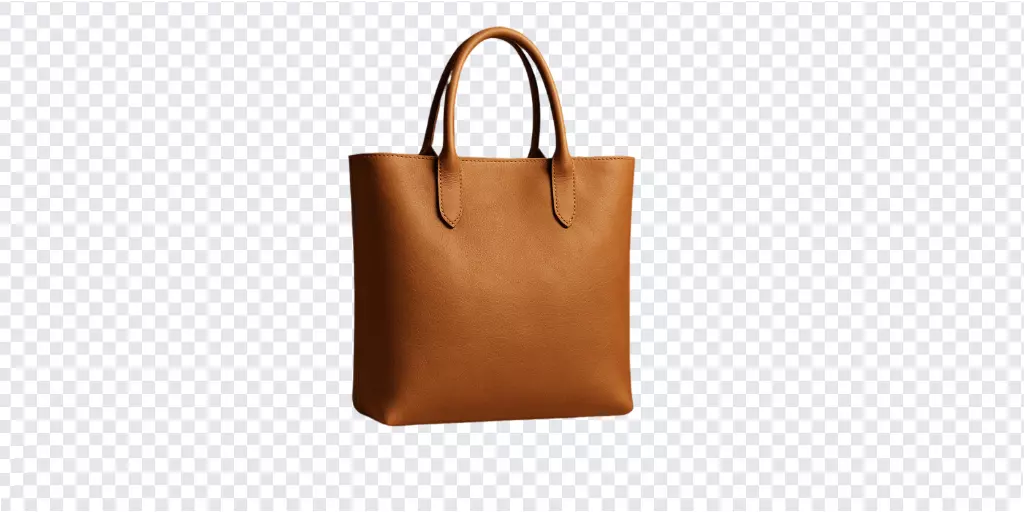
- Transparent PNG: Useful for catalog masters and quick repurposing in ads or banners.
- Clean scene backgrounds: For secondary images or social, replace with an on-brand studio or generate a simple set—think soft gradients or light textures that won’t distract.
With Pixflux.AI, you can remove the background, change it to a standard white, or generate a new clean scene to fit your brand’s visual language.
Enhancements and cleanup: remove unwanted objects and watermark remover tips
Beyond background removal, a fast image pass can raise overall quality:
- Remove unwanted objects: Stray cables, people in the background, or small distractions that slipped into the frame.
- Watermark remover: Clean competing logos or text marks when you’ve obtained proper rights to the image.
- Clarity and contrast: Slightly enhance sharpness and contrast so details pop on mobile screens.
Compliance note: Only edit content you own or are authorized to use. Using watermark removal to bypass copyright or marketplace rules can lead to takedowns or account penalties.
Export settings and file naming for speed: PNG vs JPEG, size, DPI, and color
- Format: PNG for transparent backgrounds; JPEG for smaller file sizes on white backgrounds.
- Dimensions: Follow marketplace specs; a common Amazon standard is at least 1600 px on the longest side for zoom.
- Color space: sRGB for consistent web rendering.
- DPI: 72 or 96 is fine for web; DPI isn’t a listing filter—pixels matter more.
- File naming: Use a consistent pattern for fast uploads and re-use, such as BRAND_SKU_COLOR_VIEW_01.jpg.
AI online tools vs traditional methods
Time cost:
- Online AI: Seconds per image; whole folders in minutes.
- Desktop/outsourcing: Minutes per image or days per batch.
Learning curve:
- Online AI: Minimal—upload, process, download.
- Desktop: High—requires masking, matting, and retouching skills.
- Outsourcing: Low learning, but you’ll manage briefs and revisions.
Batch efficiency:
- Online AI: Built for bulk actions and repeatable presets.
- Desktop: Possible with actions but brittle across diverse products.
- Outsourcing: Throughput depends on vendor capacity and communication.
Team fit:
- Online AI: Anyone on the team can run the workflow with consistent outcomes—great for fast-moving launches.
- Desktop/outsourcing: Bottlenecks around specialists or external partners.
Online tools like Pixflux.AI typically deliver the best blend of speed, quality, and control for listing-ready assets.
Trend watch: why this matters now
- Marketplaces are tightening policy enforcement and auto-rejecting non-compliant images.
- AI matting models now handle glossy, translucent, and complex edges far better than older tools.
- Sellers are shifting from freelancers to online AI editors to reduce turnaround time.
- Batch background removal is becoming a standard step in ecommerce photo pipelines.
Conclusion and next steps
Clean backgrounds improve conversions, reduce listing friction, and help you ship new products faster. With a streamlined workflow, you can standardize every SKU in minutes—from raw photo to marketplace‑ready asset.
Try Pixflux.AI with a single product or your next launch batch. Start here to remove background from product photos and keep your catalog consistent, compliant, and ready to sell.