Sustainable Aesthetics Using Eco Friendly Backgrounds in Product Shots
Elevate eco-minded product photos: try green backgrounds, natural textures, and low-waste AI edits for consistent, authentic visuals at scale.
 Emily CremerJanuary 10, 2026
Sustainable Aesthetics: Using Eco‑Friendly Green Backgrounds in Product Shots
If your brand leads with sustainability but your product photos still rely on disposable sets or energy‑heavy reshoots, you’re sending mixed signals. Teams feel the pressure: keep imagery on‑brand, reduce waste, and publish faster across Amazon, Etsy, and social without inflating costs.
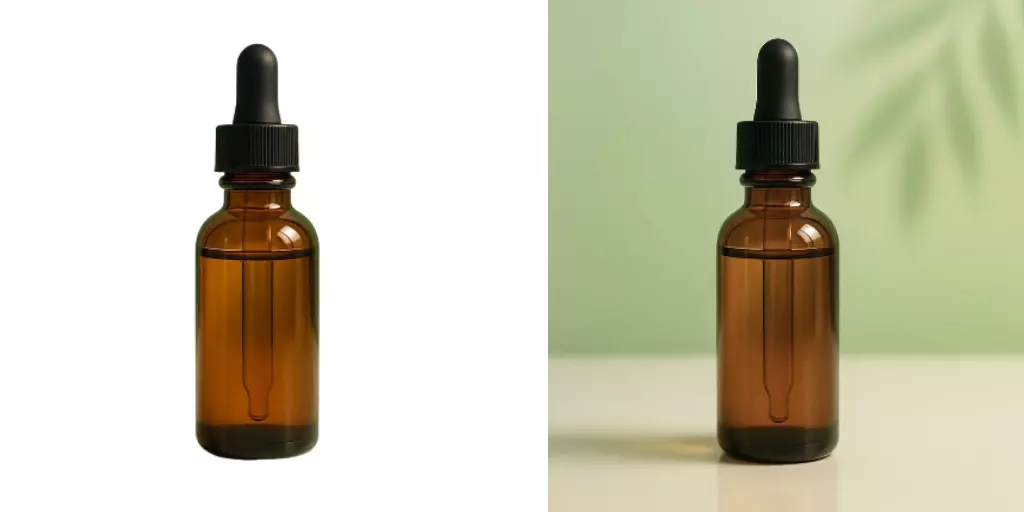
A simple, scalable fix is to anchor your visuals with a green background—calming, nature‑led, and instantly associated with eco values—while shifting production from physical sets to lightweight digital workflows. Instead of reshooting, AI editors like Pixflux.AI let you remove clutter, add a natural green backdrop, and keep texture authenticity—no studio rebuilds required. If you want a quick way to test the look, try a green background for product photos and see how it fits your brand palette.
(See image: Side‑by‑side product shot—before on a cluttered desk; after with a clean natural green background and a subtle, realistic shadow.)
Why a green background reinforces sustainable aesthetics
- Color psychology: Greens signal calm, renewal, and environmental care. They reduce visual noise and place the product center stage without feeling sterile.
- Material honesty: A muted, natural green supports “what you see is what you get”—ideal for products with recycled fibers, plant‑based ingredients, or low‑impact packaging.
- Narrative consistency: In 2026, nature‑inspired palettes dominate sustainable brand storytelling. A consistent green background ties homepage, PDPs, and social in one visual voice.
- Marketplace performance: Platforms reward clear, uncluttered textures. A clean green background often improves scanability on mobile and reduces bounce from busy visuals.
Core principles: color, texture, and low‑waste design
- Choose the right green: Earthy sage and moss greens skew authentic; neon or overly saturated hues can feel artificial unless your brand is deliberately techy or bold. Keep LRV (light reflectance value) mid to high for readable contrast on thumbnails.
- Use subtle natural textures: Recycled paper grain, linen weave, or organic leaf bokeh add depth without stealing focus. Aim for soft gradients, not distracting patterns.
- Reduce physical waste: If you shoot, favor reusable fabric backdrops or reclaimed boards. Design sets you can fold, store, and repurpose rather than single‑use foam or vinyl.
- Keep lighting simple: One key light plus a fill usually suffices. Softer light reduces harsh edges, making later digital background swaps more believable and less energy‑intensive.
(See image: Comparison panel of eco textures in soft greens—recycled paper grain, linen weave, leaf bokeh—as background references.)
Selecting eco‑friendly green backdrops (physical options)
- Recycled paper rolls: Affordable, matte, and easy to store. Look for post‑consumer content and FSC labeling.
- Organic fabrics: Cotton, linen, or hemp with natural dyes; avoid glossy sheens that reflect.
- Reclaimed surfaces: Painted wood, cork boards, or upcycled panels in green tones create tactile realism for close‑ups.
- Modular stands: Collapsible arms and clamps extend lifespan and reduce offcuts, especially for small tabletop sets.
Even with careful material choices, physical backdrops still require transport, storage, and disposal. That’s where digital alternatives shine.
Digital alternatives: create a green background without reshoots
When the product is already photographed (maybe on a cluttered desk or inconsistent color sweep), use AI editing to:
- Remove the original background cleanly while preserving fine edges like straps or hairline fibers.
- Replace it with a natural green backdrop that complements your brand.
- Generate a new green background from scratch if you lack a matching texture.
- Enhance image clarity and contrast to avoid flat or muddy results.
- Remove stray elements (cables, dust, reflections) that distract from a minimal, eco‑minded aesthetic.
Pixflux.AI handles all of the above in a lightweight, browser‑based workflow—ideal for keeping post‑production efficient and low‑waste.
Low‑waste workflow: color management and non‑destructive edits
- Work non‑destructively: Keep your source files. Export variants for marketplaces rather than overwriting masters.
- Calibrate color once: Use a consistent white balance target so green backgrounds look uniform across sessions.
- Use soft shadows: Drop or contact shadows ground the product in space, adding realism without heavy retouching cycles.
- Batch rename and version: Lightweight organization avoids unnecessary re‑exports and duplicate storage.
Hands‑on with Pixflux.AI: add a green background in three steps
You can create a clean, eco‑friendly look without rebuilding your set. Here’s a practical 3‑step flow:
- Upload your original image
- Drag and drop the product shot into Pixflux.AI.
- Let the AI process the background
- Remove the existing background, then apply a natural green backdrop. Adjust tone (sage, moss, olive), and enable a soft shadow for realism.
- Download the edited file
- Export for your target channel—PDP, Amazon listing, or social square.
To try it on your next launch or A/B test, start with an eco‑friendly green backdrop and iterate on color shades until the product edges and materials feel true to life.
(See image: The Pixflux.AI interface showing Upload → AI processes background → Download result.)
Pro tip: For lifestyle‑leaning visuals, generate subtle green textures (linen weave or recycled paper grain) and dial opacity low so the product remains the focal point.
Batch processing for a consistent green background across your catalog
Consistency is what makes a brand look premium. Pixflux.AI supports batch uploads so you can apply the same green background tone and shadow settings across dozens of SKUs in one pass. This is especially useful when:
- Refreshing legacy SKUs to match a new sustainability palette
- Prepping seasonal campaigns without a full reshoot
- Harmonizing marketplace and DTC assets while keeping storage and editing cycles lean
Keep a simple checklist: one approved green hex code, one shadow intensity preset, and a target output size per channel.
Quality checks: shadows, reflections, and texture realism
- Shadows: Ensure contact shadows align with the product’s foot or base; floating objects break trust.
- Edge cleanup: Inspect tricky areas—transparent lids, glass, hairline fibers—and refine.
- White balance: Confirm the product’s neutral areas (labels, metals) haven’t shifted with the green surround.
- Texture consistency: If you used a texture (paper/linen), keep it soft. Heavy patterns can introduce banding on compressed marketplaces.
- Scale: Make sure the background texture scale matches the product size—oversized paper fibers look odd in a jewelry close‑up.
Compliance and ethics: true green claims, watermark removal, and licensing
Communicate sustainability honestly. If your materials are recycled or certified, say so with specificity rather than vague claims. For assets:
- Only remove watermarks or logos from images you own or have explicit permission to edit.
- Respect licensing terms and platform rules; watermark removal must not be used to bypass rights management or misrepresent ownership.
- Keep product colors accurate—avoid edits that exaggerate eco features or mislead shoppers.
AI online tools vs traditional methods
- Time cost: An AI editor delivers background removal and replacement in seconds per image; a manual Photoshop workflow can take minutes per image, and reshoots take hours or days.
- Learning curve: Non‑designers can make production‑ready assets with guided steps; manual masking and compositing require advanced skills.
- Batch efficiency: Batch uploading and uniform presets ensure catalog‑wide consistency; manual edits or outsourced rounds often drift in color or shadow.
- Cross‑team fit: A browser‑based tool lets marketing, ecomm, and creative review the same files quickly, without passing around heavy project files.
Crucially, using Pixflux.AI can reduce the need for single‑use set materials and redundant reshoots—saving budget and carbon while keeping your brand’s green background consistent.
Case example: from busy desk to clean green
A skincare brand had a library of mixed shots—some on a crowded office table, others on pure white. In one afternoon, the team standardized to a sage green background with soft paper grain for 60 SKUs, removed stray reflections on glass droppers, and added consistent contact shadows. On mobile PDPs, the new visuals were easier to scan, and the brand reported stronger add‑to‑cart rates in the weeks following the update. While results vary, consistency plus clarity tends to lift engagement and trust.
Troubleshooting common green background issues
- Green spill on edges: If the product picks up a color cast, slightly desaturate shadows or adjust the edge refinement to protect neutral tones.
- Flat results: Increase micro‑contrast or add a subtle paper texture to avoid “cut‑out” vibes.
- Banding in gradients: Use a higher bit‑depth export or add minimal noise to smooth transitions.
- Mismatched lighting: Align the background’s perceived light direction with the product’s key light; add a soft shadow where needed.
- Over‑saturated greens: Dial back vibrance for a calmer, more refined look that feels sustainable rather than neon.
FAQ: Sustainable green background techniques and product photography best practices
What shade of green works best for eco‑minded product photos?
Choose a muted, mid‑tone green like sage or moss for a calm, natural look. These hues feel authentic, photograph well, and support material honesty. Ultra‑bright greens can read artificial unless your brand is intentionally bold. Test on thumbnails to ensure legibility.
How do I keep a consistent green background across a whole catalog?
Use one approved hex value, a single shadow preset, and batch process your images. Batch editing in an AI tool helps lock tone, exposure, and shadow density across SKUs. Keep a short style guide so freelancers or teammates can reproduce the look.
Can I add realistic shadows when replacing the background?
Yes—enable soft contact shadows that match your lighting direction. Shadows anchor the product in space and avoid the “sticker” effect. Keep them subtle and slightly blurred; overly dark or hard‑edged shadows can look fake.
Does a green background affect color accuracy of the product?
It can, so control white balance and protect neutrals during editing. If you see an unwanted color cast, adjust white balance, reduce vibrance selectively, or refine edges. Check labels and metals as reference points for neutral tones.
Is watermark removal allowed for these edits?
Only remove watermarks on images you own or have permission to modify. Watermark removal must not be used to infringe copyrights or bypass platform policies. Always follow licensing and brand agreements before publishing.
How do I handle batch images for marketplaces like Amazon or Etsy?
Export marketplace‑ready sizes after batch editing your green background. Align with each platform’s image specs (dimensions, background uniformity, compression). Keep one master and export channel‑specific derivatives to avoid rework.
What if my original photos have clutter or unwanted objects?
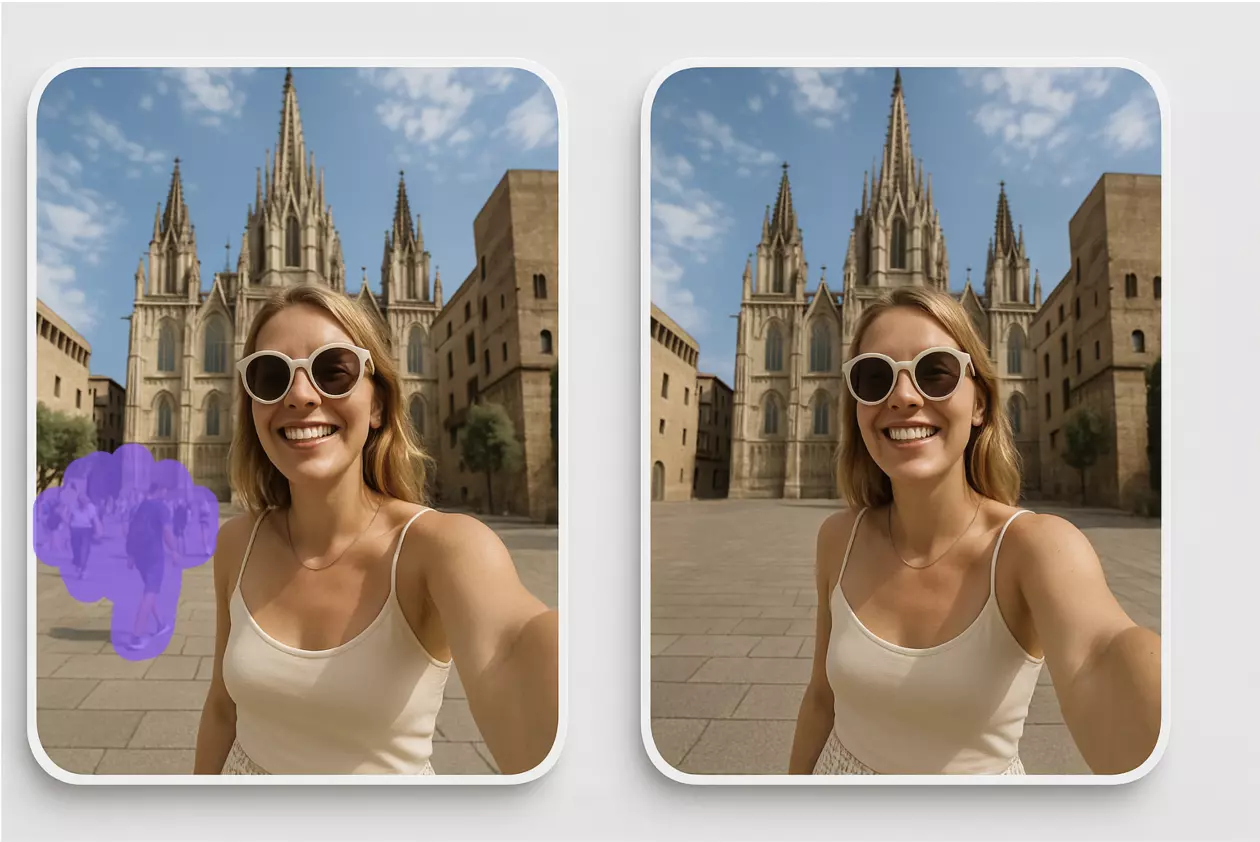
Remove distractions first, then apply the green background. Cleaning up cables, dust, or passers‑by ensures the product remains the hero. After object removal and enhancement, the green backdrop will look more natural and premium.
Conclusion and next steps
Sustainable aesthetics are as much about process as look. By favoring a green background, using natural textures, and shifting to efficient AI editing, you reduce waste, accelerate publishing, and keep visuals consistent across every channel. With Pixflux.AI, you can remove the original background, generate a subtle, eco‑friendly green texture, enhance details, and streamline batches without reshoots.
Put it to the test on a few SKUs or a seasonal launch—start with a green background, iterate on tone, and roll the winning variant across your catalog.