User Generated Content and Micro Influencers The Rise of Authentic Branding
Curating UGC? Learn when to add background, keep micro-influencer shots on-brand, and scale a cohesive feed with smart color, shadow, and aspect rules.
 Michael WalshJanuary 10, 2026
User-Generated Content and Micro-Influencers: The Rise of Authentic Branding (and How to Add Backgrounds Consistently)
Your UGC program is pumping out content from dozens of creators every week. It’s real, it’s relatable—and it’s visually all over the place. One post has a beige bedroom, the next is a neon bodega, and your grid looks like a collage of every lighting condition on Earth. Reshoots are expensive, and creative reviews drag on because nothing feels cohesive.
In 2026, brands are running always-on micro-influencer programs, but they still need visual consistency to build memory and trust. The quickest win is simple: define a look and add background consistency across your creator shots. When you need to keep authenticity while streamlining edits, an online AI editor can cut the turnaround from days to hours—start with a tool that shows you exactly how to add background to a photo in minutes.
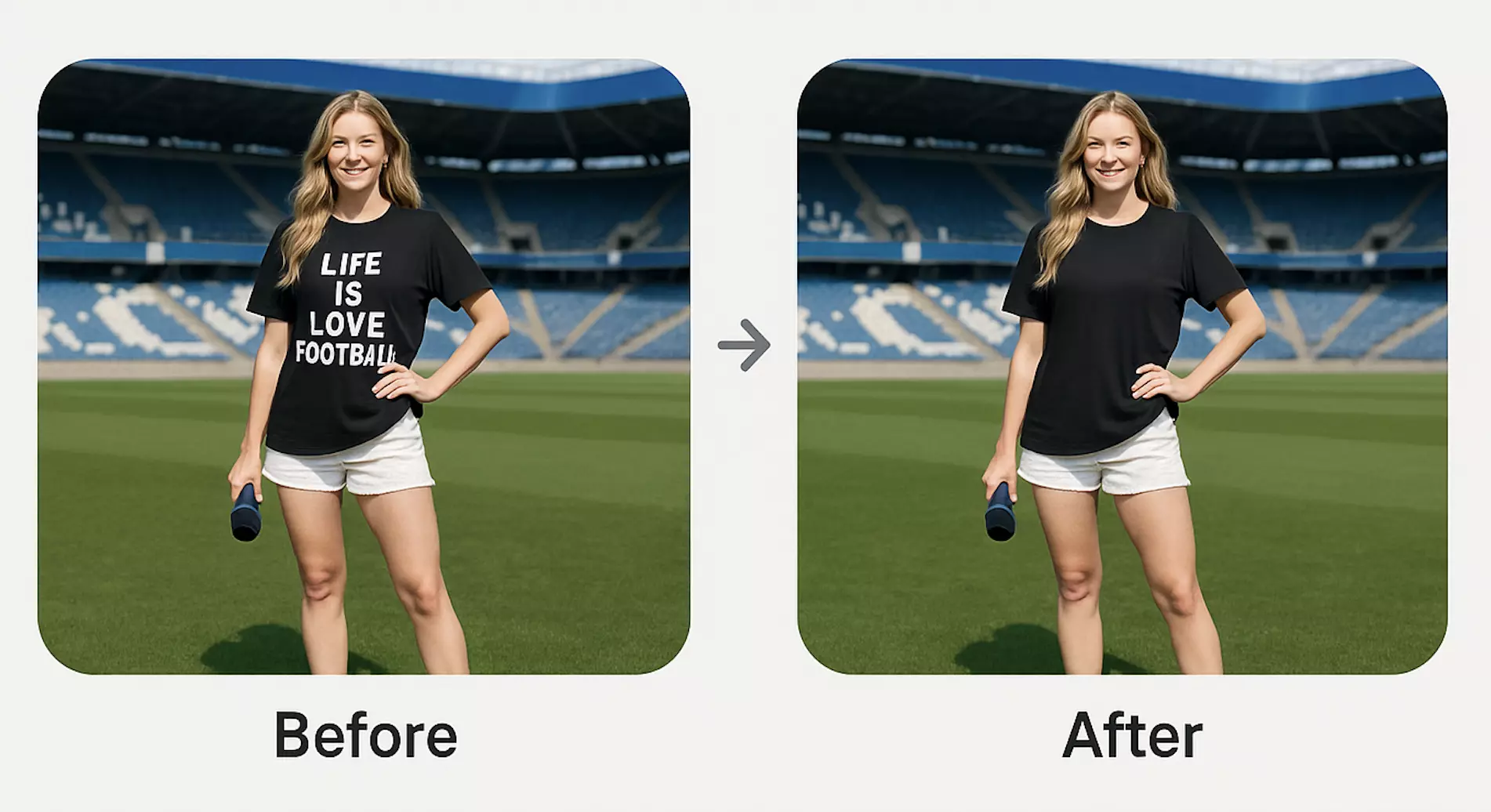
(See image suggestion: Before/after grid showing a micro-influencer photo with a busy street scene vs a clean, brand-colored background with realistic shadows.)
Why micro-influencers and UGC lead authentic branding in 2026
Micro-influencers outperform big names on engagement because they look native to the feed—less polished, more personal. That’s why feeds now favor content that feels real yet follows a recognizable brand aesthetic. From TikTok Shop to Instagram Reels, audiences reward brands that are consistent without being rigid. The challenge is harmonizing diverse creator inputs without losing their voice.
Background consistency is a high-leverage lever. It keeps your grid coherent, improves click-through on thumbnails, and reduces reshoot costs when environments don’t match the brief. With AI editing maturing, you can tune backgrounds, shadows, and aspect ratios without bottlenecking your team or compromising authenticity.
Curation principles: keep the creator’s voice, align the brand’s look
Think curator, not controller. Your job is to preserve the creator’s personality and context while aligning visuals to brand cues. A practical approach:
- Keep the subject and expression untouched.
- Add background consistency to nudge the aesthetic, not replace the story.
- Use brand color accents, natural shadowing, and subtle texture to signal identity.
- Standardize framing and aspect ratios per channel.
When done right, viewers feel the brand DNA without noticing the edit.
When to add background vs shoot-in-place
Use this decision rule to move fast:
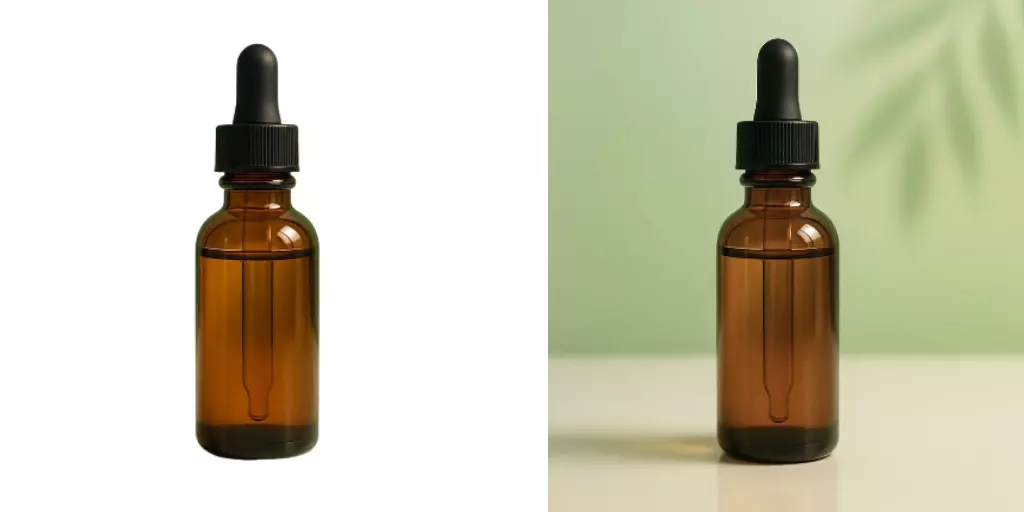
- Add background when the original environment is distractingly busy, off-brand in color, or poorly lit. It’s perfect for unboxing shots, product close-ups, and flat lays where context is secondary.
- Shoot-in-place when the setting is the story: lifestyle scenes, location-specific collabs, or culture-led moments.
- Hybrid approach when the creator has a great shot but needs light cleanup: remove clutter, replace a few elements, or extend the background to fit aspect ratios.
If you’re unsure, ask: will a consistent background improve comprehension or recall? If yes, add it. If it undermines the narrative, shoot-in-place or keep the environment.
Standards that make a feed cohesive: color, shadows, and aspect ratios
Codify these three:
- Color system: define 2–3 brand background colors (primary, secondary, a neutral). Include guidance on when to use each—for example, primary for hero products, neutral for UGC edits, secondary for seasonal.
- Shadows and realism: add soft directional shadows that match the implied light source on the subject. A subtle ambient occlusion under feet or base edges prevents the “floating sticker” effect.
- Aspect ratios and crops: specify 1:1 for grid posts, 4:5 for IG feed, 9:16 for Reels/TikTok, and 16:9 or 4:3 for YouTube/TikTok Shop product pages. Maintain consistent headroom and margins so carousels feel uniform.
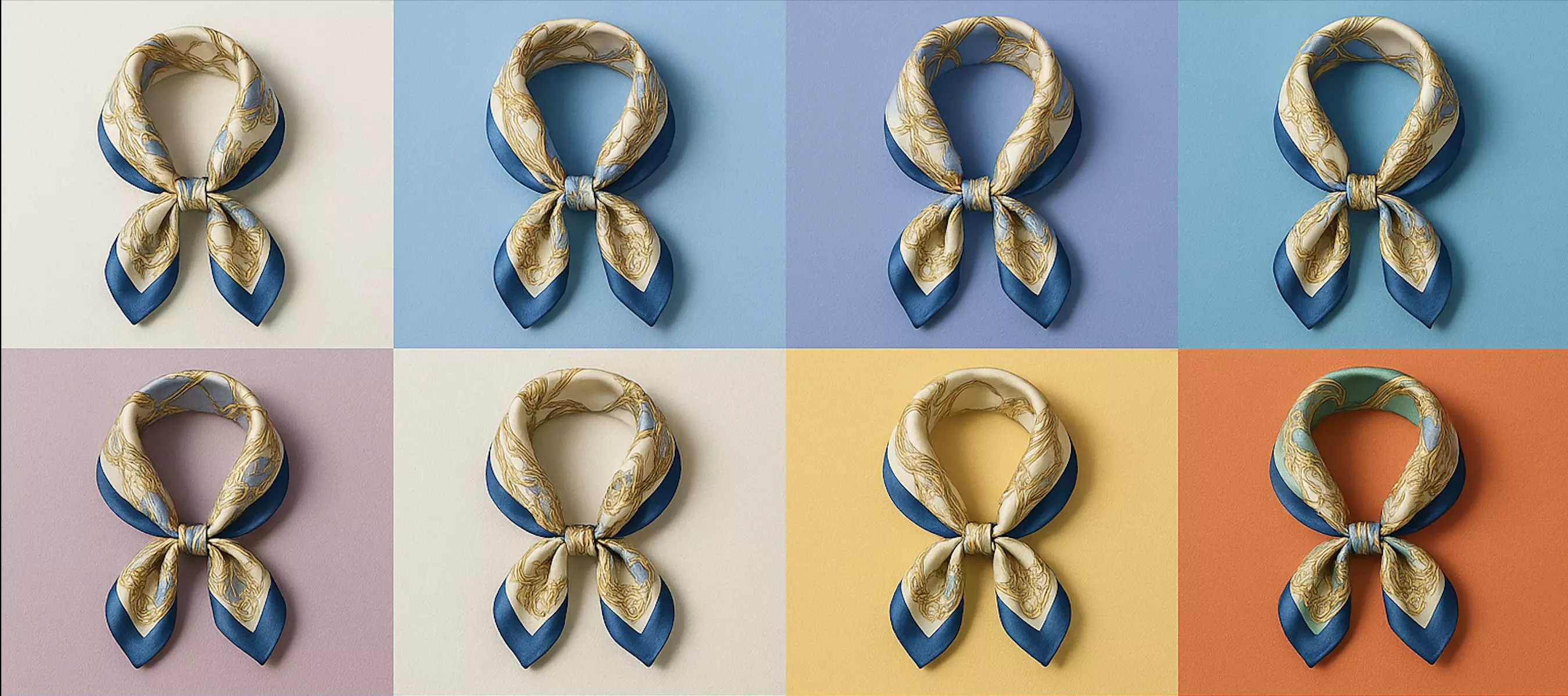
(See image suggestion: Storyboard of multiple UGC posts using pastel backgrounds, identical shadow direction, and matched crops across a carousel.)
AI online tools vs traditional methods
If you’ve been relying on desktop suites or outsourcing, here’s how the trade-offs look in 2026:
- Time to output: An online AI tool like Pixflux.AI handles background removal, background addition or change, and object cleanup in minutes; desktop suites require manual masking and layer adjustments; outsourcing adds handoff latency.
- Learning curve: Online tools prioritize guided flows and presets; pro software demands advanced skills and hours of practice.
- Batch efficiency: AI tools excel at batch edits for creator sets—upload multiple images, apply consistent backgrounds, and export at once; manual workflows scale poorly.
- Collaboration: Online editors make standardized outcomes easier across distributed teams, keeping look-and-feel consistent without complex templates.
- Cost control: You avoid reshoots and keep small edits in-house, freeing budget for more content.
The bottom line: adopt AI for speed and consistency, keep desktop tools for advanced composites and art-direction-heavy campaigns.
How to add background to UGC photos with Pixflux.AI (3-step quick start)
Pixflux.AI is an online editor built for fast background edits and cleanup—ideal for UGC and micro-influencer sets where you need consistency without creative overhead.
- Upload your original images
- Open the Pixflux.AI background editor and drop in your UGC shots. If you’re just exploring, you can start directly from the add background tool.
- Let the AI process the image
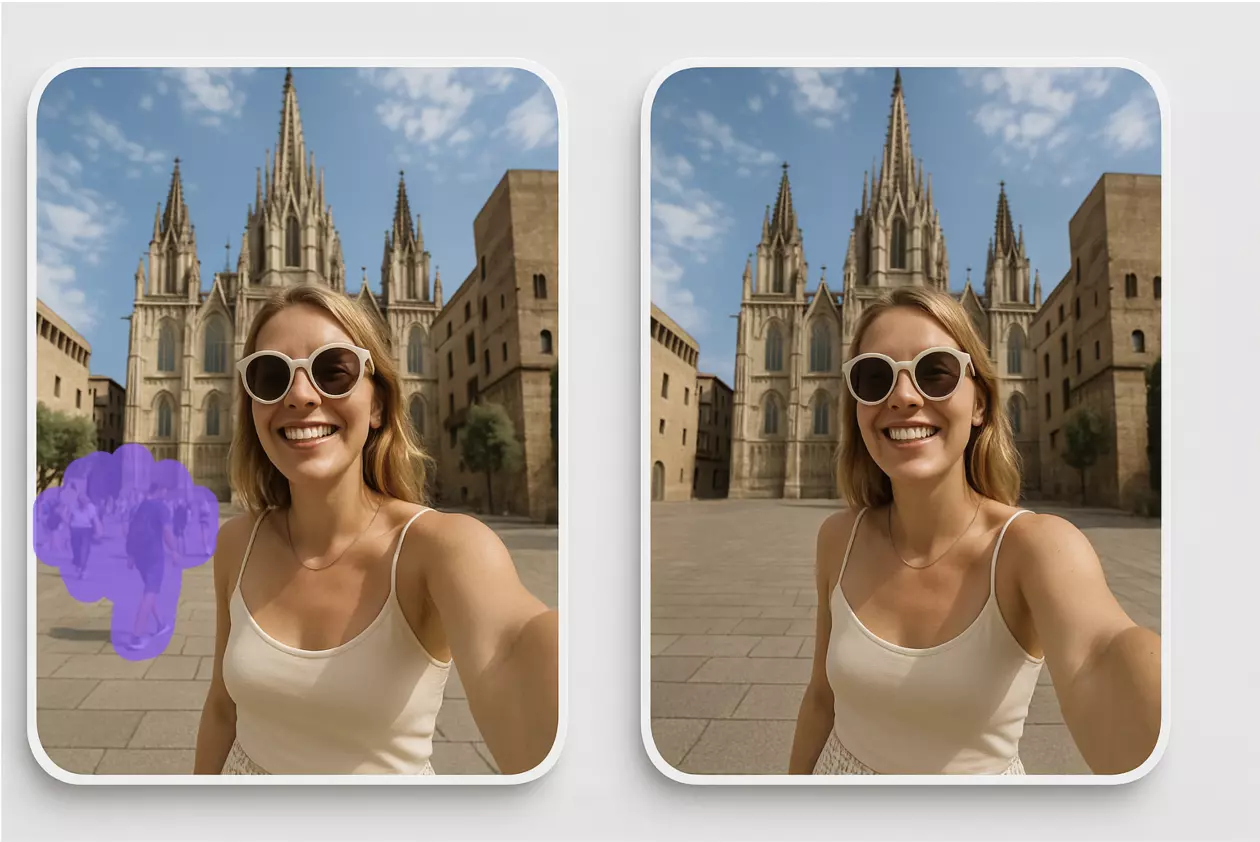
- The subject is automatically detected; you can replace the background with a solid brand color, a subtle gradient, or a generated scene that matches your mood board. You can also remove distractions (e.g., bystanders, cables) and enhance clarity so faces and products stay crisp.
- Download the final image
- Export in the aspect ratio you need (square, 4:5, 9:16) and save consistent filenames for quick scheduling across Instagram, TikTok, and your e-commerce PDPs.
(See image suggestion: Pixflux.AI interface with the three-step flow: upload → AI process → download.)
Pro tips:
- For lifestyle UGC, keep background brightness slightly lower than the subject to maintain focus.
- Add a soft contact shadow to anchor feet and product bases.
- Use your brand palette for flat backgrounds and let creators’ outfits provide the variation.
Batch processing for creator sets
Campaigns rarely mean a single image—you’ll collect dozens from multiple micro-influencers. Pixflux.AI supports batch uploads and batch edits so you can apply the same background standard to entire sets in one run. Create consistent looks for limited drops, seasonal promos, or affiliate roundups without micromanaging each file. Batch also helps QA: preview a grid of outputs, spot anomalies, and tweak once for all.
Quality checks: realism, edges, and color compliance
Before you publish, inspect:
- Edge fidelity: Zoom to 200% to ensure hair, straps, and fine details look natural. Refine edges where needed to avoid halos.
- Shadow logic: Confirm the shadow direction matches the subject’s primary light. If the source is unclear, default to a subtle downward soft shadow.
- Texture and scale: Generated or modified backgrounds should have believable texture and scale—brick size, grain, and pattern repetition should not distract.
- Color compliance: Verify background hex values match your brand palette. Keep skin tones accurate; use image enhancement judiciously to avoid over-sharpening.
Compliance and ethics: disclosures, watermarks, permissions
Follow the rules so your authenticity is real:
- Disclose sponsored content per platform and regional guidelines.
- Only remove watermarks and logos if you own the rights or have explicit permission. Use watermark removal to clean assets you legally control—never to misappropriate content.
- Obtain written creator permissions for edits that go beyond minor retouching, especially background changes that could imply endorsement in new contexts.
Troubleshooting: halos, lighting mismatches, and low-res noise
- Halos around hair or soft edges: Use edge refinement and feathering sparingly. Add a micro amount of background blur to integrate tricky outlines. If needed, lightly darken the background directly behind hair to hide fringing.
- Mismatched lighting or color casts: Nudge background warmth or coolness to match the subject’s light. Introduce a gradient background with the brighter side facing the light source.
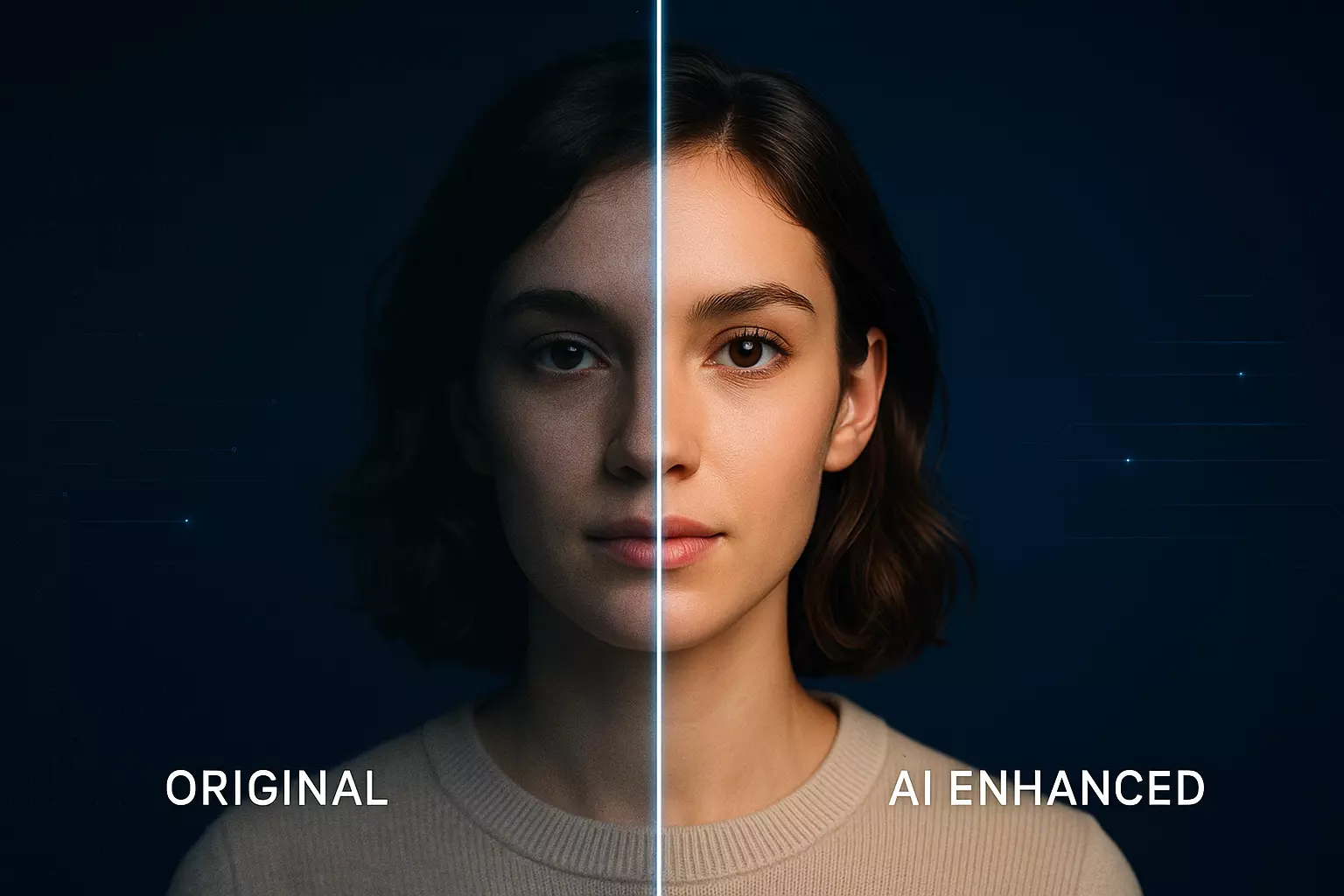
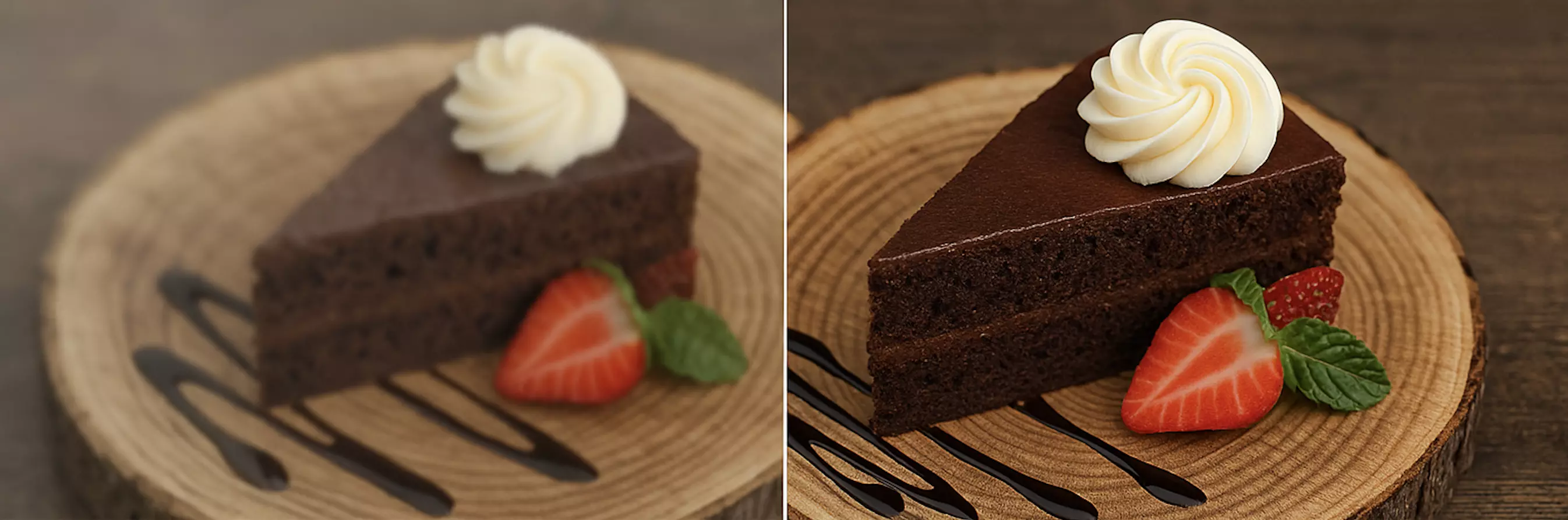
- Noisy, low-resolution images: Run an AI enhancement pass to improve clarity and contrast before background edits. This helps prevent crunchy edges after compositing.
- Distracting extras: Remove stray objects (bags, wires, photobombers) so the background addition feels intentional, not like a rescue job.
Advanced workflow: the 5-step pro pass in Pixflux.AI
When you need more control, use a slightly extended flow:
- Open Pixflux.AI
- Upload your UGC set (batch-friendly)
- Choose the background tool, then select brand color or generate a scene aligned to your mood board
- Preview and fine-tune edges, shadows, and object cleanup; enhance clarity where needed
- Export in platform-specific aspect ratios and filename conventions
This keeps outcomes consistent while preserving the creator’s original vibe.
Checklist and creative brief template for creators and editors
Use this as a shared brief to reduce back-and-forth:
Creator guidance
- Shoot near a window or soft light source; avoid mixed lighting.
- Leave headroom and space around the subject for crops and background edits.
- Avoid busy, trademarked, or signage-heavy environments if the shot may use background changes later.
- Capture 3–5 angles per product and 1 short clip for Reels/TikTok.
Editor checklist
- Add background in brand primary or neutral per campaign guide.
- Match shadow direction; add subtle ambient occlusion under feet/base.
- Remove distracting objects; keep textures realistic and scaled.
- Enhance image for clarity; preserve natural skin tones.
- Export 1:1, 4:5, 9:16 with consistent margins and file naming.
FAQ: add background, UGC curation, and micro-influencer workflows
What’s the fastest way to add backgrounds to UGC photos while keeping them authentic?
Use an AI background editor to replace or enhance backgrounds and keep the subject untouched. By isolating the subject first, you can apply branded colors or subtle scenes without altering expressions, outfits, or props. Maintain realistic shadows and consistent crops so the edit supports the story rather than overshadowing it.
Will adding a background make UGC look fake?
No—if you match light, shadows, and color temperature, edits remain invisible. Keep the background slightly less saturated than the subject, add a soft contact shadow, and align gradients with the primary light source. Subtlety is your friend; the goal is coherence, not gloss.
Can I batch add backgrounds for micro-influencer sets?
Yes, batch processing lets you apply one standard to many images quickly. Upload a set, apply your chosen background and shadow preset, and preview as a grid. Tweak once and export all to keep launches snappy and consistent across creators.
How do I handle different platform specs (IG, TikTok, e-commerce PDPs)?
Export tailored aspect ratios from the same master. Produce 1:1 for grid posts, 4:5 for IG feed, and 9:16 for Stories/Reels/TikTok; for product detail pages, use the platform’s recommended dimensions with consistent margins. Maintaining a single master edit ensures uniformity across crops.
What about watermarks and copyright when I change backgrounds?
Only edit assets you own or have permission to modify, and do not remove watermarks from others’ content. Use watermark removal to clean your own brand marks when needed for layout changes, and always align with platform policies and local laws. When in doubt, get explicit creator consent.
How do I fix halos or jagged edges around hair and fine details?
Refine edges and add micro-feathering, then integrate with gentle background blur. If fringing persists, slightly darken the immediate background behind hair or introduce a soft vignette. Edge-aware enhancement before compositing also helps.
What if my UGC images are low-res or noisy?
Enhance first, then add background. Run an AI enhancement pass to improve sharpness and reduce noise, which makes subsequent background blending and edge detection cleaner and more realistic.
A quick note on tooling with Pixflux.AI
Pixflux.AI brings together background removal, background change or generation, object cleanup, and image enhancement in a clean, browser-based flow. It’s purpose-built for creators and brand teams who need fast, consistent outputs for UGC and micro-influencer content. If you’re new to this workflow, you can follow a simple guide on exactly how to add background to a photo and apply it across your next campaign.
Putting it all together: a practical curation flow
- Intake: Collect creator assets, confirm permissions, and note the intended channels.
- Standardize: Choose the background color/scene, shadow style, and aspect ratios.
- Edit: Add background consistency, remove small distractions, and enhance clarity.
- QA: Check edge fidelity, shadow logic, and brand color compliance; preview a grid.
- Export: Deliver all platform variants with consistent margins and filenames.
- Publish: Sequence posts for narrative flow—mix lifestyle-in-place with consistent-background close-ups.
Real-world examples to guide your edits
- Campaign: Spring launch with pastel palette—use soft mint or blush backgrounds for product close-ups, keep lifestyle clips shot-in-place, and unify with identical drop shadows.
- Affiliate roundups: Batch add backgrounds to 20 creator images; maintain the creator’s pose and outfit, add a neutral brand gray, and export 4:5 for the feed and 9:16 for Reels covers.
- PDP refresh: Replace inconsistent backdrops with clean, brand-colored backgrounds and realistic shadows; remove stray objects; enhance sharpness for zoom.
(See image suggestion: A storyboard panel showing multiple curated UGC posts with consistent pastel backgrounds and matched shadow direction to the subject.)
Why Pixflux.AI fits UGC curation
Pixflux.AI supports the way UGC teams actually work:
- Fast background edits: remove, change, or generate backgrounds that fit your creative brief.
- Cleanups that matter: remove unwanted objects and distractions so edits feel intentional.
- Better clarity: enhance images to keep faces and products crisp in every crop.
- Batch-friendly: process micro-influencer sets consistently for on-time launches.
If you’re moving from manual retouching to lightweight AI edits, this is the kind of tool that keeps authenticity while giving you a cohesive brand look.
Conclusion and next steps
Authenticity wins attention; consistency wins memory. In an always-on UGC world, you don’t need to overproduce—you need to curate. Define the look, add background consistency where it counts, and keep creators’ voices front and center. AI editing shortens turnaround, reduces reshoot costs, and safeguards the cohesive feel of your feed.
Ready to try it on your next creator set? Open the tool and add backgrounds for UGC images in minutes with Pixflux.AI.