Remove object from photo online free: A Practical AI Workflow for Social Media Creators
Erase distractions from product, travel, or lifestyle shots—upload, brush or lasso the object, preview, and export. No Photoshop needed.
 Sierra CappelenDecember 3, 2025
Remove object from photo online free: A Practical AI Workflow for Social Media Creators
Your best travel shot has a photobomber. A product flat lay has a price tag peeking from the corner. A street style reel includes a distracting sign. For creators who post daily on Instagram, TikTok, and Pinterest, small visual distractions can cost you engagement—and fixing them shouldn’t require a desktop license or hours in Photoshop. Short-form platforms reward fast, clean visuals, and modern browser tools make that cleanup possible in minutes.
Instead of pausing your content calendar or outsourcing every fix, consider a lightweight AI workflow you can run in your browser. Tools like Pixflux.AI make it easy to remove object from photo online free with guided selection, smart inpainting, and instant previews—ideal for creators on the move.
Below is a clear, repeatable process you can adopt today. We’ll cover how AI object removal works, when a free web tool is enough, a 3-step quick start, and a detailed workflow including quality checks, export settings, and batch tips for UGC campaigns.
Why creators remove unwanted objects in photos
- Increase clarity and click-through: Photos with less visual noise help viewers focus on the subject (product, outfit, face).
- Meet brand and UGC guidelines: Many briefs ask for clean frames with minimal distractions while preserving authenticity.
- Maintain daily cadence: Mobile-first creators expect browser tools that need no install and give instant previews.
- Keep edits ethical: Remove distractions without changing the story or misleading your audience.
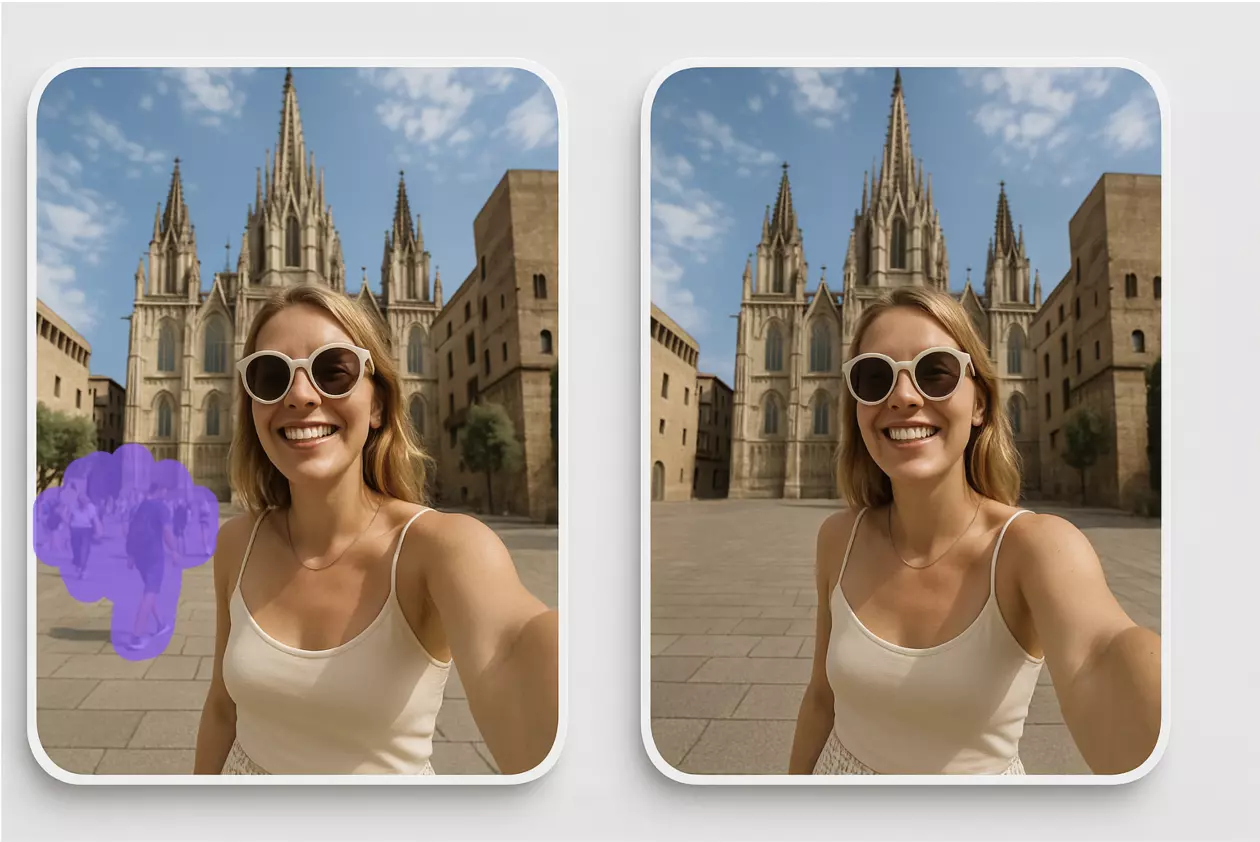
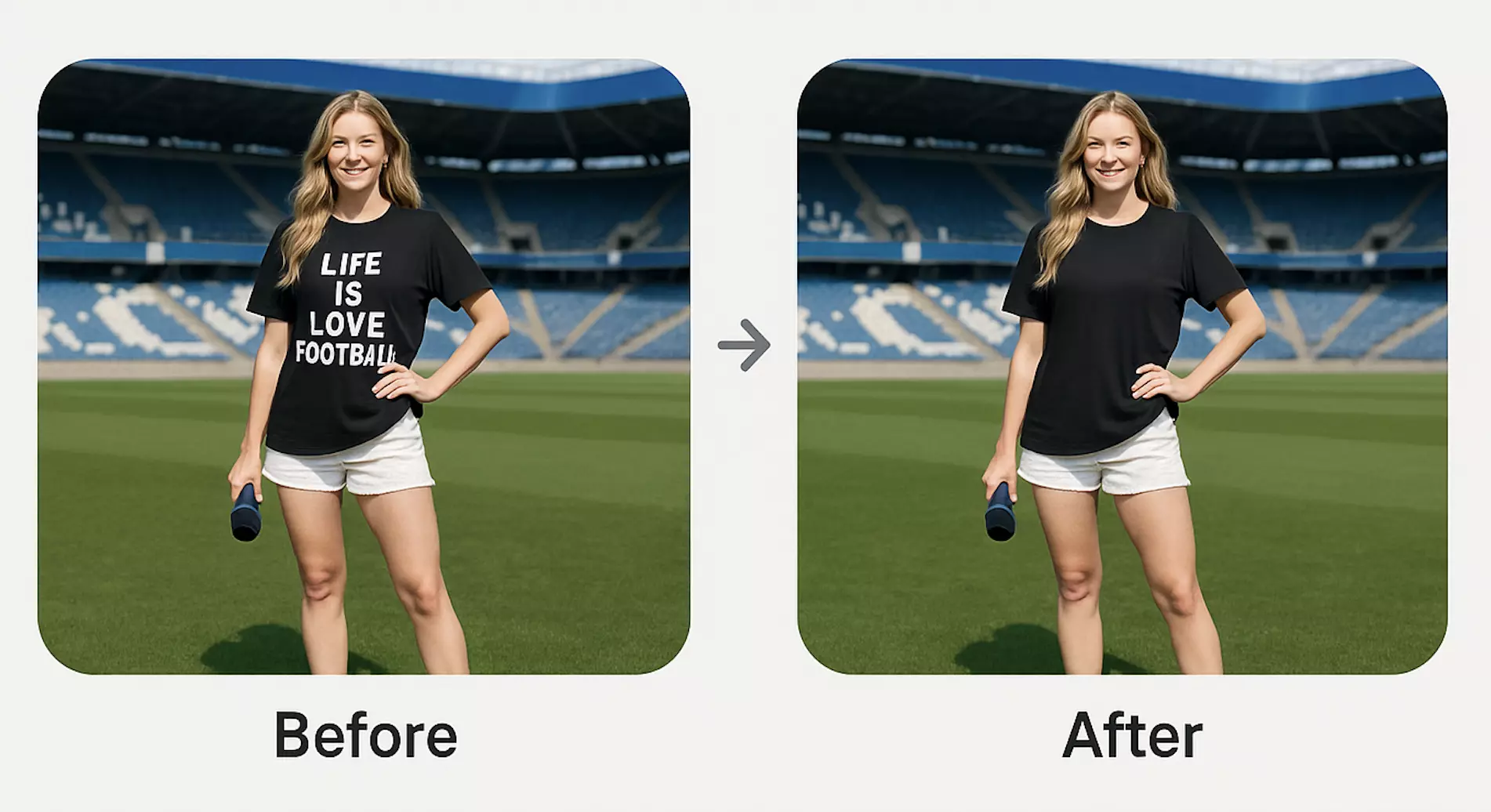
(See image suggestion: Before-and-after comparison removing a photobomber from a beach travel photo using an online tool.)
How AI object removal works: inpainting, context, and edge blending
Modern AI removers use inpainting: they analyze surrounding pixels and predict what should appear where the object once was. Three concepts matter:
- Context windows: The model reads textures, lighting, and patterns around your selection to fill the gap believably.
- Texture synthesis: It recreates materials—sand, sky, fabric, wood grain—rather than simply blurring.
- Edge blending: Good fills transition smoothly at the selection boundary, avoiding halos or harsh seams.
This is why careful selection and small refinements can dramatically increase realism.
Online vs desktop: when a free web tool is enough
- Time-to-result: Browser-based tools open instantly, process fast, and export in seconds—ideal for daily posting.
- Learning curve: You get familiar brush or lasso selection without complex panels or plugins.
- Quality: AI inpainting in top web tools now rivals desktop content-aware fill for casual and even many professional edits.
- Portability: Works on any modern browser—laptop or mobile—so you can fix and post on the go.
Desktop suites still win for pixel-perfect compositing or heavy retouching. But for removing a sign, a wire, a photobomber, or a stray price sticker, a free web tool is usually more than enough.
Quick-start: remove object from photo online free in 3 steps
Prefer a simple flow? Try Pixflux.AI’s object remover:
1) Upload your original image. 2) Let the AI process your selection. 3) Download the clean result.
If you want to jump straight in, open a free online object remover and test it with a travel, product, or lifestyle shot.
(See image suggestion: Pixflux.AI interface showing Upload → AI processing → Download three-step flow for object removal.)
Detailed workflow: upload, select, refine, preview, export
Use this five-step method for consistent results across different image types.
1) Open Pixflux.AI
- Navigate to the tool in your browser. No installs or learning overhead.
2) Upload your image
- Drag-and-drop or tap to select from your device. Use the largest available file to preserve detail.
3) Choose object remover and make a selection
- Use Brush for organic shapes (people, clouds, plants).
- Use Lasso for precise edges (signs, cables, labels).
- Keep selections tight around the object; include a small margin so the AI has context but doesn’t overreach. (See image suggestion: Close-up of brush and lasso selection around a street sign, with clean fill after removal.)
4) Preview and refine
- Check textures and edges. If you see artifacts, undo and try:
- Smaller, multiple passes rather than one big selection.
- Expanding or contracting the selection by a few pixels.
- Rotating or zooming to check alignment and pattern continuity.
- For tricky areas, remove in stages: isolate the main subject first, then clean up the leftover edges.
5) Export the final image
- Choose export settings based on platform (see guidance below).
- Save a copy with a descriptive file name for easy reuse (e.g., brand_shoe_cleanup_1080x1350.jpg).
Using Pixflux.AI for product, travel, and lifestyle shots
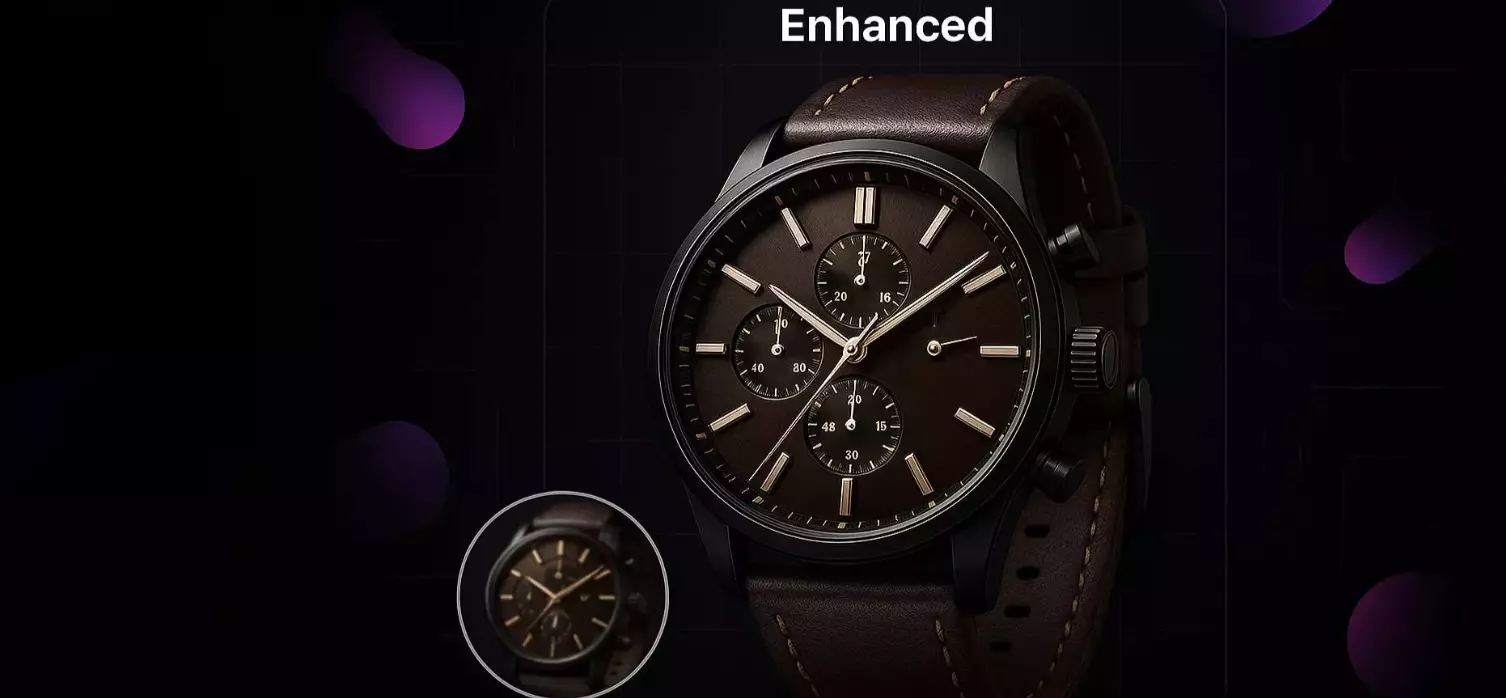
- Product photos: Remove price tags, stands, lint, or stray tape. If your background clashes with the feed, you can also clean up or subtly replace it with a neutral or branded color. Then enhance sharpness and contrast to make textures pop.
- Travel photos: Erase photobombers, litter, or distracting signboards. For horizons and waterlines, work in smaller selections to maintain straight lines and reflections.
- Lifestyle and fashion: Remove power lines, logos you don’t have rights to display, or clutter in the environment. Keep shadows consistent, especially near shoes or bags.
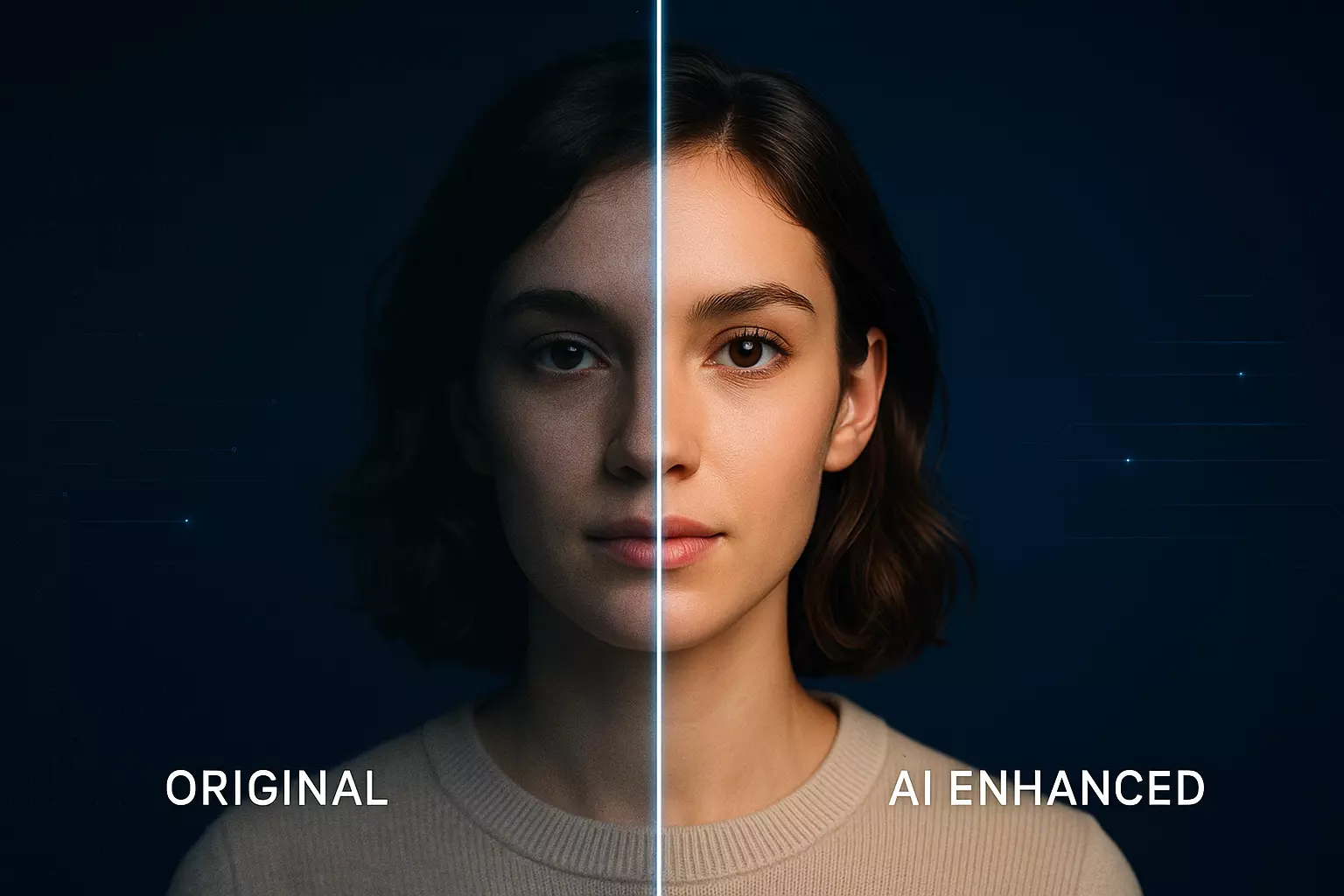
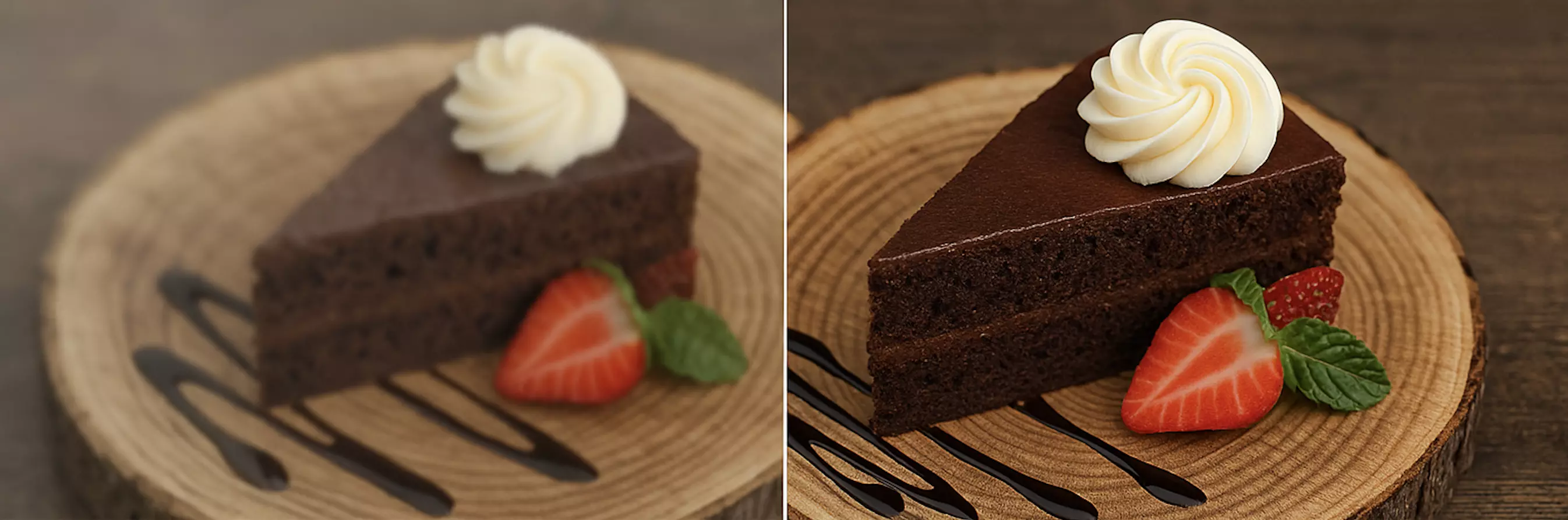
Pixflux.AI can also help with adjacent tasks like background cleanup, watermark removal (with permission), and overall image enhancement. For series work—like a product drop or a UGC campaign—batch upload keeps your flow moving without switching tools.
Quality checks: textures, shadows, reflections, and perspective
Before exporting, run a 60-second inspection:
- Texture continuity: Repeating patterns (brick, fabric, tile) should align across the filled area.
- Shadows and light direction: If you removed an object casting a shadow, ensure the fill doesn’t leave a faint “ghost” shadow.
- Reflections and water: For beach, pool, or window scenes, check that reflections aren’t duplicated or oddly warped.
- Perspective lines: Buildings, fences, and table edges should remain straight. If a line looks bent, undo and remove the object in smaller segments along the line.
- Skin and hair edges: When cleaning near people, zoom in to ensure natural edges without halos.
Export settings for Instagram, TikTok, and Pinterest
- Instagram Feed and Reels covers:
- Size: 1080 × 1350 (portrait) or 1080 × 1080 (square).
- Format: JPEG at 80–90% quality.
- Tip: Keep file size under a few MB to avoid mobile upload hiccups.
- TikTok:
- Size: 1080 × 1920 (vertical).
- Format: JPEG or PNG when text overlays are crisp.
- Tip: If the image will be used as a video background, prioritize texture integrity over aggressive compression.
- Pinterest:
- Size: 1000 × 1500 (2:3) or 1000 × 2100 for long pins.
- Format: PNG for graphics-heavy pins; JPEG for photos.
- Tip: Maintain sharpness—soft images underperform on search-driven discovery.
Always start with the highest-resolution source and downscale for each platform to keep edges and textures clean.
Troubleshooting common issues
- Halos around the removed area
- Cause: Selection too tight or feathering mismatch.
- Fix: Expand the selection slightly and re-run. Apply a mild feather if the edge is too hard.
- Repeated patterns or “AI smudge”
- Cause: Large selection over textured surfaces.
- Fix: Remove in smaller tiles following the texture direction (e.g., along grout lines or wood grain).
- Warped lines or bent edges
- Cause: Inpainting over strong geometry.
- Fix: Use the lasso to follow the line precisely; remove adjacent areas in separate passes.
- Color cast mismatch
- Cause: Fill area inherits incorrect white balance.
- Fix: Run a subtle enhancement pass to align contrast and saturation. If needed, touch up with a gentle temperature adjustment after export.
Ethics and brand safety: people, logos, and watermarks
- Be transparent: Edits should not mislead audiences about product features or context.
- People and sensitive scenes: Avoid removing individuals in a way that changes the meaning of the image or breaches consent.
- Logos and watermarks: Only remove watermarks or brand marks from content you own or are licensed to edit. The AI watermark remover feature is for compliant use—don’t use it to infringe copyright or bypass platform rules.
Batch cleanup tips for creator workflows and UGC campaigns
- Shoot for consistency: Similar lighting and backgrounds make batch removals more reliable.
- Tackle common distractions first: Repeat offenders like dust, stickers, or cords can be removed quickly across a set.
- Keep a naming system: Version files by platform and edit stage (e.g., “v1_removed-cable”, “v2_enhanced”) to stay organized.
- Combine tasks: In the same browser session, you can remove objects, tidy backgrounds, and lightly enhance clarity to finalize a set.
Metrics and before/after judgment
Measure success beyond “it looks cleaner”:
- Engagement lift: Compare saves and shares on posts with cleaned visuals vs. originals.
- Click-through: Track link clicks from pins or IG Stories where the subject is clearer.
- Time saved: Note average time per edit compared to your previous tool.
- Revisions: Fewer revision requests from brand partners indicate alignment with UGC standards.
(See image suggestion: Side-by-side before/after removing a photobomber from a beach travel photo to illustrate texture continuity and shadow checks.)
AI online tools vs traditional methods
- Time cost
- Online: Seconds to minutes for most removals; ready for same-day posting.
- Traditional: Installing software, managing updates, and more manual steps.
- Learning curve
- Online: Brush or lasso + preview; minimal training.
- Traditional: Requires familiarity with layers, masks, and multiple content-aware tools.
- Batch efficiency
- Online: Upload multiple images and repeat a simple, consistent flow.
- Traditional: Powerful, but slower to set up for quick-turn UGC or social sets.
- Cross-team fit
- Online: Easy to share a workflow your collaborators can repeat without specialized software.
- Traditional: Great for deep retouching, but heavier for non-design teammates.
Pixflux.AI hits a practical middle ground: fast object removal with quality fills, plus adjacent cleanup tools (background edits, enhancement, compliant watermark removal) that help you ship more content with fewer clicks.
Conclusion and next steps
If you’re posting daily, “good enough, fast” beats “perfect, late.” AI inpainting has matured to the point where most object removals—photobombers, cables, signs, stickers—can be fixed in minutes in your browser. Use the quick 3-step flow when you’re on deadline, and switch to the 5-step method when textures or geometry are more complex.
Ready to tidy up your next post? Open Pixflux.AI and erase unwanted objects in photos in a few guided steps. Clean visuals, consistent quality, and less time in post mean more energy for ideas, storytelling, and growth.