Transparent Background Generator: One Source Image, Endless Use Cases
Cut once, reuse everywhere. Turn products into crisp, reusable PNGs in Pixflux.AI for listings and ads—keeping edges clean at any size.
 Sierra CappelenDecember 11, 2025
Transparent Background Generator: One Source Image, Endless Use Cases
If you’re shipping products across Amazon, Walmart, Etsy, your own Shopify site, and running social ads on Meta and TikTok, your design team probably spends more time cleaning edges than creating new ideas. One photo becomes ten versions: white background for listings, cutout for banners, lifestyle for ads. And every time, a small mismatch in edges or shadows creates brand drift—or a marketplace rejection.
The fastest way out of this loop is to create a master asset once, then reuse it everywhere. That starts with a reliable transparent background generator that can cut out your product cleanly, at full resolution, and preserve soft shadows.
In 2025, more marketplaces are accepting—and even preferring—transparent PNGs for listings and badging consistency. Tools like Pixflux.AI make high‑quality cutouts and reusable PNGs practical for small teams and large catalogs alike.
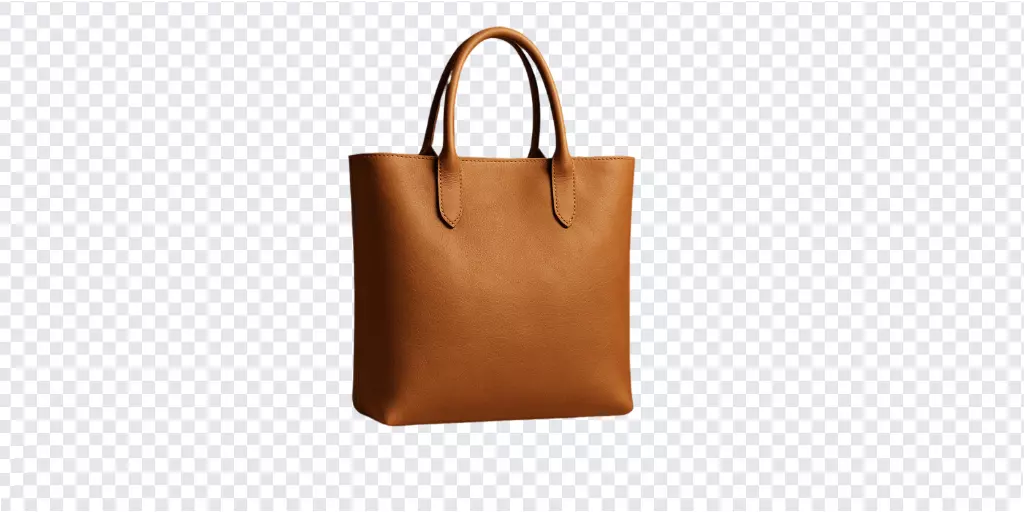
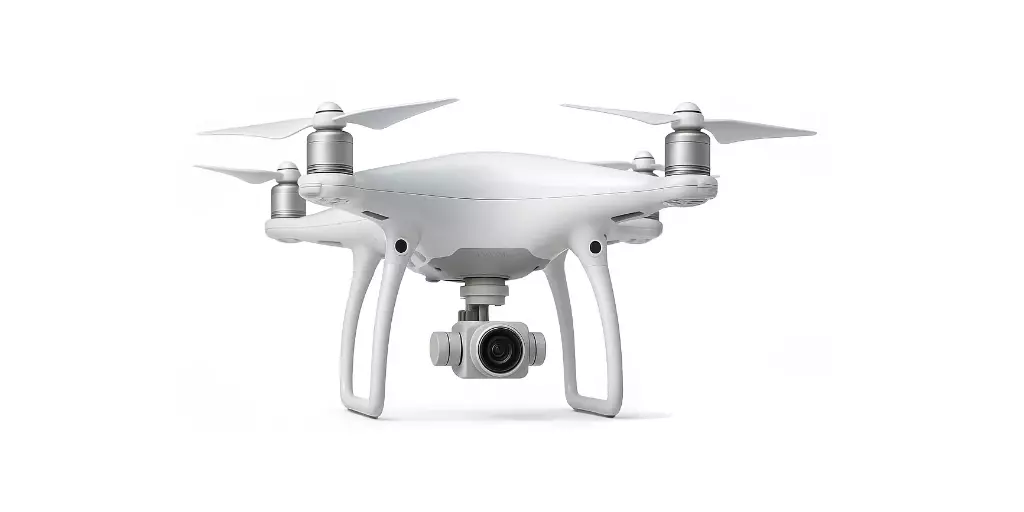
(See image suggestion: side‑by‑side comparison — original product photo vs. transparent PNG from a background generator, zoomed to show crisp edges and preserved shadows.)
Why a transparent background generator matters for multi‑channel branding
- One master, many outputs: Create a single, high‑res product PNG with a transparent background and place it into listings, banners, email templates, and collages—without re-cutting each time.
- Speed to market: New colorways, bundles, and seasonal promos go live faster when you swap backgrounds and templates, not redo retouching.
- Consistent edges at any size: Crisp cut lines and preserved soft shadows scale from mobile thumbnails to homepage hero images.
- Lower rejection rates: Meeting marketplace specs (margins, background rules) is easier when you start from a clean cutout.
The anatomy of a clean cutout
Before you trust any transparent background generator, check these essentials:
- Edges and anti‑aliasing: Look for smooth transitions on curves and fine details—no stair‑stepping or jagged halos when zoomed to 200–300%.
- Hair, glass, and translucency: Quality AI can separate wispy edges and semi‑transparent areas without turning them gray or blocky.
- Shadows and grounding: Natural, soft shadows help products feel real. Preserve them as a separate layer or subtle baked‑in alpha.
- File format: PNG with transparency (RGBA) is the safest default for marketplaces; WebP supports alpha too but may not be accepted everywhere.
- Color profile: Standardize on sRGB for web to avoid unexpected shifts.
- Resolution: Save a master PNG at the photo’s full native resolution. Downscale only for specific placements.
Create once, reuse everywhere: The master PNG workflow
- Capture or select your best product angle at the highest available resolution.
- Generate a transparent cutout (PNG) with preserved soft shadows.
- Store the master in a structured library (naming patterns and versioning).
- Drop the master into marketplace canvases, ad templates, social tiles, and sales decks—no further cutting.
- For seasonal changes, swap background layers, not the product asset.
This “master PNG” mindset compresses your production time while keeping edges and colors uniform across channels.
Pixflux.AI walkthrough: remove the background in three steps and keep edges crisp
Here’s a simple path to a perfect cutout you can reuse everywhere:
- Upload your original product image. High-res JPEGs or PNGs work best.
- Let the AI do the background removal. Pixflux.AI preserves fine edges (hair, cables, fabric threads) and soft shadows for a grounded look.
- Download the transparent PNG and save it as your master asset.
Tip: If you plan to reuse the cutout in multiple sizes, stick to the original pixel dimensions for your master, then export smaller variants as needed.
Ready to try it? Use an AI background remover to cut once and reuse across every template.
(See image suggestion: Pixflux.AI interface demonstrating the three‑step workflow — upload, AI processing, and download preview screen.)
HowTo: build a reusable product PNG toolkit
Turn your one‑off cutouts into a system your whole team can use.
- Size presets
- Master: native photo resolution (e.g., 4000 px longest side).
- Marketplace listing: create presets like 2000×2000 px and 1500×1500 px.
- Ads and social: common canvases (1080×1080, 1200×628, 1920×1080).
- Color and profile
- sRGB profile; verify neutral grays and brand colors in soft proof.
- Keep gamma consistent to avoid shadow banding.
- Naming conventions
- ProductName_Color_Version.png (e.g., “SneakerX_White_v03.png”).
- Add usage suffixes if helpful: “_AMZ1500”, “_IGSquare”.
- Shadows and variants
- Maintain a version with soft shadow preserved and another with pure cutout, depending on platform style.
- Save an optional reflection version for premium placements.
- Source of truth
- Store masters in a shared drive with clear folders: /Masters/PNG, /Marketplace, /Ads, /Social.
- Document presets and when to use them.
Marketplace and ad platform spec pointers
- Amazon: 85%+ of the frame should be the product; allow transparent PNGs for variations and secondary images, ensure margins aren’t too tight.
- Walmart and eBay: Square images (1500–2000 px), keep clean margins; white or transparent backgrounds preferred.
- Etsy: Creative freedom for headers; listings benefit from clean cutouts placed on subtle backgrounds.
- Meta/TikTok ads: Test soft shadow vs. no shadow by objective (conversion vs. awareness); keep file weights in check for fast loads.
- Email and web: Use PNG for hero product clarity; consider WebP for performance if your stack supports it (with PNG fallback if needed).
Quality control checklist
Before you call the cutout “master-ready,” zoom in and check:
- Halos around high-contrast edges
- Color fringing on metallics and glass
- Wisps of hair or fuzz on fabric edges
- Banding in soft gradients or shadows
- Jagged diagonal lines (stair‑stepping)
- Unwanted reflections or color spill from the original background
If you spot issues, re-run with edge refinement or quickly retouch the mask before saving the master.
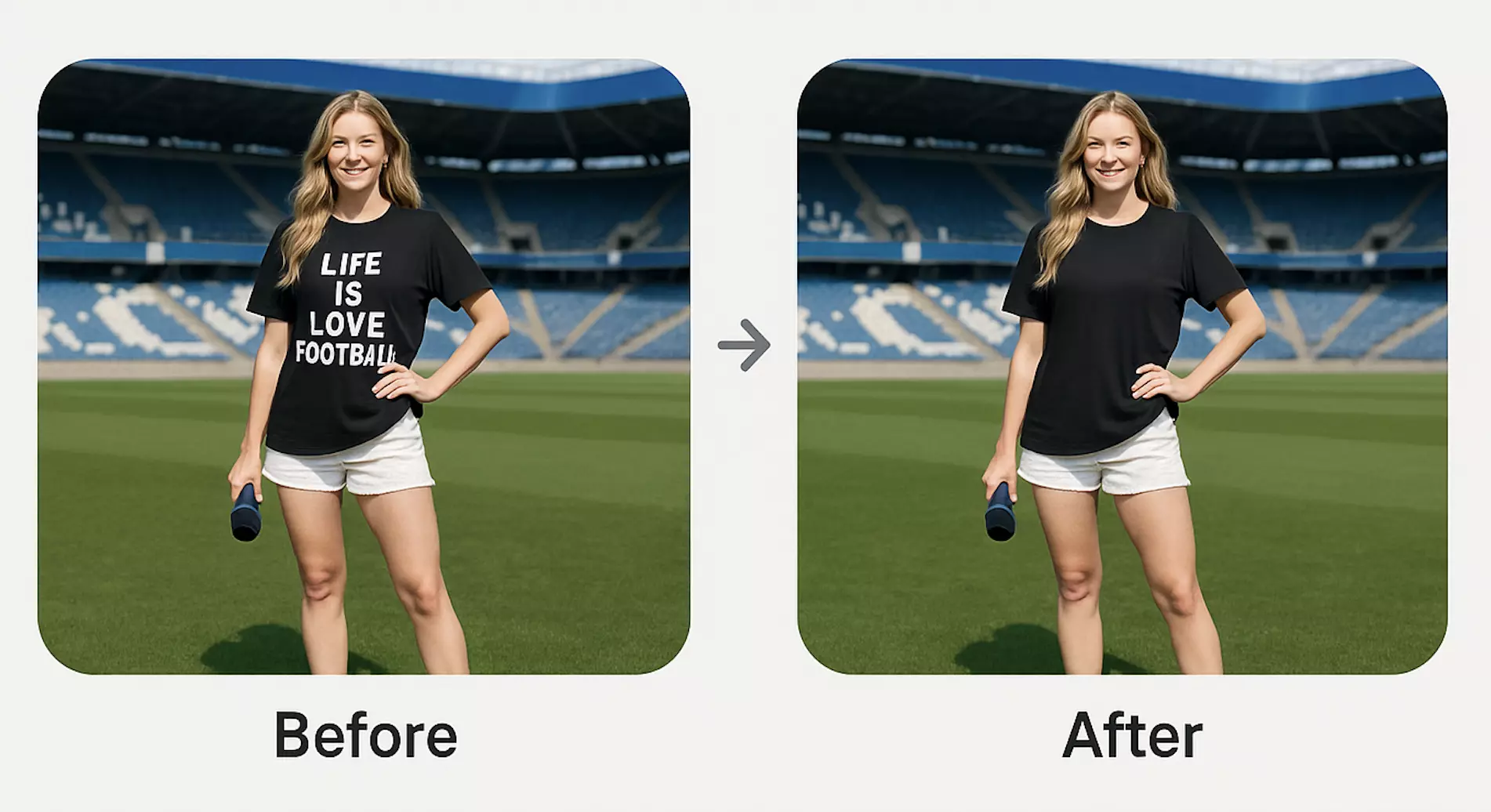
(See image suggestion: before‑and‑after collage of the same product in Pixflux.AI showing background removal and watermark removal results.)
Batch processing with Pixflux.AI for seasonal catalogs
Catalog refresh coming up? Batch matters.
- Upload multiple product images and process them together to remove backgrounds consistently.
- Standardize margins and output sizes before exporting, so every SKU aligns in your templates.
- Build seasonal sets by swapping backgrounds: summer vs. holiday themes, while keeping the same product masters.
- Combine batch background removal with light image enhancement on soft or underexposed shots to keep your grid uniform.
Pixflux.AI’s batch workflow helps you turn hundreds of assets into reusable masters without manual repetition.
Advanced variations: backgrounds, collages, and scene swaps
Once you have clean, transparent PNGs:
- Generate new on‑brand backgrounds for campaigns (e.g., subtle gradients, studio plinths, seasonal colors) without reshooting.
- Change backgrounds to comply with marketplace rules or A/B test creative for ads.
- Build collages and bundles by combining multiple product cutouts in one frame.
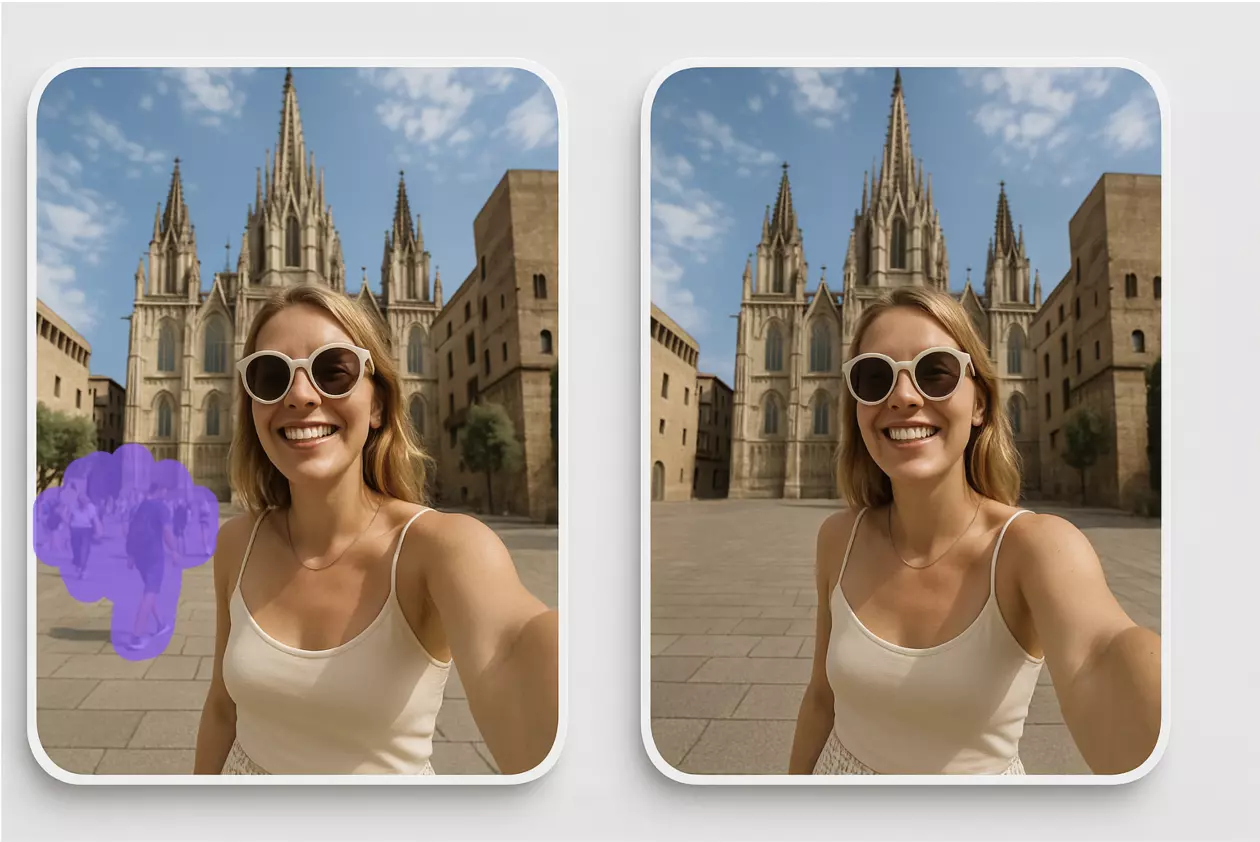
- Remove small distractions (stray props, cords) and clean text or logos where you have rights to do so.
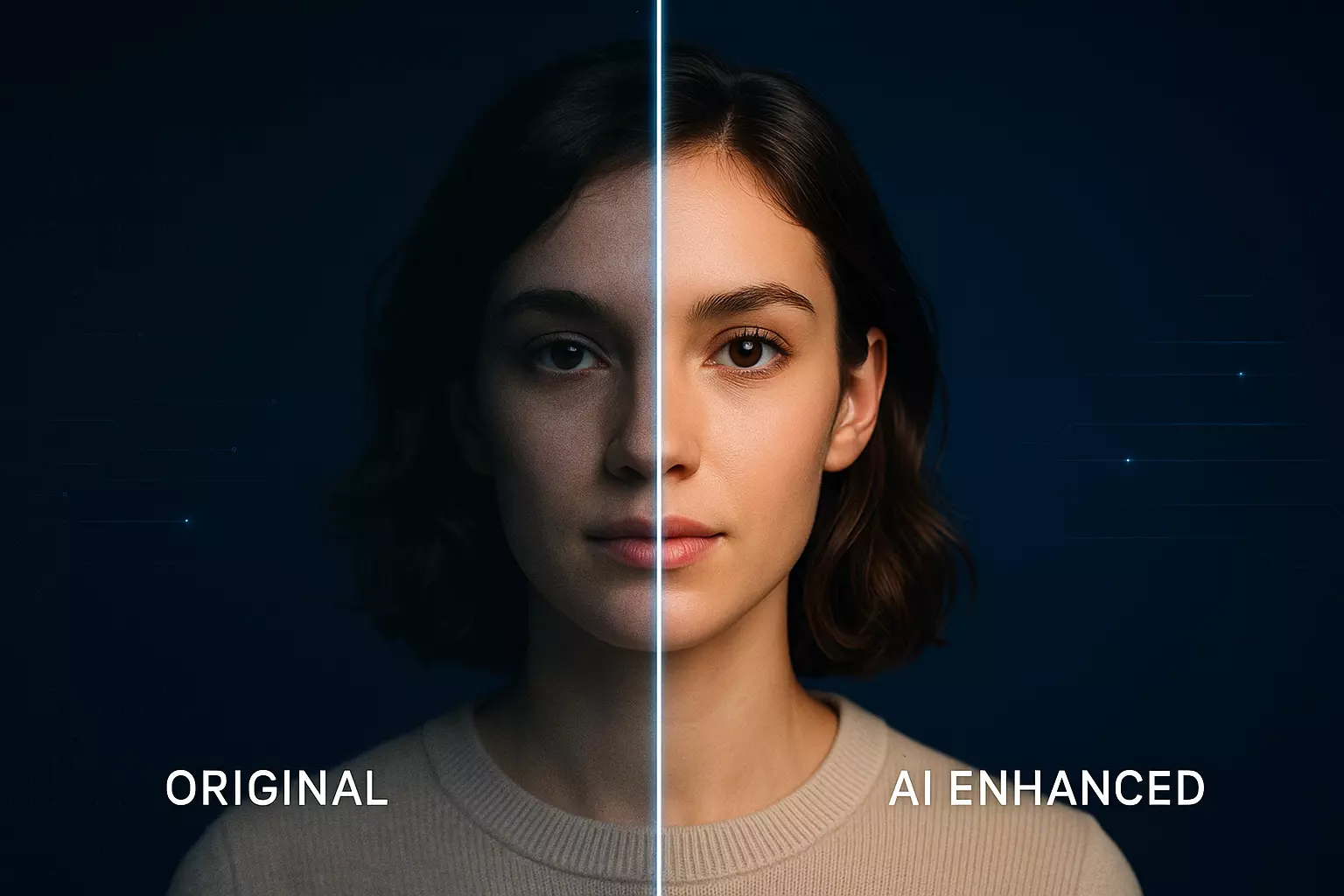
- Apply light enhancement (sharpness, contrast, clarity) to maintain a premium look across all placements.
Pixflux.AI supports background removal, background generation and swaps, removing unwanted objects, watermark cleanup where appropriate, and gentle image enhancement—so you can ship more creative variations with less manual work.
Legal and ethics: use watermark removal responsibly
Only remove watermarks, logos, or text from images you own or are licensed to edit. Do not use watermark removal to bypass licensing, platform rules, or creator attribution. When in doubt, seek permission and keep an audit trail of rights.
Troubleshooting your transparent background generator results
- Jagged edges: Export at full resolution for the master and avoid over‑compressing. Ensure anti‑aliasing is enabled and recheck the mask.
- Color spill on edges: Use a decontaminate/defringe pass or slightly contract the mask by 1–2 px, then feather by 0.3–0.5 px.
- Shadow banding: Work in sRGB with 16‑bit where possible during adjustments; add a tiny amount of noise (0.5–1%) to smooth banding if visible.
- Hair and fur look cut off: Re-run with fine‑detail preservation; keep the original against a contrasting temporary background to refine the mask visually.
- Semi‑transparent materials look gray: Ensure the alpha channel retains partial transparency; avoid flattening onto white before export.
- File size too large: Keep the master full‑res, but create optimized derivatives (compressed PNG or WebP) per placement.
AI tools vs. traditional methods
- Time cost
- AI online tool: Minutes per image, seconds at scale with batch.
- Traditional software (manual pen tool): 10–30 minutes per image; longer for hair, glass, or soft fabric.
- Learning curve
- AI online tool: Minimal. Upload, preview, download.
- Desktop pro tools: Powerful but require deep masking and compositing skills.
- Batch efficiency
- AI online tool: Process dozens to hundreds consistently; easy to maintain uniform margins and shadows.
- Outsourcing/manual: Variable outcomes; more back‑and‑forth revisions.
- Cross‑team adaptability
- AI online tool: Designers, marketers, and merchandisers can all generate usable cutouts on demand.
- Traditional flow: Bottlenecks around a few expert editors, slowing launches.
Metrics and ROI to track
- Rejection rate: Fewer marketplace rejections due to clean backgrounds, proper margins, and consistent formats.
- Production time saved: Compare average minutes per image before vs. after adopting a master PNG workflow.
- Creative throughput: Number of ad/banner variations produced per week from the same set of masters.
- Brand consistency: Visual QA scores (edges, shadows, color accuracy) and fewer feedback cycles from stakeholders.
- Catalog velocity: Time from shoot to live listing across channels.
Put it into practice with Pixflux.AI
You don’t need a big studio or a retouching bullpen to scale great-looking product visuals. Cut out each SKU once, save a master PNG, and reuse it across every channel with confidence. To get started, try a purpose‑built transparent background maker, generate your first reusable masters, and measure the time you get back this week.
Pixflux.AI keeps edges crisp, preserves soft details, and accelerates batch work so you can focus on launching campaigns—not masking pixels.
(If you want to experiment immediately, open your best-selling product, run it through Pixflux.AI’s three-step removal, and drop the PNG into your listing and ad templates. You’ll feel the system working from day one.)