Change Background Color Online: Create White, Black, and Brand Colors Without Reshoots
Swap any product backdrop to crisp white, neutral, or brand colors online—without reshoots. Keep natural edges and shadows, avoid spill, and batch fast.
 Sierra CappelenDecember 12, 2025
Change Background Color Online: Create White, Black, and Brand Colors Without Reshoots
Reshooting products every time you need a white background, a compliant neutral, or a brand color is slow and expensive. In 2025, marketplaces like Amazon and Walmart are tightening image rules around pure white or neutral backdrops, while brands increasingly want PDPs and ads to match their color palettes. The result: creative teams spend hours masking hair, cleaning edge fringes, and fixing color spill—often across hundreds of SKUs.
A faster approach is to use an AI background color changer that handles cutouts, natural edge preservation, and shadows for you. With Pixflux.AI, you can change background color in minutes—no reshoots, no steep learning curve, and no installs.
In this guide, you’ll learn when white vs. neutrals vs. brand colors make sense, how to keep edges and shadows natural, and how to build a repeatable workflow for seasonal and large-catalog updates. We’ll also cover compliance standards and a quick color consistency mini-guide.
(See image: Pixflux.AI interface showing the three-step flow—upload image → AI processing → download)
Why background color matters for conversion and compliance in 2025
- Faster compliance: Marketplaces increasingly reject listings with busy backgrounds, hard shadows, or off-white backdrops. Clean, marketplace-compliant imagery prevents relisting delays.
- Higher conversion: Controlled backgrounds keep focus on the product. White is universal, but on-brand backdrops can lift ad CTRs and PDP engagement when used thoughtfully.
- Scalable creative: Remote teams can recolor backgrounds for seasonal campaigns or regional variants without re-shooting or redesigning scene props.
AI tools have improved at keeping soft edges, glass, and realistic shadows intact during recoloring. Light gradients are gaining favor to avoid flat, artificial looks while still reading as “clean.”
What counts as marketplace-compliant white and neutrals
Not all “white” is equal. For major channels, aim for:
- Pure white: Hex #FFFFFF (RGB 255/255/255). This is typically required for primary listing images.
- Soft neutrals: For secondary images and PDP visuals, pale grays like #FAFAFA, #F7F7F7, or #F2F2F2 maintain contrast without visual noise.
- Shadows: Soft, realistic shadows are fine if they don’t darken the canvas or distract from the product. Avoid hard-edged, high-contrast shadows.
Tip: When switching from white to near-white neutrals, check product highlights. Metals and glass should keep their specular highlights without turning muddy.
Methods compared: online background color changers vs. desktop editors
- Time-to-output
- Online tools like Pixflux.AI: Minutes from upload to export; strong defaults for edges and shadows.
- Desktop editors: Powerful but time-heavy masking, especially for hair or transparent materials.
- Skill curve
- Online: Minimal learning required; built-in background removal and recoloring.
- Desktop: Requires advanced masking, compositing, and color management knowledge.
- Batch scale
- Online: Designed for bulk uploads and multi-image processing in one run, ideal for large catalogs.
- Desktop: Batch actions exist, but setup and quality checks are manual and complex across varied SKUs.
- Cost and collaboration
- Online: Pay for what you process; easy for distributed teams to use the same workflow.
- Desktop: Licenses and hardware vary; syncing presets and keeping techniques consistent can be tough.
How to change background color online with Pixflux.AI
You can get to a clean white, neutral gray, or brand color backdrop quickly with Pixflux.AI’s three-step flow.
- Upload your original image
- Choose a well-lit product photo. Higher resolution helps preserve fine edges like fabric fibers or hair.
- Let the AI process the image
- The background is removed automatically. Choose white, a neutral, or set a custom color. For brand palettes, paste hex codes to match your design system.
- Download the processed result
- Export in the size and format required by your marketplace or CMS. Do a quick visual check for edges, shadows, and color consistency.
If you’re starting now, open the online background color changer and follow the steps above.
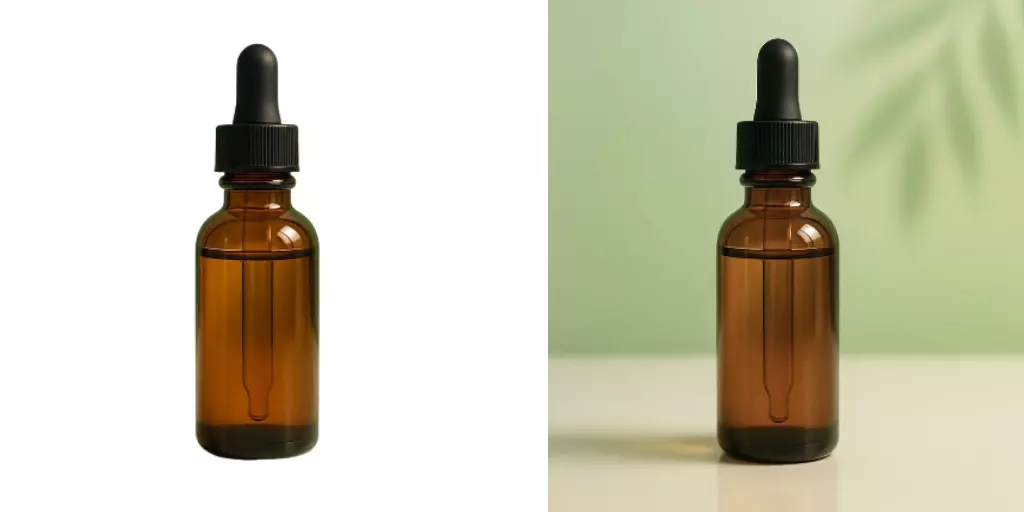
(See image: Before/after of the same product—original background vs. pure white background created online, natural shadow preserved)
Pro workflow (optional): 5-step refinement
If you need additional control or are preparing hero images:
- Open Pixflux.AI.
- Upload your original image.
- Choose the background mode: white, neutral, brand color, or a subtle gradient. Use hex codes for exact matches.
- Preview and adjust
- Tweak edge smoothness to minimize halos.
- Preserve or soften natural shadows.
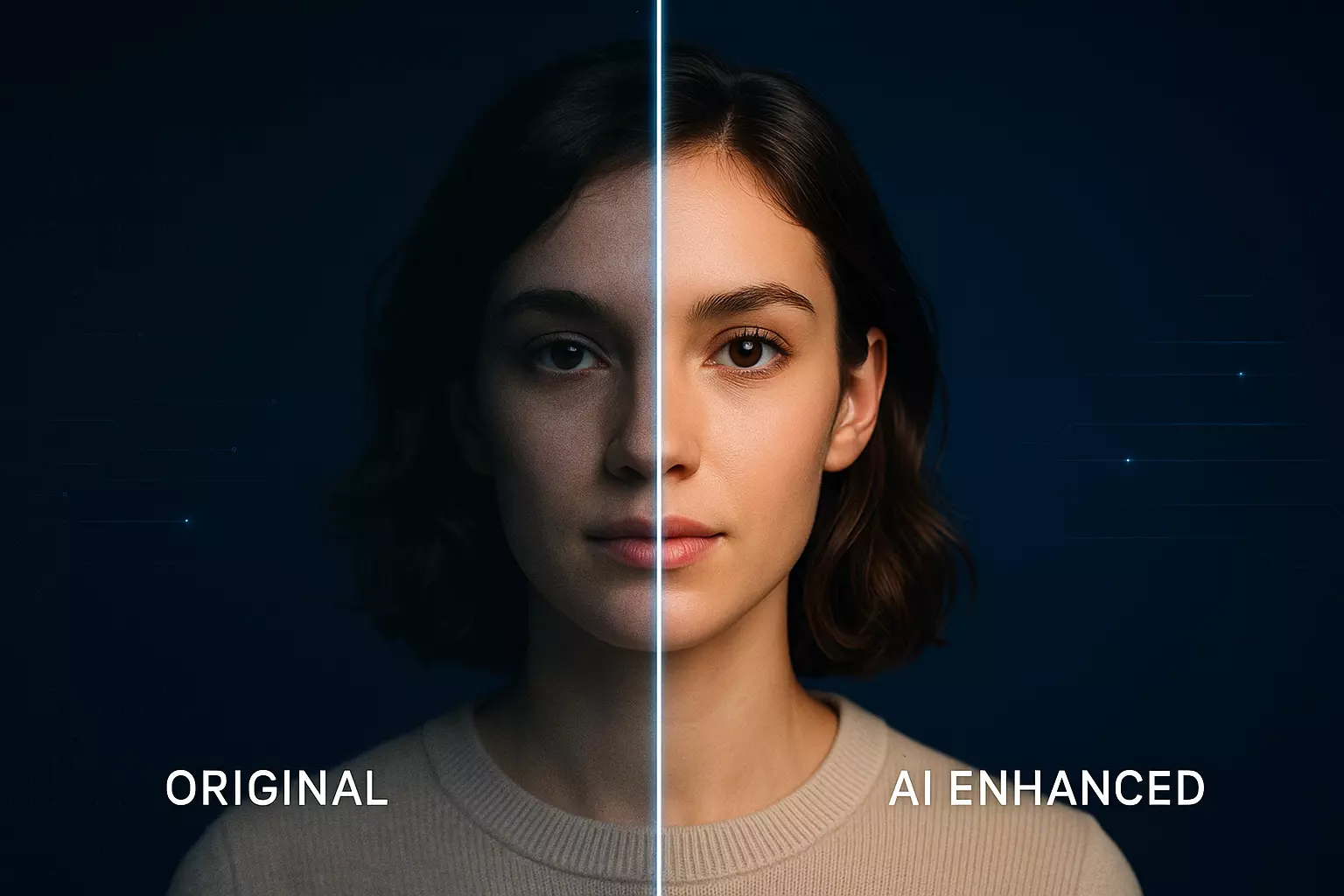
- Use enhancement to boost clarity and contrast if the original is soft.
- Download the final image in marketplace-ready dimensions and compression.
Preserve natural edges and shadows: hair, glass, metals, reflections
- Hair and textiles: Look for smooth but not blurry edges. Slight feathering is good; over-feathering creates halos.
- Glass and liquids: Keep internal transparency and edge highlights. Avoid making glass outlines fully opaque when switching to white.
- Metals and chrome: Maintain specular highlights and micro-contrast; if the result looks “flat,” apply a light clarity/sharpen pass.
- Reflections and shadow floors: Light shadows ground the product. On pure white canvases, keep them soft and faint; on neutral backgrounds, allow slightly deeper shadows for realism.
Pixflux.AI is optimized to remove busy or colored backgrounds while preserving delicate edges. It can also subtly enhance detail so products don’t lose micro-texture during recoloring.
Color consistency mini‑guide: hex codes, palettes, subtle gradients
- Hex codes: Use exact hex values for brand colors to avoid off-brand tones (#0A84FF vs. #0A85FF can be noticeable).
- Contrast planning: Ensure the product’s dominant colors have enough contrast with the backdrop. Aim for WCAG-like contrast thinking even for images.
- Subtle gradients: Light radial or linear gradients (1–4% shift) keep the background from feeling flat, especially for ads. Keep them soft so products remain the focal point.
- Palette coherence: Build a short list of approved backgrounds—pure white, 2–3 neutrals, and 1–2 brand colors. Use them consistently across PDPs and campaign assets.
(See image: Brand color palette with hex codes plus a gentle radial gradient placed behind a product)
White background product photo standards (Amazon, Walmart, Google)
- Amazon
- Main image: Pure white (#FFFFFF), no props, logos, or text. Product should fill 85%+ of the frame. Allow soft shadows if they don’t tint the background.
- Walmart
- Hero image: White or near-white; clean, centered composition. Avoid heavy shadows and distracting reflections.
- Google (Shopping)
- Backgrounds: White or light neutrals. No promotional text or watermarks. Keep the image free of borders or graphic elements.
Keyword tip: When you “create a white background product photo,” always check for unintended gray cast. Use a histogram to confirm the background peaks near the far right.
Avoid common errors: color spill, edge fringing, halos, banding
- Color spill: When the old background tints product edges. Fix by light desaturation of edge pixels or re-running background removal with tighter edge control.
- Edge fringing: Detectable color lines around the product. Reduce with small-radius feathering or edge cleanup.
- Halos: Over-softened cutouts create a glow. Dial back feathering and recheck shadow strength.
- Banding on gradients: Add mild noise or increase bit depth during export to prevent visible steps in smooth backgrounds.
Pixflux.AI helps minimize spill and fringing automatically and supports quick preview loops to refine tricky edges before exporting.
Quality control checklist
- Background values
- White: Confirm #FFFFFF or near-white as required.
- Neutral: Check the hex code against your brand palette.
- Histograms: Background should spike at the light end without clipping product highlights.
- Shadows: Keep shadows soft and consistent across the set.
- Compression: Export JPEG (high quality) for marketplaces, PNG for transparency when needed. Avoid over-compressing—watch for edge artifacts.
- Dimensions: Match marketplace guidelines (e.g., 1600–2560 px on the longest edge for zoomable detail).
- Consistency: Compare several SKUs side by side for uniform backdrops and shadow intensity.
Batch workflows for seasonal recolors and catalog updates
For teams managing hundreds of SKUs, batch web workflows are crucial. Pixflux.AI supports bulk uploads and multi-image processing so you can:
- Recolor backgrounds for new campaigns (e.g., spring pastel vs. holiday deep red) without reshooting.
- Standardize a white or neutral look across an entire category.
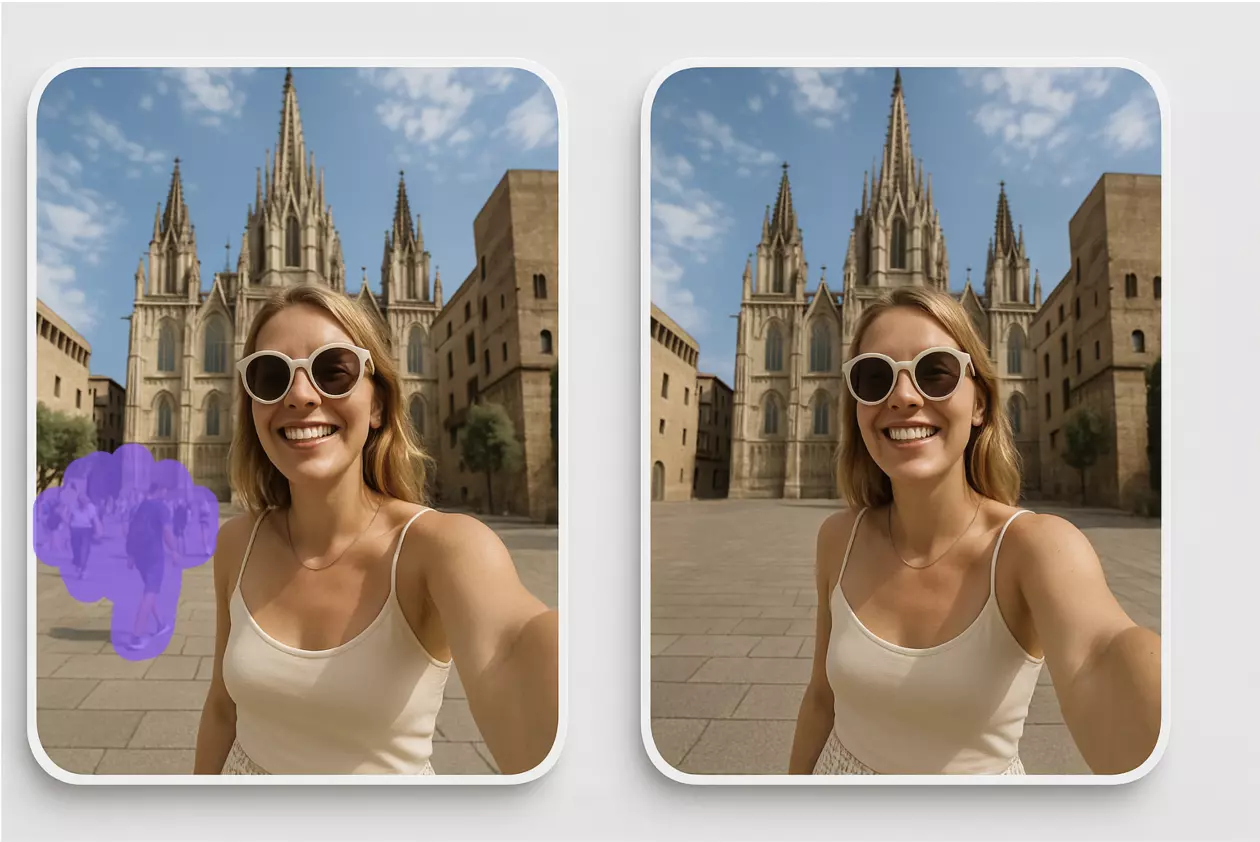
- Clean out-of-frame distractions by removing extra objects before recoloring, then apply brand backgrounds in one run.
This approach speeds up remote collaboration, keeps visual standards unified, and reduces per-image costs versus manual edits.
Troubleshooting tough cases: lighting noise, low-res, mixed backgrounds
- Noisy lighting: Heavy ISO noise can confuse edge detection. Run a light denoise and boost exposure before recoloring.
- Low-res files: Upscale moderately and enhance clarity to preserve edges; avoid aggressive sharpening that creates halos.
- Mixed backgrounds: If your original has multiple colors or gradients, try removing the background first, then applying the new color or gradient to avoid spill.
Pixflux.AI can enhance image clarity and remove unwanted elements (like stray cables, stands, or reflections), giving the recoloring step a cleaner starting point.
Legal and ethics: watermarks, logos, and when background edits aren’t allowed
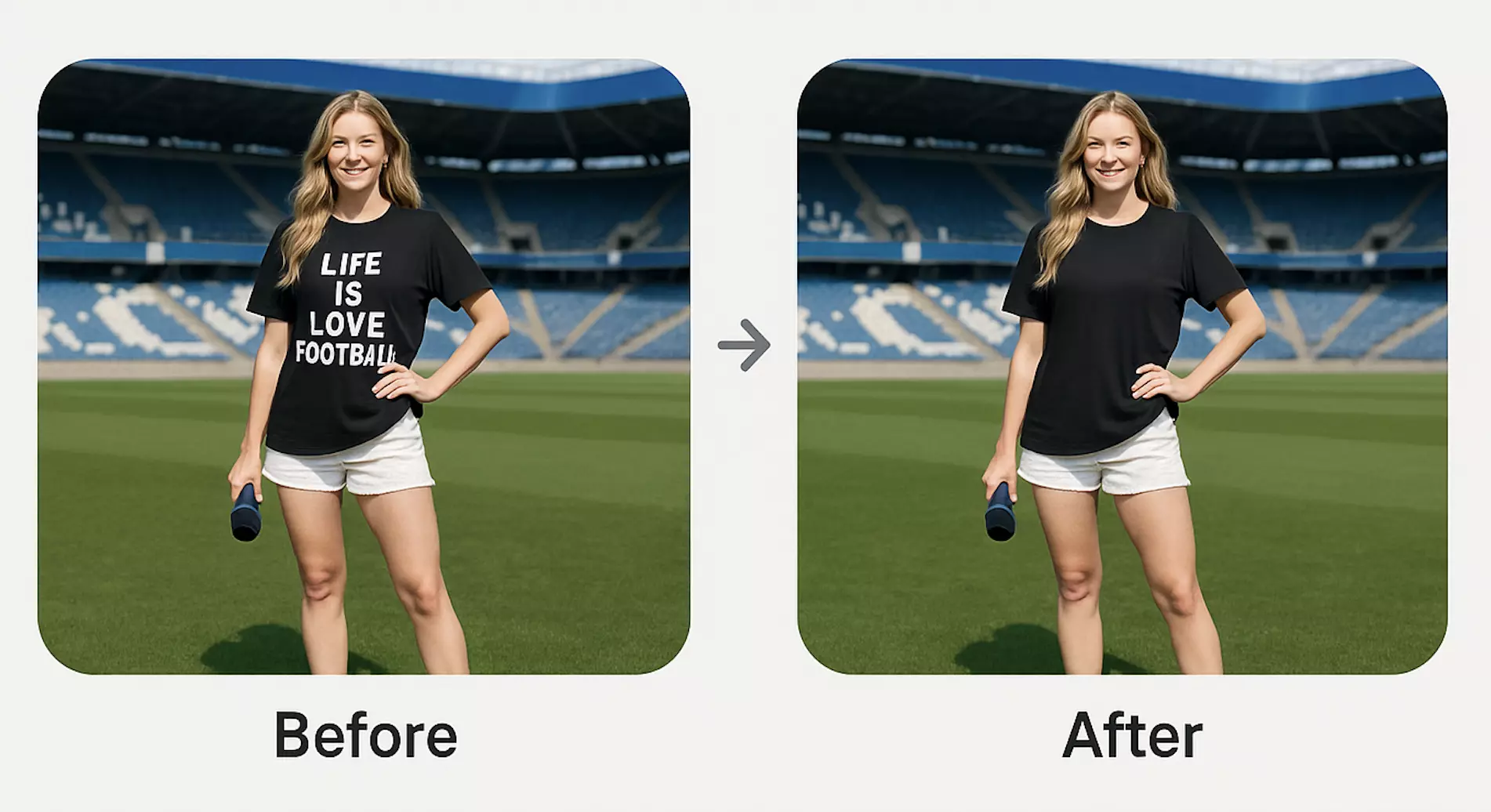
Only edit images you own or have permission to modify. Removing watermarks, logos, or markings from images you don’t own may infringe rights or violate platform rules. Use watermark removal strictly to clean your own assets or those you’re licensed to edit.
AI online tools vs. traditional software or outsourcing
- Speed
- AI online: Near-instant results; perfect for last-minute marketplace fixes.
- Traditional: Manual masking and color work add hours per image.
- Learning curve
- AI online: Designed for non-specialists; defaults work for 80–90% of cases.
- Traditional: Pro-level skills required for hair, glass, and complex edges.
- Batch efficiency
- AI online: Bulk processing with consistent settings for entire collections.
- Outsourcing: Consistency varies; revision cycles slow the process.
- Flexibility
- AI online: Easy to switch from white to brand palettes and test gradients.
- Traditional: Rework adds cost and time, especially across many SKUs.
When to use Pixflux.AI specifically
- You need marketplace-compliant white backgrounds and want to keep natural shadows.
- You want fast on-brand recolors with exact hex codes and subtle gradients.
- You have a large catalog and need to batch process product imagery quickly.
- You need to clean images first (remove extra objects, fix small watermarks on your own assets, or enhance clarity) before recoloring.
Conclusion and next steps
Background control is now a conversion lever, not just a compliance checkbox. With tighter marketplace standards and higher creative expectations, moving fast without sacrificing quality is essential. Pixflux.AI helps you go from cluttered or off-brand backgrounds to clean white, neutral, or precise brand colors—while preserving edges, glass, metals, and realistic shadows.
Try it on one product or your entire collection. Open Pixflux.AI to create white background for product photos or set your brand hex codes, preview, and export in minutes.