People Remover AI: Get Clean Lifestyle Shots Without Closed Streets or Studio Budgets
Shoot on busy streets without the hassle. See how Pixflux.AI people remover AI clears passersby while keeping natural shadows, textures, and mood.
 Sierra CappelenDecember 11, 2025
People Remover AI: Get Clean Lifestyle Shots Without Closed Streets or Studio Budgets
Cafés at golden hour. Boardwalks at sunset. City crosswalks with perfect brand energy. These are the moments that make lifestyle photography feel real—but they’re also the hardest to control. Strangers pass through the frame, shadows shift, and you rarely get a clean plate. For small teams and mobile-first creators on fast turnarounds, getting a crowd-free shot can feel impossible.
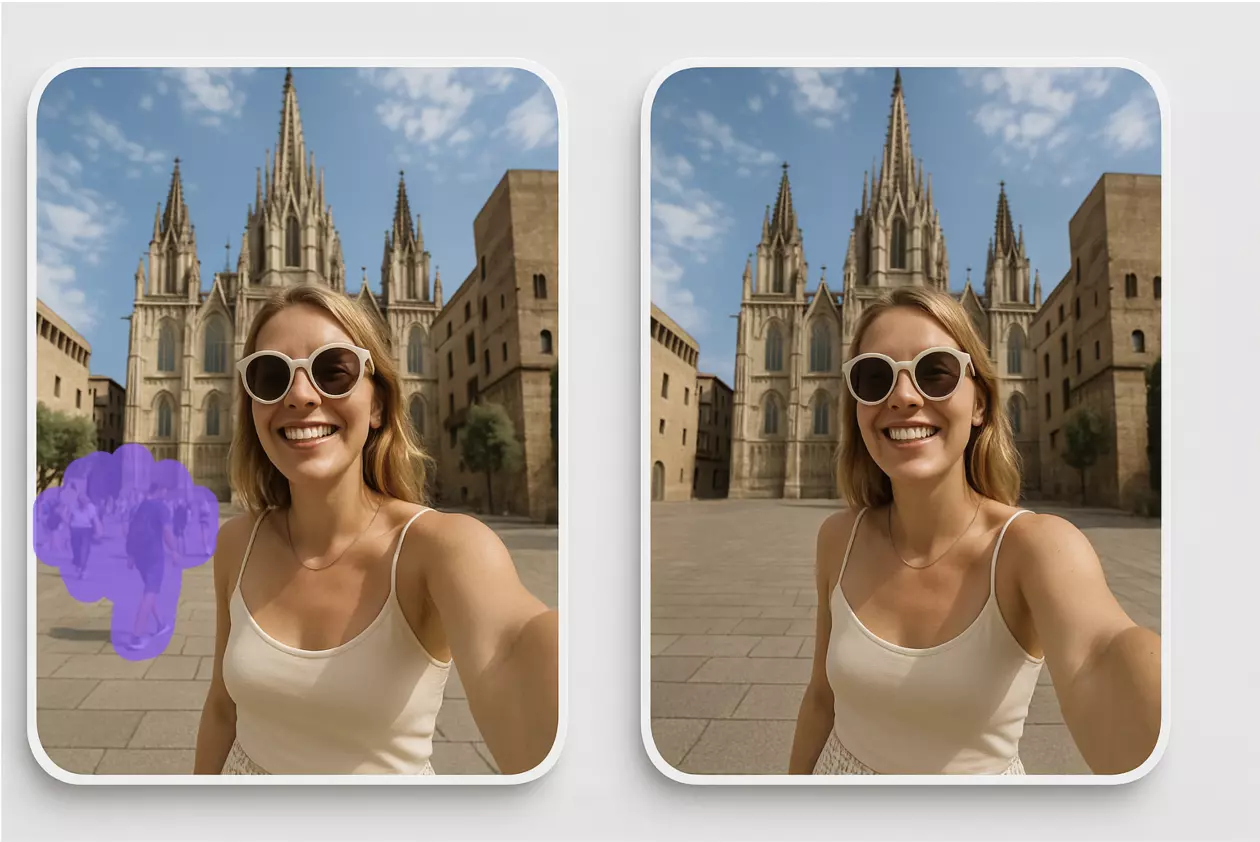
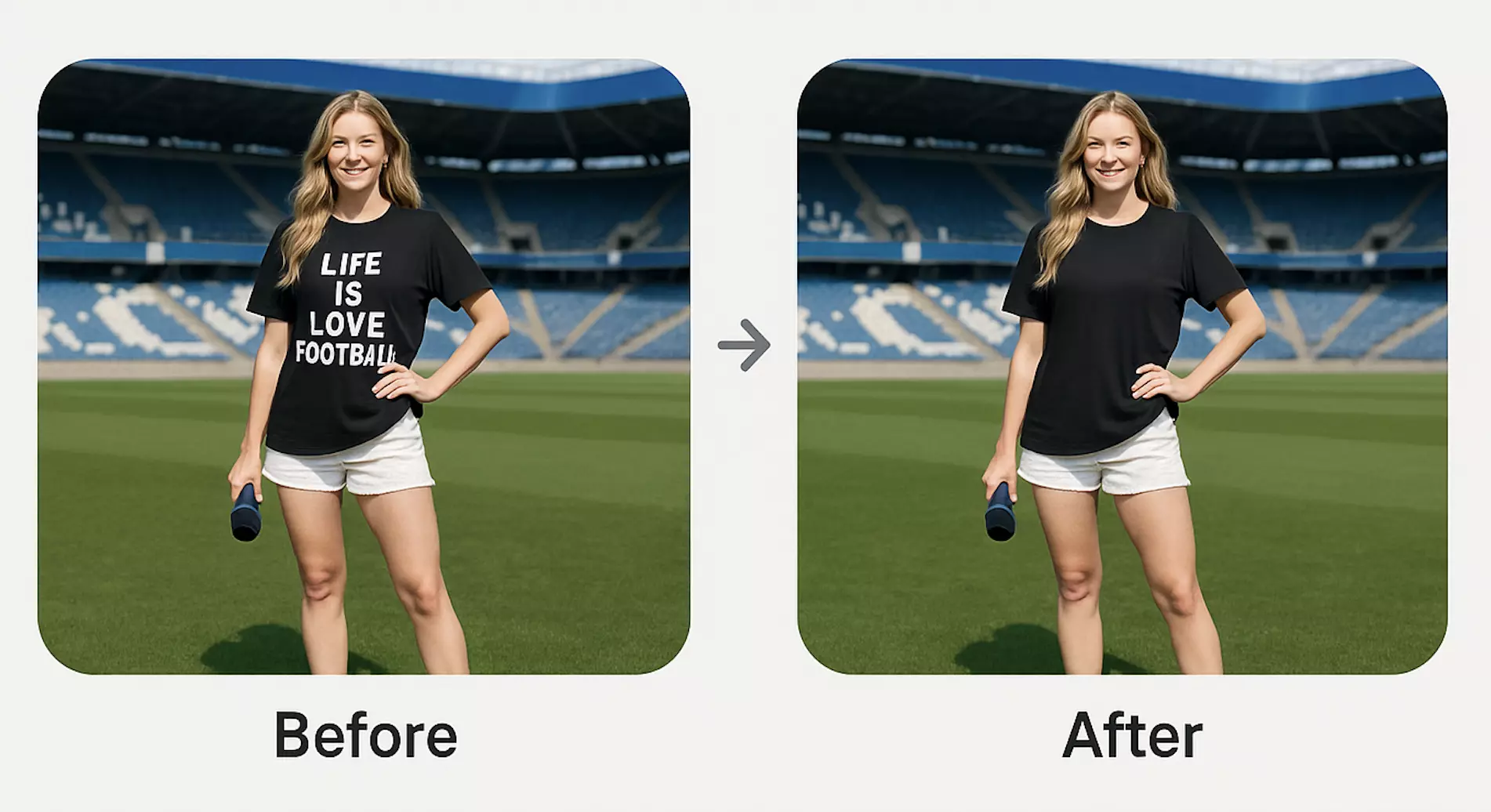
That’s where people remover AI changes the math. Instead of masking every passerby by hand, AI inpainting can remove them in seconds while preserving natural shadows, reflections, and textures. If you need a practical way to edit on-location images without studio budgets or street closures, a focused tool like people remover ai helps you move from “almost perfect” to “post-ready” with less effort.
(See image: side-by-side grid comparing manual masking vs Pixflux.AI’s object remover on a beach lifestyle photo)
Why lifestyle shots fail in busy locations
- Unpredictable foot traffic: You can’t control when groups or runners enter the frame.
- Messy, complex backgrounds: Cables, signage, and clutter compound the cleanup.
- Narrow shooting windows: Light is great for 15 minutes, not long enough for perfect timing.
- Privacy and permissions: You often can’t show identifiable faces in ads or on marketplaces.
- Post constraints: Deadlines don’t leave hours for manual masking and fine-edge cleanup.
Brands increasingly favor authentic, on-location visuals over studio-only setups—but without a reliable way to clean up crowds, otherwise strong images don’t ship.
What is a people remover AI?
People remover AI is a specialized form of AI object removal that uses diffusion-based inpainting. In plain terms:
- You brush over the people or objects you want to remove.
- The model predicts what the scene should look like behind them.
- It reconstructs textures, edges, and lighting to blend seamlessly.
Modern inpainting preserves contextual cues—shadows on pavement, reflections in windows, grain on wood tables—so the edit feels photographic rather than digitally “airbrushed.”
Key terms:
- Inpainting: Filling in missing or masked regions based on surrounding pixels.
- Context window: The area the model considers to infer realistic fills.
- Edge-aware: Retains crisp transitions (e.g., product edges) next to edited zones.
Manual masking vs AI object removal: speed, quality, and effort
- Speed: Hand-masking and cloning can take 20–60 minutes per image, especially with overlapping elements. People remover AI typically takes under two minutes, including review.
- Quality: AI handles complex materials (brick, glass, water) surprisingly well, particularly when shadows cross removed areas. Manual edits can achieve perfect results, but only with pro-level skills.
- Effort and learning curve: Advanced masking, patch, and clone techniques require experience. AI tools simplify this to a brush-and-preview workflow.
- Consistency: AI produces consistent results across a batch, which matters for campaigns. Manual edits vary by retoucher and fatigue.
For busy street, café, or beach scenes, AI’s speed and texture preservation make it the first pass—then you spend any remaining time on small touch-ups, not full rewrites.
A practical workflow for crowded lifestyle and travel-style product shots
Use this shoot-to-edit flow to maximize results with people remover AI and minimize rework:
- Compose for removability: Leave thin buffer zones around the subject. Avoid tight overlaps between your product and background crowds.
- Lock exposure and white balance: Consistent frames help AI keep tone and texture stable.
- Capture a near-identical second frame: If possible, wait one beat and fire again; the extra context helps inpainting.
- Protect key details: If lace, hair, or product edges are fine, angle slightly to avoid micro-overlaps with moving people.
- Keep shadows: Natural shadows anchor realism. Make sure key product shadows are intact so the AI has good context to preserve them in the final image.
Hands-on with Pixflux.AI: remove passersby while preserving shadows and textures
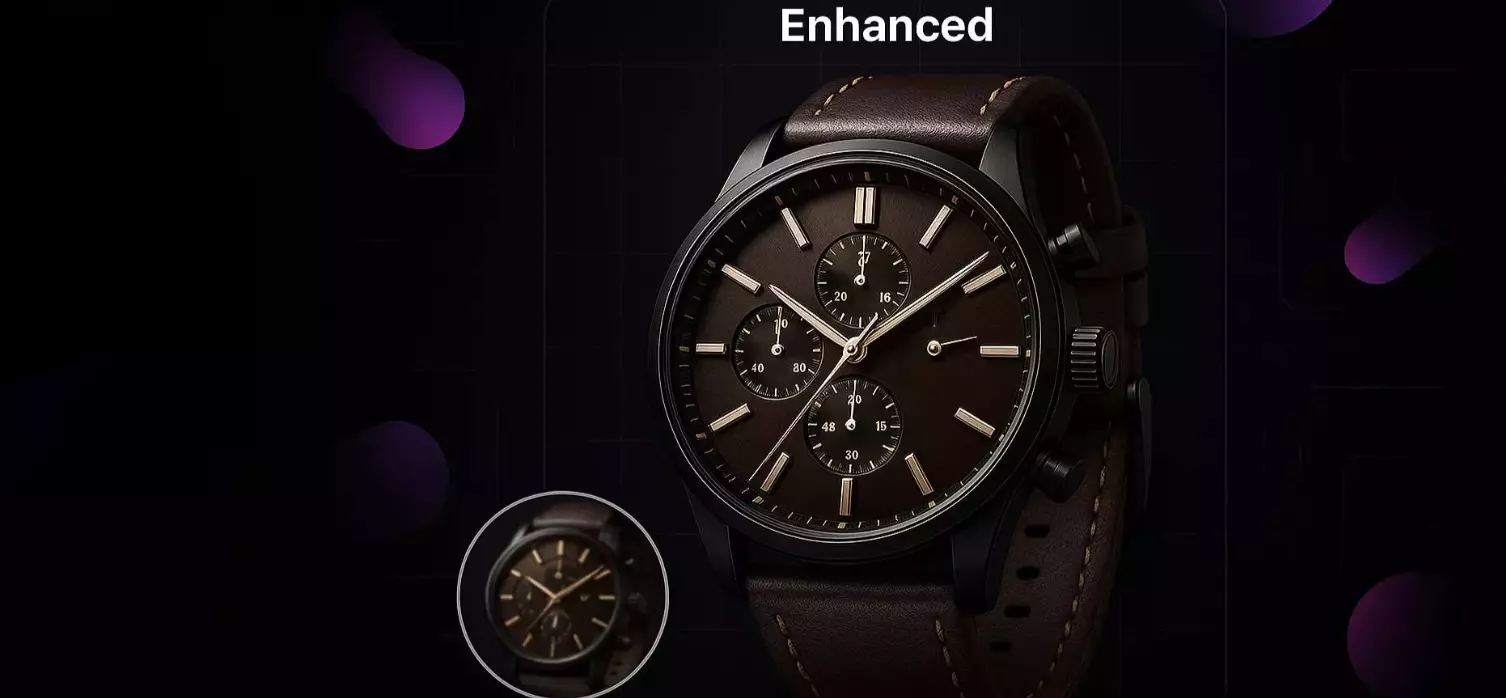
Pixflux.AI is built for on-location cleanup. You can brush over passersby, stray objects, or signage while maintaining the scene’s lighting logic—so sidewalks, tabletops, and water reflections look natural after the edit. It also supports background removal or replacement if you want to go beyond cleanup and create a more branded look for social or eCommerce, and it can enhance clarity after heavy edits.
Quick 3-step flow:
- Upload your original photo.
- Let the AI remove people and distractions.
- Download the cleaned result.
(See image: before-and-after of a café scene where passersby are removed but shadows remain intact)
Step-by-step: Upload → AI process → Download in Pixflux.AI
Use this detailed 5-step guide the first time you try it:
- Open Pixflux.AI’s AI people remover.
- Upload your photo (try JPEG or PNG; use the highest resolution available for better texture recovery).
- Select the object/people removal tool and brush over the crowd, passersby, or stray items. Keep brush edges soft where you want shadows to blend, and tighter around product edges.
- Preview the result, then refine:
- If you see faint ghosting, expand the masked area slightly and re-run.
- For overlapping edges, run two shorter passes rather than one massive mask.
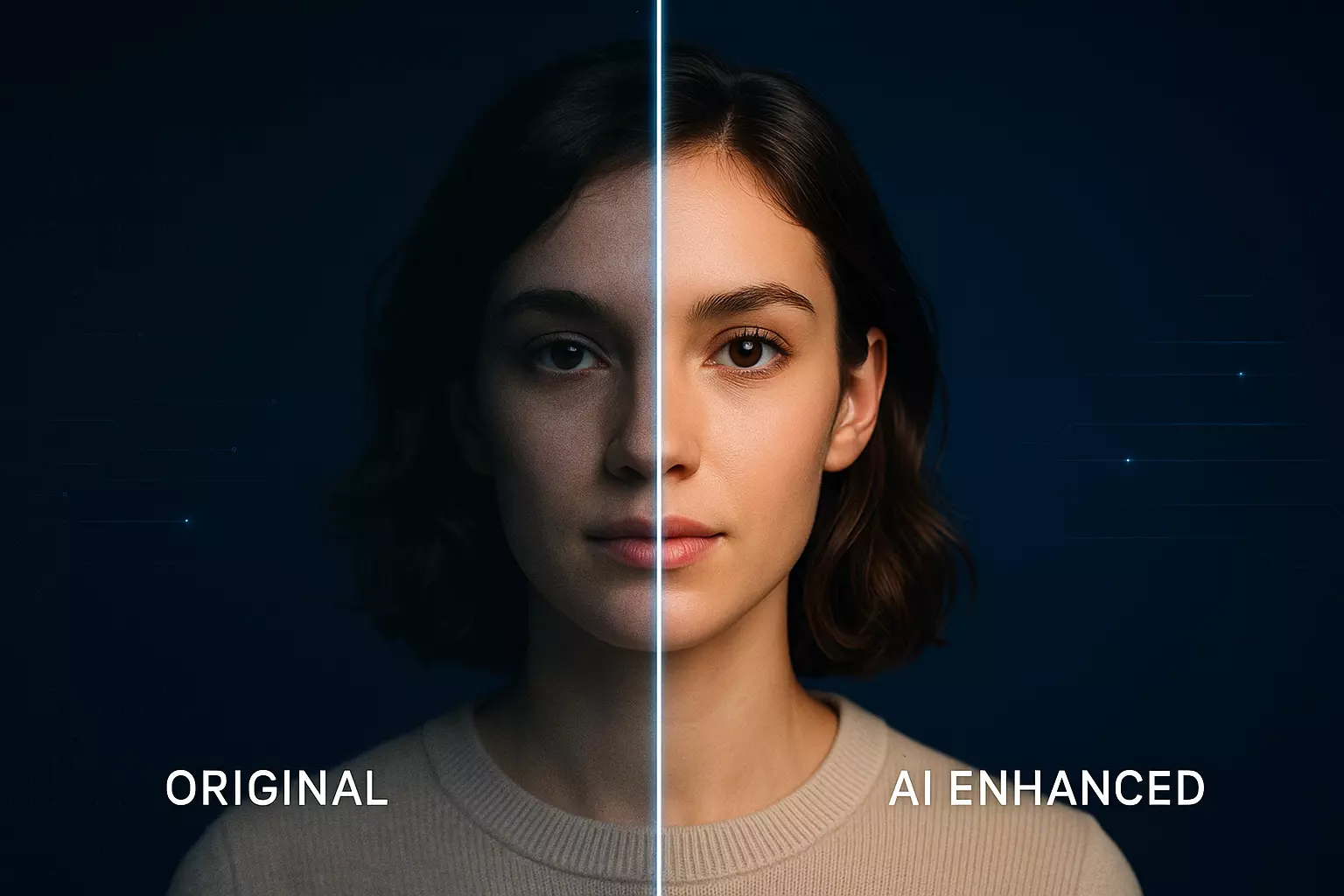
- Use Pixflux.AI’s enhancement if the area looks too soft after inpainting.
- Download the final image and save a versioned file name (e.g., cafe-bag_v3.jpg) for your asset library.
(See image: Pixflux.AI interface showing the three steps—upload → AI processing → download)
Compliance note: Only remove people or marks from images you own or have permission to edit. If you also use watermark or logo removal, ensure you have rights to do so and that your edits comply with platform policies and local laws.
Quality checks: edges, shadows, reflections, textures, perspective
Before you publish, scan for these telltales:
- Edges: Product contours should remain crisp; zoom to 200% to check halos.
- Shadows: Natural shadow direction and intensity should match across the frame.
- Reflections: Glass, metal, and water should show continuous lines without warps.
- Texture continuity: Brick lines, tile grout, and wood grain should look uninterrupted.
- Perspective: Leading lines (rails, curb edges) should stay straight where they cross edited zones.
- Color consistency: No patches should appear cooler/warmer than the surroundings.
If anything looks off, lightly remask the affected area and run another pass.
Edge cases: overlapping subjects, glass, water, motion blur, soft light
- Overlapping with the product: Mask in smaller sections (arm first, then torso), protecting the subject edge each time.
- Through glass: Reflections add complexity. Mask both the person and their reflection and let the model rebuild the pane.
- Water and waves: Rebuild in shorter strips following the wave direction for a consistent pattern.
- Motion blur: If a runner is heavily blurred, expand the mask to include the entire blur trail; partial masks leave smears.
- Soft light scenes: Low contrast can make fills look flat; use Pixflux.AI enhancement after removal to regain micro-contrast.
Batch processing product sets with Pixflux.AI for consistent results
Campaigns rarely ship with just one image. When you bring home 20 café shots or 50 beach frames, consistency matters as much as individual quality. Pixflux.AI supports batch handling so you can upload multiple images and clear away passersby, stray bags, or signage in one focused session. Tips for scale:
- Group by location and light: Process files from the same set together to keep tone uniform.
- Keep a brush size preset: Use similar brush settings so edge softness matches across the series.
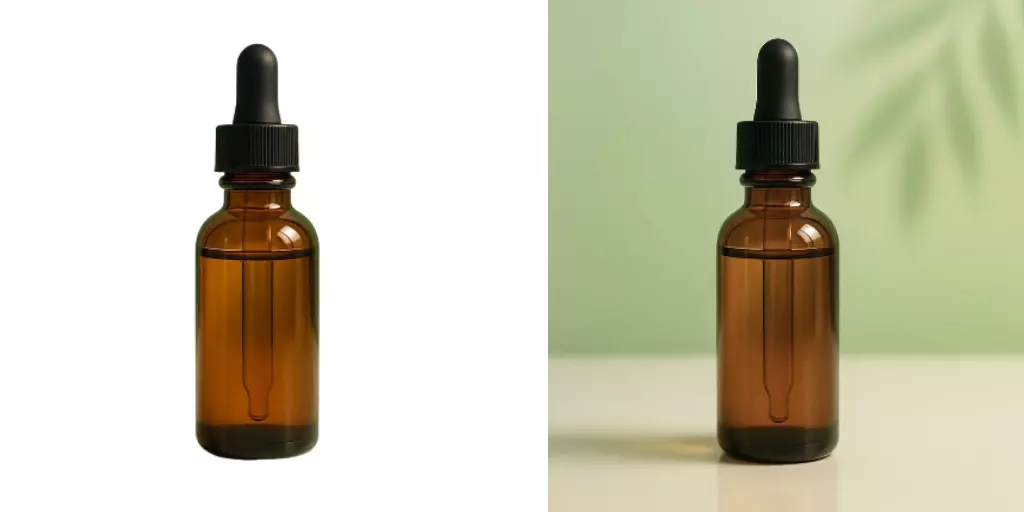
- Repeatable backgrounds: If you also need clean ecommerce-style backgrounds for variants, Pixflux.AI can remove backgrounds or generate simple, brand-aligned settings after crowd removal.
- Version control: Export with unified naming to streamline approvals (e.g., boardwalk-sneaker_setA_v1–v5).
Ethics and permissions: crowds, privacy, and location rules
- Respect privacy: Avoid using identifiable faces in a way that could mislead or misrepresent.
- Know the venue: Some locations restrict commercial use—check rules for cafés, museums, and private properties.
- Copyright: Only edit and publish images you own or have licensed. If you remove watermarks or logos, ensure the license allows it and that you’re not circumventing attribution or platform policies.
Troubleshooting people remover AI: ghosting, artifacts, color shifts
- Ghosting/faint outlines: Increase mask coverage and re-run; try a second pass.
- Texture mismatch: Mask slightly beyond the subject’s edges so the AI has room to rebuild continuous patterns (brick, tile).
- Repeating patterns: If you see “copy-paste” texture in large areas, run two smaller passes with different mask shapes.
- Color shifts: Balance white point before removal, then apply a unified grade after export.
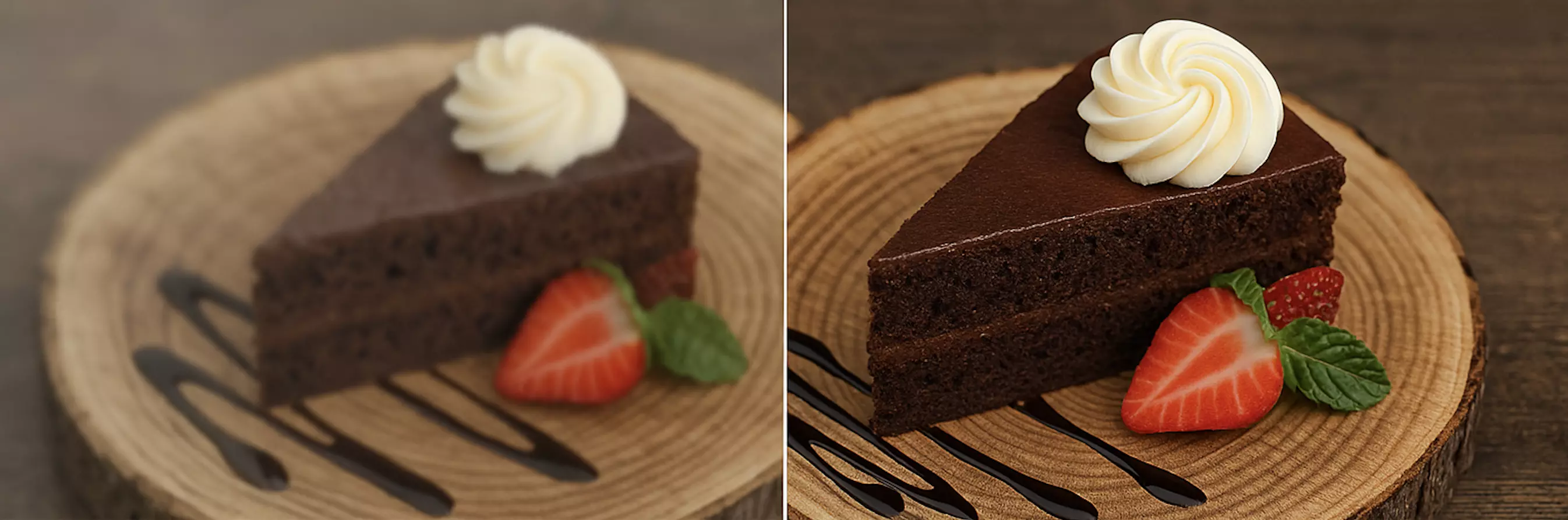
- Over-soft fills: Use Pixflux.AI’s enhancement tool to sharpen micro-detail without creating halos.
- Reflections that don’t line up: Mask the reflection as a separate pass, following the direction and shape of the reflective surface.
AI online tools vs traditional methods
- Time cost
- AI tool (Pixflux.AI): Seconds to minutes per image, including preview.
- Traditional (Photoshop, manual retouching): 20–60 minutes per complex scene; longer with multiple overlaps.
- Learning curve
- AI: Brush, preview, refine—suitable for marketers, creators, and photographers alike.
- Traditional: Requires deep familiarity with masks, clone/heal, frequency separation, edge recovery.
- Batch efficiency
- AI: Consistent output across sets; simple to repeat settings and workflows session by session.
- Traditional: Consistency depends on retoucher skill and time; bottlenecks scale with image count.
- Collaboration
- AI: Quick previews across teams; non-specialists can propose edits and export variations.
- Traditional: Specialist-dependent; slower iteration cycles.
External retouching still has a place for hero images with extreme edge cases. But for campaign speed and volume, Pixflux.AI reduces friction while keeping the “real place, real light” look that modern brands want.
Final checklist for clean lifestyle shots without studio budgets
- Framing supports easy removal (minimal overlaps around product edges).
- Exposure/white balance locked across frames.
- People and distractions masked in 1–2 precise passes.
- Shadows, reflections, and textures inspected at 200% zoom.
- Color and contrast unified post-removal.
- Batch naming/versioning ready for review and publishing.
Conclusion and next steps
On-location lifestyle photos don’t have to fight the crowd—or your calendar. With diffusion-based inpainting and a clean, brush-and-preview workflow, Pixflux.AI makes crowd removal a practical step instead of a post-production gamble. Whether you’re cleaning up a busy café shot for Instagram, preparing Amazon lifestyle images, or building a travel-themed landing page, you can move faster without compromising realism.
Try it now with Pixflux.AI’s streamlined flow and remove people from photo with AI. If you prefer a quick starting point, open the AI people remover and follow the upload → process → download steps to get a publish-ready result in minutes.
(See image: Pixflux.AI interface and three-step flow, from upload to download)