Watermark Remover Online: Clean Up Legitimate Assets Without Breaking Copyright Rules
Want clean, copyright‑safe visuals? Learn when removal is allowed—and how Pixflux.AI preserves backgrounds while you prep campaigns at scale.
 Sierra CappelenDecember 11, 2025
Watermark Remover Online: Clean Up Legitimate Assets Without Breaking Copyright Rules
Marketing teams, designers, and brand managers are sitting on a goldmine of visuals—product shots, lifestyle images, event photos—that can be reused in new campaigns. The catch? Many of those assets carry test overlays, legacy brand marks, or watermarks that block repurposing. Meanwhile, 2025 workflows are shifting to “legal-first” content operations: every edit must be rights-safe, traceable, and consistent with platform guidelines.
If you’re searching for a watermark remover online, chances are you’re not trying to cut corners—you’re trying to refresh legitimate assets fast. Before reopening heavy software or outsourcing minor edits, consider a focused AI tool that handles watermark removal with background-safe inpainting. A good starting point is an AI-powered watermark remover online that keeps textures and shadows intact while respecting compliance. Pixflux.AI is one such tool built for practical, campaign-ready edits.
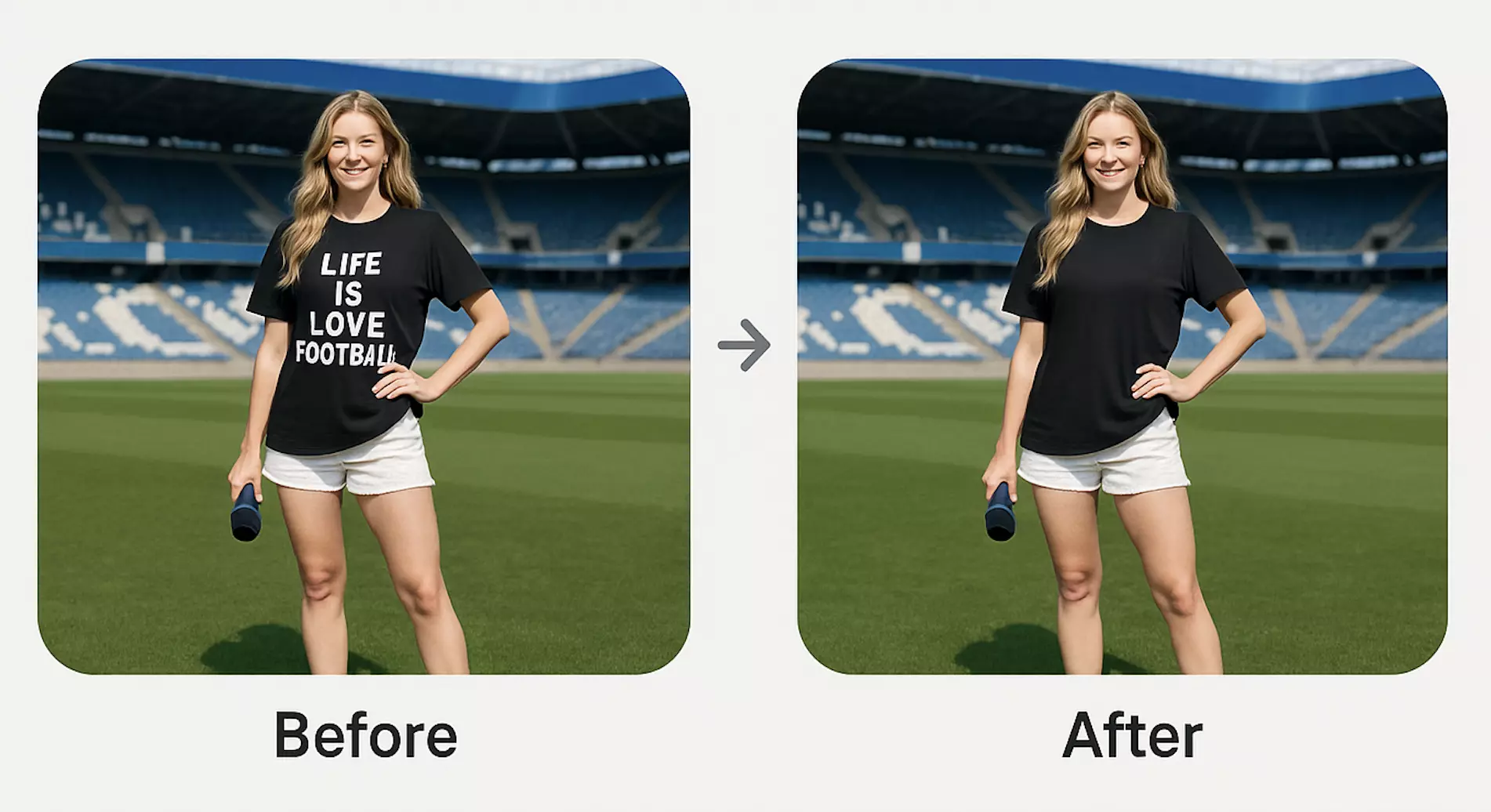
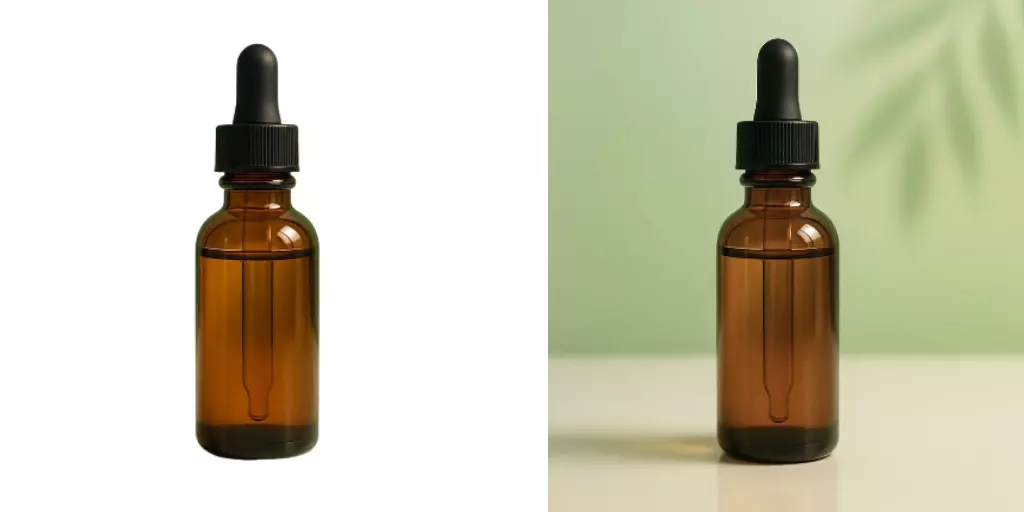
(See image suggestion: Side-by-side before/after of a licensed product photo with an outdated brand watermark removed in Pixflux.AI, background preserved and textures intact.)
Why searches for “watermark remover online” are rising—and what teams really need
Three shifts explain the surge:
- Brand refresh at scale: Teams are retiring old logos, reusing past shoots, and standardizing visuals across markets without reshooting.
- AI inpainting quality: Recent advances make texture continuity, edges, and shadow handling dramatically better than even a few versions ago.
- Legal-first editing: Stock libraries and platforms have stricter guidance on acceptable removal scenarios. Teams want tools that support compliant workflows, not shortcuts.
What users actually need is not just “erase the mark.” They need:
- Background-safe editing that preserves material textures (fabric weave, brushed metal, matte packaging).
- Repeatable quality, with batch processing for series of SKUs or variants.
- A simple, reliable flow they can hand to non-designers without a long training curve.
Legal and ethical boundaries: when removing a watermark is allowed
You can remove a watermark when you have the legal right to modify the image. Typical cases:
- You own the photo (in-house shoot or photographer contract grants full rights).
- You purchased a license that explicitly permits edits and removal of any visible marks after purchase.
- You control the brand and are retiring a legacy lockup or internal overlay.
You cannot remove watermarks from unlicensed stock, comps, or images you do not own. That includes “testing” by removing a stock agency’s watermark without buying a license first. Always review the license text and keep proof of rights on file.
Compliance note: Only use watermark removal on assets you own or are licensed to modify. Do not use the tool to bypass copyright restrictions or platform rules.
Legitimate scenarios: owned photos, licensed stock, and retiring legacy brand marks
- Owned content from past campaigns: Remove internal overlays or outdated slogans to align with a new brand system.
- Licensed stock: After purchase, many licenses allow editing/removal for production use; verify the license scope and keep the license ID in your records.
- Legacy brand marks: Sunsetting old logos or product sub-brands? Remove or replace marks on otherwise great imagery to extend asset life.
- Vendor or partner assets: With written permission, clean up co-branded overlays for local market reuse.
- Event photography: Photographer delivered proofs with subtle marks? If your contract includes edit rights upon final delivery, you can remove those marks in your archive copies.
How watermark removal works: inpainting, textures, and background preservation
Modern AI watermark removal uses inpainting: the model predicts what should be behind the mark based on surrounding pixels. Key capabilities:
- Texture synthesis: Continues patterns (e.g., wood grain, fabric weave) seamlessly.
- Edge continuity: Reconstructs crisp edges on boxes, labels, and hard surfaces.
- Shadow consistency: Maintains light direction and softness so results don’t look “patched.”
Pixflux.AI applies background-safe editing to avoid smudging or flattening. This matters for ecommerce tiles, marketplace listings, and social creatives where even small artifacts can erode trust.
(See image suggestion: Close-up comparison crop showing surface texture, shadow continuity, and edge quality before and after watermark removal.)
Choosing an online watermark remover: quality, privacy, and reliability
Use these criteria when you evaluate tools:
- Quality on tricky surfaces: Test on textiles, reflective packaging, gradients, and fine print.
- Background preservation: Look for consistent shadows, aligned patterns, clean edges.
- Resolution handling: Output should match your campaign specs without heavy upscaling.
- Batch-friendliness: Streamline series edits across SKUs or content variants.
- Simplicity: Three to five steps, fast previews, and easy re-edits if the first pass needs a tweak.
- Privacy and governance: Use tools that respect confidentiality; keep original files and edit notes for compliance audits.
Use Pixflux.AI to refresh assets legally: watermark remover with background-safe edits
Pixflux.AI is designed for marketing and design teams that need crisp, compliant refreshes. Beyond watermark removal, it can clean stray objects from backgrounds, enhance clarity for web-sized assets, and handle bulk image sets for campaign rollouts—all within a light, browser-based workflow. The focus is simple: preserve the scene, remove what doesn’t belong, and speed up delivery without introducing new artifacts.
When used on licensed or owned images, Pixflux.AI helps you:
- Remove legacy marks while maintaining texture realism.
- Keep shadows and edges consistent across a gallery of lookalike shots.
- Apply optional photo enhancement to sharpen details after inpainting.
HowTo: Remove a watermark online with Pixflux.AI
Use this quick 3-step flow to test an edit in minutes:
- Upload your image
- Open Pixflux.AI and start with the asset you own or are licensed to modify. For a direct path, go to remove watermarks online.
- Let AI process the watermark area
- The tool identifies and inpaints the marked region. Preview the result; if a pattern looks off, re-run or fine-tune the selection.
- Download the cleaned image
- Save the result at your target resolution. Keep the file alongside your rights documentation for audit readiness.
Prefer a bit more control? Try this 5-step approach: 1) Visit Pixflux.AI, 2) Upload, 3) Choose the watermark removal tool and run, 4) Inspect patterns and edges; re-run if needed, 5) Download the final asset and note the license or internal approval in your task tracker.
(See image suggestion: Pixflux.AI interface illustrating the three-step flow: upload → AI processing → download for watermark removal.)
Compliance reminder: Only process images you own or have licensed for editing. Do not remove third-party watermarks to acquire unlicensed content.
Quality assurance checklist: edges, patterns, shadows, and optional photo enhancement
Before you ship the image to your CMS or ad platform, run this quick QA:
- Edges: Are box corners, labels, and product contours sharp, not wavy?
- Patterns: Do repeating textures (tiles, fabrics, wood grain) continue without jumps?
- Shadows: Is the light direction intact with no halo or “flat” areas where marks used to be?
- Text zones: If the watermark overlapped typography or small print, is the copy still legible?
- Skin and fabric: For lifestyle images, skin tones and folds should look natural.
- Optional enhancement: If the removal softened details, use Pixflux.AI’s photo enhancer to recover micro-contrast while keeping noise low.
- Final format: Export to your required size and color profile; keep originals for traceability.
Team workflows: versioning, audit notes, and batch processing for campaign rollouts
For brand and growth teams, process matters as much as pixels:
- Version control: Use clear file names (YYYYMMDD_assetname_v2-clean) so designers and marketers pick the right file.
- Audit trail: Store the license ID, rights owner, and a note explaining why the watermark was removed (e.g., “retiring 2019 logo”).
- Batch processing: When refreshing a family of product shots, queue multiple images so background and texture handling stays consistent across the set.
- Cross-role handoff: Non-design teammates can run the first pass; designers step in only if a tricky surface needs manual attention. This keeps throughput high without overloading specialists.
AI online tools vs traditional methods
- Time cost: AI tools like Pixflux.AI typically deliver clean results in seconds. Manual cleanup in desktop software can take 10–20 minutes per image, more on complex textures.
- Learning curve: Browser-based tools are approachable for non-designers; advanced software requires professional skill and extensive shortcuts.
- Batch efficiency: Online tools streamline repetitive edits across SKUs or ad variations. Manual workflows scale poorly when you have dozens or hundreds of items.
- Outsourcing trade-offs: Agencies can be great for complex composites, but for straightforward watermark removal on owned/licensed assets, you often pay for coordination time more than the edit itself.
- Consistency: AI inpainting has become remarkably stable on common surfaces; it’s easier to maintain uniform quality when multiple teammates use the same guided flow.
FAQs and compliance tips
- Is it legal to remove a watermark? Yes, if you own the asset or have a license that permits editing after purchase. It is not legal (and violates platform rules) to strip third-party watermarks from unlicensed content.
- Will removal damage the background? With modern inpainting, background-safe edits preserve textures and shadows. Always run a quick QA pass on edges and patterns.
- Can I process images in bulk? Yes, batch-friendly workflows help teams refresh series of similar images so campaigns ship faster and more uniformly.
- What if the watermark sits on a complex pattern? Try a second pass and inspect at 100%. For very intricate textures, zoom in on transitions to ensure continuity; re-run if needed.
- Can I enhance the image after removal? Absolutely—use careful sharpening or photo enhancement to restore micro-detail without overshooting contrast.
- Should I keep records? Yes. Keep your license documents, versioned files, and notes on why the watermark was removed. This aligns with legal-first, audit-ready operations.
Conclusion and next steps
Watermark removal isn’t a loophole; it’s a practical, rights-compliant way to unlock the value of images you already own or have licensed. With AI inpainting now strong enough to preserve textures and shadows, teams can refresh legacy assets at scale, retire old marks, and keep creative momentum high—without compromising on governance.
Ready to try it on your next campaign? Start with fast, background-safe online watermark removal and see how Pixflux.AI streamlines your workflow from upload to download.