Remove Random People from Photo Tool: Make Lifestyle Product Shots Privacy-Safe
Erase passersby from lifestyle shots without artifacts. Keep café, street, and travel scenes natural—and your ads compliant—with quick, subtle AI edits.
 Richard SullivanJanuary 26, 2026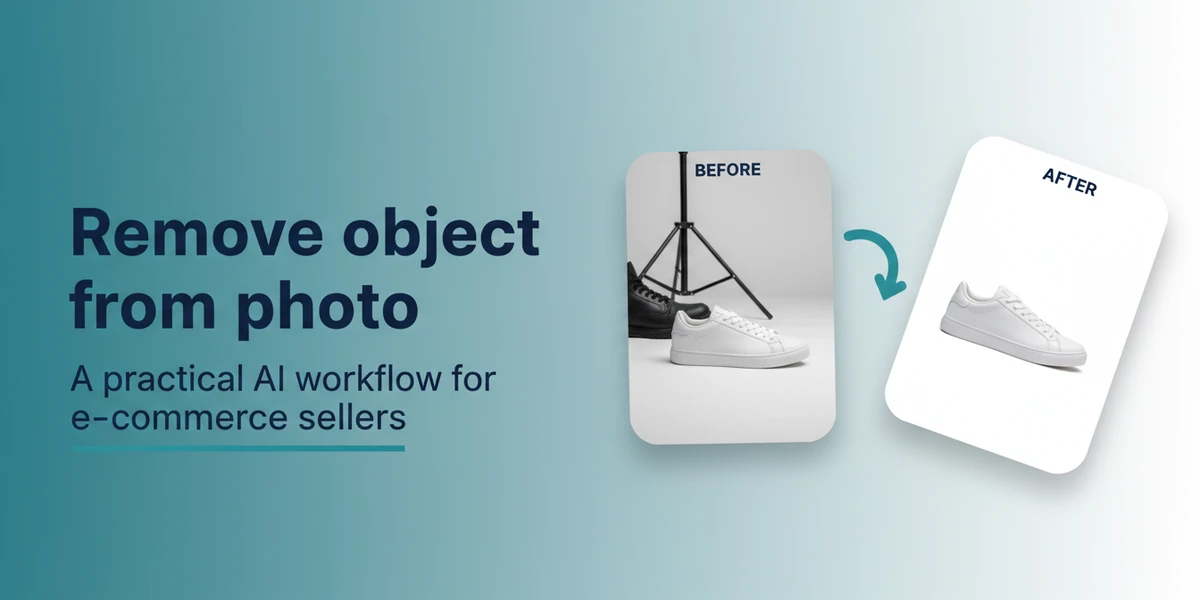
Remove Random People from Photo Tool: Make Lifestyle Product Shots Privacy-Safe
A latte on a sidewalk table, a sneaker shot on a crosswalk, a travel tote in front of a landmark—lifestyle product photos are what make shoppers stop scrolling. But candid locations come with a catch: passersby. Strangers in the background can break the story, trigger ad rejections, and raise real privacy concerns—especially as 2026 brings stricter scrutiny of identifiable bystanders and “privacy-safe advertising images.”
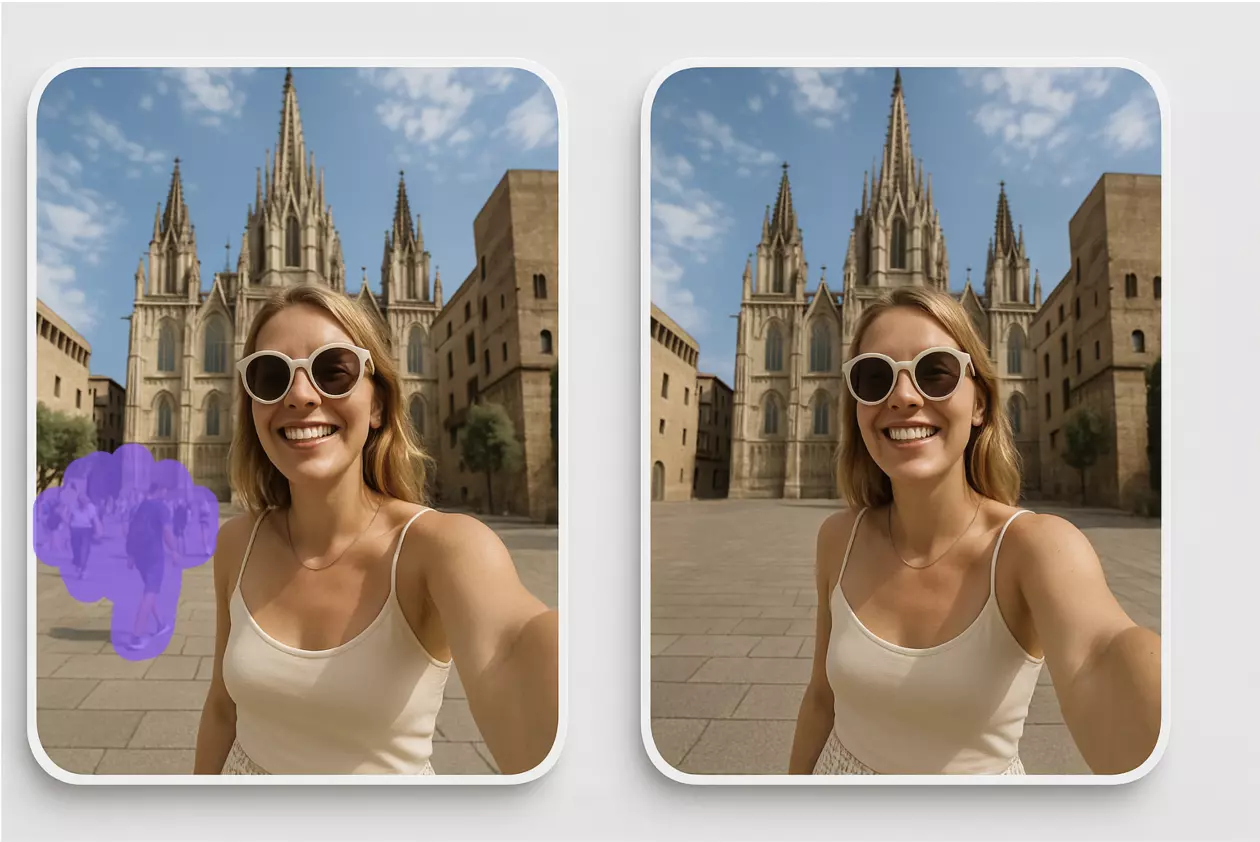
The good news: you don’t need to reshoot or crop your images to death. A web-based remove random people from photo tool can erase passersby while preserving textures, shadows, and the natural look you worked hard to capture. If you’re evaluating your options, try the streamlined remove random people from photo tool to clean up café, street, and travel scenes before publishing ads.
Note: In Spanish-speaking markets, you’ll also hear this task described as “quitar a una persona de una foto con ia” or “borrar personas de una foto.” The need is the same across languages: remove people from photo content without compromising realism.
Why removing passersby matters for lifestyle product photos and ad compliance
- Privacy and compliance: Many ad networks (Meta, Google, TikTok) scrutinize imagery that includes identifiable bystanders. Removing passersby reduces the risk of disapprovals and complaints.
- Brand trust: People-first brands respect privacy; clean, bystander-free visuals signal that you care about consent and compliance.
- Creative control: With object removal, you keep authentic locations and lighting while removing distractions that compete with your product.
- Global standards: As regulations tighten, teams in the US, EU, and beyond are adopting privacy-safe workflows as a default step in production.
How AI object removal works (and why results look natural now)
Modern object removal uses AI inpainting and context-aware fill:
- Semantic inpainting: The model “understands” scenes—tables, bricks, reflections—and predicts what belongs behind the removed subject.
- Edge realism: Good tools protect edges around your product, preserving sharpness and preventing halos.
- Texture continuity: From repeating brick patterns to wood grain and asphalt grit, AI predicts and stitches textures so they look seamless.
Quality has jumped in the last two years thanks to stronger scene understanding. With the right remove people from photo approach, artifacts are minimized, and the edit reads as natural at full zoom.
Web-based vs desktop: choosing the right remove random people from photo tool
- Web-based tools:
- Fast to start: No installs, no updates, accessible from any browser.
- Team-friendly: Easy to share screenshots and get sign-off without complex files.
- Non-destructive flow: Re-upload and iterate as needed without heavy project files.
- Desktop editors:
- Deep control: Powerful masking and manual retouching for edge cases.
- Heavier workflow: Steeper learning curve, slower for batch or quick iteration.
Most ecommerce and social teams prefer a web-based remove random people from photo tool for speed, scale, and consistent output across contributors.
The quality checklist before you publish
Use this checklist to decide if an edit is ad-ready:
- Edges look crisp around the product—no halos or smudges.
- Shadows make sense: removing a passerby should not leave a floating shadow.
- Reflections are coherent: storefront glass, metal, water, and glossy tables should look continuous.
- Texture continuity holds: bricks, tiles, foliage, waves, asphalt, and fabric weave should not “jump.”
- Lighting remains believable: no unexpected bright/dark patches where people were removed.
- Perspective lines align: floors and walls keep consistent geometry.
Pro tip: Zoom to 200% on likely problem areas (edges, reflections, repeating textures) to spot anything the algorithm missed.
How to remove unwanted people from street, café, and travel scenes
Open a browser and use a dedicated “remove people from photo” editor. To get hands-on right away, start with this remove people from photo online workflow. It’s quick, repeatable, and keeps your original image intact.
Five-step process for reliable results:
- Open the tool page
- Launch the editor in your browser to start a clean, non-destructive session.
- Tip: Keep your reference image (the final crop/layout) open so you can compare.
- Upload your original image
- Use the highest-resolution version available. High-res inputs improve inpainting quality.
- Choose the object remover and let AI process
- Select the bystanders or “unwanted people” area using the brush/mask.
- Run AI inpainting; the system reconstructs background textures, shadows, and fine details.
- Preview and fine-tune
- If anything looks off, refine the mask, adjust brush size, or re-run the fill on a smaller area.
- For stubborn reflections or patterns, try removing in stages (head/shoulders first, then legs).
- Download the cleaned image
- Export in your preferred format for ad platforms, marketplaces, or social.
See the interface flow: upload → AI processing preview → download result (see image: Pixflux.AI interface showing the three-step flow: upload image, AI processing preview, and download result).
Hands-on with Pixflux.AI: Upload → AI process → Download to erase passersby
Pixflux.AI makes the above process straightforward:
- Upload: Drag in your café, street, or travel shot.
- Process: Use the object remover to select passersby; AI rebuilds the background with realistic edges and textures.
- Download: Save the clean export for your ad set.
In café scenes, this preserves table reflections and steam detail while erasing the crowd. On streets, it reconstructs repeating patterns like bricks or tile. For travel landmarks, it fills sky gradients and stone textures without banding.
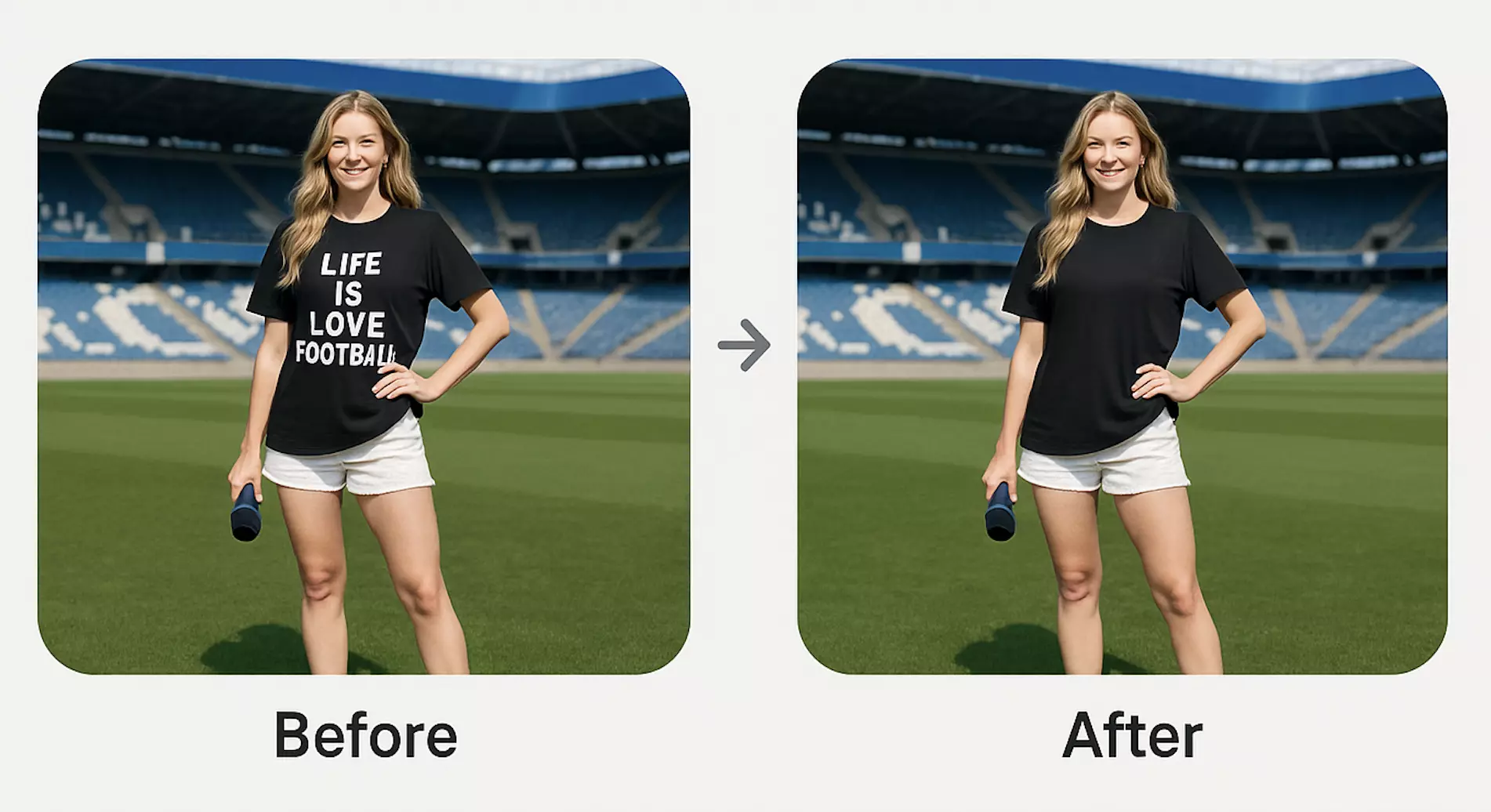
Note: Only edit visuals you own or have rights to use. If you remove watermarks or logos, do so only on assets you’re authorized to modify; watermark removal must not be used to circumvent copyright.
Advanced techniques: masking precision, prompt hints, and background regeneration
- Masking precision
- Use a slightly smaller brush for edges around your product.
- Remove passersby in parts. Complex scenes often look cleaner when you inpaint smaller regions sequentially.
- Prompt hints (if available)
- Some AI editors accept short context hints like “continue brick wall” or “extend café floor tiles.” Keep prompts literal and visual.
- Background regeneration
- If removing a crowd leaves a large gap, try regenerating part of the background. Use a subtle variation that matches lighting and texture direction.
- Finishing touches
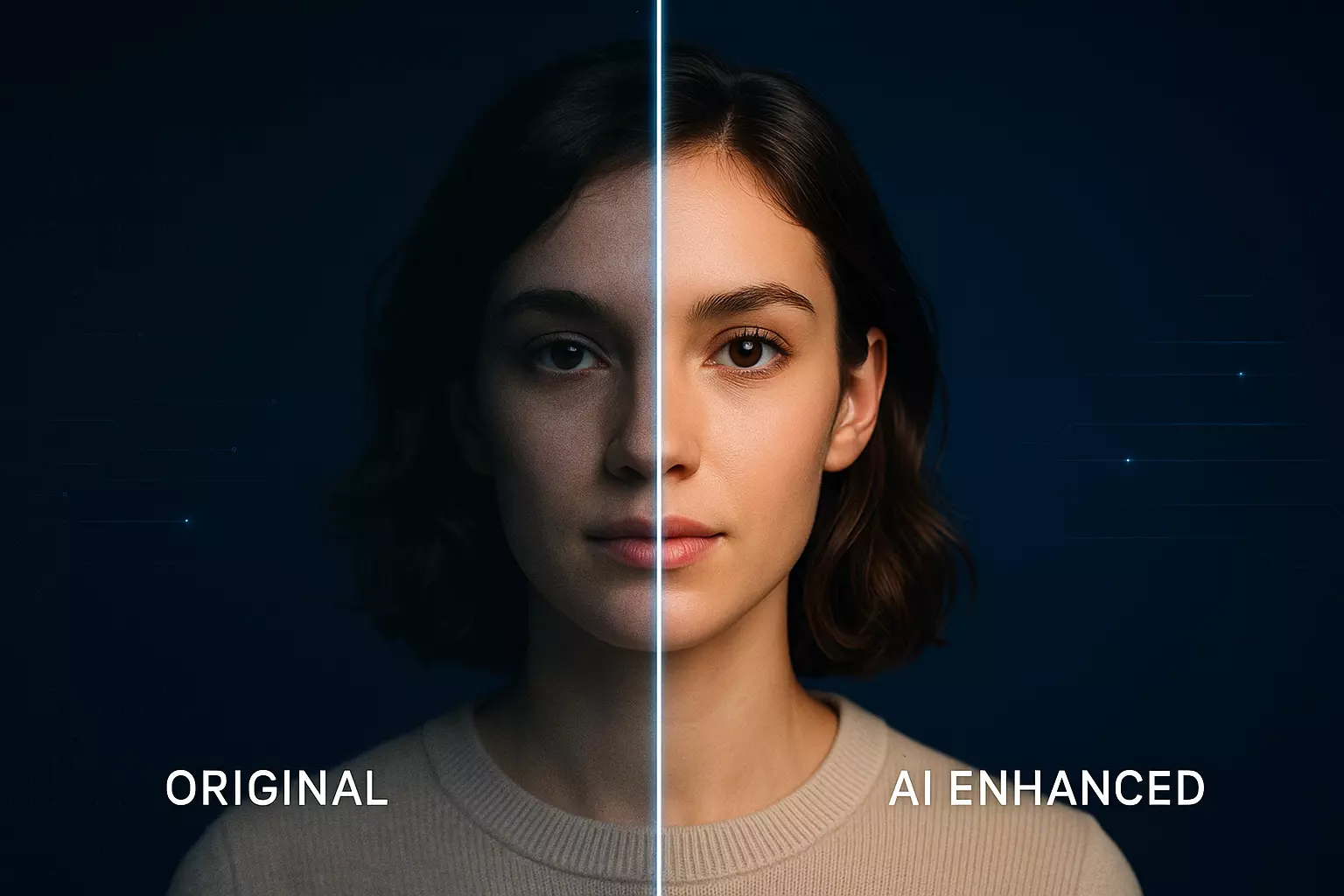
- If the shot feels soft after heavy inpainting, apply light image enhancement to recover clarity and local contrast.
- For series consistency, match color temperature across shots after cleanup.
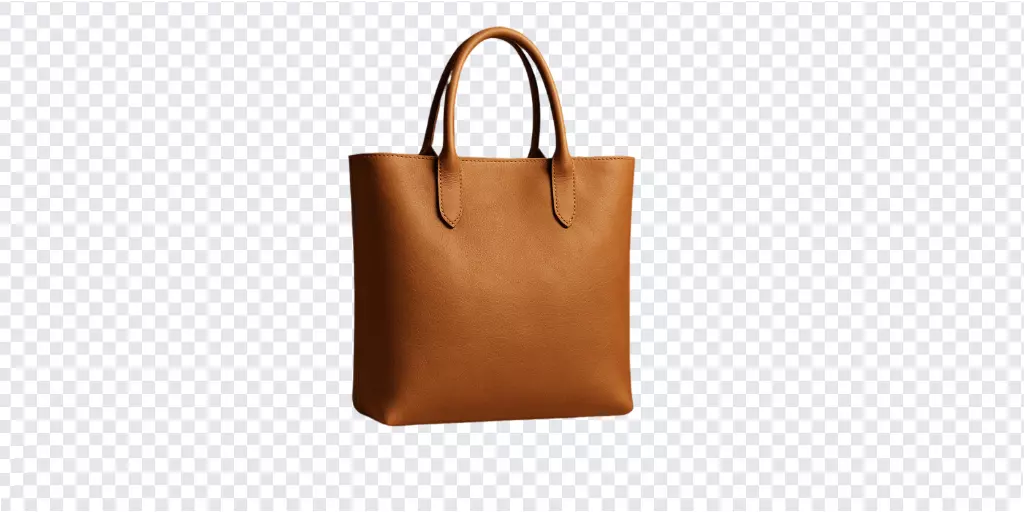
Pixflux.AI can also help with background modification or generation when a scene needs a more on-brand setting (for example, replacing a busy street with a clean studio-style backdrop while keeping the product lighting).
Batch processing for campaign sets while keeping brand consistency
Seasonal campaign? Influencer kits? For dozens of near-duplicate frames, batch is essential:
- Batch upload similar angles and locations to remove bystanders in one pass.
- Apply consistent editing choices (e.g., same brush sizes, similar regeneration approach) so the series looks cohesive.
- After object removal, optionally generate standardized backgrounds for alternate placements (homepage hero vs. marketplace A+), keeping color and texture aligned to brand guidelines.
With Pixflux.AI, you can quickly handle many images in one session and maintain consistent quality across the entire set without jumping between tools.
Before-and-after snapshots: street, café, and travel
- Street sneaker shot
- Before: Two pedestrians behind the subject; crosswalk stripes misaligned.
- After: People removed, zebra lines continuous; asphalt grain consistent; the shoe pops.
- Café tableware
- Before: Busy background with patrons; glass reflections cluttered.
- After: Clean depth behind the product; reflections simplified and realistic; steam detail intact.
- Travel tote at landmark
- Before: Tourists scattered; sky gradients patchy behind heads.
- After: Smooth sky gradient; stone textures continuous; tote remains the visual anchor.
See the visual comparison (see image: side-by-side comparison of a café lifestyle product photo before and after removing passersby, with natural shadows preserved). For texture fidelity, zoom into the travel shot’s stonework and glass reflections (see image: close-up crop of a travel scene where background texture and reflections remain coherent after people removal).
Legal and ethical guardrails: privacy, model releases, and public spaces
- Respect privacy and rights: Use object removal on images you own or are licensed to edit. Obtain model releases when subjects are intended to be recognizable.
- Public space norms: Even in public, avoid using identifiable people in ads without consent. Removing bystanders is a safer default.
- Watermarks and logos: Only remove them when you are the rights holder or have explicit authorization. Do not use watermark removal to bypass copyright or platform rules.
AI online tools vs traditional software or outsourcing
- Time cost
- AI online tools: Minutes per image; batch options accelerate sets.
- Traditional desktop/outsourcing: Longer turnaround, delays across handoffs or heavy PSD workflows.
- Learning curve
- Online: Minimal onboarding; “brush-select and run” inpainting is intuitive for marketers and creators.
- Desktop: Powerful but complex; requires retouching expertise to match textures and shadows manually.
- Batch efficiency
- Online: Bulk processing reduces repetitive steps and keeps output consistent across angles.
- Traditional: Manual repetition increases drift in quality and timing.
- Cross-team fit
- Online: Easy to share previews and iterate quickly without passing large files.
- Traditional: Review cycles often require exports or complex file management.
Pixflux.AI exemplifies the browser-first approach: quick to learn, fast to iterate, and built for modern ecommerce workflows where “good, consistent, and fast” wins.
FAQ: tools, natural results, limits, batch use, and troubleshooting
How do I make sure the result looks natural after removing passersby?
Focus on edges, shadows, and texture continuity first. Zoom in at 200% around your product edges, check that shadows don’t float, and verify repeating patterns (bricks, tiles, table grain) stitch smoothly. If something feels off, refine the mask and re-run the fill on smaller areas. Slightly adjust lighting or apply gentle enhancement to blend the patch.
Can I batch remove people for a large campaign set?
Yes, batch processing helps maintain consistency and speed. Group images by angle or location and process them together so inpainting choices match. With Pixflux.AI, batch upload makes it practical to clean dozens of frames in one session and keep a uniform look across deliverables.
What if reflections or glass look odd after removal?
Regenerate the affected area in smaller passes and refine your mask near reflective edges. Reflections and glass are sensitive because they mix foreground and background information. Work in stages (top half, then bottom), and tweak exposure or clarity slightly after inpainting. If needed, regenerate a slightly larger patch so the reflection has room to recompute.
Will removing people degrade image quality?
No, not when using a modern object removal with strong inpainting. Quality dips typically come from over-large masks or low-res inputs. Use the highest-resolution source and remove subjects in sections. If softness appears, apply a subtle image enhancement pass to restore micro-contrast without over-sharpening.
Is it legal to erase bystanders from public photos for ads?
Generally yes if you own the rights to the image, but you must follow platform and local laws. Public space doesn’t guarantee ad usage rights for identifiable subjects. Removing bystanders is a safer path. Always ensure you’re authorized to edit the photo, and avoid removing watermarks or logos without permission.
What sizes or crops should I export for marketplaces and social?
Export per-channel, starting from the highest-resolution edit. Common baselines: 1080×1350 for Instagram portrait, 1200×628 for link ads, and marketplace-specific main images (e.g., square 2000×2000 for many catalogs). After removal, crop and compress per platform guidelines to retain crisp edges.
Can I remove logos or watermarks in the background?
Only if you are the rights holder or have explicit authorization. Use watermark removal responsibly and never to bypass copyright or brand guidelines. Platforms may penalize misuse; keep a compliance-first workflow.
Wrap-up and next steps
Cleaner lifestyle photos convert better, pass ad checks more consistently, and respect bystander privacy. With stronger AI inpainting and the rise of browser-based editors, you can deliver privacy-safe advertising images without sacrificing authenticity—or your timeline. For a fast, repeatable workflow that scales to campaigns, try an AI tool to erase passersby and keep your product the true hero.
Three-step recap with Pixflux.AI:
- Upload your image
- Let AI remove passersby and rebuild the background
- Download a clean, natural-looking result
When you’re ready to clean up your next set of café, street, or travel shots, open Pixflux.AI’s remove random people from photo tool and turn cluttered scenes into privacy-safe, high-converting product visuals in minutes.