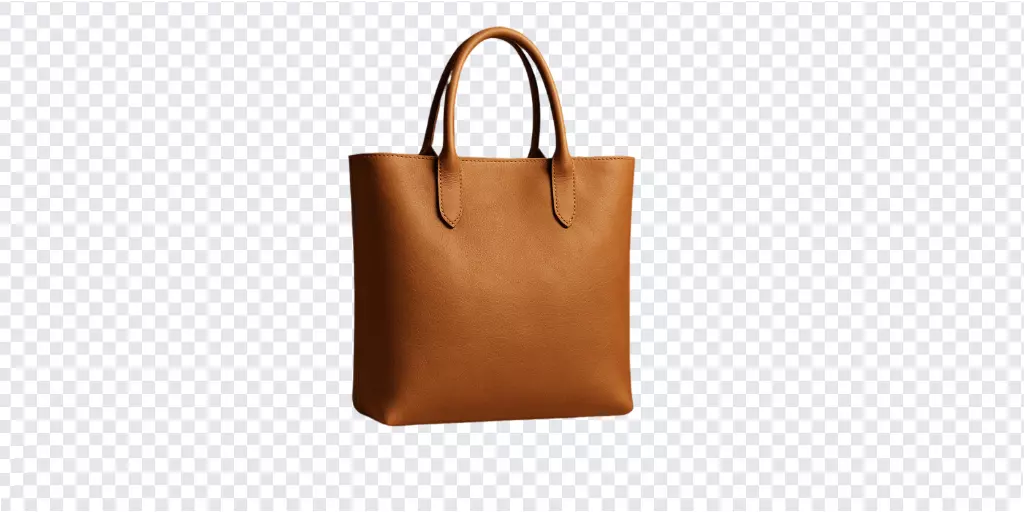
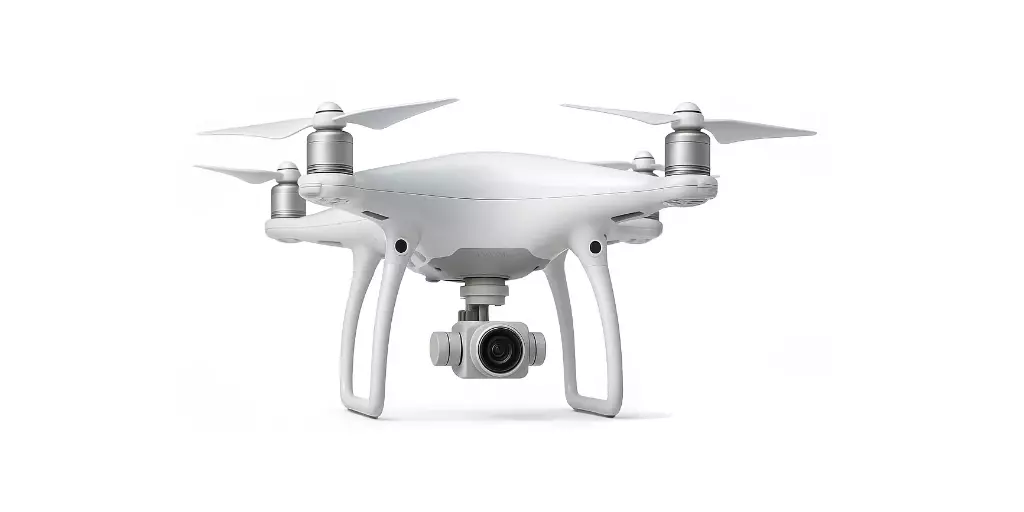
Add Background Online for Small Business Teams That Need Faster, More Flexible Product Visuals
Need cleaner product photos fast? Here’s how small teams add backgrounds online, batch edits, and ship on-brand visuals for ads, stores, and socials.
 Emily CremerMarch 9, 2026
Add Background Online for Small Business Teams That Need Faster, More Flexible Product Visuals
If you run a small e-commerce store or manage social media for a local brand, you’ve probably felt the crunch: you need clean, on-brand product images for ads, storefronts, and daily content—but there’s no time for complex software or lengthy photoshoots. Meanwhile, 2026 marketplace rules and ad platform best practices increasingly favor clean, consistent backgrounds that align with your brand’s palette and style.
The good news is that browser-based AI tools have matured. You can now add background online in minutes, generate seasonal scenes for promos, remove watermarks you legitimately own, and clean up stray objects—without a steep learning curve. In this guide, we’ll show you how to add background online the practical way, using a lightweight workflow that small teams can run any day of the week.
The business case in 2026: why small teams add backgrounds online
Short-form social media and ad platforms reward speed and variation. When you can spin up multiple background options—brand-color, lifestyle, seasonal—you A/B test faster and find winners sooner. Add the fact that generative background quality is now markedly better at edges and shadows, and using an online background generator is no longer a compromise; it’s a production advantage.
- Faster launches: Turn one product shot into 5–10 variants for ads and storefronts in under an hour.
- Platform compliance: Maintain clean, distraction-free looks preferred by marketplaces and ad networks.
- Brand coherence: Align backgrounds with color palettes, lighting, and scenes that match your identity.
- Cost control: Reduce studio time and the need for specialized software for every minor edit.
Key concepts: background layers, cutouts, lighting, and color harmony
Understanding a few fundamentals helps you get pro-looking results from day one.
- Clean cutouts: The “subject” (your product) should be crisply separated from its original background. Look for smooth edges around hairlines, straps, and reflective surfaces.
- Lighting consistency: Match the background’s light direction and intensity to the product’s shadows and highlights. If your product is lit from the left, add a background that agrees with that.
- Color harmony: Pair backgrounds with your brand palette and ensure the product still stands out. Use complementary or analogous hues and control saturation so the product remains the hero.
- Depth and shadows: Add a subtle contact shadow under the product and a soft drop shadow if appropriate. This prevents the “sticker” look and adds realism.
- Resolution and cropping: Export at platform-recommended sizes (e.g., 2000–3000 px on the longest side for marketplaces; 1080–1920 px for social stories) and keep aspect ratios consistent.
Online background generators vs desktop editors
Desktop editors are powerful, but small teams don’t always need the full stack for daily product updates. Here’s how to think about the trade-offs:
- Time to result: Online background generators let you go from upload to download in minutes; pro desktop tools often require detailed layer work and masking.
- Learning curve: Browser tools automate cutouts, shadows, and color balance; desktop options can demand extensive training and plugin management.
- Batch efficiency: Small teams often work in bursts—dozens of assets in a single sitting. Online tools streamline bulk actions without setting up complex actions or scripts.
- Flexibility: Need quick seasonal or lifestyle variants? Generative backdrops now produce consistent, brand-ready scenes that match your product’s lighting and perspective.
- Collaboration: It’s easier for non-designers to preview, request tweaks, and approve browser-based edits without shipping PSDs back and forth.
Step-by-step: add background online to product photos without design software
Here’s a straightforward workflow you can repeat for ads, storefronts, and social media product images.
1) Prepare your source image
- Choose a photo with good lighting and a clear subject.
- Shoot against a simple backdrop if you can—but modern AI can also remove complex backgrounds reliably.
2) Remove or clean the existing background
- Start with a background removal step to isolate the product.
- If needed, remove stray objects (e.g., cables, reflections) and fix minor defects.
3) Add or generate a new background
- Pick a solid color that maps to your brand palette, a studio gradient, or a lifestyle scene.
- Check edges, perspective lines, and add a subtle shadow for realism.
4) Tune and enhance
- Improve clarity and contrast so details pop in thumbnails and feeds.
- Balance white levels to avoid color casts.
5) Export for your destination
- Save web-friendly files at the right aspect ratio for Marketplace, Instagram, TikTok, or your site CMS.
- Keep a consistent naming scheme to simplify content scheduling.
Pixflux.AI walkthrough: upload, AI process, and download in minutes
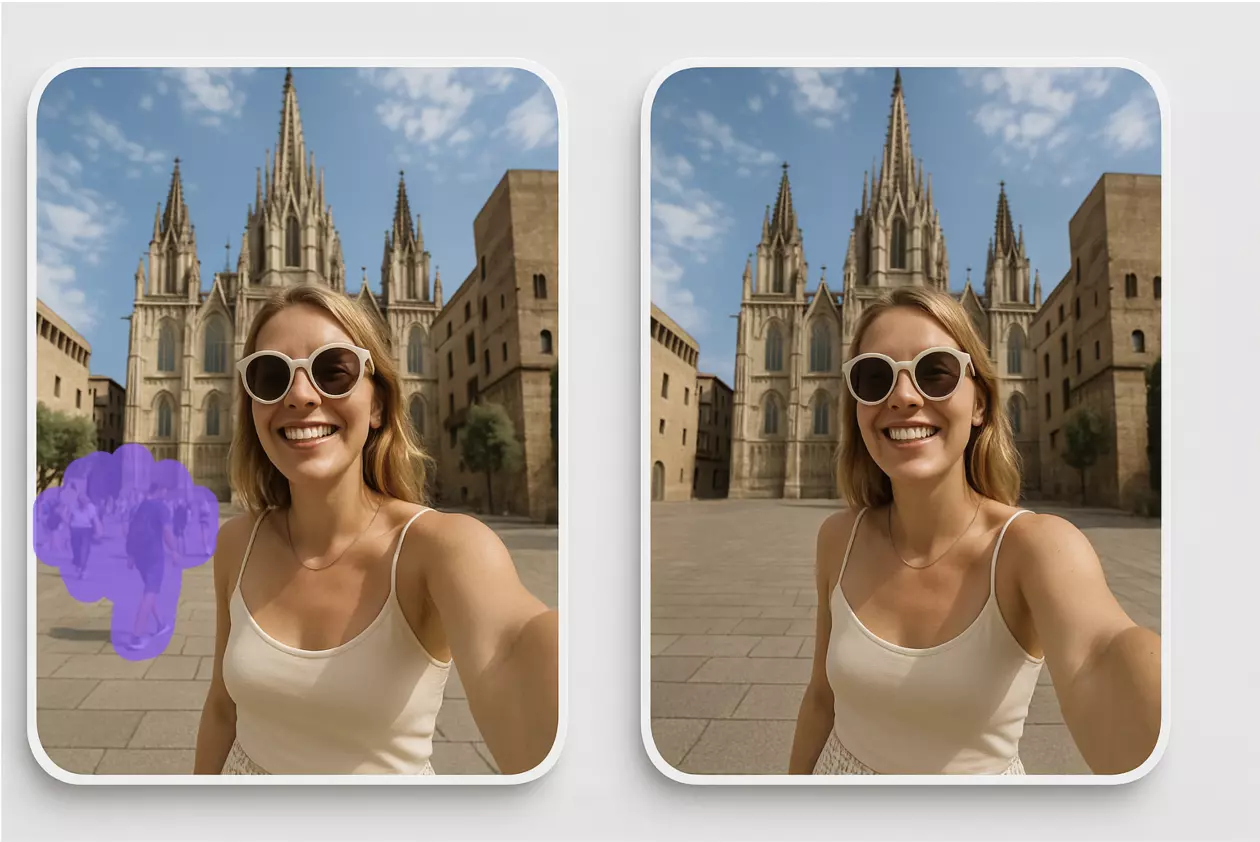
Let’s put it into practice with Pixflux.AI as a hands-on example. It handles background removal, AI background generation, watermark cleanup (for assets you own), image enhancement, and batch processing—all inside the browser.
1) Open the online background generator
- Go to the Pixflux.AI background tool page in your browser.
2) Upload your original image
- Drag and drop a single product shot or select multiple images if you plan a batch session.
3) Choose the tool and let AI process the image
- Start with background removal to isolate the product.
- Apply background generation or background replacement to create brand-color, seasonal, lifestyle, or studio backdrops.
4) Preview and fine-tune
- Zoom in on edges, adjust shadows and brightness, and remove any extra objects the camera picked up.
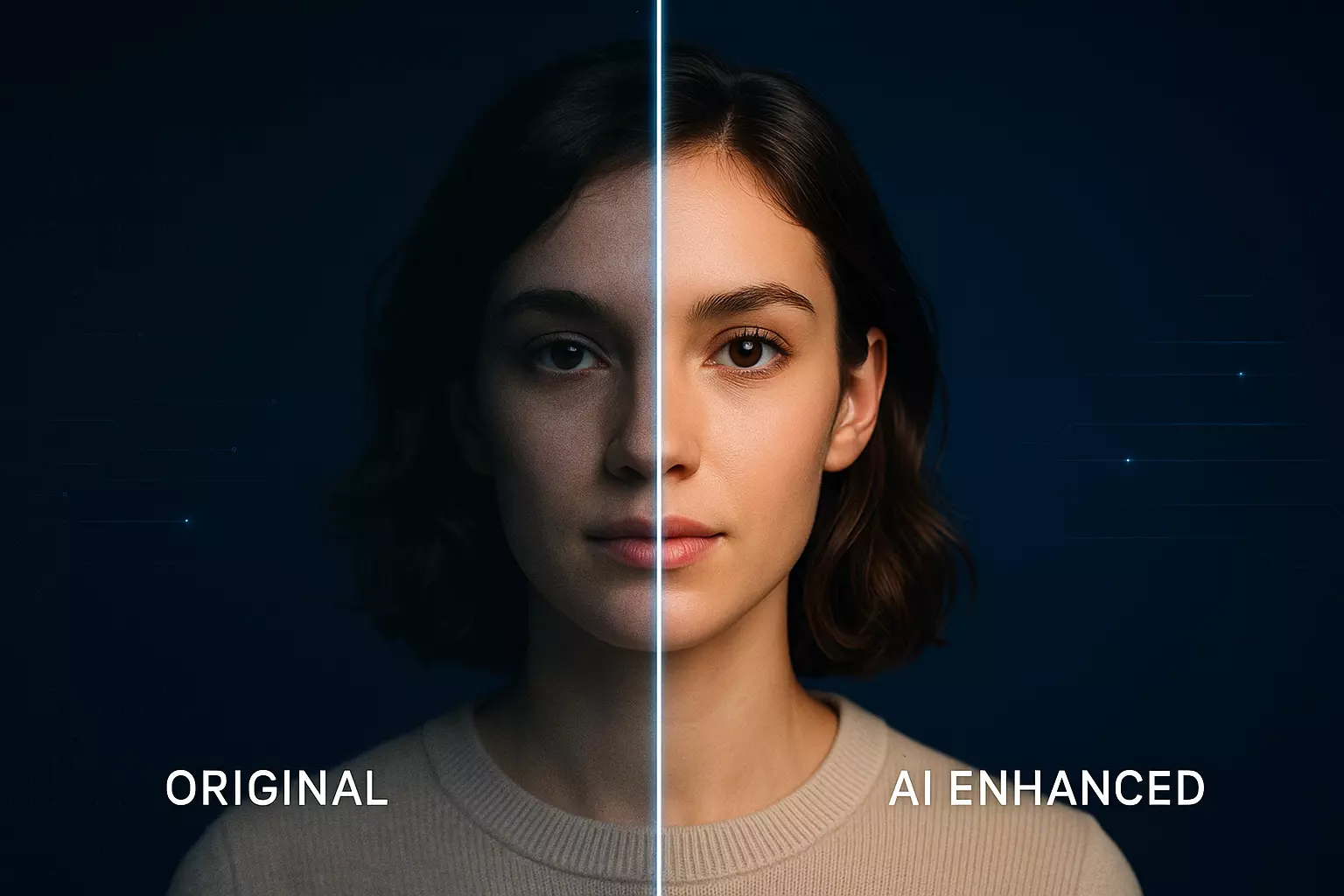
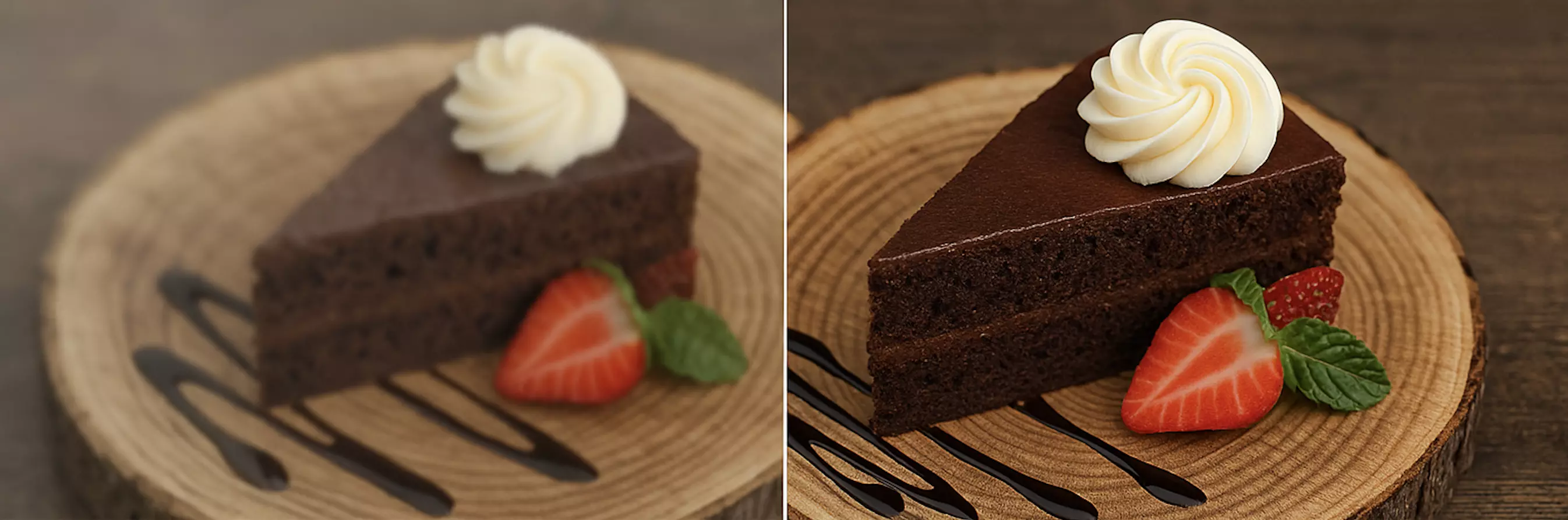
- Use image enhancement to sharpen details and balance contrast without overdoing saturation.
5) Download the final image
- Export in your preferred format and size, then repeat for variants or batch-download when ready.
(See image: Three-step Pixflux.AI interface screenshot showing upload → AI processing → download result)
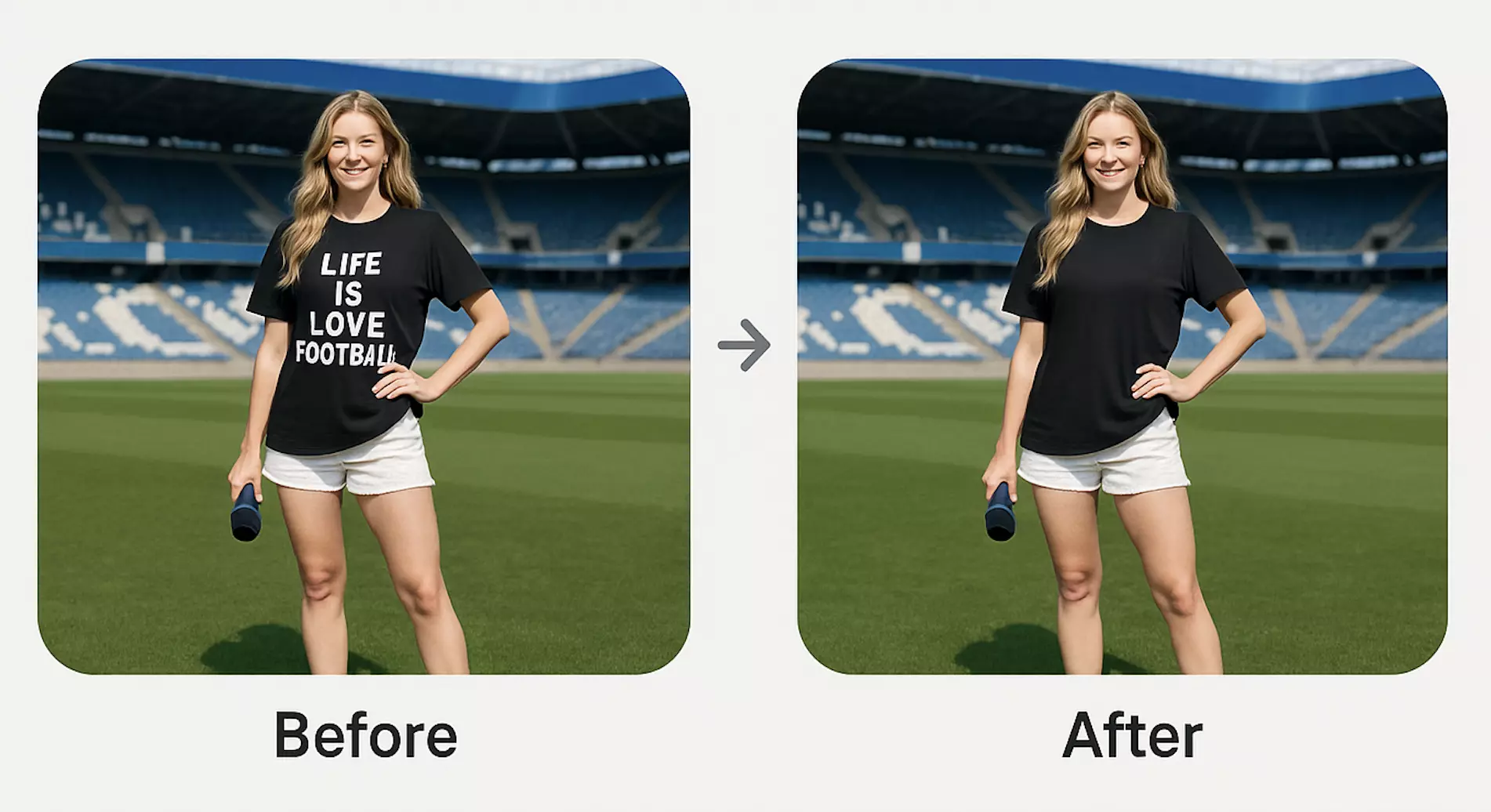
Tip: If your original photos carry your own watermark or logo and you want a clean ad version, use the watermark removal feature to prepare a compliant, distraction-free image. Only remove watermarks from images you own or are authorized to edit.
Creative presets: brand-color, seasonal, lifestyle, and studio backdrops
Mix and match background styles to match campaigns and platforms:
- Brand-color solids: Drop your hex codes in and generate subtle gradients or textures that foreground your product while reinforcing brand identity.
- Seasonal scenes: Create winter, summer, or back-to-school vibes for promos without reshooting. Keep props minimal so your product remains the focal point.
- Lifestyle settings: Place the product in a room, on a counter, or outdoors for context, being careful with perspective and scale so it looks natural.
- Studio backdrops: Crisp white, light gray, or soft shadowed surfaces for marketplaces and minimalist storefronts.
(See image: A grid of ecommerce product shots demonstrating brand-color, seasonal, and lifestyle backgrounds generated online)
Quality control checklist: edges, shadows, perspective, and resolution
Before you publish, run a quick QC pass:
- Edges: No halos, jaggies, or leftover pixels around fine details like straps, strings, or transparent parts.
- Shadows: A realistic contact shadow grounds the product; ensure its direction matches the product’s lighting.
- Perspective and scale: Lines and vanishing points should make sense relative to the product’s shape.
- Texture and noise: Avoid overly smooth or overly noisy backgrounds; keep detail where it matters.
- Resolution: Export at the platform’s recommended pixel dimensions with minimal compression artifacts.
- Color management: Verify your background color aligns with the brand palette and doesn’t overpower the product.
Team workflow: batch processing, file naming, and approval loops
Small teams thrive on repeatable steps:
- Batch flows: Queue multiple product shots for consistent background removal, background generation, and global adjustments. Pixflux.AI supports handling many images in one go so you’re not editing piece by piece.
- Naming conventions: Adopt a structure like brand_sku_color_background-type_variant-number (e.g., “acme_4210_black_studio_v2”). This helps marketing and merchandising teams stay in sync.
- Approval loops: Share preview images internally for quick thumbs-up/down. Lock final dimensions (e.g., 2000×2000 px square for marketplaces; 1080×1350 for social) before scheduling.
(See image: Before/after of the same product where background is removed, watermark removed, and a new studio backdrop added in Pixflux.AI)
Case study: a 4-week test on product visuals
A US apparel micro-brand ran a 4-week A/B test on product ads. Variant A used legacy photos with inconsistent backgrounds; Variant B used clean studio backgrounds plus seasonal lifestyle variants generated online.
- CTR uplift: Variant B delivered an 18% higher click-through rate across Meta and TikTok placements.
- Conversion: On-site product page engagement (image zooms and carousel progress) increased by 12%.
- Image quality score: Internal reviewers rated Variant B 1.3 points higher on a 5-point scale for clarity and brand fit.
While results vary by category and creative, the pattern is consistent: faster iteration on backgrounds leads to more testing, better fit to each placement, and improved performance.
Compliance and ethics: watermarks, licensing, and truthful depiction
Keep your edits above board:
- Watermarks and logos: Only remove watermarks from images you own or are licensed to modify. Do not use watermark removal to infringe copyrights or bypass platform rules.
- Licensing: If your background includes branded elements or recognizable locations, ensure you hold the right permissions.
- Truthful depiction: Avoid backgrounds that misrepresent product size, color, or functionality. Deceptive imagery can harm customer trust and violate ad policies.
AI tools vs traditional methods: time, skill, and scalability
Here’s a quick contrast between a browser-based AI tool like Pixflux.AI and traditional workflows.
- Time cost
- AI tool: Minutes from upload to finished image; create multiple variants quickly.
- Desktop/outsourcing: More coordination, manual masking, and back-and-forth revisions.
- Learning curve
- AI tool: Intuitive steps; non-designers can produce consistent outputs.
- Desktop/outsourcing: Requires advanced skills or detailed briefs to third parties.
- Batch efficiency
- AI tool: Process many images in one sitting with uniform settings.
- Desktop/outsourcing: Repeating manual steps or issuing separate change requests slows momentum.
- Cross-team adaptability
- AI tool: Marketers, founders, and content managers can all make small updates without waiting on a specialist.
- Desktop/outsourcing: Specialized software or vendor cycles can bottleneck day-to-day tasks.
FAQ: add background online for ads, storefronts, and social media
Can I use online tools to add backgrounds for marketplace listings and ads?
Yes—clean, brand-consistent backgrounds are widely accepted and often preferred. Just follow each platform’s guidelines: some marketplaces require white or near-white studio backgrounds for main images, while ads often benefit from brand-color or lifestyle scenes. Always keep the product clearly visible and avoid misrepresentation.
How do I keep edges and shadows looking natural?
Use AI-powered cutouts and add a subtle contact shadow that matches the product’s lighting direction. Zoom in around fine details—laces, straps, transparent packaging—and check for halos or jagged pixels. If needed, nudge the shadow intensity and blur radius so it looks grounded but not heavy-handed.
Does Pixflux.AI support batch product photo editing?
Yes—batch processing lets you handle multiple images in a single session for consistent results. Upload several product shots, apply your background settings, preview a few samples, then download the set. This is ideal for seasonal updates, catalog refreshes, or building A/B test variants at scale.
Is it legal to use a watermark remover on my images?
Yes—if you own the images or have clear permission to edit them. Removing watermarks from third-party images without authorization may violate copyright and platform rules. Limit watermark removal to assets you control (e.g., your studio images) to stay compliant.
What sizes and aspect ratios should I export for social media product images?
Export square (1:1) or vertical (4:5) for feeds and 9:16 for stories and reels. Common starting points include 1080×1080 for feeds, 1080×1350 for vertical posts, and 1080×1920 for stories/reels. For marketplaces, aim for 2000–3000 px on the longest edge to retain detail in zooms.
How can I maintain brand consistency across many backgrounds?
Define a palette, lighting profile, and 2–3 backdrop styles (studio, lifestyle, seasonal) and reuse them. Document hex codes, preferred shadow settings, and framing rules so everyone on your team can reproduce the look. Batch process images to keep global adjustments aligned.
Are my images safe when using an online background generator?
Reputable tools treat user uploads with care, and you should review each provider’s privacy policy. As a best practice, avoid uploading sensitive data embedded in images and maintain original files in your own storage. Export only what you plan to publish.
Quick-start: 3-step recap for everyday edits
When you’re moving fast, stick to the essentials:
1) Upload your image to Pixflux.AI 2) Let the AI remove the background and generate or apply a new one 3) Download your final image in the right size for its destination
What to do next
If you want faster campaign turnarounds and cleaner visuals across ads, storefronts, and social, adopt a repeatable flow: cut out the product, generate a backdrop that fits your brand, and QC before export. With Pixflux.AI, you can go from idea to publishable creative in minutes, scale to batches, and keep image quality high without complex software.
Ready to add backgrounds to images online and ship more winning visuals this week? Try Pixflux.AI and turn one product shot into multiple on-brand variants—fast.