Change Background of Photo Online Free for Social Posts, Ads, and Product Shots
Swap photo backgrounds in minutes. Learn a free 3-step workflow for clean cutouts, realistic lighting, and perfect exports for social, ads, and shops.
 Sierra CappelenMarch 8, 2026
Change Background of Photo Online Free for Social Posts, Ads, and Product Shots
Your product looks great in real life, but the photo’s kitchen-counter background says “casual snapshot,” not “ready for Instagram, TikTok, or a marketplace listing.” Maybe your brand is rolling out a new gradient style this week, or your ads need a cleaner look to pop in a crowded feed. Either way, changing a photo background is usually where the workload (and cost) spikes—tedious cutouts, tricky edges, and countless exports for each platform.
In 2026, browser-based AI makes this problem solvable in minutes. Creators and small brands can now change background of photo online free, maintain consistent lighting, and export at the right size without the Photoshop learning curve. If you’re looking for a fast, practical path from messy original to on-brand visual, start with a streamlined web flow to change background of photo online free.
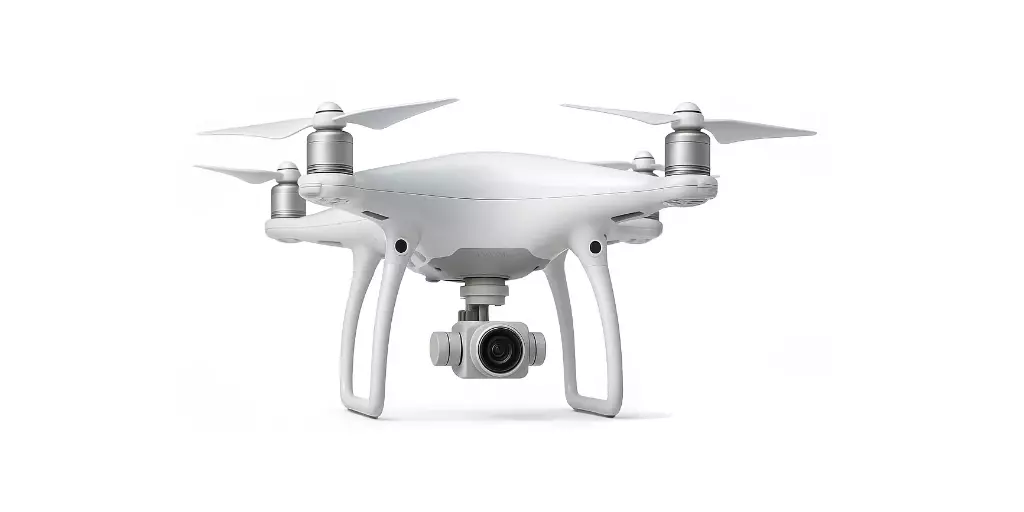
(See image: Before-and-after comparison of a product shot with the background replaced by a clean white scene and matched soft shadows.)
Why change a photo background for social posts, ads, and product shots
- Social posts: Keep a consistent brand look (color gradients, textures), match seasonal themes quickly, and maintain a cohesive grid without reshooting.
- Ads: Stand out in fast-moving feeds; isolate the subject, create contrast, and test multiple background variants to lift CTR.
- Ecommerce product photos: Meet marketplace specs (e.g., pure white main image), reduce distractions, and highlight product details for higher conversion.
Beyond aesthetics, background control is a production advantage. With reusable background styles and fast AI cutouts, you can scale variations across channels in hours instead of days.
How background replacement works (and why realism matters)
A believable composite hinges on four things: 1) Cutout quality: Accurate subject isolation, especially around hair, fur, and fine edges. 2) Edge treatment: Avoid halos and color fringing where the old background bled into edges. 3) Shadows and contact: A subject floating without shadow looks fake; soft, directional shadows anchor the object. 4) Lighting and color balance: Match temperature, contrast, and saturation to the new scene for cohesion.
Modern AI tools automatically handle most of this—removing the background, cleaning edges, estimating natural shadows, and balancing brightness/contrast. You can then fine-tune colors or shadow softness to fit your brand’s style.
Online vs desktop tools: when a free web editor is better
- Time to value: Web tools are instant—drag, drop, done. No installs or updates.
- Learning curve: You don’t need masking or compositing expertise to get pro-grade results.
- Cost and scale: For teams testing many options, free browser workflows beat paid licenses for light-to-moderate workloads.
- Batch workflows: Web tools built for creators can process multiple images and repeat looks across assets quickly.
- Collaboration: Anyone on the team can produce consistent outputs without handoffs or specialized software.
For many creators, a web-first approach is enough for 90% of use cases. Desktop suites still shine for advanced retouching, but for social, ads, and product shots, web AI delivers speed and quality that meets today’s standards.
Quick workflow to change background of photo online free in three steps
1) Upload your original image Choose a high-resolution file with the subject clearly visible.
2) Remove or replace the background with AI Use an AI tool to isolate the subject, then pick a new background (solid, gradient, texture, or a brand scene).
3) Balance light and export Fine-tune shadows, color, and crop for the target platform; download PNG for transparency or JPG for lightweight ads.
(See image: Pixflux.AI interface showing the 3-step flow: upload the original photo, AI processes the background change, download the result.)
Walkthrough: change a background free in Pixflux.AI (Upload → AI Process → Download)
Pixflux.AI is a fast way to cut out subjects, swap in on-brand backgrounds, remove stray elements, and enhance clarity. Here’s a concise flow you can apply to a single hero shot or a batch of images.
1) Open the tool Head to Pixflux.AI’s free online photo background changer.
2) Upload your image Drag and drop a product, portrait, or lifestyle photo. Higher-resolution images yield cleaner edges and better shadow estimation.
3) Choose the right action and let AI process
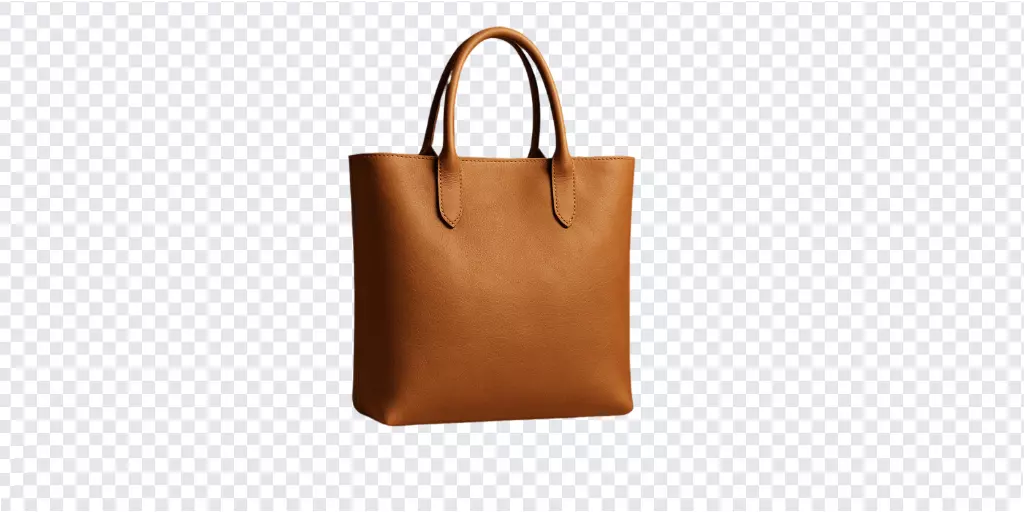
- Remove a busy background for a clean white marketplace-ready look.
- Replace with a custom gradient, texture, or a generated scene that fits your brand.
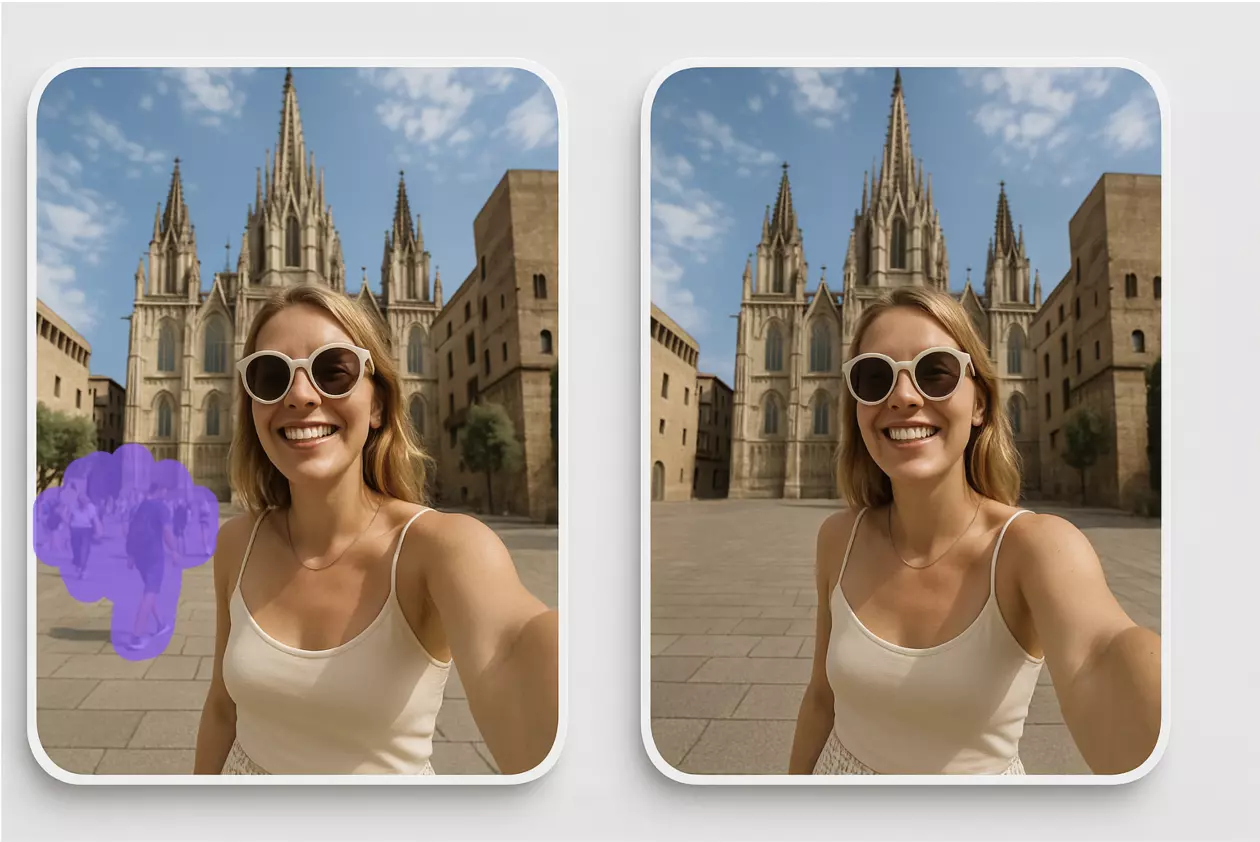
- Clean up with AI object removal (stray cords, reflections, photobombers).
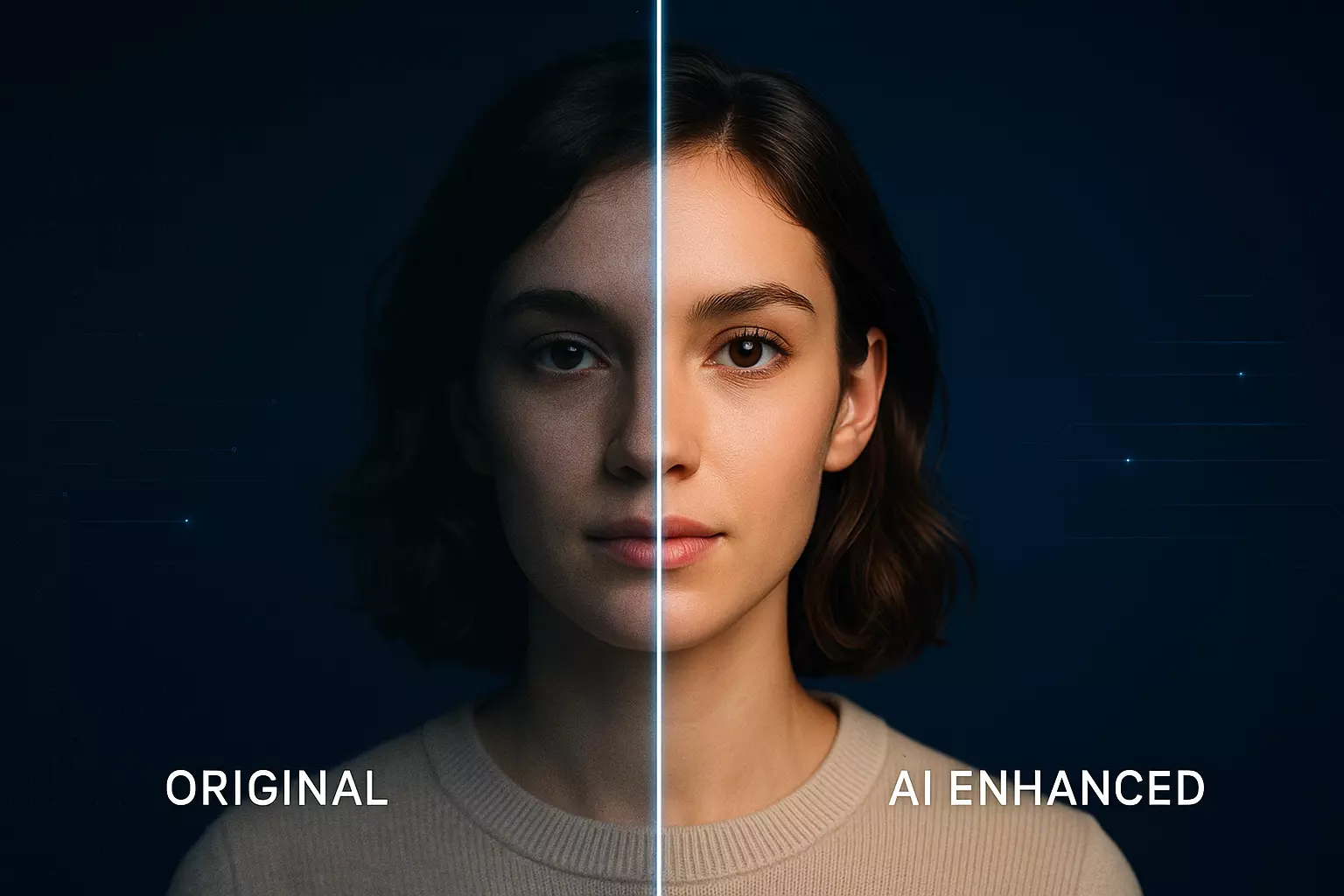
- Optionally enhance clarity, contrast, and details to make the subject pop.
4) Preview and fine-tune
- Tweak background color or intensity to keep the subject dominant.
- Adjust shadows so the subject looks grounded (not floating).
- If needed, rebalance warmth/contrast to match the new scene.
5) Download the result Export as PNG (transparent or layered feel) or JPG (lightweight for ads and social). Repeat with variations to test multiple backgrounds quickly.
Tip: If you have a series of catalog images, batch them in one session to keep lighting, color, and margins consistent across the set.
Choosing backgrounds that fit your goal
- Solid colors: Clean, high-contrast backgrounds keep focus on the subject; great for product thumbnails and ad testing.
- Brand gradients: Subtle two-tone gradients add style while staying lightweight for mobile feeds.
- Scenes: Generate or select a minimal setting (studio-like, tabletop, soft room ambiance). Avoid clutter that competes with the subject.
- Textures: Paper, concrete, fabric, or wood can add tactile feel for lifestyle posts—keep them low-contrast to avoid stealing attention.
For ecommerce main images, stick to pure white. For social, lean into your brand system—define 2–3 go-to gradients and one neutral texture so teams can move fast without case-by-case decisions.
(See image: Lifestyle social post where the subject is cut out and placed on an on-brand gradient background with balanced lighting and color.)
Match light, color, and perspective for realistic composites
- Directional light: Check where light hits your subject. Align shadow direction and softness in the new background.
- Color temperature: If the subject is warm (indoor tungsten), slightly warm the background or cool the subject to meet in the middle.
- Contrast and saturation: Raise micro-contrast for products; keep skin tones natural for portraits.
- Perspective and scale: Place the subject so horizon lines and scale cues feel natural. Slightly blur busy backgrounds to imply depth.
A quick before/after check: Zoom out to feed view (mobile size). If the subject still reads clearly and nothing feels “off,” you’re ready to export.
Export presets for Instagram, TikTok, ad platforms, and marketplaces
- Instagram posts: 1080×1080 or 1350×1080 (portrait). JPG is fine for feeds; PNG for graphics with transparency.
- TikTok/Reels: 1080×1920 vertical. Keep key elements within safe-center to avoid UI overlays.
- Facebook/Instagram ads: 1080×1080 or 1200×628 (1.91:1 rectangle). Minimize file size for faster load; keep text under platform limits.
- Google Display & YouTube thumbnails: Prioritize legibility at small sizes; avoid overly thin details.
- Amazon/eBay/Etsy product images: Pure white for main images; at least 1000 px on the longest side for zoom features; keep the product filling most of the frame (check each marketplace’s latest rules).
When in doubt, export at the platform’s recommended dimensions and test compression quality (70–85 JPEG quality is a good balance for ads).
Troubleshooting hard cases: hair, glass, motion blur, and busy scenes
- Hair and fur: Use higher-res images. Choose backgrounds with gentle contrast and add a soft shadow for depth; this reduces edge artifacts.
- Glass and reflections: Place on light, low-contrast backgrounds; adjust exposure slightly upward. If logos show as reflections, use AI object removal carefully.
- Motion blur: AI handles it better than manual tools, but edges can look soft. Counter with gentle sharpening after the background change.
- Busy scenes: If fine details confuse the cutout, try the AI removal again or switch to a simpler background that reduces edge conflicts.
Ethics and rights: watermarks, trademarks, and permissible edits
Only edit images you own or have permission to use. Removing third-party watermarks or trademarks from photos you don’t have rights to is not allowed and may violate platform policies. Use watermark removal only to clean your own assets (e.g., old in-house logos or placeholder marks you added).
Case studies: small wins that compound
- Social ad refresh (beauty brand): Swapped a cluttered bathroom background for a pastel gradient, enhanced contrast, and added a soft drop shadow. CTR lifted by ~18% week-over-week due to cleaner thumb-stop visuals.
- Catalog cleanup (home goods): Batch-removed mixed studio backdrops, replaced with a consistent light-gray scene, and balanced shadows. PDP conversion increased as product pages felt uniform and more premium.
- Creator workflow (fashion): Cut out street portraits, placed on textured paper backgrounds in brand colors, and matched warm light. Saved hours per week while keeping a distinct aesthetic across posts and Reels.
AI web tools vs traditional methods (time, skill, and scale)
- Time cost: Web AI handles cutouts, edges, and shadows in seconds; manual masking can take 10–30 minutes per image.
- Skill barrier: Non-designers can achieve pro results quickly; traditional suites require training and practice.
- Batch efficiency: Online tools process sets consistently; manual edits often drift in look and margins.
- Cross-team speed: Marketers, photographers, and founders can ship assets same-day without back-and-forth.
Pixflux.AI in particular shines when you need rapid background removal and replacement, quick object cleanup, and quality boosts—without jumping between multiple apps.
FAQ: change background of photo online free and common issues
Is changing a photo background online really free?
Yes, you can change a background online for free for core tasks. Free tiers typically cover background removal and simple replacements. For heavy workloads or advanced options, you may consider paid usage, but creators and small brands can complete many day-to-day edits at no cost.
Will the results look realistic enough for ads and ecommerce?
Yes, if you balance light, color, and shadows thoughtfully. AI now delivers strong subject isolation and edge handling. To push realism, align the background’s light direction, keep shadows soft and grounded, and avoid busy textures that compete with the subject.
Can I process multiple images in one go?
Yes, batch processing is supported for efficient, consistent outputs. Prepare a small style guide (background color, shadow softness, margins) and apply it across your set. Batch runs help catalogs and ad variations look unified without manual repetition.
Is it safe to upload brand or product images?
Yes, browser-based tools are designed for secure, short-lived processing of images. As a best practice, avoid uploading confidential materials and always keep backups. Review each tool’s privacy policy to ensure it aligns with your company’s standards.
What export format should I choose—PNG or JPG?
Use PNG when you need transparency or crisp graphics; choose JPG for ads and feeds. PNG preserves edges on transparent or semi-transparent elements (e.g., hair against a gradient). JPG keeps file sizes smaller for performance on social and ad networks.
Can I remove watermarks or logos with AI?
Only remove watermarks or logos from images you own or have permission to edit. Watermark removal is for legitimate cleanup of your own assets (like outdated in-house branding). Do not use it to bypass copyright, trademarks, or platform rules.
How do I handle tricky edges like flyaway hair or reflections?
Start with a high-resolution upload and choose a simpler, well-lit background. If you notice halos, slightly warm or cool the background to meet the subject halfway, add a soft shadow for grounding, and apply gentle edge refinement. Avoid harsh, high-contrast backdrops that emphasize tiny artifacts.
Visual placement suggestions
- Before/after pair: Replace a busy tabletop with a clean white or light-gray scene, adding soft shadows for depth.
- Interface view: Show the 3-step flow—Upload → AI Process → Download—so teams see how fast it runs.
- Lifestyle composite: Subject on a brand gradient with matched warmth and contrast.
The 2026 reality: fast, consistent, and on-brand
- Browser AI is now pro-grade for subject isolation and compositing—no heavy installs needed.
- Social and ad platforms reward clean, consistent visuals that load fast and align with brand systems.
- Reusable background templates plus batch processing let small teams scale creative output quickly.
If you’re ready to move faster, open Pixflux.AI and change image background for free. In minutes, you can remove distractions, swap in brand backgrounds, clean stray objects, enhance clarity, and ship platform-ready images that look cohesive across your social, ad, and ecommerce channels.