How AI Background Removal is Revolutionizing Product Photography
Want studio-clean product photos in minutes? See how an AI background remover and batch presets slash edits while keeping edges crisp and on-brand.
 Richard SullivanJanuary 6, 2026
How AI Background Removal Is Revolutionizing Product Photography
In 2025, product photography has two non-negotiables: speed and consistency. Marketplace policies now demand clean, uniform backgrounds. Social and retail channels reward images that load fast and look crisp in every grid. Yet most e-commerce teams still juggle manual masking, complex Photoshop actions, and last‑minute retouching requests—driving up per-image costs and delaying launches.
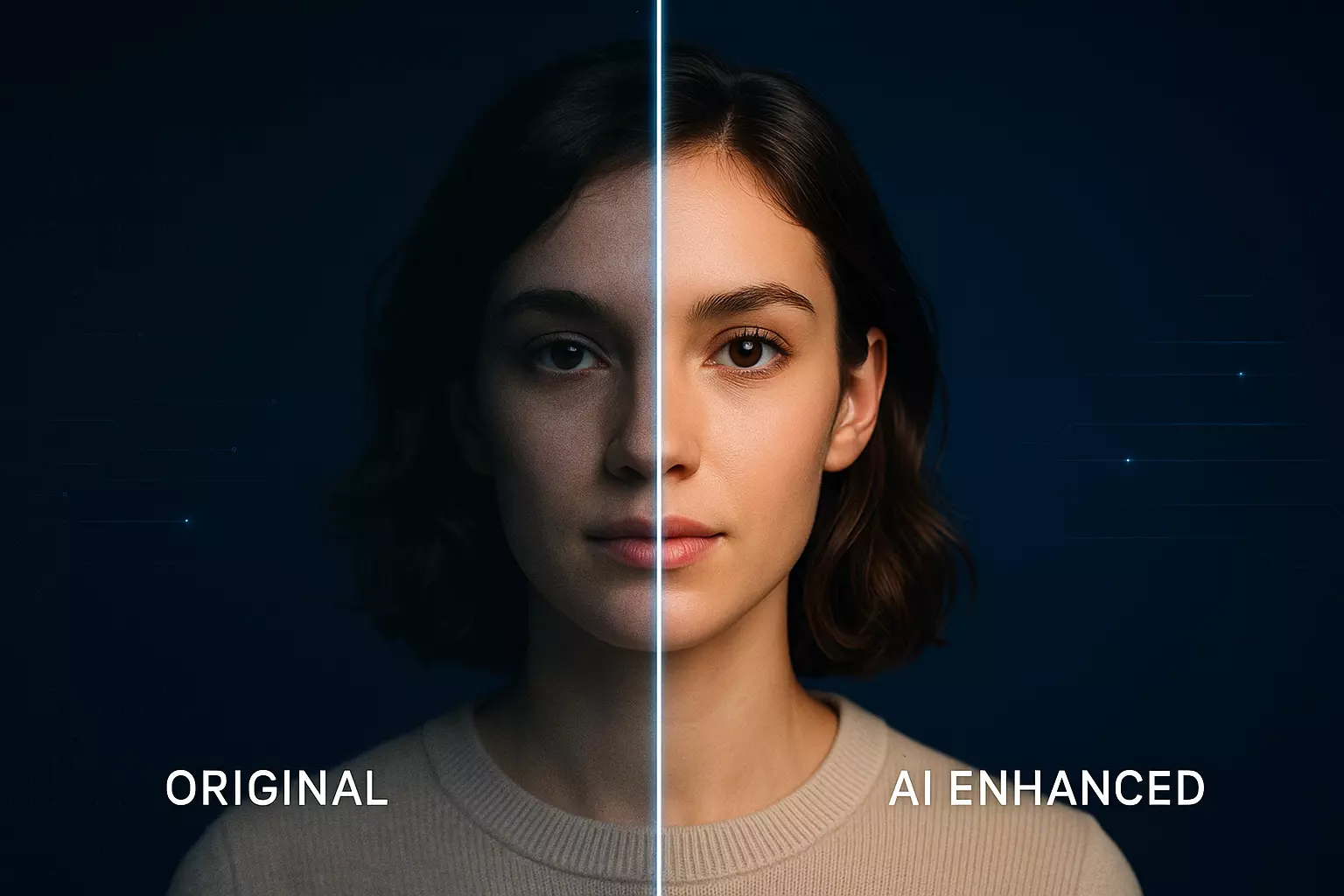
AI changes that math. With modern, edge-aware models, background removal is now sub-second for many product types, and quality holds up even on hair, glass, and chrome. If your workflow still depends on hand-drawn paths or basic lasso tools, it’s time to modernize. A practical entry point is to try an AI background remover that streamlines upload → process → export into one flow, such as Pixflux.AI, so your team can focus on styling and conversion rather than pixels.
(See image suggestion: Side-by-side before/after of a sneaker—original studio backdrop vs clean white background with crisp hairline edges.)
Why background removal matters for product photography in 2025
- Marketplace compliance: Amazon, Walmart, and other platforms require isolated products on white or near-white backgrounds for main images.
- Conversion and clarity: Clean backgrounds improve scannability on mobile and make price and title copy easier to read.
- Brand consistency at scale: Seasonal updates, bundles, and variations need cohesive visual language across hundreds or thousands of SKUs.
- Cost and time compression: Retail teams are prioritizing sub-second background removal to reduce per-image cost and accelerate campaign turnaround.
The takeaway: background control is no longer a creative nice-to-have—it’s an operational advantage.
How AI background removal works: segmentation, matting, and edge fidelity
Modern background removers rely on three pillars:
- Semantic segmentation identifies the product vs the background.
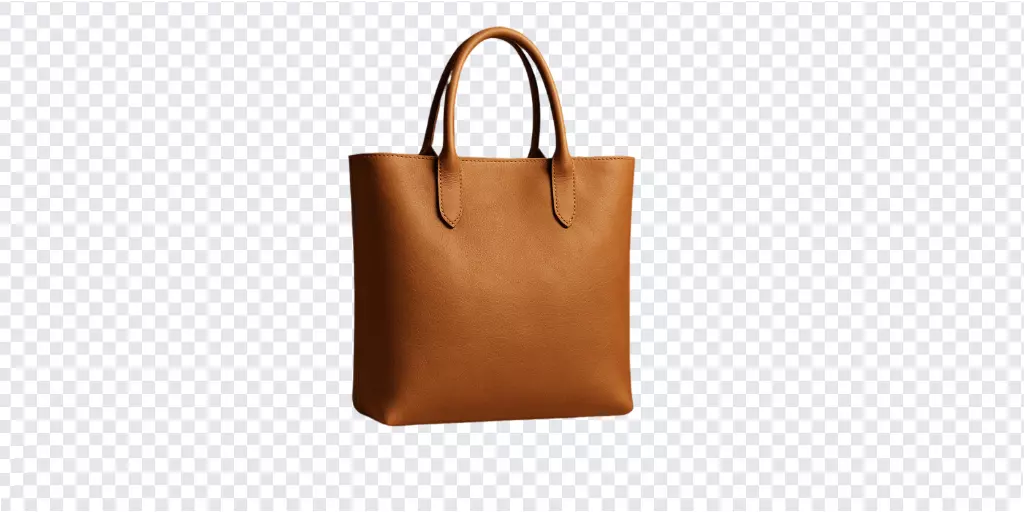
- Alpha matting refines semi-transparent edges (hair, glass, fabric fringes).
- Edge fidelity preserves micro-details and anti-aliases contours so products stay sharp without halos.
Together, these steps produce a clean subject mask and a high-quality alpha channel with minimal manual involvement.
Choosing a background remover: online tools vs desktop suites vs manual editing
- Online tools: Best for speed, low setup, and batch consistency. They’re ideal for teams that need results without managing plugins or licenses. Pixflux.AI fits this profile, with a simple three-step flow and batch handling.
- Desktop suites: Powerful and customizable but require expert operators, constant updates, and more time per image.
- Manual editing/outsourcing: Useful for atypical images or complex composites, but slower and costlier, especially under tight deadlines.
If your catalog has recurring product angles and lighting, an online background remover offers the fastest path to quality and scale.
The fastest AI background removal workflow: upload → process → export presets
A reliable, repeatable workflow keeps editing predictable:
- Upload: Drag-and-drop your raw shots (preferably well-lit, single subject).
- Process: Let the AI separate subject and background; review the preview.
- Export presets: Save your output configuration (e.g., 2000×2000 JPEG for marketplaces, transparent PNG for CMS, background color or gradient for social). Add naming rules like SKU-color-angle to keep sets organized.
This simple pipeline reduces touchpoints while maintaining brand standards.
(See image suggestion: Pixflux.AI interface showing upload → AI preview → download result.)
Pixflux.AI walkthrough: background remover and batch processing in three steps
Pixflux.AI is a practical example of a modern background remover built for e-commerce cadences. Here’s the three-step flow most teams adopt:
- Upload your images
- Drag-and-drop single shots or a batch. Aim for a clear subject with even lighting to maximize edge accuracy.
- Let the AI process
- Pixflux.AI isolates the product, removes the background, and shows a preview. Use quick adjustments if needed (e.g., refine edges, adjust background color).
- Download your results
- Export as PNG with transparency, or set a clean white/brand background and save the final JPEGs. Repeat for batches to keep catalogs consistent.
If you want to try this flow, open the tool and start with the background remover to test a few SKUs before rolling it out to your entire catalog.
Pro tip (advanced 5-step polish): open Pixflux.AI → upload → choose the background removal tool → preview and refine edges/shadows → export with your size and naming presets.
Quality benchmarks and before/after checks for ecommerce-ready images
Use this checklist before publishing:
- Edge clarity: No jagged edges on contours; micro-details (laces, stitching, eyelashes) preserved.
- No halos or fringing: Clean separation without light “glow” around the subject.
- Natural shadows: Soft, realistic shadows or ground contact maintained when needed for depth.
- Color fidelity: No desaturation or spill; product colors match the original.
- Compression and size: Images are optimized for page speed without visible artifacting.
- Consistency: Background tone, crop ratios, and margins align across variants and bundles.
(See image suggestion: Grid of batch-processed catalog images with consistent backgrounds and soft shadows.)
Handling tricky products: glass, chrome, hair, and natural shadows
Certain subjects need a bit more care:
- Glass and transparent packaging: Use backlighting but avoid blown highlights. AI matting has improved for translucency; keep edges readable and avoid over-bright backgrounds.
- Chrome and glossy surfaces: Watch for reflections that mimic background tones. Slightly darken the background or add a controlled gradient to maintain contour clarity.
- Hair, fur, and fringes: Start with a contrasting backdrop in your shoot. AI matting now handles fine strands better, but checking the alpha in zoomed view helps.
- Natural shadows and grounding: Add or keep a soft shadow under the product to prevent a “floating” look; many editors—including Pixflux.AI—handle subtle shadow retention during removal.
Enhancing results: change or generate backgrounds, remove objects, and clean up watermarks
After isolating the subject, go beyond a plain white background when your channel allows it:
- Background change or generation: Swap in brand-friendly colors, textures, or AI-generated lifestyle scenes to scale campaign visuals without reshoots.
- Object removal: Clean up stray props, reflections, wires, or passersby so the product remains the focus.
- Watermark cleanup: Remove legacy logos or text overlays from assets you own or are authorized to edit.
Compliance note: always process images you own or have permission to use. Watermark removal should never be used to infringe copyrights or bypass marketplace rules.
Scaling up: batch naming, size presets, and catalog consistency
Growth comes from repeatable systems:
- Batch processing: Handle entire product categories in one pass to cut turnaround time for seasonal updates.
- Size and format presets: Predefine square (marketplaces), portrait (PDP), and landscape (ads) outputs to minimize rework.
- Naming conventions: Apply SKU-based naming to keep DAM or folder structures organized and searchable.
- Brand background templates: Lock in color codes (#FFFFFF, brand gray, campaign gradients) so every export looks intentional.
Pixflux.AI supports batch handling and consistent exports, helping merchandisers, designers, and content managers stay aligned without extra retouching passes.
Legal and brand considerations: rights, watermark removal ethics, and style guides
- Rights and licensing: Only edit and distribute images you own or are licensed to use. Some marketplaces require proof of rights on request.
- Watermark ethics: Removing watermarks from third-party images without permission is prohibited and can violate both copyright and platform policies.
- Style guides: Document crops, margins, background tones, and shadow rules. Consistency beats novelty for catalog performance.
Troubleshooting the background remover: halos, fringing, and color spill fixes
- Halos around edges: Add slight feathering or refine the edge detection. Consider a background shade closer to the product’s edge color to mask residual glow.
- Green or color spill: Neutralize spill by reducing saturation on the fringe or slightly adjusting white balance around the perimeter.
- Jagged edges on fine detail: Re-run the image with higher-resolution input, then zoom in to verify lace, hair, or stitching.
- Transparency mismatch: For glass or PET materials, keep subtle background tonal differences to preserve edge visibility; fully white backgrounds can erase edge cues.
- Shadow looks artificial: Lower shadow opacity and soften blur radius. Align shadow direction with your key light to restore realism.
AI online tools vs traditional methods
- Time cost
- AI online tools: Sub-second to a few seconds per image; batch processing compresses campaign timelines.
- Traditional software/outsourcing: Minutes per image or multi-day vendor cycles.
- Learning curve
- AI tools: Minimal training; intuitive previews and one-click exports.
- Desktop suites: Powerful but require advanced masking, matting, and action scripting skills.
- Batch efficiency
- AI tools: Designed for multi-image workflows with consistent presets.
- Manual editing: Repetitive steps increase error rates and slowdowns.
- Cross-team adaptability
- AI tools: Shared presets and predictable outputs help merch, design, and content teams align quickly—without exchanging complex source files.
- Traditional methods: Higher friction in handoffs, especially under tight launch windows.
For most e-commerce catalogs, an online background remover like Pixflux.AI strikes the best balance of quality, speed, and cost.
Conclusion and next steps
AI background removal is no longer a niche trick—it’s the backbone of a faster, leaner product image pipeline. With edge-aware matting that handles challenging materials and one-click exports that enforce consistency, you’ll meet marketplace rules, protect margins, and ship campaigns on time.
Test the workflow on a handful of SKUs, create your export presets, and roll it out to the rest of the catalog. Start with an easy win: open Pixflux.AI and remove background from images that are already in your upcoming launch. You’ll cut editing time, standardize quality, and free your team to focus on creative that moves the needle.
Brand note: For a quick pilot, run 20–50 images through Pixflux.AI’s three-step flow—upload, AI process, download—and compare before/after against your current method. Most teams see measurable gains in speed and edge quality within the first session.
— Image placement reminders:
- Before/after sneaker edge detail (intro).
- Pixflux.AI three-step interface (workflow section).
- Batch-processed grid with consistent backgrounds and soft shadows (quality benchmarks).