Clear Blurry Portraits for AI Chatbots and Wellness Apps Visuals That Feel Empathetic
Why empathy needs clear, gentle faces—and how to unblur without plastic skin or halos, then export on-brand avatars for wellness apps and AI chatbots.
 Sierra CappelenJanuary 12, 2026
Clear Blurry Portraits for AI Chatbots and Wellness Apps: Visuals That Feel Empathetic
A good wellness or mental-health conversation often hinges on subtle cues—soft eye contact, natural skin texture, a calm backdrop. When those cues are lost to blur, users read distance instead of care. Over-sharpened fixes aren’t better; they create plastic skin, edge halos, and a sterile, “clinical” feel that undermines trust.
The goal is a clear blurry portrait that restores clarity while protecting humanity—skin looks like skin, tones stay gentle, and the avatar remains consistent across screens. Lightweight AI editors such as Pixflux.AI make this simple—begin with a clear blurry portrait flow, then fine-tune skin and tone for a natural, empathetic look suitable for wellness apps and AI chatbots.
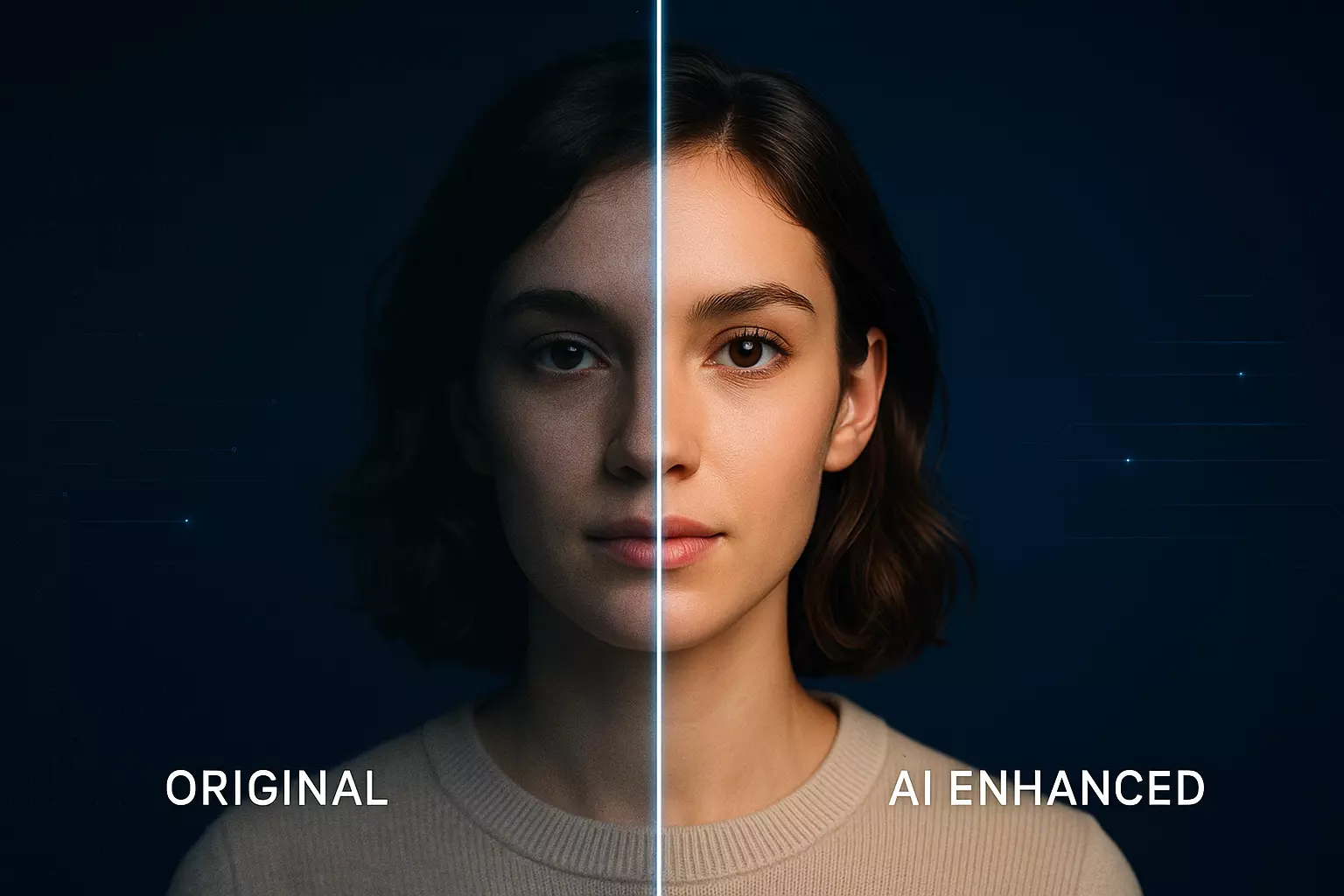
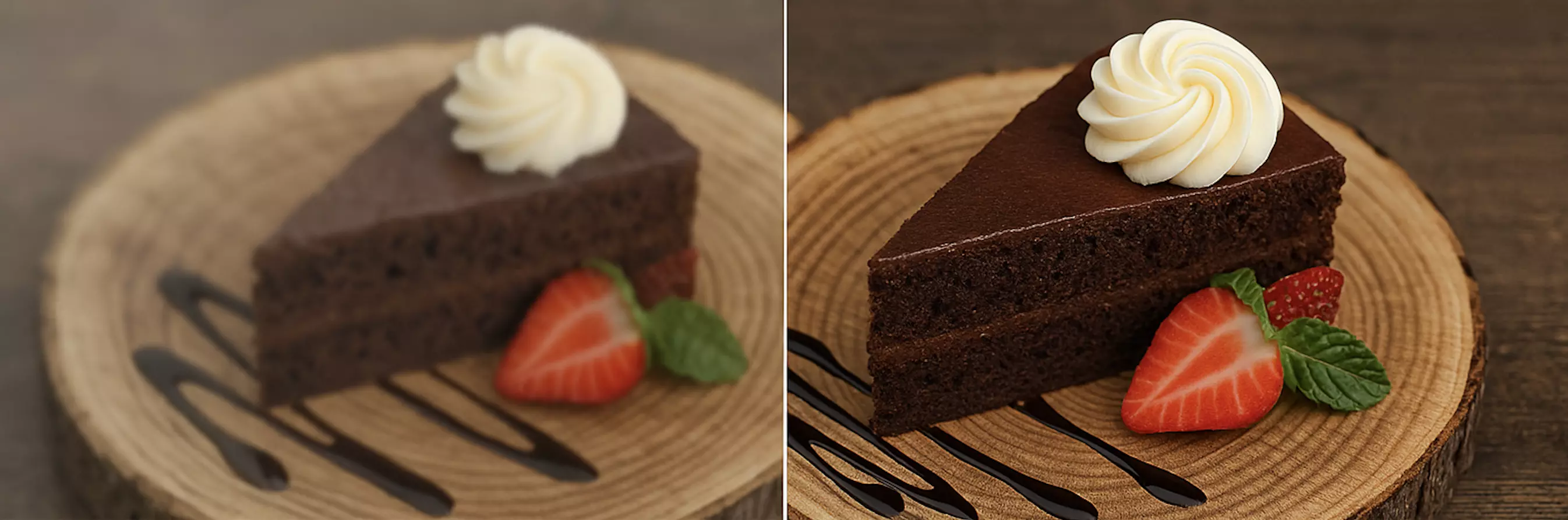
(See image suggestion: Before-and-after comparison of the same portrait—blurry original vs gently unblurred result with preserved skin texture and light grain.)
Why clarity should feel gentle in wellness and AI chat
- Emotional readability: Users need to see micro-expressions and eye detail without harshness.
- Psychological safety: Calm, consistent portraits reduce cognitive load in sensitive moments.
- Brand trust: Wellness brands increasingly avoid aggressive retouching; instead, they aim for a human-centered, respectful aesthetic.
In 2026, wellness teams are moving to lightweight AI enhancers that create brand-consistent avatars across devices. This is paired with privacy-first design that shows warmth while minimizing identifiable details where appropriate.
Understand the blur you’re correcting
Not all blur is equal. Diagnose first, then unblur:
- Motion blur: Smearing from subject or camera movement—look for directional streaks.
- Focus blur (defocus): A soft, evenly out-of-focus look—edges lack crisp transitions.
- Compression artifacts: Blocky noise, mosquito edges, or smeared textures from heavy JPEG compression.
Tip: Examine the iris, lips, and hairlines at 100–200%. Motion blur needs gentle, directional deblurring; focus blur benefits from micro-contrast and edge-aware enhancement; compression requires denoising before adding detail.
Principles for an empathetic look
- Avoid over-sharpening: Keep edge halos invisible and micro-contrast subtle.
- Preserve skin texture: Retain pores and fine grain; skip plastic smoothing.
- Keep tones continuous: No banding in gradients; protect midtones for lifelike depth.
- Control noise: Add a soft, uniform grain if needed to unify areas after enhancement.
- Stay in sRGB for cross-platform consistency.
Quick start: The unblur recipe in three moves
- Enhance detail gently (portrait-aware).
- Balance noise and grain so skin stays natural.
- Normalize color and export in sRGB at target sizes.
Step-by-step: Unblur a clear blurry portrait without over-sharpening
Use Pixflux.AI’s portrait-friendly workflow to move fast while staying subtle.
- Open the tool and upload your image
- Go to Pixflux.AI and import the original portrait. Check its dimensions and color space if known.
- Choose the portrait enhancer and let the AI process
- Use the Pixflux.AI photo enhancer to restore facial detail. Start conservative; you can always add more clarity.
- Refine for skin realism
- If edges look too crisp, roll back intensity. Ensure pores and fine texture remain visible. Avoid “glass-skin” plasticity.
- Manage color and noise
- Correct white balance and midtones so skin reads warm but not saturated. If compression introduced grit, apply light denoise, then reintroduce a soft, film-like grain to keep the image cohesive.
- Download in the right format
- Export to sRGB PNG or high-quality JPEG at your app’s avatar sizes (e.g., 512 px, 1024 px). Save a naming pattern for repeatability.
When in doubt, zoom to 100% for texture checks and 50% for overall mood. To try this with real data, start here to fix blurry portrait images and keep skin natural.
(See image suggestion: Pixflux.AI interface—upload, AI processing, and download in a simple three-step view.)
Color, tone, and noise for natural skin and consistent avatars
- White balance: Aim for neutral whites and lifelike skin. Avoid cold casts in wellness contexts; warmth reads more empathetic.
- Midtones first: Keep the face’s midtones intact. Overlifting shadows or crushing blacks flattens nuance.
- Gentle micro-contrast: Apply subtle structure around eyes, lips, and brows; leave cheeks softer.
- Noise strategy: Mild denoise plus light, even grain often beats heavy denoise alone, especially on compressed sources.
- sRGB always: Standardize so avatars look the same on iOS, Android, and web.
Using Pixflux.AI across the portrait workflow
- Enhance portraits: The Pixflux.AI photo enhancer brings back clarity with restraint—good for faces, hairlines, and eyes without halo artifacts.
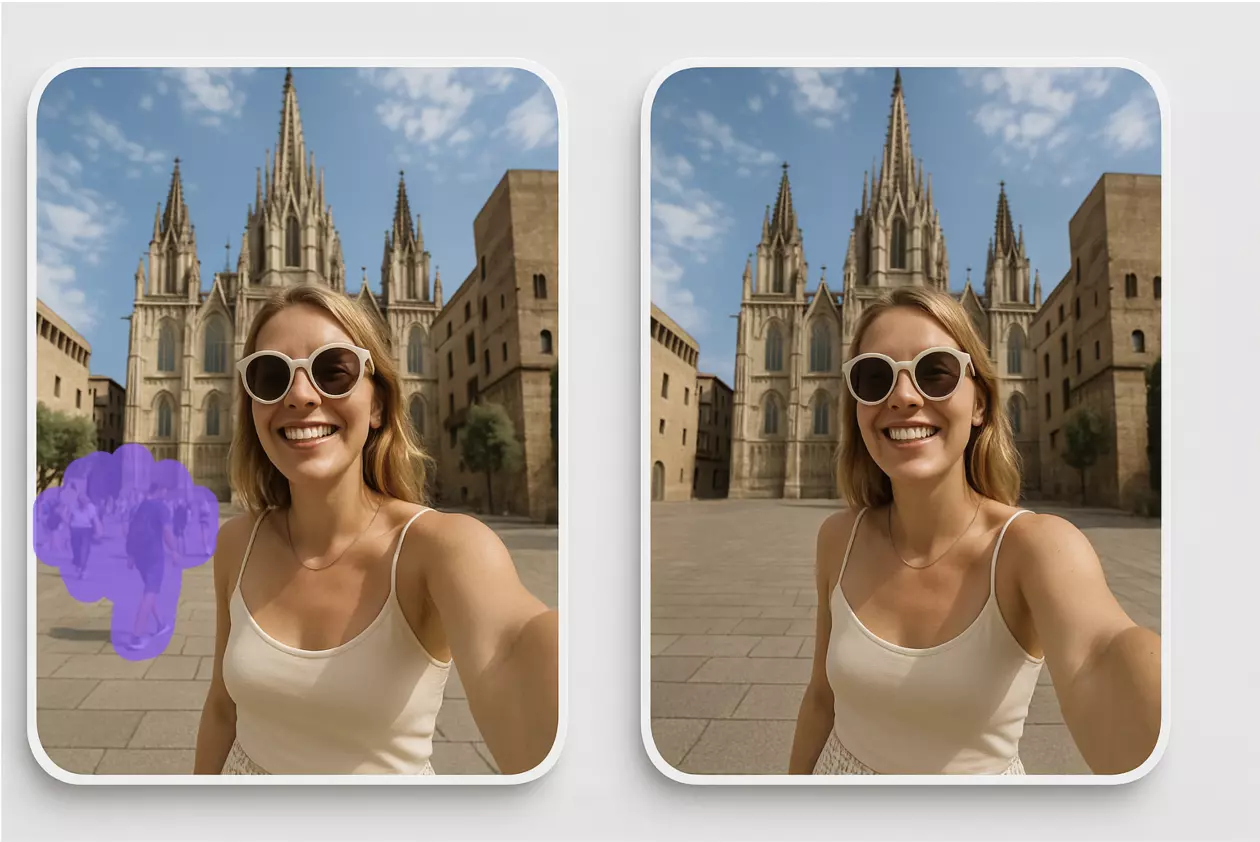
- Remove distractions: If a stray object or text distracts in the crop, use object removal to clear it before export. This is useful for social media profile pictures where framing is tight.
- Background tweaks or replacement: If the background is busy, remove it lightly or generate a calmer alternative that matches your brand palette.
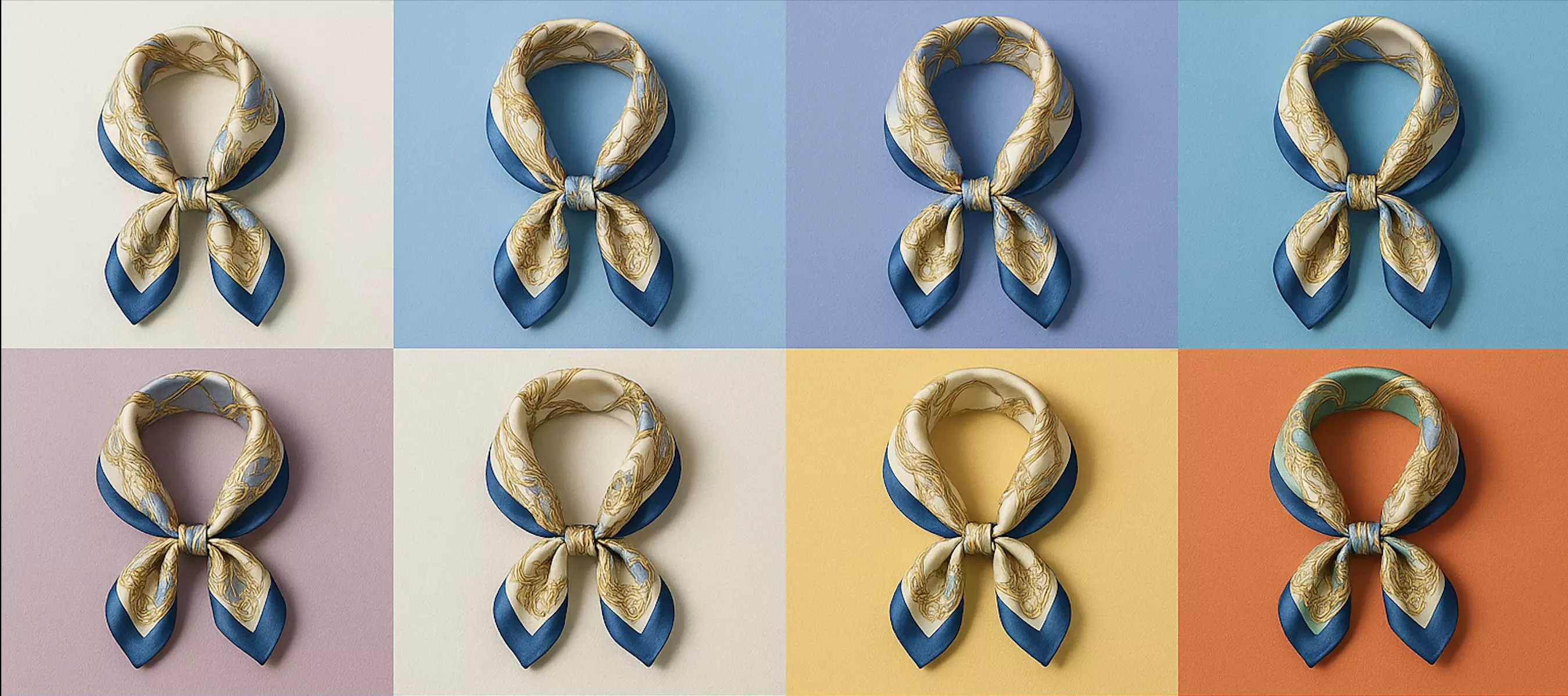
- Batch consistency: For a team page or chatbot personas, process a set together so sharpness, tone, and framing align from portrait to portrait.
Note on copyright and watermarks: Only remove watermarks or logos from content you own or are licensed to edit. Do not use watermark removal to bypass rights or platform rules.
Background choices that feel calm
A compassionate portrait lets the person lead. Support that with quieter backgrounds:
- Remove clutter: Use background removal to isolate the face on a soft gray or brand-neutral gradient.
- Subtle generation: If a solid fill looks sterile, generate a light, texture-free background with slow gradients in your brand hues.
- Edge integrity: After background operations, check hair edges for fringing and fix halos by slightly softening the matte.
(See image suggestion: A grid of exported avatars—consistent framing, calm background tone, and sRGB colors for a wellness app.)
Quality checks and metrics that actually matter
- Texture fidelity: Pores and lashes should be present but not gritty.
- Edge halos: Zoom to 200% along hair and jawlines; halos should be invisible.
- Tone continuity: No banding in cheeks or forehead gradients.
- Eye clarity: Irises readable without “over-etched” crispness.
- Color stability: Skin hue consistent across multiple exports and devices.
Ethics and consent in portrait enhancement
- Respectful retouching: Remove distractions, not identity. Keep moles, freckles, and authentic markers unless the subject requests otherwise.
- Consent and privacy: Get permission for portrait use. In sensitive contexts, consider tighter crops or softer detail when anonymity matters.
- Watermark boundaries: Only clear watermarks when you own or have rights to the image.
Troubleshooting: Make a clear blurry portrait, not a plastic one
- Halos on edges: Reduce sharpening intensity; apply smaller-radius enhancement and recheck hairlines.
- Plastic skin: Reintroduce natural grain and reduce smoothing; add micro-contrast only in facial features.
- Color shifts after enhancement: Re-calibrate white balance and skin hue; verify sRGB export.
- Banding in gradients: Add a hint of dither/grain before export; avoid heavy compression.
- Overly crisp eyes but soft face: Balance with selective micro-contrast on cheeks and brow; keep eyes slightly leading but not exaggerated.
AI online tool vs traditional methods
- Time cost: Pixflux.AI handles enhancement and cleanup in minutes; manual deblur and frequency separation in desktop software can take much longer per image.
- Learning curve: Online tools minimize technical setup and advanced filter tuning; traditional retouching requires deeper expertise to avoid artifacts.
- Batch efficiency: Handling dozens of avatars in one sitting is straightforward with an online workflow, while manual desktop edits scale poorly.
- Cross-team alignment: Shared presets and a unified online flow reduce variation across designers and marketers, without passing large project files around.
FAQ: clear blurry portrait workflow, gentle retouching, and export consistency
What’s the fastest way to clear a blurry portrait without making skin look fake?
Use a portrait-aware enhancer at low intensity, then add subtle grain for realism. Start with gentle enhancement so you recover eye and hair detail without halos. Balance denoise with light, even grain to keep skin texture intact, and finalize in sRGB at your target size.
How do I handle motion blur differently from focus blur?
Treat motion blur with cautious, directional enhancement and focus blur with micro-contrast. Motion introduces streaks that exaggerate halos when over-sharpened; go slow and prioritize facial landmarks. Focus blur responds better to edge-aware clarity and careful midtone preservation.
What export settings keep avatars consistent across devices?
Export sRGB PNG or high-quality JPEG at fixed pixel sizes with a repeatable naming scheme. sRGB prevents color surprises on iOS, Android, and web. Keep aspect ratio, padding, and background tone consistent to reinforce brand continuity.
Can I batch process multiple portraits for a team or chatbot personas?
Yes, batch enhancement is ideal to keep sharpness and tone aligned across many portraits. Prepare a folder of similar crops, run them together, and then spot-check a few for texture fidelity and color stability before final delivery.
Is it okay to remove watermarks or logos on an image I found online?
No, only remove watermarks when you own the rights or have explicit permission. Watermark removal should never be used to bypass copyright or platform policies. When in doubt, obtain licensed assets or shoot originals.
How do I prevent color shifts or banding after I unblur an image?
Stay in sRGB, avoid heavy compression, and add a touch of grain if gradients band. Revisit white balance after enhancement and check your export quality setting. Light dither or grain often smooths transitions without losing clarity.
Export checklist for wellness apps and chatbots
- Sizes: 512 px and 1024 px square versions (plus platform-specific sizes as needed)
- Color: sRGB, verify skin hue against a reference
- File format: PNG for crisp UI edges or high-quality JPEG (85–92) for lighter weight
- Background: Calm, brand-aligned tone; no banding
- Framing: Consistent crop; eyes in the top third; adequate headroom
- Texture: Natural pores; gentle micro-contrast; no halos
- Naming: role_name_size_version (e.g., coach_ava_1024_v2)
- Repeatability: Save your notes on enhancement intensity and grain so the next batch matches
Try Pixflux.AI: unblur with empathy, export with confidence
If you work on wellness apps or AI chatbot visuals, clarity should never cost you humanity. Pixflux.AI helps you restore detail, preserve skin tone, clean distractions, and export consistent avatars at scale—without complex setup. Start now and unblur portrait naturally to deliver visuals that feel genuinely empathetic.