Gen Z Home Decor Aesthetic Use Peach Backgrounds for Warm Product Shots
Peach is the Gen Z-approved warm-up for product photos. See why it converts—and how to build consistent peach backgrounds fast with AI and batch tools.
 Sierra CappelenJanuary 10, 2026
Gen Z Home Decor Aesthetic: Use Peach Backgrounds for Warm Product Shots
If you sell home decor, beauty, or lifestyle products to Gen Z, you’ve likely felt the friction between “clean” studio photos and images that actually convert on social feeds. White backgrounds can read cold and clinical. Complex scenes are costly to reshoot and hard to standardize. What most teams want instead is a warm, scroll-stopping vibe that still looks premium and consistent across every SKU.
That’s why peach tones are trending. They add soft warmth, flatter skin and product finishes, and stand out in social commerce previews without shouting. The challenge is doing it at scale—matching color, texture, and lighting across hundreds of items. AI-driven editors like Pixflux.AI make this shift practical by letting you generate a consistent peach background in seconds, rather than hours per photo.
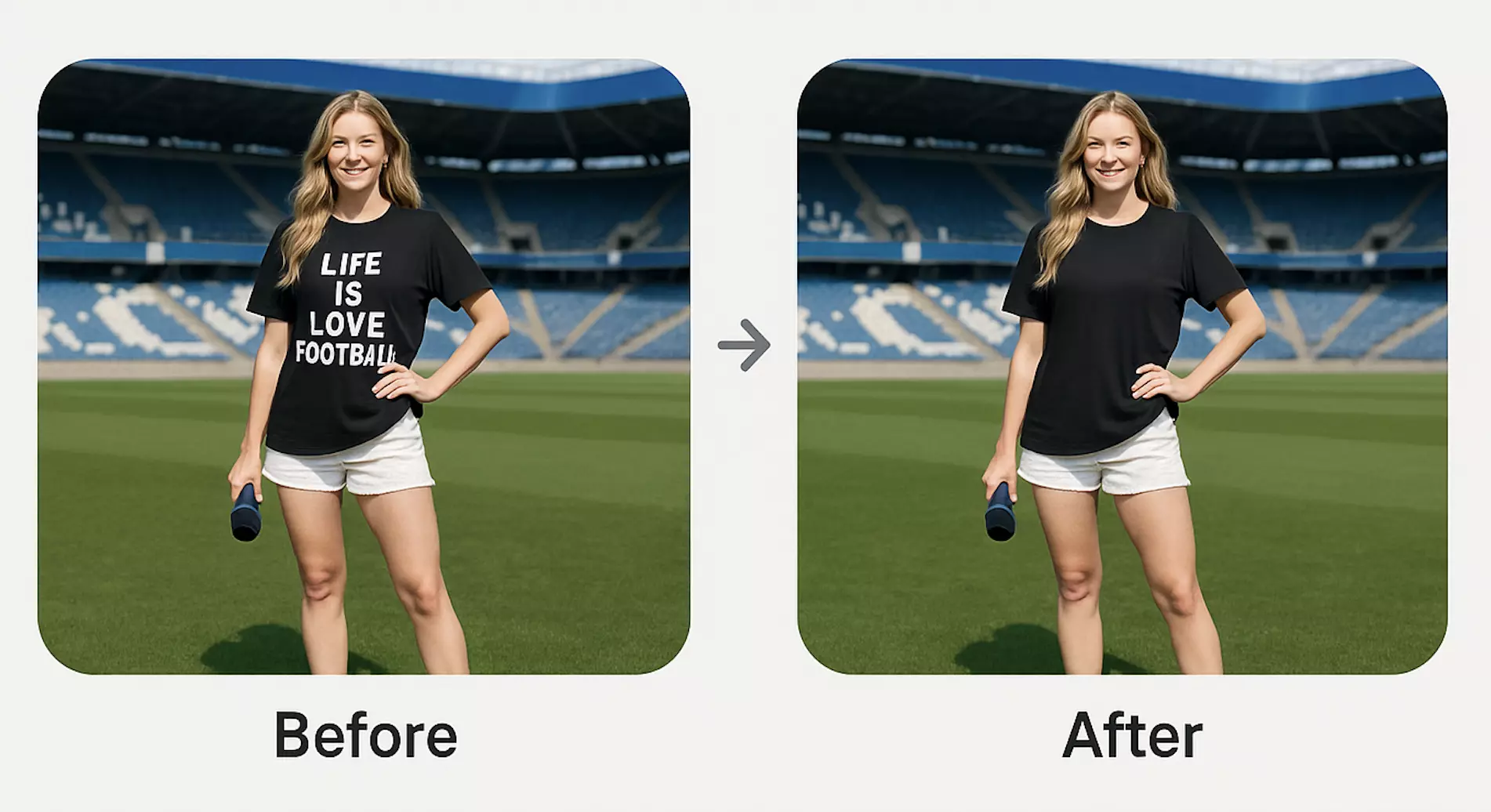
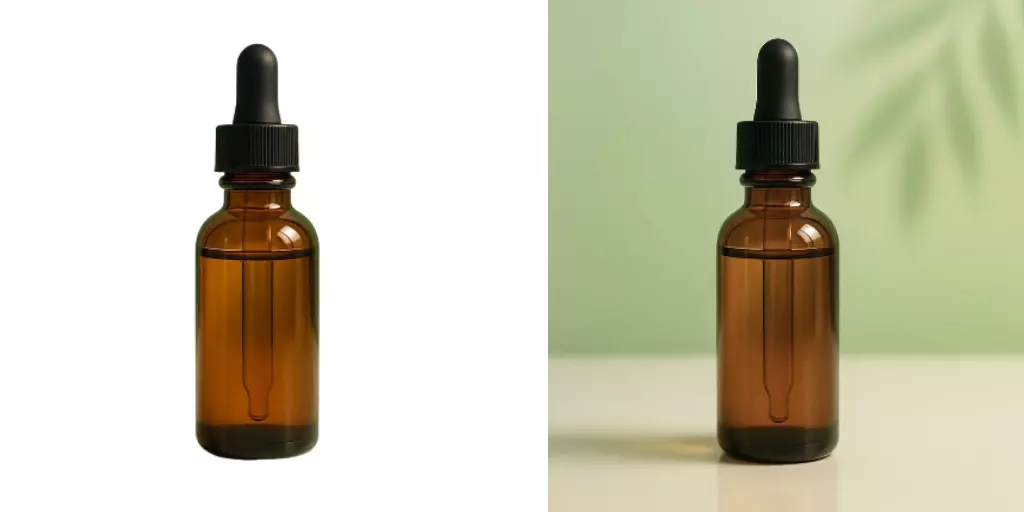
(See image idea: Before-and-after product photo—original neutral scene vs background removed and replaced with a warm peach background, watermark removed.)
Why Gen Z gravitates to peach tones
- Color psychology: Peach and apricot hues carry optimism, authenticity, and approachability—core signals in the Gen Z aesthetic. They soften hard edges and reduce the “clinical” feel of white.
- Platform trends: In social commerce previews, warm pastels outperform stark white for click-through on lifestyle and beauty items. Pastels feel “real” and less ad-like, improving dwell time.
- Brand expression: Pastels—especially peach—work as brandable canvases for overlays, captions, and user-generated content. They’re easy to pair with minimalist typography without crowding the product.
What counts as a peach background?
A peach background sits in a warm orange-pink hue range, with moderate-to-low saturation and high lightness for clean contrast. Think: light, breathable warmth rather than neon coral.
- Hue range: roughly H 10–25° (orange) with a subtle red/pink shift
- Saturation: 10–35% for e-commerce (avoid neon; keep it versatile)
- Lightness: 85–96% for thumbnails; 75–90% for hero images
- Suggested hex swatches: #FFE4D6, #FAD2C9, #FFD8C2, #F7BFA6, #FFCBA4
- Texture: Keep it subtle—very soft grain, faint gradient, or shallow vignette helps products “sit” naturally without busy noise
(See image idea: Swatch board of peach tones with hex values applied as backgrounds across multiple product categories to demonstrate consistency.)
Visual standards for e-commerce and ads
Peach backgrounds look best when they’re intentional and consistent. Establish standards before full rollout.
- Consistency: Fix one or two approved hex codes for thumbnails and a second set for lifestyle banners. Document the values and keep metadata notes in your DAM or naming conventions.
- Contrast: Aim for a minimum 4.5:1 contrast for text overlays. For product contrast, verify that light creams and white SKUs still separate cleanly from the background—add a soft shadow if needed.
- Accessibility: If adding copy on top, test color contrast (WCAG AA). Warm peach is not an excuse to use ultra-light typography.
- Framing: Keep consistent margin around the product silhouette (e.g., 5–7% whitespace on all sides for marketplace listing images; follow platform rules for hero crops).
- File prep: Export PNG for transparent edges or crisp UI overlays; JPEG for lightweight catalog pages; WebP for modern site performance.
Editing methods compared: manual, presets, and AI
- Manual masking and color layers (Photoshop, GIMP):
- Pros: Full control, on-brand nuance, crafted shadows.
- Cons: Time-consuming, steep learning curve, slow for batch product photo editing.
- Presets and LUTs:
- Pros: Faster than manual, good for color grading for e-commerce.
- Cons: Don’t solve background complexity or edge cleanup; rely on solid initial cutouts.
- AI background tools:
- Pros: One-click cutouts, background removal, and peach replacement with professional edges; fast iterations for creative testing; batch-friendly.
- Cons: You still need standards (color codes, margins) and occasional touch-ups for tricky items.
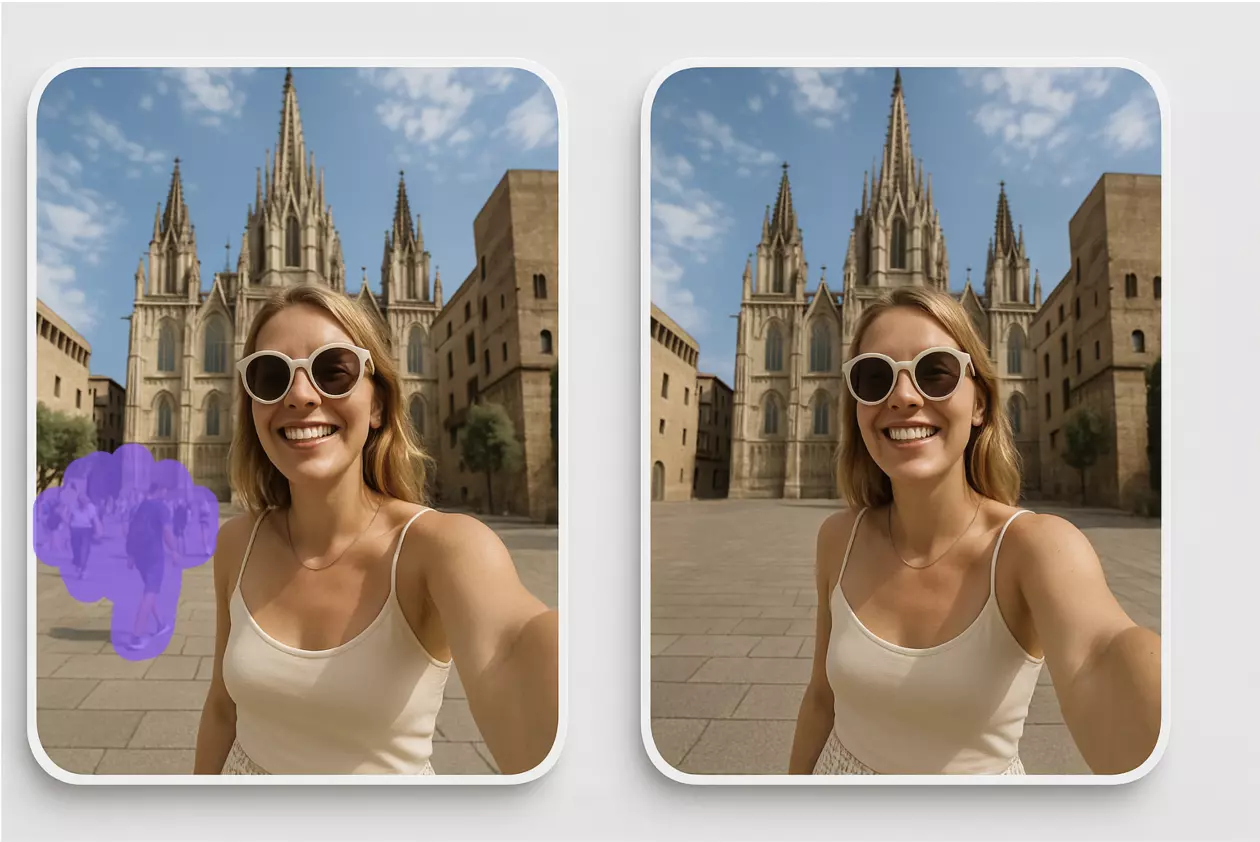
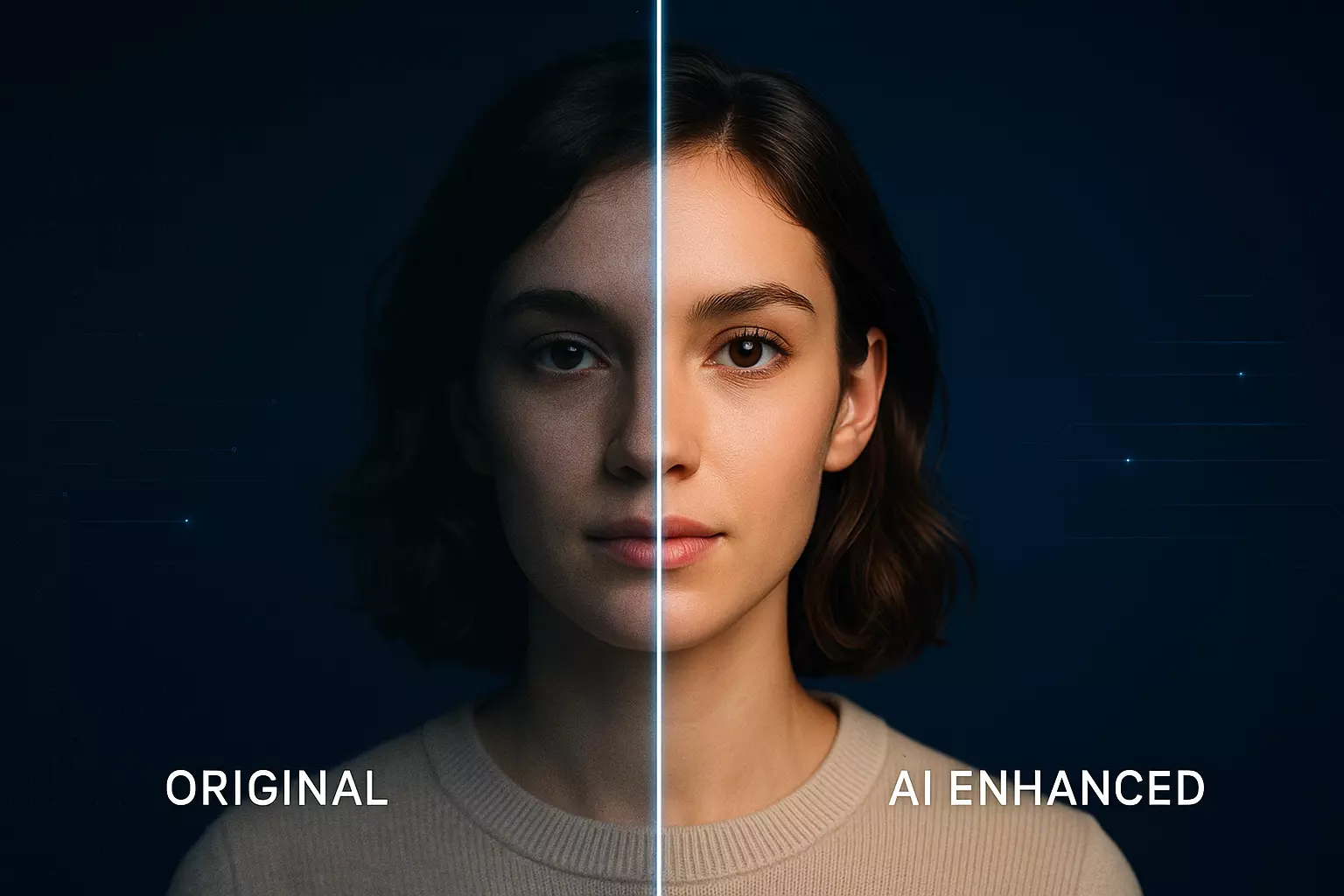
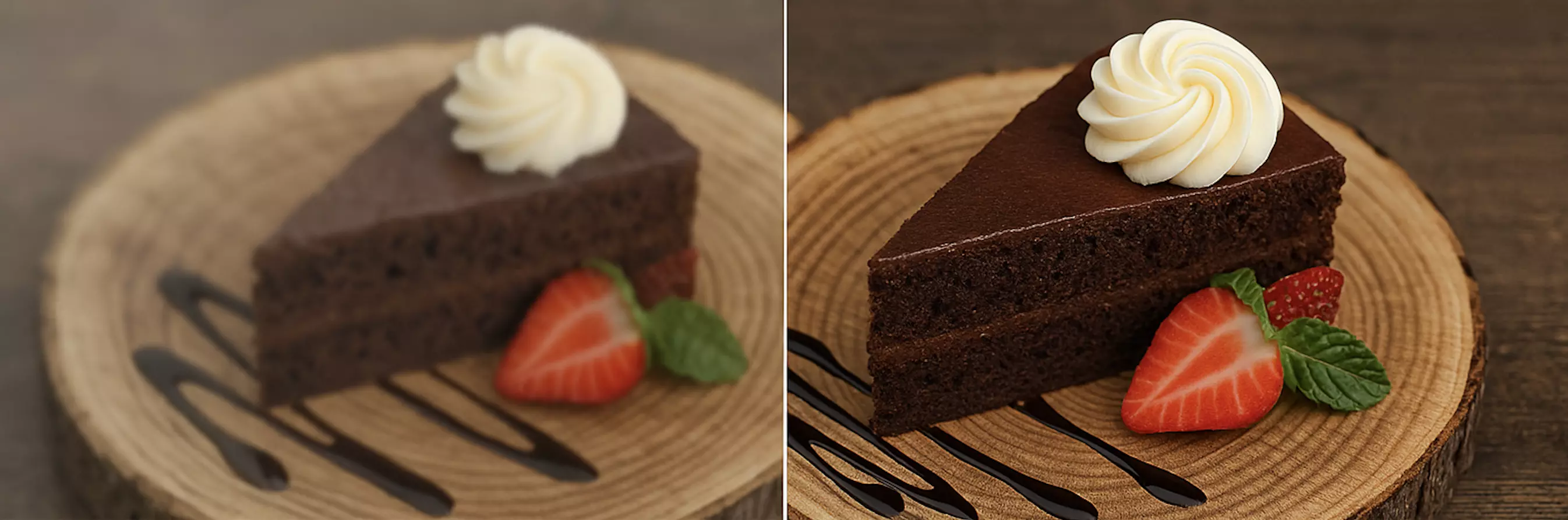
Pixflux.AI blends these benefits: it removes complex backgrounds, applies a consistent warm replacement, cleans watermarks when you have the rights, and enhances image clarity—all with the speed needed for social and marketplace timelines.
(See image idea: Pixflux.AI interface showing the three-step flow: Upload → AI process → Download for a peach background edit.)
Pixflux.AI walkthrough: create warm, consistent peach backgrounds in three steps
You can produce an on-brand, warm peach look without wrestling layers.
- Upload your original image Drag-and-drop or select a product shot, lifestyle image, or UGC that needs a refresh.
- Let the AI process the image Use the Pixflux.AI background remover to cut out the subject and replace it with your approved peach tone or a soft, textured variation. If needed, remove small distractions or a watermark you legally own. You can quickly try color variants to align with your brand’s palette.
- Download the processed image Export the file (PNG, JPEG, or WebP) in your required dimensions and add it to your library or listing workflow.
If you want to jump straight into a ready-made tool path, open the Pixflux.AI peach tone background experience and follow the same three steps.
Pro tip: Keep a small doc with your hex codes, preferred shadow softness (e.g., 10–20%), and safe margins so anyone on your team can replicate the look in seconds.
Scaling production: batch catalogs with consistent peach tones
When you need a consistent look across dozens or hundreds of SKUs, Pixflux.AI’s batch workflow saves hours:
- Batch upload: Drop in a folder of product images from your last shoot.
- Set a standard: Pick your brand’s peach hex value and shadow settings once.
- Process in bulk: Remove backgrounds, swap to the peach tone, optionally remove watermarks you own, and enhance clarity across all files.
- Quick spot-check: Review a small sample for edges and lightness; re-run any outliers for uniformity.
- Export and distribute: Download assets in the formats your marketplaces accept, then hand them to your content or ads team.
This keeps your Gen Z aesthetic consistent from PDPs to TikTok Shop previews without babysitting individual files.
Fine-tuning realism: edges, shadows, reflections, and skin tones
- Edges: Aim for clean but not plastic cutouts. A 1–2px feather on high-res exports avoids harsh halos, especially against light peach.
- Shadows: Add a very soft drop shadow (10–20% opacity, wide blur) to ground floating products. Increase strength for white or translucent objects.
- Reflections: For glossy products (bottles, ceramics), a faint floor reflection or gradient can add realism—keep opacity low to avoid a staged look.
- Skin tones: When featuring models, ensure color grading preserves natural skin. If the scene warms too much, slightly cool highlights while keeping the backdrop peach.
- Micro-texture: A subtle gradient or grain in the background keeps surfaces from looking flat, especially in hero banners.
Quality benchmarking: test the impact of peach backgrounds
Don’t guess—measure.
- A/B tests: Pit your white background vs peach background on PDPs and in ad sets. Track CTR, add-to-cart rate, and conversion.
- Thumbnail tests: On marketplace thumbnails (Amazon, Etsy) and social previews, compare scroll-stop rate and saves for warm product photography.
- Cohort analysis: For homepage hero banners, measure bounce rate and dwell time with peach vs neutral variants.
- Creative learning: Log which peach hex values perform best by category (e.g., lighter for skincare, slightly deeper for home textiles).
Compliance and brand safety: watermarks, licensing, and platform rules
- Only remove watermarks if you own the image or have written permission. AI watermark removal is for cleanup and brand consistency, not for bypassing rights.
- Respect marketplace guidelines for backgrounds, margins, and text overlays. Some categories require plain backgrounds; confirm the rules before rollout.
- Use licensed textures or generate from scratch; avoid third-party assets without rights.
AI tools vs traditional methods
- Time cost: Manual masking and background creation can take 10–20 minutes per image; an AI editor like Pixflux.AI does it in seconds, especially for multi-image sets.
- Learning curve: Pro editing suites are powerful but require training. AI tools minimize setup so non-designers can ship consistent assets the same day.
- Batch efficiency: Pixel-perfect manual work doesn’t scale across hundreds of SKUs; AI batch processing handles volume with consistent settings.
- Cross-team speed: Designers can set the standard (hex codes, margins, shadows), while marketers and coordinators execute edits without clogging a specialist’s queue.
FAQ: peach background setup, color codes, file formats, and troubleshooting
What hex codes work best for a peach background in e-commerce?
Use light, warm tones like #FFE4D6, #FAD2C9, or #FFD8C2. These values keep saturation moderate and lightness high so products separate cleanly. For hero banners, you can step slightly deeper (e.g., #F7BFA6) to add depth. Always verify contrast for white or pastel SKUs and adjust shadow strength accordingly.
How do I keep peach tones consistent across shoots and SKUs?
Lock one or two approved hex codes and reuse them. Document your hex values, margins, and shadow settings. When editing, apply the same peach tone every time and run a quick spot-check against a reference image. Batch workflows help enforce uniformity when processing large folders of assets.
Will a peach background reduce contrast for light-colored products?
It can if the tone is too light or saturated, so dial up shadows and slightly deepen the hue. A soft drop shadow (10–20% opacity) and a touch more lightness in the product exposure will preserve separation. Test at thumbnail size to ensure edges don’t blur against the background.
Can I batch edit a catalog to add peach backgrounds?
Yes, batch editing is ideal for consistent catalogs. Upload a set of images, apply your standard peach tone and shadow settings, and process them together. This is especially effective when listing or refreshing seasonal collections on marketplaces and social shops.
Is it okay to remove watermarks from product images?
Only if you own the images or have explicit permission. Watermark removal is for legitimate cleanup—brand-owned assets, authorized supplier imagery, or your studio images. Do not use it to strip rights-managed or third-party logos without consent.
What file formats should I export for storefronts and ads?
Use PNG when you need crisp edges or overlays, JPEG for smaller file sizes, and WebP for modern performance. Check your platform specs (e.g., Amazon, Etsy, TikTok Shop) for dimension and background rules, and export at 2x resolution for retina displays when assets are small in layout.
How do I adapt a peach background for Amazon or TikTok Shop?
Follow each platform’s rules and maintain contrast for thumbnails. If a plain background is required, keep peach within a subtle, light range or reserve it for secondary images and ads. Always test thumbnails and ensure text overlays meet contrast guidelines.
Get started: peach backgrounds that scale
Peach tones deliver the warm, optimistic vibe Gen Z responds to—and AI makes it simple to implement across campaigns, PDPs, and social placements without reshoots. Whether you’re rolling out a new SKU line or refreshing evergreen bestsellers, Pixflux.AI helps you remove distractions, harmonize tones, and keep quality high.
Try a production-ready, consistent warm peach backdrop now with Pixflux.AI: upload, process, and download—all in minutes.
(See image idea: Before-and-after sequence plus a Pixflux.AI interface screenshot showing the three-step flow.)