Personalized Product Images Tailoring E-commerce Photos with AI
See how AI swaps product backgrounds to match seasons and regions, plus a simple Pixflux.AI workflow and A/B testing tips that boost conversions.
 Richard SullivanJanuary 10, 2026
Personalized Product Images: Tailoring E‑commerce Photos with AI
Most product photos were designed for a single job: look clean on a product detail page. But shoppers in 2026 browse across search, social, and marketplaces with different moods, regions, and seasons in mind. A neutral studio shot might be perfect for Amazon, while TikTok and Instagram favor lifestyle context and on-brand textures. Re‑shooting every SKU in every setting is costly, slow, and hard to keep consistent.
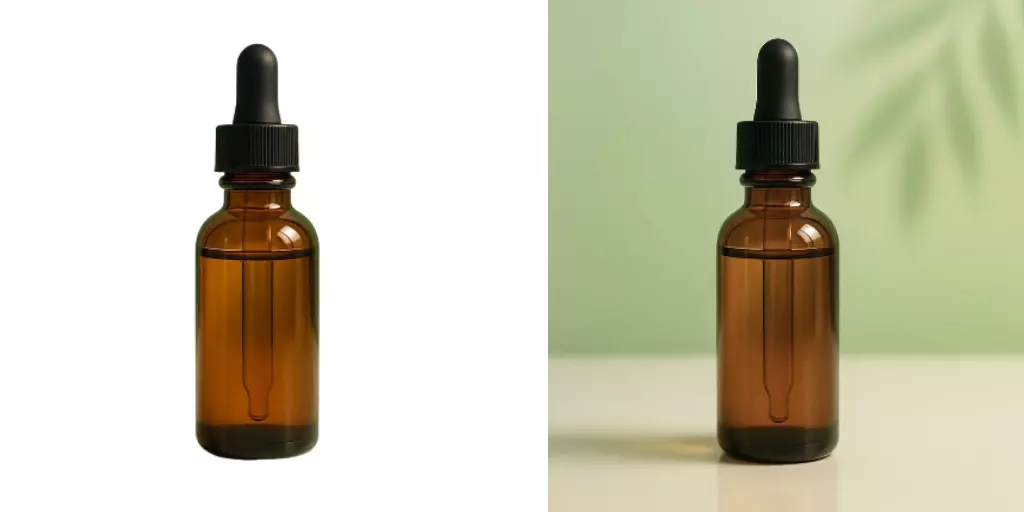
Generative AI changes the math. Instead of rescheduling a studio and shipping products, you can change product backgrounds, generate scenes, and localize visuals in minutes—while keeping the hero product untouched. With an online editor like Pixflux.AI, you can change product backgrounds at scale, test variants quickly, and align visuals with shopper intent across channels.
(See image suggestion: “Before-and-after panel of the same product with neutral studio background vs. seasonal scene backgrounds—summer beach and winter cozy indoor.”)
Why personalized product images lift conversion in 2026
- Retail is shifting toward localized and seasonal creatives for micro‑segments. Shoppers respond when visuals reflect their context—think beach scenes for coastal audiences or warm indoor settings for colder regions.
- Generative AI cuts turnaround time versus traditional reshoots, letting teams produce, ship, and iterate more variants per week.
- On‑site A/B tests of visuals are now standard CRO practice. Faster variant creation means faster learning loops and better ROI.
In short, if you can tailor a background to match season, region, or audience—and validate it with A/B tests—you’ll help more shoppers feel “this is for me.”
Core concepts: background replacement, scene generation, and style control
To personalize efficiently, it helps to think in three layers:
1) Background replacement
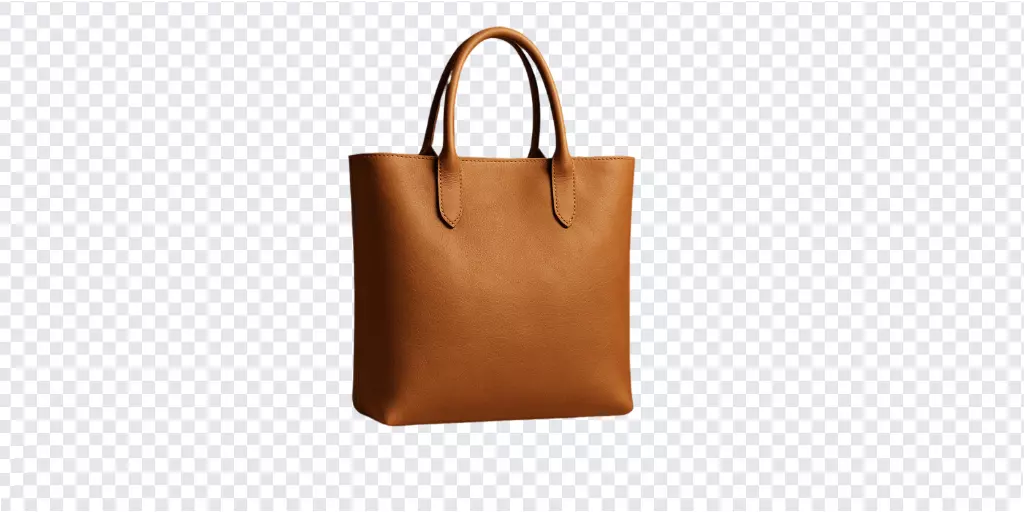
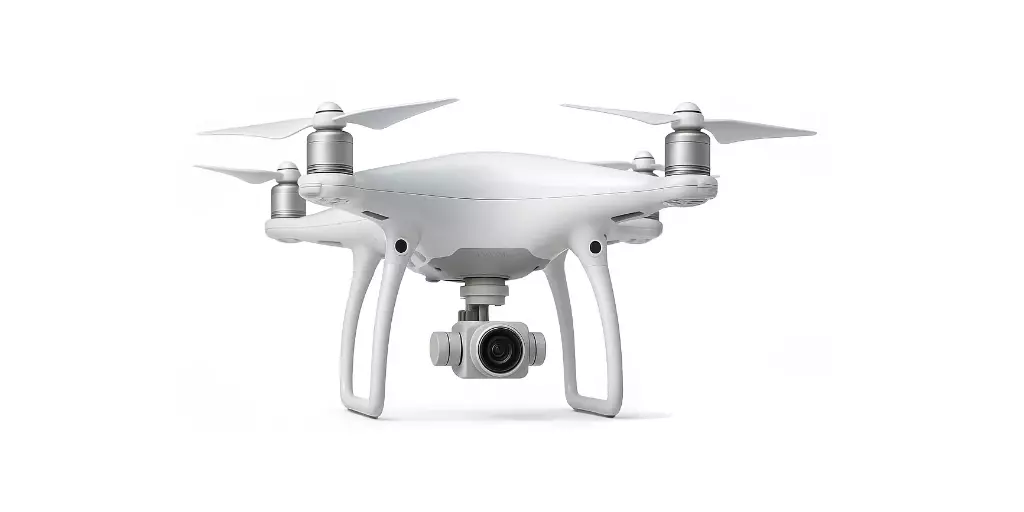
- Remove the original background and place the product on a predictable canvas—white, light gray, or brand color. This is ideal for marketplace compliance and clean catalog consistency.
- Swap the backdrop to a minimal setting (wood tabletop, soft gradient) or a light contextual scene (bathroom counter for skincare, gravel for outdoor gear).
2) Scene generation
- Use an AI background generator for products to create new environments from scratch. Examples: “sunlit marble vanity,” “Nordic living room,” or “neon tech desk.”
- For regional personalization images, encode cues such as local architecture, plants, or holidays—subtly enough to feel familiar without becoming cliché.
3) Style control
- Maintain consistent lighting direction, shadows, and color temperature. This reduces the “uncanny” look and keeps SKUs aligned when placed together in collections.
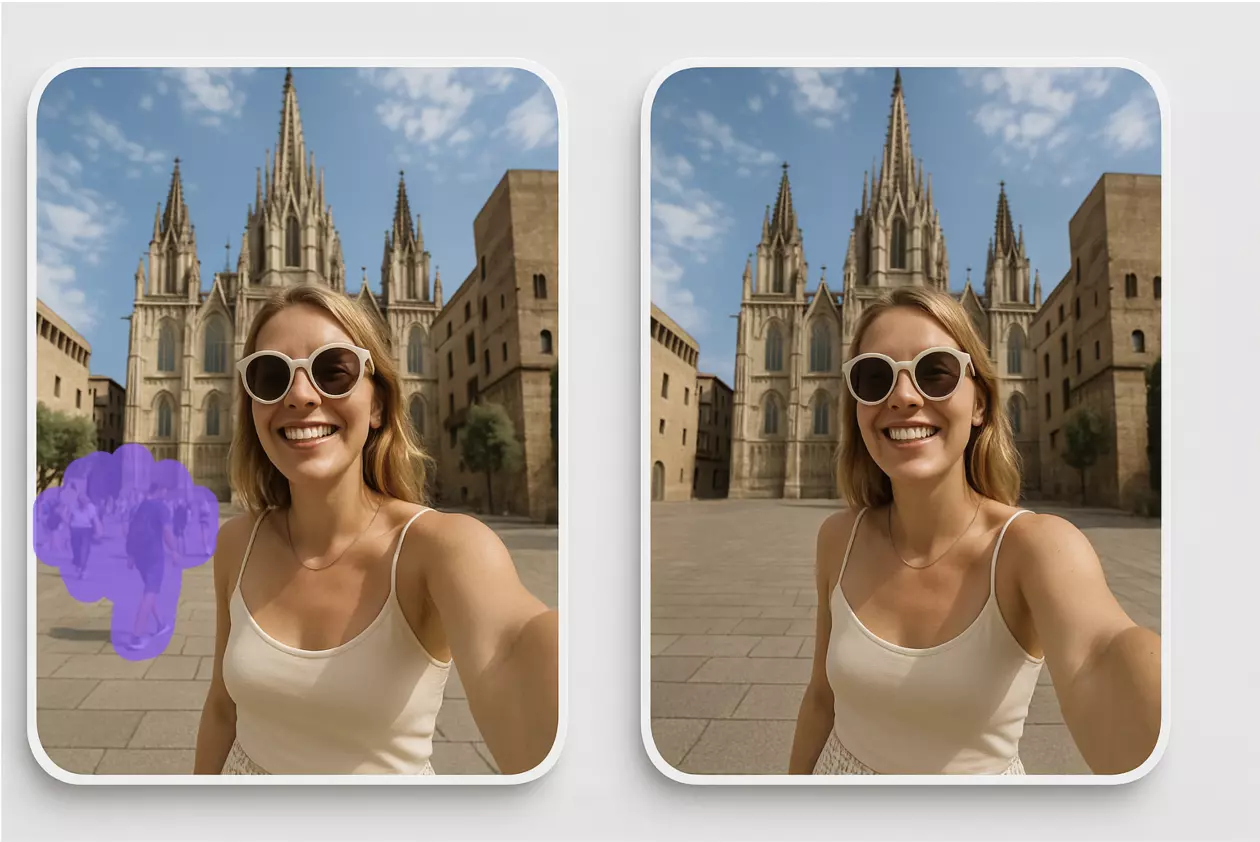
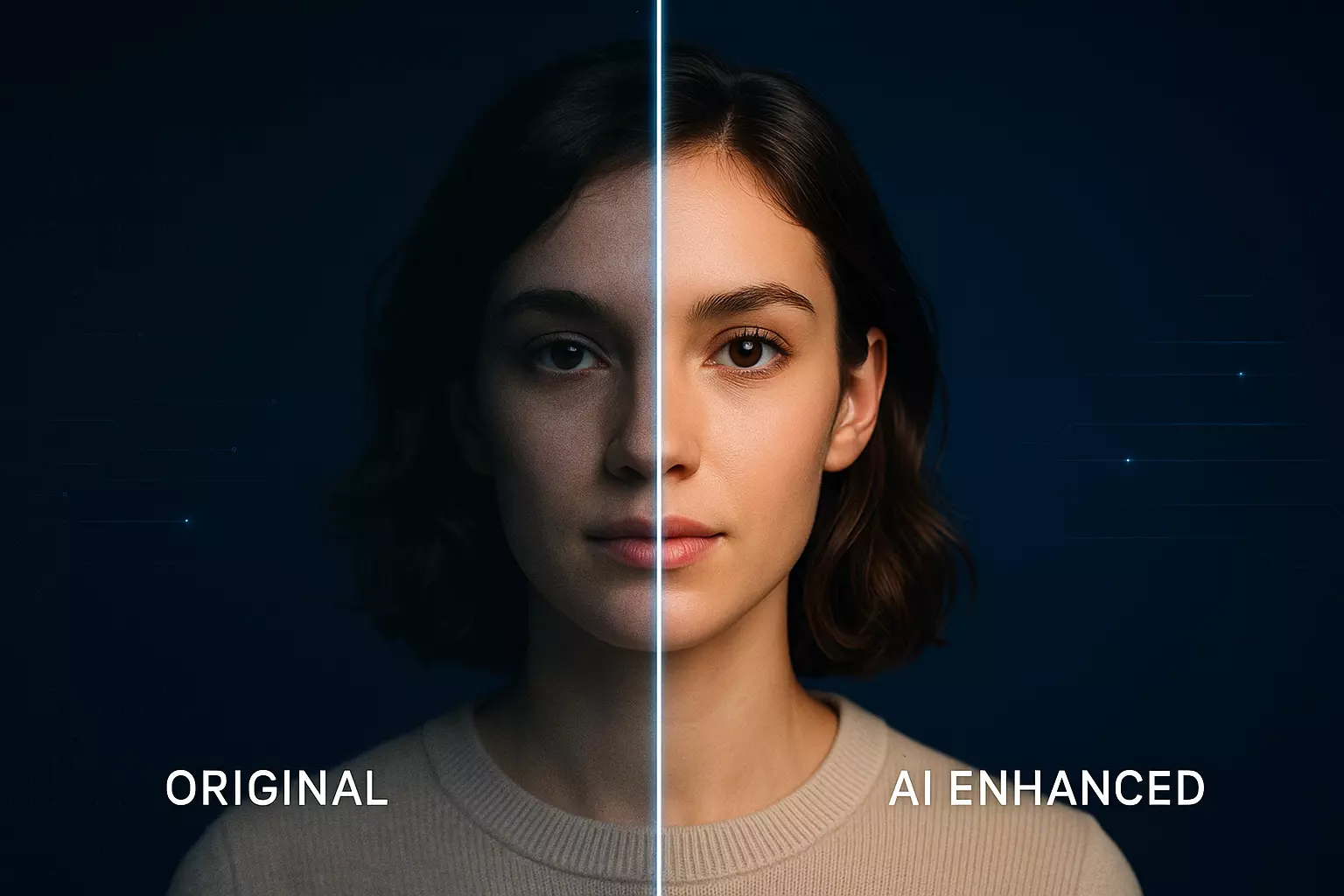
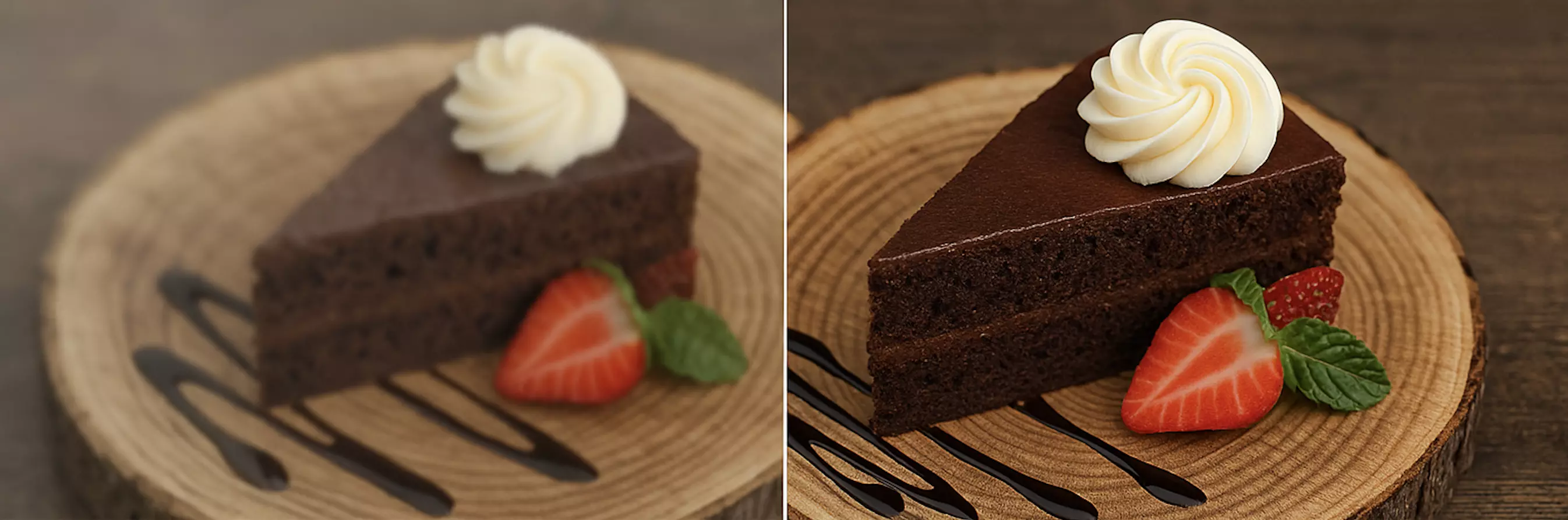
- Leverage image enhancement if source shots are soft or noisy, and remove stray elements (a prop edge, a distracting reflection).
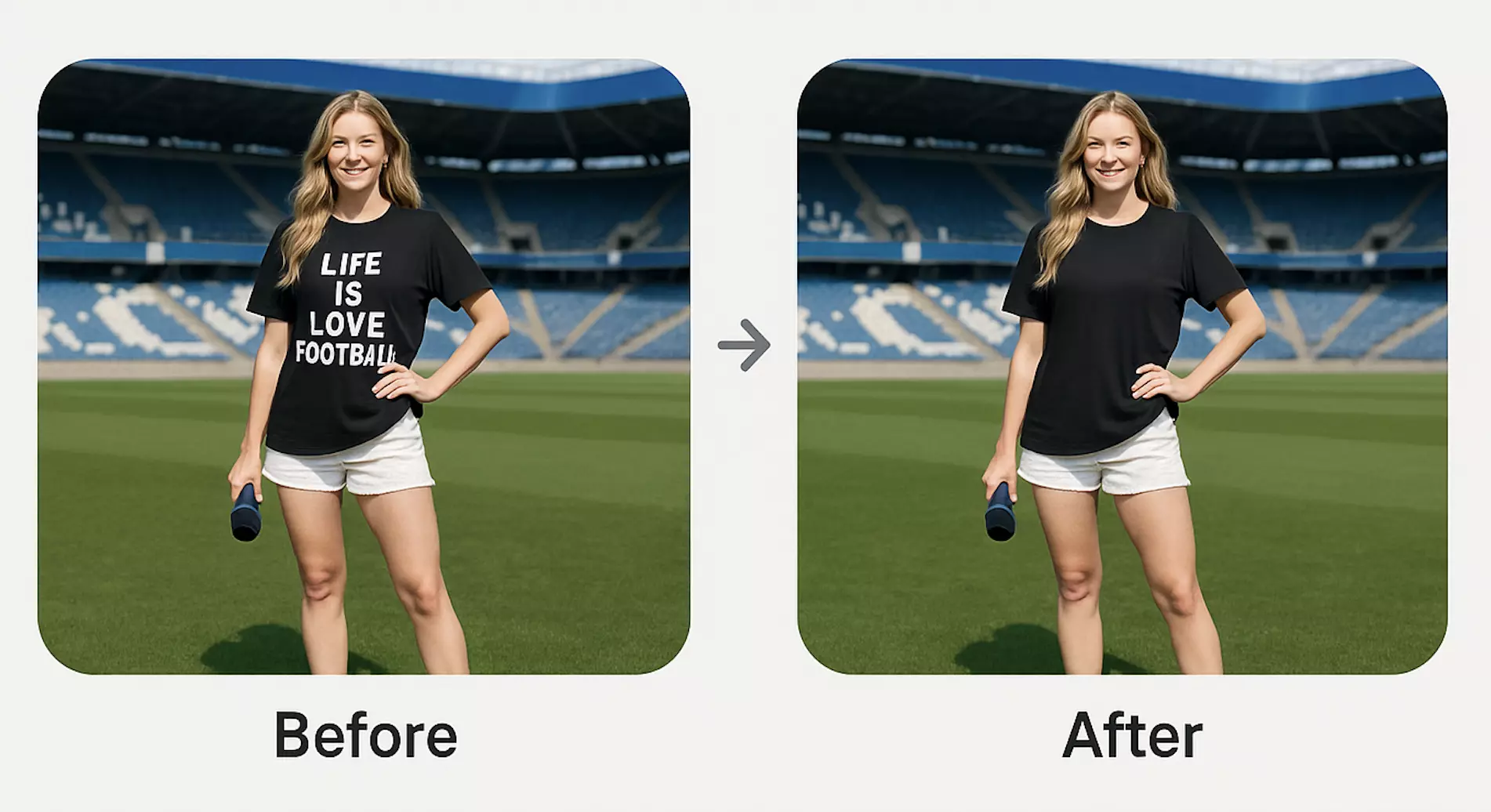
- If legacy images carry logos or text overlays you own, you can use watermark removal to clean them up. Always ensure you have rights to modify the asset.
The outcome is a pipeline where you can change product backgrounds and generate on‑brand scenes quickly, while protecting product realism.
When to change product backgrounds versus reshoot in studio
Use AI background changes when:
- Your product cutouts are high enough quality (sharp edges, minimal motion blur).
- You need variations across seasons or regions but don’t want to re‑ship inventory.
- You’re testing lifestyle context affordably before investing in a physical shoot.
Plan a reshoot when:
- The original photo has poor lighting on the subject that can’t be recovered cleanly.
- The product is transparent, glossy, or hair‑like (e.g., cosmetics, glassware, apparel with fine fibers) and edge fidelity is mission‑critical.
- You need intense macro details or complex interactions (e.g., splash photography, live models) that an AI background alone won’t simulate convincingly.
A pragmatic approach: prototype with AI, validate through A/B tests, then greenlight a studio shoot for the winning concepts that merit high-production hero assets.
Tooling comparison: online AI editors vs. desktop suites
Desktop suites like Photoshop offer deep control, but:
- Learning curve is steep for non‑designers.
- Manual masking and compositing are time‑consuming for batches.
- You’ll rely heavily on specialist designers for routine edits.
Online AI editors such as Pixflux.AI offer:
- Speed: automatic background removal, scene generation, and object cleanup in minutes.
- Low overhead: anyone on the team can produce compliant assets without extensive training.
- Scale: batch processing of entire image sets for promotions or catalog refreshes.
For many e‑commerce teams, the most efficient setup is to standardize the routine work in an online AI tool and reserve desktop suites for complex edge cases.
Hands‑on: change product backgrounds in Pixflux.AI (3‑step workflow)
You can move from neutral background to campaign‑ready visuals in just a few clicks. Try this simple flow with Pixflux.AI’s AI product background changer:
- Upload your product image
- Use the highest‑resolution source available. Studio shots with clear edges deliver the best results.
- Let the AI process the background change
- Remove the background, replace it with a solid color, or generate a tailored scene (e.g., “soft morning kitchen counter” or “holiday gift wrap setting”).
- Download the result
- Export the edited image, then place it into your PDPs, ads, or social content.
(Tip: See image suggestion—“Pixflux.AI interface showing the 3-step flow: upload product image, AI processes background change, then download result.”)
Advanced edits you can layer in the same session:
- Enhance sharpness and contrast if the original is slightly soft.
- Remove unwanted elements (stray props, reflections, or wires) to clean up the composition.
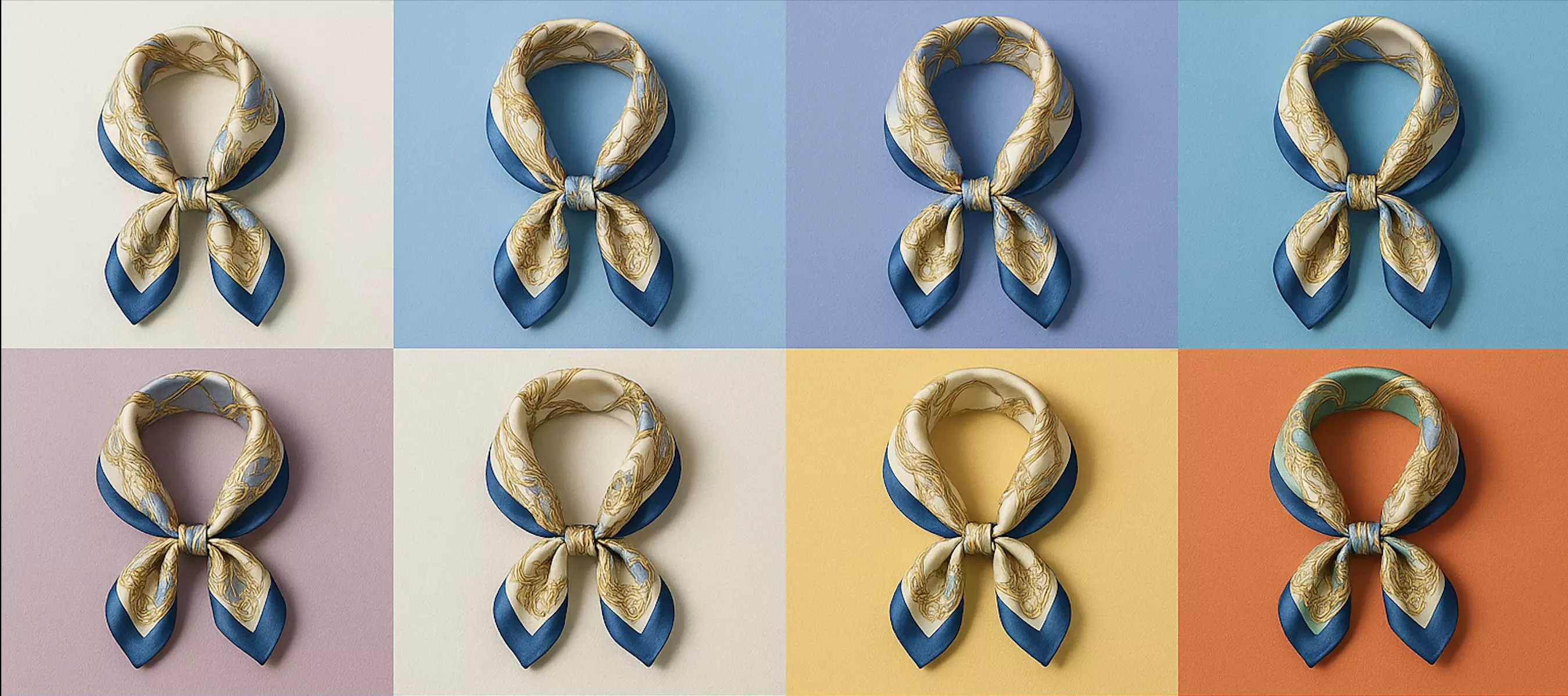
- Create multiple seasonal looks and save each as its own asset for A/B testing.
Workflow at scale: batch processing, naming conventions, and asset governance
When you need dozens or hundreds of variants, a little structure goes a long way.
- Batch runs
- Use Pixflux.AI batch processing to upload sets of SKUs and apply the same preset style across all. Ideal for “spring refresh,” “holiday red,” or “minimal sand gradient” campaigns.
- Preset styles
- Create repeatable prompts or style notes (lighting direction, color temperature, shadow softness) so variants feel consistent over time.
- Naming conventions
- Adopt a predictable scheme: brand_sku_version_background-season_region-channel.jpg (e.g., acme_4520_v2_warm-kitchen_winter_USA_PDP.jpg).
- Asset governance
- Store source files and final outputs separately. Keep a “PDP‑compliant” folder (pure white or brand‑neutral) and a “campaign” folder (contextual scenes).
- Channel specs
- Size and format templates for Amazon, Etsy, and social will reduce back‑and‑forth. For example, square 2000×2000 for marketplaces, 4:5 for Instagram feed, 9:16 for Stories/Reels.
Cross‑functional teams—growth, merchandising, design—can operate from the same playbook without waiting on specialist time slots.
Designing variants for A/B tests by season, region, and audience
A/B testing helps you discover which contexts your shoppers prefer.
- Seasonal backgrounds
- Summer: bright natural light, beach textures, outdoor decking.
- Winter: warm indoor lighting, soft shadows, cozy textiles.
- Regional personalization images
- US Northeast: warm interior wood tones, muted palettes.
- US West Coast: airy, plant‑filled modern spaces.
- Global variants: subtle architectural cues and color palettes that nod to local aesthetics.
Audience‑first setups
- Performance‑driven shoppers might prefer crisp, minimal backgrounds that emphasize features.
- Style‑driven audiences may respond to editorial, mood‑rich scenes that suggest use and lifestyle.
Test design tips
- Test one change at a time—keep the product angle, crop, and retouching identical; vary only the background.
- Run tests to statistical significance—enough sessions and time for reliable results.
- Track the full funnel—measure CTR from category/search and conversion rate on PDP, not just vanity metrics.
(See image suggestion: “Grid of A/B test image variants with overlays of CTR and conversion metrics for each background.”)
Quality criteria: lighting consistency, shadows, edges, and realism checks
Before shipping creatives, run a quick checklist:
- Lighting direction and color
- Ensure shadows fall consistently with the implied light source in the scene.
- Edge fidelity
- Inspect hairlines, fabric fringes, transparent or glossy surfaces. Zoom to 200% to catch halos.
- Grounding and shadow softness
- Add gentle contact shadows under products placed on surfaces. Adjust softness to match the material (stone vs. fabric).
- Color accuracy
- Keep product colors true to life; compare against your approved brand swatches or a physical sample.
- Noise and compression
- Export at appropriate quality; avoid artifacts that degrade perception on zoom.
Brands increasingly value realistic shadows and consistent lighting to avoid “AI sheen.” Treat quality checks as part of your standard release gate.
Compliance and ethics: trademarks, watermarks, and disclosure boundaries
- Watermarks and logos
- Only remove watermarks, logos, or text overlays from images you own or are licensed to modify. Do not use watermark removal to bypass copyright or platform rules.
- Trademarks and recognizable IP
- Avoid generating backgrounds that contain protected marks, branded packaging, or distinctive trade dress unless you have permission.
- Disclosure boundaries
- If your edits change the meaning or suggest functionality that isn’t there, clarify in text or choose a more neutral background.
Pixflux.AI includes tools to clean up marks and text overlays, but it’s your responsibility to ensure usage is authorized and compliant with marketplace policies.
Case study: before‑and‑after background changes and test outcomes
A mid‑market home goods brand tested three background treatments for a ceramic mug SKU across its US PDP and social ads:
- Variant A (control): Neutral studio white background
- Variant B: Warm morning kitchen countertop with soft daylight and light steam
- Variant C: Cozy winter scene—wood table, wool throw, candle bokeh
Results after two weeks:
- On the PDP, Variant B lifted “add to cart” by 8% versus control, while Variant C matched control overall but performed 12% better in colder regions.
- In social ads, Variant C won on CTR during a holiday promo window; Variant B pulled ahead again post‑holiday.
The team rolled out seasonal logic: use the warm kitchen scene as default; switch to the cozy scene in cold regions during Q4. The creatives were built by changing product backgrounds and generating scenes in Pixflux.AI, then applying the same lighting/shadow settings across SKUs for consistency.
(See image suggestion: “Before-and-after panel and seasonal variants shown side by side with metrics overlays.”)
AI online tools vs traditional methods
Time cost
- Online AI editors: minutes per variant and fast batch runs; easy to pivot when test data arrives.
- Traditional software or reshoots: hours per image (manual masking, compositing) or weeks to schedule and shoot.
Learning curve
- Online tools: click‑and‑preview experience suits merchandisers and growth marketers.
- Desktop suites: powerful but require skilled operators and ongoing training.
Batch processing efficiency
- Online tools: process entire collections with shared presets—ideal for seasonal updates or regional personalization.
- Traditional methods: scaling manual work is expensive and often bottlenecked by specialists.
Cross‑team adaptability
- Online tools: consistent workflows that non‑designers can follow; easy to package assets for handoff.
- Traditional methods: heavier reliance on design team capacity and file‑format round‑trips.
Use a hybrid approach: standardize routine background changes in Pixflux.AI, and reserve advanced scene compositing or hero retouching for your desktop suite or studio partners.
FAQ: Changing Product Backgrounds, Testing Variants, and Optimizing Results
How realistic can AI background changes look?
They can look fully realistic when lighting, shadows, and color are matched correctly. Start with sharp product cutouts and maintain consistent light direction and temperature. Add subtle contact shadows so the product “sits” in the scene. Zoom in to check edges around fine details like glass rims or fabric fibers.
When should I reshoot instead of using AI?
Reshoot when the source image can’t yield a clean, truthful result. If the product is poorly lit, heavily motion‑blurred, or highly reflective/transparent with complex edges, a fresh studio photo often beats AI edits. Use AI mockups to test concepts first, then commit to a high‑production hero shoot for winners.
Can I batch process product images for a seasonal refresh?
Yes, batch processing is ideal for seasonal or regional rollouts. Prepare a preset prompt or style (lighting, shadows, color) and apply it to a collection of SKUs. Review a subset for quality before publishing the entire batch to ensure consistency across the range.
Is it legal to remove watermarks or logos from images?
Only if you own the rights or have explicit permission. Use watermark removal for your own assets or licensed materials (e.g., legacy catalog images with outdated overlays). Do not remove third‑party marks to reuse images you don’t own, and always follow marketplace policies.
How do I design A/B tests for background variants?
Change one variable at a time and run to significance. Keep product angle, crop, and retouching identical; vary only the background. Track both CTR (from category/search) and conversion rate on the PDP. Test seasonal and regional variants to learn which contexts resonate with each audience.
What image sizes and formats work best across platforms?
Use platform‑recommended dimensions and high‑quality JPEG or PNG exports. For marketplaces, square 2000×2000 is a common baseline; for Instagram feed, 4:5; and for Stories/Reels, 9:16. Keep a folder of compliant “clean” images and a separate folder for campaign variants to avoid mix‑ups.
How do I keep brand consistency while personalizing backgrounds?
Create a style system and reuse it across variants. Document lighting direction, color temperature, shadow softness, and background textures that match your brand. Reapply these settings in batches so new variants feel related, even as you tailor scenes for seasons or regions.
Conclusion and next steps
Personalized product imagery is now a core lever for CRO—especially as brands localize creatives, shorten production cycles with generative AI, and build A/B testing into daily practice. By standardizing a simple pipeline to change product backgrounds, generate scenes, and enforce quality checks, you can launch relevant visuals faster and with greater confidence.
Ready to try it yourself? Open Pixflux.AI and change product photo backgrounds for a few SKUs—start with one seasonal variant and one regional variant, review realism, then run a quick A/B test. With a lightweight workflow and clear quality gates, you’ll turn visual personalization into measurable lift across your catalog.