Remove object from image: A Practical AI Workflow for Content Marketers
Skip Photoshop. Learn a quick AI workflow to erase distractions, tidy edges and shadows, and export polished images for your blog and campaigns.
 Emily CremerDecember 4, 2025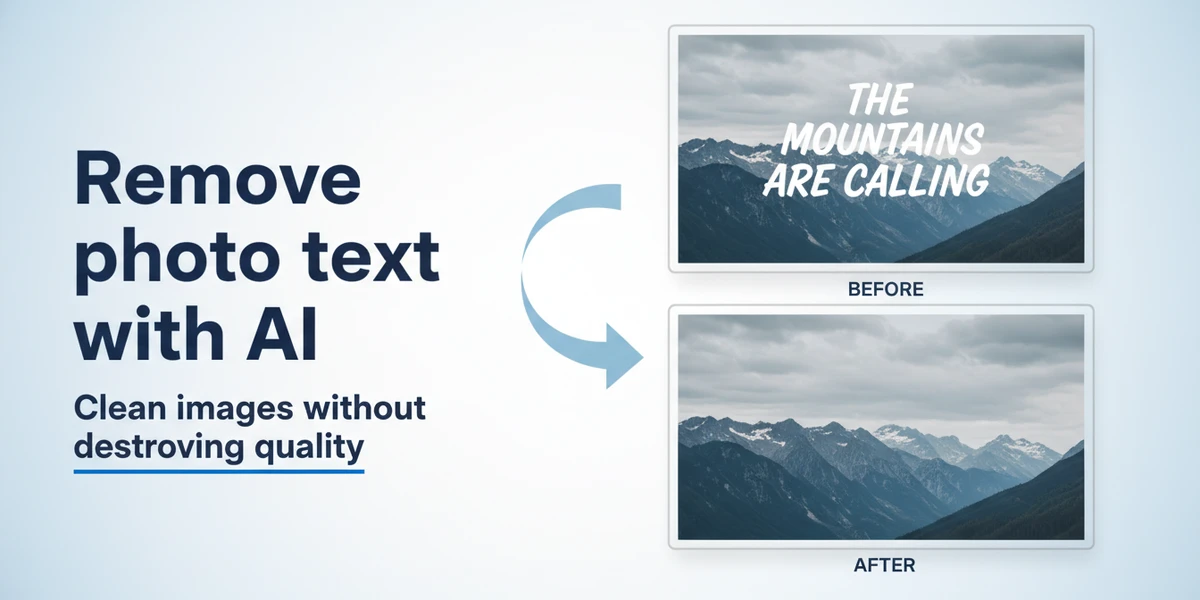
Remove object from image: A Practical AI Workflow for Content Marketers
If you publish product pages, blog posts, or social ads, you’ve likely lost time fixing visuals: a tourist walks into your shot, a price tag sneaks into a product photo, or stray cables clutter the frame. You don’t need a full design retouch for these moments—you need a fast, reliable way to remove a single distraction and keep moving.
In 2025, AI-native image tools have made this routine cleanup dramatically faster. Instead of manual masking in heavy desktop software, you can quickly remove objects from photos online with a browser-based workflow and keep your content calendar on track. Tools like Pixflux.AI handle the segmentation and smart fill for you, so non-designers can ship on-brand images without waiting on a specialist.
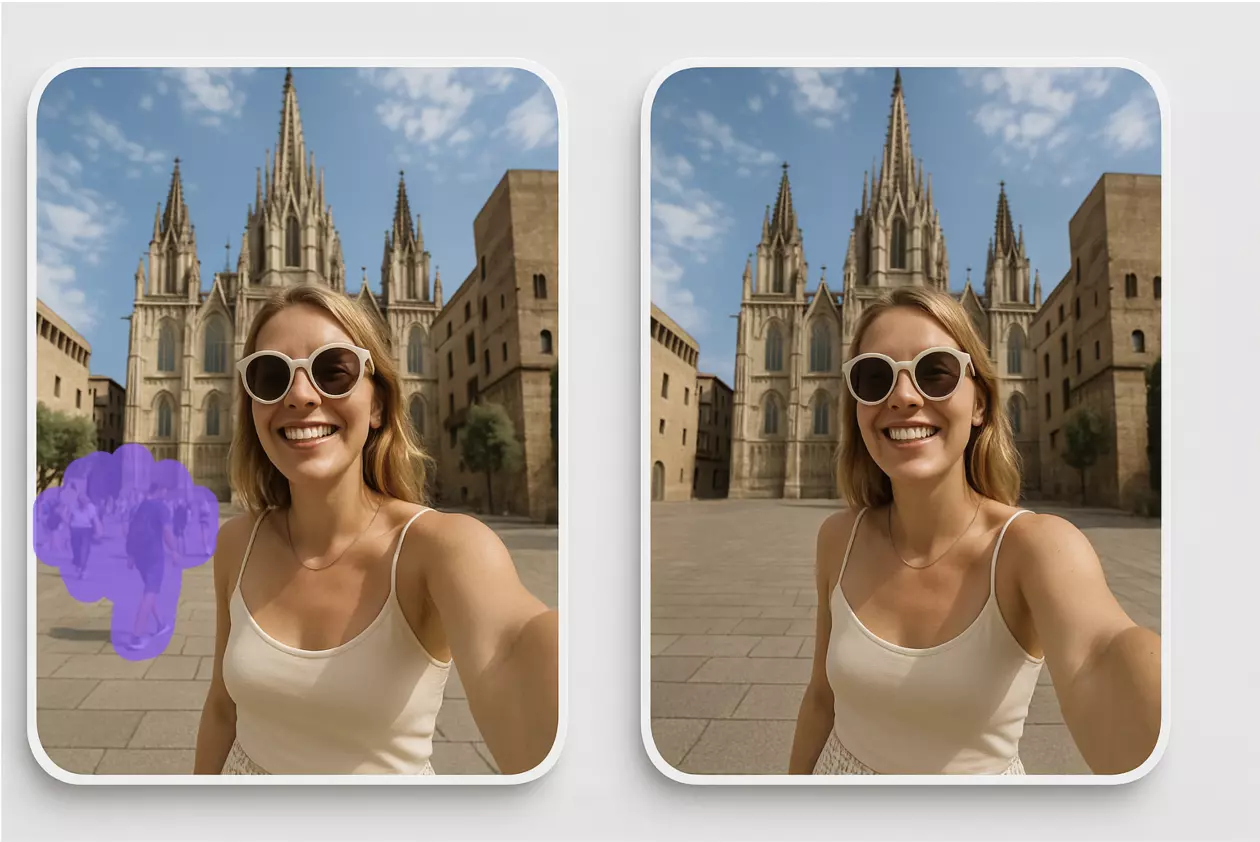
(See image: Before-and-after removing a photo bomber from a beach travel image—note the seamless sand and shadow reconstruction.)
Why clean visuals matter for content marketers
- Clean compositions guide attention. Hiding a bright trash can or a passing car improves visual hierarchy, which can lift click-through rates on ads and hero banners.
- Faster production supports content velocity. With short-form video, stories, and UGC everywhere, teams need quick image fixes to avoid bottlenecks.
- Marketplace and social standards are stricter. Amazon-ready white backgrounds, TikTok Shop thumbnails, and Instagram carousels all reward clarity.
- Brand trust depends on polish. The fewer visual distractions, the more your audience focuses on the message, feature, or offer.
What “remove object from image” means in practice
“Remove object from image” is the edit you apply when a single element distracts from the story: a hand in the corner, reflections of pedestrians, a price sticker, a tangled wire. Instead of rebuilding the whole scene, you:
- Select the unwanted item (with a brush or lasso)
- Let AI fill the area with a believable backdrop (sand, wall texture, tabletop)
- Refine edges and shadows so the result looks natural
For marketers, this is most common in:
- Ecommerce listings: tag remnants, security pins, light stands, or background clutter
- Travel and lifestyle content: photo bombers, signposts, or power lines
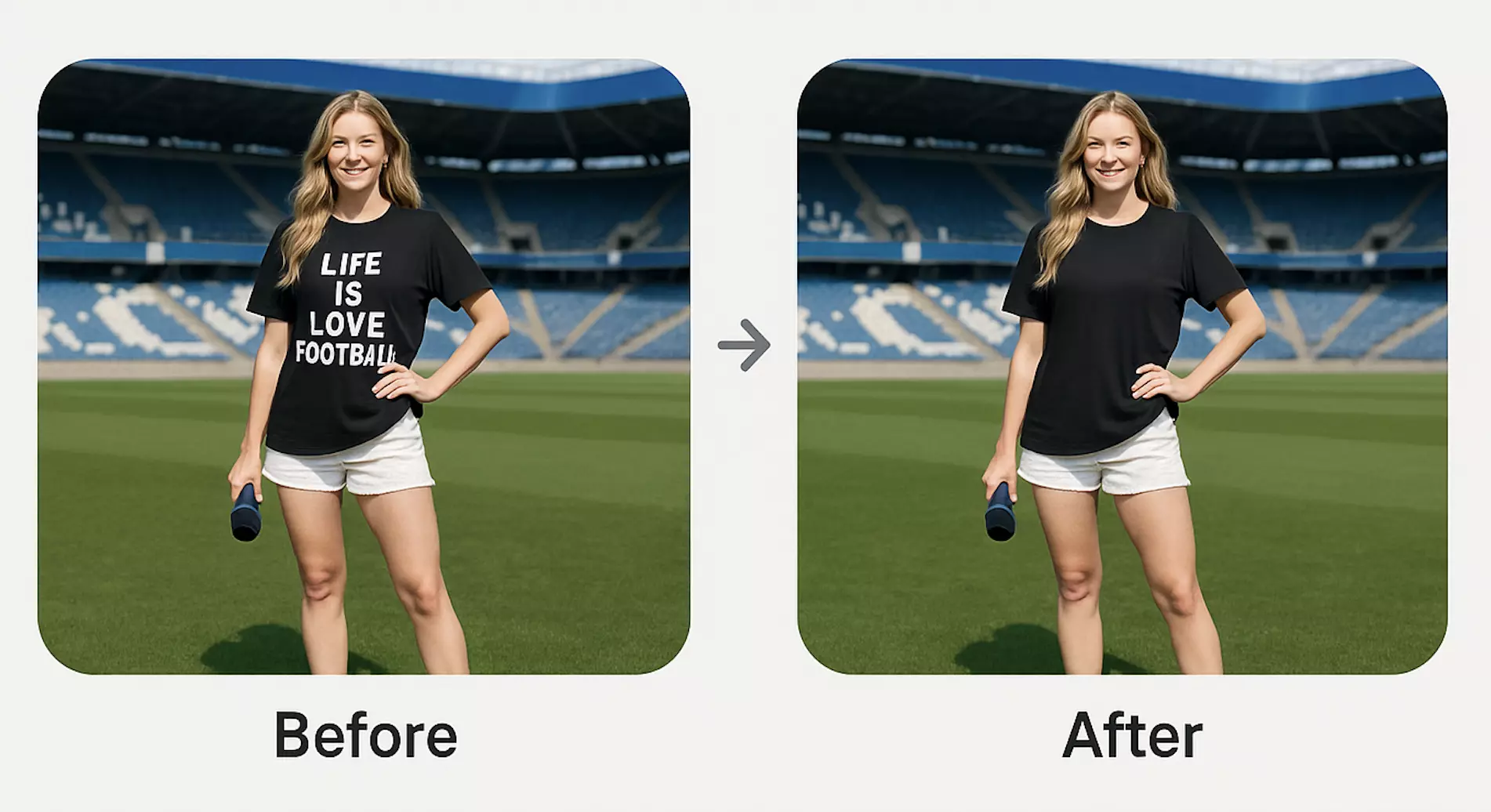
- UGC moderation: logos or personal info in screenshots
- Social ads: competing labels or off-brand elements
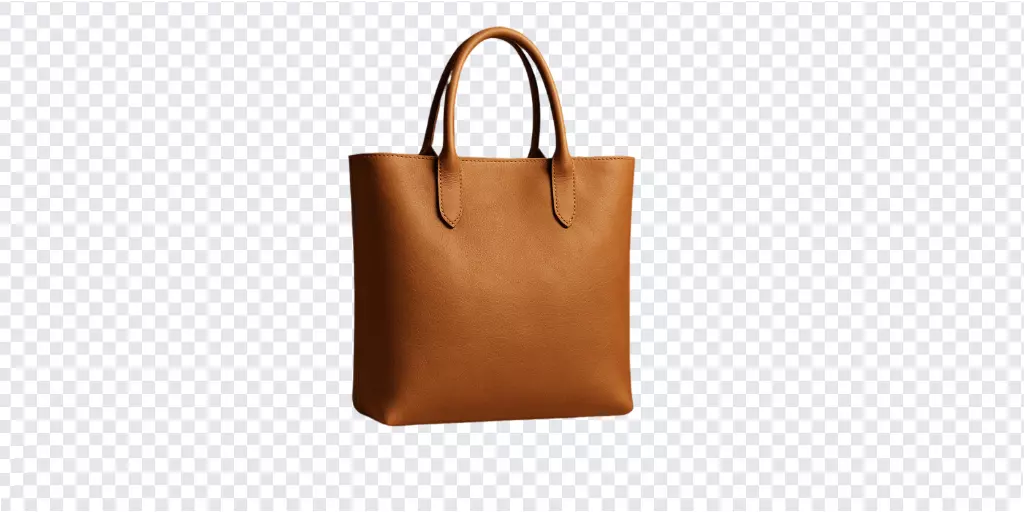
(See image: Ecommerce product photo with a price tag and stray cables removed, plus a clean white background for marketplace compliance.)
How AI object removal works versus manual masking
Traditional workflows rely on selection tools (lasso, pen), feathering edges, and clone stamping. That’s precise but time-consuming and requires experience—especially with tricky textures like hair or glass.
AI object removal uses segmentation models to detect the object boundary and an inpainting model to reconstruct the missing pixels. Modern models “understand” context: tile patterns continue, wood grain aligns, beach sand and footprints blend, and approximate shadows are rebuilt. The net result is a faster first pass that needs light refinement rather than hours of micro-editing.
Browser-based editors often add background removal, watermark cleanup, and batch processing, making routine edits even faster for marketing teams.
Choosing an online editor: must‑have features and limits
When you evaluate an online AI editor, look for:
- Brush and lasso selection: Fast markup with adjustable brush sizes; lasso for defined shapes
- Edge-aware refinement: Softness, feathering, and automatic edge detection
- Realistic inpainting: Texture and pattern continuation, believable shadows
- Quality preview: Before/after toggle and zoom to 200–400%
- Export controls: PNG/JPG, size presets for marketplace and social, compression
- Batch processing: For campaign-scale edits across dozens of assets
- Privacy basics: Local previews, clear retention policies, and explicit deletion options
Limits to keep in mind:
- Extremely complex reflections (e.g., glass storefronts) may need a second pass
- Very fine detail (stray hair strands) can require brush-size tweaks and manual touchups
- Large removals that cover key scene geometry may need a generated background replacement rather than simple inpainting
Step‑by‑step: remove object from image online
The flow is similar across modern online editors. Here’s a reliable baseline:
- Upload your image
- Drag-and-drop a high-resolution file (JPG or PNG). Higher resolution gives the AI more context to reconstruct textures.
- Select the object
- Use a brush for organic shapes (people, wires) and a lasso for defined objects (tags, boxes). Zoom in and paint slightly beyond the edges for a cleaner cut.
- Refine edges
- Adjust feathering so edges don’t look cut out. For hard surfaces, keep feathering low; for fabric or hair, increase it.
- Generate the fill
- Run the AI removal. If the background is complex (tiles, wood grain), run a second pass or nudge the selection to include more context.
- Inspect textures and shadows
- Zoom to 200–300%. Look for repeating patterns or smudges. If a shadow looks odd, restore a subtle shadow using a soft brush or rerun the fill with a slightly wider selection.
- Export for channel
- Save as PNG for transparency or layered workflows; JPG for web/social with quality around 80–90%. Keep dimensions aligned to your CMS or ad spec.
Using Pixflux.AI for object removal: a three‑step walkthrough
Pixflux.AI offers a streamlined flow designed for content teams that need fast, believable results without Photoshop. Here’s the quick way to work:
- Upload your original image
- Open the Pixflux.AI object removal page and drop your file. Large images are fine; the tool handles standard web resolutions smoothly.
- Let the AI process your selection
- Brush or lasso the object you want gone, then run the AI removal. Preview updates instantly so you can check edges, textures, and shadows. If needed, refine the selection and run again. For multiple distractions, repeat the selection to remove them in one session.
- Download the cleaned image
- Export as JPG or PNG. If you have a set of similar shots, use Pixflux.AI’s batch-friendly workflow to apply consistent cleanup across all assets.
For hands-on practice, try an AI object remover tool and follow the three steps above—upload, select, download—before you add copy or schedule your post.
(See image: Pixflux.AI interface showing the three-step flow—upload, AI processing preview, download.)
Quality checks: edges, textures, shadows, and natural blends
Before you publish:
- Edge consistency: Hard products need crisp edges; fabric should look soft. Toggle a 2–3 px feather on/off to compare.
- Texture continuation: Check lines in tiles, grout, wood grain direction, and fabric weave. Misaligned patterns are the easiest giveaway.
- Natural shadows: Even subtle drop shadows help objects sit “in” the scene. If removal wipes a shadow, reintroduce a faint one to match the light direction.
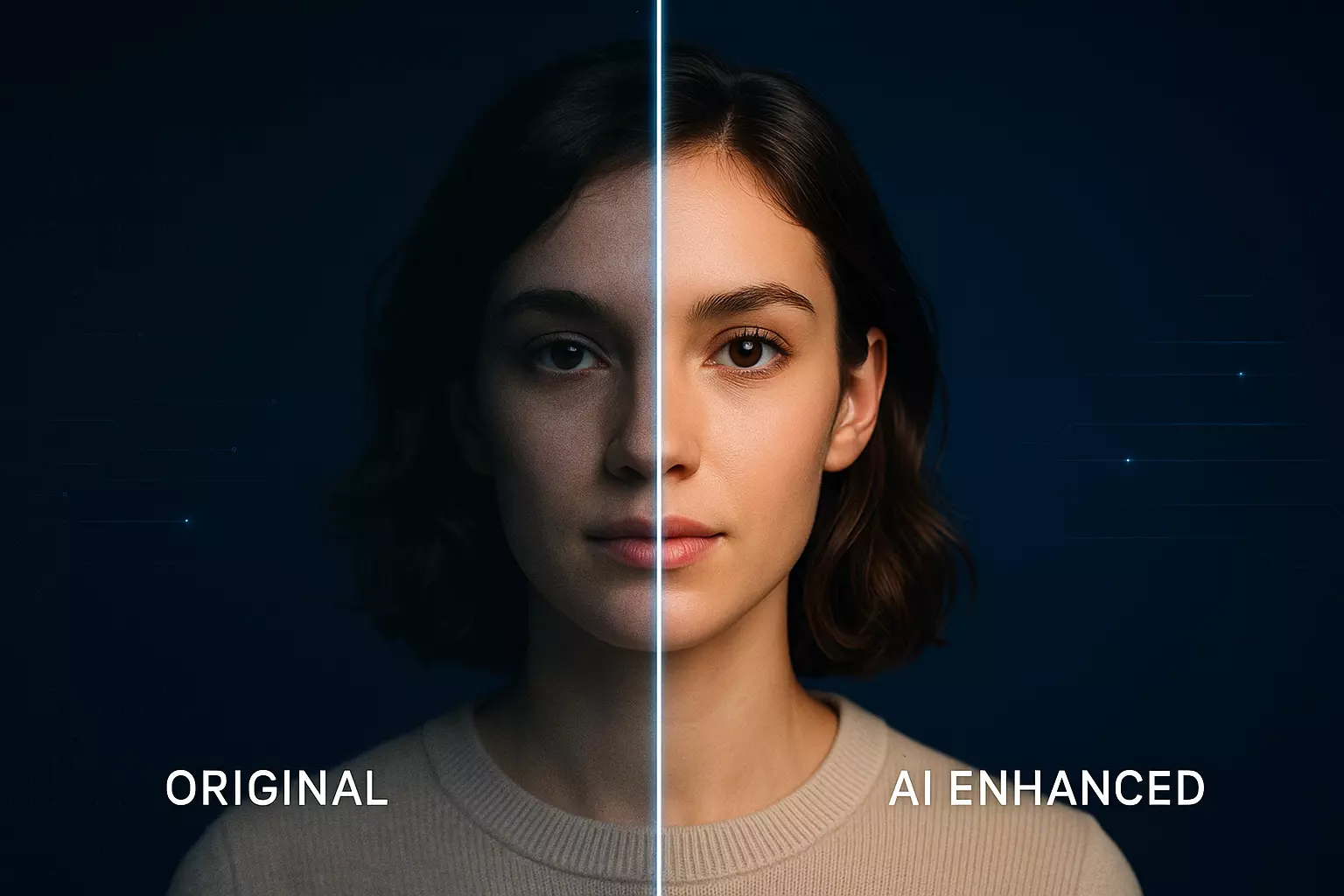
- Color cast and noise: After removal, briefly run an image enhancement pass for contrast and sharpness so the patch matches the rest of the photo.
Export settings: format, size, compression, and metadata
- Format: Use JPG for web/social posts; PNG for transparency or if you plan further edits.
- Size: Export at your CMS target width (e.g., 1600 px for blog hero, 1080 px for Instagram square, 1200 × 628 for link ads).
- Compression: Aim for 80–90% JPG quality; test on image-heavy pages to ensure performance.
- Metadata: Strip sensitive EXIF data before publishing if privacy is a concern; keep copyright info if your workflow requires attribution tracking.
Batch workflows for campaigns and UGC moderation
For product drops, seasonal lookbooks, or UGC galleries, you’ll often repeat the same cleanup across dozens of images—remove a safety pin, hide hanging tags, clear cables around a set. Pixflux.AI supports batch-friendly handling so you can upload multiple images, apply similar removals, and export a consistent set quickly. This helps your team:
- Enforce uniform standards across marketplaces and social placements
- Keep art direction consistent across a campaign
- Reduce turnaround time when moderating UGC at scale
Tip: Create a short checklist and share it with your team—object to remove, edge setting, output size—so results match across contributors.
Troubleshooting tough scenes (hair, glass, patterns, shadows)
- Hair and fur: Use a smaller brush and slightly higher feathering. Remove in sections (fringe, then bulk) rather than one large selection. Consider leaving wispy edges and focusing on obvious distractions.
- Glass and reflections: Reflections often need two passes. First remove the object, then run a second pass to improve the reflected area. If the reflection is too complex, crop slightly or overlay a subtle gradient to blend.
- Repeating patterns (tiles, brick, fabric): Expand your selection to include full pattern units so the AI has enough context to “continue” grout lines or weave direction.
- Complex shadows: If removal breaks a shadow line, add back a soft shadow with a low‑opacity brush or re-run the fill including the entire shadow area for consistency.
- Large objects: When the removed area is big, consider swapping or generating a neutral background for a clean reset, then reintroduce brand elements (props, stickers) intentionally.
Ethics and rights: use removal responsibly
Object removal is powerful—and so is watermark or logo cleanup. Only edit images you own or are licensed to modify, and never use removal to bypass copyright, attribution, or platform rules. If you plan to clear a watermark or brand mark, ensure you have explicit rights and that the final use complies with the content owner’s terms. When in doubt, keep the mark or obtain permission.
AI online tools vs traditional methods
- Time cost: AI tools deliver believable first passes in seconds; manual masking and clone-stamping can take 15–60 minutes per image, especially for detailed textures.
- Learning curve: Browser-based editors like Pixflux.AI are approachable for non-designers. Traditional suites require deeper tool knowledge and muscle memory.
- Batch efficiency: Online tools with batch-friendly workflows speed up campaigns and UGC moderation. Doing the same at scale in desktop apps often requires advanced actions or plug-ins.
- Collaboration: Lightweight, browser-first editing suits distributed marketing teams running fast approvals and last-minute changes.
For complex composites or high-end retouching, expert designers still shine. For everyday “remove object from image” tasks, fast AI edits are the pragmatic choice.
Where to start: quick practice project
Take a recent blog hero or product detail photo with one annoyance—a cable, a stray price tag, or a passerby.
- Remove the distraction
- Check textures and shadows at 200%
- Export at your CMS size
- Drop it into your draft and compare engagement after publish
If you want a guided first run, open an AI object remover tool, upload, select, and export within a minute.
Compliance note for marketers
- Always respect copyrights and platform guidelines.
- Only remove watermarks, logos, or text overlays from assets you own or have permission to modify.
- Keep an internal log of edits for transparency when working with partners or creators.
Conclusion and next step
Clean visuals move your message forward. With AI, the routine fix—remove a distracting object, restore believable texture, export at the right size—takes minutes, not hours. As browser-based editors outpace heavy desktop suites for quick, collaborative tasks, marketing teams can maintain content velocity without sacrificing polish.
Try Pixflux.AI on a real asset from your pipeline today. Start with a simple remove object from image task, check edges and shadows, and ship the final visual with confidence.