Remove Object from Photo Online Free: 2025 Playbook for Budget-Conscious E-Commerce Sellers
Erase unwanted props from product photos in minutes—free, online, and no software. Upload, brush or lasso, preview, then export with Pixflux.AI.
 Sierra CappelenDecember 10, 2025
Remove Object from Photo Online Free: 2025 Playbook for Budget-Conscious E-Commerce Sellers
If you sell on Amazon, Shopee, or TikTok Shop, you’ve felt the squeeze: marketplaces keep tightening image standards while margins stay slim. A reflection you missed, a price tag left in frame, a stray prop, or a passerby in a lifestyle shot can push a listing into “non-compliant” territory—and cost you ranking and conversions. Hiring a retoucher for every fix isn’t sustainable. Installing and learning a full desktop suite is even less realistic when you just need one distracting object gone, fast.
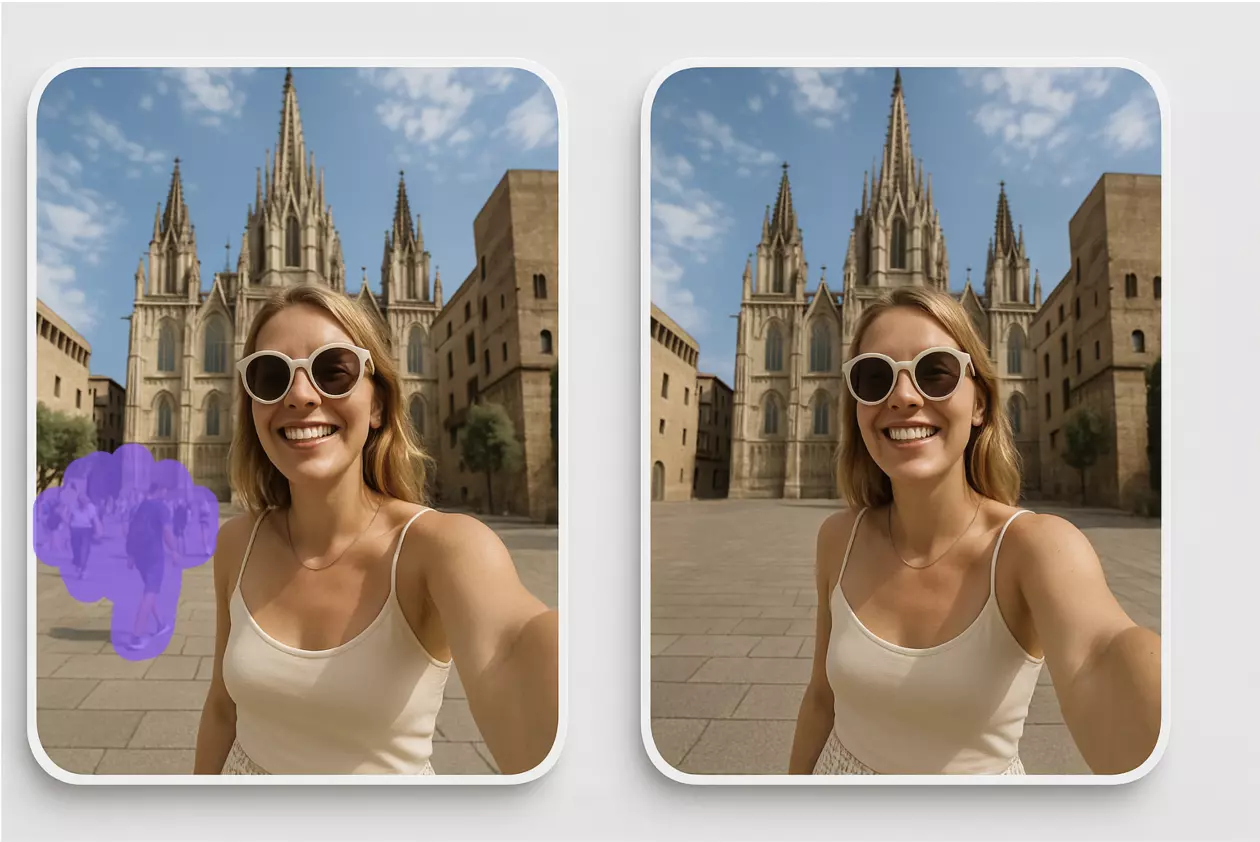
That’s why so many sellers search for “remove object from photo online free.” Browser-based AI tools now inpaint missing pixels with surprising realism, letting you clean product shots in minutes—no installs, no long tutorials. Tools like Pixflux.AI make it practical to remove object from photo online free and move on with your listing workflow instead of fighting with manual cloning.
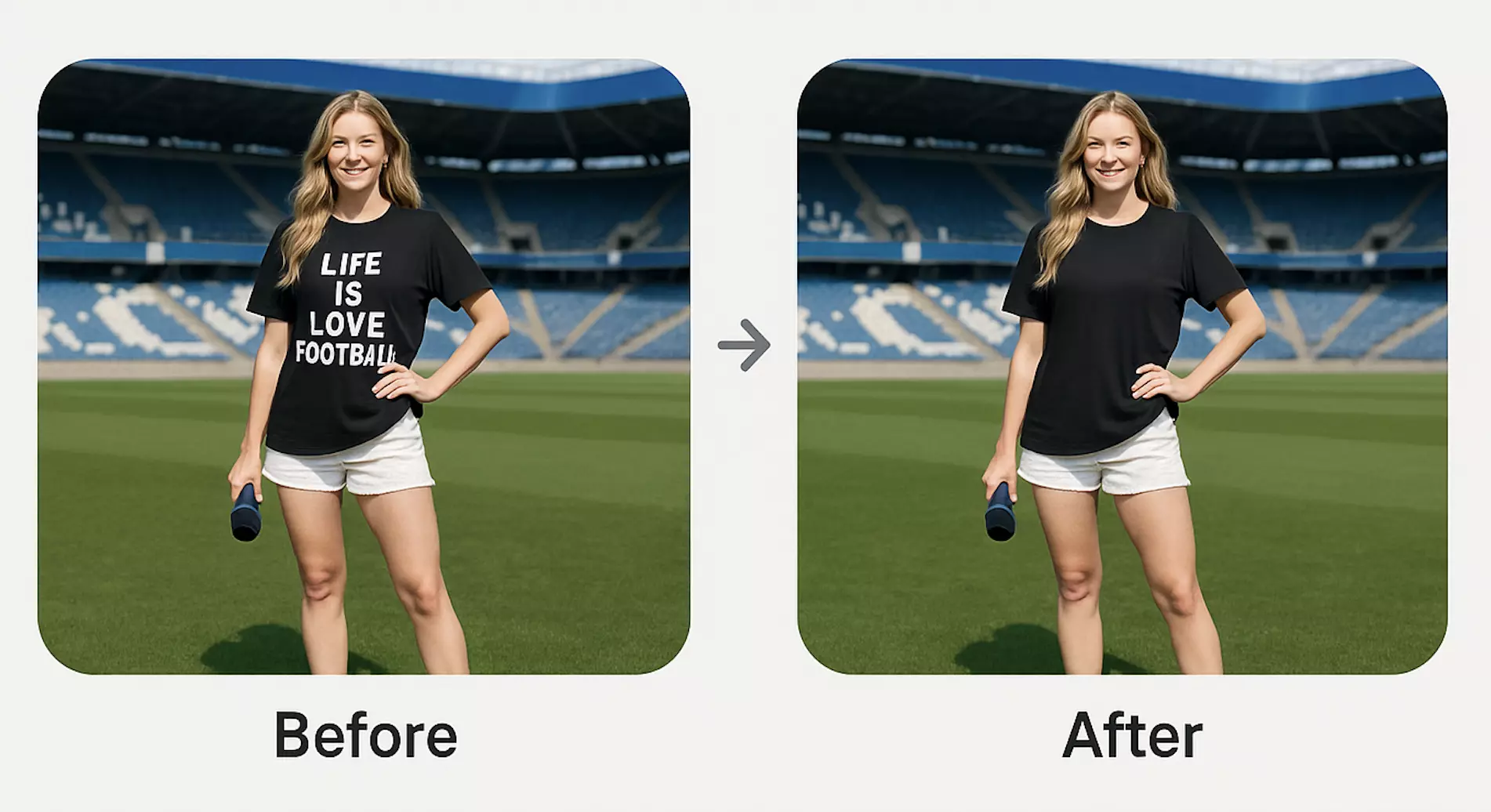
(See image: Before-and-after comparison showing an unwanted prop removed from a white-background product photo without visible artifacts.)
Why budget-minded sellers look for “remove object from photo online free”
- AI inpainting quality has jumped in the past year. For catalog photos and simple lifestyle scenes, you’ll rarely need manual pixel-level edits.
- Marketplaces have raised the bar on “no distractions, clean backgrounds, consistent shadows”—and often enforce removal at scale.
- Browser-based editors have replaced heavyweight desktop pipelines for quick tasks. SMB sellers need a fast, low-cost path to publish-ready results.
Bottom line: if you can do a clean object removal in 2–3 minutes per image with no software overhead, it’s worth standardizing across your catalog.
Object removal, explained: AI inpainting vs manual cloning and patching
- Manual cloning/patching: You copy neighboring pixels and blend them over an object. Pros: total control. Cons: steep learning curve, time-consuming, easy to create repeats and blurry edges, especially on gradients, fabrics, and patterned surfaces.
- AI inpainting: You mask the unwanted item; the model predicts what should be behind it. Pros: faster, more natural textures, better handling of gradients and perspective. Cons: may produce halos or warped edges if the mask is too tight or if the background has complex geometry.
In practice, the best results come from clean masks, feathered edges when needed, and quick visual checks for shadows and texture repeats.
Tool options compared: free online object removers vs desktop suites vs mobile apps
- Free online object removers
- Strengths: no install, quick learning curve, runs on any browser, ideal for one-off fixes and bulk cleanups when combined with batch upload.
- Watchouts: free tiers may cap resolution or daily credits; ensure your final export meets marketplace specs.
- Desktop suites (e.g., pro photo editors)
- Strengths: deepest control and non-destructive workflows; great for complex composites.
- Watchouts: software cost, steep learning curve, slower for routine product cleanup, requires a capable machine.
- Mobile apps
- Strengths: ultra-quick edits on the go; handy for social posts.
- Watchouts: small-screen masking imprecision, export quality, and color management.
For e-commerce operations, free or low-cost online AI editors are the sweet spot for speed-to-listing.
How to remove objects from photos online free: a repeatable workflow
- Identify the distraction
- Labels, cords, tape, studio stands, reflections, background pedestrians, stray props.
- Choose the selection method
- Brush for organic shapes; lasso for straight edges. When in doubt, slightly over-select to include halos and shadows.
- Mask with a soft edge
- Feather 1–3 px for high-resolution images to avoid sharp transitions.
- Inpaint and preview
- Run the AI fill once; zoom to 100–200% to inspect edges and textures.
- Refine if needed
- Nudge the mask wider where halos appear; run a second pass.
- Validate against marketplace rules
- Check dimensions, background color, and shadow consistency (more in the checklist below).
- Export and name consistently
- Use standard file names (SKU-variant-angle.jpg) to keep catalogs organized.
(See image: Pixflux.AI interface screenshots illustrating the three steps: upload image, AI processes the selection, download result.)
Remove objects with Pixflux.AI: upload, brush or lasso, preview, and download
For a fast, no-software path, here’s a 5-step process using Pixflux.AI:
- Open Pixflux.AI in your browser.
- Upload your original image (product shot or lifestyle).
- Pick Object Removal, then mask the unwanted item with the brush or lasso.
- Tip: include the object’s shadow if it touches the product or background surface.
- Preview and make micro-adjustments
- Toggle the overlay to inspect edges. If you see halos or repeating textures, expand the selection slightly and re-run.
- Download the cleaned image
- Choose JPG for marketplace product shots or PNG if you’ll combine with transparent backgrounds later.
Because it’s a free online object remover, this workflow suits quick listing updates and batch cleanups. Bonus: in the same session, Pixflux.AI can remove messy backgrounds, generate new on-brand scenes for social, enhance clarity/contrast, or clean faint watermarks you have the right to edit.
Compliance note: Only remove watermarks, logos, or marks from images you own or are licensed to modify. Do not use watermark removal to bypass creator or marketplace policies.
Quality checklist for Amazon, Shopee, and TikTok Shop images
Use this quick pass before exporting:
- Background
- Main image: pure white or marketplace-approved neutral; no gradients unless allowed.
- Edges
- No halos, fringing, or jagged cut lines around the product. Natural shadows retained or re-created.
- Shadows and reflections
- Soft, consistent with light direction; no detached shadows from removed objects.
- Dimensions and crop
- Amazon: longest side 1600–2560 px recommended; fill 85%+ of frame. Shopee/TikTok Shop: check current size and aspect rules; square crops are common.
- Color and contrast
- sRGB color profile; accurate white balance; avoid oversaturation that misrepresents the product.
- Compression and sharpness
- Aim for visually lossless JPEG (quality 80–90%); avoid over-sharpening that creates halos on edges.
(See image: Quality checklist overlay highlighting clean edges, consistent shadows, and marketplace-ready dimensions.)
Troubleshooting artifacts: halos, warped edges, repeating textures
- Halos around the removed object
- Cause: mask too tight or feather too small. Fix: expand selection by a few pixels, increase feather slightly, re-run inpainting.
- Warped product edges
- Cause: mask overlapped a product edge and AI reshaped it. Fix: use a tighter selection along product boundaries; consider two passes—first remove the object, then restore product edge with a small clone/inpaint.
- Repeating textures or “checkerboard” fills
- Cause: patterned backgrounds (wood grain, tiles, textiles). Fix: widen the selection and inpaint in smaller sections; align brush strokes with the pattern direction.
- Shadow mismatch
- Cause: object shadow removed but not rebuilt. Fix: add a soft brush selection where the shadow should be; some tools can regenerate a subtle, realistic shadow.
Advanced edits: combine object removal with background changes and enhancement
Once the distraction is gone, tidy the rest of the frame:
- Replace or clean the background
- Switch to a pure white or subtle gradient, or generate a lifestyle scene that matches your brand. Pixflux.AI can remove complex backgrounds and create new, marketplace-friendly settings.
- Watermark cleanup (with rights)
- Remove stickers or logos from your own assets, sample shots, or vendor-provided images you are licensed to edit. Never use this to infringe or mislead buyers.
- Enhance clarity
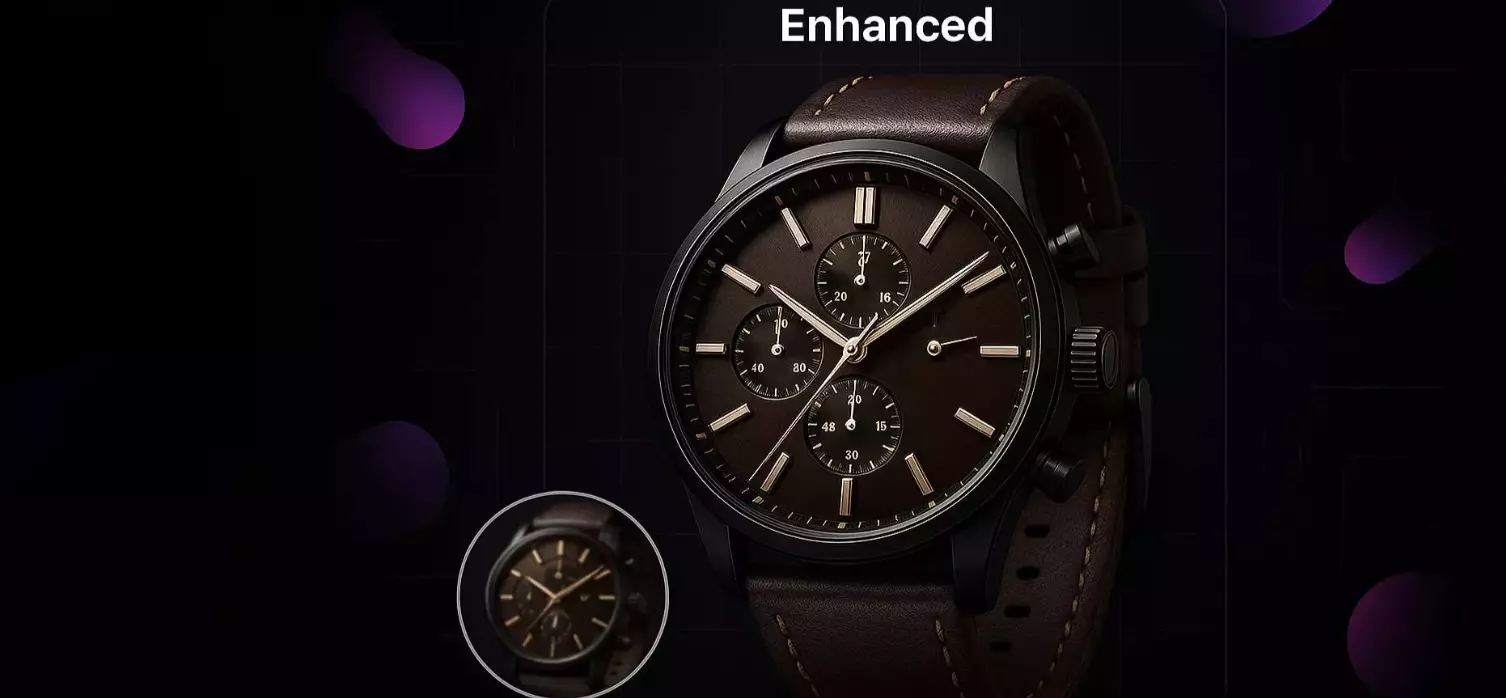
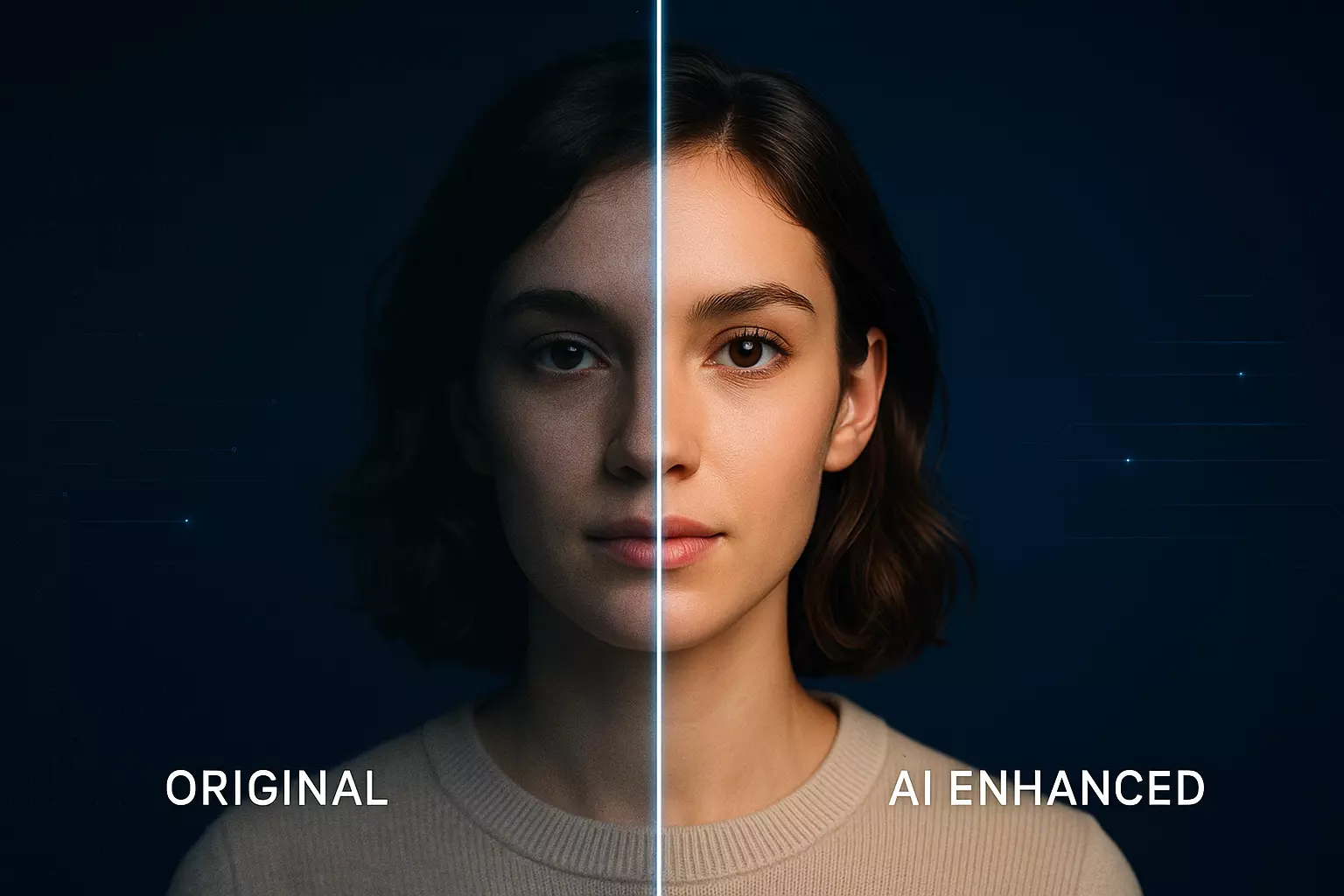
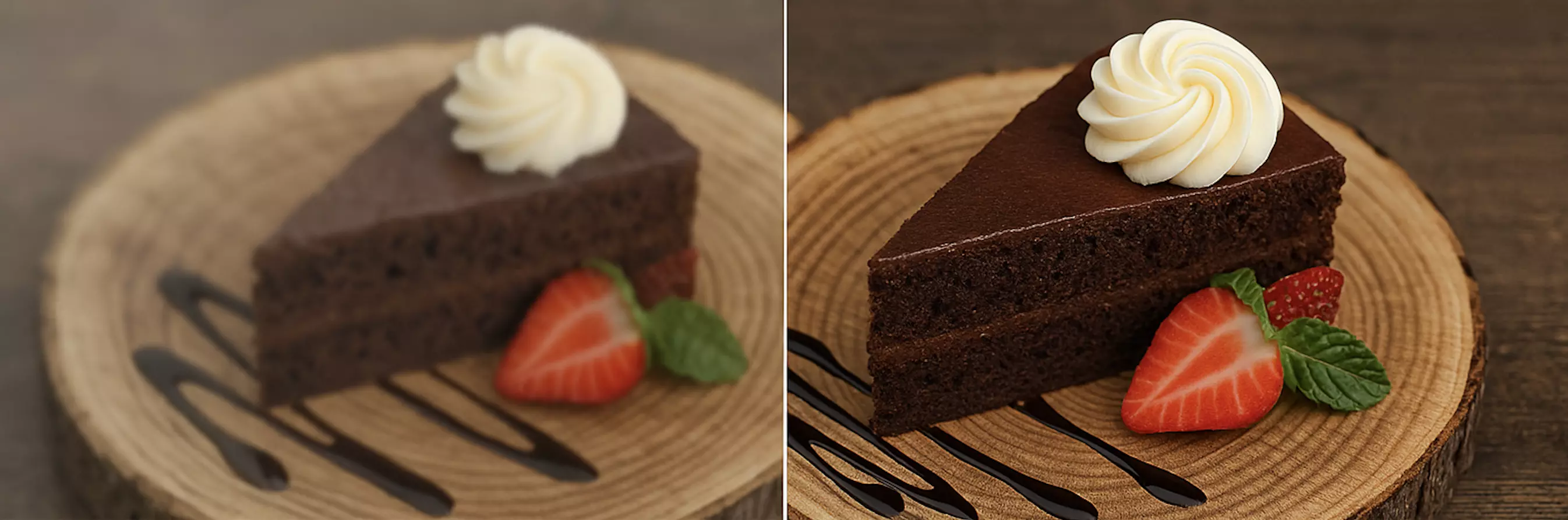
- Apply gentle detail enhancement and contrast so textures (fabric weave, product edges, embossing) remain crisp after compression.
Batch processing tips for large catalogs and variant images
- Group by similarity
- Batch images with the same background and lighting; the same selection technique will work across the set.
- Start with a pilot batch
- Run 5–10 images, confirm your checklist, then scale to the rest.
- Use consistent masks on variants
- For color variants shot on the same set, reuse your approach for predictable results and speed.
- Keep source and output organized
- Folder by SKU and angle; name outputs with predictable suffixes (-clean, -bg-white).
- Expect edge cases
- Transparent materials (glass, gloss packaging) may need extra passes to rebuild believable reflections.
Pixflux.AI streamlines this with batch uploads and one-click processing, helping you clear a backlog without overloading your machine.
Export best practices: file types, compression, color profiles, resolution
- File type
- JPEG for most product hero images; PNG when you need transparency or crisp edges on line art.
- Compression
- Target visually lossless at 80–90% quality to balance speed and file size. Watch for blockiness in gradients.
- Color profile
- Export in sRGB. It’s the safest choice for marketplaces and mobile screens.
- Resolution
- Aim for 2000–3000 px on the long edge for flexibility. Check each marketplace’s current minimums and aspect ratio rules.
- Metadata
- Keep EXIF minimal if you want smaller files; retain copyright info when needed.
Measurement and governance: keep edits transparent and compliant
- Before–after snapshots
- Save a quick side-by-side or layered file for each edited hero image. This helps internal reviews and vendor discussions.
- Lightweight logs
- Track what was removed and why (e.g., “stand, spec card, stray cable”). A simple spreadsheet is enough for small teams.
- Policy checks
- Review any marketplace-specific prohibitions (e.g., no logos, no props covering the product). Stay aligned with category guidelines.
AI online tools vs traditional methods
- Time cost
- AI object removal in a browser: 1–3 minutes per image, minimal setup. Manual cloning in a desktop suite: 10–20 minutes for complex scenes.
- Learning curve
- Online AI: brush, lasso, preview—done. Desktop suites require masks, layers, and precise clone/heal workflows.
- Batch efficiency
- Online: upload multiple images, repeat masks, download in one session. Traditional: each file is its own project, heavier on CPU and RAM.
- Team adaptability
- With a browser-based tool, any teammate can pitch in from any machine. You’re not gated by licenses or installs.
For most everyday product cleanup, AI tools like Pixflux.AI replace manual cloning without sacrificing marketplace quality.
Quickstart: the 3-step mini workflow
If you only remember one thing, remember this:
- Upload your image to Pixflux.AI.
- Brush or lasso the distraction and let AI fill.
- Download, run the quality checklist, and publish.
If you want to try it now, head to the free online object remover and follow the steps above.
Conclusion and next steps
Clean, distraction-free images are non-negotiable in 2025. With improved AI inpainting, stricter marketplace standards, and the shift to browser-based editors, there’s no reason to delay fixes or overpay for basic retouching. Pixflux.AI helps you remove unwanted objects, refine backgrounds, enhance clarity, and even process batches for variants—without installing software or learning complex tools.
Ready to tidy your catalog and publish faster? Start with one hero image: mask the issue, preview the fill, and export a marketplace-ready result in minutes. Try it now and remove objects from photos online with Pixflux.AI.