Remove Text from Images for Cleaner Product Visuals A Practical Workflow for Marketers
Cut clutter from your product photos the right way—remove labels, stamps, and UI text while keeping textures, edges, and color true across ads and socials.
 Richard SullivanMarch 6, 2026
Remove Text from Images for Cleaner Product Visuals: A Practical Workflow for Marketers
If you run performance campaigns or product launches, you’ve likely wrestled with images cluttered by labels, sale banners, timestamps, or UI overlays. They’re quick fixes in a pinch, but they age fast, reduce clarity, and can conflict with marketplace or ad policy requirements. As platforms increasingly reward uncluttered creatives and retailers standardize cleaner PDP visuals, a reliable way to remove text from image assets—without breaking textures or edges—has become essential.
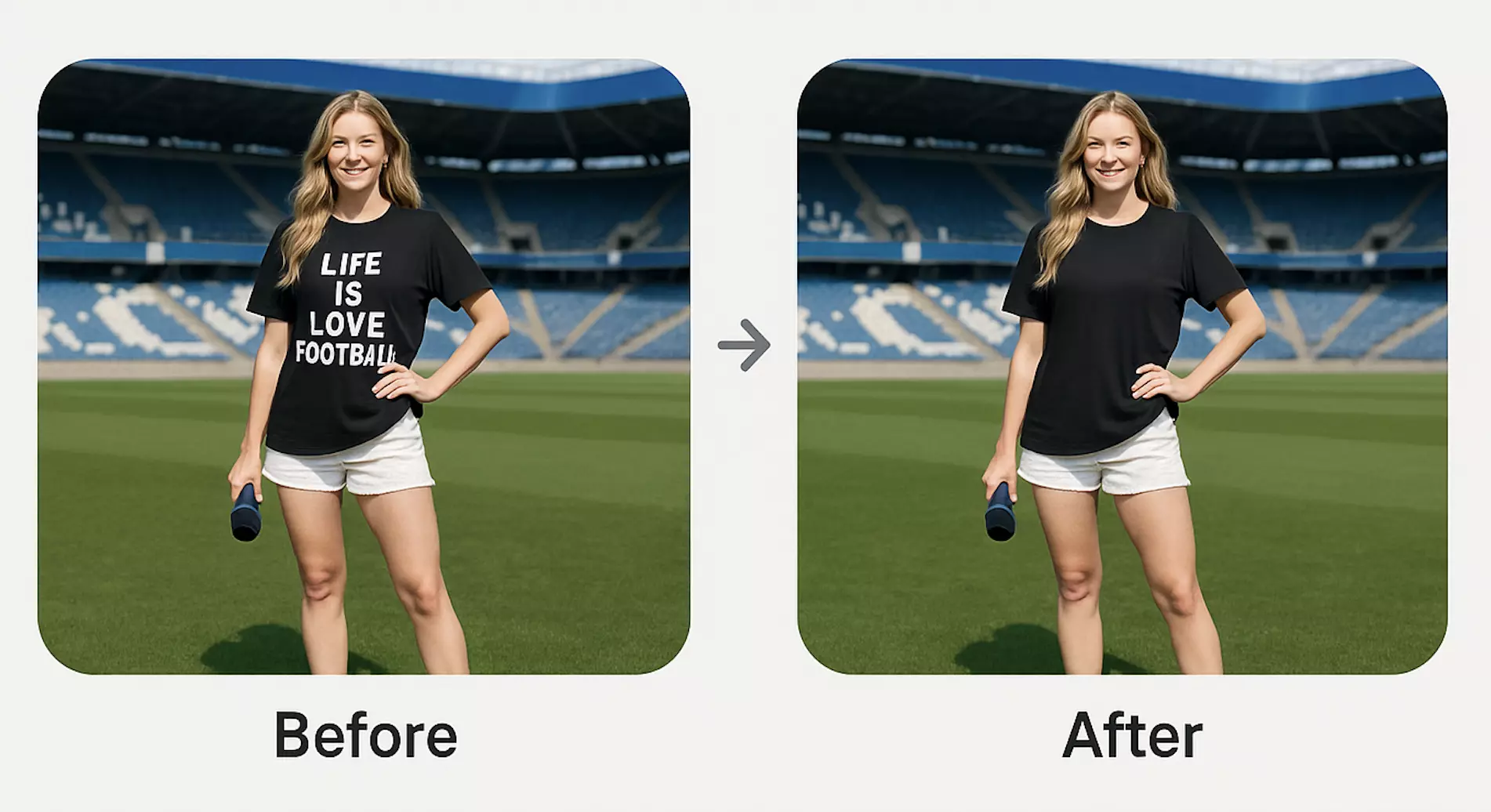
The good news: modern AI inpainting can preserve fabric grain, glass reflections, and soft shadows while it erases text. Instead of pixel-smudged patches, you get near-photoreal fills you can reuse across ads, landing pages, and social. When you’re moving fast, a browser-based workflow to remove text from image helps you transition from “quick promo” to “brand-consistent creative” in minutes.
Why removing text from images matters in performance marketing
- Platform performance: In 2026, most major ad platforms favor minimal-text visuals, especially for top-of-funnel placements. Less on-image copy means better scan-ability and more space for the product.
- PDP and marketplace standards: Many marketplaces expect clean, label-free images to protect visual consistency and avoid misleading users.
- Creative longevity: Text-agnostic product photos scale across channels. Add copy in your ad manager or design system, not baked into the pixel layer.
- Production speed: Clean masters let you localize or refresh campaigns without re-shooting. If a code or headline changes, your images don’t.
How text overlays behave: pixels, textures, edges, and artifacts
Text overlays are sharp, high-contrast shapes that often introduce:
- Aliasing and halos: Jagged edges and faint outlines after export or compression.
- Subpixel blending: Anti-aliased edges mix with the background color, complicating removal.
- Texture interruption: Fonts cut through patterns—fabric twill, wood grain, or product micro-textures—making fills more noticeable if not handled carefully.
- Compression scars: Re-saved JPEGs add blockiness around the text.
Effective removal respects three things: 1) Edge continuity: Lines should flow behind where text used to be. 2) Texture synthesis: Local patterns must be reconstructed realistically. 3) Tone and grain: Noise, shadow roll-off, and reflections should remain consistent.
Methods to remove text from image: cloning, inpainting, and generative fill compared
- Clone/heal (traditional): Good for small, uniform backgrounds. Weak on repetitive textures (e.g., herringbone fabric) and near edges. Time-intensive and skill-dependent.
- Content-aware fill alternatives: Classic tools can guess the background, but often struggle with complex textures or perspective. Expect manual cleanup.
- AI inpainting / generative fill: Learns local structure, recreates missing pixels, and maintains grain/shadow continuity. Strong on fabrics, frosted glass, brushed metal, and busy backgrounds.
In practice, AI inpainting gives the best speed-to-quality ratio. The Pixflux.AI object remover approach blends generative fill with texture-aware clean-up, producing realistic backgrounds with minimal manual retouching.
A non-destructive workflow to preserve brand consistency across ads and social
- Keep a master: Store a clean, text-free original per SKU or creative.
- Version on top: Add campaign-specific overlays in your design tool or ad manager, not baked into the image.
- Use a template system: Define crop ratios, safe areas, background color, and logo placement. This lets you activate text for one channel and remove it for another—without changing the base image.
- Document color and tone: Maintain a short guide for exposure, contrast, and white balance targets so retouches match across placements.
Step-by-step: remove text from image with Pixflux.AI (upload → AI process → download)
Here’s the fastest way to clean an image while preserving edges and textures.
1) Upload your image
- Choose a source with the least compression you have. PNG or high-quality JPEGs produce the best inpainting.
2) Let the AI process the text removal
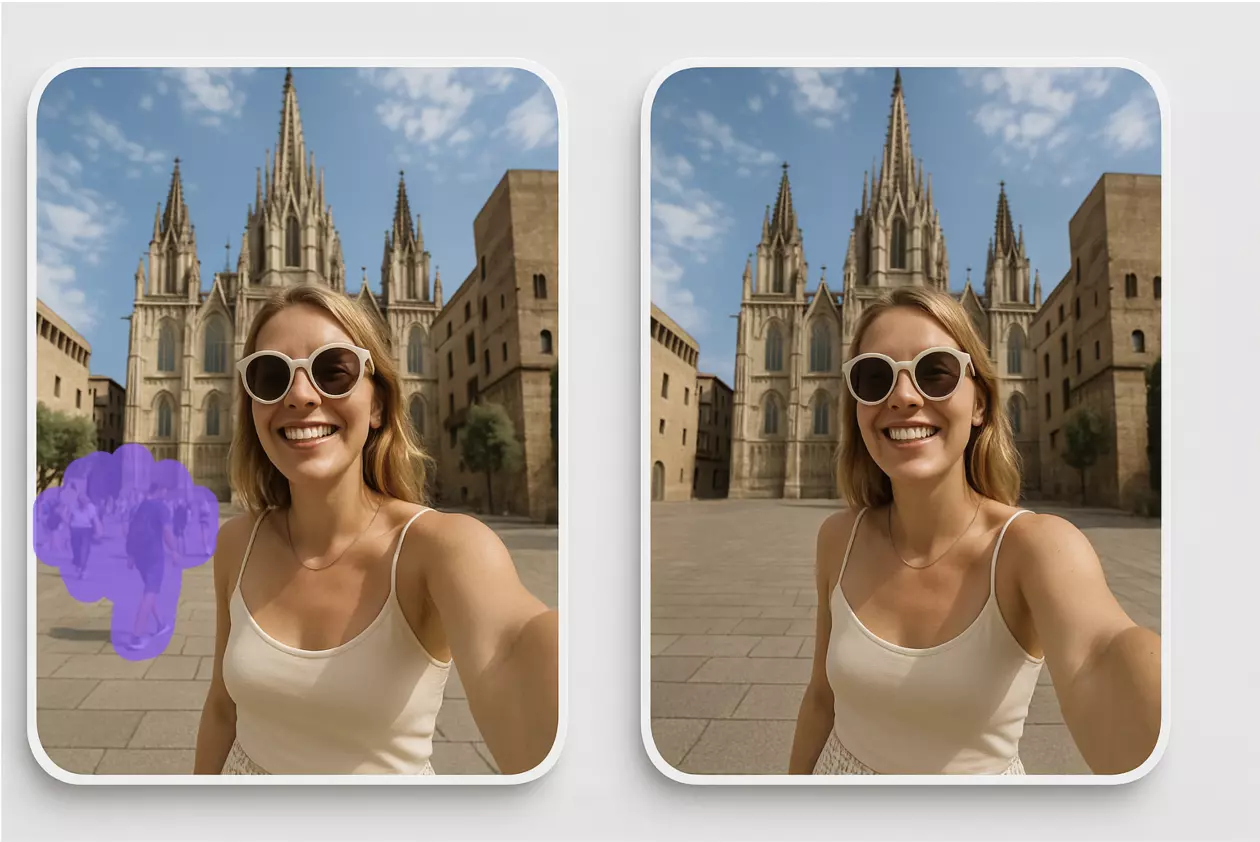
- Use Pixflux.AI’s text/object removal to brush over the unwanted label, promo text, timestamp, or UI badge. The AI reconstructs underlying textures and tones.
3) Download the clean result
- Export the final image and drop it into your ad, PDP, or social layout.
Tip: For an immediate test drive, open the tool and erase text in photos directly in your browser.
(See visual guide: Pixflux.AI interface showing the three-step flow—upload → AI process → download.)
Advanced cleanup: preserve textures, shadows, grain, and reflections
If you notice faint halos or a slight blur where text used to be, refine with these micro-adjustments:
- Expand the mask by a few pixels: Include the anti-aliased edge so no fringe remains.
- Match grain and micro-contrast: If the cleaned area looks “too perfect,” add a touch of grain to match the surrounding noise pattern or use a gentle clarity adjustment.
- Respect reflections and soft shadows: Where text sat on glass, metal, or glossy plastic, pay attention to directional light. If needed, re-run a smaller, more precise inpaint to blend highlights.
- Keep pattern rhythm: For repeating textures (tiles, stripes, knits), ensure the pattern aligns across the fill boundary. Nudge if needed and re-run.
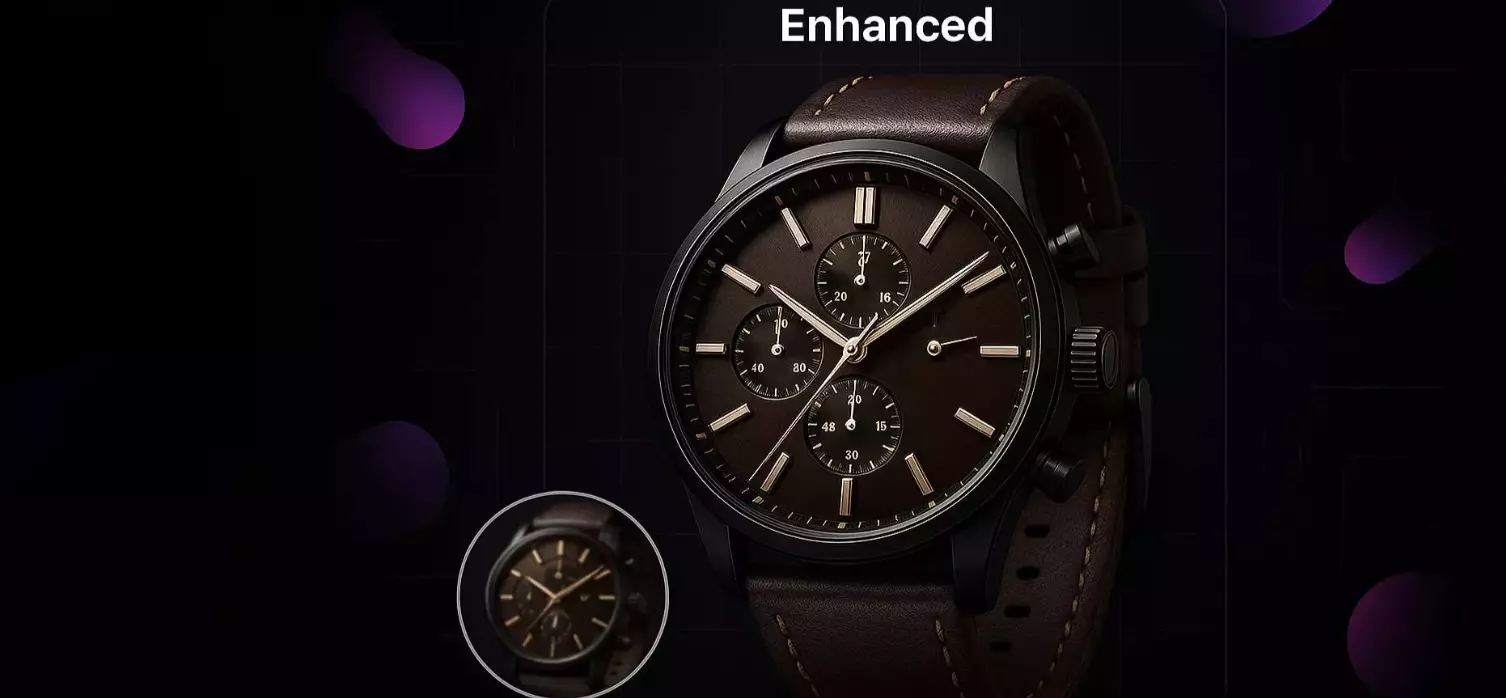
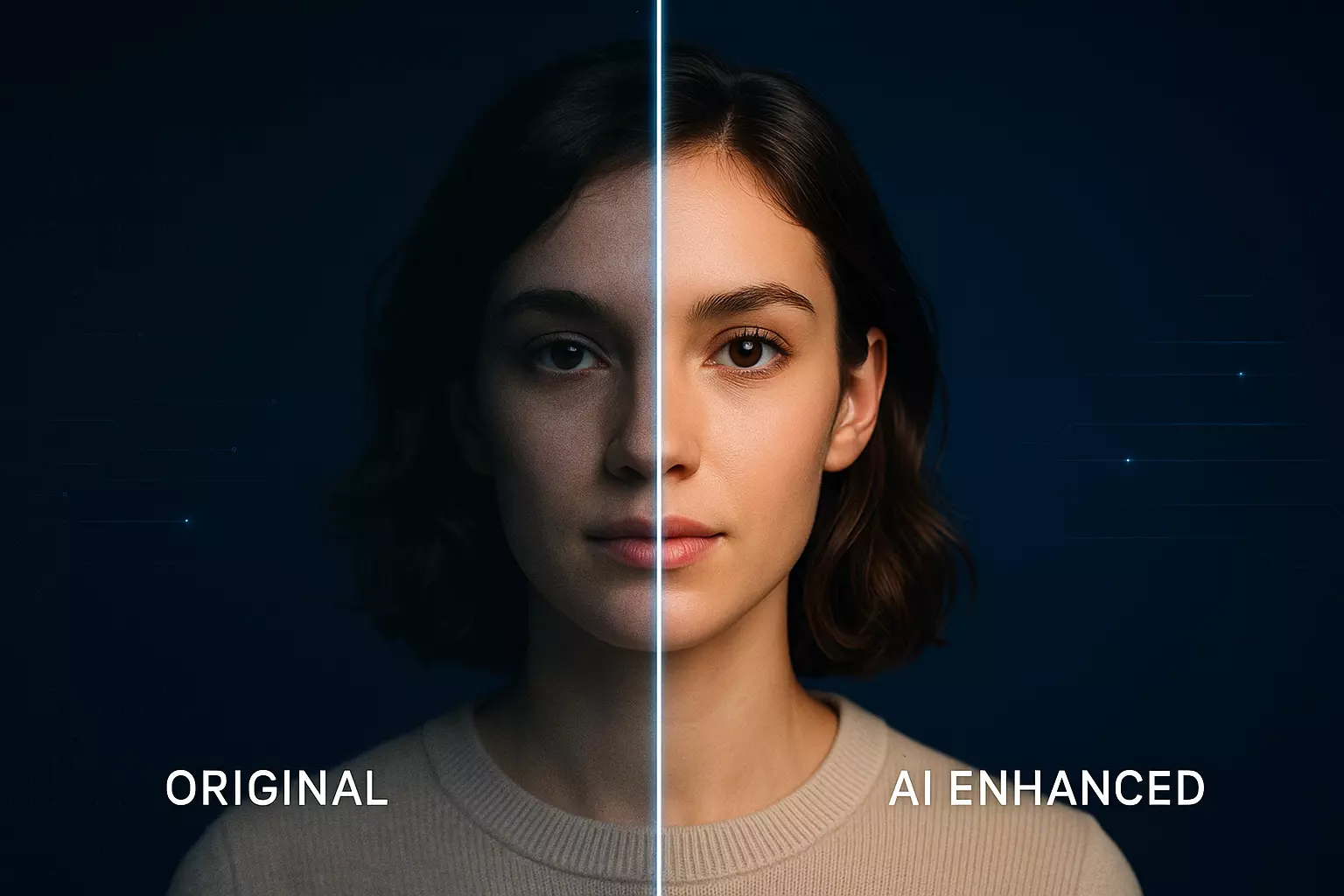
- Use enhancement sparingly: A light clarity/contrast pass in Pixflux.AI can improve perceived sharpness without overcranking edges.
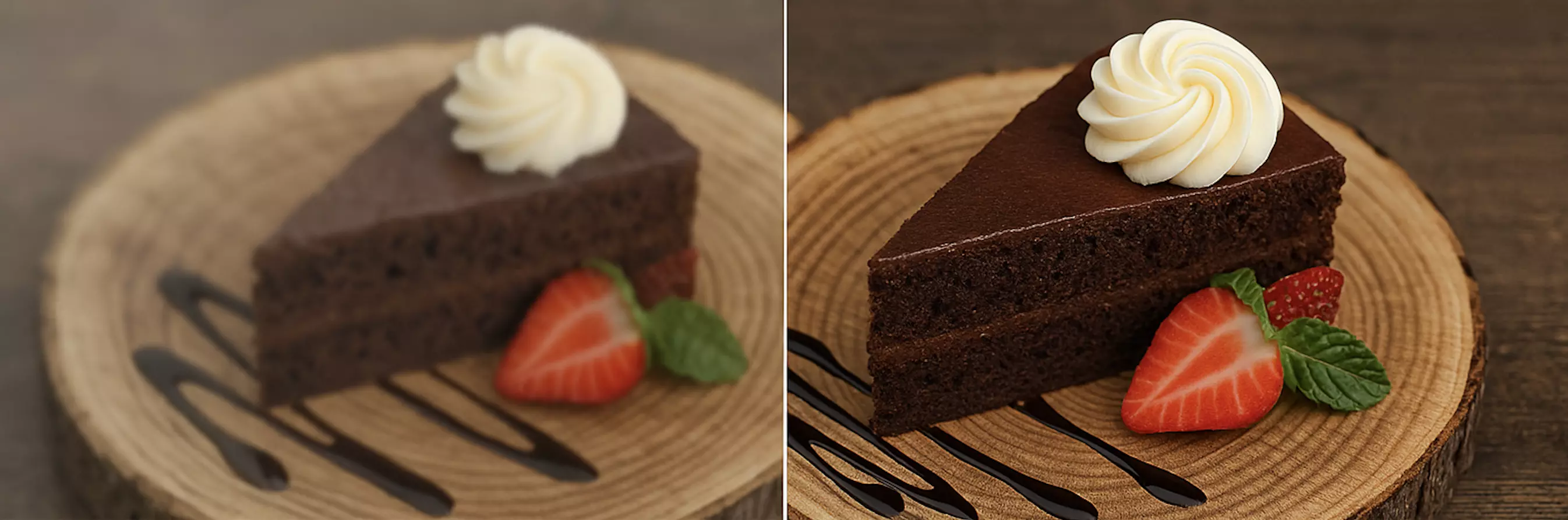
(See close-up: preserved fabric texture and clean seams after label removal—note grain continuity and thread direction.)
Batch processing product photos and UGC while keeping color and tone matched
When you have a folder of SKUs or UGC screenshots with timestamps or promo badges:
- Group by background and lighting: Batch process similar images together for consistent results.
- Standardize tone: After removal, run a subtle enhancement to align contrast/white balance across the set. This is crucial for grid ads or carousel units.
- Protect brand color: If your product color is a key identifier, avoid heavy global edits after inpainting. Use gentle, targeted adjustments to keep hue/brightness stable.
- UGC privacy: If images include sensitive info (emails, order IDs), remove or blur it. Prioritize privacy and compliance in public-facing assets.
- Time savings: Batch upload and let Pixflux.AI process multiple images in one go, then quickly review for final tweaks.
Quality checks: SSIM, edge continuity, pattern integrity, and a brand checklist
Before you ship assets, spot-check with a simple, repeatable standard:
- SSIM (Structural Similarity): For A/B comparisons against a clean reference, aim for a high SSIM score (>0.96) to confirm structure and luminance consistency. When no reference exists, rely on the checks below.
- Edge continuity: Zoom 200–300% and trace lines (stitching, table edges, seams). They should cross the former text area without wobbles or kinks.
- Pattern integrity: Look for tiling glitches or mirrored patches on repeating textures; re-inpaint small areas if needed.
- Grain and noise: Ensure the filled zone’s noise matches surrounding areas. Add slight grain to avoid plastic-looking patches.
- Brand checklist:
- Crop ratios and safe margins fit each channel template
- Backgrounds align with your system (e.g., true white, brand neutral, or on-tone)
- Color accuracy passes internal reference swatches
- No unintended artifacts near logos or legal marks
(See before/after: a product photo with promo text removed using Pixflux.AI—note consistent grain and shadow.)
Legal and ethical notes: watermarks, licensing, and disclosure boundaries
- Only remove watermarks and text from images you own or have clear rights to edit. If a watermark signals copyright ownership, do not remove it without permission.
- Follow marketplace and platform rules. Some channels require disclosures for sponsored or edited content; ensure compliance.
- Blur or redact sensitive information (names, emails, order numbers) when publishing UGC. This aligns with privacy and “watermark removal best practices.”
Troubleshooting: halos, repeated patterns, jagged edges, and mismatched backgrounds
- Faint halos around former text: Expand your selection a few pixels to capture anti-aliased edges and re-run the inpaint.
- Repeating pattern mismatch: Inpaint in smaller sections along the pattern’s rhythm (tile-by-tile or stitch-by-stitch).
- Jagged seams at high contrast edges: Feather your mask slightly and re-run; if needed, apply a low-opacity clone from a nearby edge to smooth transitions.
- Mismatched background tone: Sample nearby color and run a subtle tone correction after the inpaint. Keep global edits minimal to avoid breaking product color.
- Compression blocks after export: Export at higher quality and avoid repeated JPEG saves. If the source is heavily compressed, consider a light denoise before inpainting.
AI online tools vs traditional methods
- Time cost: AI inpainting via Pixflux.AI removes a text block in seconds; manual clone/heal often takes minutes per artifact, scaling poorly across large sets.
- Learning curve: Browser-based tools are approachable for marketers and creators; pro-grade desktop suites demand retouching experience for seamless results.
- Batch efficiency: Online AI can process many images in one go, while manual workflows struggle with volume and consistency.
- Cross-team fit: A predictable three-step flow (upload → AI process → download) makes it easy for non-design teammates to deliver brand-safe files without overhauling your process.
FAQ: remove text from image for ecommerce and social campaigns
What’s the most reliable way to remove text from image while keeping textures intact?
Use AI inpainting to reconstruct the background with realistic grain and edges. AI-based tools learn local patterns—fabric weave, wood grain, reflections—and fill missing pixels more convincingly than manual clone/heal. For busy textures or curved surfaces, run smaller, precise selections and double-check edge continuity.
Is removing watermarks legal for marketing use?
Only if you own the rights or have explicit permission. Watermarks exist to indicate copyright or licensing. Removing them without authorization may violate terms or laws. When in doubt, license the image properly or use your own photography. Always follow platform guidelines and internal compliance policies.
Can I erase text in photos and meet marketplace specs like white backgrounds?
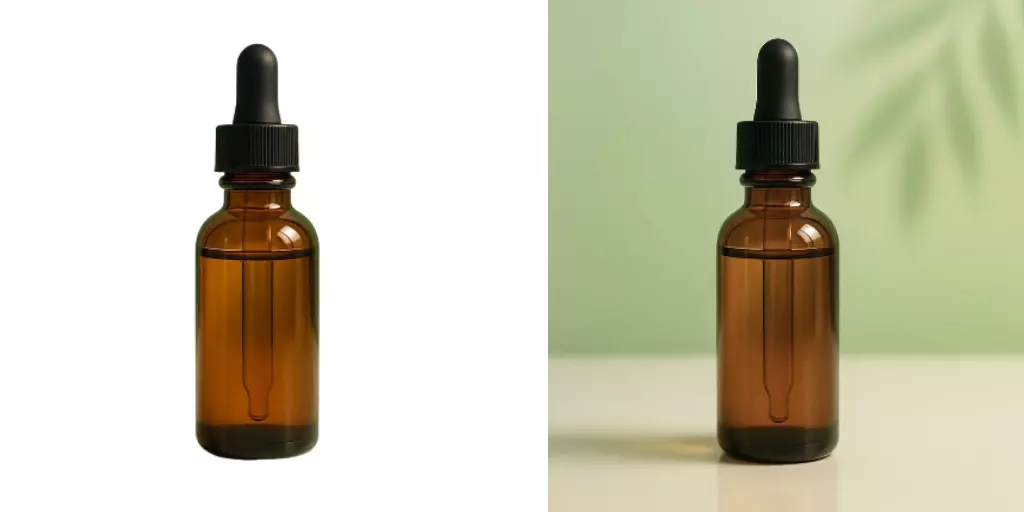
Yes, if you adhere to each marketplace’s image requirements. After text removal, ensure crops, background colors (often true white), and dimensions match the spec. If you need a uniform background for PDP images, use a background cleanup or replacement step to standardize across the set.
How do I handle batch image processing for large ad sets?
Group similar images and process them together with consistent settings. Batch your SKUs or UGC by lighting and background, inpaint text overlays, then run a light enhancement to align tone. Review a small sample at 200–300% zoom before approving the full set to catch artifacts early.
Will results look good on low-resolution or compressed images?
Usually, but cleaner source files produce better inpaints. If your image is highly compressed, consider gentle denoise or enhancement first. Avoid repeated JPEG resaves; export once at high quality after removal to minimize compression artifacts.
How do I keep brand colors consistent after text removal?
Lock a reference color target and limit global edits. Use a short brand LUT or documented RGB/HEX values for product-critical colors. After inpainting, apply minimal, targeted adjustments so hue and luminance remain stable across the batch.
How do I avoid halos and jagged edges where the text was?
Expand the mask slightly and feather selections before inpainting. Include anti-aliased edges in your selection, then re-run the fill. If a seam persists, lightly blend with a soft-edged brush or re-inpaint in smaller segments that follow the underlying pattern.
Final production checklist and edit templates for your team
- Source quality
- Use the least-compressed file available (prefer PNG or high-quality JPEG).
- Confirm color space and white balance are on brand.
- Removal pass
- Mask slightly beyond text edges; inpaint; re-run small areas if needed.
- Check grain, pattern rhythm, and edge continuity at 200–300% zoom.
- Batch alignment
- Apply gentle enhancement for tone consistency across the set.
- Save variants into a templated folder structure with clear naming (SKU, channel, size).
- Compliance
- Confirm usage rights; do not remove third-party watermarks without permission.
- Standardize backgrounds to match each channel’s spec.
- Handoff
- Package master (clean) and campaign (with overlays) separately.
- Include a one-page brand sheet: crop ratios, background, color targets, and safe areas.
Try it now: a faster way to clean up product and UGC visuals
When your team needs speed without sacrificing detail, Pixflux.AI streamlines the job: upload, brush over unwanted text, preview, and download. The AI reconstructs textures, preserves edges, and supports batch runs for multi-SKU workflows—so you can convert quick promos into evergreen, brand-consistent assets.
Open the tool to clean up images by removing text and turn cluttered creatives into high-performing visuals in minutes.