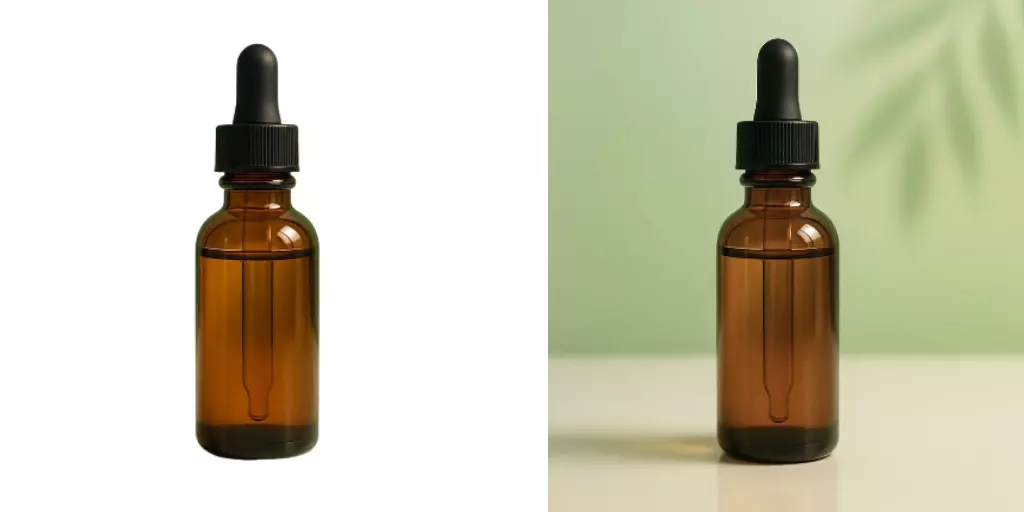
Transparent Background Generator for Creators Build Cleaner Thumbnails, Covers, and Overlays
Kick messy edges. Turn portraits and products into reusable transparent PNGs for standout thumbnails, covers, stickers, and layered social graphics.
 Sierra CappelenApril 8, 2026
Transparent Background Generator for Creators: Build Cleaner Thumbnails, Covers, and Overlays
If you produce thumbnails, podcast covers, stream overlays, or sticker packs, you already know the pain: jagged cutouts, white halos around hair, and hours lost clicking with the lasso tool. Messy edges distract from your message and quietly lower click-through rates on YouTube, TikTok, Twitch, and Instagram.
In 2026, creators ship visuals faster across more surfaces, and clean, modular assets are the backbone of that workflow. AI background removal now rivals manual masking—even on fine strands of hair—so you can focus on storytelling, not pixel cleanup. That’s where a purpose-built transparent background generator comes in. Instead of juggling complex software, open a browser-based transparent background generator and turn portraits, product shots, and logos into reusable, edge-perfect PNGs in minutes.
Why transparency matters for thumbnails, covers, and overlays
- Reusability: One great cutout = endless layouts. Drop the same subject onto gradients, brand textures, or seasonal scenes without re-exporting.
- Speed: Thumbnails and cover images often live or die on concept and clarity. Shaving 30–60 minutes per visual lets you test multiple ideas same day.
- Consistency: Transparent PNGs (or WebP with alpha) keep brand shapes, borders, and lockups crisp across platforms and sizes.
- CTR impact: In short-form and stream ecosystems, contrasty subject cutouts over clean backgrounds consistently stand out, improving scan-ability and clicks.
Key concepts: transparency, alpha channels, PNG-24 vs WebP, and edge halos
- Transparency and alpha: “Alpha” is the fourth channel carrying transparency data. A transparent PNG or WebP stores per-pixel opacity so soft hair and shadows blend naturally into new backgrounds.
- PNG-24 vs PNG-8: PNG-24 with alpha preserves gradients and anti-aliased edges; PNG-8 can band colors and create stair-stepping. Use PNG-24 for subjects; consider WebP with alpha if you need smaller files and the destination app supports it.
- Color spill and halos: When original backgrounds tint subject edges (e.g., bright green reflections), you’ll see fringing after removal. Plan to neutralize spill and reintroduce a soft, on-brand shadow on the final layout.
- Hard vs soft edges: Faces, jackets, and shoes benefit from crisp selection; hair and fur should feather subtly to look natural over any background.
Choosing a transparent background generator: online tools vs desktop editors
- Online tools: Fast, no steep learning curve, great for batch handling and instant sharing. Tools like Pixflux.AI specialize in clean cutouts and modern export options, so you can move on to design composition quickly.
- Desktop editors (Photoshop, Affinity, GIMP): Powerful for complex composites and high-touch retouching, but slower for everyday thumbnails and repeated product cutouts.
Most creators combine both: use an online tool for reliable cutouts, then assemble layers and typography in Canva, Figma, or Photoshop.
How to make transparent PNGs with Pixflux.AI in three steps
1) Upload your image Pick a portrait, product shot, or logo with decent contrast against the background. Open the online transparent background maker and drop in your file.
2) Let the AI do the cutout Pixflux.AI analyzes edges, hair detail, and soft shadows to remove the background cleanly. If needed, adjust the brush to restore or erase specific areas around shoes, accessories, or flyaway hair.
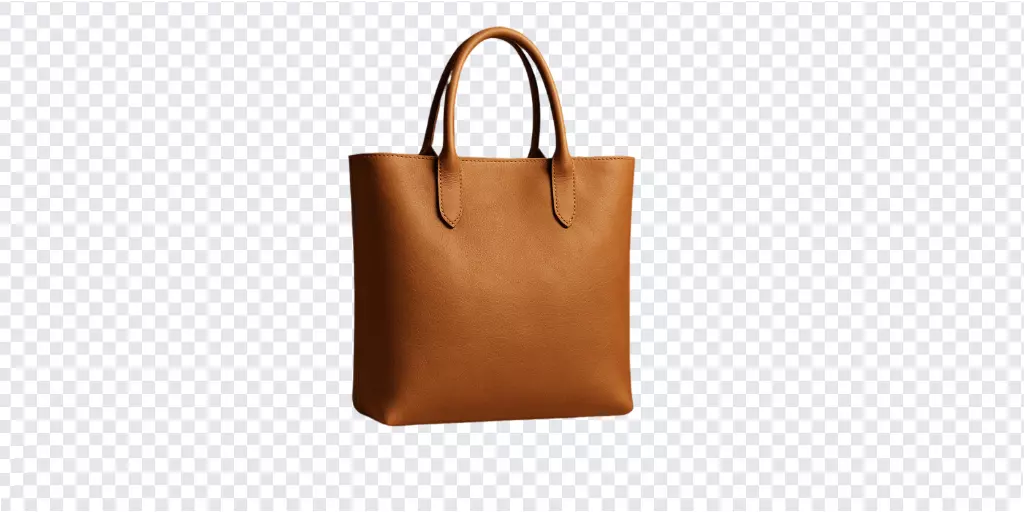
3) Download the transparent PNG Export as PNG-24 with alpha (recommended) to keep smooth edges and soft transparency. Your cutout is now ready for thumbnails, covers, and overlays.
(See image: Pixflux.AI interface screenshot showing the three-step flow—upload, AI process, download.)
Pro workflow in five steps (for tricky subjects)
1) Open Pixflux.AI 2) Upload a high-resolution source (ideally 2000 px on the long edge or larger) 3) Choose background removal, then preview; use edge refine on hair or transparent objects 4) Toggle soft shadow on/off and tweak edge cleanup if you see halos 5) Download a PNG-24 with alpha, or a WebP with alpha if your destination supports it
Turn portraits and product shots into reusable cutouts—without fringing
- Start with better source light: Even, diffuse light reduces harsh color spill on edges, which means cleaner cutouts and less halo removal later.
- Check hair strands and accessories: After removal in Pixflux.AI, zoom to 200% on hair, necklaces, and watch bands. If you spot faint background tints, use the refine brush to defringe or slightly desaturate the edge pixels.
- Keep a natural shadow: For shoes, mugs, and tech gear, retain or recreate a soft drop shadow on a separate layer. This keeps the subject grounded when you place it on bright gradients.
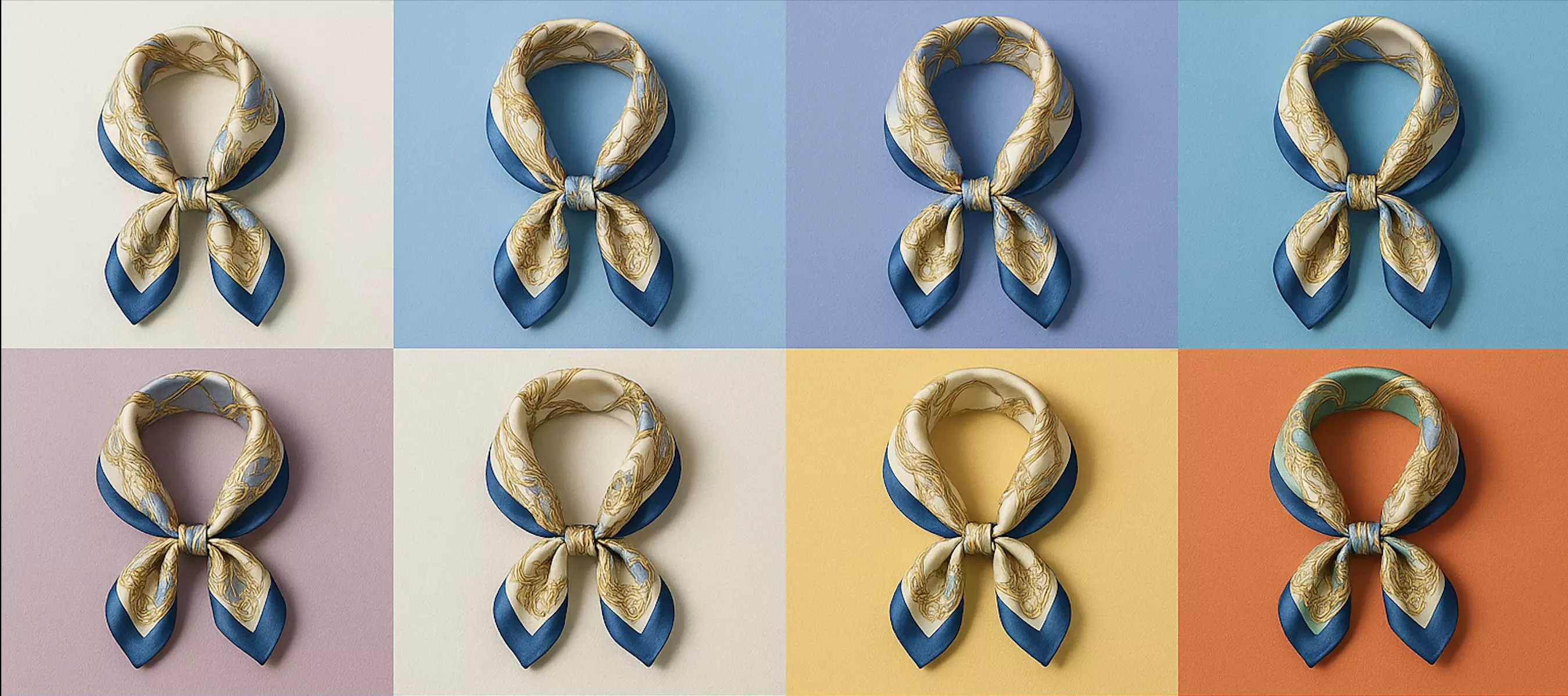
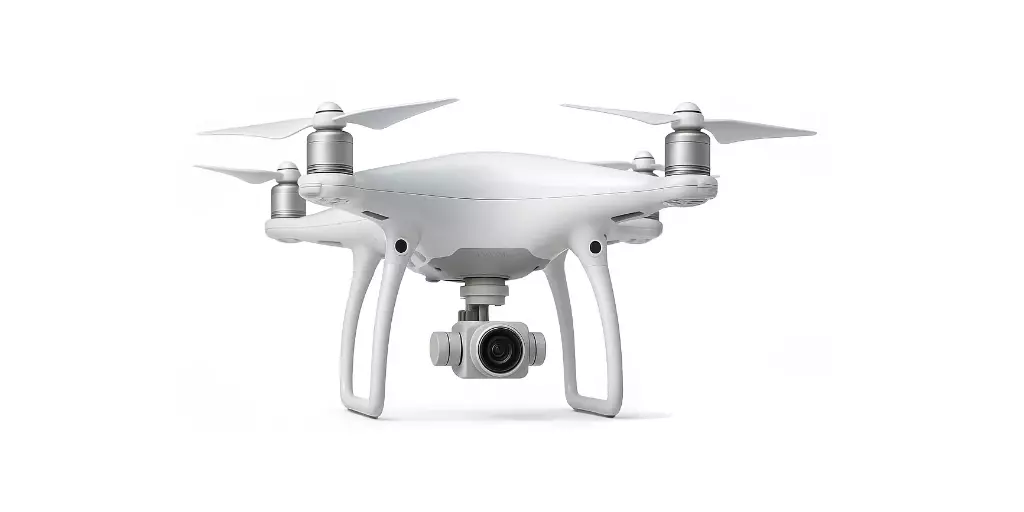
- Prepare product “families”: Process colorways in one session so your shoes, bottles, or boxes share identical crop padding and scale. Pixflux.AI’s consistent cutouts help maintain catalog uniformity.
(See image: Layered social graphic featuring a transparent PNG portrait over a gradient with bold headline text—note the clean edges, no halos.)
Layering tips for overlays and stickers in Canva, Figma, and Photoshop
- Plan depth with contrast: Place the transparent PNG on a background with deliberate contrast. A subtle inner glow or 1–2 px outline on portraits can increase subject pop on busy scenes.
- Control edge weight: In Figma/Photoshop, add a slight anti-aliased stroke that matches brand color to unify edges across varied backgrounds.
- Build sticker packs: Create 24–48 px padding around each cutout and export as PNG with transparent canvas. In Canva, Group the sticker and label, then duplicate variations fast.
- Typography first: On thumbnails, set the headline and lockup first; then scale the cutout to support the message. Overly large portraits can reduce text legibility on small screens.
Enhancements with Pixflux.AI: background changes, object cleanup, and photo boosts
As you assemble creatives, a clean cutout is only the beginning:
- Generate or swap backgrounds: Build on-brand product hero shots by replacing busy studio backdrops with neutral gradients, textured paper, or seasonal scenes that complement your palette.
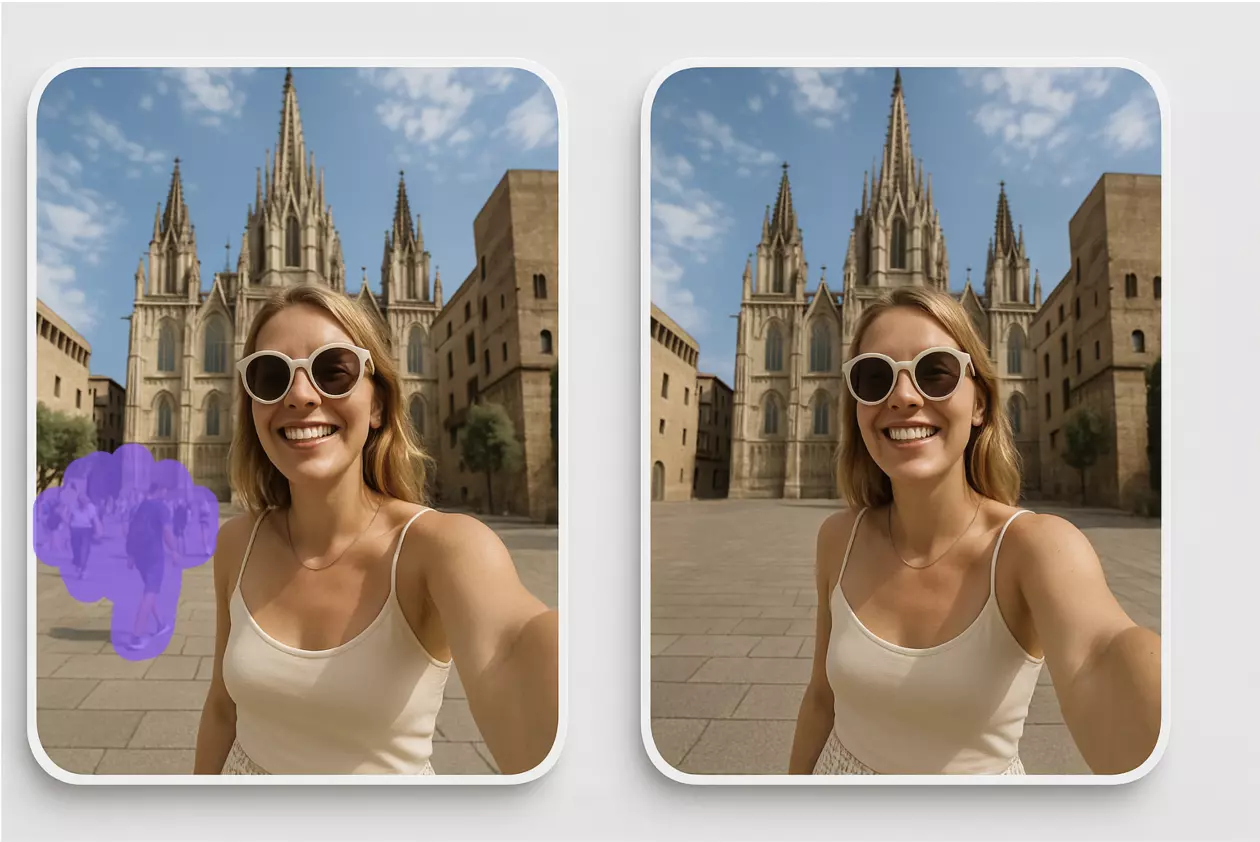
- Remove unwanted elements: Clean wires, microphones, or passersby from the original shot before or after background removal for distraction-free overlays.
- Remove watermarks you own: If you’re updating your past assets and you hold the rights, use AI watermark removal to clean old logos or date marks before relaunching the design. Only remove marks on content you own or have explicit permission to edit.
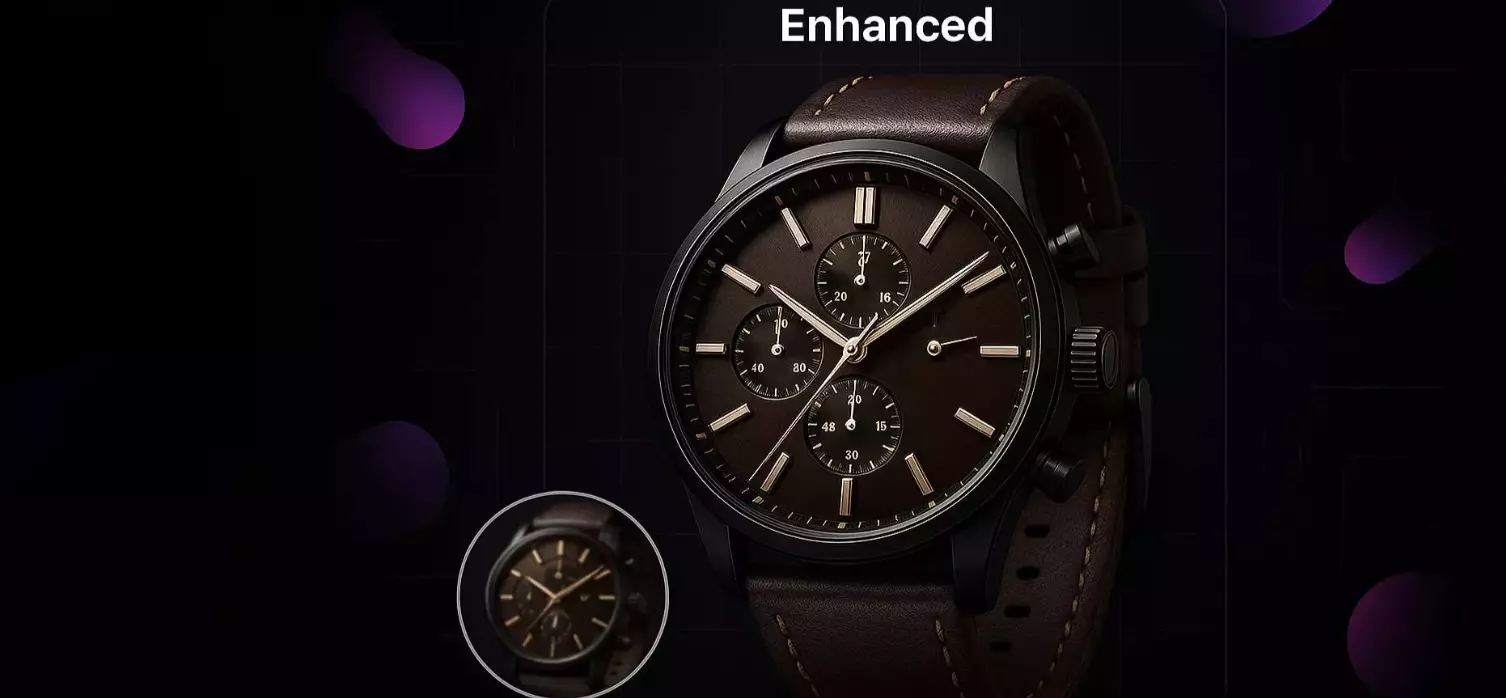
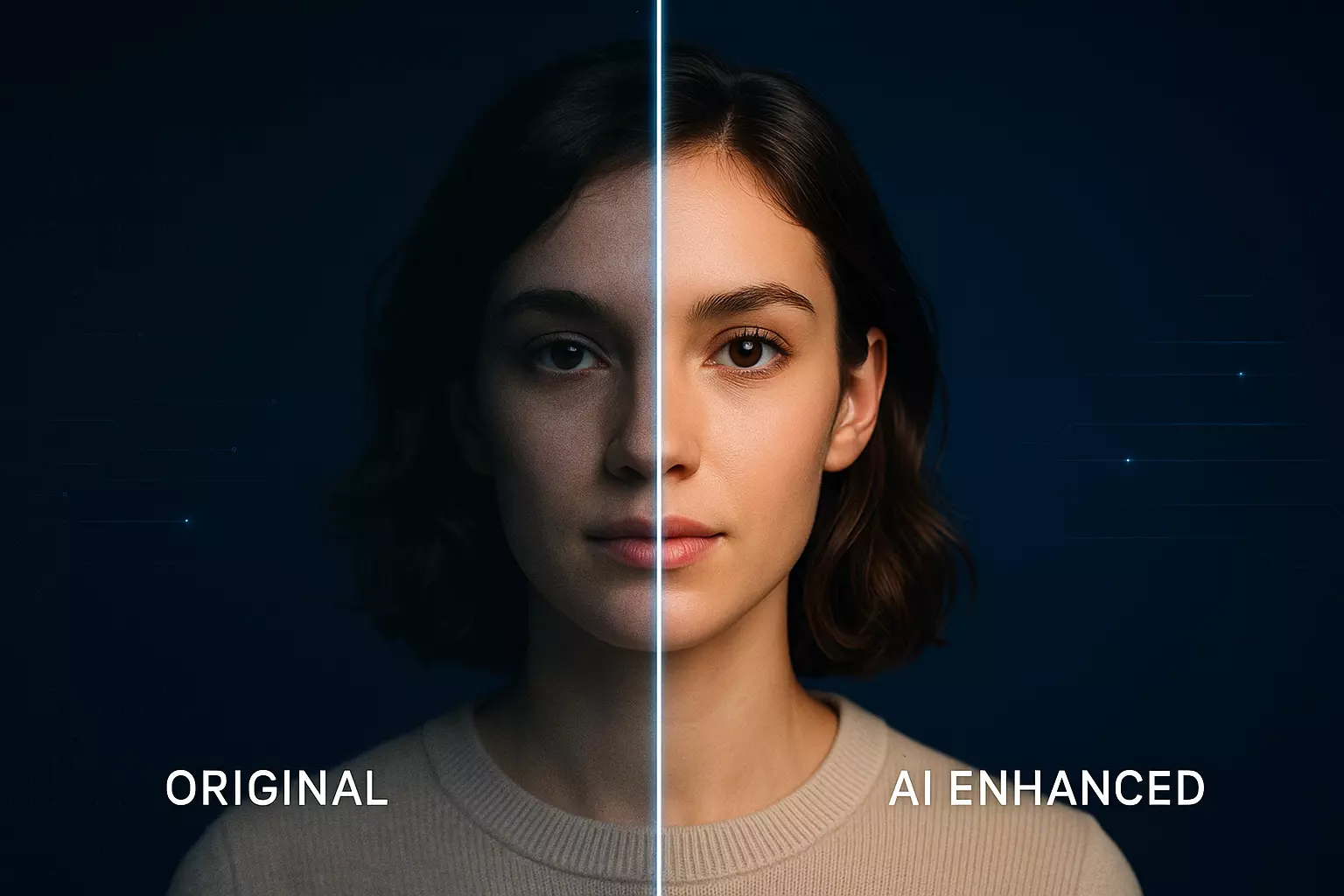
- Enhance details: Sharpen facial features lightly, improve contrast, and bring back micro-detail so your transparent PNG doesn’t look soft when scaled down for thumbnails.
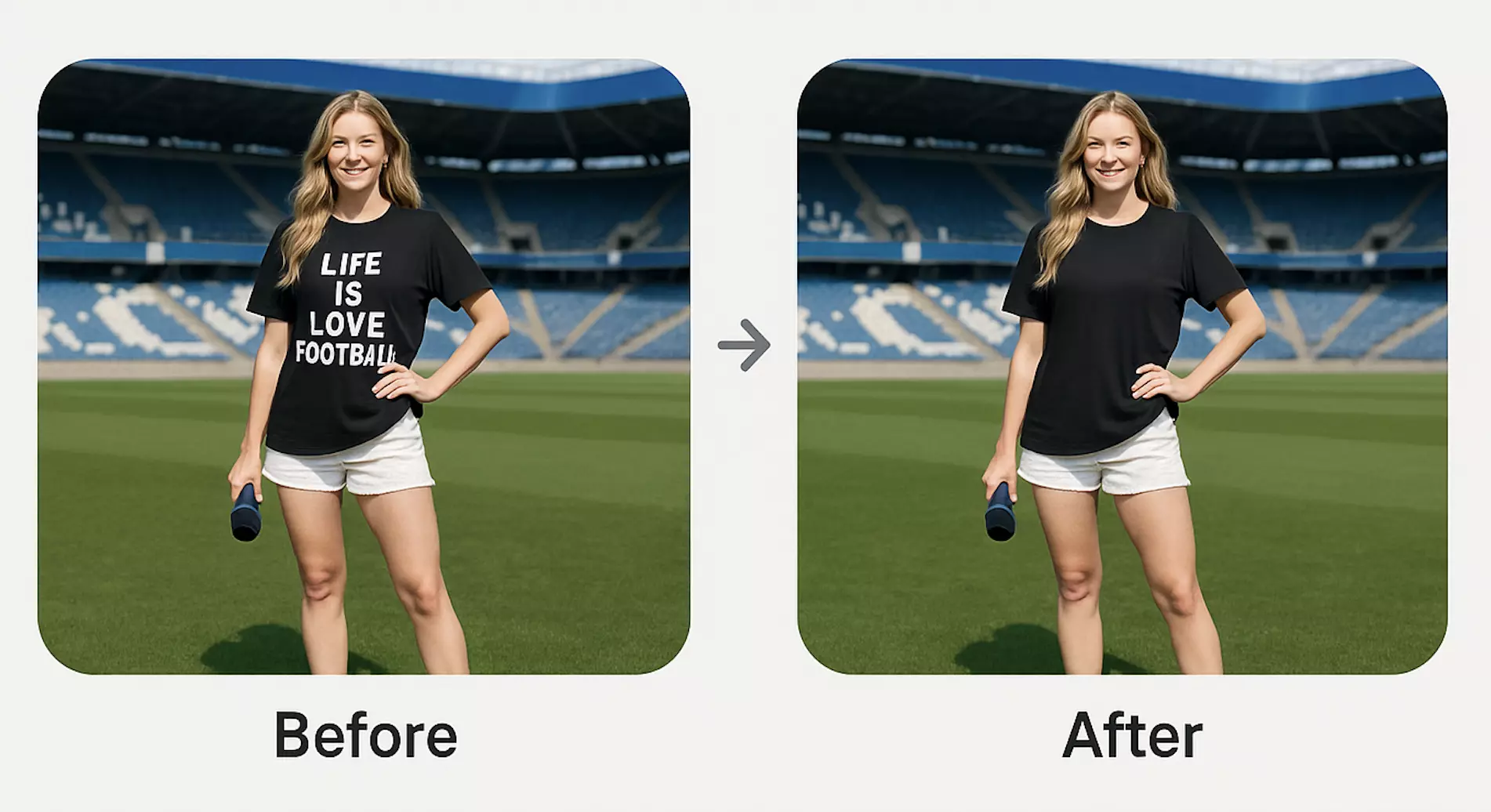
(See image: Before-and-after comparison of a product shot—original background and watermark vs. a clean, transparent cutout with watermark removed.)
Quality controls: hair detail, soft shadows, color spill, and export settings
- Hair and fur integrity: Feather edges subtly; avoid hard clipping that turns hair wisps into sudden spikes. If strands disappear, restore with a small “keep” brush.
- Soft shadows: Preserve a faint, believable shadow on its own layer. If the original is messy, recreate a soft elliptical shadow below the subject at 10–20% opacity.
- Color spill/green screen: Neutralize reflected color from green screens or saturated walls by selectively desaturating edge pixels.
- Export discipline: Use PNG-24 with alpha for final assets. For web performance, consider WebP with alpha if the platform supports it. Keep at least 1500–2000 px for master files, then downscale for platform variants.
Batch production: scale your creator pipeline with a transparent background generator
In a weekly content sprint for YouTube, Shorts, and Instagram Reels, you might need 20–50 subject cutouts. With Pixflux.AI, upload a set of portraits or product angles together, remove backgrounds in one pass, and download consistent, transparent PNGs ready for layout. Batch handling is especially helpful for:
- Catalog updates (ecommerce colorways or seasonal packaging)
- Multi-guest podcast or stream thumbnails
- Sticker sheets and emote packs that share padding and outline treatments
This removes bottlenecks so editors and social managers can iterate on design variations without waiting on manual masking.
AI online tools vs traditional methods
- Time cost:
- AI online tool: seconds to minutes per image, reliable on hair and complex edges.
- Traditional software: 15–60 minutes per image for precise pen/mask work, longer on hair.
- Learning curve:
- AI online tool: minimal; upload, refine, export.
- Traditional software: steep; requires masking, channel math, or edge-aware selections.
- Batch efficiency:
- AI online tool: multiple images handled in one flow.
- Traditional software: repetitive steps and manual exports per file.
- Team fit:
- AI online tool: non-design teammates (producers, marketers) can self-serve clean cutouts.
- Traditional software: usually gated to designers, causing handoffs and delays.
Use online AI for 80% of cutouts; reserve desktop tools for high-composite campaigns and advanced retouching.
Compliance and ethics: copyrights, watermarks, and editing boundaries
- Only process imagery you own or are licensed to edit.
- Watermark removal should never be used to strip credits or logos from content you don’t have rights to modify.
- Respect talent agreements: avoid edits that misrepresent people, products, or endorsements beyond what was agreed.
- Platform rules vary; confirm your export format and transparency policies for marketplaces and social channels.
Case-style snapshots: creator results in practice
- Thumbnails, faster: A US gaming channel moved from 1–2 thumbnails per hour to multiple versions in the same timeframe by using clean transparent PNG cutouts to test headline/color combos.
- Product clarity: A DTC skincare brand replaced busy photoshoot backgrounds with minimal gradients, improving scannability on mobile-store category pages.
- Stream overlays: A Twitch creator converted 12 emote expressions into sticker-style PNGs with consistent padding and crisp outlines for a cohesive on-stream look.
Key pattern: cleaner edges reduce noise, helping typography and subject intent carry the frame.
Troubleshooting
- Halo still visible after removal: Zoom to 200%, use edge refine to defringe, slightly desaturate edge pixels, and add a subtle stroke that matches the new background.
- Hair looks cut off: Restore strand regions using a small “keep” brush; ensure the source image isn’t compressed or blurred.
- Transparent PNG looks dull on mobile: Lightly increase midtone contrast and micro-sharpen before export; test on both light and dark backgrounds.
FAQ: Transparent background generator best practices
What format should I export for clean, reusable cutouts?
Export PNG-24 with alpha for maximum edge quality. PNG-24 preserves smooth gradients and soft transparency around hair and shadows. If your platform supports it, WebP with alpha can reduce file size while maintaining transparency. Always preview against light and dark backgrounds before publishing.
How do I avoid white or colored halos around my subject?
Tackle color spill and feather edges subtly. After background removal, zoom to edges and reduce color cast with a defringe or desaturate pass. Keep a light feather on hair and fur, and reintroduce a soft, realistic shadow on a layer so the subject blends naturally with new backgrounds.
Can I batch-remove backgrounds for a whole shoot?
Yes, upload multiple images and process them together to keep edges consistent. Batch runs are ideal for ecommerce colorways, social sticker sets, and multi-guest thumbnails. Use high-resolution sources for best results and apply the same crop padding so assets align neatly in your layouts.
Will AI background removal handle hair, fur, and semi-transparent objects?
Yes, modern AI cutouts reliably capture fine strands and soft materials. For tricky edges, start with a sharp, well-lit image, then fine-tune with small “keep/remove” brushes. Semi-transparent items (tulle, glass) may require a quick manual touch to balance realism and clarity.
Is it okay to remove watermarks or logos?
Only if you own the content or have explicit permission to edit it. Watermark removal is meant for your licensed assets (e.g., clearing old logos or dates). Do not remove attributions or marks from images you don’t control; this can violate copyright and platform policies.
What sizes should I use for YouTube thumbnails and social overlays?
For YouTube thumbnails, aim for 1280×720 px (16:9), under 2 MB; PNG or JPG is supported. For overlays and stickers, maintain a large master (e.g., 2000 px) and export platform-specific variants. Keep padding consistent, and test legibility on small mobile screens before publishing.
Why do my transparent PNGs look soft after scaling?
Scale from a high-res master and add gentle micro-sharpening before final export. Downscaling without sharpening can blur edges. Consider exporting 1.25–1.5× your target size, then reduce with bicubic resampling and a subtle sharpen so edges stay crisp on mobile.
Conclusion and next steps
Transparent backgrounds are a force multiplier for creators: one precise cutout lets you ship more thumbnail variants, compose cleaner covers, and build layered overlays without rework. With Pixflux.AI, you can remove backgrounds, clean edges, fix color spill, generate complementary scenes, remove distractions, and enhance details—then scale that process to batches when deadlines loom.
Ready to turn portraits and product shots into reusable assets? Try a fast, creator-friendly PNG background remover and start building cleaner thumbnails, covers, and overlays today.