How Creators Can Remove Text from Screenshots Without Making Them Look Edited
Clean screenshots fast. Erase captions, usernames, and stickers without traces—on desktop, mobile, and web, with a quick Pixflux.AI walkthrough.
 Richard SullivanMarch 6, 2026
How Creators Can Remove Text from Screenshots Without Making Them Look Edited
You’ve captured the perfect app flow, DM exchange, or UI state—but there’s a timestamp, username, or caption parked right where you need clean pixels. Clone-stamping over it leaves smudges. Cropping ruins context. And quick “blur” boxes scream “edited.” If you repurpose screenshots into reels, carousels, and newsletters, you need a way to remove overlays while keeping backgrounds believable.
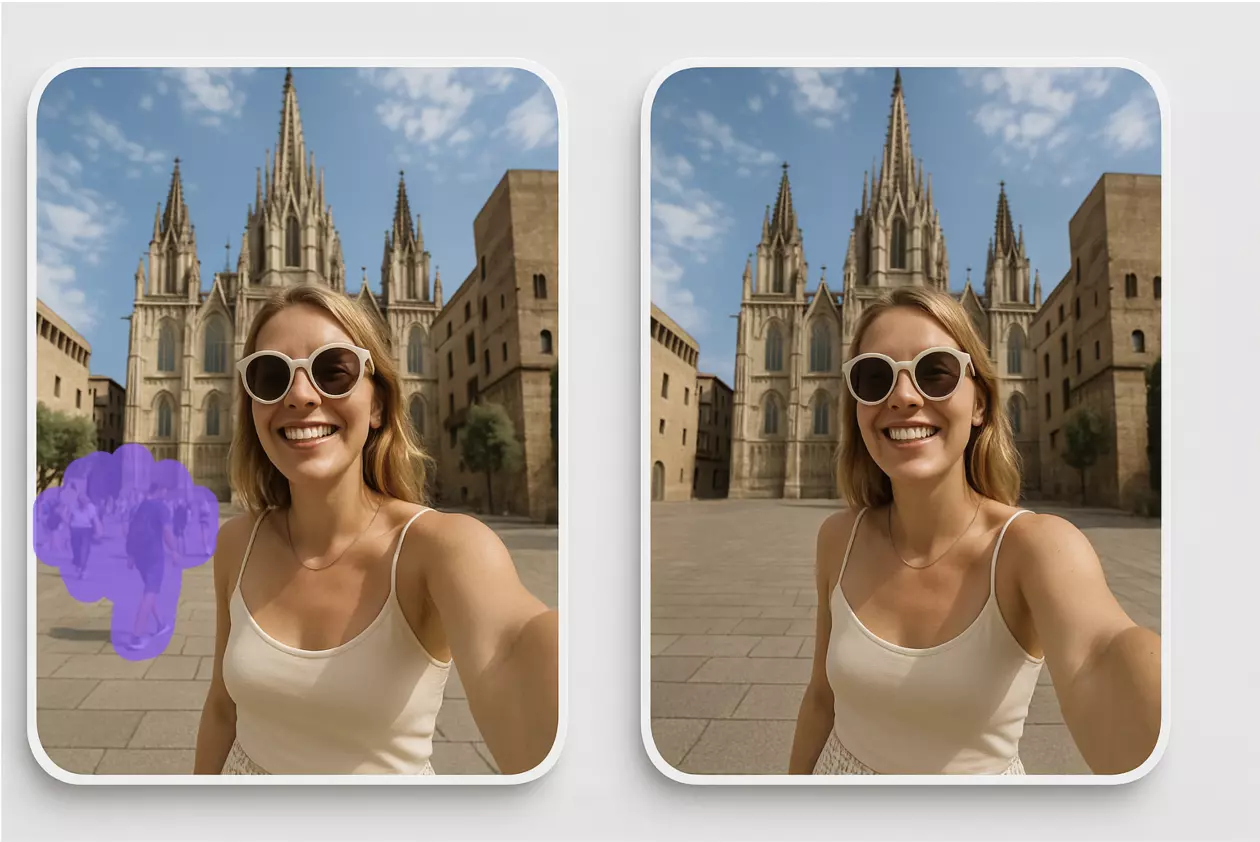
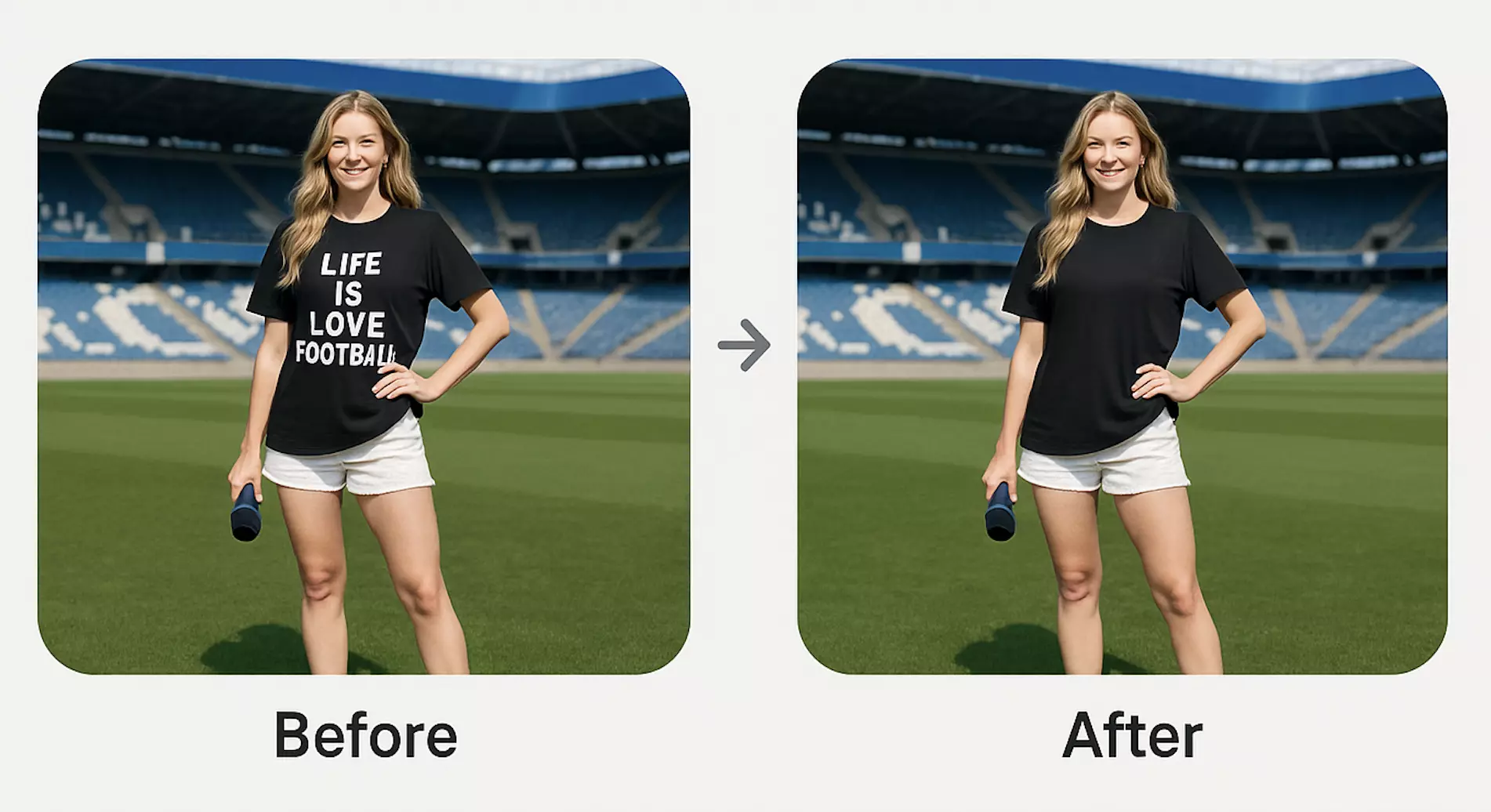
The good news: generative inpainting and AI object removal have matured. With the right approach, you can remove text from image content in seconds and keep gradients, textures, and micro-shadows intact. A fast way to get there is using a web-based tool like Pixflux.AI—jump straight to remove text from image to try it on your next social asset or reference screenshot.
(See figure: Before-and-after pair of a mobile screenshot where a username and sticker were removed while the gradient background stays intact.)
Why creators need clean screenshots for repurposed content
- Brand-safe reuse: Posts and slides shouldn’t display personal data, app usernames, or platform UI you don’t control.
- Narrative clarity: Removing captions and stickers focuses attention on the message you’re repurposing.
- Cross-platform polish: Screenshots look different after platform compression; invisible edits hold up better across Instagram, YouTube Shorts, LinkedIn, and newsletters.
Trend watch: In 2026, mobile-first editing dominates and batch cleanup is growing. Creators increasingly recycle screenshots into short-form video, carousels, and email—clean overlays are now table stakes.
Understand how text lives in images: raster artifacts, UI layers, and compression
Most screenshots are raster images where UI elements, text, and icons are baked into pixels. This introduces:
- Anti-aliasing halos around text
- Subtle shadows and highlights under labels and toolbars
- Compression noise (especially in JPG) that adds texture
When you erase text, you’re not just removing characters—you’re rebuilding what should be behind them. That’s why simple blurs or stamps often look “off.”
Methods compared: manual retouching vs generative inpainting vs AI object removal
- Manual retouching (clone stamp/heal)
- Pros: Full control for pixel-perfect work on simple textures
- Cons: Slow, error-prone on gradients, repetitive patterns, or icon-heavy toolbars
- Generative inpainting (content-aware fill)
- Pros: Synthesizes plausible background; preserves gradients and textures with fewer artifacts
- Cons: Can hallucinate or smear if context is limited; may require a couple of passes
- AI object removal (targeted removal)
- Pros: Purpose-built to detect text and overlays; delivers clean fills quickly
- Cons: Still benefits from light edge cleanup on tight UI areas
Modern web tools combine the last two, offering content-aware fills guided by AI so you can remove captions, watermarks, and stickers with minimal traces.
(See figure: Close-up comparison of clone stamp vs generative inpainting on an app toolbar with small icons and subtle shadows.)
Choose the right tool: desktop, mobile, and web
- Desktop (e.g., pro editors): Powerful for complex compositions; steeper learning curve and more clicks for simple screenshot editing.
- Mobile (iOS/Android): Built-in “remove object” or “retouch” works on casual photos; struggles with precise UI edges or gradients.
- Web tools (like Pixflux.AI): Fast, no install, tuned for AI inpainting and object removal; ideal for creators shipping assets daily and for batch image processing.
Step-by-step: remove text from image without traces (Photos, iOS/Android, web)
Pick your platform and follow a quick flow:
- Desktop editor (content-aware/generative fill)
- Duplicate the layer to keep an original.
- Lasso or brush-select the text or caption area with a small feather (2–5 px).
- Run content-aware fill/generative remove; preview at 100% zoom.
- If edges look soft, repeat with a tighter selection or paint a small heal.
- Add a tiny noise layer (1–2%) to unify textures if needed.
- iOS/Android (built-in retouch)
- Open the screenshot in your Photos editor.
- Use “Remove,” “Retouch,” or “Magic Eraser”-style tool to brush over text.
- Pinch-zoom for edges; make multiple light passes instead of one heavy swipe.
- Save a copy to avoid overwriting your original.
- Web (AI object removal)
- Open your chosen online remover.
- Upload the screenshot.
- Brush over captions, usernames, or stickers; apply.
- Review at 100% and re-run small areas if needed.
- Download in PNG for highest fidelity.
Tip: Always validate at 100% zoom. Many artifacts hide at fit-to-screen.
Pixflux.AI walkthrough: remove captions, usernames, and stickers in 3 steps
Pixflux.AI focuses on believable fills for UI-heavy images, so you can erase text in photos quickly without the “smudge” look. Here’s the fastest path:
- Upload your screenshot
- Drag and drop the file. PNG retains crisp UI edges; JPG is fine too.
- Let the AI process the marked text
- Brush across the caption, username, or sticker; the AI rebuilds the background with texture-aware fills.
- Download the cleaned image
- Inspect at 100% zoom, then export in your preferred format.
Prefer a guided entry point? Open Pixflux.AI’s tool and start to erase text in photos for social posts, app walkthroughs, and newsletter graphics.
(See figure: Pixflux.AI interface showing the three-step flow: upload → AI processing → download.)
Pro tips inside Pixflux.AI:
- Use a slightly larger brush on gradients to help the model read context.
- For toolbar areas with icons, make two small passes instead of one big sweep.
- If a faint halo remains, run a tiny second pass on the edge pixels only.
Advanced techniques: edge-aware inpainting, texture synthesis, and background rebuilding
When edits must be invisible:
- Edge-aware masks: Feather 1–3 px to avoid hard seams; tighten around sharp edges like separators or icon borders.
- Texture synthesis: If the background is a gradient, lightly expand the selection so the AI sees enough color ramp to rebuild it seamlessly.
- Micro-shadows: UI labels often cast sub-pixel shadows. If removal feels “too flat,” a second pass or a 1% noise overlay can restore natural depth.
- Multiple passes > One heavy pass: Removing text in two quick strokes often yields cleaner results than over-brushing once.
Batch cleanup for social assets and reference screenshots
Creators rarely stop at one screenshot. When prepping a carousel, tutorial, or case study:
- Group similar screenshots (same app/theme) and clean them together.
- Keep a visual checklist: usernames, timestamps, interface hints, watermarks.
- In Pixflux.AI, you can upload multiple images and perform batch image processing so repeated elements (like the same footer caption) are removed consistently across all screenshots.
Compliance note: Only remove watermarks or text from images you own or are authorized to edit. Pixflux.AI’s watermark remover and object remover are for lawful use; don’t use them to obscure required attributions.
Quality benchmarks: before-and-after checks that catch errors
- 100% zoom check: Scan the inpainted edges, gradient continuity, and icon alignment.
- Flip canvas: A quick horizontal flip can reveal repeating textures or smears your brain tuned out.
- Compression pass: Export a copy to your target platform size; check if artifacts reappear after platform compression.
- Real-world preview: View on a phone at typical brightness; halos stand out more on OLED.
AI online tools vs traditional methods
- Time cost
- AI web tools: Seconds per fix; great for shipping today’s post.
- Manual desktop work: Minutes per fix; longer for complex UI.
- Learning curve
- AI web tools: Brush and go; minimal training.
- Pro editors: Powerful but require tool fluency and setup.
- Batch efficiency
- AI web tools: Multi-image handling is straightforward for recurring overlays.
- Manual: Repeating the same routine increases fatigue and inconsistency.
- Collaboration and team adoption
- AI web tools: Consistent results across teammates with minimal onboarding.
- Manual: Style/quality depends heavily on individual retoucher skills.
If you’re replicating many similar cleanups each week, Pixflux.AI is a pragmatic choice—fast, consistent, and tuned for screenshot editing.
Legal and ethical guardrails: privacy, disclosure, and copyright
- Blur or remove private information (names, emails, IDs) before publishing.
- Only remove watermarks, logos, or captions if you have rights or permission to edit the image.
- Keep context honest: Don’t alter screenshots to misrepresent an app’s behavior or someone’s words.
- Some platforms require disclosure of edited media; follow local laws and platform policies.
FAQ: remove text from image — 6 quick answers
What’s the best way to remove text from an image without blurring the background?
Use AI inpainting or an object remover that reconstructs the background, not just smears pixels. Content-aware and generative tools analyze surrounding pixels to synthesize missing texture, preserving gradients and micro-shadows. If you see halos, make a tighter selection and run a second pass at 100% zoom.
Can I remove captions from screenshots on my phone?
Yes—most modern phones offer a “remove” or “retouch” tool, and web editors work great on mobile browsers. Brush lightly over the caption and make multiple small passes. For pixel-perfect results on UI gradients or toolbars, a web tool like Pixflux.AI can provide cleaner, edge-aware fills.
Will people notice if I edited a screenshot?
Not if edges, grain, and gradients are consistent. Check your result at 100% zoom, add a touch of noise if the fill looks too smooth, and ensure lines/icons remain aligned. Export at final delivery size to confirm platform compression doesn’t reintroduce artifacts.
Is it legal to remove watermarks, usernames, or logos?
Only if you own the image or have permission; never use removal to bypass copyright or attribution. Follow platform rules and local laws. When in doubt, keep or replace attribution rather than erase it. Pixflux.AI’s watermark remover is intended for lawful, brand-safe use.
Can I batch-remove repeated overlays across many screenshots?
Yes—use a tool that supports multi-image handling to speed up repetitive cleanup. Pixflux.AI supports batch image processing so you can clean series (e.g., carousels or tutorials) consistently and quickly.
What formats and resolutions work best for clean removal?
High-resolution PNGs preserve UI edges; JPGs work but may carry compression noise. If you have a choice, edit from the highest-quality capture, then export to your platform’s recommended size. Avoid double-compression to minimize artifacts.
Conclusion and next steps
Clean, believable screenshot edits unlock safer repurposing across social, slides, and newsletters. With mature generative inpainting, you can remove text in image content without smears or blurs—and you don’t need a pro editor to do it daily. For fast, consistent results, try Pixflux.AI: upload, brush, and export in minutes. Start now to remove captions from screenshots and get brand-ready assets without leaving your browser.