Transparent Background Generator for E-Commerce Teams Create Reusable PNG Assets at Scale
Get clean, reusable PNGs for marketplaces, ads, and campaigns—edge and shadow fixes, smart exports, and batch naming so your team ships faster.
 Sierra CappelenApril 8, 2026
Transparent Background Generator for E-Commerce Teams: Create Reusable PNG Assets at Scale
When your product catalog is shipped to marketplaces, ads, banners, and seasonal promotions, you don’t have the luxury of reshooting every variation. You need flexible, on-brand visuals that drop neatly into any layout. That’s why transparent PNGs are now a core asset for e-commerce teams: they travel well across channels, eliminate boxy backgrounds, and keep your designers from burning hours on last-minute crops and masks.
Marketplaces increasingly request transparent PNGs, creative teams prioritize batch-friendly tooling for seasonal refreshes, and AI background removal quality now rivals manual masking on complex edges. If your team still opens Photoshop for every background, you’re leaving speed and consistency on the table. This is where an online transparent background generator can convert one strong product photo into a reusable PNG library you can deploy everywhere—fast. Tools like Pixflux.AI make this step practical at scale; try a transparent background generator to turn background cleanup into a repeatable, three-step task.
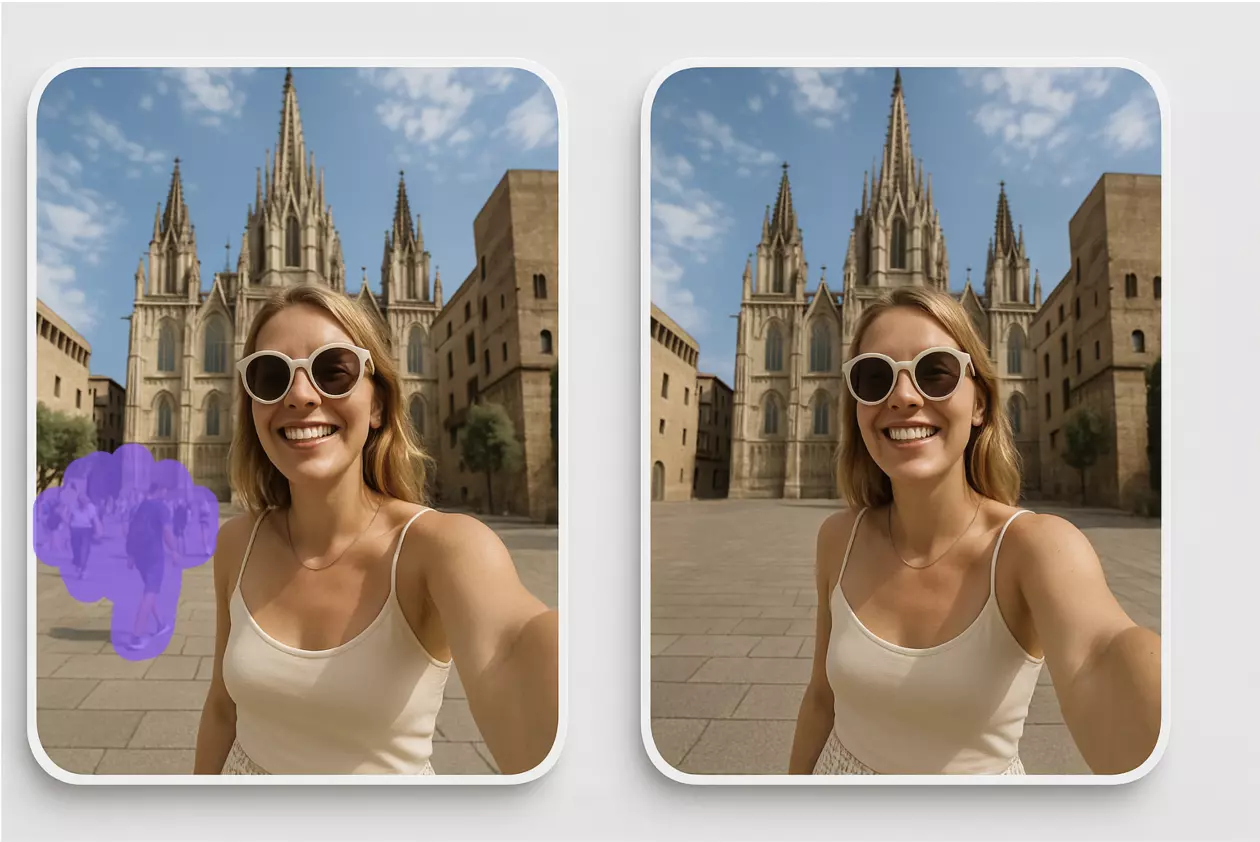
(See image: Pixflux.AI interface showing the three-step flow: upload image → AI processes background removal → download as transparent PNG)
Why transparent backgrounds unlock scalable asset reuse
- One master fits many formats: Transparent PNGs let you place the same product on white for Amazon, on a gradient for DTC banners, and on a seasonal backdrop for ads—no reshoots.
- Consistent brand look: Control drop shadow consistency, crop ratios, and margins, so tiles, carousels, and PDP galleries look like a family.
- Faster production: Eliminate repetitive background masks per channel. A single PNG can be repurposed into dozens of final renders in minutes.
- Lower file proliferation: Reuse source PNGs as “masters,” then export channel-specific derivatives without corrupting the original.
How a transparent background generator works—and what to look for
Under the hood, a transparent background generator segments the subject from the background, builds an alpha matte around edges (hair, fur, glass), and exports a clean PNG with transparency. To serve e-commerce at scale, evaluate:
- Edge quality on hard and soft transitions: Hair, glass, fur, translucent plastics, chrome, and fine textiles. Look for minimal halos/fringing and smooth anti-aliased edges.
- Shadow handling: Preserve or reconstruct natural, drop, or reflective shadows; keep lighting direction consistent across a set.
- Batch image processing: Upload and process multiple images in one run for seasonal or marketplace batches.
- AI photo enhancer: Optionally improve clarity, contrast, and micro-details for products with texture or tiny features.
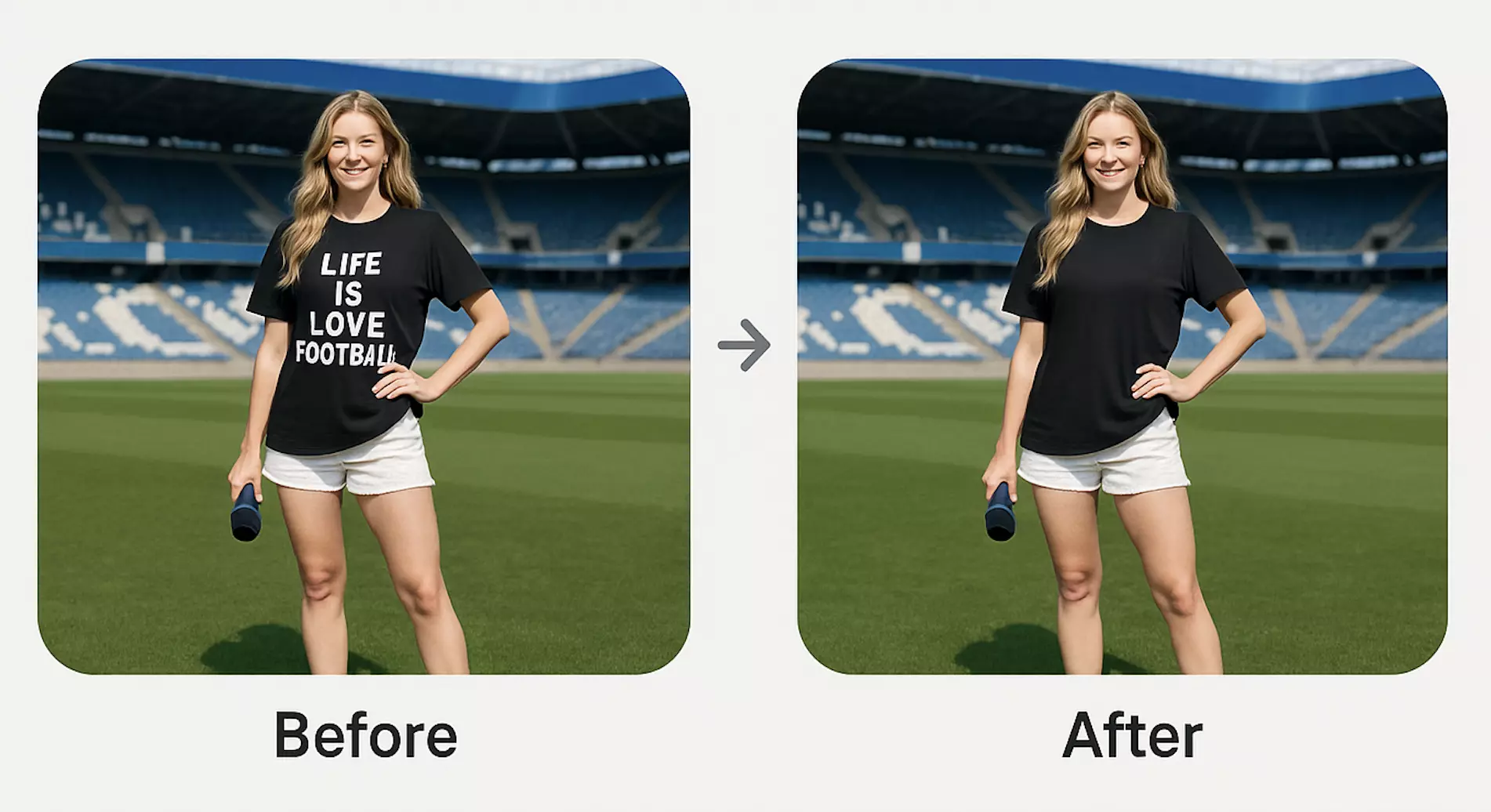
- Watermark/label cleanup: Ethically remove your own brand watermarks or outdated stickers from authorized images.
- Export controls: PNG vs WebP lossless, color profile (sRGB), and size presets for marketplaces and ads.
- Speed with oversight: Fast results with preview/adjust controls so a designer can quickly accept or nudge edges.
Pixflux.AI in practice: from raw shot to reusable transparent PNG
Here’s the simple three-step workflow most teams adopt:
1) Upload your original image 2) Let the AI process the background removal 3) Download your transparent PNG
You can start with Pixflux.AI’s AI background remover for PNG and follow the same rhythm whether you’re preparing 1 image or 100.
Pro tips for the three-step flow:
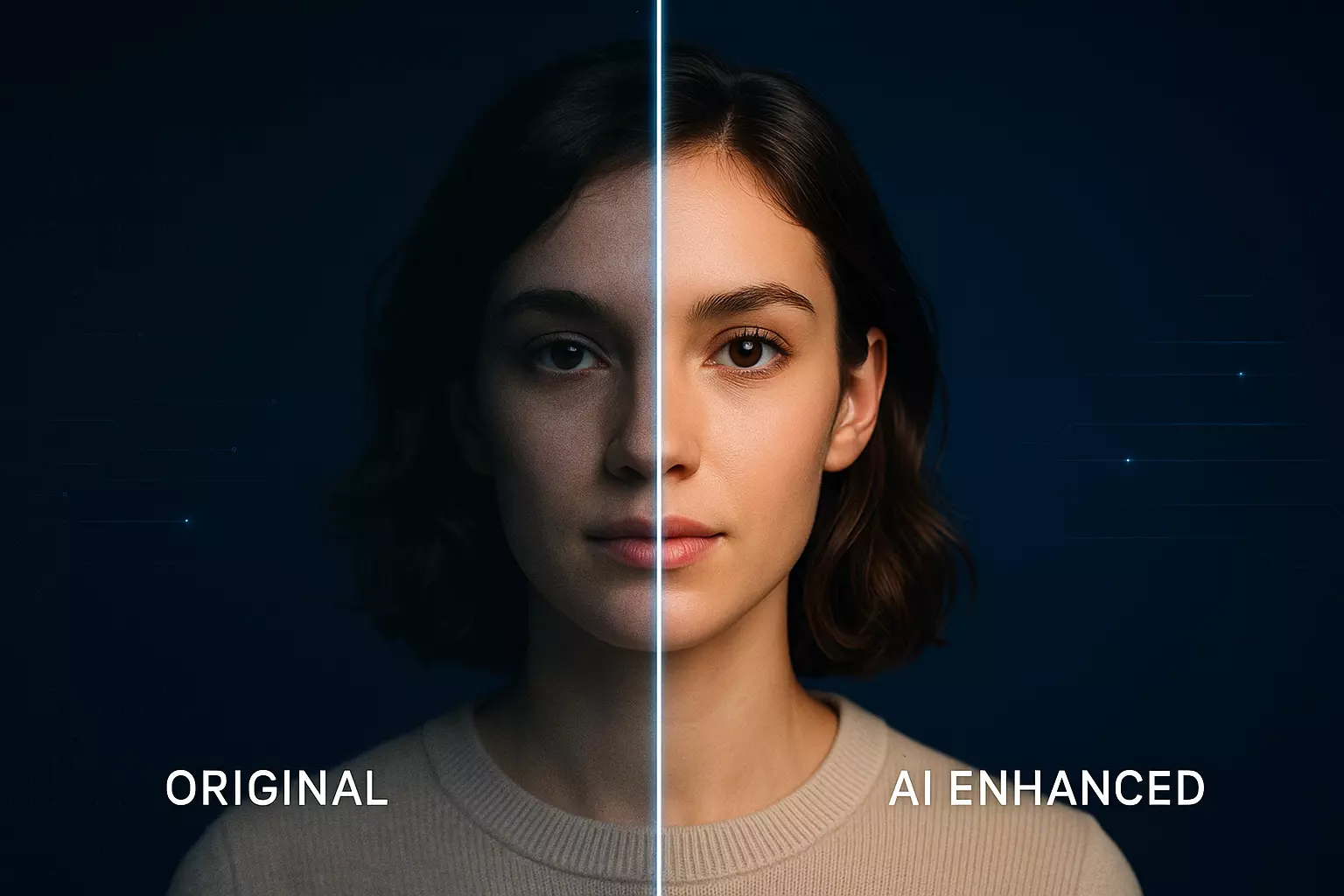
- If your image is underexposed, run a light AI enhancement pass before removal to bring out edges.
- For products on textured surfaces (wood, concrete), check the preview for edge halos and apply a light decontaminate fix if available.
- When preserving a faint natural shadow on the floor, keep it subtle so the PNG remains versatile on both light and dark backdrops.
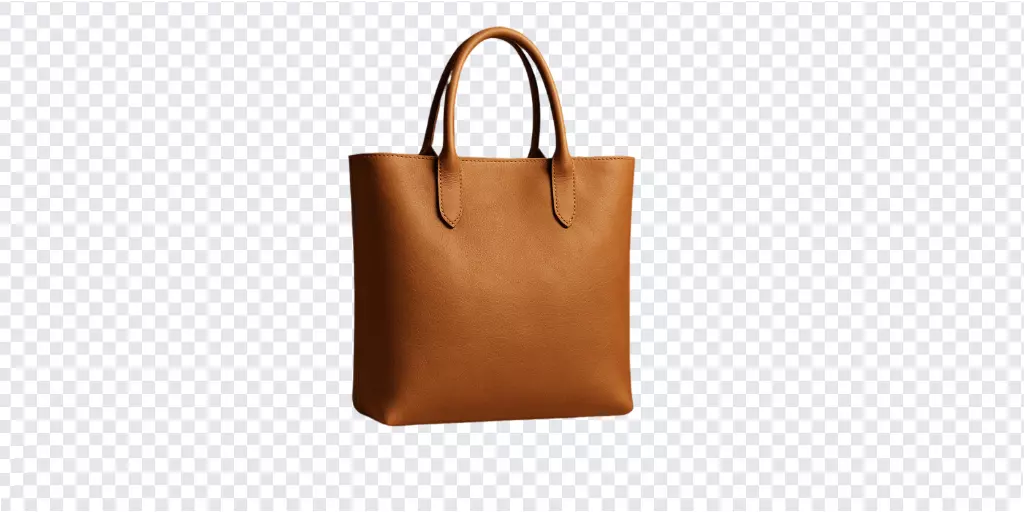
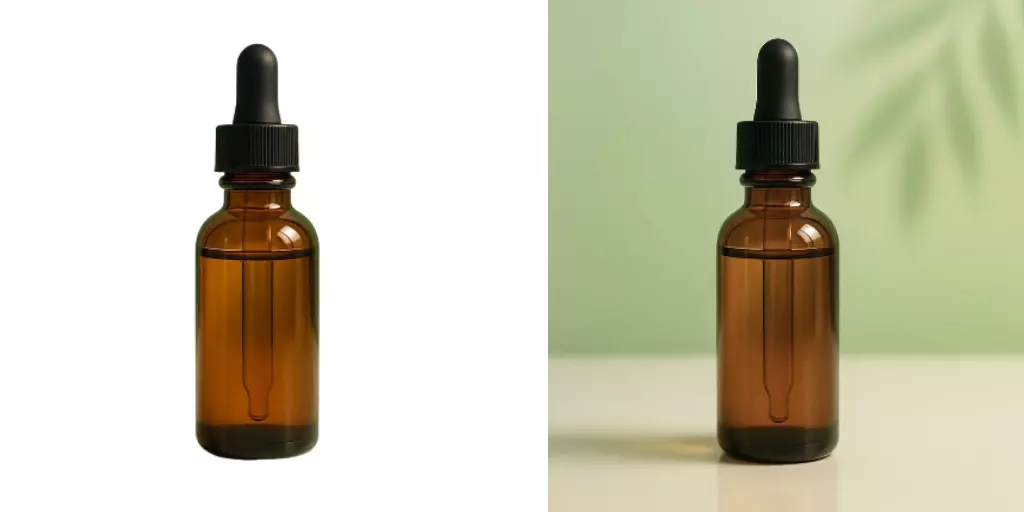
(See image: Before/after comparison of a product photo—original on gray vs clean transparent background with preserved natural shadow)
Set edge-quality standards your team can enforce
Great reusable PNGs live or die by edge quality. Build a short checklist for reviewers:
- Hair and fur: Look for soft, feathered transitions without harsh clipping. Stray wisps should be partially transparent, not chopped.
- Glass and translucent plastics: Ensure internal edges (handles, rims) aren’t misread as background; preserve subtle reflections without color bleed.
- Metallics and chrome: Avoid jagged edges; watch for reflections that carry background color contaminations.
- Halos and fringing: Slight color fringes can appear along former background edges. Use anti-alias fixes and color decontamination to neutralize them.
- Hard edges: Boxes, bottles, and apparel seams should be perfectly crisp with no stair-stepping.
- Subject integrity: Labels, textures, and micro-details must remain intact; no smearing or “melting” at narrow parts.
Create a small reference board with 6–8 “pass/fail” examples and make it part of QA for all new PNG masters.
Shadow strategy: preserve, recreate, or standardize
Shadows add depth and believability. Decide how to handle them before you batch:
- Natural shadow preservation: If your original photo has a clean, soft shadow, keep it for realism. It should be subtle and sit close to the product.
- Recreated drop shadows: For sets that need uniform drop shadow consistency, define angle (e.g., 45°), softness (blur radius), opacity (e.g., 15–25%), and offset in pixels. Apply the same recipe to the batch.
- Reflective shadows: For glossy products (electronics, fragrance), a faint ground reflection can elevate perceived quality—use sparingly.
- Dark-mode readiness: Test shadows on both light and dark backgrounds; keep opacity low enough to avoid heavy bands on darker canvases.
Document your “house shadow” with example values so designers and vendors can replicate it reliably.
Optional: generate campaign backgrounds without a reshoot
With a clean PNG master, you can quickly place products onto new campaign scenes. Instead of organizing studio reshoots for every seasonal idea:
- Use AI background generation to create brand-aligned backdrops (e.g., tone-on-tone gradients, soft studio sweeps, simple lifestyle textures).
- Keep color palettes on-spec with your brand guide and ensure contrast meets accessibility guidelines.
- For multi-product sets, match horizon lines, lighting direction, and shadow scale so composites feel shot-together.
This approach lets marketing test more variants for the same budget, accelerating creative iteration.
Export settings that matter: PNG vs WebP, color profiles, sizes
- PNG vs WebP lossless: For master assets, export PNG (lossless, widely supported for marketplaces). For web performance on your DTC site, also create a lossless WebP; it’s smaller on average while preserving crisp edges.
- Color profile: Use sRGB for predictable color across browsers and marketplaces.
- Dimensions: Keep a high-res master (e.g., longest side 3000–4000 px) and export channel-specific derivatives (e.g., 2000 px for Amazon zoom, 1200–1600 px for ads).
- DPI metadata: Not critical for web, but keep 72–150 DPI for consistency in downstream tools.
- Compression: Avoid over-compressing masters; reserve aggressive optimization for web derivatives.
Naming rules and versioning that keep PNG libraries tidy
Adopt file naming conventions that are human-readable and machine-friendly:
- Canonical pattern: SKU_variant_color_view.png Examples:
- 84322A_red_front.png
- 84322A_red_detail-zipper.png
- 84322A_black_angled-left.png
Versioning and derivatives:
- Use suffixes for iterations: _v2, _v3, or semantic notes like _bgfix, _shadow-std.
- For size variants, suffix the long side: _2000w, _1200w.
- Keep a CHANGELOG.md or a simple spreadsheet mapping source images to final masters and derivatives for auditability.
(See image: Folder view mockup illustrating batch exports with standardized file names—SKU_variant_color_view—and size variants)
Batch processing playbook for marketplaces, ads, banners, and seasonal sets
For marketplaces (Amazon, Walmart, eBay, Etsy)
- Generate a transparent PNG master per SKU and colorway.
- Apply your standard drop shadow recipe or keep a faint natural shadow if allowed by platform rules.
- Export white/near-white background renders if required (some marketplaces prefer or mandate solid white).
- Size to recommended specs (often 1600–3000 px longest side) and confirm sRGB.
For performance ads (Meta, Google, TikTok)
- Use the master PNG across multiple ad backgrounds. Test colorways and seasonal scenes quickly.
- Keep file sizes small for fast load: create WebP derivatives where platform supports it.
For banners and site hero images
- Recompose PNGs on brand gradients or textures.
- Align lighting/shadows across all SKUs in a set for visual consistency.
For seasonal refreshes
- Batch process a short-list of top sellers first.
- Reuse your naming conventions and shadow presets for quick deployment.
- Store approved sets in a shared “Masters_PNG” folder so designers can self-serve.
Quality benchmarks and a quick before/after case study
Set measurable targets so the team knows what “good” looks like:
- Edge acceptance rate: >98% of edges pass on first review (no visible halos/fringing at 100% zoom).
- Background rejection: <2% marketplace rejections due to background issues.
- Batch throughput: 50–150 images/hour per operator, including spot checks.
- Size discipline: 100% of masters in sRGB and within agreed dimension ranges.
Example before/after (mid-sized US apparel seller)
- Before: 12 minutes per image in manual masking; inconsistent shadows across colorways; 7% marketplace rejection rate on backgrounds.
- After adopting an AI background remover: 45 seconds per image average, including review; unified shadow recipe; background-related rejections dropped to 1%; a 9% CTR uplift in a social ad A/B where clean PNGs were paired with on-brand gradients.
Governance and licensing: rights, watermark removal ethics, and simple audit trails
- Rights and licensing: Only process images you own or have explicit permission to edit. Keep license terms handy for vendor imagery.
- Watermark removal ethics: Use AI watermark removal only to clean your own brand marks or authorized overlays. Do not remove third-party watermarks to bypass ownership or platform rules.
- Minimal audit trail: Save source → master PNG → final derivatives, and record version notes in filenames or a simple log. This protects teams during marketplace reviews and internal audits.
AI tool vs. traditional methods
- Time cost: Online AI tools like Pixflux.AI turn background removal into a seconds-long task, versus minutes in manual pen/mask workflows.
- Learning curve: No advanced masking skills needed; non-designers can produce on-brand outputs with a short checklist.
- Batch efficiency: Drag-and-process multiple files at once instead of repeat-clicking actions per image.
- Cross-team fit: Brand, merch, and performance teams can all work from the same masters without roundtripping PSDs.
FAQ: Transparent background generator and reusable PNG assets
What is a transparent background generator and why should e-commerce teams use one?
It’s an AI tool that removes backgrounds and exports a PNG with transparency for flexible reuse. By isolating the product and creating a clean alpha channel, teams can drop the subject onto any background—white for marketplaces, gradients for ads, or seasonal scenes—without reshooting or re-masking each time.
How do I ensure high edge quality on hair, glass, and fur?
Review at 100% zoom and apply anti-fringe/anti-alias corrections as needed. Complex edges benefit from subtle color decontamination to remove halos, plus a quick AI enhancement pass to clarify fine details before masking. For glass and translucent plastics, confirm internal edges aren’t misread as background and keep reflections natural, not clipped.
Can I process many product photos at once for seasonal refreshes?
Yes, pick a tool that supports batch uploads and batch processing. Batch image processing lets you convert hundreds of shots into transparent PNGs with consistent shadows and naming in one run. Organize your files up front and apply the same presets to speed QA.
Are my images private and safe when using an online tool?
Choose tools that process securely and give you control over retention and deletion. Follow your company’s data policy, avoid uploading confidential model releases or sensitive drafts, and promptly delete files from online tools after download if required. Keep masters in your controlled storage.
What export format should I use—PNG or WebP lossless?
Use PNG for master assets and marketplace submissions; add WebP lossless for web performance. PNG ensures broad compatibility, crisp edges, and predictable color. WebP lossless is often smaller, which helps page speed on your DTC site and ad landers. Keep sRGB throughout.
How do I keep drop shadow consistency across a full catalog?
Standardize a shadow recipe with angle, blur, opacity, and offset—and apply it to every image. Whether preserving natural shadows or recreating them, document the values (e.g., 45°, 20 px blur, 20% opacity) and include before/after examples so everyone follows the same baseline.
Is it legal to remove watermarks or labels from product photos?
Only remove watermarks or labels if you own the rights or have explicit permission. Watermark removal should not be used to erase third-party ownership or bypass platform rules. Keep proof of rights on file and retain originals alongside edited outputs.
What sizes and profiles do marketplaces typically require?
Most accept sRGB PNGs with the longest side from ~1600 to 3000 px (check each platform’s current spec). Aim for a high-res master (e.g., 3000–4000 px) to future-proof, then export platform-specific derivatives. Keep backgrounds transparent unless the marketplace mandates white.
Quick How-To: the five-step review-friendly flow
If you need a little more control for QA, expand the basic flow like this:
1) Open the Pixflux.AI tool page 2) Upload your original images (batch if needed) 3) Choose background removal, then run AI processing 4) Preview edges and shadows; apply light fixes (decontaminate, enhance, or standardize drop shadow) 5) Download transparent PNG masters and save them with your naming convention
Reference placements for visuals
- Pixflux.AI three-step interface (upload → AI removes background → download PNG)
- Before/after on a gray background vs transparent PNG with a preserved natural drop shadow
- Folder view showing standardized SKU_variant_color_view naming and size variants
Conclusion and next steps
Transparent PNG masters are the backbone of scalable e-commerce visuals. Combined with simple governance (naming rules, licensing clarity) and a shadow strategy, your team can ship more channels, more often, with fewer reshoots and less designer fatigue. As governance around naming, rights, and watermark removal formalizes across teams, those who adopt an efficient, batch-ready workflow are set to move fastest.
Ready to turn your catalog into flexible, on-brand assets? Open Pixflux.AI and make product photos with transparent backgrounds in minutes—then reuse the same masters across marketplaces, ads, banners, and every seasonal drop.