AI Background Remover for Product Photos: A Clean Cutout Workflow That Looks Studio-Made
Get studio-clean cutouts with an AI background remover. Follow a step-by-step workflow, pass marketplace checks, and know when a subtle shadow makes photos pop.
 Sierra CappelenDecember 12, 2025
AI Background Remover for Product Photos: A Clean Cutout Workflow That Looks Studio‑Made
Rushed launches, uneven lighting, and busy backdrops—ecommerce teams know the pain of turning “okay” product shots into clean, marketplace-ready images. As marketplaces tighten standards in 2025 and customers expect studio-quality visuals, manual masking or endless revision loops aren’t sustainable.
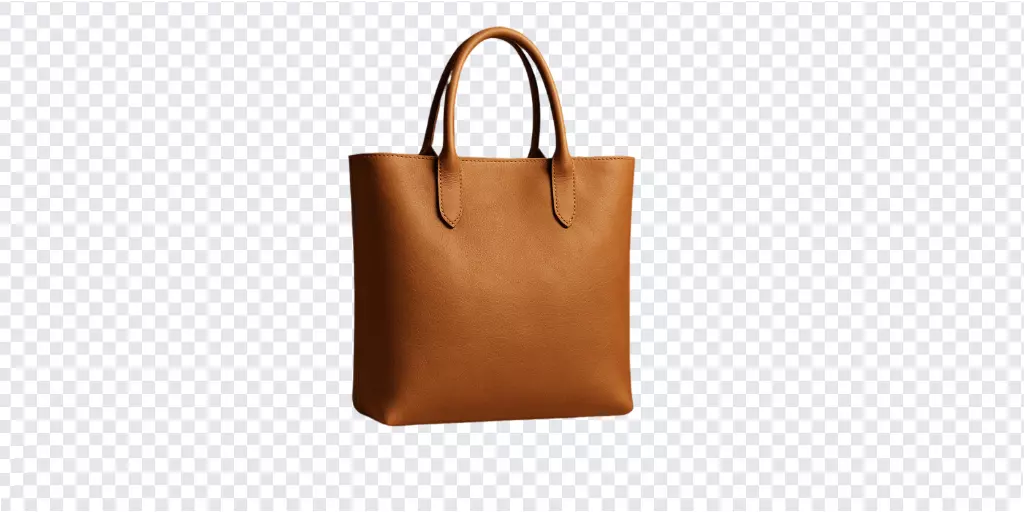
The practical solution is to move background cleanup online and make it part of a repeatable workflow. Tools like Pixflux.AI help you get crisp, on-brand cutouts in minutes, not hours. If you’re new to this, start with an ai background remover that can handle edges, hair/fur, and transparent materials without the typical halos.
(See image: Pixflux.AI interface showing the three-step flow—upload product photo, AI processing preview, and download final cutout.)
Why clean cutouts matter: conversion and compliance
- Compliance: Amazon requires a pure white background (RGB 255, 255, 255) for main images. Many marketplaces and PDP templates also reject visible props, logos, or watermarks. Clean cutouts protect listings from rejection and delays.
- Conversion: Studio‑style cutouts make details pop, cut cognitive load, and boost trust. They also enable consistent grids and bundle shots. Subtle, realistic shadows are trending because they add depth without clutter.
- Reuse across channels: One clean master asset can be reused for hero banners, PDP galleries, ads, and social, with fast background swaps for seasonal or retailer‑specific variations.
AI background remover basics: edges, hair/fur, transparency
Background removal quality hinges on how well the model reads the foreground boundary. Here’s what separates a good result from a “cut with scissors” look:
- Edge detection: Modern AI models analyze color, luminance, and texture transitions to differentiate product edges from background noise. You should see smooth curves on rounded objects and no “stair‑step” jaggies.
- Hair, fur, and fine threads: For apparel, rugs, or sneaker laces, look for preserved micro‑details. A strong model avoids shaving off wispy fibers or leaving a ghost halo.
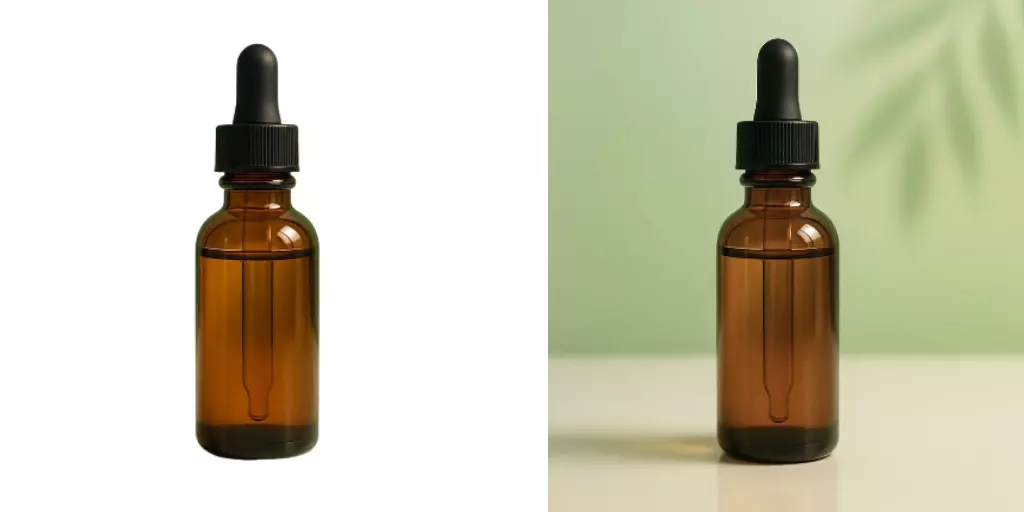
- Transparency and glass: Bottles, glasses, and glossy plastics are tricky. Good removers retain inner reflections and soft transparency while stripping the original background color cast.
Choosing the best background remover for product photos: online vs desktop
- Online AI tools
- Pros: Fast start, no installation, low learning curve, great for cross‑team use, and ideal for batch catalogs.
- Watch for: Preview controls (zoom, edge adjustments), export options (PNG with alpha), and fine‑tuning for hair/glass.
- Desktop software
- Pros: Granular control layers and masks; useful when you must composite complex scenes.
- Watch for: Time cost, training overhead, and license management—especially painful on tight launch calendars.
In most ecommerce workflows, an online tool does 90% of background work instantly, leaving only edge‑case products for manual touch‑ups.
How to remove background online: a step‑by‑step workflow with quality checks
This is a practical, repeatable flow for ecommerce teams. It includes quality gates so images pass internal QA and marketplace rules the first time.
1) Prepare your source
- Shoot with even lighting and a plain backdrop when possible.
- Ensure the product fills most of the frame but leaves safe space around edges (avoid cropping too tight).
2) Run the background remover
- Use a tool that supports clean edges, hair/fur, and glass.
- Keep original resolution for best results.
3) Quality check at 200% zoom
- Inspect edges for halos or jaggies.
- Check hair/fur/threads and transparent areas.
- Perform a quick “halo test” by placing the cutout on a pure white and a mid‑gray background. Halos show up fast. If you see color spill, adjust edge or decontaminate colors if the tool allows.
4) Add realism (optional)
- Apply a subtle drop shadow or a faint reflection to ground the product, especially for lifestyle ads or retailers that allow non‑white backgrounds.
5) Export correctly
- Main gallery cutouts: PNG (alpha) or WebP (transparent), sRGB color space.
- Thumbnails or high‑compression PDP images: JPG/WebP on white background.
(See image: Side‑by‑side before/after of a sneaker with background removed, laces preserved, and a soft shadow added.)
Using Pixflux.AI: upload → AI process → download studio‑clean edges
Pixflux.AI is purpose‑built for commerce images: it removes complex backgrounds, preserves fine details, and can batch process entire catalogs. It also helps enhance clarity/contrast and remove stray reflections or minor distractions so your product remains the hero.
Quick 3‑step overview
- Upload your product photo to Pixflux.AI.
- Let the AI remove the background and preview the result.
- Download the clean cutout in your preferred format.
Detailed 5‑step walk‑through
- Open the Pixflux.AI background tool.
- Upload the original product image (highest resolution available).
- Choose the suitable mode (background removal) and run the AI. For challenging items—hairy textiles, glass bottles—use the preview to check fine edges.
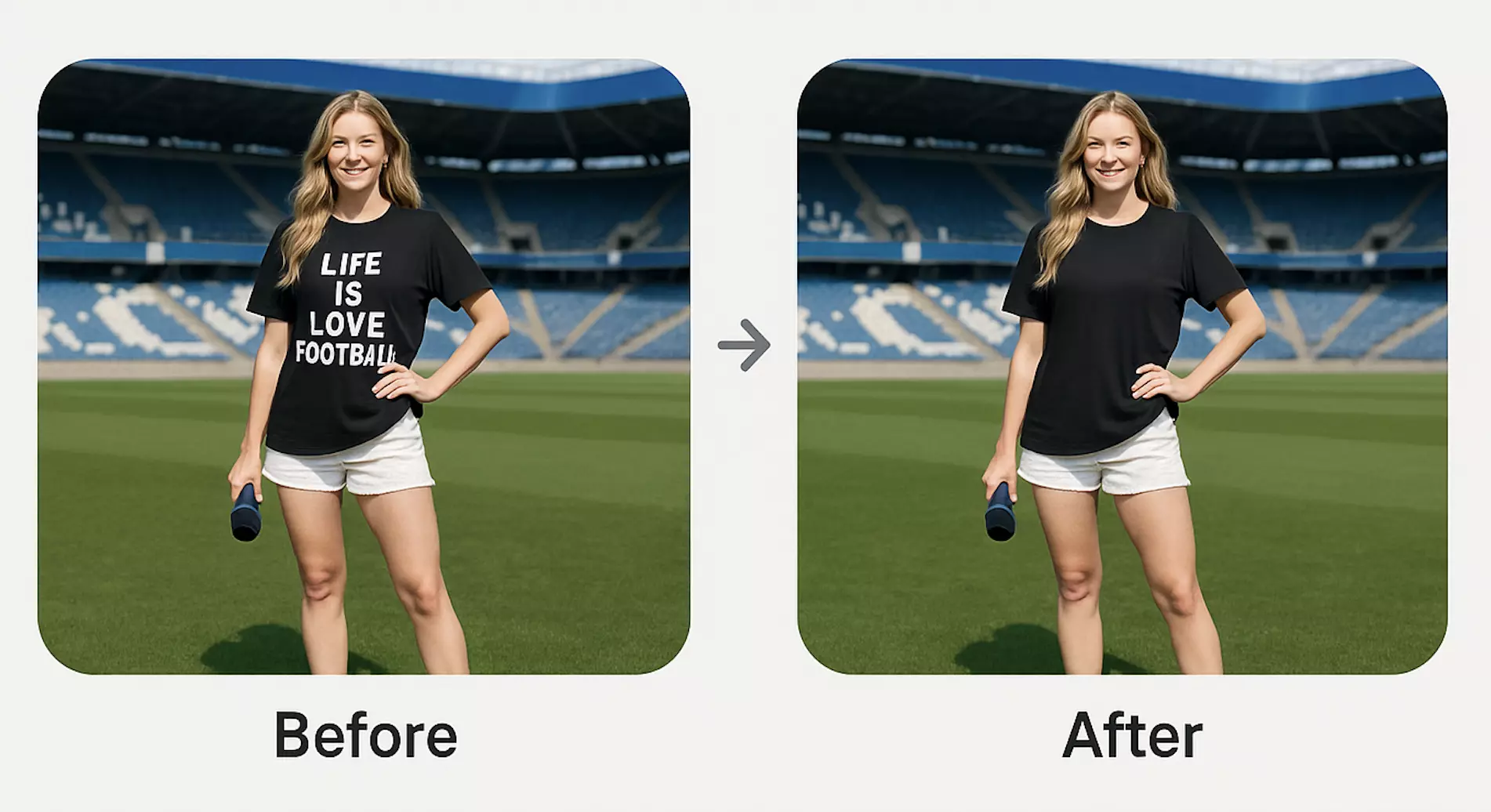
- Review at 200%: adjust edge hardness, clean halos, and add a subtle shadow if needed. You can also use Pixflux.AI to remove small unwanted objects (stray threads, dust) or enhance sharpness for a crisp PDP look.
- Export and download as PNG with transparency for design flexibility, or on pure white for marketplaces.
Want to jump right in? Try a dedicated background remover for product photos and follow the QA checklist below to lock in a studio‑made finish.
(See image: Zoomed‑in halo test at 200% around a glossy bottle shoulder, comparing fringed vs clean edge results.)
Quality assurance: 200% zoom, halo/fringe test, edge hardness, color spill
Use this quick QA pass before publishing:
- 200% zoom: Pan around curves, corners, and micro‑details (laces, threads, hair). Look for jaggies or clipped fibers.
- Halo/fringe test: Place the cutout on white, mid‑gray, and black layers. Any bright or colored glow indicates leftover background or color spill.
- Edge hardness: For hard products (electronics, packaging), edges should be crisp. For soft goods (fleece, fur), keep edges slightly softer for realism.
- Color decontamination: If your original background was green/blue or brightly colored, reduce spill so edges don’t tint the product.
- Shadow check: If you add a shadow, keep opacity subtle and size realistic; the goal is depth, not distraction.
Realism without clutter: when to add a subtle shadow or reflection
- Add a shadow when:
- The product appears to “float” unnaturally.
- You’re creating lifestyle or ads where depth improves believability.
- Keep it subtle:
- Blur radius that matches your virtual “distance” from the surface.
- Lower opacity (10–25%) and align direction with your key light.
- Alternative: A soft, short reflection works well for cosmetics or jewelry on a glossy “table,” but avoid mirror‑like reflections for utilitarian goods.
Pixflux.AI lets you remove the background first, then lightly edit for realism—so your images stay clean, compliant, and conversion‑ready.
Export settings that pass marketplaces: PNG vs JPG vs WebP
- PNG (with alpha): Best for transparent backgrounds, layering into templates, or delivering to design teams. Use sRGB and keep source resolution.
- JPG on white: Small file size for PDP grids; set a high quality (80–90) to avoid banding or text/logo artifacts on packaging.
- WebP: Great for modern storefronts (Shopify, headless stacks) with lighter files and solid quality. Many brands now standardize WebP for PDP images to speed up pages.
- Color space: Always sRGB for web and marketplaces.
- Size: Aim for at least 2,000–2,500 px on the long edge for zoom features. Keep under platform file weight limits (e.g., 10 MB; check each marketplace).
Batch processing catalogs and enhancing images for consistent listings
Consistency across dozens (or thousands) of SKUs separates pro storefronts from the rest. Pixflux.AI supports batch uploads so you can:
- Remove backgrounds across a whole collection in one pass.
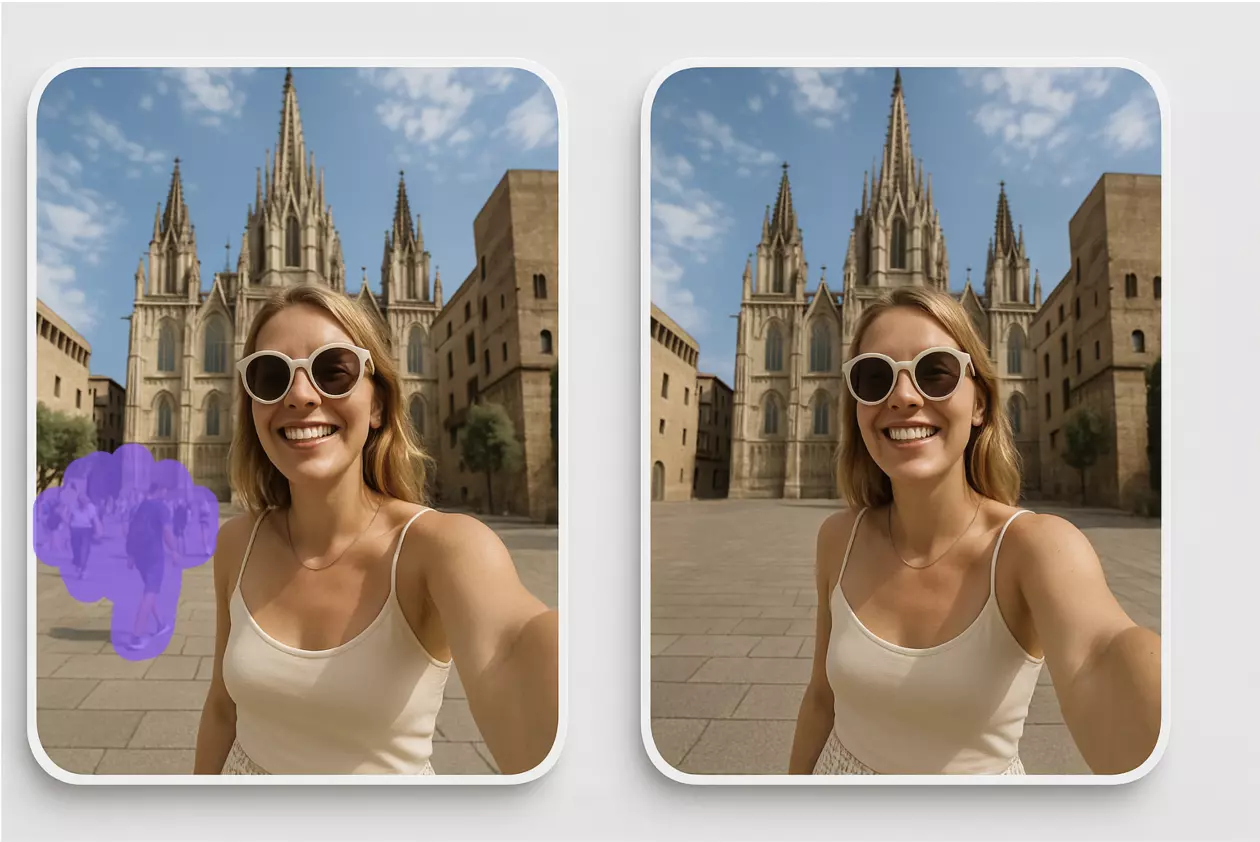
- Clean small distractions (e.g., light stands, dust, stray tag threads).
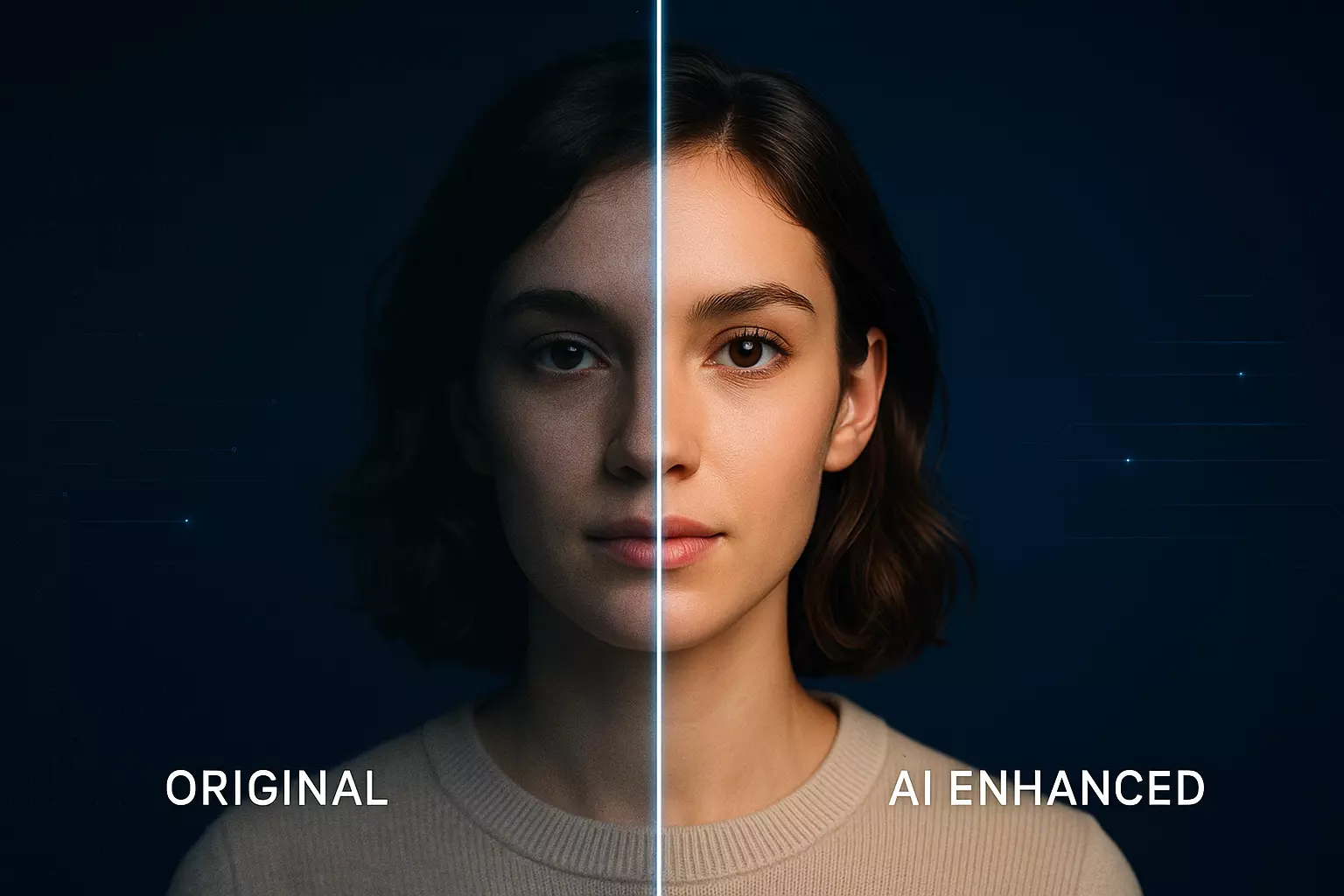
- Enhance clarity/contrast for a uniform, high‑definition look.
- Replace or generate clean, branded backgrounds for secondary images (e.g., a soft gray or seasonal set) while keeping main images compliant.
For merchant teams, a fast batch flow means more time shaping campaigns and less time wrestling with masks.
Marketplace specifics: Amazon, Shopify, and Etsy
- Amazon (US and global)
- Main image: pure white background (RGB 255), no props, no watermarks, and product should fill 85%+ of the frame.
- Apparel: retain natural edges on hair/fabric; avoid harsh cutouts that make items look fake.
- Shopify
- Flexible policies, but follow theme guidance for size/ratio for quick page loads. WebP adoption is strong for PDP performance.
- Etsy
- Creative freedom for secondary images, but keep the first image clear and distraction‑free. Background swaps can align with your shop’s aesthetic without sacrificing clarity.
Tip: Keep a compliance checklist in your DAM folder so new team members can follow it without guesswork.
Troubleshooting artifacts: halos, jagged edges, glass and gloss
- Halos and fringes: Raise edge contrast slightly, use color spill reduction, or re‑run the removal at original resolution.
- Jagged edges: Upscale the source (if viable), switch to a softer edge, or reshoot with better lighting to increase edge definition.
- Glass, glossy packaging, and chrome: Preserve inner reflections and translucent areas. If the bottle inherits the original backdrop color, use color decontamination to neutralize it. A mild shadow or ground reflection can reduce the “cut‑out sticker” look.
AI online tools vs traditional software or outsourcing
- Time cost
- AI online: seconds per image and minutes for batches; instant previews.
- Traditional: manual paths/masks can take 10–20 minutes per image; outsourcing adds turnaround lag.
- Learning curve
- AI online: minimal training; team‑friendly.
- Traditional: expert knowledge of pen tools, channels, and edge refinement.
- Batch efficiency
- AI online: upload once, apply consistent settings, download in bulk.
- Traditional: manual repetition or back‑and‑forth with vendors.
- Collaboration and agility
- AI online: easy to adopt across merchandising, design, and marketing with shared links and consistent outputs.
- Traditional: dependence on specific editors or vendor SLAs can bottleneck launches.
Pixflux.AI strikes a balance: high‑quality automation with the control you need for final polish.
Ethics and rights: remove watermarks and objects responsibly
Only edit images you own or have explicit rights to modify. Watermark removal and object cleanup are for your brand’s assets or properly licensed photos. Do not use these capabilities to circumvent copyright, creator credits, or platform rules.
Summary checklist
- Use an AI remover that handles edges, hair/fur, and transparency.
- Run the 200% zoom and halo/fringe test on white, gray, and black.
- Add a subtle, realistic shadow only when needed.
- Export in sRGB; choose PNG/WebP for transparency or JPG/WebP for white.
- Batch process for consistency; enhance clarity where appropriate.
- Follow marketplace rules (Amazon white backgrounds, no watermarks).
Try it: a clean cutout in minutes
If your team wants studio‑clean edges without the studio bottlenecks, put this playbook into action. Start with Pixflux.AI to remove backgrounds, add subtle shadows, enhance clarity, and batch‑process your catalog. You can remove background online in three steps—upload, process, download—and ship compliant images faster.